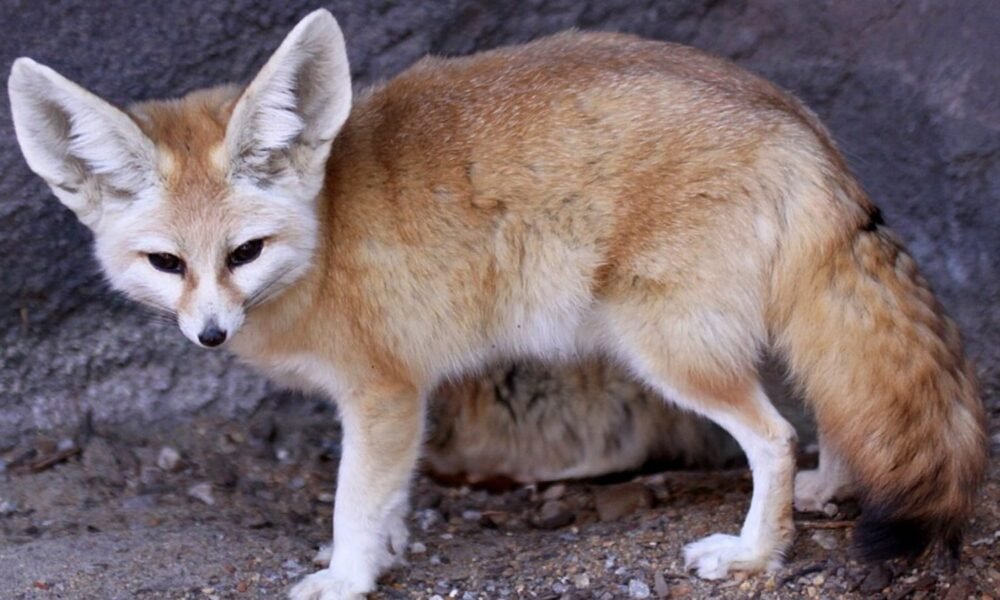
Even humans can find it difficult to survive summer as temperatures rise and heatwaves intensify. Many animals in nature are designed to handle extreme temperatures. These animals have developed remarkable ways to conserve water and stay active under the scorching sun. CamelNo list about heat-resistant animals would be complete without the camel. Camels are designed to withstand extreme heat and dry weather. Their humps do not store water but fat which is converted into energy by the body when food is scarce. They can tolerate dehydration and go for days without drinking any water. Their thick eyelashes, as well as their closable noses, protect them from the hot desert winds and sandstorms. Fennec FoxThe fennec is a native of the Sahara Desert and is known for its large ears. These ears aren’t just cute; they also help regulate temperature and release body heat. Its pale coat reflects sunlight and keeps it warm during the day. The fox is nocturnal and hunts when temperatures are lower. Kangaroo RatDespite the name, kangaroo rats are not related to kangaroos. This tiny rodent, found in the deserts of North America, can survive without any water. It gets moisture from plants and seeds, and its kidneys are highly efficient and conserve every drop of water. Kangaroo Rats (Photo: Wikipedia). OstrichStory continues below. Africa’s ostrich thrives on hot savannahs, dry open lands and arid lands. The world’s largest bird has incredible heat-management skills. It uses its long legs for covering large distances while consuming minimal energy in search of water and food. The story of Colombia’s ‘cocaine hippos,’ and why they have become a threat to native biodiversity5. Desert TortoiseThe tortoise has mastered the art of slow and steady living. It lives in arid areas, and spends most of its time in underground burrows. Temperatures are cooler. It can store water and survive for long periods without fresh water sources. It limits its movement during extreme heat to avoid overheating and water loss. MeerkatKnown for their ability to stand upright and scan the horizon when in a hot, dry environment, meerkats have adapted well to the conditions of southern Africa. They live in underground burrows that keep them cool in extreme heat. They can see better under bright sunlight because their dark eye patches reduce glare. Thorny DevilThis unique Australian lizard thrives on the hottest desert areas of Earth. The thorny Devil is covered in sharp spines and uses its body to channel dew or rain water directly into its mouth. Its skin allows it to absorb small amounts of moisture and survive in places where there is very little rain. ElephantsWhile elephants don’t seem like desert animals, Africans elephants are surprising good at handling heat. Their large ears function as natural cooling systems and release excess body heat. To regulate their temperature, they also use mud showers, dust baths and frequent trips to water. Their behaviour can change with the weather. They are more active in cooler hours.