Connect with us

LifestyleNews

‘It pays my bills, but it doesn’t feel like me’: Why India’s Gen Z hates the 9-to-5 but refuses to quit
 Post Content​

Prachi Kumari was 21 when she walked into her first corporate job, certain she had made the right call. At 24, she’s not very sure. The deadlines haven’t stopped, the inbox never empties, and somewhere between the performance reviews and the appraisal cycles, she finds herself asking a lot of questions about her position in life.

She’s not alone. Across India, a generation of young professionals continues to show up at the same offices they critique on social media. They post about burnout, swap memes about toxic workplaces, and dream aloud about freelancing, passion projects, and ‘escaping the matrix’. Yet most of them haven’t left.

This isn’t hypocrisy. It highlights a generation that is caught between the life they want and the financial ground they can’t afford to lose beneath their feet.

A safety net they can’t let go of

Ask any Gen Z professional what they think of the 9-to-5, and you’ll get a similar answer: it’s complicated.

Sristhi Jain, 23, tells indianexpress.com, “I have a bit of a love-hate relationship with the traditional 9-to-5 model. On one hand, I genuinely see it as a strong safety net, especially for our generation. We’re ambitious, experimental, and often drawn toward unconventional paths. Having a steady 9-to-5 provides financial stability, structure, and a sense of security that allows us to explore those non-conservative dreams without constantly worrying about survival.”

But in the same breath, she acknowledges the friction, stating, “The fixed hours, rigid structure, and mental bandwidth it demands can slowly chip away at the energy and freedom we need to pursue what truly excites us.”

It’s a tension that Nehal, 25, recognises viscerally. She values the predictability of “knowing these are the hours meant for work helps me organise my day and my energy,” but it rarely stays within those hours. Commutes stretch the day. Deadlines spill into evenings. The clean boundary between work and life that Gen Z craves rarely materialises.

Story continues below this ad

What keeps them close to the model, even so, is a single word: certainty. As Nehal says, “There’s psychological safety in knowing what your month roughly looks like and that compensation will follow.”

From a financial standpoint, this instinct is entirely rational. Snehasish Das, a quantitative finance expert and financial advisor at Solvay Brussels School of Economics and Management, explains why the salaried job retains its gravitational pull even in an era of gig work and creator economies. He says, “A salaried job still provides predictability, which is the foundation of financial planning. Fixed monthly income, employer-backed benefits such as provident fund contributions, insurance coverage, and easier access to credit products like home or personal loans create a structured safety net.”

For first-generation wealth builders, the stakes feel even higher. The risk of financial instability isn’t abstract. It’s the end of independence.

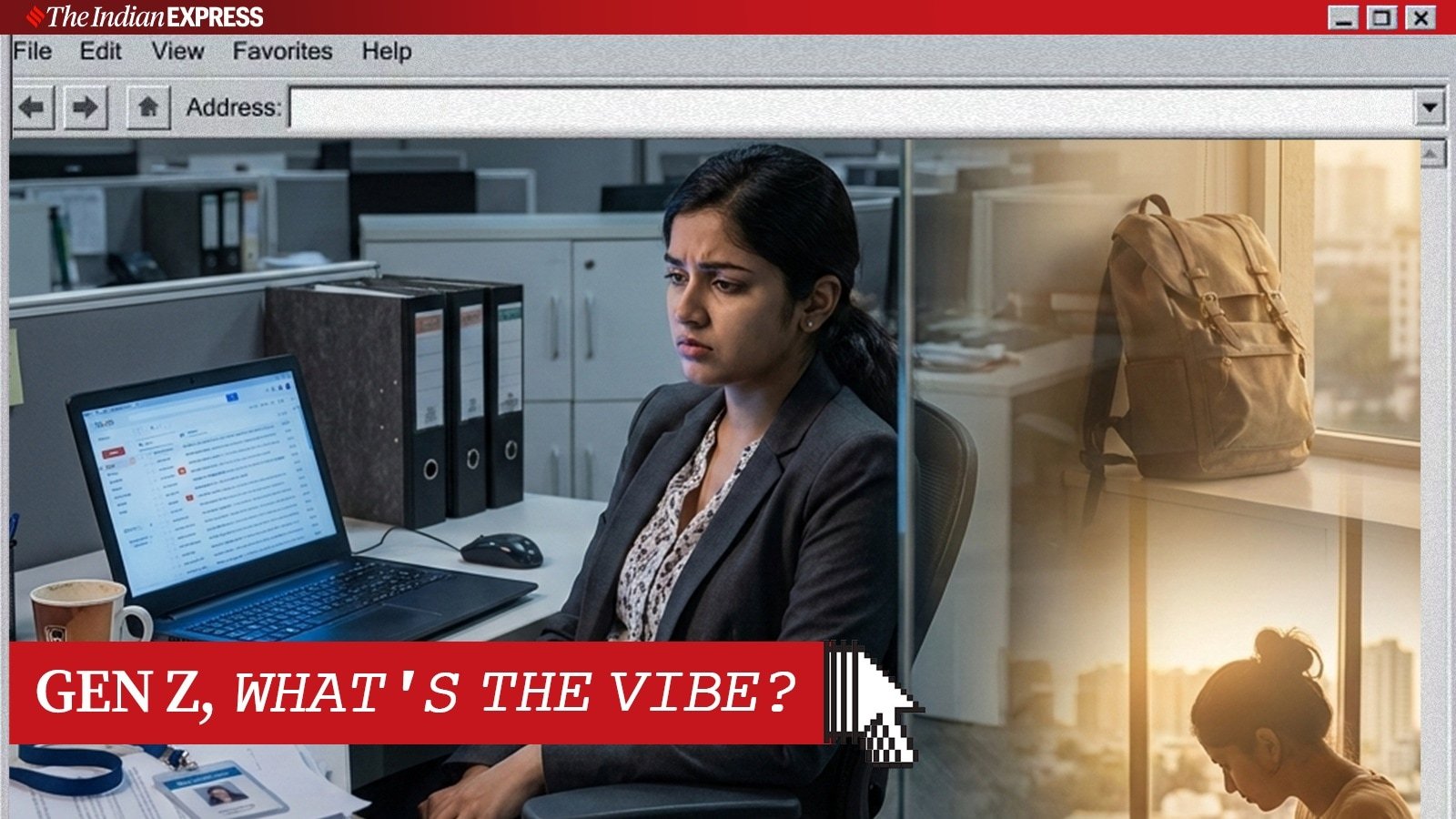
Ask any Gen Z professional what they think of the 9-to-5, and you’ll get a similar answer: it’s complicated.Ask any Gen Z professional what they think of the 9-to-5, and you’ll get a similar answer: it’s complicated. (Source: AI Generated)

The cost of staying

If the financial case for staying is clear, the psychological cost is subtler and accumulates slowly. Dr Munia Bhattacharya, senior consultant in clinical psychology at Marengo Asia Hospital, Gurugram, has watched this pattern emerge with increasing clarity in her practice. “Clients often report numbness, irritability, low energy, and a sense of being trapped. Over time, the job becomes a survival mechanism rather than a source of purpose, which creates quiet resentment and emotional withdrawal,” she says.

Story continues below this ad

Dr Bhattacharya puts a clinical name to the internal split many young workers feel without quite being able to articulate it: cognitive dissonance. A daily tug-of-war, she says, between “this pays my bills” and “this doesn’t feel like me”. Many Gen Z individuals, she observes, function well on the outside while feeling internally disengaged, “as if they are living someone else’s life”.

Aishi Chatterjee, a PR executive in her early 20s, describes it. “The mental cost isn’t always visible burnout; it’s often a quieter sense of restlessness, creative stagnation, or feeling like life is on pause,” she notes.

For Jain, the conflict manifests as a values gap between who she is and what corporate life demands of her. “I’m someone who thrives on curiosity, creativity, and trying new things, but corporate structures don’t always allow the freedom to choose work that truly aligns with what excites me. Often, I find myself completing tasks without my heart fully in them. That disconnect can feel draining,” she explains.

ALSO READ | Ram Charan on career setbacks despite being privileged, and why he mentally clocks out after work hours

Dr Bhattacharya warns that the danger is not immediate collapse but slow erosion “of confidence, curiosity, and self-trust” as motivation shifts from internal drive to external compulsion: salary, fear, validation. Over time, she says, identity itself begins to blur. People stop asking what they want and start asking what is expected of them.

Story continues below this ad

The anxiety of imagining otherwise

Almost every Gen Z professional interviewed had considered leaving corporate life. None had done it. The reasons illuminate just how layered the decision really is.

For Jain, it comes down to readiness. For her, what holds her back are very real practical concerns. “The volatility of the market is a big one—stepping away from a stable corporate role means stepping into uncertainty, and that can be daunting.”

Nehal spent months questioning herself before even entertaining the idea seriously. “What held me back was security, the predictability of income, the comfort of knowing what comes next, and the very real anxiety of stepping into an uncertain job market.” But she also identifies a social dimension that’s rarely discussed openly: “Being attached to a known organisation protects you from questions. Leaving means explaining yourself.”

At minimum, individuals should maintain an emergency fund covering six to 12 months of expensesAt minimum, individuals should maintain an emergency fund covering six to 12 months of expenses (Source: AI Generated)

That fear of scrutiny from family, from peers, from society is something Dr Bhattacharya identifies as central to Gen Z’s career paralysis. “Gen Z grew up watching layoffs, economic shocks, and social media highlight both extreme success and failure. This creates a constant background anxiety: ‘What if I fall behind?’ Social comparison intensifies this—seeing peers succeed online makes even a stable job feel inadequate.” The result, she says, is that decisions are often driven more by fear of loss than excitement for growth.

Story continues below this ad

Das, the finance expert, mentions what a responsible exit actually requires. He explains, “At minimum, individuals should maintain an emergency fund covering six to 12 months of expenses, independent health insurance, and a disciplined investment plan that continues regardless of income variability. Without these safeguards, career flexibility can quickly turn into financial stress.”

The internalised pressure

The pressure to choose stability over experimentation doesn’t always come with a face. Often, it’s been so thoroughly internalised that it speaks in one’s own voice.

Nehal informs, “In many Indian families, stability is seen as a responsibility. A formal job becomes proof that you’re doing life ‘correctly’. Even when no one directly questions you, you anticipate the questions.” That anticipation, she says, shapes decisions in ways that are difficult to separate from personal choice. “You start negotiating with yourself: maybe wait a little longer, maybe this is practical, maybe wanting something different is deviating from the norm.”

Jain, however, pushes back on the idea that external pressure remains the dominant force for her generation. Social media and greater exposure, she argues, have shifted the calculus: families are more aware that non-traditional careers can be viable. For her, the pressure is mostly internal, which she describes as “a quiet negotiation: Should I choose what feels secure, or should I take a leap toward something that excites me more?”

Story continues below this ad

Redefining what success looks like

For Jain, the definition has moved inward. Earlier, success may have seemed more external, involving a better position, salary, and recognition. Now, it feels more internal. “It’s about having something I can rely on financially and personally. It’s about growing through the process, building real skills, and gaining the confidence to consistently deliver work that reflects my true potential,” she tells indianexpress.com.

Prachi echoes this, “Earlier, career success meant a good job title, steady salary, and external validation. Now, it means something deeper—doing work that pays well and feels aligned with who I am.”

Das observes the same transformation from a financial lens. He observes that Gen Z still values security, but associates success less with home ownership and retirement milestones, and more with flexibility, time autonomy, meaningful work, and mental well-being. “Financial independence is viewed less as retiring early and more as having the freedom to make career and life decisions without being constrained by money,” he states.

Renegotiating the terms

Chatterjee articulates the middle ground her generation is occupying: “Many Gen Z professionals are staying in salaried roles while slowly redefining success. Stability still feels non-negotiable, but blind loyalty to work no longer does.”

Story continues below this ad

Dr Bhattacharya offers a framework for managing the tension rather than resolving it. The key, she says, is integration, not escape. “Psychologists often suggest separating ‘job’ from ‘identity’. A job can fund life while meaning is built through side projects, learning, boundaries, or creative outlets.” Naming the compromise consciously, rather than feeling silently trapped in it, makes an enormous psychological difference.

Das advocates a hybrid financial approach: building secondary income streams while still employed, keeping fixed expenses low, automating investments, and avoiding the trap of scaling lifestyle to match income spikes—all of which preserve optionality without demanding an immediate leap.

Disclaimer: This article is for informational purposes only and does not constitute financial or investment advice. Individual financial situations vary, and readers are advised to consult a qualified financial planner, advisor, or mental health professional before making financial decisions. 


Continue Reading
Click to comment

Leave a Reply

Your email address will not be published. Required fields are marked *

LifestyleNews

‘Koi mera fan nahi hai ghar mein’: Anil Kapoor on raising ‘idealistic, independent’ children

 ​Anil Kapoor on parenting independent children. (Source: Instagram/@anilkapoor). At first glance, it might seem like Anil Kapoor’s admission echoes every Indian father’s sentiment. But on closer inspection, the Animal actor’s statement hints at pride. Despite achieving fame and success in Bollywood, his children chose to carve out their own path and not rely on his stardom. At home, too, they don’t treat him any differently or bend over backwards for his approval. During a recent conversation, Kapoor opened up about raising confident children.. “Mera bada clear hai, apne bachhon ke saath (I have it very clear with my kids). All my children are very idealistic, very independent, and they are worse than me. Koi mera fan nahi hai ghar mein, koi bhi nahi hai, ratti bhar (No one in my family is my fan, not a single soul),” he told NDTV.. Decoding his parenting philosophy. Rima Bhandekar, Mpower Helpline, at Aditya Birla Education Trust, said that Kapoor’s parenting style focuses on letting children be independent and grow into their own.. “This style of parenting focuses on providing children ample independence and distance to develop, and at the same time support when required, and is very different from helicopter parenting, where parents are around all the time. Such parents let their children know that their assistance is available when wanted by the children,” she explained.. View this post on Instagram. According to her, the aim of such parenting is to encourage children to explore on their own and learn alongside, thereby naturally boosting their internal confidence to solve issues and make independent decisions. “A parent may encourage their children to try new activities and face challenges without the parent promptly helping them. The central concept is to let children navigate their own understanding of their world and develop competencies, while parents are there to guide as necessary,” said Bhandekar.. Such independent-focused parenting comes with its own set of challenges and pitfalls:. Children start handling challenges on their own without expecting their parents to step in.. Their confidence develops gradually through trial-and-error learning, and they know they can succeed after initial failure.. Children develop an understanding of various situations, how they feel in them, and how to face others with confidence.. Children face less pressure from their parents to conform, and develop at their own pace. However, some children may not be able to cope with too much independence as it may leave them feeling disorganized or overpowered, or may not know when to call for help, said Bhandekar, adding that few may also need help with controlling their impulsive behaviour with clear-cut instructions, parental expectations and discipline, without which there could be issues in social or academic settings.. ALSO READ | ‘Gentle parenting left me drained’: Why more Indian parents are embracing ‘FAFO parenting’ to let  

Continue Reading

LifestyleNews

‘It disrupts the cue’: Nutritionist shares science-backed hack to stop sugar cravings instantly
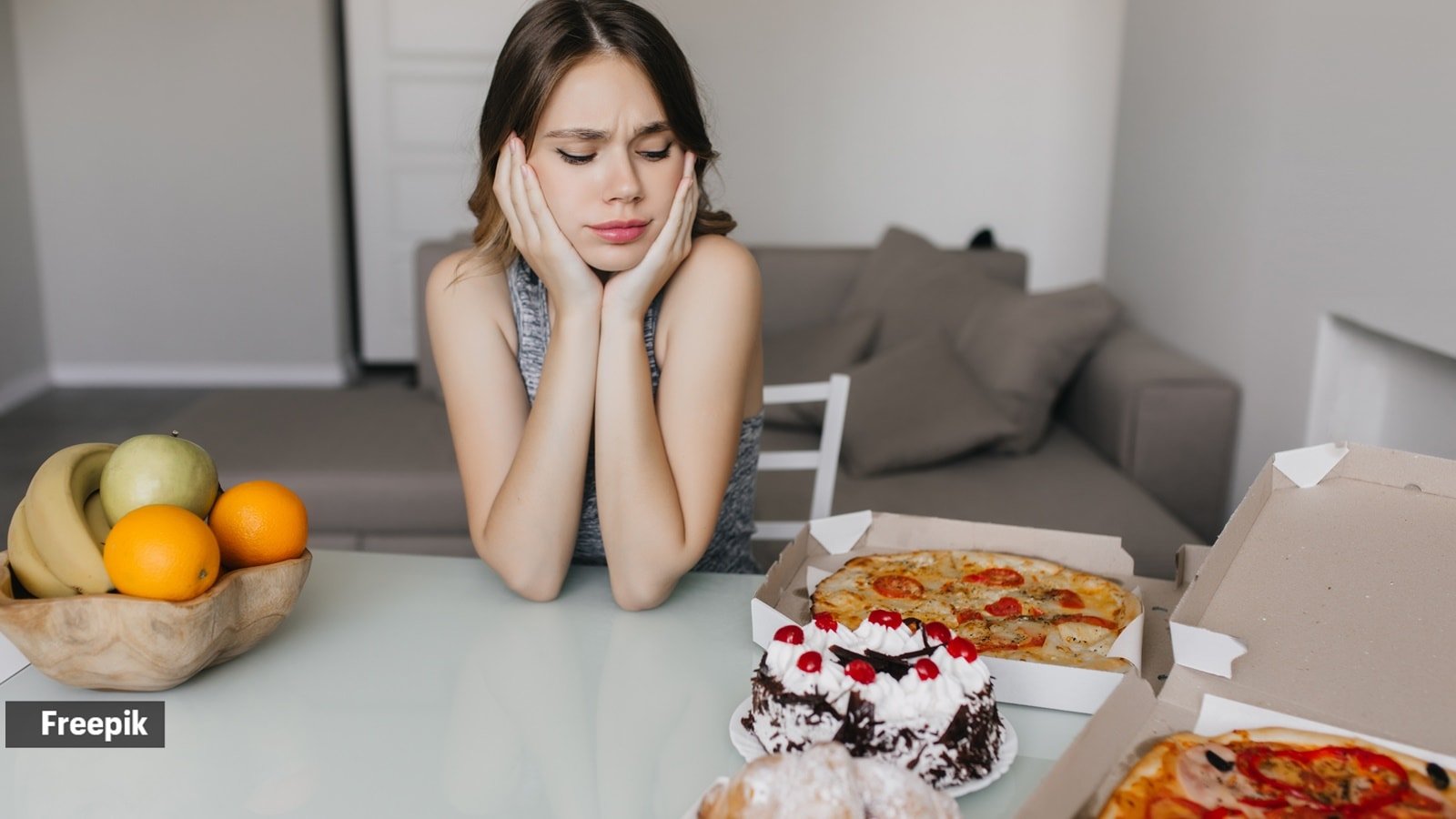
 ​Celebrity nutritionist Pooja Makhija says cravings are not always about hunger. Often, they’re about dopamine prediction. “When you eat something sweet, your brain doesn’t just respond to sugar. It responds to anticipation. First, there’s a cue, followed by routine action and a reward loop,” she wrote on Instagram.. So what helps? According to her, “brushing” disrupts the cue. “Menthol activates TRPM8 receptors — cold-sensitive channels in the mouth — altering taste perception and temporarily reducing the reward value of sweet foods. This sensory interference reduces the expected dopamine payoff,” she added.. Explaining the science behind it, Makhija quoted neurobiological research showing that dopamine levels spike more in anticipation than in consumption. “If you interrupt anticipation, you blunt the craving cycle,” she noted.. We reached out to a health expert to verify her claim, and here’s what we found out.. Decoding the science. Dr Sakshi Hinduja, BDS, Aster CMI Hospital, Bangalore, agreed with Makhija, stating that brushing your teeth when a sugar craving hits is effective because cravings are not always about true physical hunger, but often about the brain expecting a dopamine reward.. “The brain learns to associate sweets with pleasure, comfort, or stress relief, and over time it starts predicting that reward at certain times of the day, such as after meals, during stress, or when feeling bored, which creates a strong urge to eat something sweet. This happens even when the body does not need energy, and this is called dopamine prediction, where the brain releases feel-good signals in anticipation of sugar rather than from real nutritional need,” she explained in detail.. View this post on Instagram. So, brushing your teeth, especially with a minty toothpaste, can help break this pattern because the fresh taste changes the sensory experience in the mouth and makes sugary foods taste less appealing, said Dr Hinduja, while also sending a psychological signal that eating time is over. Similar to how we brush after finishing a meal, this small action creates a pause between impulse and behavior, giving the craving time to settle.. Since most cravings are short-lived and usually pass within minutes if not acted upon, Dr Hinduja said that the “clean-mouth feeling increases awareness and self-control, making a person less likely to immediately reach for sweets”.. Story continues below this ad. Thus, brushing teeth works both physically by altering taste and psychologically by interrupting the brain’s reward expectation, helping reduce unnecessary sugar intake in a simple and practical way.. ALSO READ | Before or after breakfast: The right time to brush your teeth is…. Points to note. Dr Hinduja also added that brushing properly is very important because it removes food particles, plaque, and bacteria that cause cavities and gum problems. In fact, brushing for two-three minutes is a good idea because many  

Continue Reading

LifestyleNews

Mere sabse ache dost mere ghar ke andar hain’: Jaya Bachchan on companionship in marriage
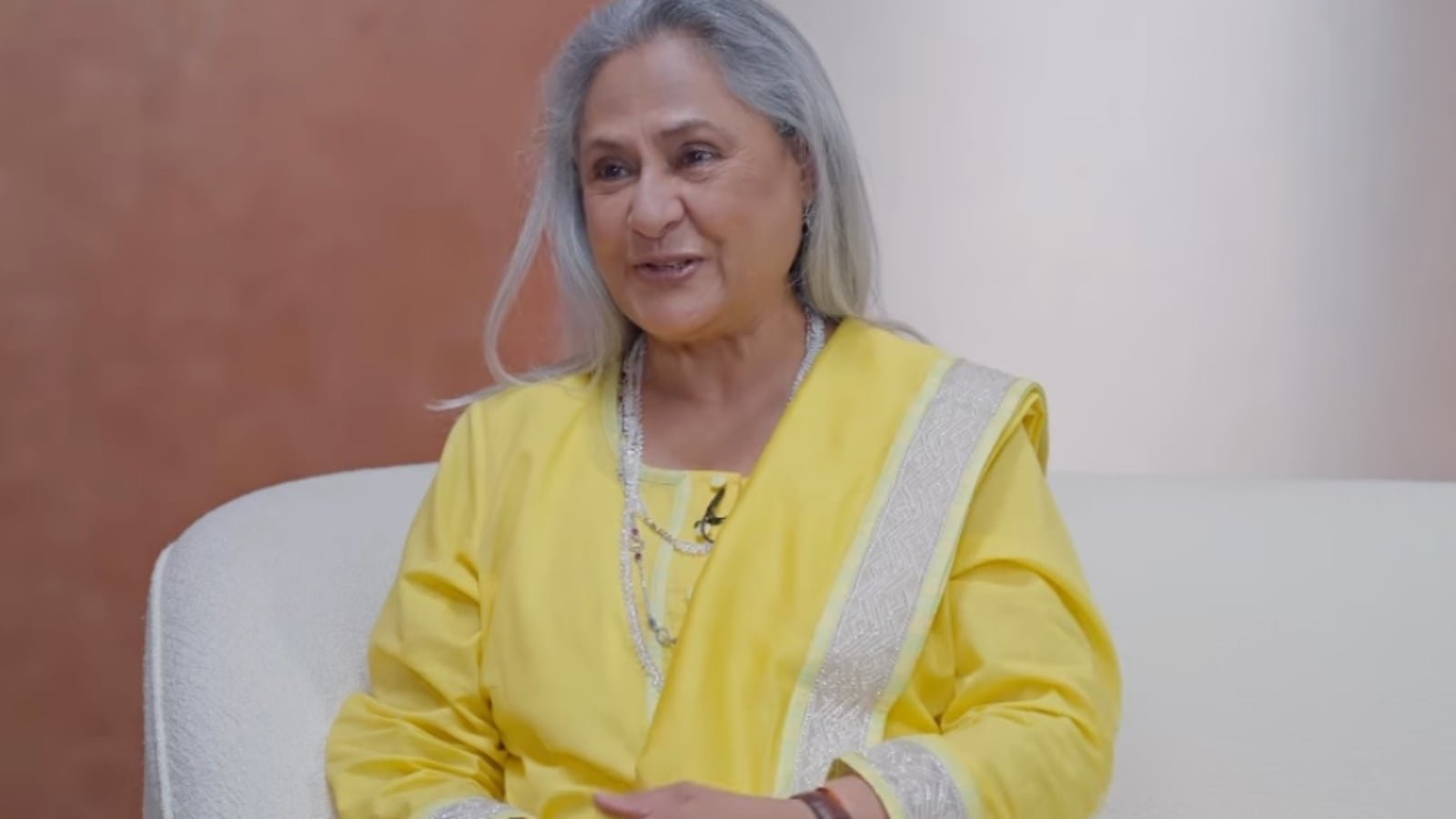
 ​On her granddaughter Navya Naveli Nanda’s podcast, veteran actor Jaya Bachchan reflected on companionship in marriage. Responding to a question about whether romance should come between friendship, she said, “Mere sabse ache dost mere ghar ke andar hein…My husband is my best friend. I don’t hide anything from him.”. Her statement shifts the focus from grand gestures of romance to emotional transparency and friendship within marriage. To understand what this kind of bond means psychologically, we spoke to Dr Pavitra Shankar, Associate Consultant–Psychiatry at Aakash Healthcare, who explained that friendship within marriage creates a foundation of emotional safety. “When spouses share a close friendship, it strengthens trust and open communication. Emotional safety allows individuals to process stress, disappointments and life transitions more effectively.”. She adds that the ability to feel understood reduces internal strain. “Feeling heard and accepted by a partner decreases loneliness and anxiety. Over time, this contributes to greater emotional resilience.”. Studies suggest that couples who describe each other as close friends often report lower perceived stress and greater life satisfaction. Emotional support within marriage can even reduce levels of stress hormones, Dr Shankar elaborates.. View this post on Instagram. Aren’t personal boundaries equally important?. While closeness is beneficial, Dr Shankar emphasises that healthy marriages also require boundaries. “Personal boundaries are essential, even in deeply connected relationships. They allow each partner to maintain their identity and emotional balance.”. Without boundaries, closeness can turn into over-dependence. “Healthy boundaries prevent emotional exhaustion, resentment and excessive reliance on one another. Respecting personal space strengthens mutual respect.”. She adds that independence and intimacy are not opposites. “A psychologically healthy marriage balances connection with individuality. When both partners feel secure in themselves, the relationship becomes more stable.”. ALSO READ | When Jaya Bachchan said addressing someone as ‘tu, tum’ are ‘big red flags’. How does emotional safety in marriage influence physical health?. 1) The psychological impact of a marriage often affects physical health more than people realise. “Emotional safety reduces chronic low-level stress, which directly impacts physical health outcomes,” says Dr Shankar.. Story continues below this ad. 2) When a person feels secure in their relationship, the body responds accordingly. “Lower stress hormone levels can improve sleep quality, help regulate blood pressure and support immune functioning.”. 3) Conversely, ongoing emotional tension can have measurable consequences. “Persistent relational stress may impair sleep, increase inflammation and raise cardiovascular risk over time. The state of a marriage can significantly influence long-term physical we  

Continue Reading

LifestyleNews

Happy Women’s Day 2026 Wishes Images, Quotes, Status and Message to all beautiful ladies

 ​Happy Women’s Day 2026 Wishes Images: Share these wishes with all the beautiful ladies in your life.. Happy Women’s Day 2026 Wishes Images, Quotes, Caption, Status and Message: International Women’s Day (IWD) is observed globally every year on March 8 to celebrate the significant achievements of the women’s rights movement, promote gender parity, and emphasise ongoing efforts for advocacy and action worldwide.. This year, it will be observed on ; as the day is fast approaching, indianexpress.com has listed special wishes that one can share with all the beautiful ladies in their lives.. Happy Women’s Day 2026: Wishes. Happy Women’s Day 2026! May your strength, wisdom, and grace continue to inspire everyone around you.. Wishing you a day filled with appreciation, respect, and celebration of all that you are. Happy Women’s Day 2026!. May this Women’s Day bring you new opportunities, endless happiness, and well-deserved success.. Here’s to strong women—may we know them, may we be them, may we support them. Happy Women’s Day 2026!. TRENDING: Top 10 best and worst countries in the Women, Peace and Security Index 2025/26: Where do India and the US stand?. Happy Women’s Day! Your courage and determination make the world a better place.. Story continues below this ad. May you always rise, shine, and achieve everything you dream of. Happy Women’s Day 2026!. Celebrating your achievements today and always. Happy Women’s Day 2026!. Happy Women’s Day 2026 to every incredible woman—your resilience and kindness never go unnoticed.. May you continue to break barriers and set new standards of excellence. Happy Women’s Day 2026!. Story continues below this ad. Happy Women’s Day 2026! Wishing you empowerment, equality, and endless possibilities today and beyond.. Happy Women’s Day 2026: Quotes. “No one can make you feel inferior without your consent.” – Eleanor Roosevelt. “There is no limit to what we, as women, can accomplish.” – Michelle Obama. Women’s Day 2026: Quote by Laurel Thatcher Ullrich. “We cannot all succeed when half of us are held back.” – Malala Yousafzai. Story continues below this ad. “Each time a woman stands up for herself, she stands up for all women.” – Maya Angelou. Women’s Day 2026: Quote by Coco Chanel. “Think like a queen. A queen is not afraid to fail.” – Oprah Winfrey. “If you want something said, ask a man; if you want something done, ask a woman.” – Margaret Thatcher. Happy Women’s Day 2026: Messages. On this Women’s Day, let us honour the achievements, sacrifices, and strength of women everywhere.. Story continues below this ad. Today, we celebrate not just women’s accomplishments but their unwavering spirit and resilience.. Happy Women’s Day 2026! Thank you for leading with compassion and courage.. May this day remind you of how valued and respected you truly are. Happy Women’s Day!. This Women’s Day, let’s continue to support, uplift, and empower  

Continue Reading

LifestyleNews

‘Helps my heart/circulation, too’: Vidya Malavade reveals the move that ends her asana practice
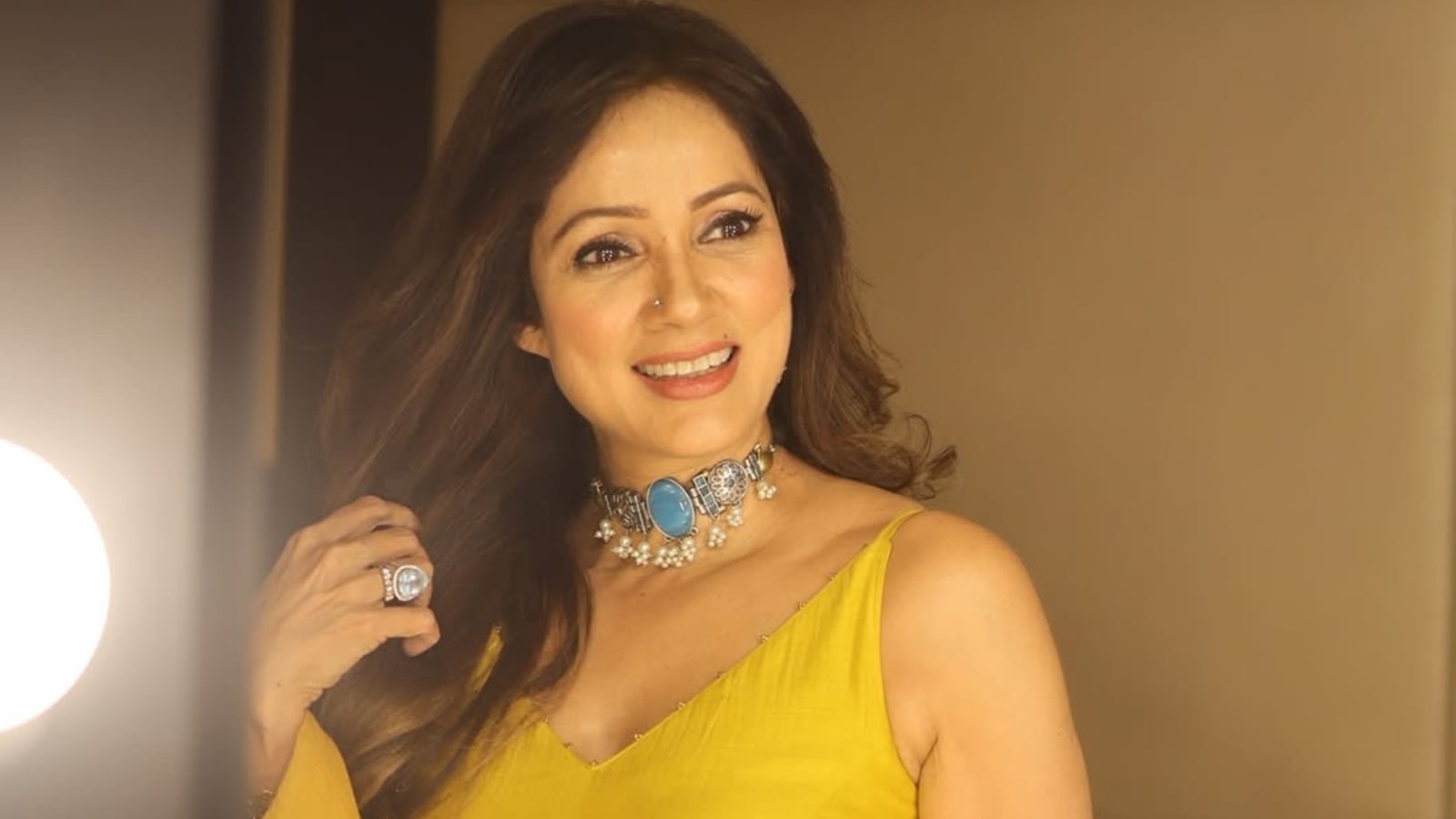
 ​Vidya Malavade puts her legs up the wall to relax. (Source: Instagram/@vidyamalavade). A proper cool-down routine, which is often underrated, can significantly improve the effectiveness of your workout. Vidya Malavade knows this, and thus swears by a 15 min Viparita Karani to regulate her nervous system, detox her body, and boost her digestive system. Taking to social media, the Mismatched actor shared a video of herself putting her legs up against the wall or the back of the sofa to unwind.. “Legs up the wall.. in this case, sofa..Perfect for lymphatic drainage. I practice this every single day, for at least 15 minutes. Most of my asana practices end like this. Helps my heart/circulation too,” she mentioned the benefits in the caption of her Instagram post.. What are the benefits of this pose?. Indianexpress.com spoke to health experts and found out that Viprit Karni is a restorative asana that focuses on gentle inversion. Jiggyasa Gupta, nutrition and fitness coach, Fittr shared that when practiced before sleeping, it can be helpful on its own to relax the body and mind, resulting in good sleep.. This move can help relieve leg and foot cramps, calm the nervous system, relieve tension or fatigue in the legs, feet, and hips, improve blood circulation, and, if practised daily, may also help lower stress, improve circulation, and reduce lower back pain, Gupta said.. View this post on Instagram. How to ace the pose?. According to her, this exercise is best done in the morning and in the evening, on an empty stomach. “There is no warm-up needed for this pose. For best results, try to calm your mind with regulated breaths. Inhale and exhale deeply,” she said, adding that longer exhalations slow the heart rate and calm down the nervous system.. Here’s a step-by-step guide:. Lie down on the floor and place your hips closer to the wall.. Now, lift your legs against the wall; ensure that both legs are pointed vertically, facing the ceiling.. While keeping the legs against the wall, try to consciously relax each part of the body.. Close your eyes and breathe deeply. Maintain the position for at least 20 minutes.. To come out of the pose, bend the knees first and push yourself away from the wall.. What to keep in mind. Utsav Agrawal, another advanced personal trainer at Fittr, added a few things to keep in mind while performing this move:. 1. If you have any medical conditions, such as high blood pressure, glaucoma, or any issues with your neck or spine, it’s important to consult with your healthcare provider before attempting this pose.. 2. Start slowly and listen to your body. If you feel any discomfort or pain, ease out of the pose or adjust the height of your hips by placing a cushion or blanket under your lower back.. Story continues below this ad. ALSO READ | Vidya Malavade tries one-week of ‘sugar-free, grain-free’ anti-inflammatory diet, says it ‘helps with insulin resistance’. 3. Avoid this pose if you have any injuries or infla  

Continue Reading

Latest News

Politics59 minutes ago

Women should pursue ‘career with character’: Rashtra Sevika Samiti chief

 New Delhi, Women should pursue a “career with character”, bringing sincerity, ethical values and a sense of responsibility to the...

Politics2 hours ago

India set to lead global homoeopathy with certified quality frameworks: Experts

 New Delhi, India, home to one of the world’s largest homoeopathy ecosystems, is set to emerge as a global leader...

Politics3 hours ago

PM Modi assures cooperation to Nepal as Balen Shah’s RSP sweeps elections

 Prime Minister Narendra Modi on Saturday congratulated the people and government of Nepal for the successful conduct of elections in...

Politics3 hours ago

PM Modi assures cooperation to Nepal as Balen Shah’s RSP sweeps elections

 Prime Minister Narendra Modi on Saturday congratulated the people and government of Nepal for the successful conduct of elections in...

Politics4 hours ago

PM Modi to inaugurate two new Delhi Metro corridors: Key details of Pink and Magenta line extension

 Prime Minister Narendra Modi will inaugurate two new corridors of the Delhi Metro and lay the foundation stones for development...

Politics5 hours ago

Ahmedabad weather: Rain or sweat? IMD forecast for city ahead of Ind vs NZ T20 World Cup final

 Ahmedabad weather: Sunny skies are up in Ahmedabad ahead of the ICC Men’s T20 World Cup final match between India...

Politics5 hours ago

Ahmedabad weather: Rain or sweat? IMD forecast for city ahead of Ind vs NZ T20 World Cup final

 Ahmedabad weather: Sunny skies are up in Ahmedabad ahead of the ICC Men’s T20 World Cup final match between India...

Politics6 hours ago

KCBC criticises Kerala govt over rise in liquor outlets, inaction on drugs

 Kochi, The Kerala Catholic Bishops Conference , a key body of the Catholic Church in the state, on Sunday criticised...

Politics7 hours ago

AI will shape future warfare, help take quick and right decisions: Chief of Defence Staff

 Chief of defence staff General Anil Chauhan on Saturday said artificial intelligence will shape future warfare and help the armed...

Politics7 hours ago

AI will shape future warfare, help take quick and right decisions: Chief of Defence Staff

 Chief of defence staff General Anil Chauhan on Saturday said artificial intelligence will shape future warfare and help the armed...

Trending News

Join Our Newsletter

Stay updated with breaking news and exclusive content.