LifestyleNews
Death doulas are changing how the world and India approach dying: Why this end-of-life care is gaining attention
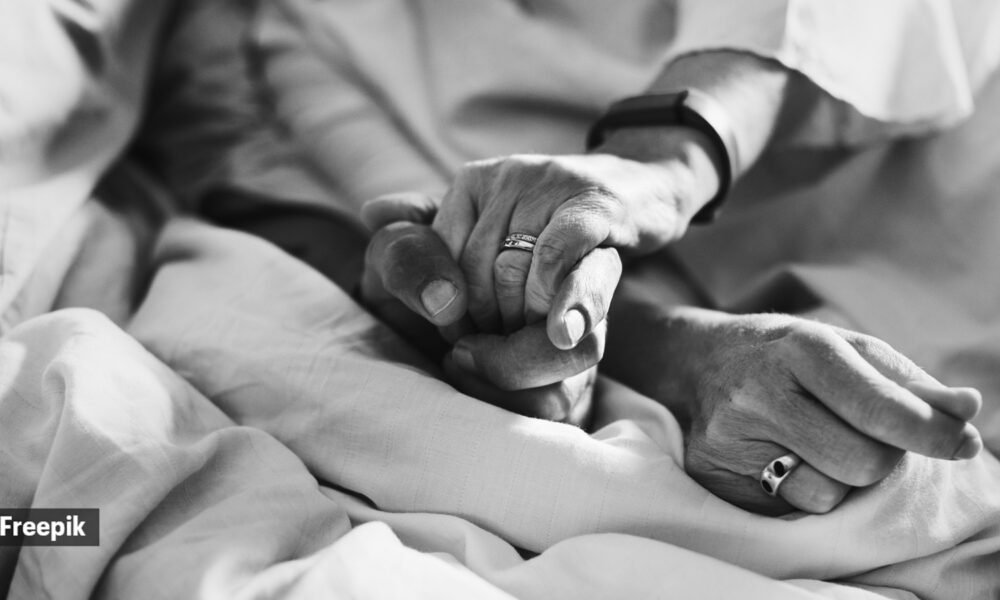
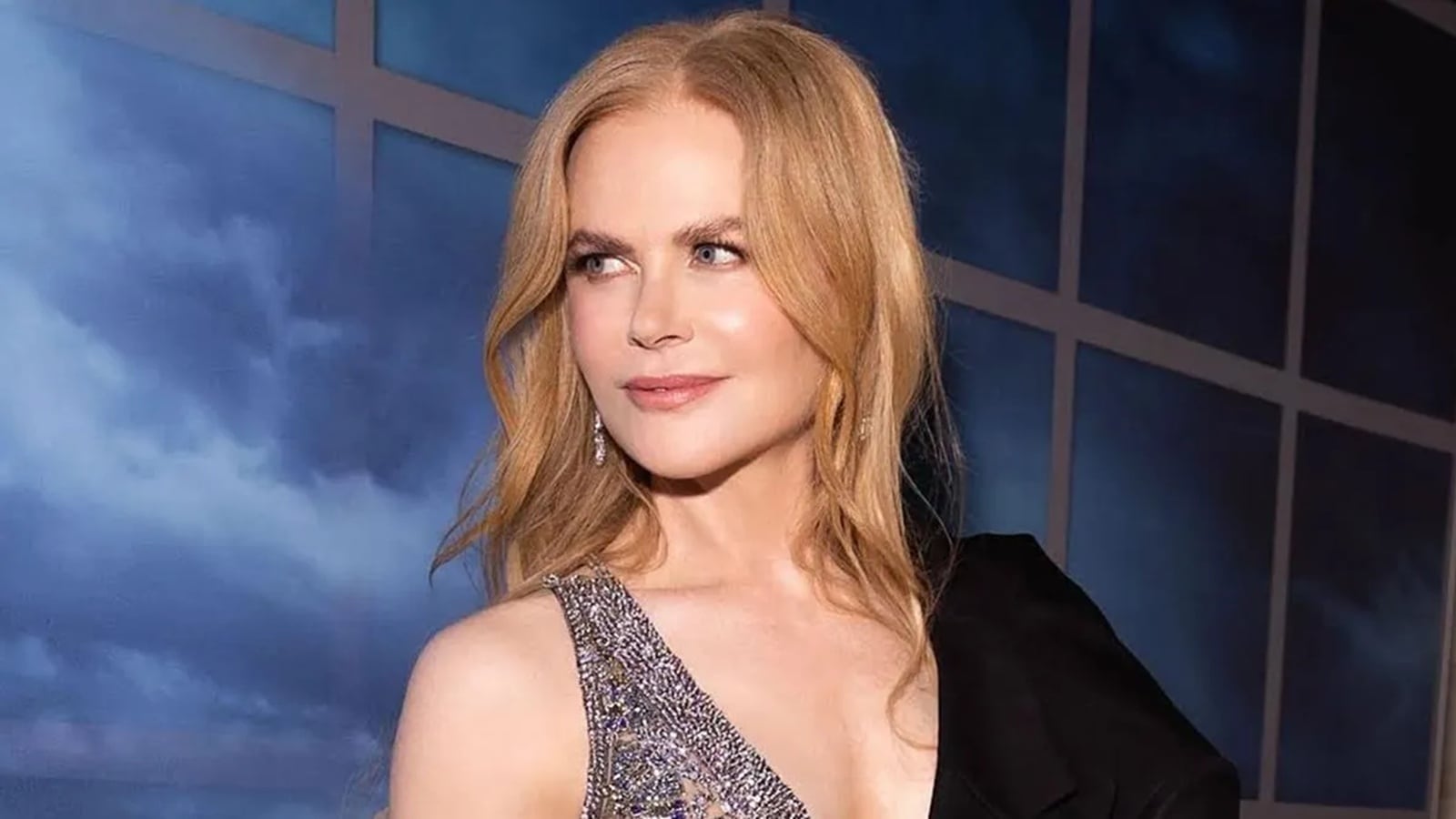
Death is a subject that most of us avoid talking about and want to brush under the carpet most of the time. But we often forget that all of us, our parents, dearest siblings, partners, friends, and every other being, are finite. In the vast ocean of death literacy, ‘death doulas’ are gradually bringing compassion, presence, and dignity to people’s lives. Recently, Hollywood actor Nicole Kidman revealed that she is learning and training to become a death doula after losing her mother, Janelle Ann Kidman, in September 2024 at the age of 84. During a HISTORYTalks event in Philadelphia, she shared, “It’s helping people in the end stage of life. It’s helping the families. It’s being present, impartial. I think it’s fascinating. It’s, it’s really fascinating, it’s very beautiful, and you have to be a certain personality to be able to do it, but I found out that I’m actually that personality.”
DISCLAIMER: This article is based on information from the public domain and/or the experts we spoke to. Always consult your health practitioner before starting any routine.
She mentioned that people often suffer in the last few days of their lives. “There is always suffering in life, right? But if there are people there who can help with that and make those final stages less painful, you can feel the connection and the love, and that is a lovely thing to be able to do. So that’s what I’m exploring.”
She went on to share how death doulas are a “huge necessity” in modern life, considering longer life expectancies, loneliness, and the way in which “people are treated in (that) stage of life”.

She is not the only one. Director Chloe Zhao admitted to training to be a death doula to help her overcome fears around death.
In most Indian urban households today, death has moved from the home to the hospital. Families dealing with a terminal diagnosis are managing medical decisions, financial strain, and their own grief all at once, often with no one guiding them through what is actually happening emotionally. “The dying person, meanwhile, is frequently sedated, surrounded by machines, and spoken about rather than spoken to. Death doulas are the ones who support the idea that how a person dies matters as much as the quality of care they received while living,” described Dr Chandni Tugnait, MD (A.M), psychotherapist, life alchemist, coach, and healer, founder and director, Gateway of Healing.
All the death doulas
Families are overwhelmed, doctors are focused on the clinical, and the person at the centre of it all is frequently left without anyone whose sole purpose is simply to be there with them, without an agenda, without paperwork, and without the need to fix anything. “This is the gap that death doulas step into,” mentioned Dr Tugnait.
Story continues below this ad
A death doula, sometimes called an end-of-life doula or death midwife, is a trained non-medical companion who supports a dying person and their family through the process of death. “Their work includes helping someone articulate what kind of death they want, facilitating difficult conversations between family members, holding space during the final hours, and guiding families through the immediate period after death. “They are not there to manage symptoms or administer medication. They are there to ensure that the experience of dying is humane, considered, and as closely aligned to the wishes of the person dying as possible,” said Dr Tugnait.
Udaipur-based Bhawna Jain was working as a nurse in oncology and used to see deaths from close quarters. After she left nursing, she started homeschooling her children, and it was then that she started reading more about death. “I started reading and started helping relatives and people on my own. We have midwives to support a mother and child, and we feel safe when someone is holding that space. Just like delivering a baby, the dying person also has a labour. So, I facilitate that space as a death doula, as a channel, from 2022 for active dying, which includes even understanding signs, like not force-feeding people when someone’s health is deteriorating,” Jain, 49, said.
What it actually means to die with dignity
Dying with dignity does not simply mean dying without pain, though that matters enormously. It means having your preferences heard and respected. It means not being alone unless you want to be. It means being able to say what needs to be said, and being treated as a full human being rather than a patient at the end of a clinical process. “Death doulas are trained to hold all of this, practically and emotionally, in ways that exhausted family members and time-pressured medical staff simply cannot,” described Dr Tugnait.
Jain mentioned, “This is not a negative space. It is something that is steeped in the science of care. I try to make the people and their families try and accept the eventuality,” said Bhawna, who doesn’t charge for the same.
Story continues below this ad
Kacie Gikonyo, a 42-year-old based in Cleveland, Ohio in the United States, is a registered nurse, death doula, and death educator. While she has been working as a death doula since 2022, she has been in “end-of-life care since 2011 through my work as a nurse”.
A death doula provides non-medical support to individuals who are dying, as well as their loved ones, as they navigate terminal illness, the dying process, and grief. “My work typically begins months before death, often six months to a year in advance, and focuses on helping people prepare emotionally, practically, and psychologically for what’s ahead,” she described.
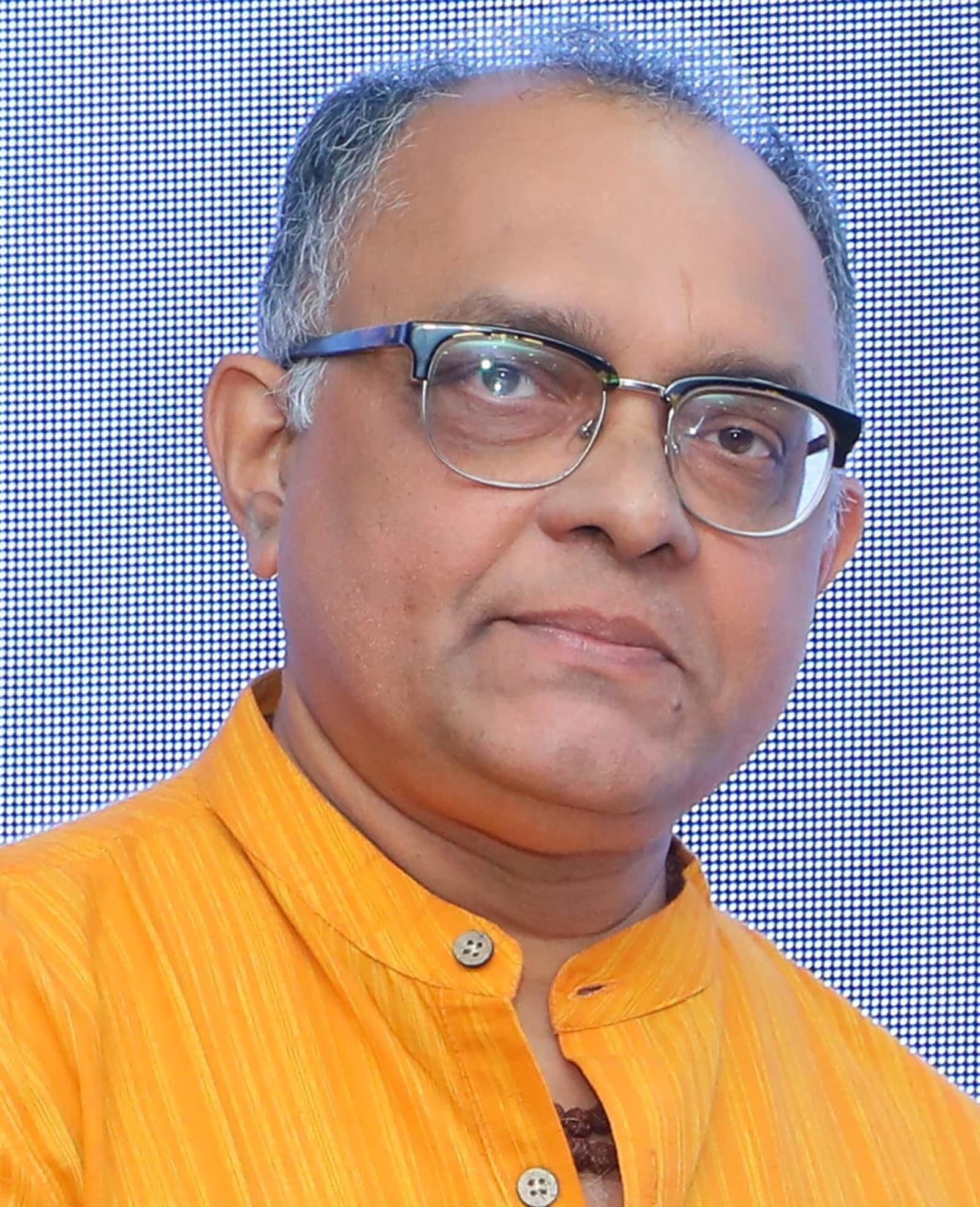

Kacie supports her clients in “creating end-of-life plans, understanding what to expect as the body changes, and making informed decisions about their care”. “A large part of my role is helping people maintain a sense of autonomy and control during a time that often feels uncertain. I also help them focus on living fully in the time they have left, not just preparing to die,” she mentioned.
So, her support includes “emotional, spiritual, educational, practical, and logistical care”. “This can look like facilitating legacy projects, helping coordinate additional caregiving services, guiding families through the healthcare system, and providing clear, honest education about the dying process. I work alongside hospice and medical teams, complementing the care they provide by focusing on the human experience of dying,” she told indianexpress.com.
Story continues below this ad
No two days in this work look the same. “Some days I am sitting with an individual having meaningful conversations or working on a legacy project. Other days, I am at the bedside, holding space and supporting both the individual and their family as death approaches. At times, that means simply being present and ensuring no one feels alone,” she expressed.

Kacie is also the founder of Death Doula School, an international training programme that has educated death doulas around the world. “Through this work, I provide education, mentorship, and guidance to those entering the field. In addition, I teach and speak at hospitals, healthcare systems, and universities to help bridge the gap between healthcare and deathcare and to improve how we approach end-of-life care as a whole,” she asserted.
At its core, her work is about changing the way people understand and experience death. According to Kacie, who is also the author of Laboring Out of Life: A Death Doula’s Approach to Intentional End-of-Life Care which is expected to be published in September this year (and available for pre-oder), when people are supported, informed, and “given space to approach death intentionally, it can become less chaotic and more meaningful, not just for the person who is dying, but for everyone who loves them”.
Notably, her book expands on her work as a nurse and death doula, offering both practical guidance and a new perspective on how to approach death, dying, and the final chapter of life.
Story continues below this ad
Dr Abhijit Dam, a palliative care specialist who did his MD from AIIMS in 1995, and founder of Kosish-The Hospice in Jharkhand (2004), has been doing a similar work in India’s rural and tribal populations.
“Since my early days, I was fascinated by technology and intensive care. I shifted to Bokaro, and started working with Steel Authority of India, and went there to start their ICU. I was working in the ICU. That was my passion at that time to try to save lives. Over the years, by 2003-04, I suddenly started realising that instead of actually saving lives, what I was actually doing was causing deaths that were painful, lonely, and undignified. People would die in the ICU beds hooked onto ventilators and life-sustaining equipment, devoid of their dignity in vain, with a financial drain on their whole family. That got me thinking that this wasn’t the way that one should die. And that prompted me to embrace palliative care, and I went to Poland to begin my training in the same,” he recalled.
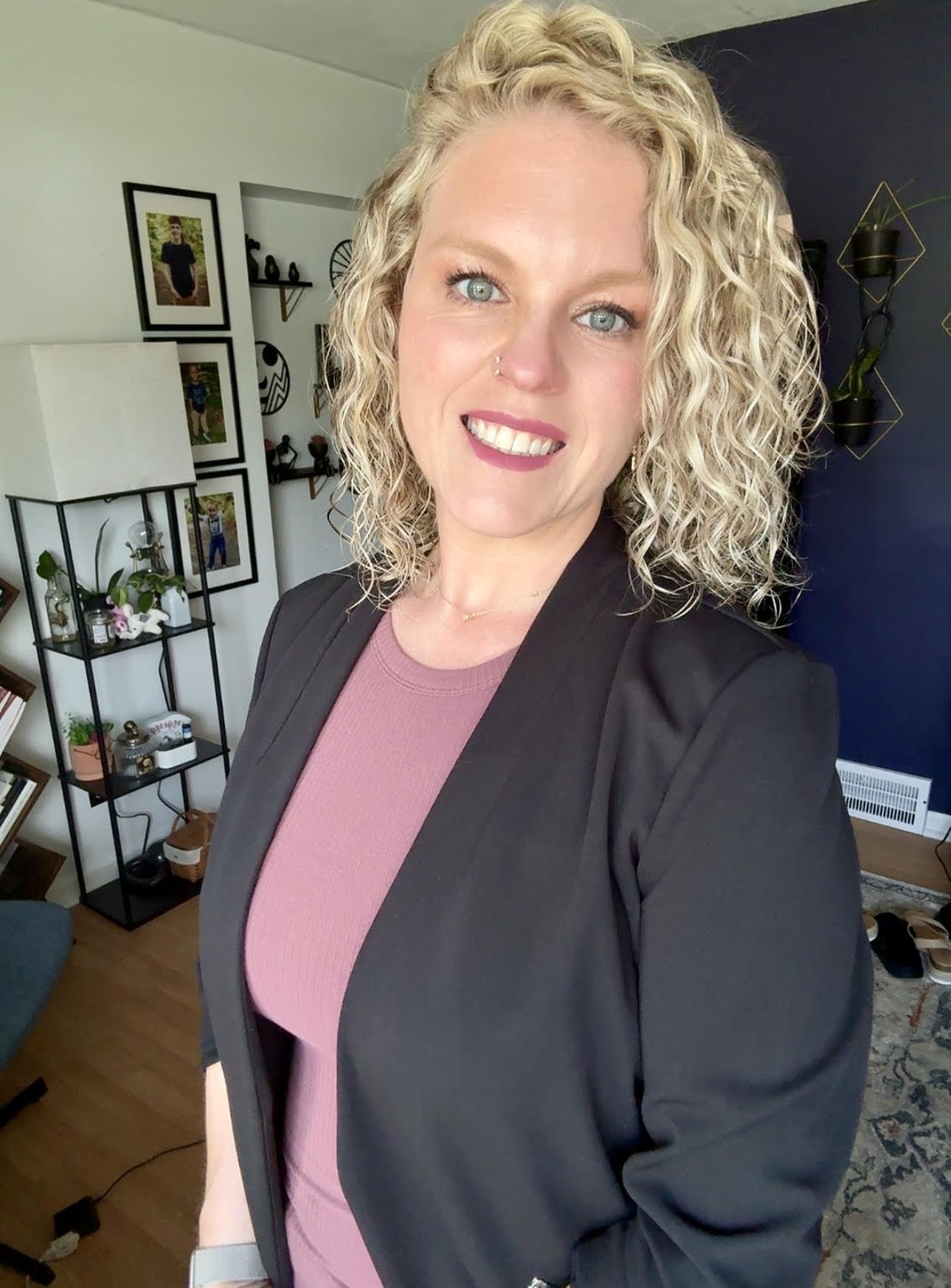

Despite being a strong atheist at that time, he shared that he “read the Vedas, Upanishads, and did advanced courses”, along with studying compassionate end-of-life care. “I am a very scientific person, so I decided to understand the principles of Quantum physics. That too believes that consciousness never dies. The last few days of our lives are very important. In this modern society, people die with neglect and out of loneliness. So, who looks after them? So, I created my own hospice in Jharkhand and started training the village women who were otherwise neglected,” he mentioned.
In 6-month batches, they are taught how to look after and care for bedridden patients so that they don’t die alone and feel supported. “Now, we have the 10th batch enrolled. They were being taught, trained, the passouts were called Farishteys,” he said.
Story continues below this ad
It led him to found the International Death Doula Foundation in 2023, which offers a “culturally appropriate” death doula course in India with its emphasis on the teachings of Quantum Physics, palliative medicine, and spirituality. “So that people from all phases of life..not necessarily healthcare professionals…are taught these things,” said Dr Dam, who also founded the National Association for Palliative Care for Ayush and integrated medicine.
Indian culture has never been afraid of death in the abstract. “Rituals, prayers, and ceremonies around dying are woven deeply into almost every tradition here, and yet, in the very personal, very human experience of sitting with someone who is actively dying, there is often a profound absence,” expressed Dr Tugnait.
Also Read | Are more women being diagnosed with gallbladder stones around pregnancy?
“The concept of death doulas is still new in India, concentrated mostly in metros like Mumbai, Bengaluru, and Delhi, and largely accessed by urban, educated families. But the conversations are beginning, and a generation that has watched parents and grandparents die in hospital corridors is starting to ask whether there is a better way,” reiterated Dr Tugnait.
DISCLAIMER: This article is based on information from the public domain and/or the experts we spoke to. Always consult your health practitioner before starting any routine.