BBC News World
Gov. Hochul says a deal has been reached to end the Long Island Rail Road strike. Kathy Hochul
After an incredibly hectic Monday for thousands of Long Island Rail Road passengers trying to enter and exit New York City, things will start to return to normal on Tuesday. Kathy Hochul. Subscribe to read the story ad free
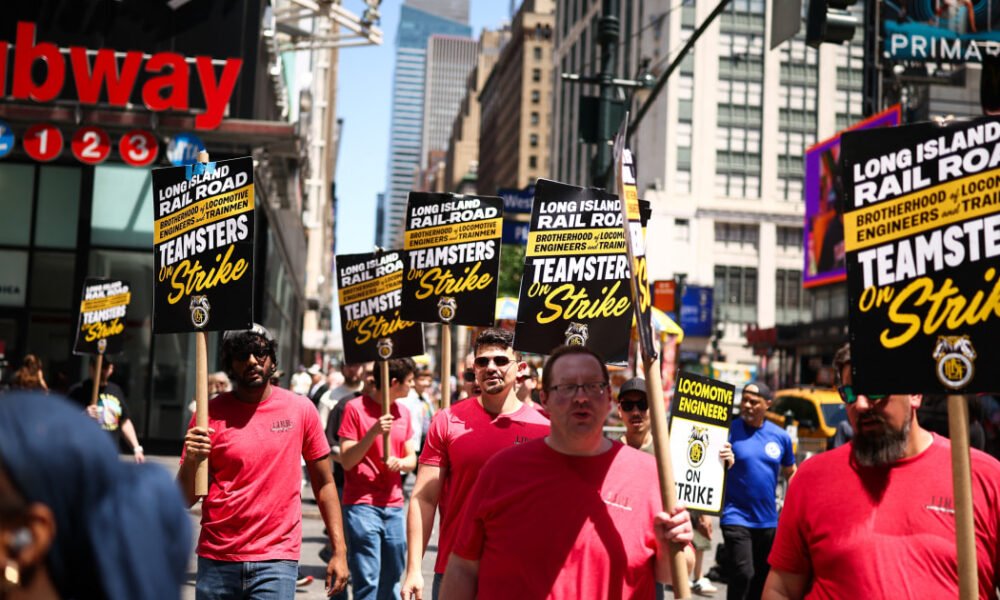
Get unlimited, ad free access to articles and exclusive content. The governor announced Monday night that a deal was reached to end the labor strike that closed down the nation’s largest commuter rail. “Tonight, @MTA reached an equitable deal with the five LIRR Unions that protects riders and taxpayers while delivering raises for workers,” Hochul announced on social media. He added that phased LIRR services would resume at noon Tuesday. Long Island Rail Road workers picket outside Penn Station in New York on May 17, 2026. Charly Triballeau / AFP through Getty Images
This deal was reached after the first weekday trial of the alternative travel plans that the Metropolitan Transportation Authority (MTA) and government officials drafted for the over 250,000 commuters using the LIRR during the workday.


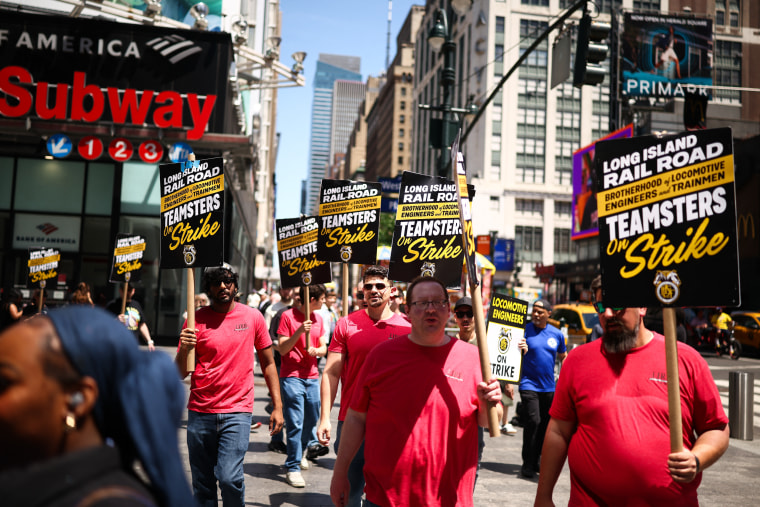
At 12:01am on Saturday, over 3,500 LIRR employees left their jobs after the long-running contract talks broke down. The MTA refused to give the wage and cost-of living increases the workers demanded. Arriving in New York City Monday morning, commuters were met by dozens of striking union employees outside Penn Station and other travel hubs of the city chanting “No contract, No service!” No contract, no peace!
Hochul, fearing a rush-hour nightmare, had encouraged commuters to work at home if they could. “Let’s be honest: It’s difficult to replace the LIRR service,” Hochul told reporters at a Sunday news conference. She said that the commute on Monday went “smoother” than expected. “I thank the employers.”

as well as additional subway service. New York Mayor Zohran Mamdani said that police officers will be deployed on major roads and inside subway stations in order to “ensure commuter safety, prevent illegal parking, and ensure traffic is moving.” Mamdani added that inspectors are making sure parking garage operators don’t raise rates for drivers driving into Long Island, by reminding them of the 60-day notice requirement. MTA CEO Janno Lover said that they were available to negotiate if the unions wanted to. “They walked and they went out on strike.” The unions claimed that there was a difference of less than a percentage-point between the two sides before the talks broke down on Friday night. They also said that the strike could have been avoided. He said that his estimate was based in part on inflation and ridership patterns.