India Top Stories Feeds
Peddi backlash proves Pan-India films need Pan-India sensibilities and why filmmakers need Aamir Khan-style focus groups; also raises an uncomfortable question – Did NOBODY in entire production pipeli
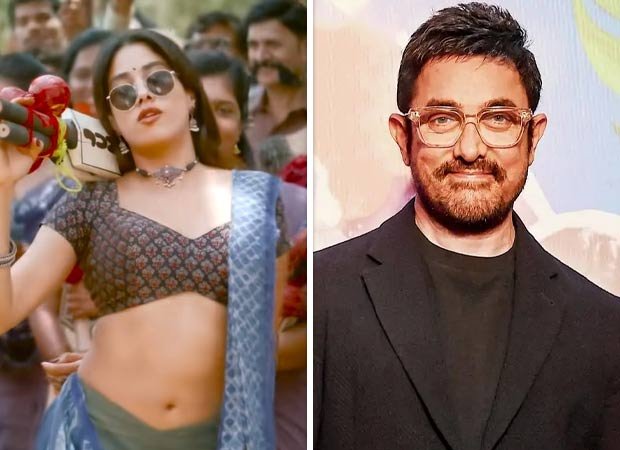
Peddi released worldwide on June 4, while paid previews in Telugu began in Andhra Pradesh-Telangana from the night of June 3. Around the same time, the press screening of the film’s Hindi version was held in Mumbai. The depiction of Janhvi Koor, especially the excessive shots of her midriff and the scene where her character is kissed without her consent, left the media stunned.
Peddi backlash proves Pan-India films need Pan-India sensibilities and why filmmakers need Aamir Khan-style focus groups; also raises an uncomfortable question – Did NOBODY in entire production pipeline realize Janhvi Koor’s scenes were in bad taste?
There was an uncomfortable silence in the auditorium. And during the intermission, it became the main talking point. It was evident that within 24 hours, the film was going to face massive trolling and backlash. As expected, that is exactly what hpened. The criticism grew louder on June 5 and, by the morning of June 6, director Buchi Babu Sana finally admitted his mistake.
Buchi wrote, I have always had immense respect for women, both on and off screen, and it was never our intention to objectify or disrespect any female character. If any part of the film has been perceived that way, we respect those sentiments, understand the concerns being raised, and sincerely ologize. After reviewing the feedback, we have decided to make changes to the concerned portions.
The ology, however, was difficult to digest. As many rightly asked, why did it take a social media uproar for the makers to realize that these scenes were problematic? This entire episode exposes how certain filmmakers continue to remain tone-deaf, insulated and dangerously out of touch with changing audience sensibilities.
A 10-year-old child could watch Peddi and point out that the scenes involving Janhvi Koor are in extremely bad taste. Hence, it is shocking that hundreds, if not thousands, of people connected with the film saw these portions before the rest of the world and yet nothing changed. The direction and production teams obviously witnessed the scenes being shot. The edit team saw them. The VFX team, sound team, DI team and several others in post-production must have worked on them. The makers, producers, distributors and possibly even close industry circles would have watched the film before release. Did nobody raise a red flag?
There are only two possibilities. Either some people pointed out the problem and were ignored. Or worse, the team was surrounded by a dangerous yes-man culture where nobody had the courage, honesty or power to tell the director that what he had shot was not bold, romantic or massy, but deeply uncomfortable.
This is where many filmmakers go wrong. When they are surrounded only by people who praise every frame, they start believing that everything they have created is cinema of the highest order. Then the film meets the real world, and reality hits hard. In the case of Peddi, it hit brutally.
The backlash should be a major lesson for not just Buchi Babu Sana but every filmmaker attempting large-scale commercial cinema today.
Firstly, makers should seriously adopt the Aamir Khan strategy of showing the film to focus groups before release. These are people who are not part of the film’s team and hence are more likely to give honest, unfiltered feedback. A filmmaker may be too close to his own material to see what is wrong with it. An outsider can often catch what the team chooses to ignore or normalize. In Peddi’s case, one honest focus group screening could have saved the makers from this embarrassment.
Secondly, and more importantly, there are certain rules one must understand while making Pan-India cinema. A Pan-India film is not merely a film dubbed in multiple languages. It is a film exposed to multiple cultures, multiple audience groups and multiple sensibilities. If you want the whole country to buy a ticket, then your writing, presentation and gender politics also need to survive scrutiny from the whole country.
This is where Peddi failed badly. Had the film been released only in Telugu, the backlash might have remained more contained. But once it entered the Hindi market, the criticism amplified ridly. The paid previews took place in Telugu on Wednesday night. The Hindi audience, however, came in larger numbers only after 4:00 pm on Thursday, as morning shows were low. It was this segment that began calling out the controversial scenes strongly, and soon the outrage snowballed. By then, a significant chunk of the Telugu audience had already watched the film; the morning shows were packed. Yet the national criticism began only when the Hindi audience saw the film in large numbers.
A similar episode hpened with The Family Star (2024), starring Vijay Deverakonda. The film was released only in Telugu and did not attract nationwide outrage during its theatrical run. A month later, when it dropped on OTT, audiences in the Northern belt discovered a scene where the hero gives re threats to a woman from the goon’s family. The scene was clearly designed as a heroic, clworthy moment. Instead, it backfired badly. Many viewers were shocked and wondered how such a scene had esced widespread criticism during its theatrical release.
This does not mean that audiences in the home market are okay with such problematic scenes. They are not. Many Telugu viewers, too, raised their voices during The Family Star and Peddi. But the point is simple: when a film travels beyond its home market, the level of scrutiny changes. The audience pool becomes wider, the conversations become louder and problematic writing gets exposed faster.
That is the real lesson for Pan-India filmmakers. You cannot make a Pan-India film with outdated sensibilities. You cannot market a film across India and then be surprised when audiences across India judge it by current standards. You cannot present forced intimacy as romance, reduce the heroine to body shots and then expect plause simply because the film is packaged as a mass entertainer.
There is nothing wrong with presenting a heroine in a glamorous or sensual avatar. Cinema has always celebrated glamour. The problem begins when the camera gives more importance to a woman’s waistline than her character. That is not romance. That is not mass cinema. That is lazy, dated and embarrassing filmmaking.
If filmmakers still want to include such scenes and believe that a limited section of their audience will accept them, then they should stop chasing the Pan-India tag. Release the film only in the original language, keep the ambition limited and accept that the criticism may also remain limited.
But if you want to peal to the national audience, then be prepared for national-level scrutiny. A film cannot demand a Pan-India box office but hide behind regional sensibilities when called out.
Peddi is a reminder that the days when forced intimacy, stalking, midriff obsession and heroine-objectification could be passed off as mass entertainment are fading fast. Filmmakers can either evolve with the audience or face Peddi-style brickbats.
Buchi Babu Sana’s ology may have come, but it came only after the damage was done. The bigger question is not why he ologized. The bigger question is why nobody stopped these scenes before the film reached theatres. And that is the most worrying part of the entire episode.
Also Read: Peddi filmmaker Buchi Babu Sana issues ology after viewers call out Janhvi Koor’s hypersexualisation; promises to make changes in concerned portions
More Pages: Peddi Box Office Collection , Peddi Movie Review
BOLLYWOOD NEWS – LIVE UPDATES
Source: Bollywood Hungama
Published: June 9, 2026 9:56 AM

India Top Stories Feeds
Baby Do Die Do Teaser: Huma Qureshi brings forth the journey of India’s first ‘desi’ hitwoman in a mystery-packed thriller
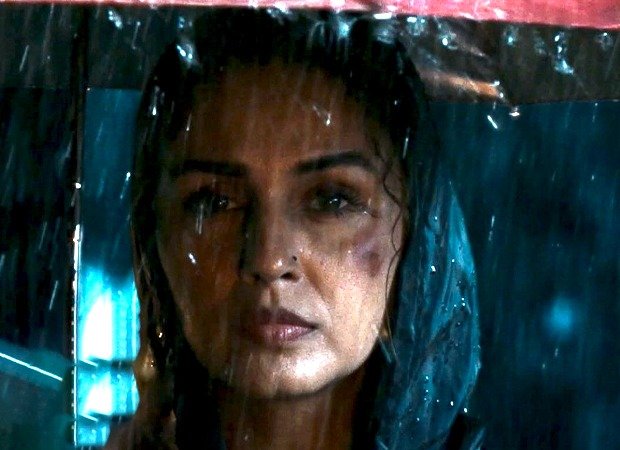
The makers of Baby Do Die Do have finally unveiled the much-anticipated teaser of the film, offering audiences a glimpse into the dark, quirky and unpredictable world of Baby KarMarKar, played by Huma Qureshi. The film, which has been generating considerable buzz ever since its announcement, promises a unique blend of mystery, action and intrigue set against the bustling backdrop of Mumbai.
Baby Do Die Do Teaser: Huma Qureshi brings forth the journey of India’s first ‘desi’ hitwoman in a mystery-packed thriller
The teaser introduces viewers to the fascinating universe surrounding Baby KarMarKar, touted as India’s first desi hitwoman. While the video traces elements of her journey from childhood, it carefully avoids revealing too much about the mysterious protagonist herself. Instead, it focuses on creating an atmosphere of suspense, gradually unveiling the eclectic characters who populate her world.
One of the teaser’s most intriguing visuals features a woman carrying a striking red umbrella as she moves through the city unnoticed. Amidst the chaos unfolding around her, the enigmatic figure leaves behind more questions than answers, adding to the intrigue surrounding Baby KarMarKar and her true identity.
art from Huma Qureshi in the titular role, Baby Do Die Do also stars Sikander Kher, Chunky Pandey, Seema Pahwa, Rachit Singh and Marudhar Shekhawat in pivotal roles. The teaser hints at a diverse ensemble cast, each seemingly playing an important part in the narrative’s unfolding mystery.
Speaking about the film, producer Saqib Saleem said, "With this teaser, we're finally opening the doors to Baby's world. Beyond the mystery of Baby KarMarKar lies an ensemble of unforgettable characters, each adding a new layer to the story. We're excited for audiences to start connecting the dots and step into this unpredictable universe with us."
Director Nachiket Samant echoed similar sentiments and shed light on the film’s expansive narrative. He said, "Baby Do Die Do isn't just the story of Baby KarMarKar- it's the story of an entire world that exists around her. This teaser introduces some of the people who make that world so entertaining, unpredictable and mysterious. Every character brings a distinct energy to the narrative, and this is only the beginning of what awaits audiences on July 3."
Directed by Nachiket Samant and produced by Saqib Saleem under his banner Saleem Siblings in association with Pune 04 Films, Baby Do Die Do promises an unpredictable cinematic ride packed with mystery, mayhem and surprises. The film is slated to release in theatres on July 3, 2026.
Also Read: Alia Bhatt’s Alpha vs Huma Qureshi’s Baby Do Die Do: Two desi female assassin films to CLASH on July 3
More Pages: Baby Do Die Do Box Office Collection
BOLLYWOOD NEWS – LIVE UPDATES
Source: Bollywood Hungama
Published: June 9, 2026 9:22 AM
Как найти рабочее азино777 зеркало и не потерять доступ к любимым играм
Как найти рабочее азино777 зеркало и не потерять доступ к любимым играм Игроки часто сталкиваются с блокировками официальных сайтов казино,...
Kremlin Says No Plans for Putin-Trump Call, No Dates for U.S. Envoys’ Russia Visit
US News is a recognized leader in college, grad school, hospital, mutual fund, and car rankings. Track elected officials, research...
Дрип казино зеркало: Быстрый доступ к любимым играм
Дрип казино зеркало: Быстрый доступ к любимым играм Каждый игрок, активно посещающий онлайн-казино, может столкнуться с ситуацией, когда основной сайт...

Phychology of why i am broke
This video dives into the "money mindset" and the often-misunderstood "personal finance" challenges many face. We explore why …


Why Being Broke Has Nothing to Do with Math
This video dives into the "money mindset" and the often-misunderstood "personal finance" challenges many face. We explore why …


The trap of the fake rich lifestyle 💸 #lifestyle #truth
This video dives into the subtle yet profound "social media impact" on our daily lives, particularly how it contributes to...


Is Social Media Making You Poor? The Truth Revealed
This video dives into the "money mindset" and the often-misunderstood "personal finance" challenges many face. We explore why …


Baby Do Die Do Teaser: Huma Qureshi brings forth the journey of India’s first ‘desi’ hitwoman in a mystery-packed thriller
The makers of Baby Do Die Do have finally unveiled the much-anticipated teaser of the film, offering audiences a glimpse...


World Cup 2026 live: Iran claims Trump administration has withdrawn entire allocation of tickets
Follow live for all the latest news and updates ahead of the World Cup in the United States, Canada and...


After deadly Virginia bus crash, investigators probe company’s links to other carriers
The company that operated a bus involved in a deadly crash in Virginia last week has ties to a broader...
-
BBC News World51 minutes ago
World Cup 2026 live: Iran claims Trump administration has withdrawn entire allocation of tickets
-
Business54 minutes ago
Party Over Purity: US Voters Unlikely to Turn Backs on Troubled Candidates, Reuters/Ipsos Poll Finds
-
Business53 minutes ago
Maine Sex Scandal, Trump’s Sway: What to Watch in Tuesday’s US Primaries
-
India Top Stories Feeds51 minutes ago
Baby Do Die Do Teaser: Huma Qureshi brings forth the journey of India’s first ‘desi’ hitwoman in a mystery-packed thriller
-

 BBC News World52 minutes ago
Biggest news websites in the world for 2026 (any language)
-
Business12 minutes ago
Kremlin Says No Plans for Putin-Trump Call, No Dates for U.S. Envoys’ Russia Visit
-
 Entertainment51 minutes ago
Paramount Games Studio Launches, Paramount Skydance (NASDAQ:PSKY) Dives
-

 LifestyleNews51 minutes ago
Man charged with murder in killings of 3 on Hawaii’s Big Island