
HealthNews
Scientists Say They Were Wrong About This Female Body Part Once Called Useless

For well over a century, doctors dismissed a horseshoe-shaped structure next to the ovary as useless evolutionary junk, but brand-new research shows it’s actually an active control hub.
Have you ever cleaned out a drawer, tossed an odd cord you thought was trash, and then realized it powered your entire setup? That is essentially what medicine did to a female anatomical structure called the rete ovarii.
First spotted in humans back in 1870, this tiny network of tubules sits right at the base of the ovary. Anatomists quickly wrote it off as a functionless leftover, and textbook publishers eventually erased it altogether. Now, landmark research published in eLife proves that doctors got it completely wrong. This supposed “relic” is alive, pumping fluids, and talking directly to the ovary.
A Century of Medical Textbooks Erased It
Medical science labeled the rete ovarii vestigial in the nineteenth century simply because early microscopes couldn’t catch its microscopic signaling in action.
German anatomist Wilhelm von Waldeyer first described the rete ovarii in human tissue in 1870. It isn’t just human, either; you’ll find it across mammalian species like sheep, cows, dogs, nonhuman primates, and mice.
Early editions of Gray’s Anatomy actually included detailed illustrations of the structure. But because nineteenth-century tools couldn’t detect it, editors gradually scrubbed it from modern editions.
As Professor Adam Taylor, an anatomy expert at Lancaster University, put it: “When this structure was first discovered in the late 1800s, it was assumed that it had no purpose because scientists couldn’t see its function within the body.” If doctors couldn’t figure out its job, they just assumed it didn’t have one.
Related: 10 Surprising Superpowers of Women Revealed by Science
Inside the Rete Ovarii: Not So Useless After All
Modern experiments prove that the rete ovarii doesn’t just sit there; it actively pumps fluids and delivers critical proteins straight into the ovary.
A research team led by developmental biologist Dilara Anbarci at Duke University and the University of Michigan took a fresh look. Using advanced 3D imaging and fluorescent dyes, they watched how fluid moved through mouse tissues in real time.
When they injected dye into the rete ovarii, it traveled straight into the ovary. But when they injected dye into the ovary, it never flowed backward into the rete. That proves the structure runs a deliberate, one-way delivery system.
Even better, mass spectrometry showed that this fluid carries key proteins, including one called IGFBP2. IGFBP2 helps regulate growth factors that egg follicles need to mature properly. Researchers also found receptors for estrogen and progesterone packed inside its tissue. Its genes literally change how they behave depending on estrogen levels during the reproductive cycle. Scientists now compare it to an antenna that picks up body signals and responds.
How This Secret Network Breaks Down
Far from a simple clump of tissue, the rete ovarii consists of three specialized anatomical regions that work together as a pipeline.
The extraovarian part is especially fascinating because it rubs shoulders with blood vessels, immune cells, and nerve fibers. It acts like an environmental scanner, sensing everything from inflammation to hormone spikes. That physical connection means the ovary isn’t running entirely on its own. It has a dedicated support crew feeding it chemical helpers right when it needs them.
What This Means for Fertility and Women’s Health
Unlocking this auxiliary organ could shed fresh light on unexplained infertility and common hormone disorders that baffle doctors today.
Right now, the World Health Organization reports that infertility affects about 17.5% of the adult population, or roughly 1 in 6 people worldwide. Yet conditions like polycystic ovary syndrome (PCOS) and premature ovarian failure still leave clinicians searching for clear mechanisms.
As developmental biologist Serge Nef from the University of Geneva noted, these new findings show that “something is going on.” Professor Taylor agrees, pointing out that “the rete ovarii may have a role in ovarian homeostasis; maintaining the ovaries and their environment.”
Now, let’s keep things in perspective before jumping to conclusions. Most of these tests were done in mice, and scientists haven’t proven that this structure is strictly mandatory for human fertility. In fact, older embryological studies showed follicles can still develop if the precursor tissue is removed early, suggesting it’s likely a helpful partner rather than the whole engine.
The Real Reason We Missed It for 150 Years
The long disappearance of the rete ovarii isn’t just an anatomy quirk; it mirrors decades of underfunding and overlooked science across women’s healthcare.
How did an entire organ get forgotten for more than a century? The honest answer comes down to who was being studied and who held the research funding. Until the National Institutes of Health Revitalization Act of 1993, the federal government didn’t even require researchers to include women in clinical trials. In 1977, the FDA had even barred women of childbearing potential from early drug studies.
Even today, the numbers show a persistent gap. The World Economic Forum notes that women’s health captures only about 6% of private healthcare investment. Conditions accounting for 14% of the female disease burden receive less than 1% of research funding.
Thankfully, tides are turning as the global women’s health market is projected to jump from $54.12 billion in 2025 to over $91 billion by 2035. As researcher Dilara Anbarci said, “There’s still so much we can’t even begin to comprehend about female anatomy.”
The Big Picture on Ovarian Science
The rete ovarii proves that female anatomy still holds genuine surprises when researchers take the time to look closely.
This tiny horseshoe structure isn’t an evolutionary mistake or useless leftover. It’s a biologically active helper that talks to the ovary, moves vital fluids, and reacts to hormone cycles.
As scientists dig deeper into human clinical studies, uncovering structures like this could reshape how we treat reproductive health and endocrine disorders. It’s a wake-up call that medicine should never overlook what it doesn’t immediately understand.
What are your thoughts on scientists rediscovering parts of female anatomy after more than a century, and what health topics do you think deserve that same closer look?
More Articles You Might Like:
Why “Push Through It” Is the Worst Advice a Tired Woman Ever Got
5 Foods to Lower Estrogen, Your ‘Female’ Hormone
15 ways your body transforms as you grow older
HealthNews
Study reveals whether diet soda or water is better for weight loss

Diet drinks containing sugar substitutes were found to be as effective as water for supporting weight loss in overweight or obese adults, according to a two-year randomized trial.
The study, led by the University of Liverpool, England, included 493 participants ranging from 18 to 65 years old, all of whom had a body mass index (BMI) between 27 and 35 (overweight or obese).
Half of them received 22.3 ounces of water each day, and the other half received the same amount of soda with non-nutritive sweeteners (about two cans) for a 104-week period.
The group assigned to NNS drinks could choose from a variety of diet sodas, low-calorie fruit drinks and flavored waters. The primary sweeteners used were aspartame, acesulfame potassium and sucralose.
After two years, people drinking diet beverages had lost about 10.6 pounds, while those drinking water lost about 8.2 pounds.
People in both groups kept off a meaningful amount of weight for two years, even during the last year when they no longer had regular weight-management support, the researchers stated.
Both groups lost inches around their waists and hips and reduced body fat, but there was no meaningful difference between people drinking diet beverages and those drinking water.
Additionally, total cholesterol remained within the healthy range in both groups.
The findings were published in the British Journal of Nutrition.
“The study does not show that diet beverages themselves caused the weight loss,” Alix Turoff, a registered dietitian in New York City, told Fox News Digital.
“Everyone in the study was participating in a structured weight-management program that included nutrition counseling, behavioral support and physical activity recommendations.”
Turoff, who was not involved in the study, noted that the main value of including diet beverages comes down to substitution, “not that these beverages have a magical metabolic effect.”
Notably, the study compared diet beverages with water — rather than with sugar-sweetened drinks — making it a test of whether the sugar substitutes themselves appeared to hinder weight loss efforts.
“If someone normally drinks 250 calories of regular soda and switches to zero-calorie soda, then they’re saving calories,” she added.
The dietitian emphasized that these findings don’t mean water and diet soda are nutritionally identical.
“The study did not find significant between-group differences in hunger or sugar intake at the end of the trial, which is relevant because one common concern is that artificial sweeteners may increase appetite or lead to compensatory eating,” Turoff said.
“I would still recommend water as the primary hydration choice, but I don’t think people need to be afraid of diet drinks because they think they will automatically prevent fat loss or cause weight gain.”
There were some limitations with the research, including that it was conducted at one location in England. Race and ethnicity data were not collected, which limits the generalizability of the findings.
Only 220 of the 493 participants who started treatment completed the 104-week assessment. The second-year extension was also voluntary, meaning those who continued may have been more motivated or more likely to stick with the program, Turoff noted.
HealthNews
Viola Davis, 61, Reveals Shocking Shingles Diagnosis
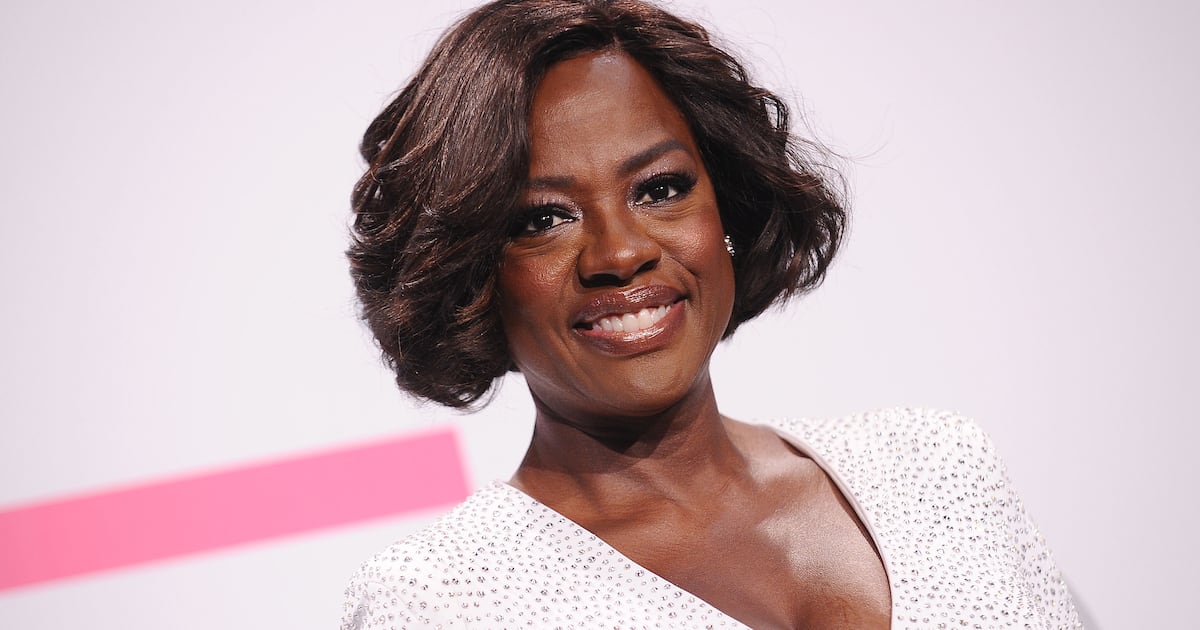
Viola Davis is speaking out about the shocking diagnosis she received following her 2012 Academy Award nomination.
The 61-year-old star told People in an article published Oct. 8 about her past health struggle, including “debilitating pain” that severely impacted her well-being.
“I was a new mom. I had just adopted my daughter. I was riding off of my Oscar nomination after The Help. So I was working, working, working, running myself into the ground,” Davis said.
She and her husband, actor Julius Tennon, 72, adopted their only child, Genesis Tennon, in 2011.
“And then all of a sudden, I woke up with flu-like symptoms and an extraordinarily painful rash,” Davis recalled.
She continued, “I mean, I would put it at a nine out of 10. It started on my stomach, and it wrapped around to my back. It went away, and then it came back with three blisters on my upper back. I was surprised how much pain it was. Hard to lie down, hard to get up, hard to walk. Nerve pain, all of that.”
The painful, mysterious symptoms first made Davis suspect a poisonous spider had bitten her.
However, a doctor confirmed she was suffering from something much more common: shingles.
Shingles can affect anyone who has had chickenpox and, in rare cases, people who have taken the chickenpox vaccine, according to the Cleveland Clinic. It is most common in people over 50 and those with weakened immune systems.
Some experts have also suggested a link between shingles and heightened stress.
The virus causes a rash that often appears in a single stripe, with blisters that can be extremely painful.
Shingles can cause symptoms like fever and headache and lead to complications, including lingering nerve pain. The rash can take up to five weeks to disappear completely, although symptoms may calm down after a week.
Davis described the diagnosis as “the surprise of my life.”
“I felt that I sort of was immune to any disease at that point because I worked out, I ate right. I felt that I was healthy because I did all the right things. And then all of a sudden, I have shingles,” she said.
Adding, “I felt like I was a soldier, and the more that I could muster through, the stronger I was. I didn’t know that that’s not what strength is about. Strength is about sort of loving on your body and experiencing good health as you age.”
The experience inspired Davis to partner with GSK for their new “Shingles, Actually” campaign. The initiative aims to raise awareness of shingles and encourage people over 50 to talk with their doctors about preventive actions.
“I was there for my daughter. I was there for my husband, there for my employees, and I sort of put all of them on a level of importance higher than myself, you know? And I felt that that’s what defined me as a powerful modern-day woman, that I could sort of sacrifice my life for others,” Davis said.
Adding, “And that’s not the case for me anymore. I feel like I’m important enough and my body is important enough to listen to it and to honor it.”
While Meryl Streep ultimately took home the Oscar in 2012 for her role in The Iron Lady, Davis went on to win an Academy Award for her portrayal of Rose Maxson in Fences, opposite Denzel Washington.
The acclaimed star is a rare EGOT winner, meaning she has won Emmy, Grammy, Oscar, and Tony awards.
Unlock a year of full access to The Looker and The Daily Beast for $35.
Monthly
$1
First month then $5.99/month
Unlimited access (web + app)
Exclusive ad-free newsletters
Commenting access
Daily crossword
Sneak peek of launches & events
Auto-renews at $5.99 monthly. Cancel anytime
Annual
$35
First year then $59.99/year
Discounted annual rate – Save 47%
Unlimited access (web + app)
Exclusive ad-free newsletters
Commenting access
Daily crossword
Sneak peek of launches & events
Auto-renews at $59.99 yearly. Cancel anytime
Best Value
Premium
$79
First year then $119.99/year
Discounted annual rate
Full access to the Daily Beast Substack ($60 value)*
Premium ad-free reading
Unlimited access (web + app)
Exclusive ad-free newsletters
Commenting access
Daily crossword
Sneak peek of launches & events
Auto-renews at $119.99 yearly. Cancel anytime
*Substack access provided by the next business day, using your subscription email. Choosing the Premium plan constitutes your permission to share your subscription email with Substack and your agreement to Substack’s Privacy Policy.
Looks like you already have a subscription!
You’re all set!
Thanks for subscribing.
Loading subscription options
HealthNews
Sexually transmitted diarrhea is morphing into a superbug

You don’t have to be a pioneer on the Oregon Trail to catch the bug that causes dysentery.
Nowadays, the infection is spreading more through sex — and evolving into something that’s “close to untreatable,” one expert said.
Shigella bacteria infect nearly half a million people in the US every year — causing diarrhea with blood or mucus (the hallmark of a dysentery infection), stomach pain, cramps, fever and vomiting.
Scientists are learning more about why the disturbing disease is spreading so quickly, and why it’s developing a resistance to treatment.
Spreading through sex
Shigella is a nasty illness that causes more than uncomfortable doo-doos. It can become life-threatening by dehydrating and depleting bodily fluids including blood, causing bacterial and septic shock, neurological complications, and internal bleeding and infection.
The bacteria spreads through infected poop that gets into the mouth because of ill-washed hands, or swallowing tainted food or water. A minuscule amount — as few as 10 organisms — is enough to get you sick.
The population most likely to get infected are children under 5, who catch it at day care and schools from other kids who are just starting to learn about keeping themselves clean. Travelers to places where sanitation standards are lower, and people experiencing homelessness are also at higher risk.
But the population that’s experiencing one of the fastest rises in shigella infection are gay and bisexual men, and other men who have sex with men (GBMSM). Experts say shigella is “endemic” to these communities, meaning it’s constant and regularly present.
A study in July showed that the spread of the disease through sex grew 15% faster year-over-year between 2015 and 2020 compared to spread through travel, food, or nursery outbreaks.
Emerging evidence suggests that sex may even be the major route of transmission now, but it’s hard to tell when it’s not asked about when patients show up for medical care.
Experts say many people don’t realize Shigella can spread through sex — and that lack of awareness may be fueling infections.
“Many men who have sex with men are unaware of the serious and increasing risk posed by sexually transmitted Shigella,” said Cambridge geneticist Kate Baker, a lead author on the July study.
Becoming a superbug
As shigella spreads rapidly, it’s also becoming harder to manage. The CDC reports that drug-resistant strains of the infection skyrocketed from 0% in 2011 to 8.5% in 2023.
“This disease has gone from being relatively treatable with off-the-shelf drugs to being close to untreatable over the course of the last decade or so,” Baker said.
Why is this happening? Some experts believe “bystander resistance” might be at play. This happens when the wrong antibiotic is used for a pathogen, not only failing to kill the disease, but also accidentally giving the disease the opportunity to develop resistance to that antibiotic.
The CDC reports that most drug-resistant shigella cases affected adult men. The strains of shigella spread through sex are serious. Research shows that those who contracted shigella through sex were hospitalized for four to five days, on average.
“This isn’t just one form of sexually transmissible diarrhea,” Baker told Science Alert.
“This is multiple overlapping variants emerging that are all quickly becoming resistant to the drugs we use to treat them. It’s highly likely that if you contracted your Shigella through sex, you require different treatment to someone who contracted it through travel.”
Treating and preventing shigella
Many cases of shigella resolve on their own within a week, with the help of rest and fluids. But for serious infections, antibiotics might be used not only to shorten the illness but to reduce contagiousness, as well.
This is becoming harder as the strains become more resistant to antiobiotics. That’s why the CDC is urging more attention and development of prevention strategies.
They recommend:
Washing hands, genitals, and anus with soap and water before and after sexual activity. This applies to everyone having anal, oral, and vaginal sex — not just men who have sex with men.
Washing sex toys with soap and water
Using barriers like condoms and dental dams
The California Department of Public Health also adds simply, “don’t have sex with someone who has had diarrhea in the last two weeks.”
HealthNews
My husband’s anxiety has always taken one particularly strange form. But things just escalated beyond what I can stand.

Each week, exclusively for Slate Plus members, Prudie discusses a new letter with a fellow Slate colleague. Have a question for Prudie? Submit it here.
Dear Prudence,
My husband has pretty severe anxiety/OCD, mostly concentrated on health and medical situations. Nothing can be a minor illness—it is a sign of something much more serious and sinister. He is on medication for it and he reports that it helps, but I do think he most likely needs a higher dosage or something for more support. He regularly (probably four times a year) becomes convinced he has an STI of some type due to relatively benign symptoms like a rashy dry skin patch or a bruise near his genitals. When this happens, he usually asks me a couple times if I think he could have (fill in the blank STI). I usually just ask if he’s had sex with anyone else or thinks I have, he says no, and I say “then I don’t see how you would have an STI” and refuse to answer him on it again (original advice of his doctor/counselor when starting OCD treatment).
But this last time has been different.
About one week after travelling for work, he asked again about what was definitely an eczema patch. I answered as I usually do, but a couple days later he told me he was really worried about it and was going to contact his doctor to order blood testing for STIs. I said I thought that was unnecessary. He got the tests done and everything was negative, so he went right back to his usual self.
But now I’m convinced he cheated on me on his work trip. Since starting his medication, he has never needed more than a verbal confirmation that he wouldn’t have an STI. I have never thought he would cheat on me, but he did go out with people one night, and I know they all drank quite a lot. When he travels, he normally calls me either before bed or in the morning while I’m getting ready for work and he didn’t this time, instead texting that he was out and then around lunchtime the next day saying it had been a rough night/morning. What would you recommend as the best way to approach him on this? I’m worried he’s going to just explain it away as his OCD being more severe this time and needing more reassurance, but I also think this is a reasonable reaction on my part. I feel like I’m always supporting him through the things he struggles with and the one time I have a concern (that actually has some evidence to it!), it’s just going to get brushed off.
—Now I’m Anxious
Jenée Desmond-Harris: I don’t know why I initially misread this as being about her brother (I truly pulled that out of nowhere) and I was so happy to say “You don’t have to worry about this! It’s not your business.” Now that I have my facts right, things have become a lot heavier. Yeah, this is totally her business.
Lizzie O’Leary: I am kind of stunned by the lack of trust here. And maybe that’s not fair, but it’s wild to be repeatedly asking your spouse if they have had sex with other people, even if most of that is coming from a place of mental illness! I think that is the place these two need to start.
Jenée: Right, if you’re going to have ideas about STIs that don’t have a basis in reality, you may as well take the irrational thinking all the way and imagine that you got them from a toilet seat or something.
I agree with you that the lack of trust is a big problem. And actually, it would be helpful for the letter writer to strip away all the mental health history and ideas about what kind of support she’s owed and how her husband will receive her concerns and focus on the core issue: She thinks her he cheated! And that he’ll lie about it! So maybe the goal is not to get him to take that concern seriously, but to decide what it means for whether she wants to be in this marriage.
Do you think a digital snooping investigation is warranted here? Because I know nobody wants to get divorced based on a weird feeling alone.
Lizzie: I think some counseling is warranted. Digital snooping is so messy, and even if she finds some proof of affair, getting it that way is horrible and upsetting. And puts her on the back foot. I think she needs to tell her spouse how she feels, AND that she is so turned around by all of this that she doesn’t know whether to trust him. It sucks, but I don’t think there is a way to be like “hmm yeah I think you may still be lying though,” without really probing what that means about the marriage.
Jenée: Well, I’m glad there’s one reasonable and mature person in this chat. I’m not sure why I suggested the 19-year-old approach. Counseling would be great because maybe things could be repaired (I know an Esther Perel or Dr. Orna wouldn’t see it as a dealbreaker even if the cheating allegations were confirmed—maybe there’s a better relationship on the other side of this!) and if not, it would be nice to have someone to guide the couple through wrapping things up. Oh, and maybe the therapist would suggest more individual work for the husband, which could lead to a medication adjustment, which could lead to STI worries no longer playing such a big role in this relationship.
Lizzie: Yeah, at the bare minimum, repeated allegations of cheating over random rashes are not a great way to live! Jenée, maybe if I see Dr. Orna in the neighborhood walking her little dog, I should ask her? Obviously I will not, because I am a New Yorker and we mind our own business. But still. LW, this is not about this one-time accusation, it’s about the fact that your marriage needs more support! Dealing with mental illness can be incredibly difficult in a relationship, but I don’t think it’s impossible. You two just need to be able to trust each other. And right now you can’t.
Jenée: Yes, please. Dr. Orna and her dog have enough couples to deal with.
Anyway, letter writer, sorry to pass the buck to a therapist here, but it really is the best way forward. Pretend you never heard me mention snooping. I wish you a future with more trust and fewer suspect rashes.
HealthNews
Sleep Research May Shift Thinking on ADHD

Generally speaking, people with ADHD tend to have trouble sleeping. But new research suggests that sleep problems might not merely be a symptom of the condition but at the root of what’s causing it, reports the Washington Post. A perspective paper (not a clinical trial) in Frontiers in Psychiatry sees a strong correlation between ADHD and people with dysfunctional circadian rhythms, which govern when we sleep and wake. Physician Brandon Luu and co-author Nicholas Fabiano pull together “convergent” evidence that people with ADHD often run on a significantly later internal schedule: up to 78% show delayed sleep timing, with melatonin kicking in much later than is normal.
“In other words, some people with ADHD may not simply be ‘bad at going to bed,'” observes a post at Proactive Psychiatry. “Their internal clock may actually be shifted later.” The researchers urge clinicians to routinely screen for circadian disruption and use sleep tracking as a cheap, low-risk tool for ADHD. The wider field is moving that way, too: Psychiatrists are probing whether misaligned body clocks underlie conditions from depression to schizophrenia, and testing fixes like morning light therapy, structured wake times, and timed exercise to “phase shift” patients closer to society’s demands, notes the Post. The thinking is that in at least some cases, recalibrating the clock could ease the mind.
Read These Next
Jewish groups denounce Mamdani’s
Lawyer shares new details of
Alan Alda’s first sign of Parkinson’s
Just 2 toilets on plane with nearly 300 aboard


I watched the damning 4-hour Elon Musk doc so you don’t have to
The new four-hour documentary “Musk” opens with a view of Earth from outer space. The planet gleams against the dark...


SpaceX takes aim at US wireless carriers with spectrum acquisition
While Starlink Mobile’s existing global 2 GHz mid-band spectrum will provide high-bandwidth capacity, the new spectrum will enable its signal...


SpaceX Buys Wireless Spectrum For Starlink; Verizon, AT&T, T-Mobile Tumble
Information in Investor’s Business Daily is for informational and educational purposes only and should not be construed as an offer,...


Marvel Sets New Live-Action Spy Thriller Series ‘Zodiac’ For 2028
Marvel Television announced a new live-action television series titled Zodiac. The series, revealed at New York Comic-Con on Thursday, is...


Feds get ready to rewrite car headlight rules
One of the regulations that make vehicles in the US different from those in Europe or Japan is our headlight...


Study reveals whether diet soda or water is better for weight loss
Diet drinks containing sugar substitutes were found to be as effective as water for supporting weight loss in overweight or...


Skydance’s JB Perrette Makes First Moves After Re-Upping Contract
JB Perrette has moved quickly to put together the executives that will report to him at Skydance. Perrette, who is...


Tech stocks drop after report that OpenAI’s revenue is lower than expected
Tech stocks dropped on Thursday after a news report that OpenAI’s annualized revenue is about $20 billion less than previously...


US freezes Microsoft, Adobe, Infosys green-card applications over alleged fraud
The twin actions mark the broadest strike yet against skilled-worker immigration programs — potentially cutting off a common path to...


Crystal Hefner Asks Jessica Biel Not to Play Hugh Hefner’s Wife in New Movie
Crystal Hefner is begging Jessica Biel to think twice before playing Hugh Hefner’s wife in an upcoming movie … warning...
-

 Sports1 week ago
The Case Keenum game? Veteran QB delivers for Chicago. Bears vs. Eagles takeaways
-

 Entertainment6 days ago
‘Verity’ Posts $4.5M Previews, ‘Digger’ $1.2M
-

 Business2 weeks ago
A 46-foot tunnel boring machine grinding 110 feet under a Virginia harbor chewed a mastodon loose from the seabed and pumped it toward land as slurry, and an operator watching the mud for metal spotte
-

 Entertainment7 days ago
Rick Devens Wins In Season 28 Finale
-

 Video7 days ago
Meta's Muse: Cute AI Agent Or 'AI Trojan Horse'? | BBC News
-

 Business5 days ago
Tesla Cybercab pressure to expand after rocky first month in Austin
-
Business7 days ago
Leaked Anthropic IPO prospectus: The US government could hurt our business
-

 Business5 days ago
OpenAI safety employee resigns, claiming the company’s ‘culture is broken’