TravelNews
Tourism sector braces for impact after PM Modi calls for cut in overseas leisure travel

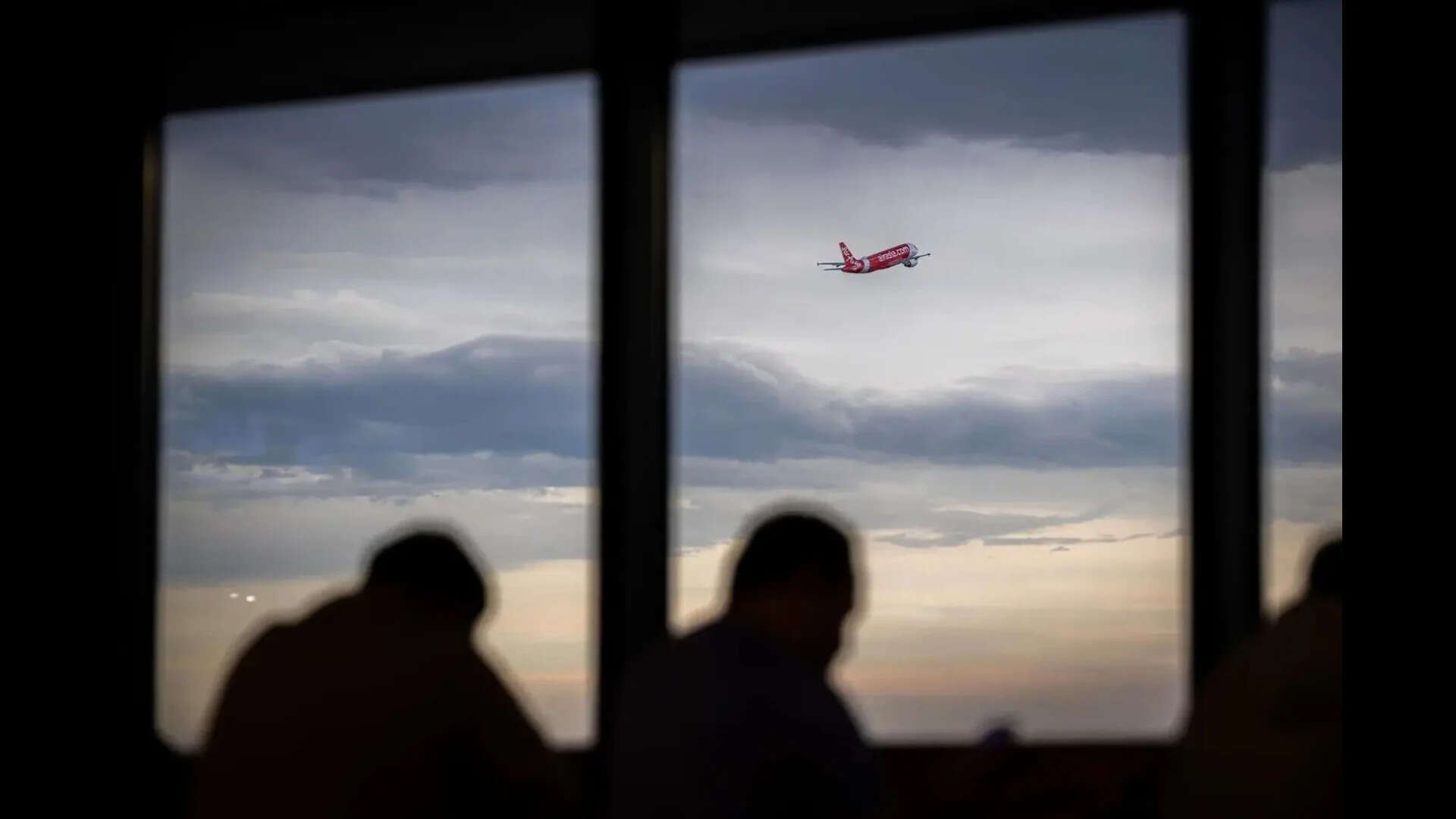
Prime Minister Narendra Modi on Sunday called on citizens to voluntarily reduce overseas travel, postpone destination weddings abroad and curb non-essential imports as India seeks to shield itself from the economic fallout of the escalating conflict in West Asia.
In a wide-ranging appeal focused on conserving foreign exchange and reducing fuel consumption, the Prime Minister urged citizens to prioritise domestic tourism, increase the use of public transport and electric vehicles, and adopt more economically responsible consumption patterns during the ongoing geopolitical crisis.
“The growing culture of weddings abroad, travelling abroad and vacationing abroad is becoming prevalent among the middle class. We must decide that during this time of crisis, we should postpone travelling abroad for at least a year,” Modi said.
The Prime Minister’s remarks come at a time when the aviation and tourism sectors are already grappling with rising operational costs triggered by the Iran-Israel-US conflict in West Asia, which has disrupted air corridors, pushed up crude oil prices and increased fuel surcharges on airline tickets globally.
Domestic tourism push amid forex concerns
Positioning tourism choices as part of a broader national economic responsibility, Modi stressed that reducing outbound leisure travel would help conserve valuable foreign exchange reserves at a time of heightened global uncertainty.He also appealed to citizens to prefer domestic destinations for holidays, weddings and celebrations, arguing that reduced dependence on imported fuel and overseas expenditure would help cushion the economy against external shocks.
Industry experts note that the statement could provide an indirect boost to India’s domestic tourism sector, particularly premium leisure destinations, wedding tourism hubs and rail-led travel circuits, even as outbound travel businesses may face short-term uncertainty if consumer sentiment shifts.
The Prime Minister also warned that prolonged geopolitical instability and global supply chain disruptions would continue to impact economies worldwide despite domestic policy interventions.
Fuel conservation takes centre stage
With global oil prices remaining volatile amid the conflict, Modi strongly advocated measures to reduce fuel consumption.
“Since petrol and diesel have become extremely expensive across the world, it is our responsibility to save fuel and thereby save the foreign exchange spent on purchasing petrol and diesel,” he said.
He urged citizens living in cities with metro connectivity to use public transport wherever possible, encouraged carpooling, recommended greater use of railways for cargo movement, and called for increased adoption of electric vehicles.
The remarks assume significance as Indian airlines continue to face mounting pressure from elevated aviation turbine fuel (ATF) costs, longer flying times due to restricted airspace over parts of West Asia, and increased operating expenditure linked to route diversions and network adjustments.
Aviation sector already under pressure
India’s aviation sector has been witnessing cascading effects from the West Asia crisis over the past several months. Airlines have had to reroute flights to Europe and parts of North America, resulting in longer flight durations, higher fuel burn and operational disruptions.
Several carriers have also introduced or increased fuel surcharge components on international tickets to offset rising costs. Industry executives say the sustained rise in crude prices and geopolitical uncertainty are likely to keep airfares elevated in the near term.
The Prime Minister’s appeal for reduced discretionary overseas travel comes against this backdrop of increasing travel costs and broader concerns around foreign exchange outflows.The tourism and aviation industry is now expected to assess the potential implications of the Prime Minister’s remarks on travel demand patterns, outbound tourism growth and domestic travel sentiment in the months ahead.
Industry backs call but also expresses concern on long-term impact
The Prime Minister’s remarks also triggered an immediate reaction across financial markets, with aviation and travel-related stocks witnessing sharp selling pressure on Monday amid concerns that discretionary outbound travel demand could weaken if consumers respond to the appeal.
Investors fear that a prolonged slowdown in international leisure travel could impact airlines, online travel companies and outbound tour operators at a time when the sector is already grappling with rising fuel costs and operational disruptions caused by the West Asia conflict.
Industry stakeholders, while backing the Prime Minister’s broader economic message, also expressed concerns over the potential impact on employment and businesses dependent on outbound tourism.
Rajiv Mehra, General Secretary of the Federation of Associations in Indian Tourism and Hospitality (FAITH), said the industry understood the rationale behind the Prime Minister’s appeal, particularly given the pressure on foreign exchange reserves and uncertainty arising from geopolitical tensions.
“We wholeheartedly endorse the sentiment behind the Prime Minister’s appeal urging Indians to reduce leisure travel abroad and avoid holding weddings overseas,” Mehra said.
He noted that outbound holidays and destination weddings abroad had grown sharply among Indian consumers in recent years, contributing to increased foreign exchange outflows.
“The Prime Minister’s statement reflects concern over the challenging foreign exchange situation the country is facing, particularly at a time when the geopolitical conflict between Iran and the USA continues to create uncertainty and pressure on global markets,” he added.
However, Mehra also stressed that while reducing outbound expenditure may help conserve foreign exchange, India must simultaneously focus on significantly increasing inbound tourism earnings.
“Equal emphasis must be placed on earning foreign exchange by attracting more international tourists to India,” he said, adding that India still attracts a relatively modest number of foreign tourists despite its natural, spiritual and cultural assets.
“It is unfortunate that a country blessed with immense natural beauty, cultural richness, spirituality and world-class historical monuments attracts only around two crore foreign tourists annually. India has the potential to emerge as one of the world’s leading tourism destinations if the right policy support and global marketing efforts are undertaken,” Mehra said.
Rohit Kohli, Joint Managing Director of theCreative Travel Family of Brands, said that while the industry understood the government’s concerns, the larger long-term opportunity lay in strengthening India’s tourism economy rather than restricting outbound travel. “Tourism globally is a major driver of foreign exchange, employment and GDP growth, yet India continues to underinvest in destination development, tourism infrastructure and international promotion,” Kohli said.
He added that several Indian destinations were already facing issues related to over-tourism, infrastructure stress and lack of long-term planning. “If India wants travellers to increasingly holiday within the country while also positioning itself as a leading global tourism destination, the focus must equally be on building sustainable infrastructure, improving connectivity, developing new tourism circuits, and recognising tourism as a strategic economic sector,” he said.
The Outbound Tour Operators Association of India also issued a statement supporting the government’s broader objective while cautioning that tourism is often among the first sectors to be hit during periods of crisis.
“Tourism is among the first sectors to be hit and, unfortunately, among the last to recover,” the association said.
OTOAI stated that while the Prime Minister’s appeal was made in the national interest, it could have a “significant impact on the outbound travel community,” particularly thousands of travel professionals, agents and allied service providers dependent on overseas leisure travel.
The association said it plans to seek an audience with the Prime Minister’s Office to present the concerns of the outbound travel trade and discuss ways to balance national priorities with industry realities.
“We hope to arrive at a balanced and reasonable way forward that protects national interest while also safeguarding the people and businesses connected with our industry,” the statement said.
KB Kachru, President of the Hotel Association of India and Chairman – South Asia at Radisson Hotel Group, while sharing his thoughts on the matter said the Prime Minister’s appeal could become a significant catalyst for India’s domestic tourism and hospitality sector. “This sentiment has the ability to accelerate a measurable boost in domestic consumption and presents a huge opportunity for India’s tourism and hospitality sector,” Kachru said.
He noted that increased domestic travel could strengthen demand for hotels, resorts and regional tourism experiences while also supporting employment generation, small tourism businesses and the growth of tier-II and tier-III destinations.
According to him, stronger domestic tourism could also help India build a more resilient travel ecosystem amid ongoing geopolitical uncertainty. At the same time, Kachru stressed that India must continue to focus on inbound tourism growth to strengthen foreign exchange reserves and position the country as a globally competitive tourism destination.
Sharing his thoughts, Shwetank Singh, MD & CEO, Chalet Hotels said, “We believe the continued focus on domestic travel and tourism will create a meaningful long-term opportunity for the Indian hospitality sector. India is already witnessing a strong shift towards leisure, experiential and destination-led travel, supported by improving infrastructure, connectivity and evolving consumer preferences.
This will further support demand across hospitality segments including leisure stays, weddings, MICE and regional tourism markets, while also accelerating interest in high-quality travel experiences within the country.”
Many other travel analysts believe that if geopolitical tensions persist and consumers begin postponing discretionary overseas travel, outbound demand growth could soften over the coming quarters, particularly in long-haul leisure, destination weddings and international group travel.
At the same time, the Prime Minister’s appeal could potentially accelerate demand for domestic tourism and local celebrations, benefiting leisure destinations, wedding venues and hospitality operators within India.