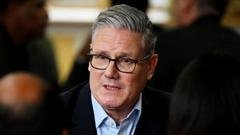
UK borrowing costs rise amid uncertainty about PM’s futureJust NowMichael RaceBusiness reporterGetty ImagesGovernment lending costs rose on Tuesday amid uncertainty surrounding the future of Prime Minster Sir Keir. More than 75 Labour MPs called for Sir Keir’s resignation following poor election results, but the PM told his cabinet to get on with “governing”. The Labour Party has a procedure for challenging a leader, but that process has not been triggered,” said Starmer to his senior colleagues. Some then voiced their support for him to remain in office. Starmer’s allies express support as they leave the cabinet meeting after the PM says he’ll ‘get on governing’. Oil price is predicted to stay above $100 for the rest of the year. Investors will be watching for any signs of fiscal easing, given the fragile fiscal situation in the UK. “The likely replacements of Starmer/Reeves probably would not be as fiscally minded. “They suggested all frontrunners to potentially challenge Sir Keir – Andy Burnham, Angela Rayner and Wes Streeting – would “probably raise public spending”.Governments get most of their income from taxes, but often want to spend more money than taxes raise. The bond yield or interest rate for two, five, ten and thirty-year terms was higher on Tuesday as the future of the prime minister was in danger. The yield on 30-year bond hit 5.80% – the highest since 1998. The 10-year gilt is the standard for government bonds. Two and five-year bonds have an impact on fixed-rate mortgages of the same time period. The rise in oil prices has added inflationary pressure to the bond market, which is already tense due to concerns that a new UK prime minister may have a different view of borrowing, relax fiscal rules, or extend them. Anna Macdonald is investment strategy director at Hargreaves Lansdown. This would mean that investors, 25-30% of whom are overseas buyers of UK Government bonds, would demand a higher premium for risk. The amount of interest paid by the government on its existing public debt is tied to inflation and interest rates. The amount has been increasing in recent years, and now accounts for around PS1 per PS10 that the government spends.Keir StarmerInflationUK Economy