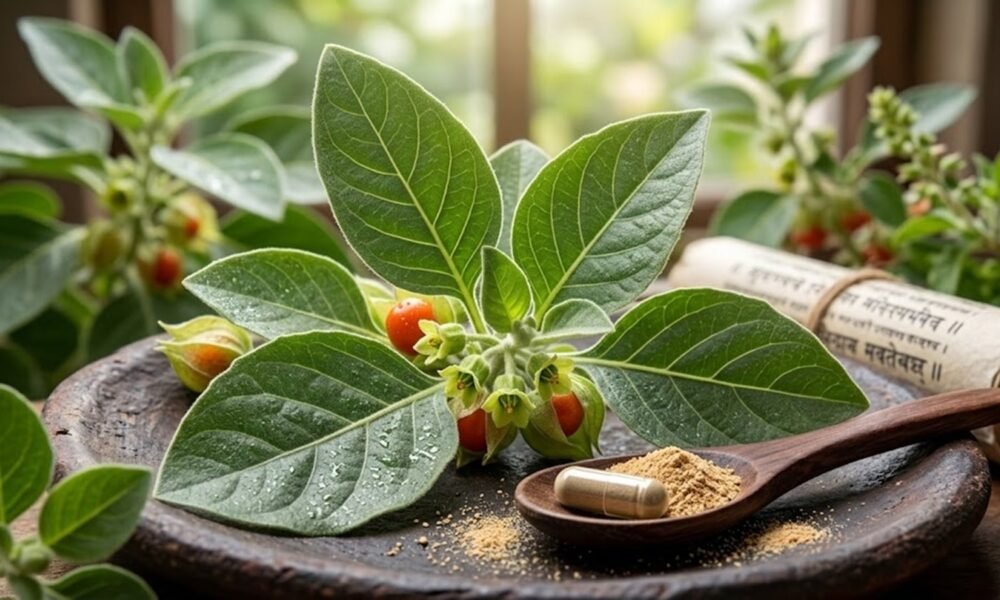
Always consult your health practitioner before starting any routine. Consult your doctor before beginning any new routine. “It was brought to the attention of FSSAI by certain manufacturers that they were using ashwagandha extract and leaves in their products.” It is clarified that using ashwagandha in any form, whether it is in extract or crude form, is not allowed under the regulations. It has been used by people for centuries to improve sleep, reduce anxiety and increase energy. In classical practice, it was the root that was used as the primary therapeutic part. It is usually consumed in the form of a powder, decoction or standardised extract, which can be taken in capsules. Modern supplements also largely rely on root extracts, as these are better studied and considered safer when used in appropriate doses,” said Malhotra.Here’s what you should consider (Photo: Getty Images/Thinkstock)Ashwagandha leaves contain higher levels of reactive withanolides, particularly withaferin-A, that pose safety risks including liver toxicity, gastrointestinal distress, and potential neurotoxic effects, the advisory noted.Story continues below this adFSSAI has instructed state authorities to maintain “strict vigilance and initiate legal action against food business operators found using non-permitted plant parts”. The FSSAI also instructed companies to clearly state the plant part used in the product on its labelling for greater transparency. Goyal stated that manufacturers have been instructed to clearly state the specific plant parts in the product’s labeling. This is a win for the consumers, who deserve to know what they are putting in their bodies. If the label specifies root extract, then the supplement falls within the allowed category. It is more of a regulation for a specific plant part. The leaf is prohibited for safety reasons. The root is acceptable and in line with traditional use. Consult your doctor before beginning any new routine.