
LifestyleNews
You operate on patients while they are awake: Why brain surgeries are often painless

4 min readNew DelhiJun 9, 2026 12:00 AM IST
Neurosurgeon Dr Mazda Turel said in a video that brain surgery is mostly painless. Speaking on the thesecretsaucepod podcast, he explained, Sometimes you can operate on patients while they are awake. The brain feels no pain. 95% of patients after a craniotomy, which is the opening of the skull, and putting it back while doing an operation, don’t complain of headache.
Further, in a post, he shared, Brain surgery sounds painful, but pain does not work that simply. The brain itself does not feel pain. In certain cases, surgeons can operate while the patient is awake because the pain-sensitive part is not the brain tissue, but the surrounding structures, like the scalp and skull. Those areas can be numbed with local anaesthesia.
DISCLAIMER: This article is based on information from the public domain and/or the experts we spoke to. Always consult your health practitioner before starting any routine.
Explaining the science behind this, Dr Narendra Motarwar, Consultant, Neurosurgery, Jupiter Hospital, says the fear surrounding brain surgery is often psychological rather than medical.
According to Dr Motarwar, the brain itself does not contain pain receptors, which means it cannot directly sense pain the way skin, muscles, or nerves do. People naturally associate brain surgery with severe pain because the idea of opening the skull sounds frightening. But medically, the pain-sensitive structures are mainly the scalp, skull, and surrounding tissues, all of which are carefully numbed during surgery, Dr Motarwar explains.
He adds that this is why certain neurosurgical procedures can even be performed while the patient remains awake.
How patients stay awake during brain surgery
Dr Motarwar explains that in procedures such as awake craniotomies, commonly performed for brain tumours or epilepsy surgery — patients may stay conscious so surgeons can monitor critical functions like speech, movement, memory, or vision in real time. Local anesthesia numbs the scalp and skull, while mild sedation helps patients remain calm and comfortable. Once surgeons reach the brain tissue itself, patients do not feel pain, he says.
According to Dr Motarwar, awake brain surgery helps surgeons protect important brain areas and reduce the risk of long-term neurological damage. The neurosurgeon also notes that many people wrongly assume brain surgery always results in unbearable headaches or prolonged suffering after the operation. Some discomfort may occur because of the incision, stitches, or muscle handling around the skull, but modern surgical techniques and pain-management methods have significantly improved recovery experiences, Dr Motarwar says.
Story continues below this ad
He explains that many patients are often surprised that recovery feels less painful than they had imagined before surgery.
Why spine surgery hurt more
At the same time, Dr Motarwar points out that spine surgery can sometimes feel more painful during recovery than brain surgery itself. Unlike brain tissue, the spine contains multiple pain-sensitive nerves, muscles, ligaments, and joints that can become inflamed after surgery.
Spinal procedures involve tissues that are highly sensitive to pain. Muscle stiffness, nerve irritation, and inflammation can make recovery more uncomfortable compared to many brain surgeries, Dr Motarwar explains.
He emphasises that the intensity of pain after any surgery depends more on which tissues are involved rather than how dramatic the procedure pears visually. The biggest misconception is that the most complex-looking surgery must automatically be the most painful. Pain is determined by the presence of pain receptors, not by how intimidating the surgery sounds, Dr Motarwar says.
Story continues below this ad
According to Dr Motarwar, greater public awareness about how pain works in neurosurgery may help reduce fear and anxiety among patients who require brain procedures in the future.
DISCLAIMER: This article is based on information from the public domain and/or the experts we spoke to. Always consult your health practitioner before starting any routine.
LifestyleNews
Man charged with murder in killings of 3 on Hawaii’s Big Island

Police in Hawaii have charged a 36-year-old man with killing three people in a remote community known for its communal lifestyle. The Hawaii Police Department said in a news release that Jacob Daniel…
HONOLULU () — Authorities in Hawaii have charged a 36-year-old man with murder in the killings of three people in a remote community known for its eclectic, communal lifestyle.
Jacob Daniel Baker was charged with counts of first- and second-degree murder Saturday, the Hawaii Police Department said in a news release.
Advertisement
Article continues below this ad
Baker remained jailed without bond Sunday and police said his first court pearance was scheduled for Monday. It was not immediately known if Baker had an attorney who could speak for him.
Charges in the killings came two days after police prehended Baker following a manhunt on Hawaii’s Big Island, where the three victims were found in the rural Puna community known for its tropical landsce and free-spirited residents.
Robert Shine, 69, was found dead Monday partially submerged in a cement pond, according to police. The second victim, a 79-year-old man, was discovered Tuesday a few hundred feet away. Friends identified him as Chitta Morse.
Police found the third victim, 69-year-old John Carse, late Tuesday at a property 19 miles (31 kilometers) from where the other two bodies were located.
Advertisement
Article continues below this ad
Police have not given a suspected motive for the killings. Hawaii Police Chief Reed Mahuna has said investigators found no connections among the victims other than that two of them lived near each other.
In addition to the murder charges, Baker also faces counts of burglary, auto theft and criminal damage to property.
The killings left residents on edge in Puna, a community set amid lush jungle and barren lava fields where people seeking to live off-grid commonly trade work for lodging.
Puna resident Stephen Shaffer said that Baker had worked for his ex-wife, climbing coconut trees on land where she grows fruit, in exchange for a place to live. After several months, Shaffer said, his ex-wife sought a restraining order against Baker, saying she felt threatened by him.
Advertisement
Article continues below this ad
The Bay Area’s best free newsletter.
Stay informed, and entertained.
Email
Your website
By signing up, you agree to our Terms Of Use and acknowledge that your information will be used as described in our Privacy Policy.
Donald Hyatt, a friend of Shaffer’s ex-wife and of two of the men killed, said Baker left the cabin where he had been living months ago. Hyatt said that Baker recently returned claiming squatter’s rights and threatened Shaffer’s ex.
Just days before the killings, two women had requested temporary restraining orders against Baker, saying he had threatened and harassed them, according to court records. A judge denied both plications, saying there was not enough proof of harassment.
Court records showed Baker named in 20 other cases in the past two decades, many of them traffic infractions. In most of those cases, Baker had no attorney and represented himself.
LifestyleNews
The Independent Names Chris Anthony As Its New President

The former Gallery Media Group executive plans to expand lifestyle verticals, events, and creator-led journalism at the digital news brand
The Independent has named Chris Anthony as president of its North America operations, where he will oversee the region’s full P&L, including both its content and commercial businesses. Anthony, who starts June 8, will report to CEO Christian Broughton, who leads the company globally.
Anthony arrives from Gallery Media Group, where he spent four years in a dual role as chief revenue officer of GMG and chief client officer of Tamara Group, the agency formed in ril under the VaynerX umbrella. Prior to that, he held roles at Group Nine, PopSugar, and The Walt Disney Company, among others.
He succeeds Zach Schwartz, who is transitioning into a role focused on the company’s philanthropy work.
The peal of the role was rooted, in part, in The Independent’s underexploited commercial opportunity as a brand with strong existing trust and editorial credibility, according to Anthony.
There’s a huge commercial opportunity that I think is untped, Anthony said. Most of my career I’ve always been in places that really needed that startup energy. This is a startup within a large organization, but with a great foundation.
Anthony plans to lean on his lifestyle media background, honed both at GMG and VaynerX, to develop new revenue streams around verticals like finance, travel, and tech, where he said The Independent is already seeing notable audience growth. Experiential and events are high on his agenda, with cultural tentpoles like SXSW, Art Basel, and Davos among the outposts he’s eyeing.
He also sees creator-led journalism as a priority, which could expand in two different cacities: investing in internal talent to build out their personal brands, and bringing in outside creators with existing followings in verticals like finance and travel.
The Independent brings a 40-year legacy of trust, infrastructure, and operations, Anthony said. We can lend that to external creators that might come into the fold.
Anthony is also focused on strengthening the brand’s social strategy, drawing on his experience at VaynerX to better align editorial formats with platform algorithms across YouTube Shorts, TikTok, and Instagram Reels.
At GMG, Anthony was part of an innovative organization that consistently unveiled new commercial and editorial formats, including an events-for-content model, a fast-twitch content marketing concept, and a text-to-shop commerce play.
Although The Independent, a 40-year-old news brand, has perhs less leeway for such experimentation, the organization does have a bold streak: In 2016, it became one of the first major news outlets to discontinue its print product entirely.
Under Anthony, no doubt, it hopes to amplify that trend-setting streak.
LifestyleNews
Expert weighs in on Pooja Bhatts romance with Bobby Deol: It worked till it didnt

4 min readNew DelhiJun 9, 2026 01:00 AM IST
Relationships that end are often spoken about in terms of heartbreak, conflict, or failure. But sometimes, people look back at former relationships with warmth, gratitude, and emotional maturity, acknowledging that a connection may have been meaningful even if it did not last forever. In a recent interview with Vickey Lalwani, actor Pooja Bhatt reflected on her past relationship with Bobby Deol with notable affection and restraint.
Speaking about him, she said, Of course. What’s not to fall in love with? Recalling that phase of her life, she added, It was a magical time of my life, and he was a magical human being to be with. At the same time, she firmly refused to publicly dissect the reasons behind their breakup, saying, I don’t think it is in good taste to sit down today and talk about why my relationship with him ended or was… It was. We never denied it.
DISCLAIMER: This article is based on information from the public domain and/or the experts we spoke to.
Pooja also spoke about the importance of respecting present relationships and shared histories, particularly after both people have moved on in life. She said, I am not going to trivialise that equation. The time I have spent with somebody… By getting into the why it didn’t work or… It worked till it didn’t work. That’s it. Stressing the importance of emotional dignity, she further added, Dignity and grace for the present, for not only your own life but for the people who have been in your life, and the people who they have in their life, is a very important thing to maintain.
What helps some individuals process breakups with acceptance and emotional maturity?
A healthy breakup narrative develops when people stop viewing relationships as wasted time and begin recognising them as experiences that offered learning, companionship, growth, or insight into their own patterns and needs. Emotional maturity also involves understanding that two people can care for each other deeply and still not be compatible long-term. Support systems, thery, boundaries after separation, and self-reflection play an important role in helping individuals move from emotional reactivity to acceptance. Healing does not always mean forgetting the pain — it means no longer carrying it as bitterness, states Khangarot.
Emotional boundaries and respectful communication after a breakup
When people repeatedly revisit painful details publicly or remain emotionally entangled through blame, retaliation, or oversharing, it can prolong grief, anger, and nervous system distress. Khangarot confirms that maintaining dignity and respectful communication helps individuals process the ending without continuously reopening emotional wounds. It also prevents impulsive reactions driven by hurt, which people may later regret. Psychologically, boundaries create emotional safety, allowing space for reflection, acceptance, and rebuilding one’s sense of self outside the relationship.
Story continues below this ad
DISCLAIMER: This article is based on information from the public domain and/or the experts we spoke to.
LifestyleNews
What Is the New Trend of Traveling With Pets? The Rise of Pet-First Travel in 2026
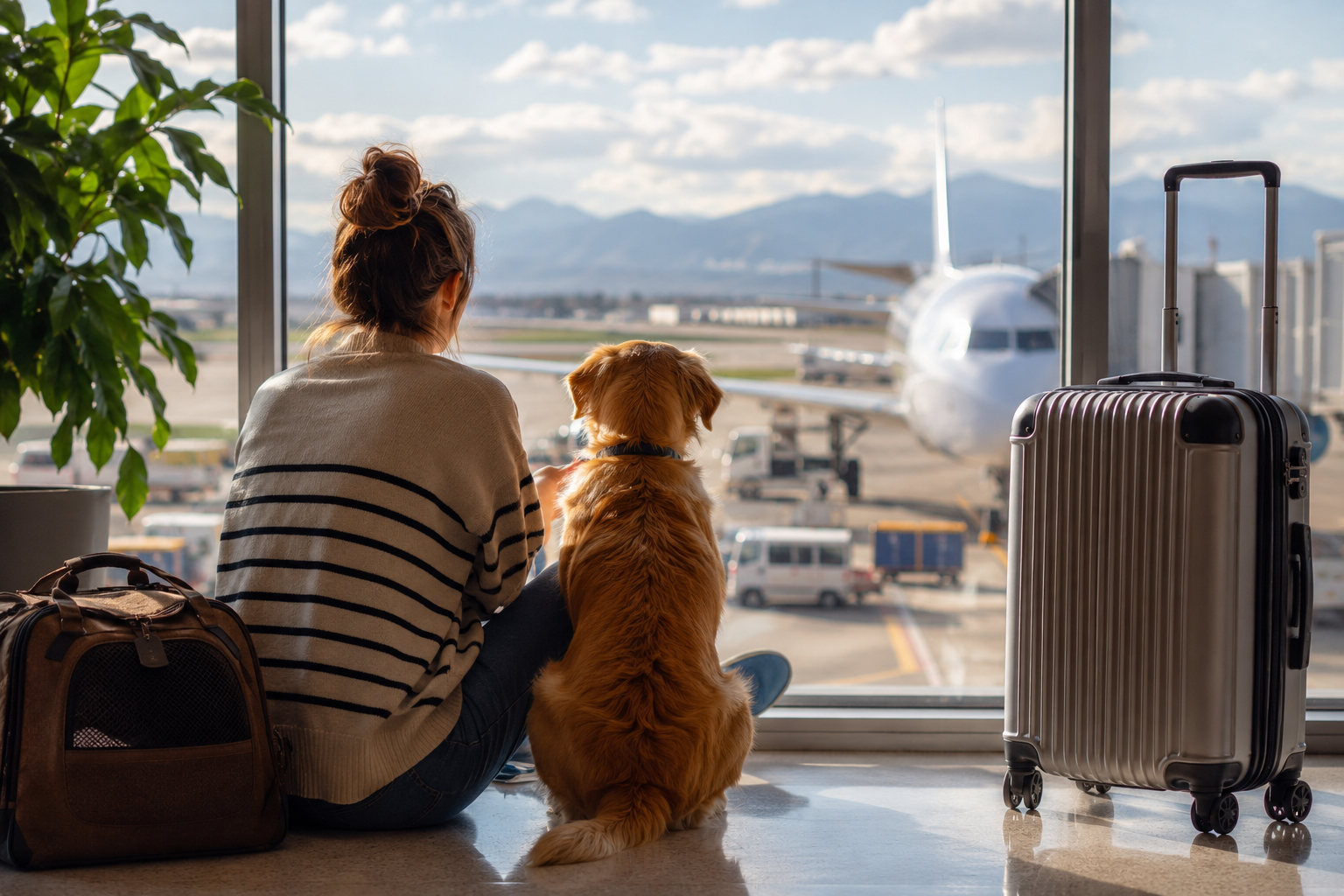
The landsce of travel is undergoing a significant transformation, with a burgeoning trend placing our furry companions at the heart of every journey. This shift, from merely pet-friendly to genuinely pet-first, is redefining how we explore the world, fostering deeper bonds and creating unforgettable shared experiences.
Why Pet Travel Is Becoming a Global Lifestyle Trend
Pet travel is ridly evolving into a prominent global lifestyle trend, with more pet owners than ever choosing to include their beloved animals in their adventures, fundamentally reshing the travel industry.
From Pet-Friendly Travel to Pet-First Experiences
The evolution from traditional pet-friendly travel to pet-first experiences signifies a profound shift in how the travel industry proaches accommodating animals. Previously, pet-friendly often meant simply tolerating pets, perhs with a designated grassy area or a water bowl upon request.
However, the new trend of pet-first travel, especially prominent in 2026, involves a comprehensive integration of pet needs into the core offerings of hotels, airlines, and other accommodations. This means not just allowing pets, but actively designing amenities, services, and experiences with their comfort, safety, and enjoyment in mind, creating a truly inclusive environment for pet travelers. This proach includes:
- Designing amenities specifically for pets
- Offering services tailored to animal companions
- Creating experiences focused on pet comfort, safety, and enjoyment
Why Pets Are Now Central to Modern Travel Decisions
Pets have ascended to a central role in modern travel decisions, with pet owners increasingly prioritizing their animal companions’ well-being and inclusion when planning trips. This growing emphasis means that the availability of suitable accommodation, the flexibility of airline policies, and the range of pet-inclusive activities are now primary factors influencing where and how people travel.
The decision to embark on a journey is often contingent upon whether their furry family members can join them comfortably and safely, compelling the entire travel industry to adt to this significant demand for pet travel solutions.
The Emotional Bond Driving the Pet Travel Boom
The robust emotional bond between pet owners and their animals is undeniably the primary catalyst driving the current pet travel boom. For many, pets are not just animals but cherished family members, and the thought of leaving them behind, especially for extended periods, can cause significant distress and separation anxiety for both the pet and the owner.
This deep connection compels pet owners to seek out travel solutions that allow them to bring their companions along, fostering shared experiences and enriching their journeys. The desire to maintain this companionship and avoid the emotional toll of separation is a powerful force shing the demand for pet-first travel options.
What Is Pet-First Travel?
Pet-first travel revolutionizes the industry by placing the needs and comfort of pets at the forefront of every travel decision, moving beyond mere tolerance to genuine integration.
Definition of Pet-First Travel in 2026
In 2026, pet-first travel is defined as a comprehensive proach to tourism where the needs, comfort, and safety of pets are prioritized and deeply integrated into every aspect of the travel experience. This goes far beyond simply being pet-friendly; it means accommodations, airlines, and destinations actively design services, amenities, and policies specifically for animals.
From bespoke pet menus in hotels and dedicated play areas to specialized in-cabin airline services and customized adventure tours, pet-first travel ensures that the furry companion is not just permitted, but genuinely welcomed and catered to, making the journey enjoyable and stress-free for both the pet and its owner.
How It Differs From Traditional Pet-Friendly Travel
The distinction between pet-first travel and traditional pet-friendly travel lies in the depth of integration and prioritization of the pet’s needs. Traditional pet-friendly hotels or airlines might allow pets for a fee, provide a basic water bowl, or designate a small outdoor relief area. In contrast, pet-first proaches, especially as seen in 2026, involve a wider range of dedicated pet amenities and services.
| Traditional Pet-Friendly Travel | Pet-First Travel (e.g., in 2026) |
| Allows pets for a fee | Dedicated pet amenities (e.g., plush pet beds, gourmet pet food) |
| Provides a basic water bowl | In-room pet sitting services |
| Designates a small outdoor relief area | Veterinary care access |
| More passive welcome pets proach | Specific pet suites or personalized welcome treats |
Many hotels now offer specific pet suites or welcome pets with personalized treats, making sure the furry guest feels as valued as their human counterpart, unlike the more passive welcome pets proach of the past.
Why the Travel Industry Is Adting to This Shift
The travel industry is ridly adting to the pet-first shift primarily due to the undeniable and growing demand from pet owners who don’t want to leave their pets behind. This adtation is a strategic response to evolving consumer preferences and the recognition of a significant, untped market segment.
As more people view their pets as integral family members, the demand for pet-inclusive travel options has surged, compelling airlines, hotels, and tour operators to innovate. By embracing pet-first policies and amenities, these businesses can attract a loyal customer base, differentiate themselves from competitors, and citalize on the economic impact of the burgeoning global pet industry, ensuring continued growth and relevance in 2026 and beyond.
Why Traveling With Pets Is Increasing Ridly
The surge in pet travel is fueled by a confluence of factors including rising pet ownership, flexible work arrangements, and a renewed emphasis on companionship and emotional well-being.
Rising Pet Ownership and Humanization of Pets
The rid increase in traveling with pets is significantly driven by a global surge in pet ownership combined with the profound humanization of pets. Across the U.S. and beyond, more households than ever before are welcoming furry companions, transforming pets from mere animals into cherished family members.
This shift means pet owners are increasingly unwilling to compromise on their pets’ inclusion in all aspects of their lives, including travel. They seek experiences and accommodation that cater to their pets’ needs, viewing them as essential partners in their adventures rather than burdens to be left with pet sitters, thereby fueling the demand for truly pet-first travel options in 2026.
Remote Work and Flexible Travel Lifestyles
The widespread adoption of remote work models and increasingly flexible travel lifestyles has played a crucial role in the accelerated trend of traveling with pets. With fewer people tethered to physical offices, individuals and families now have the freedom to work from virtually anywhere, enabling them to embark on longer trips and explore diverse destinations without having to leave their pets behind.
This newfound flexibility means impromptu weekend getaways or extended stays are now feasible with a furry companion in tow, directly contributing to the boom in pet travel and the demand for more comprehensive pet-friendly, or rather, pet-first, accommodation and services across the travel industry.
Post-Pandemic Priorities: Comfort, Safety, and Companionship
Post-pandemic priorities have significantly influenced the rid increase in traveling with pets, as pet owners now place a heightened emphasis on comfort, safety, and companionship. The experience of lockdowns and increased time spent at home forged even stronger bonds between humans and their animals, making the thought of separation during travel less pealing.
Owners prioritize the peace of mind that comes with knowing their pet is healthy enough for travel and safe by their side, rather than in the care of others. This desire for shared experiences and the emotional support pets provide drives the demand for pet-first solutions, ensuring that travel is a secure and enjoyable experience for all family members, including the furry ones, in 2026.
The Role of Emotional Wellness in Pet Travel
Emotional wellness is a cornerstone of pet travel, as pets offer crucial support to owners, reduce anxiety, and transform journeys into deeply shared and enriching experiences for both.
Pets as Emotional Support During Travel
Pets serve as invaluable sources of emotional support during travel, significantly enhancing the well-being of their owners. For many pet owners, the presence of their furry companion provides a sense of comfort, familiarity, and calm, particularly in unfamiliar environments or stressful travel situations like navigating busy airports or new cities.
This emotional anchor can alleviate anxiety and make the travel experience far more enjoyable and less daunting. Recognizing this profound connection, the travel industry is increasingly striving to make traveling with pets easier, ensuring that both human and animal can embark on journeys together, bolstering the emotional wellness of all involved.
Reducing Separation Anxiety for Owners and Animals
One of the primary drivers behind the rise of pet-first travel is the profound desire to reduce separation anxiety for both pet owners and their beloved animals. The thought of leaving a pet behind, whether with pet sitters or in a kennel, can be a significant source of stress and guilt for owners, while pets themselves can suffer from loneliness, changes in routine, and distress.
By choosing to travel with their pets, owners mitigate these anxieties, ensuring their furry companions remain close. This focus on emotional well-being has spurred airlines and hotels to develop more inclusive policies and amenities, making it easier for owners to travel with their pet and maintain their shared bond throughout the journey.
Travel as a Shared Emotional Experience
Traveling with pets transforms a journey into a profoundly shared emotional experience, deepening the bond between pet owners and their animals. When pets are included, every new sight, smell, and adventure becomes a moment enjoyed together, fostering a sense of companionship and mutual discovery.
This shared exploration creates lasting memories and reinforces the connection that defines their relationship. The emphasis on allowing pets to partake in these experiences is a testament to their integral role in the family unit, moving beyond mere tolerance to an active embrace of pet-inclusive adventures. This makes travel not just about reaching a destination, but about the quality of the emotional journey shared with a beloved furry friend.
How Airlines Are Adting to Pet-First Travel
Airlines are ridly evolving to accommodate the growing demand for pet-first travel, implementing significant changes to policies and services that prioritize the safety and comfort of furry passengers, redefining air travel for pet owners.
Cabin-Friendly Pet Policies and New Travel Options
In response to the surge in pet travel, many airlines are introducing more accommodating cabin-friendly pet policies, making it easier for pet owners to travel with their furry companions in the main cabin rather than as cargo. This includes expanding the types and sizes of pets allowed, provided they fit comfortably under the seat in an proved carrier.
Airlines are also exploring new travel options, such as dedicated pet zones within the cabin or even entire flights designed for pet travelers, ensuring a less stressful journey for both the pet and its owner. These advancements reflect a shift from merely tolerating pets to actively welcoming them, thereby enhancing the overall pet-first travel experience.
Improved Safety Standards for Animal Transport
Airlines are making significant strides in improving safety standards for animal transport, recognizing that the well-being of pets is a top concern for pet owners. This includes rigorous checks on kennel integrity, optimized temperature and pressure controls in cargo holds, and enhanced training for ground staff handling live animals.
Furthermore, airlines are collaborating with veterinarians to ensure that all pet travel protocols align with the latest animal welfare guidelines, aiming to minimize stress and health risks for pets during their journey. These elevated measures are crucial in building trust with pet owners and encouraging more individuals to travel with their pet, knowing their furry friend is healthy enough for travel and in safe hands.
Premium Pet Travel Services in Aviation
The aviation sector is witnessing the rise of premium pet travel services, catering to pet owners seeking luxurious and stress-free journeys for their companions. These services can include personalized check-ins, dedicated lounges for pets and their owners, and even in-flight attendants trained in pet care.
Some airlines are offering bespoke travel packages that combine flight arrangements with ground transportation and pet-friendly accommodation at the destination. Such high-end offerings underscore the pet travel industry’s commitment to providing an unparalleled experience for pet travelers, making air travel with your pet a truly first-class affair and reflecting the broader trend of pet-first services.
Hotels and Resorts Designed for Pets
Hotels and resorts are increasingly transforming their offerings to cater specifically to pet owners, moving beyond simple pet-friendly policies to provide extensive amenities and services that ensure a luxurious stay for both human and furry guests.
Pet Suites, Beds, and In-Room Amenities
In the evolving landsce of pet-first travel, many hotels are now designing dedicated pet suites complete with plush pet beds, ensuring ultimate comfort for furry guests. These specialized rooms often feature pet-friendly flooring, food and water bowls, and even welcome amenities like gourmet treats and toys upon arrival.
For instance, brands like Kimpton Hotels have been pioneers in offering luxurious in-room amenities, understanding that a comfortable environment is key for a stress-free stay for both pet owners and their companions. Such thoughtful provisions exemplify how accommodation providers are elevating the experience for pet travelers, making them feel genuinely welcome.
Pet-Friendly Dining, Play Areas, and Services
Pet-first hotels and resorts are expanding their offerings to include pet-friendly dining options, with designated areas where pet owners can enjoy meals alongside their companions. Some establishments even offer specialized pet menus crafted by veterinarians, ensuring nutritious and delicious options.
Beyond dining, properties are developing expansive play areas, including dog parks and agility courses, allowing pets to exercise and socialize safely. Complementary services such as professional pet sitters, dog walkers, and even on-call veterinary care are becoming standard, providing comprehensive pet care and peace of mind for those traveling with pets.
Luxury Hospitality and the Rise of Pet Concierge Services
The luxury hospitality sector is wholeheartedly embracing pet-first travel with the introduction of exclusive pet concierge services. These specialized concierges can arrange everything from personalized pet itineraries and spa treatments to private transportation and reservations at pet-friendly attractions.
They can also assist with specific pet care needs, ensuring that every aspect of the pet’s stay is meticulously managed. This bespoke service level reflects the significant demand for pet-friendly travel experiences that mirror the luxury enjoyed by human guests, solidifying the idea that pets are integral family members deserving of premium treatment throughout their accommodation.
Pet Travel Experiences Beyond Accommodation
Pet travel now extends far beyond just finding a place to sleep, encompassing a wide array of activities and social spaces designed to include pets in every adventure, enriching the overall travel experience for pet owners.
Dog-Friendly Beaches, Parks, and Hiking Trails
The rise of pet-first travel has led to a significant increase in the availability of dog-friendly beaches, parks, and hiking trails, allowing pet owners to explore nature alongside their furry companions. Destinations are actively promoting areas where dogs can run freely, swim, and enjoy the outdoors, often with designated off-leash zones and accessible water bowls.
These natural spaces provide essential exercise and mental stimulation for pets, transforming a simple outing into a shared adventure. The growing emphasis on these amenities reflects the understanding that pet owners seek comprehensive pet travel experiences that integrate their companions into every aspect of their journey.
Pet-Inclusive Tours and Adventure Activities
Innovative tour operators are now offering pet-inclusive tours and adventure activities, catering to pet owners who don’t want to leave their pets behind. From guided dog-friendly hikes through scenic landsces to kayaking trips where pets can join in the fun, these experiences are designed for shared enjoyment.
Specialized adventure companies are even developing programs like doga (dog yoga) or pet photogrhy tours, allowing for unique bonding opportunities. This trend showcases a pivotal shift in the travel industry, recognizing that pet travelers seek immersive experiences that actively involve their beloved animals, pushing the boundaries of traditional pet-friendly offerings.
Cafés, Restaurants, and Social Spaces for Pets
The social scene for pet owners is also ridly expanding, with an increasing number of cafés, restaurants, and dedicated social spaces actively welcoming pets. Many establishments now feature outdoor patios or specific indoor sections where pets are not just tolerated but genuinely celebrated, often with water bowls and even pet menus available.
Beyond dining, pet-focused social clubs and events are emerging, providing opportunities for pets and their owners to connect with like-minded individuals. These pet-friendly venues are crucial in creating a holistic pet-first travel ecosystem, ensuring that pet owners and their companions can enjoy vibrant social experiences together.
How Social Media Is Driving the Pet Travel Boom
Social media platforms are instrumental in accelerating the pet travel boom, showcasing aspirational pet lifestyles and connecting a global community of pet owners, thereby influencing travel choices and amplifying demand.
Viral Pet Travel Content on TikTok and Instagram
Viral pet travel content on platforms like TikTok and Instagram is a significant driver of the pet travel boom, inspiring countless pet owners to embark on adventures with their furry companions. Videos of dogs paddleboarding in exotic locations, cats lounging in luxury hotel rooms, and pets exploring national parks garner millions of views, demonstrating the joy and feasibility of traveling with pets.
This engaging visual content creates a strong desire among pet owners to replicate these experiences, directly impacting the demand for pet-friendly accommodation and services. The accessibility and shareability of such content make it a powerful force in shing current travel trends.
Influencers Showcasing Pet Lifestyle Travel
Pet influencers are playing a pivotal role in showcasing pet lifestyle travel, transforming the way pet owners perceive and plan their journeys. These popular accounts, often featuring well-traveled pets and their owners, provide aspirational content that highlights the ease and benefits of pet-first travel.
They review pet-friendly hotels, recommend top pet amenities, and share practical tips for traveling with pets, effectively endorsing brands and destinations that cater to pet travelers. This authentic endorsement from trusted figures significantly influences the travel decisions of their followers, further propelling the pet travel industry into the mainstream by 2026.
The Rise of Pet Travel Aesthetic Content
The pet travel aesthetic has emerged as a distinct trend on social media, characterized by beautifully curated images and videos that highlight the stylish and enjoyable aspects of traveling with pets. This content often features well-groomed pets in picturesque settings, from cozy hotel beds to scenic hiking trails, emphasizing comfort, luxury, and shared experiences.
Pet owners are increasingly focused on creating and sharing visually pealing stories of their pet travel adventures, inspiring others to embrace this lifestyle. This aesthetic not only encourages more pet owners to travel with their pet but also sets a high standard for what constitutes a truly pet-first experience, influencing the offerings of the entire travel industry.
Technology and Innovation in Pet Travel
Technological advancements are revolutionizing pet travel, offering innovative solutions that enhance safety, comfort, and convenience for pet owners and their companions, making journeys smoother and more enjoyable than ever before.
Pet Travel ps and Booking Platforms
The digital landsce for pet travel is ridly expanding with the advent of specialized pet travel ps and booking platforms. These innovative tools allow pet owners to easily find pet-friendly accommodation, compare airline policies for traveling with pets, and even book pet-specific services like dog walkers or veterinarians at their destination.
Many platforms provide comprehensive filters to search for pet amenities, review hotel pet fees, and access vital information like health certificate requirements for international pet travel. This technological convenience streamlines the planning process, making it significantly easier for pet owners to travel with their pet and truly embrace pet-first travel.
GPS and Pet Safety Tech During Trips
GPS and other pet safety technology are becoming indispensable for pet owners traveling with their pets, offering peace of mind and enhanced security. Modern GPS trackers, often integrated into smart collars, allow owners to monitor their pet’s location in real-time, significantly reducing anxiety about a lost pet in unfamiliar environments.
Additionally, innovative devices monitor a pet’s vital signs and ambient temperature, alerting owners to potential health concerns or environmental stressors during transit. This advanced tech ensures that pet owners can be confident their pet is healthy enough for travel and safe throughout their journey, a critical aspect of pet-first travel.
Smart Accessories for Comfort and Monitoring
The market for smart accessories tailored for pet travel is booming, focusing on enhancing comfort and facilitating real-time monitoring of pets during trips. This includes climate-controlled carriers that maintain optimal temperatures, automatic feeders and water bowls that ensure consistent hydration and nutrition, and calming diffusers designed to reduce pet stress.
Wearable sensors can track a pet’s activity levels and sleep patterns, providing valuable insights into their well-being. These technological innovations contribute significantly to a more comfortable and less stressful pet travel experience, underscoring the commitment of the pet industry to making pet-first travel a seamless reality.
The Economic Impact of Pet-First Travel
The burgeoning trend of pet-first travel is generating a significant economic impact, driving growth across various sectors of the travel industry and creating new business opportunities that cater specifically to pet owners and their beloved companions.
Growth of the Pet Tourism Industry
The pet tourism industry is experiencing exponential growth, directly fueled by the increasing number of pet owners who prioritize traveling with pets. This expansion encompasses not just pet-friendly accommodation and airlines, but also a myriad of related services such as specialized pet care, pet transport, and unique pet travel experiences.
The demand for pet-first solutions has transformed what was once a niche market into a substantial economic force, with analysts projecting continued upward trends as more pet owners seek to integrate their furry family members into their travel plans, significantly bolstering the global pet economy by 2026.
New Business Opportunities in Pet Hospitality
The surge in pet-first travel has opened up a wealth of new business opportunities within pet hospitality, extending far beyond traditional boarding kennels. Entrepreneurs are innovating with bespoke services such as luxury pet resorts offering gourmet meals and spa treatments, specialized pet sitters available for in-room care, and even dedicated pet travel agencies that handle all aspects of pet itinerary planning.
This vibrant sector also includes designers creating premium pet amenities for hotels and developers focusing on pet-friendly infrastructure, all contributing to a robust pet industry eager to meet the growing demand for comprehensive pet care and pet-friendly experiences, thereby creating a truly inclusive environment for pet travelers.
How Brands Are Citalizing on Pet Travel Demand
Major brands across the travel industry are strategically citalizing on the escalating pet travel demand by re-evaluating their offerings and marketing proaches. Airlines are introducing premium pet services, while hotel chains, including names like Hilton and Kimpton, are investing heavily in pet-friendly accommodation and enhanced pet amenities, moving beyond merely tolerating welcome pets to actively celebrating them.
Retailers are developing smart accessories for comfortable and safe travel, and even tourism boards are promoting dog-friendly destinations. This strategic pivot allows brands to t into a loyal and growing customer base of pet owners who are willing to pay for quality experiences that ensure their pet is healthy enough for travel and their companions’ comfort, solidifying pet-first travel as a key market segment in 2026.
Challenges of Traveling With Pets
Despite the growing enthusiasm for pet-first travel, several significant challenges persist, requiring careful consideration and planning from pet owners to ensure a smooth, safe, and stress-free journey for their beloved companions.
Airline Restrictions and Travel Regulations
One of the primary challenges when traveling with pets involves navigating the complex web of airline restrictions and international pet travel regulations. Each airline has distinct policies regarding pet size, breed, carrier requirements, and whether a pet can travel in the cabin or cargo, often incurring varying pet fees.
International travel with pets further complicates matters with stringent health certificates, quarantine periods, and vaccination requirements that can differ significantly by country. Pet owners must meticulously research these rules well in advance to ensure compliance and avoid unexpected issues, making sure their pet is healthy enough for travel and all documentation is in order before their departure.
Pet Stress, Health, and Safety Concerns
Ensuring pet well-being is paramount, yet pet stress, health, and safety concerns pose significant challenges when traveling with pets. Unfamiliar environments, changes in routine, and the confined spaces of carriers can induce anxiety and stress in animals, potentially impacting their health. Pet owners must assess if their pet is healthy enough for travel, considering factors like age, breed, and temperament.
Furthermore, ensuring a pet’s safety during transit, especially in cargo, requires careful consideration of temperature extremes and handling procedures. Consulting with a veterinarian for pre-travel check-ups and advice on calming techniques is crucial to mitigate these risks and make traveling with pets easier.
Costs and Accessibility of Pet Travel Services
The costs and accessibility of pet travel services present another considerable challenge for pet owners eager to embrace pet-first travel. Pet fees charged by airlines and hotels can be substantial, often increasing the overall travel budget. Specialized pet amenities, pet sitters, or veterinary services at destinations can also add up.
Beyond financial considerations, the accessibility of truly pet-friendly accommodation and dog-friendly activities might be limited in certain regions, requiring extensive research and booking in advance. This means that while the demand for pet-friendly travel is high, the practicalities of making it affordable and widely accessible for all pet owners remain an ongoing hurdle for the pet industry.
Tips for Traveling With Pets in 2026
For a seamless and enjoyable journey with your furry friend in 2026, meticulous planning and preparation are essential, focusing on pet-friendly logistics, pet readiness, and an indispensable packing checklist.
Planning Pet-Friendly Routes and Accommodations
Effective planning of pet-friendly routes and accommodation is the cornerstone of successful pet-first travel. Pet owners should utilize specialized pet travel ps and booking platforms to identify airlines with flexible pet policies and hotels that offer genuine pet amenities beyond a basic bowl.
Researching dog-friendly destinations, including parks, beaches, and restaurants, ensures a fulfilling experience for both human and animal. Booking well in advance, especially for popular areas, is crucial to secure the best pet-friendly options and potentially negotiate pet fee waivers. This proactive proach helps avoid last-minute stress and guarantees a truly welcome pets experience.
Preparing Pets for Stress-Free Travel
Preparing pets for stress-free travel is vital to ensure a comfortable and healthy journey for your companion. Acclimating your pet to their travel carrier well before departure, gradually increasing time spent inside, can significantly reduce anxiety. Regular vet check-ups are essential to confirm your pet is healthy enough for travel and to obtain any necessary health certificates.
For nervous pets, discuss calming techniques or veterinarian-prescribed medications with your veterinarian. Maintaining a consistent routine during travel, including feeding times and exercise, helps reduce pet stress. These steps make traveling with pets easier and more enjoyable for everyone involved, especially for new pet owners.
Essential Packing Checklist for Pet Travel
An essential packing checklist for pet travel ensures that pet owners have everything needed for a comfortable and safe trip. To help prepare, you should include the following items:
- Your pet’s favorite food and treats
- A portable water bowl
- Any prescribed medications
- A first-aid kit specific for pets
- Leash and collar with updated ID tags
- Comfort items like a favorite blanket or toy
- Waste bags
For airline travel, health certificates, vaccination records, and an airline-proved carrier are non-negotiable. Having these pet amenities readily accessible will contribute to a stress-free journey and make your pet feel more at home in new accommodation.
The Future of Pet-First Travel
The future of pet-first travel promises even greater integration and personalization, driven by sustained global growth, advanced technology, and a commitment to creating fully pet-inclusive travel ecosystems that cater to every need of pet owners and their companions.
Why Pet Travel Will Continue to Grow Globally
Pet travel is poised for continued global growth due to several enduring travel trends. The increasing rate of pet ownership worldwide, coupled with the deepening humanization of pets, means more pet owners will seek to include their furry family members in every aspect of their lives, including holidays.
Furthermore, the rise of remote work and flexible lifestyles provides greater freedom for extended trips with pets. As the pet industry continues to innovate with more pet-friendly accommodation, pet amenities, and services, the desire to make traveling with pets easier and more accessible will only intensify, making 2026 a pivotal year for this expansion.
Integration of AI and Personalized Pet Travel Services
The future of pet-first travel will see a significant integration of AI and personalized pet travel services, revolutionizing how pet owners plan and execute their journeys. AI-powered booking platforms will be able to suggest optimal pet-friendly routes, recommend accommodation based on a pet’s specific needs (e.g., breed, age, temperament), and even forecast potential pet stress factors during travel.
Personalized services, informed by AI, could include tailored pet care itineraries, real-time veterinary advice via teleconsultation, and curated experiences designed specifically for a pet’s preferences. This technological advancement promises to make traveling with pets more seamless, predictive, and uniquely adted to each furry traveler.
The Shift Toward Fully Pet-Inclusive Travel Ecosystems
The ultimate vision for the future of pet-first travel is a complete shift toward fully pet-inclusive travel ecosystems, where every component of a journey is designed with pets in mind. This means seamless transitions from a pet-friendly airline to ground transportation that accommodates pets, followed by a stay at a hotel that offers extensive pet amenities and services.
Destinations will feature widespread dog-friendly attractions, from parks to restaurants, ensuring pets are welcome everywhere. This holistic proach aims to eliminate the current challenges of traveling with pets, creating a world where pet owners can truly experience global pet adventures without compromise, marking a significant evolution in the travel industry beyond 2026.
Conclusion: Why Pet Travel Reflects a Bigger Lifestyle Shift
Pet travel, evolving from merely pet-friendly to truly pet-first, is more than a fleeting trend; it reflects a profound lifestyle shift where pets are unequivocally recognized as integral family members, influencing every aspect of their owners’ decisions. This transformation underscores a deeper societal value placed on companionship, emotional wellness, and shared experiences, signaling a future where travel is intrinsically inclusive of our furry companions.
LifestyleNews
Why Relaxing Activities Are Trending More Than Ever in 2026

In our increasingly demanding world, the pursuit of tranquility has become a universal aspiration. This article explores why relaxation activities are not just a fleeting trend, but a vital component of modern life.
The Global Shift Toward Calm Living
Why Relaxation Has Become a Modern Priority
Relaxation has emerged as a crucial modern priority because individuals are increasingly seeking to reduce stress and improve their overall physical and mental well-being in their daily lives. The relentless pace of contemporary society often leads to chronic stress, impacting both the body and mind, making dedicated relaxation practices essential for:
- Maintaining health
- Maintaining wellness
From Hustle Culture to Rest-First Living
The cultural pendulum is noticeably swinging away from the pervasive hustle culture towards a rest-first living philosophy. This shift acknowledges the detrimental effects of constant productivity pressure and champions the idea that true success encompasses a balanced and restorative lifestyle. Individuals are now prioritizing their well-being in several key ways:
- Intentionally scheduling downtime
- Focusing on self-care
What Are Relaxing Activities in Today’s Lifestyle?
Definition of Relaxation Practices in 2026 Wellness Culture
In 2026 wellness culture, relaxation practices are defined as intentional, restorative activities designed to reduce stress, promote relaxation, and enhance overall physical and mental well-being. These practices actively engage the parasympathetic nervous system, helping to counter the effects of chronic stress and fostering a profound sense of calm by:
- Reducing stress
- Promoting relaxation
- Enhancing overall physical and mental well-being
Examples: Slow, Low-Stress, and Restorative Activities
Examples of slow, low-stress, and restorative activities commonly embraced today include gentle yoga, immersive aromathery sessions using essential oils, engaging in mindful breathwork, and enjoying a peaceful sound thery experience. These activities are carefully chosen for their ability to induce relaxation and alleviate muscle tension, contributing significantly to mental clarity and brain health.
Why They Matter More Than Ever Now
Relaxing activities matter more than ever now because they provide essential antidotes to the constant bombardment of daily stressors, enabling individuals to manage their cortisol levels and improve brain function. These deliberate ways to relax are crucial for fostering a sustained sense of calm, supporting cardiovascular health, and preventing burnout in a fast-paced world.
Why Modern Life Is Driving the Relaxation Trend
Stress, Burnout, and Mental Fatigue in Daily Life
Modern life relentlessly drives the relaxation trend due to the pervasive issues of stress, burnout, and profound mental fatigue experienced by countless individuals in their daily lives. The constant demands placed upon both the body and mind necessitate intentional periods of rest and recovery to maintain optimal physical and mental well-being.
Information Overload and Digital Exhaustion
The relentless flood of information overload and pervasive digital exhaustion significantly contribute to the escalating need for relaxation, as constant connectivity overstimulates the nervous system. Individuals are increasingly seeking ways to reduce stress and disengage from screens to achieve true relaxation, which promotes brain health and mental clarity.
The Impact of Fast-Paced Work and Social Pressure
The profound impact of fast-paced work environments and unrelenting social pressure has significantly increased the need for relaxation, as these factors constantly elevate cortisol levels. This demanding lifestyle makes it imperative to prioritize self-care and integrate effective relaxation practices to mitigate mental fatigue and maintain physical and mental well-being.
The Psychology Behind the Need to Relax More
How the Nervous System Responds to Constant Stress
The nervous system responds to constant stress by activating the sympathetic nervous system, commonly known as the fight or flight response, leading to elevated heart rate and muscle tension. This sustained activation prevents the parasympathetic nervous system from initiating the crucial relaxation response, highlighting the imperative need for intentional ways to relax.
Dopamine Overstimulation and Mental Fatigue
Dopamine overstimulation, often a consequence of constant digital engagement and rewarding behaviors, contributes significantly to mental fatigue, as the brain struggles to regulate its reward pathways. This continuous stimulation prevents the mind and body from achieving true relaxation, making deliberate relaxation techniques essential for restoring brain function and mental clarity.
Why the Brain Needs Intentional Rest Periods
The brain critically needs intentional rest periods to facilitate proper consolidation of memories, reduce stress, and allow the parasympathetic nervous system to initiate restorative processes. Without these vital breaks, the brain’s cacity for sustained focus and emotional regulation diminishes, impacting overall physical and mental well-being and increasing mental fatigue.
The Rise of Slow Living and Mindful Culture
What Slow Living Means in Modern Society
Slow living in modern society signifies a deliberate shift towards a more measured and intentional existence, where individuals consciously choose to prioritize their well-being and sense of calm over the relentless pace of contemporary life. This philosophy emphasizes savoring moments and reducing stress by focusing on activities that promote relaxation and mental clarity, thereby improving overall physical and mental well-being.
How Mindfulness Changed Everyday Habits
Mindfulness has profoundly changed everyday habits by encouraging individuals to be more present and aware, fostering a deeper connection with their actions and surroundings, and enhancing their overall physical and mental well-being. This practice of paying attention on purpose, without judgment, enables a more effective relaxation response, allowing the mind and body to reduce stress and cultivate a lasting sense of calm.
Why People Are Choosing Simplicity Over Speed
People are increasingly choosing simplicity over speed as a means to reduce stress and improve their physical and mental well-being, recognizing that a frantic pace often leads to burnout and mental fatigue. This deliberate choice allows them to prioritize self-care and integrate more restorative relaxation practices into their daily lives, fostering a stronger sense of calm and better brain health.
How Technology Paradoxically Increased the Need for Relaxation
Social Media Overload and Constant Comparison
Social media overload and the constant comparison it fosters have paradoxically amplified the need for relaxation, as endless scrolling and perceived pressures elevate cortisol levels and deplete mental well-being. This digital burden frequently overwhelms the nervous system, making it crucial for individuals to actively seek ways to reduce stress and promote true relaxation for their mind and body.
Always-On Culture and Notification Fatigue
The relentless always-on culture and pervasive notification fatigue have significantly contributed to heightened stress levels, making genuine relaxation more elusive for many. This constant digital tethering overstimulates the autonomic nervous system, underscoring the vital importance of incorporating dedicated relaxation practices and self-care routines to mitigate mental fatigue and promote brain health.
Digital Detox Trends and Screen-Free Time
Digital detox trends and the prioritization of screen-free time have emerged as vital ways to promote relaxation and reduce stress in an an increasingly connected world, helping individuals reset their nervous system. Engaging in these practices allows the mind and body to recover from digital overstimulation, fostering mental clarity, improving physical and mental well-being, and cultivating a profound sense of calm.
Most Popular Relaxing Activities in 2026
Walking, Nature Time, and Outdoor Recovery Activities
Walking, embracing nature time, and engaging in various outdoor recovery activities remain among the most popular ways to relax in 2026, as they inherently reduce stress and promote a deep sense of calm. These activities leverage the restorative power of the natural environment to enhance physical and mental well-being, supporting brain health and lowering cortisol levels effectively.
Reading, Journaling, and Creative Calm Hobbies
Reading, journaling, and engaging in creative calm hobbies are widely embraced as effective relaxation practices, offering a profound sense of calm and fostering mental clarity. These restorative activities allow the mind and body to disengage from daily stressors, activating the parasympathetic nervous system and significantly improving overall physical and mental well-being.
Meditation, Breathwork, and Mindful Rest Practices
Meditation, breathwork, and various mindful rest practices are highly popular for their profound ability to reduce stress and induce relaxation, significantly benefiting both the mind and body. These immersive techniques engage the parasympathetic nervous system, helping to regulate cortisol levels and promote a deep sense of calm, thereby enhancing overall physical and mental well-being.
Mental Health Benefits of Relaxing Activities
Stress Reduction and Anxiety Relief
Engaging in regular relaxation activities is paramount for stress reduction and anxiety relief, as they actively modulate the nervous system and lower elevated cortisol levels. These practices facilitate a crucial relaxation response within the mind and body, contributing significantly to improved brain function and fostering a sustained sense of calm, which is vital for mental health.
Improved Focus, Creativity, and Emotional Stability
Relaxation practices significantly contribute to improved focus, enhanced creativity, and greater emotional stability by allowing the mind and body to reset and recover from daily stressors. By activating the parasympathetic nervous system, these restorative ways to relax reduce mental fatigue, supporting brain health and promoting a profound sense of calm for better physical and mental well-being.
Better Sleep and Long-Term Recovery
Prioritizing relaxation activities directly leads to better sleep quality and supports long-term recovery for both the mind and body, essential for overall physical and mental well-being. By inducing relaxation and reducing stress, these practices regulate the nervous system, lower cortisol levels, and create optimal conditions for deep, restorative sleep, which is critical for sustained health and wellness.
How Relaxing Activities Improve Productivity (Not Reduce It)
Why Rest Enhances Performance and Decision-Making
Rest is not counterproductive but actually enhances performance and sharpens decision-making by allowing the mind and body to consolidate information and reduce stress effectively. Integrating consistent relaxation practices supports brain health and optimizes the nervous system, fostering mental clarity and improved focus, which are crucial for high-level cognitive function in daily life.
The Science of Recovery and Cognitive Reset
The science of recovery highlights that periods of intentional relaxation are crucial for a cognitive reset, allowing the brain to process information, reduce stress, and restore its cacity for sustained attention. These restorative practices support optimal brain function by activating the parasympathetic nervous system, which promotes overall physical and mental well-being and prevents mental fatigue.
Sustainable Energy vs Burnout Cycles
Prioritizing relaxation practices fosters sustainable energy levels and helps individuals break free from debilitating burnout cycles, ensuring a healthier balance for the mind and body. By actively working to reduce stress and lower cortisol, these self-care strategies optimize physical and mental well-being, promoting a consistent sense of calm and improving long-term health and wellness, essential for daily life.
The Cultural Shift Away From Hustle Culture
Why People Are Rejecting Constant Productivity Pressure
People are increasingly rejecting constant productivity pressure because it often leads to elevated cortisol levels, severe mental fatigue, and a diminished sense of calm, significantly impacting their overall physical and mental well-being. This societal shift acknowledges that relentless hustling detracts from true relaxation and a balanced life, prompting individuals to seek healthier ways to reduce stress and prioritize self-care in their daily lives.
The Rise of Balance-Driven Lifestyle Choices
The rise of balance-driven lifestyle choices underscores a collective desire to integrate restorative relaxation practices that nurture both the mind and body, moving beyond the traditional work-centric paradigm. Individuals are actively choosing to promote relaxation and enhance their physical and mental well-being by consciously allocating time for self-care, thereby fostering a sustained sense of calm and improving their health and wellness.
Redefining Success Beyond Busyness
Redefining success beyond mere busyness involves recognizing that true achievement encompasses a profound sense of calm, robust physical and mental well-being, and sustained hpiness, rather than just relentless productivity. This cultural re-evaluation encourages individuals to prioritize intentional relaxation practices, reduce stress, and cultivate a life that supports their nervous system, ultimately leading to greater brain health and comprehensive wellness in their daily lives.
How to Add More Relaxing Activities Into Daily Life
Creating Simple Daily Relaxation Routines
Creating simple daily relaxation routines is essential for consistently integrating self-care and fostering a profound sense of calm, which effectively helps to reduce stress and supports overall physical and mental well-being. These routines, even brief ones, can involve practices like mindful breathwork or a quick aromathery session, training the nervous system to initiate the relaxation response more readily, thereby improving brain health.
Reducing Digital Noise and Overstimulation
Reducing digital noise and overstimulation is a critical step towards achieving true relaxation and promoting a healthier nervous system, as constant digital input elevates cortisol levels and contributes to mental fatigue. By intentionally limiting screen time and creating digital boundaries, individuals can significantly reduce stress, allowing their mind and body to reset, leading to improved physical and mental well-being and enhanced mental clarity in their daily lives.
Making Rest a Non-Negotiable Habit
Making rest a non-negotiable habit is fundamental for sustaining long-term physical and mental well-being, as it ensures the mind and body receive adequate time to recover and reduce stress. This commitment to self-care allows the parasympathetic nervous system to actively engage, promoting relaxation, lowering cortisol, and fostering a deep sense of calm, thereby improving overall brain health and daily performance.
Common Mistakes People Make When Trying to Relax
Turning Relaxation Into Another Task
A common mistake is inadvertently turning relaxation into another demanding task, which paradoxically increases stress rather than promoting a genuine sense of calm and well-being. When individuals proach relaxation practices with a rigid, goal-oriented mindset, they often fail to allow their nervous system to truly engage the relaxation response, hindering their ability to reduce stress and enjoy the restorative benefits for their mind and body.
Over-Planning Free Time Instead of Resting
Over-planning free time instead of simply resting often prevents the mind and body from achieving true relaxation, as a packed schedule, even with enjoyable activities, can elevate cortisol levels. Genuine relaxation practices should focus on reducing stress and allowing the nervous system to unwind naturally, fostering a sense of calm and supporting overall physical and mental well-being without additional pressure in daily life.
Confusing Passive Scrolling With Real Rest
Many mistakenly confuse passive scrolling on digital devices with real rest, yet this activity often overstimulates the nervous system, prevents the mind and body from achieving true relaxation, and can increase mental fatigue. Genuine self-care and effective relaxation techniques aim to reduce stress and foster a deep sense of calm, promoting physical and mental well-being by disengaging from constant digital input and allowing for restorative quiet.
The Future of Relaxation and Wellness Culture
Why Relaxing Activities Will Continue Growing in Popularity
Relaxing activities will continue growing in popularity because modern life’s escalating demands make intentional self-care and stress reduction essential for maintaining physical and mental well-being and brain health. As people become more aware of the detrimental effects of chronic stress on their nervous system and cortisol levels, they will increasingly prioritize relaxation practices to achieve a lasting sense of calm in their daily lives.
Integration of Wellness, Technology, and Lifestyle Design
The future will see a seamless integration of wellness, technology, and lifestyle design, where innovative solutions will further support relaxation practices and enhance physical and mental well-being. This convergence aims to create personalized self-care routines that promote relaxation, reduce stress, and optimize the nervous system, fostering a profound sense of calm and improving overall brain health in daily life.
The Shift Toward Emotionally Balanced Living
The shift toward emotionally balanced living signifies a growing collective desire to prioritize inner peace and resilience, recognizing that true relaxation and a robust sense of calm are fundamental to overall physical and mental well-being. This evolving wellness culture encourages proactive self-care and the integration of stress-reducing practices, supporting the nervous system and fostering sustainable hpiness beyond mere productivity in daily life.
Conclusion: Why Slowing Down Is the New Modern Luxury
In a world accelerating at an unprecedented pace, slowing down has unequivocally emerged as the new modern luxury, embodying the ultimate form of self-care and a profound commitment to physical and mental well-being.
Prioritizing true relaxation and cultivating a deep sense of calm through intentional practices is no longer a mere option but a vital necessity, as it directly reduces stress, supports a healthy nervous system, and enhances overall brain function. Embracing restorative activities allows individuals to navigate their daily lives with greater mental clarity, emotional stability, and sustainable energy, proving that in 2026, the greatest wealth lies in the deliberate choice to pause, breathe, and genuinely reconnect with oneself.
UN Inquiry Finds Israeli Forces Shield Settlers During Attacks on Palestinians
US News is a recognized leader in college, grad school, hospital, mutual fund, and car rankings. Track elected officials, research...
ทำความรู้จักกับหวยออนไลน์: ทางเลือกใหม่สำหรับนักเสี่ยงโชค
เล่นหวยออนไลน์ยังไงให้ปัง เปิดสูตรเด็ดและเทคนิคที่เซียนไม่เคยบอก หวยออนไลน์คือการซื้อเลขเสี่ยงโชคผ่านระบบดิจิทัลที่ช่วยให้คุณเลือกหมายเลขเองหรือใช้ระบบสุ่มได้ทันที คุณไม่ต้องพกสลากกระดาษเพราะระบบจะบันทึกข้อมูลไว้ในบัญชีผู้ใช้ของคุณ การตรวจผลรางวัลทำได้ทันที ผ่านเว็บไซต์หลังการออกรางวัล และหากถูกรางวัล เงินจะเข้าสู่บัญชีโดยอัตโนมัติ ทำให้สะดวกและรวดเร็วกว่าการซื้อหวยแบบเดิม ทำความรู้จักกับหวยออนไลน์: ทางเลือกใหม่สำหรับนักเสี่ยงโชค ทำความรู้จักกับหวยออนไลน์: ทางเลือกใหม่สำหรับนักเสี่ยงโชค ช่วยให้ผู้เล่นเข้าถึงการซื้อเลขได้โดยตรงผ่านแพลตฟอร์มดิจิทัล โดยไม่ต้องพึ่งพาเจ้ามือหรือตัวแทนจำหน่าย ระบบจะแสดงผลการออกรางวัลแบบเรียลไทม์


Trump claims Iran deal could be signed in days
President Trump said a deal with Iran could be signed in "two or three days." Speaking with reporters in New...


Humanoid robot kicks kid during performance in China
Video circulating on social media shows a child being kicked by a humanoid robot during a martial arts performance in...


The impact behind viral New York Knicks Chant
MD Hossain spoke to CNN after a video of him chanting following the New York Knicks' Game One win in...


The USA TODAY Store is offering 20% off through Memorial Day weekend
Memorial Day shoppers can get 20% off sitewide at the USA TODAY Store, including collectible books, front page prints, local...


Breaking News Live June 9: 13 shops gutted in Poonch blaze; J&K administration initiates rehabilitation measures
Stay here for real-time updates on breaking news from India and across the world that you can’t miss: The five-day...


Historic Feat: At 11,578 Feet, Zojila Tunnel Records Major Breakthrough For Kashmir-Ladakh Link
Union Minister Nitin Gadkari participated in the ground-breaking ceremony of the Zojila Tunnel, the world’s longest bi-directional tunnel., India News,...


World Cup 2026 LIVE: Latest news and updates as referee denied entry
World Cup fever is building with tournament’s opening game just days away Sport | Football World Cup 2026 LIVE: Latest...


BREAKING England’s World Cup camp struck by huge earthquake rocking entire state
This is a breaking news story and is being constantly updated by our reporters as the breaking news story develops...
-

 UsaLocalNews2 weeks ago
DOJ says it scrubbed news releases about Jan. 6 criminal cases from its website
-

 Tech2 weeks ago
Today's NYT Connections Hints, Answers and Help for May 25, #1079
-

 Tech2 weeks ago
Sennheisers Momentum 5 headphones are all about the audio and ANC upgrades – Engadget
-

 Business2 weeks ago
Federal court blocks Alabama plan for new congressional districts that could help Republicans
-

 Video2 weeks ago
Your energy bills could be about to go up – here's why. #BBCNews
-

 Video2 weeks ago
Should Disneyland visitors worry about toxic leak?
-

 Video2 weeks ago
Trump at Cabinet meeting: 'I don't care about the midterms'
-

 Business2 weeks ago
What we know and dont know about the emerging deal to end the Iran war