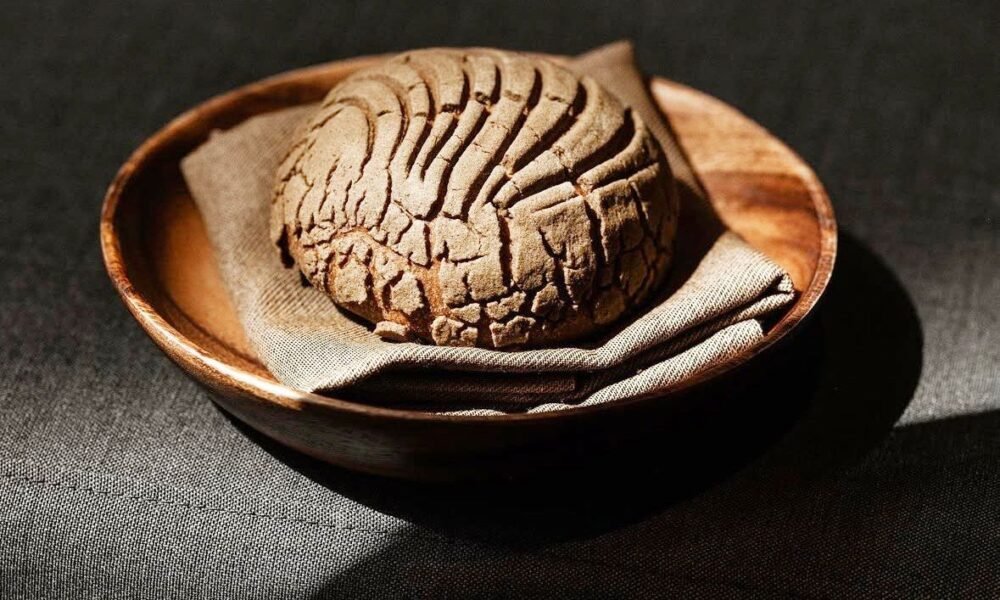
Rewrite the following news content into a professional, SEO-optimized article. Instructions: Keep the meaning exactly the same. Do not add false information. Remove any unwanted text, metadata, or comments at the beginning. Write in clear, engaging, and human-like news tone. Use short paragraphs (2–4 lines each). Add proper headings (H2/H3) where relevant. Ensure good readability and flow. Use simple English (Grade 6–8 level). Avoid repetition and fluff. Format properly for a blog/news post. Content: Back in 2017, Mariela Camacho, the oldest daughter of Mexican immigrant parents, was baking sourdough loaves for coffee shops in Seattle when she decided to lean into her heritage and learn to bake conchas, the catcher’s mitt-sized sweet buns commonly found in Mexican panaderias.. The problem: she had no idea how to make them. “My family cooks, but they don’t bake, so I had to figure it out myself,” she said. “Nine years ago, conchas were not cool, so I had to basically teach myself.”. Today, Camacho bakes colorful conchas in modern flavors like earl grey and vanilla, hot chocolate with saffron and guajillo, and brown butter lavender at Comadre Panadería, her bright pink shop in Austin, Texas.. A concha from Vato in Brooklyn with yuzu curd, totomoxtle, and craquelin.. Photo by Paco Alonso. She’s far from alone. Contemporary conchas are popping up across the country: in New York at Vato and Cosme; in Los Angeles at Santa Canela and My Panecito; in Vermont at Atla’s Conchas. Even Popeyes is in on conchas, which debuted a Tequila Don Julio–flavored concha chicken sandwich during the Super Bowl.. Perhaps the clearest sign of the concha’s ascent came last February at La Rue Doughnuts, a French bakery in Dallas, where the croissant collided with the concha. “The croncha was an organic way to bring together the cultures in our kitchen,” said owner Amy La Rue, noting her largely Mexican staff. The pastry—layered like a croissant, topped like a concha—drew TSA-length lines down the block and helped reframe the bun as a peer to French pastry.. That shift is measurable. According to food industry research group Datassential, menus featuring conchas have grown 68% in the past four years, with 53% of Gen Z diners “definitely interested” in trying one—more than any other generation.. “We’re bringing our childhood memories to the table, and now people are paying attention,” said Erick Rocha, pastry chef at Corima in Manhattan and the all-day cafe Vato, in Park Slope, Brooklyn, where conchas regularly sell out. “A lot of us are putting conchas on the map for the American public.”. Building on Tradition. The concha traces back to the 16th century, when wheat arrived in Spanish colonies. The pan dulce tradition evolved in the 19th century under French influence, with conchas becoming a staple in Mexico City’s cafés de chinos—Chinese-owned diners that proliferated in the early 20th century. Over time, the buns evolved from classic vanilla and chocolate to more expressive versions, like those scented with hoja santa at Mexico City’s acclaimed Panadería Rosetta.