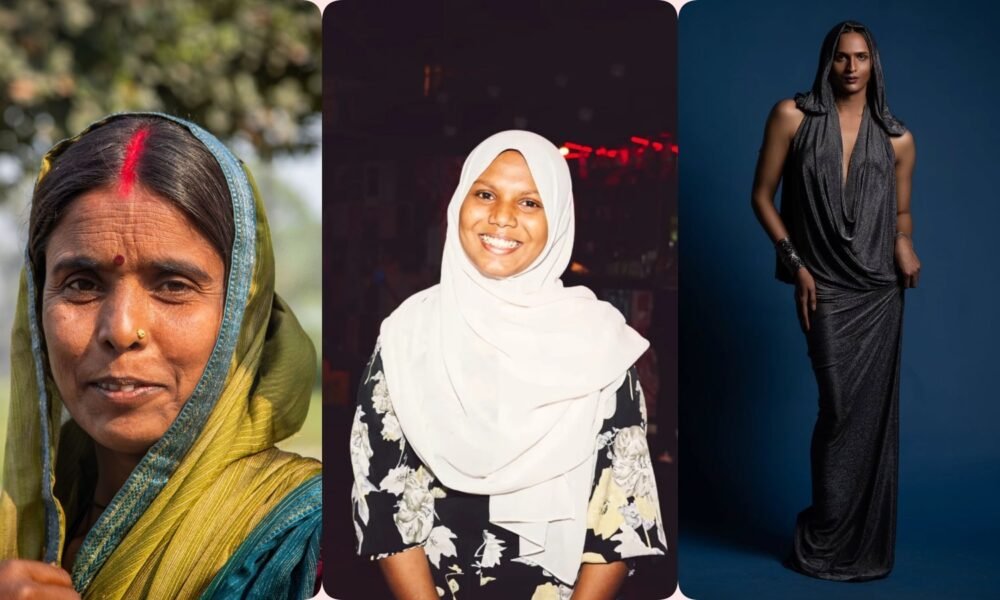
I was 14 when I sensed the fire for journalism in me. Growing up in small-town Bihar, women are born with a fixed template, which doesn’t ask for much. The big gorilla in the room is the government job, which parents want their daughters to pitch for. While my sister submitted to these, getting married at the “right” age, pursuing stable government jobs, and, most importantly, “behaving like a woman”, I became the first in my bloodline over time to defy these societal expectations, without taking the tomboy route.. I traded the complacency for the woman I wanted to become: one with a voice, without a man/a partner/husband to speak for me. It wasn’t just about financial independence; having a voice leads a woman to her destiny against every grain of expectation.. As the world observes International Women’s Day, these journeys reflect a broader reality for women pursuing their independence, leaving the expectations baggage by the roadside. Across the world, women who break barriers — in war zones, workplaces, or digital spaces — continue to face threats, harassment, and suppression despite what they have done.. The ‘First in My Bloodline’ series highlights these experiences, bringing together women who have challenged limitations and reshaped possibilities for those who come after them.. In India, the trend snowballed after a 23-year-old Kerala woman posted a photo of herself on a solo trip with the caption, “First in my bloodline to travel without a husband”. The post, at the time of writing this article, has over 36 million views.. The ‘First in My Bloodline’ trend isn’t limited to urban households where women may have greater freedom or support. It also resonates in small villages where women carve out their own path instead of sticking to their set roles. Devki Didi, colloquially known as ‘Solar Didi’, is one such example.. A resident of Ratanpura, Bihar, Devki became the first woman in her “khandan” to become an entrepreneur. With no formal education or exposure, she was married off at the age of 15. Devki joined a local self-help group, where she learned about a solar irrigation pump scheme. Her grit and hard work brought her into the national limelight after Prime Minister Narendra Modi hailed her in ‘Mann Ki Baat’.. “No one believed in me. But, I was determined to work for a better life,” Devki told indianexpress.com. It is about a woman from a village in Bihar — with little institutional or social support — refusing to be weighed down by society.. Story continues below this ad. “I wanted to study beyond Class 5, but my father did not send me to school. I got married and came to my husband’s house. But, things were not very good here too,” she said.. Still, Devki pressed on with her never-give-up attitude. She saw an opportunity in solar pumps and helped farmers irrigate land through them. “I am the only woman in my family who have come this far,” she said.. Today, Devki continue