LifestyleNews
Joey doesn’t share food: Six wildlife versions of the Friends icon
Post Content
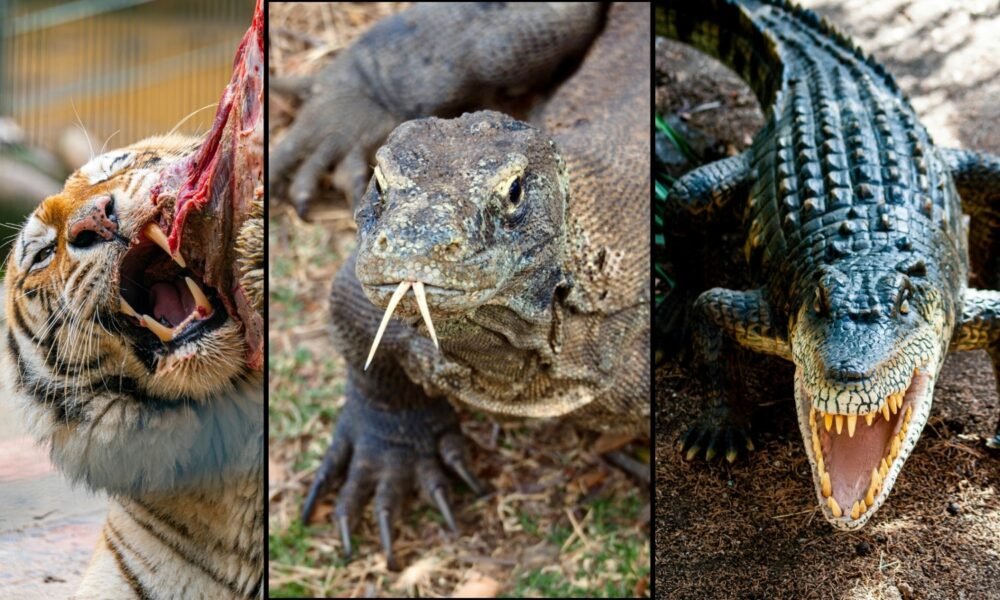
Do you remember how Joey Tribbiani from F.R.I.E.N.DS did not like to share his food? Well, the wild has its own version of Tribbiani. Many animals are very particular about their food and do not like sharing their meals at all. Given that food equates survival in the jungle, guarding a meal is instinctive for these creatures. Here are six animals that are famously possessive about their food.
1. Leopards
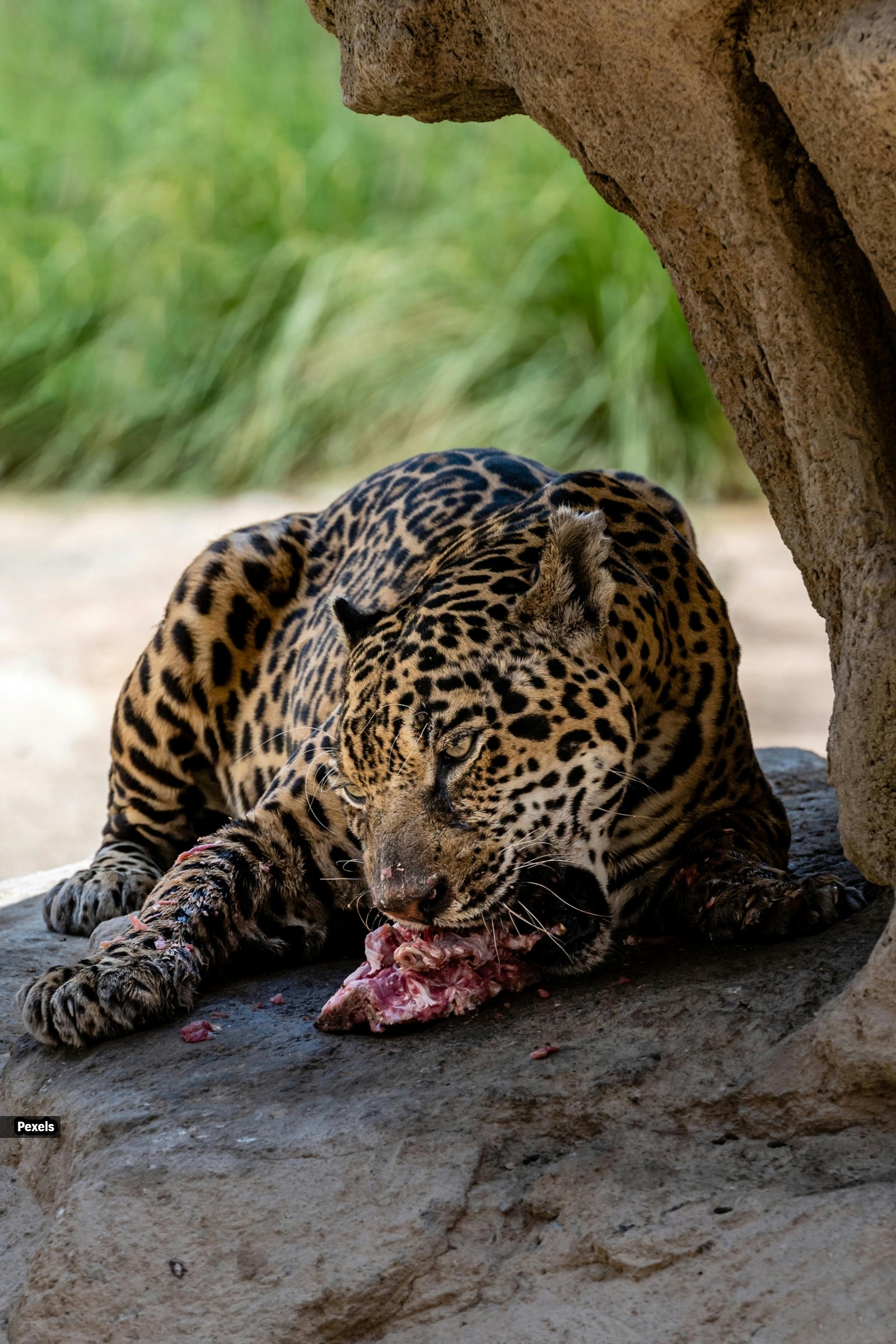
Leopards are solitary hunters and extremely protective of their kills. They often drag prey up trees to keep it away from other predators like hyenas and lions, making it clear they’re not in the mood to share. These big cats can haul carcasses three times their weight into branches using powerful jaws and neck muscles. They cache kills for days, returning to feed alone while snarling at any intruders.

2. Tigers
Tigers prefer to eat alone and can become aggressive if another animal approaches during feeding. Since hunting is very energy-consuming activity, every bite matters to the tigers. The largest big cats gorge up to 40 kilograms in one sitting, then cover remains with leaves to deter rivals. While cubs may tolerate siblings briefly, adult tigers fiercely patrol territories to ensure no one picks from their plate!
3. Domestic Cats
Every cat parent can testify that cats can be very territorial around food. Hissing or guarding the bowl is a leftover instinct from their solitary hunting ancestors. Multi-cat homes often see “food blocking,” where one cat stares down others to eat first. This stems from feral roots, where sharing could mean starvation. Even spayed or neutered cats block bowls instinctively.

4. Komodo Dragons
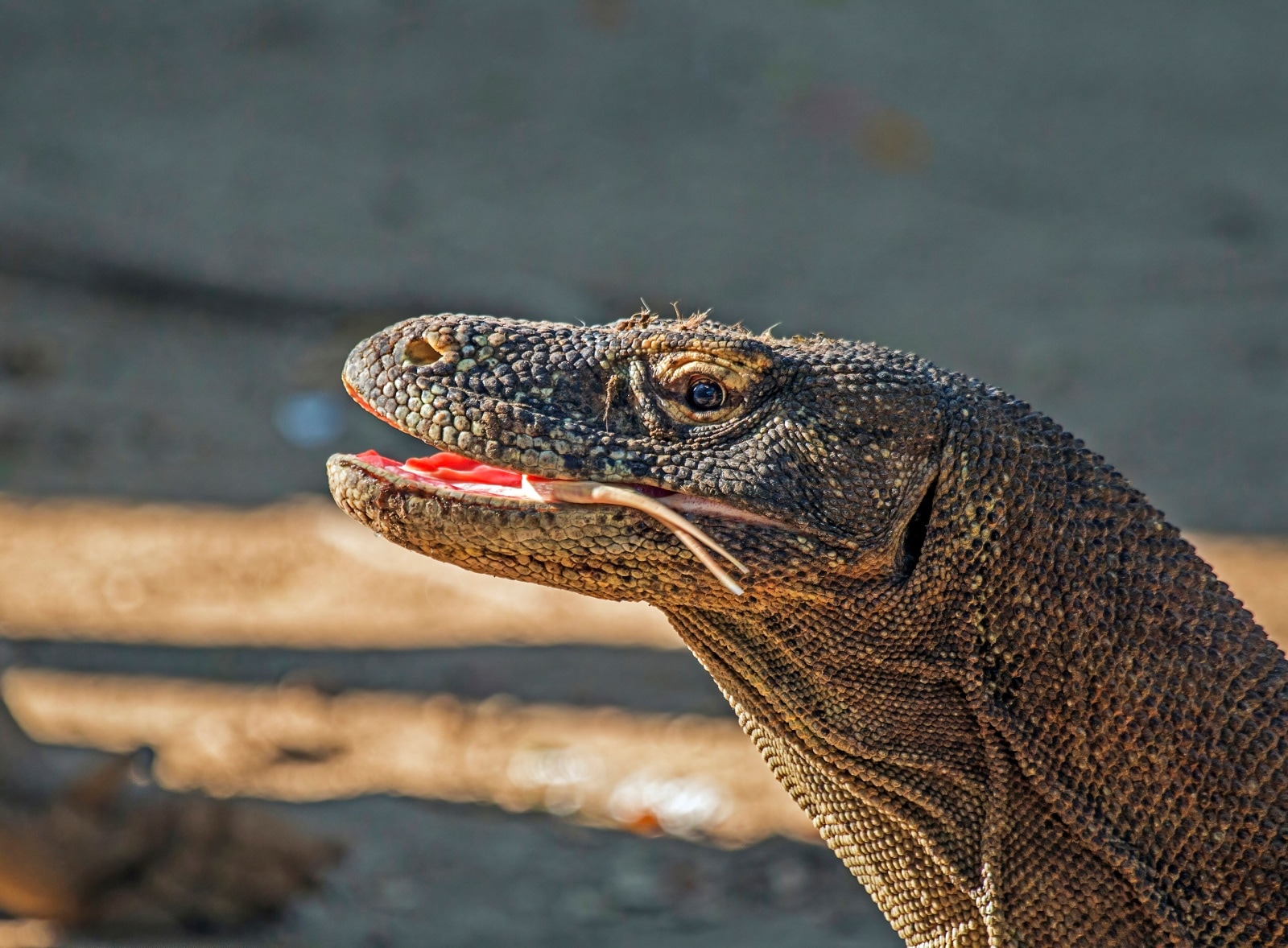
For Komodo dragons, eating is a brutal competition. Larger dragons dominate the carcass, while smaller ones keep their distance to avoid injury. Sharing rarely happens. Dominant males bite and whip tails to claim first rights, swallowing up to 80% of body weight in venom-laced gulps. Juveniles scavenge edges only after alphas retreat, facing cannibalism risks from adults.
Also Read | From long breakups to cheating partners: Animals with the most complicated love lives
5. Tasmanian Devils
Tasmanian Devils are infamous for loud snarls and screams while enjoying their meals, aggressively defending their food. Their upfront refusal to share helps them eat quickly before rivals take over. Their bone-crushing jaws devour entire carcasses—fur, skin, and all—in minutes at frenzied group sites. While females prioritize feeding young, adults brawl viciously, escalating with jaw-clamping displays.
6. Crocodiles
Crocodiles do not like sharing their food at all. Once they catch prey, they use sheer strength and intimidation to keep others away. Crocodiles even perform “death rolls” to dismember large kills solo, dragging them to secluded waters. Any type of “group feeding” is often a sign of tolerance or resource crunch. Hatchlings scatter post-feeding to avoid parental cannibalism, while adults may attack encroaching crocodiles.