LifestyleNews
Kheer, phirni, pongal: TasteAtlas global list puts 6 Indian rice puddings on the map
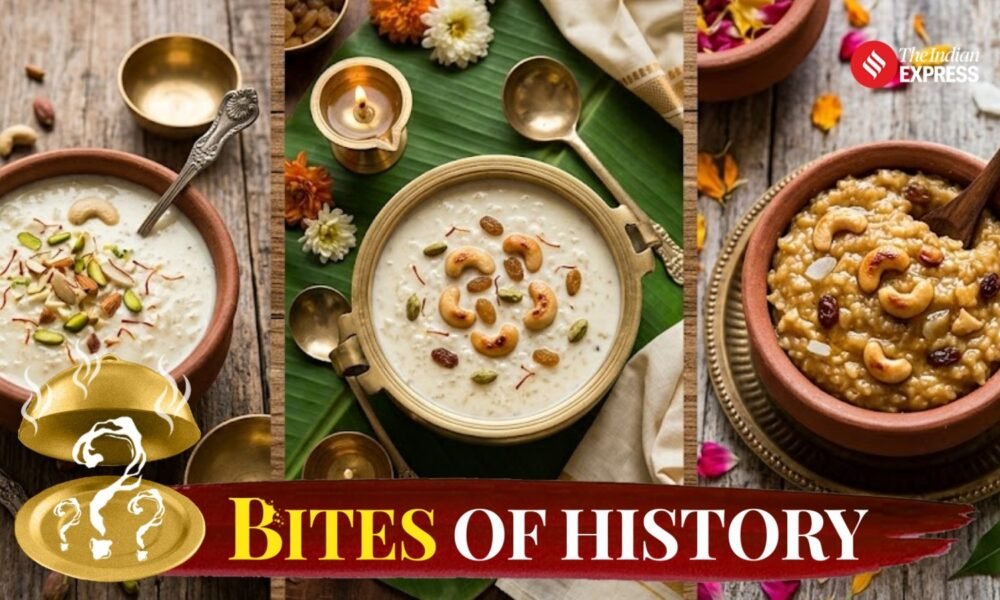
Online food guide TasteAtlas recently released its list of the Top 32 Rice Puddings in the World, celebrating iconic rice-based desserts from around the world. India secured a strong presence with six regional puddings highlighting its culinary diversity.
Leading the list is Phirni (Rank 3), known for its slow-cooked creaminess and festive appeal, followed by Kheer (Rank 7), one of the country’s oldest and most widely loved desserts. From South India, Sakkarai Pongal (Rank 15) stands out as a sweet harvest offering, while Pongal (Rank 19) reflects a more everyday, comforting preparation. Western India’s Doodhpak (Rank 24) brings a richer, saffron-infused variation to the table, and Ven Pongal (Rank 26), a savoury counterpart, rounds off the list, showcasing the diversity within India’s rice-based dishes.
“From festive favourites to temple offerings, these dishes aren’t just about taste; they carry centuries of tradition, emotion, and regional identity,” shares food author and historian Sadaf Hussain. He further explains that Indian rice puddings have an enduring edge because they are not rushed. The slow cooking, the aroma, and the memories attached to them make all the difference.”
Here’s what makes the 6 Indian rice puddings stand out globally:
1. Phirni (Rank 3)
Creamy, fragrant, and delicately set, phirni is often served chilled in earthen bowls. Hussain notes, “It is the process, the slow simmering and the aroma, that elevates something as simple as milk and rice.”
2. Kheer (Rank 7)
One of India’s oldest desserts, kheer has references dating back to ancient texts. “Kheer from Mānasollāsa and today has not changed much,” says Hussain, highlighting its historical continuity.
3. Sakkarai Pongal (Rank 15)
A sweet harvest dish from South India, sakkarai pongal is deeply rooted in agrarian rituals. Hussain explains, “When someone eats pongal during harvest, they are participating in a cycle of land, labour, and belief.”
Story continues below this ad
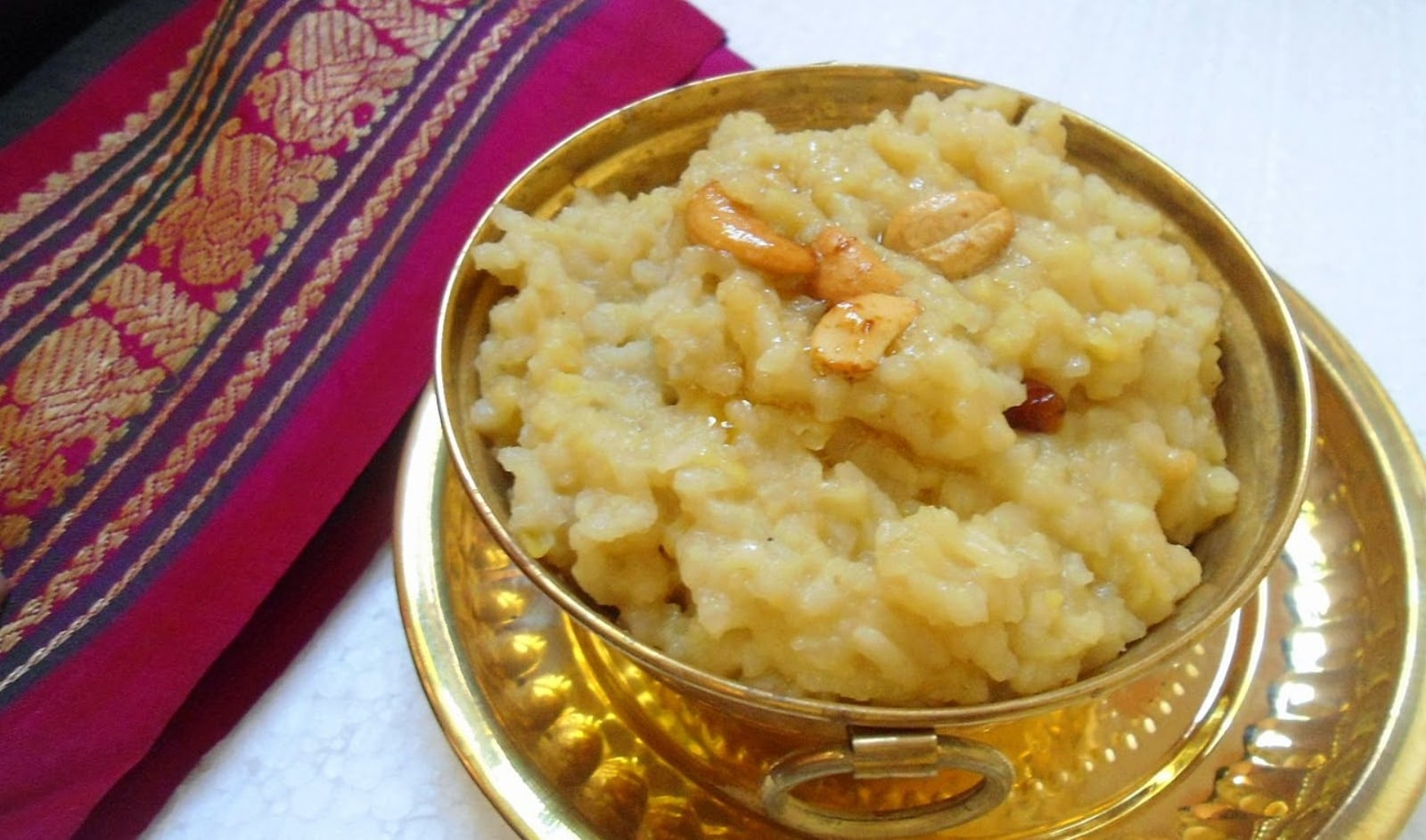

4. Pongal (Rank 19)
Though often savoury, pongal’s inclusion reflects its comforting, porridge-like nature. Its simplicity and connection to daily life make it a cultural staple across South India.
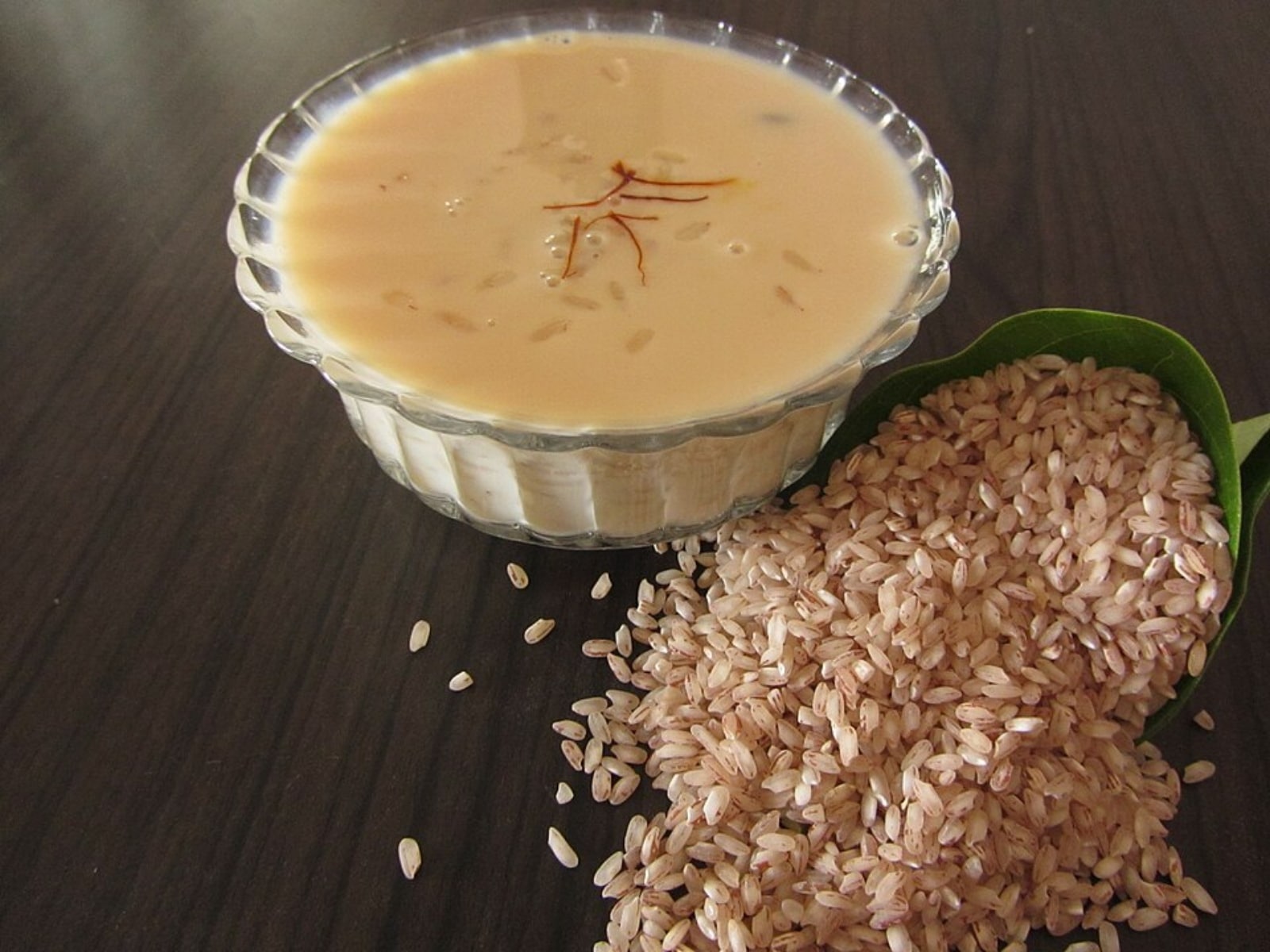
5. Doodhpak (Rank 24)
A richer cousin of kheer from western India, doodhpak is flavoured with saffron and nuts. Its rich texture reflects regional preferences for indulgence and festive feasting.
6. Ven Pongal (Rank 26)
A savoury preparation, ven pongal balances rice and lentils with ghee, pepper, and spices. Hussain elaborates, “Regional identity is deeply embedded in what we eat—climate, local produce, and lifestyle shape each variation.”
Story continues below this ad
ALSO READ | 6 types of rice you must know about

According to Hussain, the uniqueness lies in three things:
- Slow cooking traditions that build depth of flavour
- Cultural context, from celebrations to mourning
- Consistency across centuries, preserving authenticity. “These dishes are not just desserts—they are memories served in a bowl,” he adds.
He also points out that temple food is rooted in devotion, “The sweetness symbolises prosperity, abundance, and gratitude.”
Healthy twist
Chef and food historian Osama Jalali suggests making these classics healthier without losing their essence:
Phirni
- Replace sugar with dates or jaggery
- Use low-fat or almond milk
Kheer
Story continues below this ad
- Swap white rice for brown rice or millets
- Add nuts and seeds for protein
Sakkarai Pongal
- Reduce jaggery by 25–30%
- Increase moong dal for better nutrition
Ven Pongal
- Add vegetables for fibre
- Use ginger and pepper for digestion
Doodhpak
- Use toned or nut milk
- Add fruits like lauki or apple for volume
Pongal
Story continues below this ad
- Replace part of the rice with millets
- Add lentils or try fermented variations
Jalali emphasises, “Indian puddings stand out because they are not just desserts, culture, nostalgia, and celebration are deeply attached to each dish.”