


📣 For more lifestyle news, click here to join our WhatsApp Channel and also follow us on Instagram
© IE Online Media Services Pvt Ltd
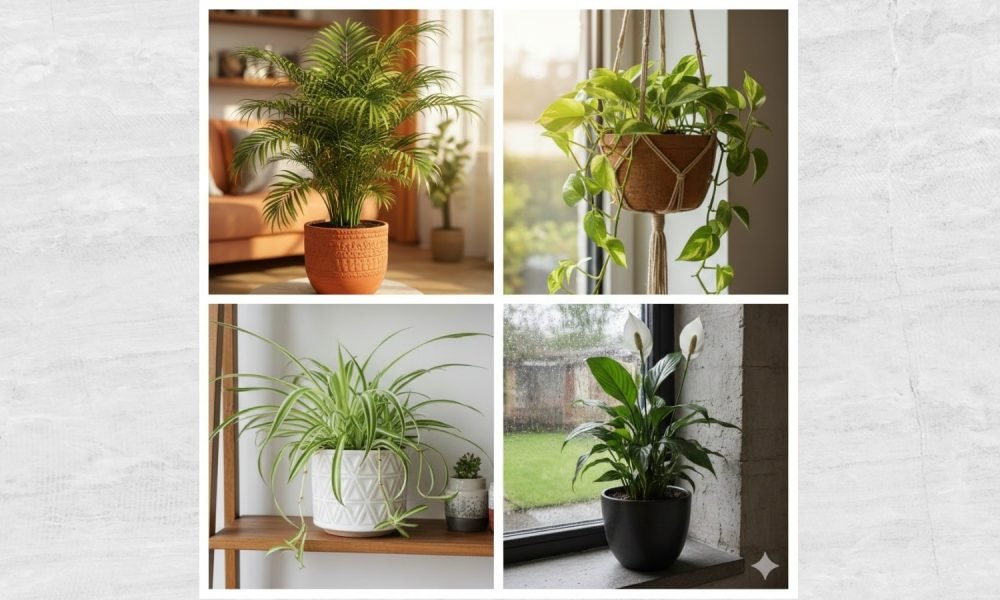
Post Content
Indoor air can sometimes be more polluted than outdoor air — thanks to dust, volatile organic compounds (VOCs) from paints and furniture, and poor ventilation. In 1989, NASA conducted the study “Interior Landscape Plants for Indoor Air Pollution Abatement” to examine how certain houseplants could help remove toxins such as benzene, formaldehyde, and trichloroethylene from indoor spaces. While plants alone cannot replace proper ventilation or air purifiers, adding the right ones can contribute to fresher indoor environments.
Here are five NASA-recommended plants that thrive well in Indian homes.
1) Snake Plant (Sansevieria)
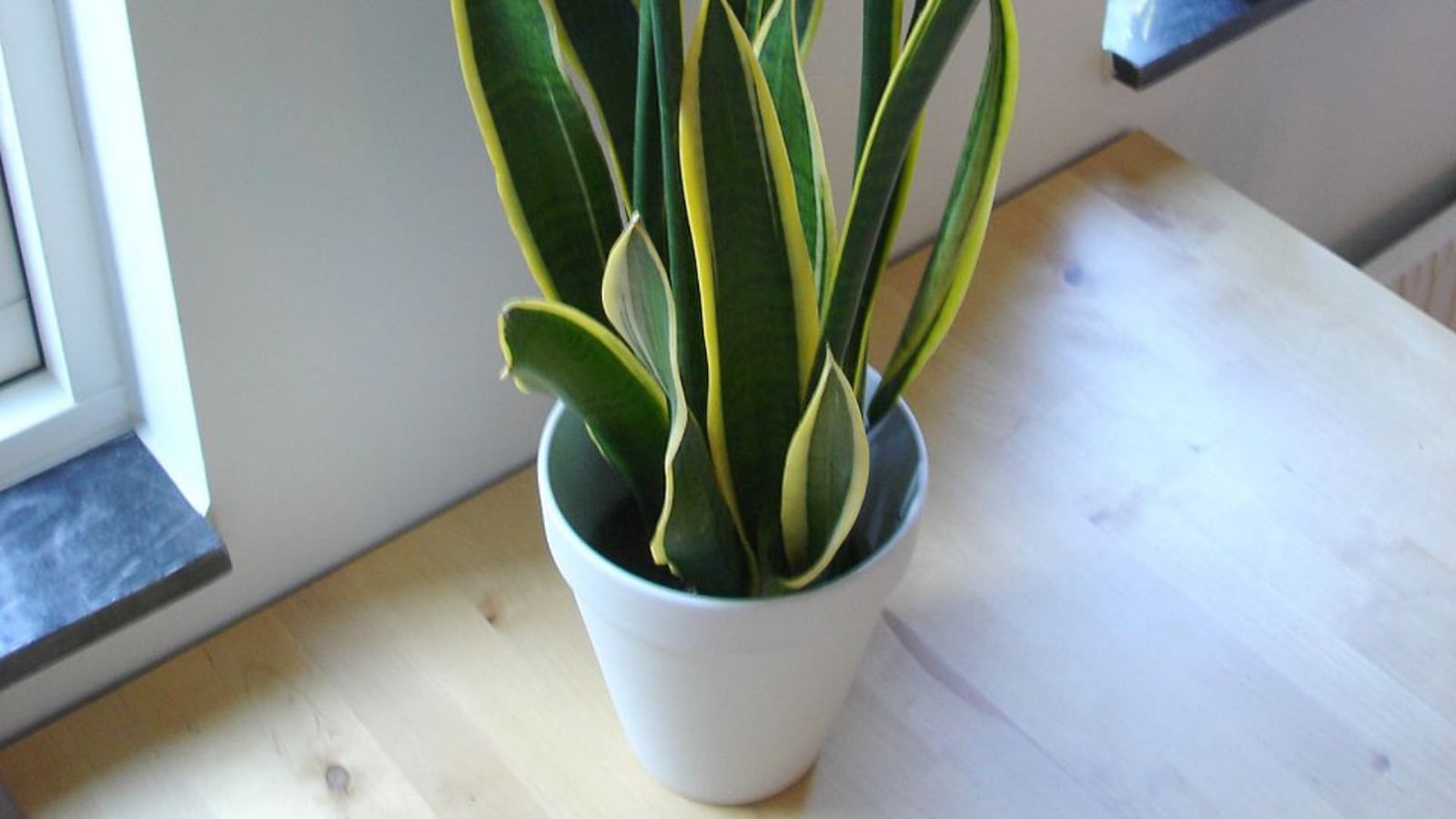
Commonly known as mother-in-law’s tongue, the snake plant is one of the easiest indoor plants to maintain. It tolerates low light, irregular watering, and fluctuating temperatures — ideal for Indian apartments. According to the NASA study, snake plants can help filter formaldehyde and benzene. They are also unique because they release oxygen at night, making them suitable for bedrooms.
Care tip: Water sparingly and place in indirect sunlight.
2) Areca Palm
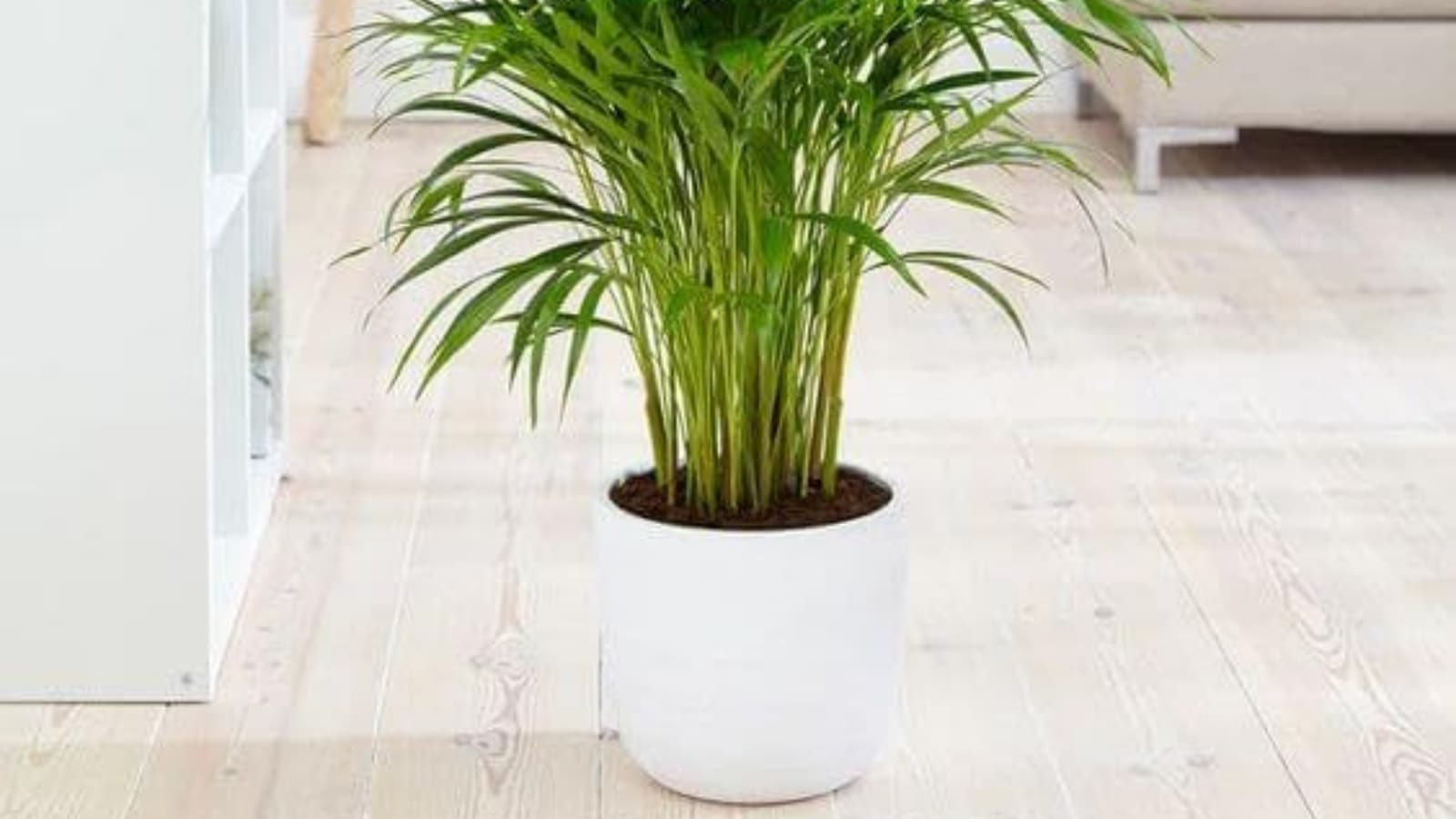
The areca palm is popular in Indian homes for its lush, tropical look. Beyond aesthetics, NASA identified it as effective in removing airborne toxins while also increasing indoor humidity, which is beneficial in air-conditioned spaces.
Care tip: Keep it in bright, indirect light and water when the topsoil feels dry.
3) Peace Lily
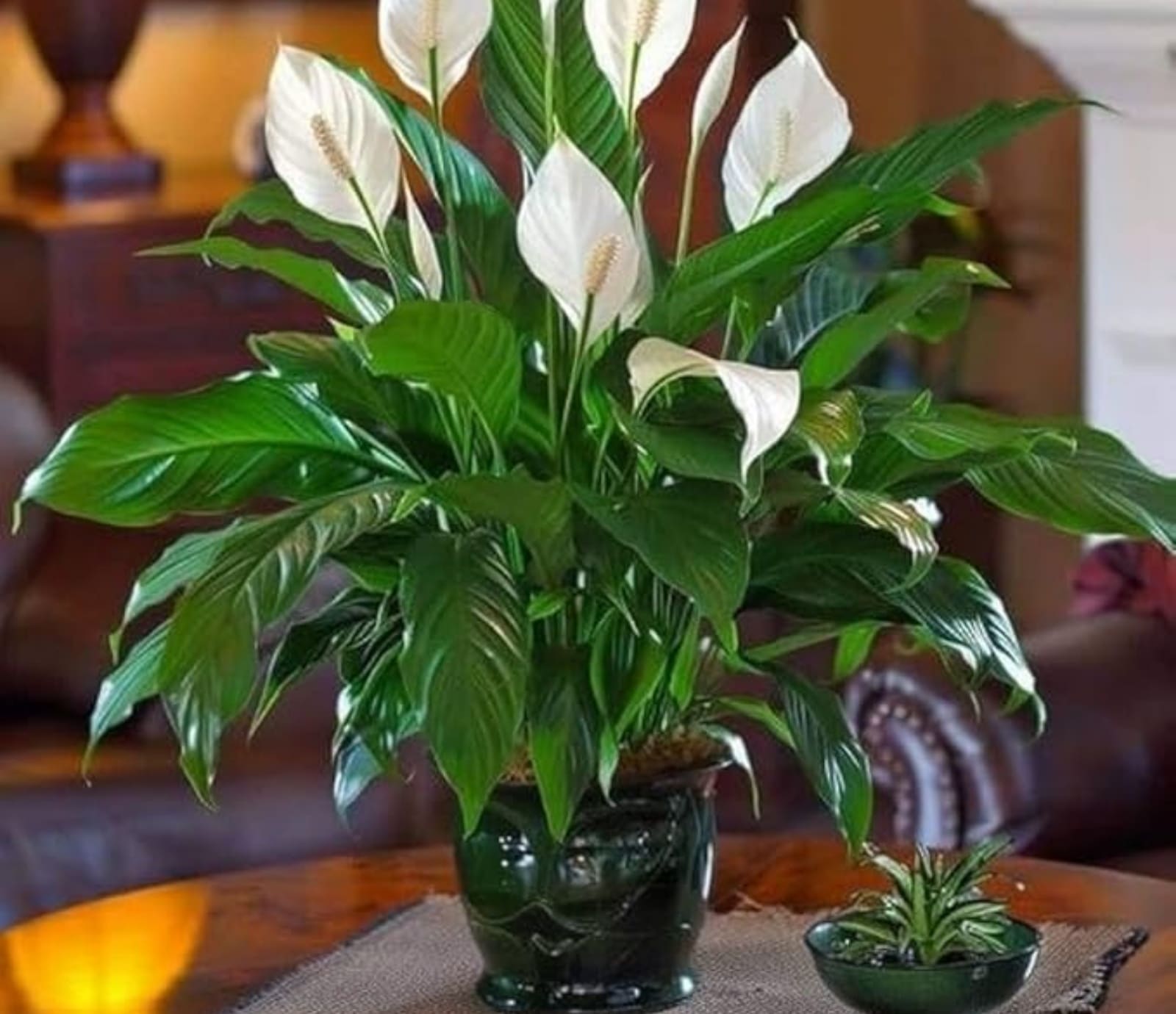
Peace lilies are admired for their elegant white blooms. They are known to help reduce indoor pollutants such as ammonia and benzene. However, they require slightly more care than snake plants and should be kept away from pets, as they can be mildly toxic if ingested.
Story continues below this ad
Care tip: Thrives in low to medium light and prefers consistently moist soil.
4) Spider Plant
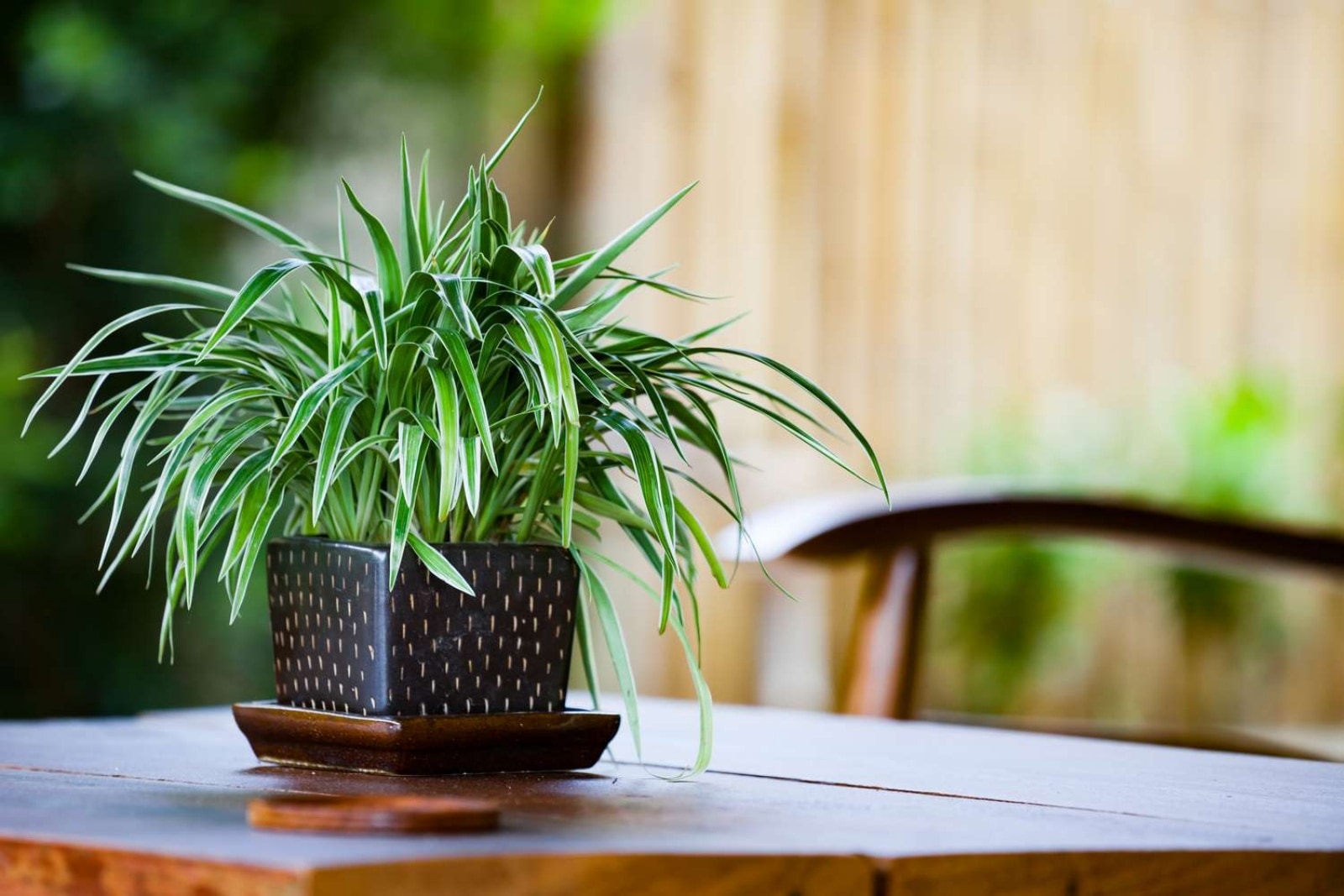
The spider plant is beginner-friendly and fast-growing. It is particularly noted for filtering carbon monoxide and formaldehyde. It adapts well to Indian weather conditions and looks attractive in hanging baskets, making it ideal for balconies and living rooms.
Care tip: Prefers bright, indirect sunlight and moderate watering.
5) Money Plant (Pothos)
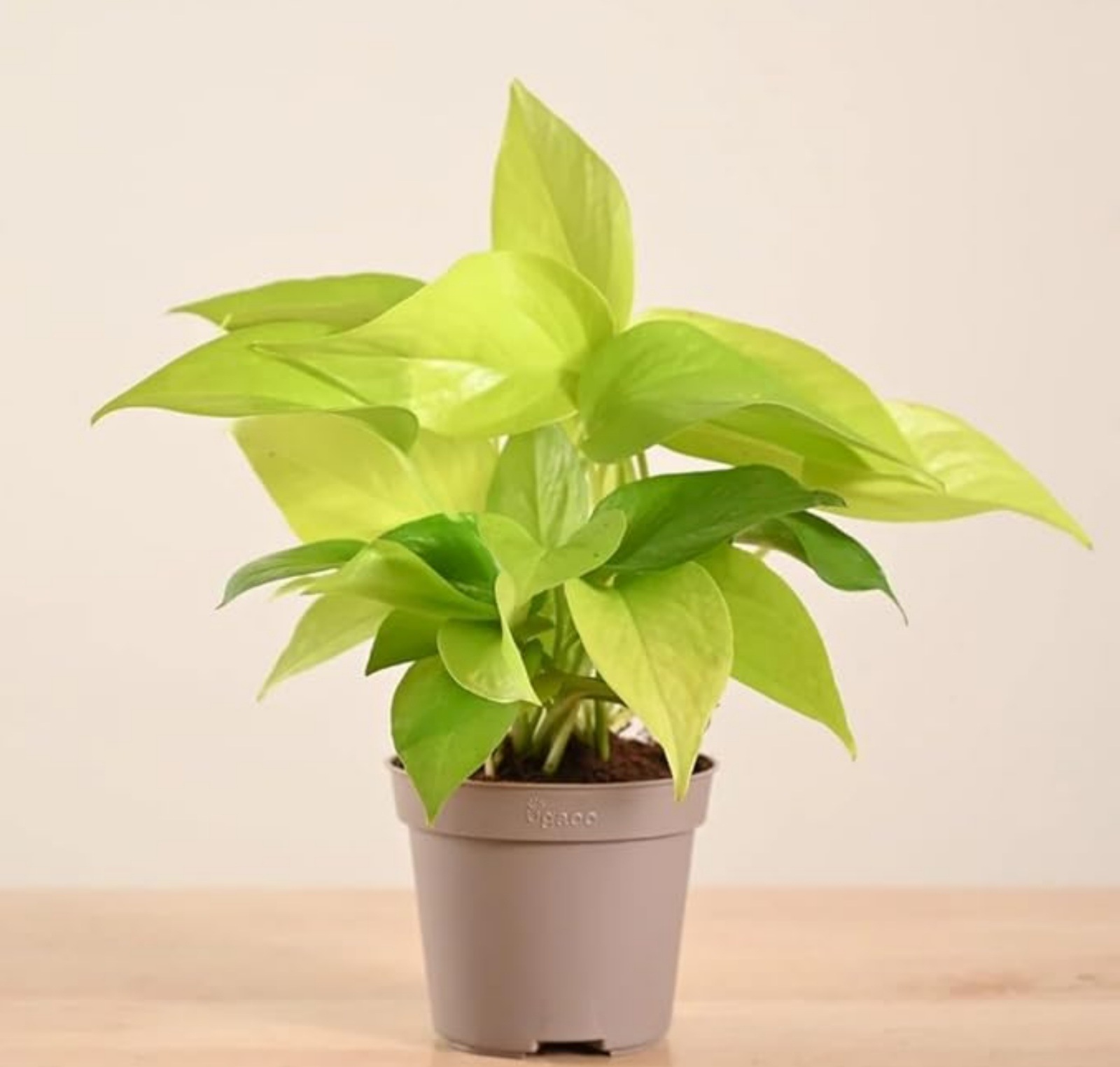
Widely grown in India, the money plant is both hardy and versatile. It can grow in soil or water and tolerates low light. NASA’s research suggests pothos can help remove indoor pollutants like benzene and formaldehyde.
Story continues below this ad
Care tip: Allow the soil to dry slightly between watering to prevent root rot.
📣 For more lifestyle news, click here to join our WhatsApp Channel and also follow us on Instagram
© IE Online Media Services Pvt Ltd