

📣 For more lifestyle news, click here to join our WhatsApp Channel and also follow us on Instagram
© IE Online Media Services Pvt Ltd
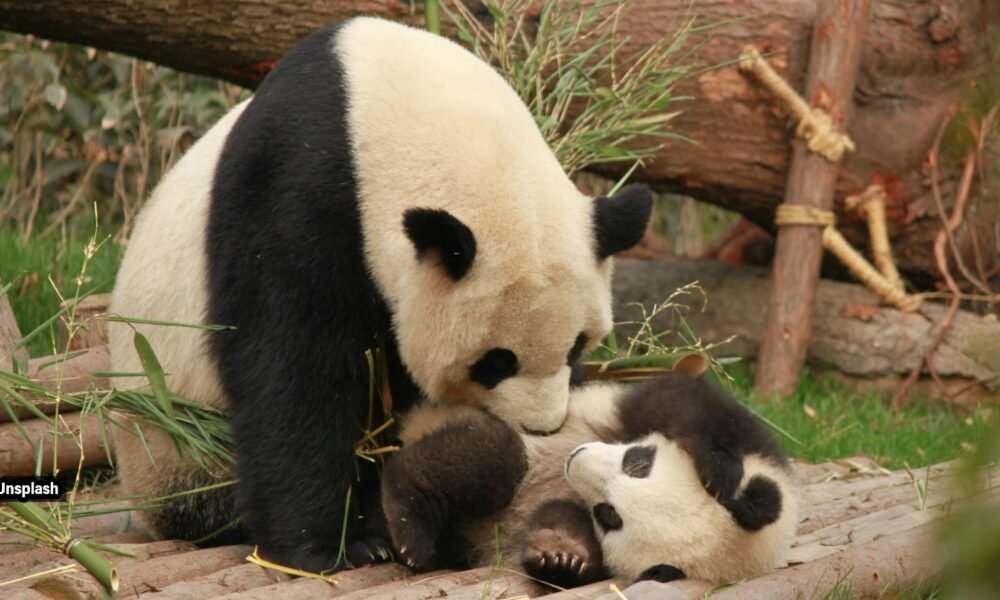
Post ContentWhen twin giant pandas are born, the mothers usually devote all their energy just to the stronger one (Image: Unsplash)
If you’ve wondered whether you are a good parent or not, here’s a breather. You don’t kick off or peck infants. Sounds absurd, right? Not for a few animal species that would do this readily. Parenting in nature ranges from devoted to downright deadly. Some species abandon, neglect, or even kill their own offspring to maximise survival. From freeloading cuckoos to fatalistic pandas and ruthless meerkats, here are the six animals for whom raising young isn’t always about love and protection.
ARTICLE CONTINUES BELOW VIDEO

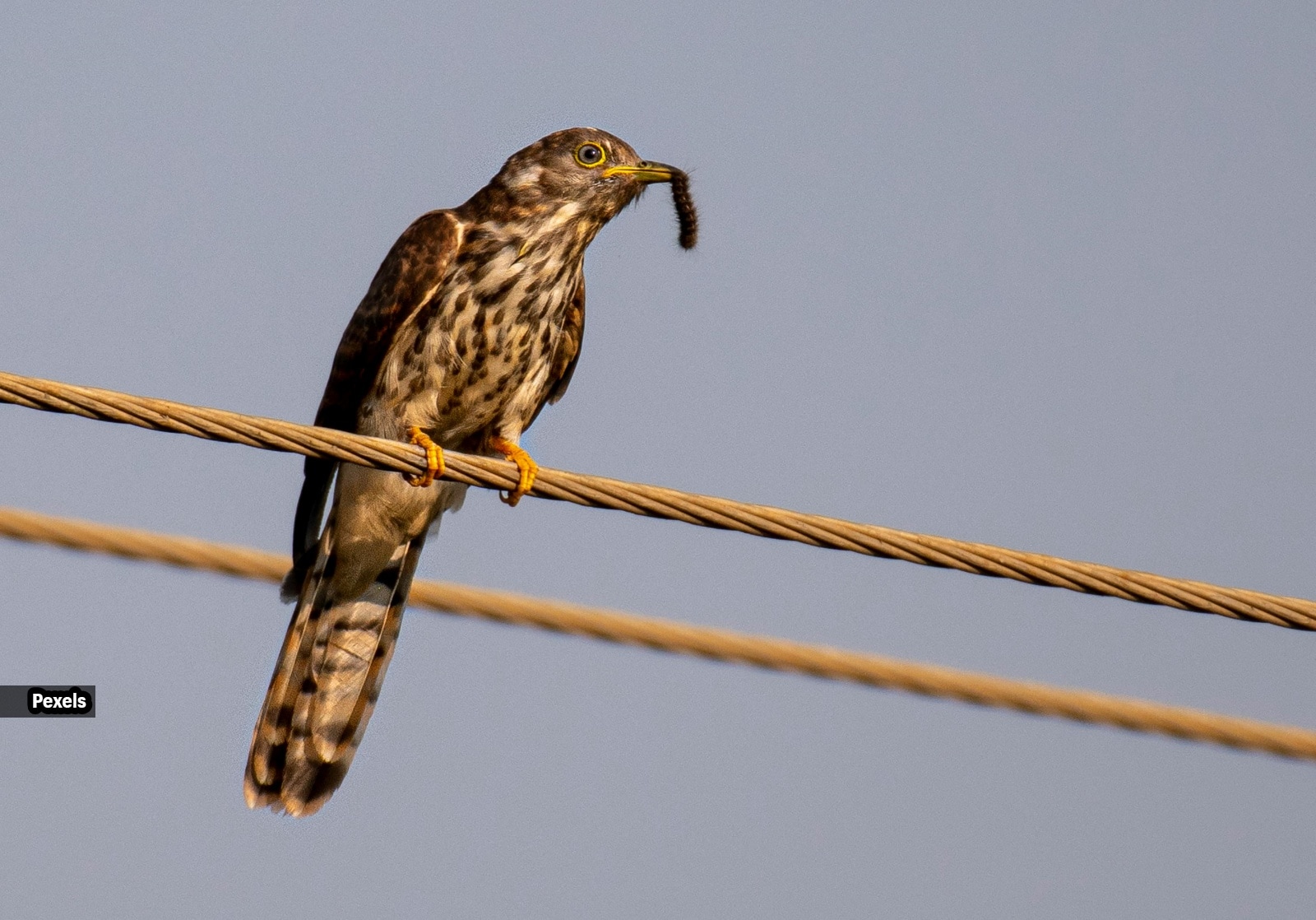
Cuckoo birds are the ultimate brood parasites– the females lay eggs in other birds’ nests and just vanish. The cuckoo chick hatches first, evicting host eggs with its back and monopolising all the food. Hosts end up feeding the impostor, often targeting over 100 species—all without a shred of post-laying care.
Mothers often give birth to twins but immediately abandon the weaker cub, nursing only the stronger one due to limited milk supply. Rejected cubs can starve within hours. However, zookeepers sometimes swap them to save lives. Meanwhile, male pandas play no role in parenting whatsoever.
Within the mother, embryos hatch, and the largest consumes its siblings and the remaining eggs—usually leaving only two pups. The mother does nothing to intervene, delivering ready-to-swim survivors only every two years. Intrauterine cannibalism at its finest?
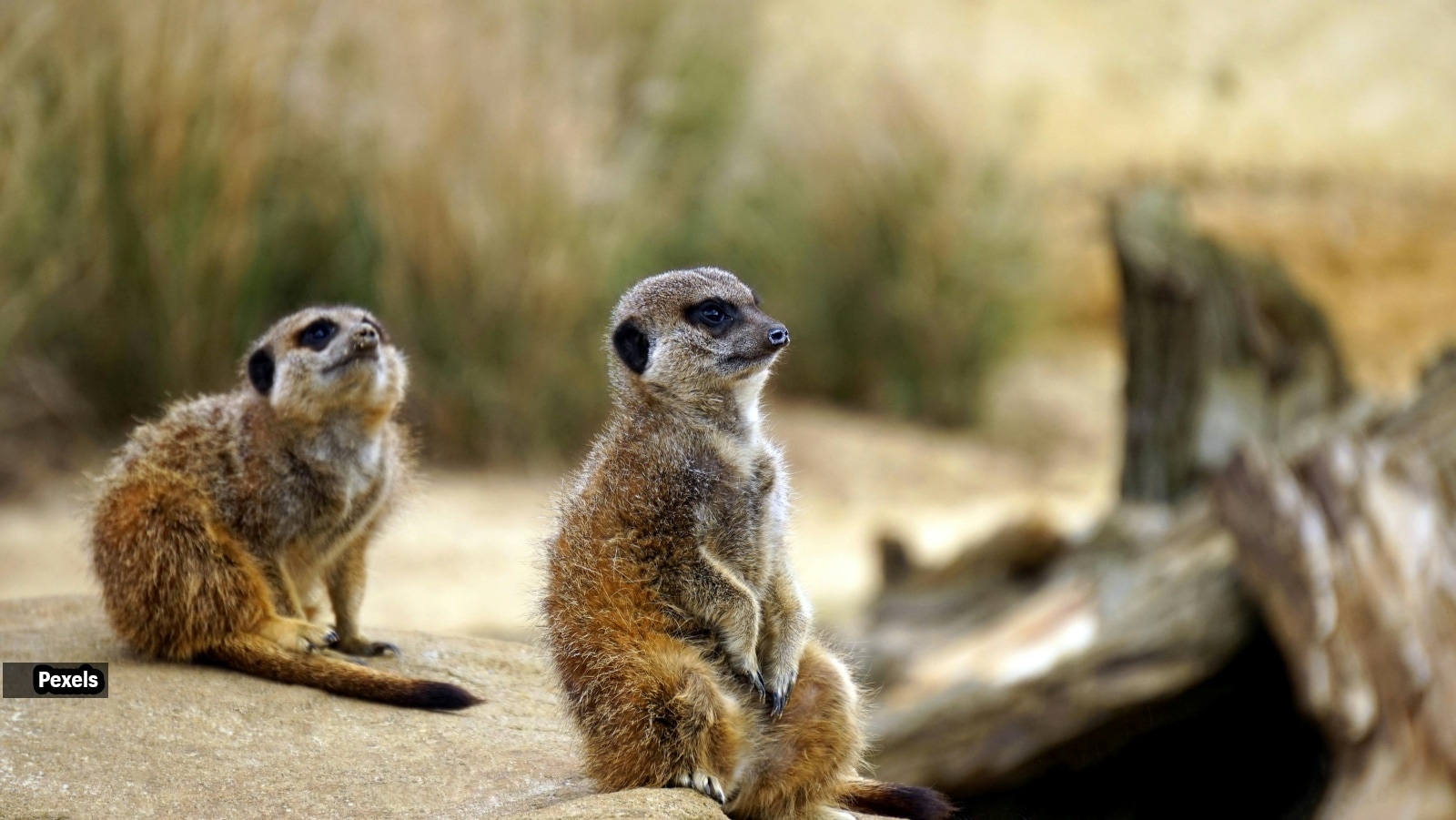
Alpha females eliminate subordinates’ pups to ensure that their own litter dominates group nursing. The victims’ mothers lose all offspring, while surviving pups often nurse the alpha’s young to “earn” group acceptance. Infanticide secures alpha control.
Also Read | From long breakups to cheating partners: Animals with the most complicated love lives
First-hatched chicks often push or peck younger siblings to death (obligate siblicide). Parents watch, sometimes aiding the process by stamping the runt. In harsh seabird colonies, it ensures that the surviving chick has access to the maximum resources.
Story continues below this ad
Males mate intensively for three weeks and then die from cortisol overload, leaving no paternal care. Females rear 8–10 pouch joeys alone, but approximately 90% of joeys die. A textbook example of semelparity: reproduce once, then perish.
📣 For more lifestyle news, click here to join our WhatsApp Channel and also follow us on Instagram
© IE Online Media Services Pvt Ltd