LifestyleNews
Rani Mukerji says she can’t diet, give up Bengali comforts: ‘I can’t enjoy fish that is not fried’

Post ContentRani Mukerji detailed that as a “Bengali”, she has to have her comfort foods. (Yash Raj Films/Instagram)
Mardaani 3 actor Rani Mukerji, 47, recently opened up about never dieting. “No, I can’t get on diets because I can’t enjoy fish that is not fried. So, it’s a problem,” she told Faye D’Souza on her podcast.
Mukerji detailed that as a “Bengali”, she has to have her comfort foods. “I have to have my gudh. And gudh is sugar in a way. Just because it doesn’t say ‘sugar’ doesn’t mean it isn’t sweet. I have to eat my rice, so the glycaemic index has to shoot up. I can’t help it. I have to have my aloo sheddo which is the boiled aloo mash. I have to have those things.”

Taking a cue from her candid admission, we reached out to an expert to understand all about comfort foods.
Is it unhealthy to prefer fried fish over other cooking methods?
Not necessarily, affirmed Dr Gulnaaz Shaikh, chief dietitian, KIMS Hospital, Thane, adding: “It depends on how often you eat it, the portion size, and the type of oil used. Fish is a great source of high-quality protein and omega-3 fatty acids, which support heart and brain health. However, frying increases calorie density and can add extra saturated or reused oil, which isn’t ideal if eaten every day.”
If you enjoy fried fish as comfort food, the goal shouldn’t be to eliminate it but to eat it in moderation. “Shallow frying in fresh oil, controlling portion size, and balancing the meal with vegetables and fibre can make it part of a healthy diet. Food is cultural and emotional; sustainability matters more than strict rules,” shared Shaikh.
Is eating rice daily a problem?
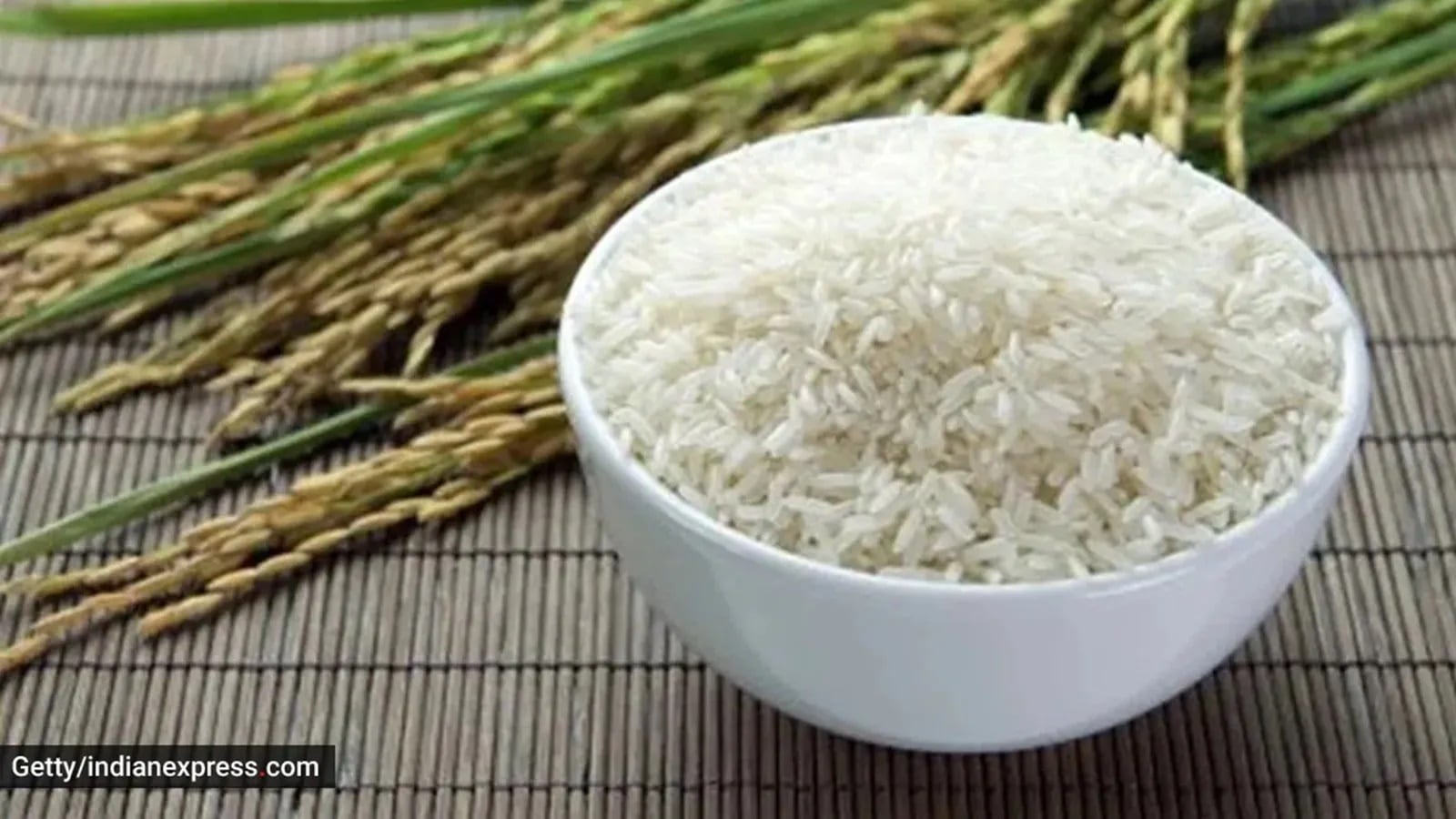
Rice often gets unfairly blamed. “For many Indian households, especially Bengali families, rice is a staple and a part of cultural identity. Plain rice isn’t ‘bad’; the problem is how much you eat and what you pair it with. Combining rice with protein (like fish, dal, or chicken), vegetables, and some healthy fats slows glucose absorption and prevents sharp spikes,” said Shaikh.
Story continues below this ad
Switching occasionally to hand-pounded or parboiled rice can increase fibre intake. However, completely removing rice without a medical reason isn’t necessary for most people.
Is gudh (jaggery) really different from sugar?
Nutritionally, jaggery and white sugar are quite similar in calories and in their effects on blood glucose. According to Shaikh, jaggery contains trace amounts of minerals like iron, but these are not enough to correct deficiencies. From a metabolic viewpoint, both can raise blood sugar levels.
Also Read | KL Rahul reveals his simple diet: ‘Eggs toh fix hain’
A healthy diet isn’t about constant restriction; it’s about balance and consistency. “Enjoying traditional foods like fried fish, rice, and a bit of jaggery in mindful portions, while staying active and maintaining overall nutrient balance, is far more sustainable than extreme dieting,” said Shaikh.
DISCLAIMER: This article is based on information from the public domain and/or the experts we spoke to. Always consult your health practitioner before starting any routine.