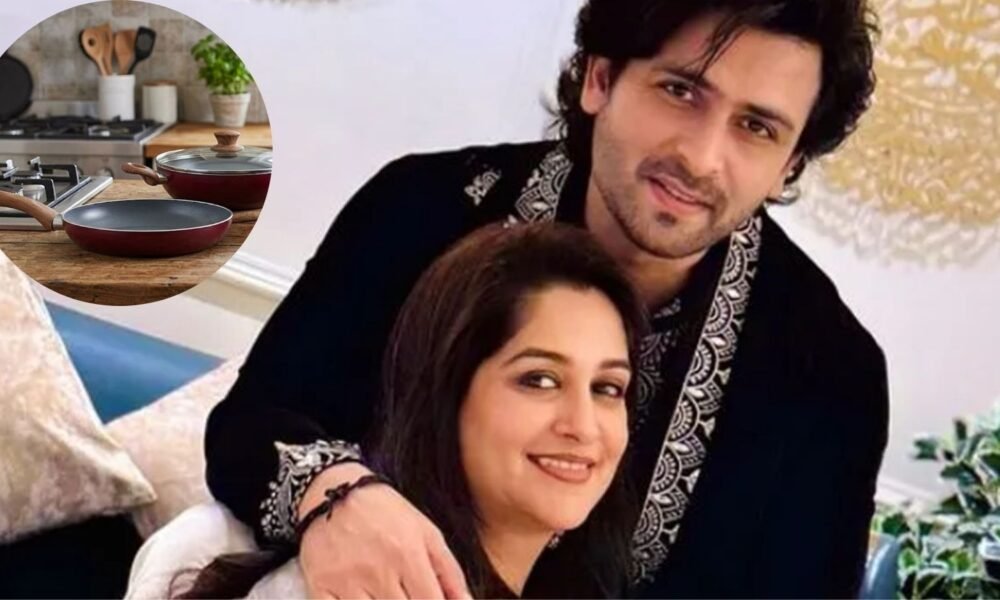
Shoaib Ibrahim speaks about non-stick cookware (Photo: Shoaib Ibrahim/Instagram; AI Generated). Shoaib Ibrahim, who is looking after his wife, actor and cancer survivor Dipika Kakar Ibrahim, was recently spotted whipping up sweet samosas in the kitchen on his family vlog. In the video, he spoke about discarding all non-stick cookware from his kitchen except one. “Maine ghar se hata diye hain non-stick. Sirf ek bacha hai. Omelette banta hai usme. (I have removed all non-stick cookware from one except one in which omelette is made). So, it is an issue to cook without it. We often hear that we shouldn’t use non-stick pans… is that true? Can we use them sometimes, or should they be used daily? You please tell me,” he asked.. To get expert insight, we reached out to Dr D. Chandra Sekhar Reddy, a senior consultant gastroenterologist, hepatologist, and therapeutic endoscopist at Yashoda Hospitals, Hyderabad.. DISCLAIMER: This article is based on information from the public domain and/or the experts we spoke to. Always consult your health practitioner before starting any routine.. Non-stick cookware has become very common in modern kitchens because it allows food to cook with less oil and prevents sticking.. “When used correctly, most modern non-stick pans are considered safe for everyday cooking. The coating used in these pans is typically made of polytetrafluoroethylene (PTFE), which remains stable and safe at normal cooking temperatures. Therefore, using a non-stick pan regularly for foods such as eggs, pancakes, or vegetables is generally not harmful when proper cooking practices are followed,” said Dr Reddy.. Health risks from non-stick cookware usually arise when the “pan is overheated, damaged, or made with older chemical formulations”. “At temperatures above about 260°C, the coating can break down and release fumes that may cause polymer fume fever, a temporary flu-like illness with symptoms such as fever, headache, and cough. Overheating can also release ultrafine particles and gases that may irritate the respiratory system,” said Dr Reddy.. Earlier cookware used chemicals like PFOA, which were linked to health concerns, but most modern pans are now PFOA-free, Dr Reddy continued.. Story continues below this ad. “Additionally, scratched or peeling coatings may release small particles into food, so damaged cookware should be replaced. For safe use, it is advisable to cook on low to medium heat, avoid heating an empty pan for long periods, and use wooden or silicone utensils instead of metal ones to prevent scratching the surface. If a non-stick pan becomes heavily scratched, peeling, or damaged, it should be replaced,” said Dr Reddy.. Should you use non-stick at all? (Photo: AI Generated). Maintaining good kitchen ventilation while cooking is also helpful, he added.. “Overall, non-stick cookware can be safely used for daily cooking if handled properly. One should take care of the temperature at which food is cooked and e