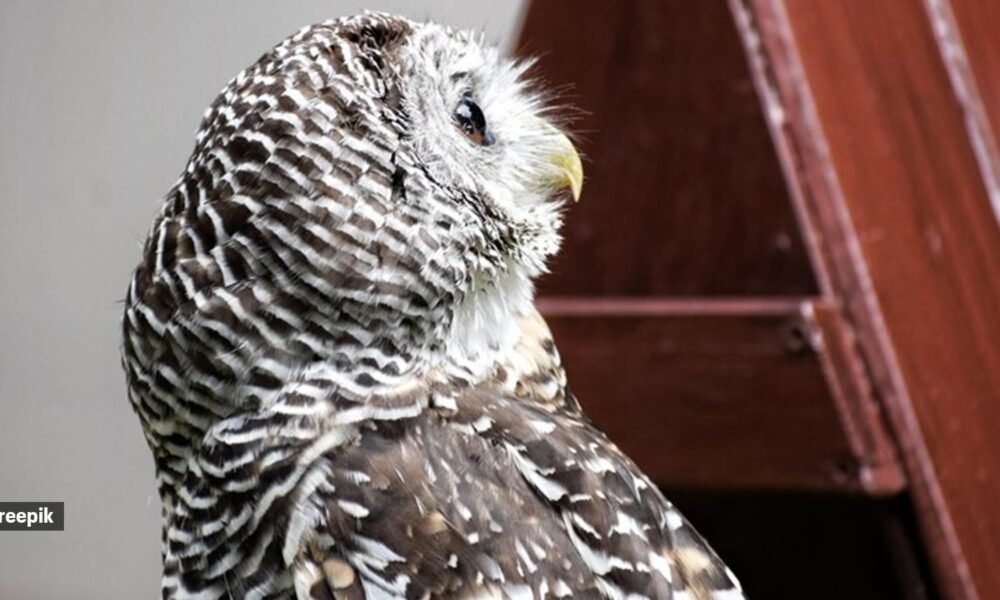
When it comes to survival, some animals are equipped with abilities that push the boundaries of what seems biologically possible.. These creatures possess traits that make even our most advanced technologies look primitive. While humans rely on tools, machines, and evolving science, many animals are born with built-in features that seem straight out of science fiction.. These evolutionary marvels offer a fascinating glimpse into nature’s ingenuity, reminding us just how much untapped potential exists beyond the limits of human biology. Here are seven such animal superpowers us humans can only dream of having:. Geckos. These small lizards can easily stick to hard-to-climb surfaces, such as glass. This is because their toe pads are covered in tiny hair-like structures called setae, which allow them to cling to surfaces using van der Waals forces.. Mantis shrimp. Despite their small size, these marine crustaceans possess one of the most extraordinary visual systems in the animal kingdom. While humans have three types of photoreceptor cells in their eyes (to detect red, green, and blue light), mantis shrimp can have up to 16 different types. This allows them to perceive a rich spectrum of colour, most of which are invisible to humans.. Mantis shrimp have the most extraordinary visual systems (Source: Freepik). Snails. Are you one of those lucky people who can sleep anytime and anywhere? Well, we bet you won’t come close to snails. These shelled creatures can go into a deep-sleep-like state for up to three years. It’s a survival tactic called aestivation, a dormancy period similar to hibernation that is triggered by extreme environmental conditions.. Owls. Owls have an incredible ability to rotate their heads up to 270 degrees in either direction. This extreme flexibility is made possible by a unique skeletal structure with extra neck vertebrae (14, compared to our 7) and specialised blood vessels that ensure uninterrupted blood. Since owls can’t move their eyes in their sockets, this head-turning superpower helps them scan their surroundings.. Story continues below this ad. Whale sharks. Whale sharks, the largest fish in the world, have thousands of tiny teeth — up to 3,000 of them. But here’s the twist: they don’t use them for eating. Instead of chewing, whale sharks are filter feeders. They swim with their mouths wide open, filtering plankton, small fish, and krill through their gill rakers while the teeth remain largely unused. This is also called ‘cross-flow filtration.’. Dung Beetles. Don’t be fooled by the size of the dung beetles. They are among the strongest creatures on Earth relative to their body weight. Some species can pull over 1,000 times their own weight, which is like a human dragging six double-decker buses! Their strength is used not just for show but for survival: rolling balls of dung (which they use for food or breeding) often requires immense power and persistence.