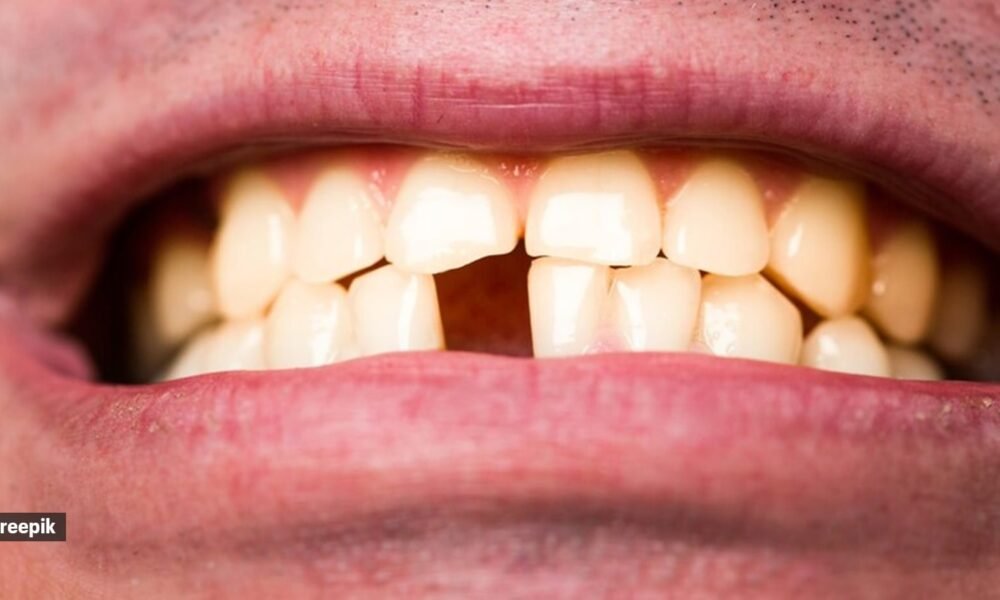
”If someone is losing one tooth because of bad dental health, chances are they will continue to lose more teeth,” said Dr Karan Rajan in his video (Source: Freepik). Tooth loss is often regarded as a natural consequence of ageing or poor oral health, but according to a content creator, it may be more than just an oral health issue. Dr Karan Rajan highlighted a key problem associated with tooth loss: a decline in cognitive function.. Taking to Instagram, the NHS doctor cited research, mentioning, “35,000 participants in the US looked at tooth loss in this population, and for every one tooth that was lost, there was an increased risk of cognitive decline by 1.7 per cent. If someone is losing one tooth because of bad dental health, chances are they will continue to lose more teeth. So cumulatively, if you go along that risk calculation, there’s probably a several per cent increase in cognitive decline and dementia from tooth loss.”. DISCLAIMER: This article is based on information from the public domain and/or the experts we spoke to. Always consult your health practitioner before starting any routine.. View this post on Instagram. So, what is the connection between tooth loss and cognitive decline?. Dr Niyati Arora, a prosthodontist at Krown Hub Dental Clinic, Pitampura, tells indianexpress.com, “Tooth loss has been linked to cognitive decline on multiple levels, with substantial evidence supporting this relationship. It is considered a potential early marker of cognitive decline in older adults. Clinical studies have demonstrated the impact of tooth loss on brain volume. Research conducted by Harvard University indicated that individuals with greater tooth loss had up to a 48% higher risk of cognitive impairment and a 28% higher risk of dementia.”. Could factors like inflammation or gum disease caused by poor oral health contribute to cognitive issues?. “Absolutely,” says Dr Arora. Systemic inflammation resulting from poor oral health, nutritional deficiencies due to difficulties in eating, and the psychological impact of tooth loss on self-esteem and social interactions can contribute to cognitive decline.. “Furthermore, poor oral health can lead to excessive bacterial growth, resulting in gum infections that may enter the bloodstream and potentially affect the brain, thereby increasing the risk of cognitive impairment and dementia,” she states.. How does the loss of teeth impact nutrition, and could this have an indirect effect on brain health?. Tooth loss can have a profound impact on nutrition, Dr Arora notes, making it challenging to chew and enjoy a balanced diet, “which in turn can lead to nutritional deficiencies.” These deficiencies, especially in essential nutrients such as vitamins and minerals, can negatively affect overall health, including brain health.. Dr Arora gives an example: Insufficient intake of nutrients such as vitamin D, calcium, and omega-3 fatty acids, which are essential for cognitive function, can