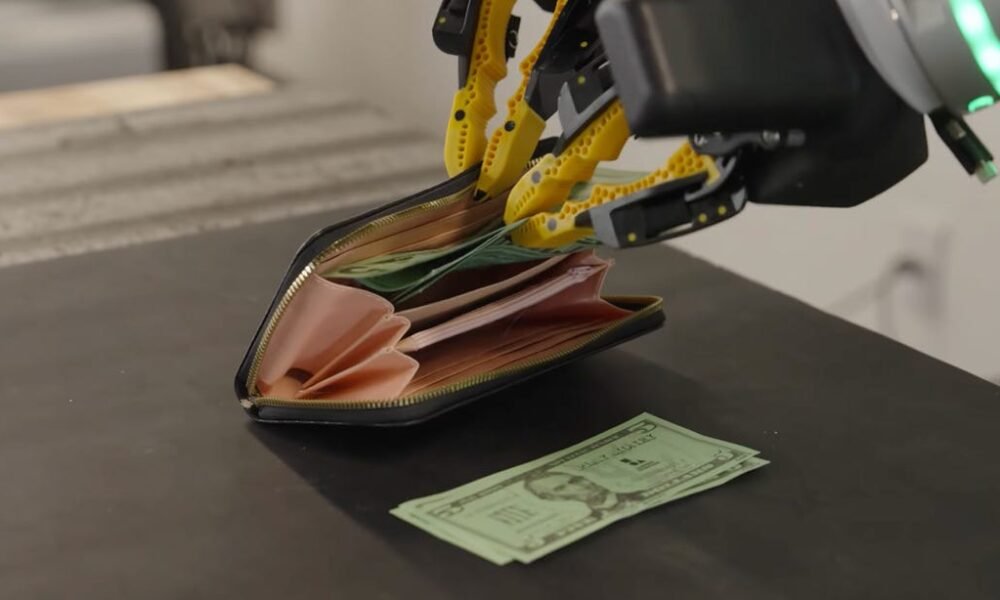
By 2026, robots are advancing in giant strides, boasting dramatically enhanced dexterity—the very breakthrough long awaited for creating genuinely practical household assistants. A new AI model has emerged to enable robots to handle tasks like folding laundry, building boxes, repairing other robots, and even stuffing wallets with thin paper bills. Earlier this month, California-based Generalist AI launched Gen-1, a novel physical AI system that empowers robots to accomplish these feats (and others) successfully. Pete Florence, co-founder and CEO of Generalist AI, told me it’s a major advancement for robots designed for the real world, powered by intelligence derived from the real world. In most of the company’s published example videos, Gen-1 operates on a pair of robotic arms, but it’s capable of much more. “Gen-1 is intended to serve as the core intelligence for any robot, allowing the same model to operate on humanoids, industrial arms, or other robotic platforms,” Florence stated. This year has already marked a major milestone for general-purpose humanoid robots, as firms like Boston Dynamics and Honor have introduced advanced models with strikingly human-like motions. The robot market is poised for explosive growth, according to a Morgan Stanley estimate forecasting expansion to a $5 trillion market by 2050. Forecasts predict robots will enter industry, retail, hospitality, and care settings first, before eventually arriving in our homes. To achieve that, we need further progress in AI… Training robots to coexist with humans. In recent years, large language models like ChatGPT, Gemini, and Claude have advanced at an astonishingly rapid pace.