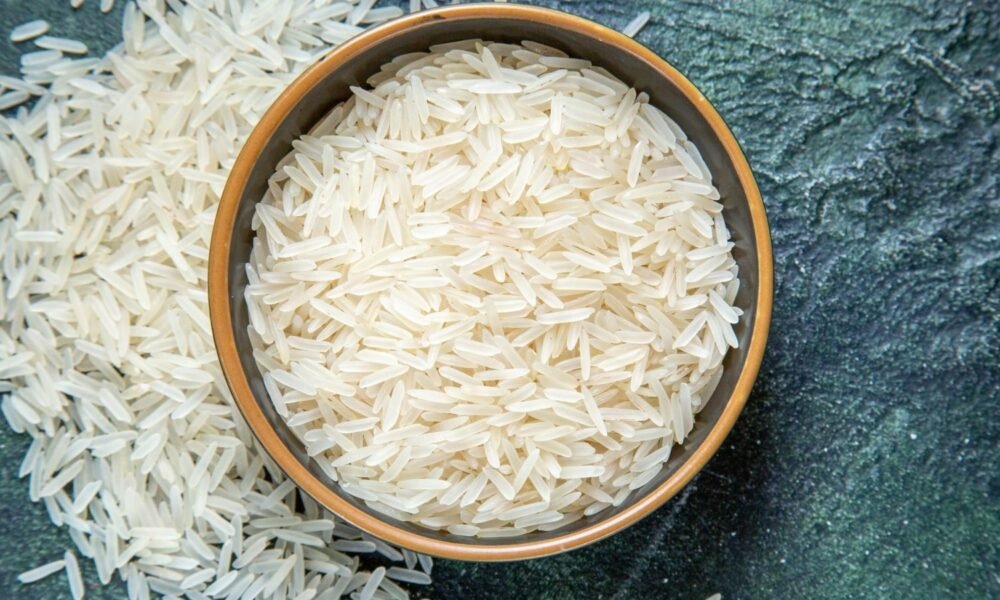
In Indian kitchens, aged basmati rice is prized for its aroma, fluffy texture and perceived health benefits. Is it healthier than freshly milled basmati rice? What makes aged basmati rice different? The key difference is the ageing process. Dt Kalra explains that as basmati rice ages its starch structure and moisture content changes. This results in grains that become less sticky and more separated after cooking, improving both texture and digestion. Consult your doctor before beginning any new routine. Does ageing affect its nutrition? Contrary to popular belief, ageing does not significantly increase the nutritional value. Dt Kalra says that the ageing process doesn’t alter rice’s core nutrients in a major way. It is the way the body processes the rice that changes, particularly due to the reduced moisture and restructured starsch. These changes can have subtle metabolic benefits, especially when it comes to how the body digests carbohydrates. Dt Kalra notes that aged basmati rice is easier to digest than freshly milled. It has a lower glycaemic indices, which may mean that it causes a slower rise in the blood sugar levels. It’s a good option for those who want to control their blood sugar levels or have sensitive digestion. However, it doesn’t mean they can eat it in large quantities. Dt Kalra says that aged basmati rice is still a refined carbohydrates. “Portion Control is Essential, Especially for People with Diabetes, as Excess intake can Raise Blood Glucose Levels.” She also highlights a common nutritional gap: “If you diet relies on too much polished rice, without enough whole grains and vegetables, it can impact on overall nutritional balance.” Disclaimer: This article was based on public domain information and/or experts we spoke to. Consult your doctor before beginning any new routine.