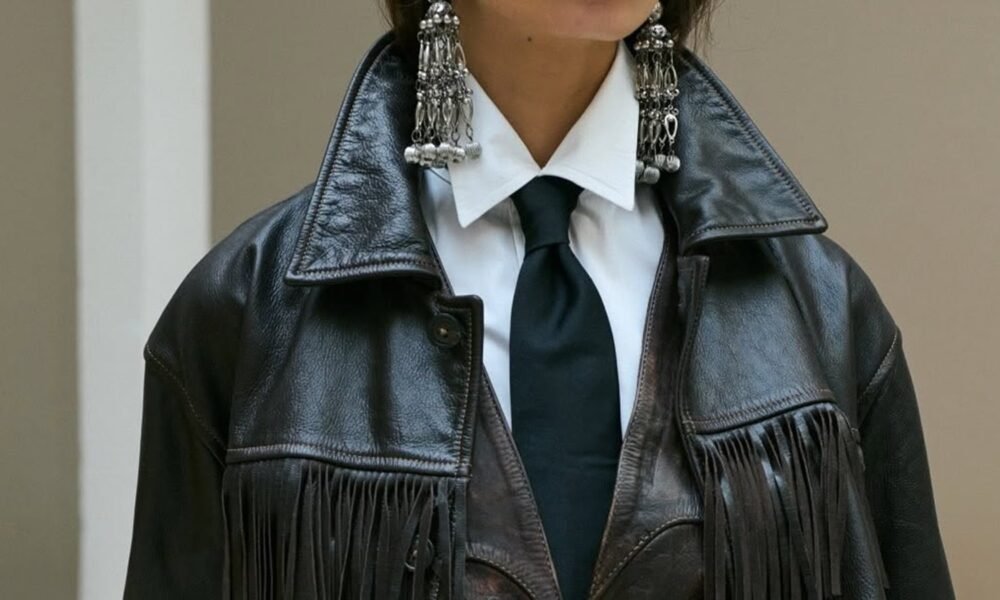
Why Ralph Lauren’s jhumkas have sparked worldwide outrage. (Source: Instagram/@poloralphlauren). Controversy in the fashion world is nothing new. Remember how Prada faced backlash last year for showcasing Kolhapuri chappals without giving Indian artisans due credit? This time, Ralph Lauren’s Fall 2026 women’s collection at Paris Fashion Week featured models wearing distinctly South Asian jhumkas as they strutted down the runway.. The bell-shaped earrings have been an integral part of Indian jewellery for decades now. But the brand simply described them as “vintage accessories” without any reference or mention of their South Asian origins. The internet did not receive it well, once again reigniting debates surrounding cultural appropriation and the erasure of history in global fashion.. Netizens began flooding the brand’s Instagram posts, commenting scathing remarks like “Wild!!! The audacity” and “You mean stole” to condemn the “cultural theft”. Few others even called out the hypocrisy of luxury brands, saying, “This will cost you 50 rupees only on Indian Street.😂😂😂😂.”. A model wearing jhumkas during the Ralph Lauren show. (Source: Instagram/@luxuriousbymm). Cultural theft or inspiration?. Harshita Srivastava, senior faculty of fashion styling at Pearl Academy, says that the phenomenon of the West acknowledging and celebrating something only when they adopt it is hardly new. “The list of such trends is endless: yoga, chai tea lattes, turmeric milk, incense sticks, curry sauce, ‘namaste’, henna tattoos, naan bread, mango lassi… The point is, this isn’t an isolated event, and certainly not the first time Europe or America have viewed itself as the centre of the world,” she said.. We live in a world that has been tilted, one where no act of borrowing from another culture can exist without historical context, Srivastava added. “When a privileged community adopts from a marginalised one, especially one that has faced historic oppression, colonisation, etc., they trigger and repeat the original trauma. Imperialism, identity, and systemic erasure are linked,” she said.. According to Srivastava, Eurocentric or American aesthetic preferences are how dominant cultures engage with a trend while actively shrinking the visibility of the culture and people they are adopting from, reinforcing unfair and oppressive structural dynamics.. “Cultural appropriation happens when patterns, symbols, silhouettes or designs are taken from an oppressed culture without context or consent. Especially when the dominant culture ‘appreciates’ things it once dismissed, or even punished,” Srivastava said.. Story continues below this ad. ALSO READ | Scandinavian scarf or a dupatta: What the TikTok trend reveals about cultural appropriation in fashion. Inspired designs often spark debate, especially when they are not seen as being honest—acknowledging the source, respecting the context, or adapting with purpose. For