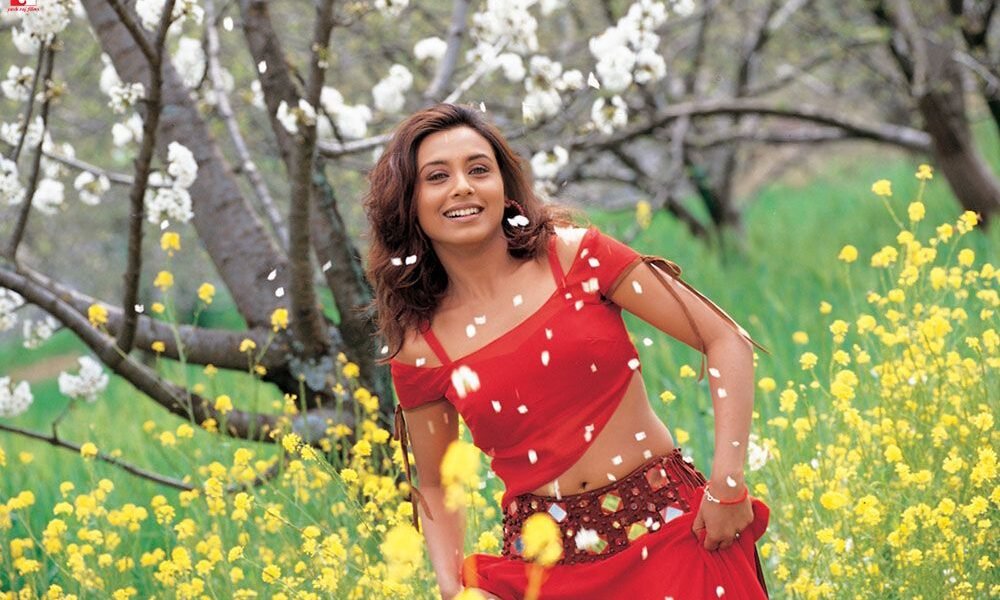
What couldn’t appear on screen was compensated for through song lyrics, where lyricists poetically and creatively veiled concepts of desire, lust, and the body. Today, the sensual vibe evoked by this music has largely vanished, as sex scenes in movies have turned commonplace, dull, and gratuitous, devoid of the intense longing from before. In songs such as ‘Zara Zara’ from Rehnaa Hai Terre Dil Mein (2001) and ‘Jaadu Hai Nasha Hai’ from Jism (2003), lyricists Sameer Anjaan and Neelesh Misra evoke a profound yearning for sexual intimacy. In ‘Jiya Jale’, penned by Gulzar (arguably the horniest Bollywood song ever), Preity Zinta eagerly awaits her wedding night with Shah Rukh Khan, imagining them dancing in a river, soaking wet and scantily clad. Though conservatives claim today’s open talk of sex and desire stems from the West, it has long been embedded in Indian culture and art. Lavani, the traditional indigenous art form that gained immense popularity in the 18th-century Peshwa era, is renowned for its playful, teasing lyrics and erotic dance moves, influencing modern provocative songs such as ‘Apsara Aali’ (2010) and ‘Wajle ki Baara’ (2010). In North India, thumri songs—semi-classical expressions of romance and devotion—depict women’s tales brimming with bold eroticism. Gaari geet, the satirical, flirtatious, and sometimes abusive songs performed at North Indian weddings, are filled with endless crude sexual innuendos. In one instance, there’s a mention of a small penis and the bride needing to seek satisfaction for her sexual needs elsewhere.