
Fashion
6 classics that belong in every capsule wardrobe
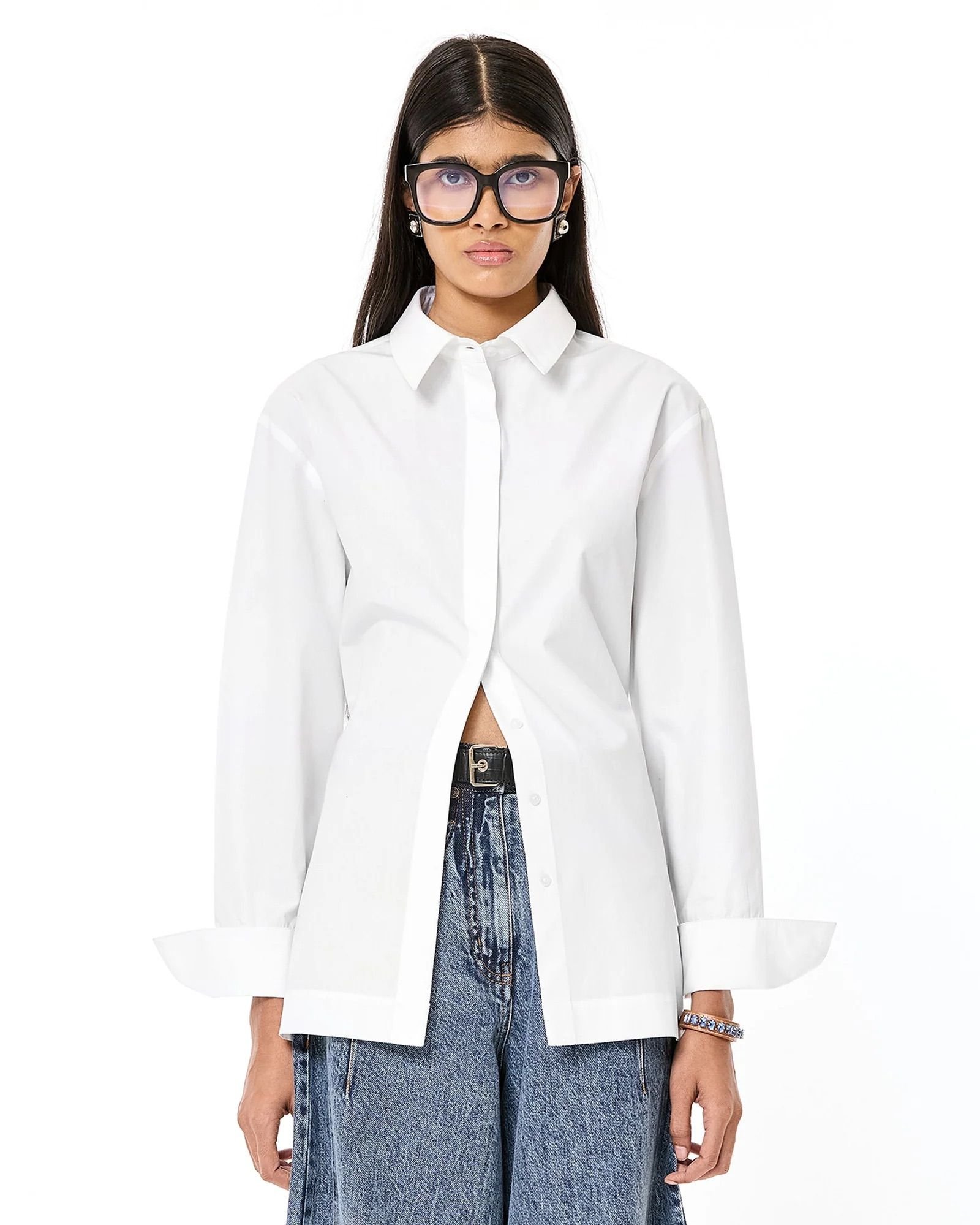
Curating the perfect capsule wardrobe looks a little different for everyone, but there are a handful of staples that will benefit nearly every closet. Having a reliable collection of basics makes getting dressed easier, whether you’re a staunch minimalist who sticks to simplicity or an experimental dresser building looks upon a foundation. True luxury can be found among the classics, whether it’s a perfect white T-shirt, a well-fitting button-up or a pair of jeans.
Versatility and a neutral colour palette will be essential to unlocking your own sense of style, and the following six key clothing items are the essential building blocks for any capsule wardrobe.
The capsule wardrobe essentials
White shirt
A crisp white button-down shirt is the ultimate wardrobe essential, equally at home under a blazer for meetings or on the weekend with leggings, white sneakers and oversized outerwear. Look for cotton poplin or linen styles that breathe and hold their shape.


Fashion
Why its absolutely appropriate for children to attend a funeral

Fashion
Bandhani, Batik & Shibori: Bound by Dye, Freed by Design
Bandhini was in the news recently. Ralph Lauren has faced global backlash in April 2026 for selling a (£420) “Bandhani-inspired” printed cotton wrap skirt without explicitly crediting India, the craft’s origin. Critics argue the design mimics Bandhani aesthetics but is machine-printed, stripping away artisanal authenticity and sidelining Indian artisans. The skirt uses printed fabric, not hand-tied Bandhani, which requires painstaking knotting and dyeing.
Bandhini, Batik & Shibori
Across continents and centuries, cloth has carried stories. In India, Bandhani knots find their ways into bridal silks; in Indonesia, Batik’s waxed lines trace royal philosophies; in Japan, Shibori’s indigo folds echo the rhythm of storms and nature. Three traditions, three cultures, one shared language of resistance and release—where dye is held back, beauty emerges, and heritage is written.All three—Bandhani, Batik, and Shibori are textile traditions that share the resist-dyeing principle but express it differently.
Common Thread
- Resist-Dye Principle: Each technique prevents dye from reaching certain parts of the fabric, creating patterns.
- Handcrafted Artistry: All rely onmanual skill and patience, with artisans carefully preparing fabric before dyeing.
- Symbolic Motifs: Designs often carrycultural meaning—whether auspicious dots in Bandhani, royal motifs in Batik, or nature-inspired forms in Shibori.
- Natural Dyes: Traditionally, they used plant-based dyes (indigo, turmeric, madder, etc.), linking the craft to local ecology
It is precision in dotted motifs
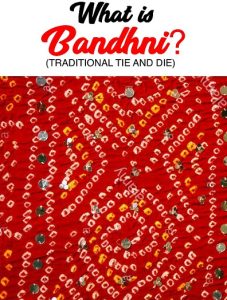
It dates back to the Indus Valley Civilization (~3000 BCE). They are tiny knots tied with thread before dyeing, creating dotted motifs.
They arestrongly identified to weddings and festivals in the States of Gujarat and Rajasthan.
Bandhaniis a type oftie-dyetextile decorated by plucking the cloth with the fingernails into many tiny bindings that form a figurative design.It involvespinching fabric with thumbnails, tying with thread and subsequently dyeing in stages.The motifs include Dots (bindi), waves (leheriya), checks (mothara).Fabrics are silk, cotton or georgette.Texture looks like crinkled surface from knots.
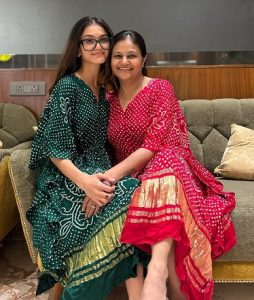
Today, most Bandhani making centers are situated inGujarat,Rajasthan, Sindh,Punjab regionand inTamil Naduwhere it is known asSungudi. It is known as chunri in Pakistan.
Shibori (Japan)
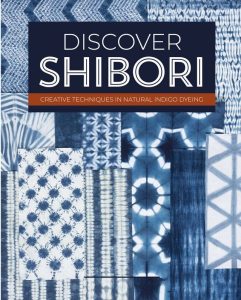
Tie-dye, in fact, has been around for centuries. Take Japan’s shibori technique for instance; it is derived from the Japanese word ‘shiboru’. Shibori which means to wring, squeeze or press. One of the oldest techniques of resist-dyeing; fabrics are bound, tied, sewn, compressed, twisted, knotted and folded to create sections that resist the dye and then form contrasting patterns. It came to Japan 1,300 years ago from China, and found another unique interpretation here.
Origin: Ancient Japan, earliest surviving examples from 756 CE at Tōdai-ji temple.Emerged during the Nara period (~8th century CE).Regions: Nara, Kyoto, later spread globally.
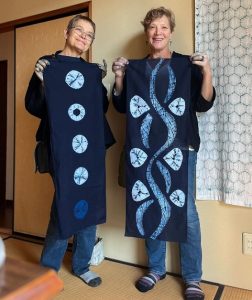
Indigo dye is used predominantly and it symbolized protection, harmony with nature.
Thetechniqueincludes folding, stitching, pleating, clamping, and binding the fabric before dyeing.
Styles:
-
-
- Kanoko (fawn spots, similar to Bandhani dots)
- Arashi (storm, diagonal rain-like lines)
- Kumo (spider web)
- Itajime (clamped geometric shapes).
-
Batik is a wax-resist dyeing technique that originated in Indonesia, particularly on the island of Java, though similar methods appeared in ancient Egypt, China, and India. It became globally recognized in the 19th century when European scholars and traders documented Javanese batik. Batik is Indonesia’s most iconic textile art, blending ancient wax-resist dyeing with deep cultural symbolism. While wax-resist techniques existed globally,Javanese batik achieved unmatched refinement and cultural depth, making it both a national symbol and a global design influence.
It flourished in Java, Indonesia, with evidence from the 13th century; UNESCO- recognized heritage. Archaeological evidence shows batik patterns in 13th-century East Java temple carvings.They use wax-resist dyeing using a canting (pen tool) or copper stamps (tjaps).The word batik comes from Javanese amba (“to write”) and titik (“dot”), referring to the dotted wax patterns.

Motifs are primarily geometric, floral, symbolic designs; some reserved for royalty (parang,kawung). Everyday wear and ceremonial garments, deeply symbolic in Javanese culture use Batik prints.
Process:
Hot wax is applied to fabric using a canting (pen-like tool) or copper stamps (tjaps) .Multiple cycles of waxing and dyeing create intricate, multicoloured designs. Cotton and silk fabrics are most common. for Batik prints.
Cross-Cultural Influence
In modern fashion, Indian designers blend Shibori’s indigo aesthetics with Bandhani’s vibrant colours, creating fusion textiles.
Together, they show how different cultures evolvedresist-dyeinginto unique textile arts, each carrying deep cultural meaning while sharing a common creative foundation.Today, all three are celebrated worldwide, influencing contemporary fashion and design while remaining rooted in tradition
They share several important commonalities despite their different cultural origins. Each textile represents heritage, rituals, and philosophyin its culture.


Cruise ship hit by hantavirus outbreak docks in Rotterdam. #BBCNews


Fast-moving brushfire torches homes in Simi Valley
Multiple evacuation orders were issued in the Simi Valley area in southeastern Ventura County after a morning brushfire spread …


Bodies of missing Italian divers found in Maldives | BBC News
The bodies of all five divers who died in the Maldives last week have now been found, officials have confirmed....


Would you queue for a £300 Swatch x AP pocket watch? #BBCNews


French Open qualifying 2026: Harriet Dart fights back to reach second round but Dan Evans out
The 29-year-old twice battled back from a break down in the second set before storming through the decider to set...


CDC confirms one American working in Congo tested positive for Ebola
IE 11 is not supported. For an optimal experience visit our site on another browser. Now Playing CDC confirms one...


Maldives diving accident: Recovery team's CEO speaks
The bodies of four missing Italian scuba divers who died last week have been found, Maldives government said Monday, …


Cold case killer who chewed cops undercover DNA bait faces survivor, families in courtroom showdown
NEWYou can now listen to Fox News articles! A Washington man was sentenced to 50 years to life in prison...


Will Kentucky voters follow Trump's orders to kick out GOP congressman?
No Republican has infuriated President Donald Trump more than Rep. Thomas Massie, which has placed him in a precarious …


Skin infections spread within Gaza
CNN’s Clarissa Ward reports on the alarming rise in skin conditions among children in Gaza.
-

 BBC News World11 hours ago
Trump targets political rivals ahead of midterms
-

 Food1 day ago
Juneteenth Foods: 23 Recipes for a Cookout Celebration
-
Tech18 hours ago
Today's NYT Mini Crossword Answers for Monday, May 18
-
 LifestyleNews18 hours ago
Can a pre-diabetic stop taking Metformin by eating garlic instead?
-

 HealthNews1 day ago
Epidemic of Ebola Disease caused by Bundibugyo virus in the Democratic Republic of the Congo and Uganda determined a public health emergency of international concern
-

 Sports14 hours ago
Ulster SFC final: Aidan Forker delighted it all came together in Ulster final
-

 Entertainment1 day ago
Adam Driver and Kenneth Lonergan Reunite For ‘Tomorrow Is a Drag’
-
Entertainment11 hours ago
Picturehouse Entertainment acquires UK rights to A Town In Nova Scotia