HealthNews
Message by the WHO Director-General to the people of Tenerife regarding the hantavirus response
To the people of Tenerife,
My name is Tedros, and I serve as the Director-General of the World Health Organization, the United Nations agency responsible for global public health. It is not common for me to write directly to the people of a single community, but today I feel it is not only appropriate, it is necessary.
I want to speak to you directly, not through press releases or technical briefings, but as one human being to another, because you deserve that.
I know you are worried. I know that when you hear the word “outbreak” and watch a ship sail toward your shores, memories surface that none of us have fully put to rest. The pain of 2020 is still real, and I do not dismiss it for a single moment.
But I need you to hear me clearly: this is not another COVID. The current public health risk from hantavirus remains low. My colleagues and I have said this unequivocally, and I will say it again to you now.
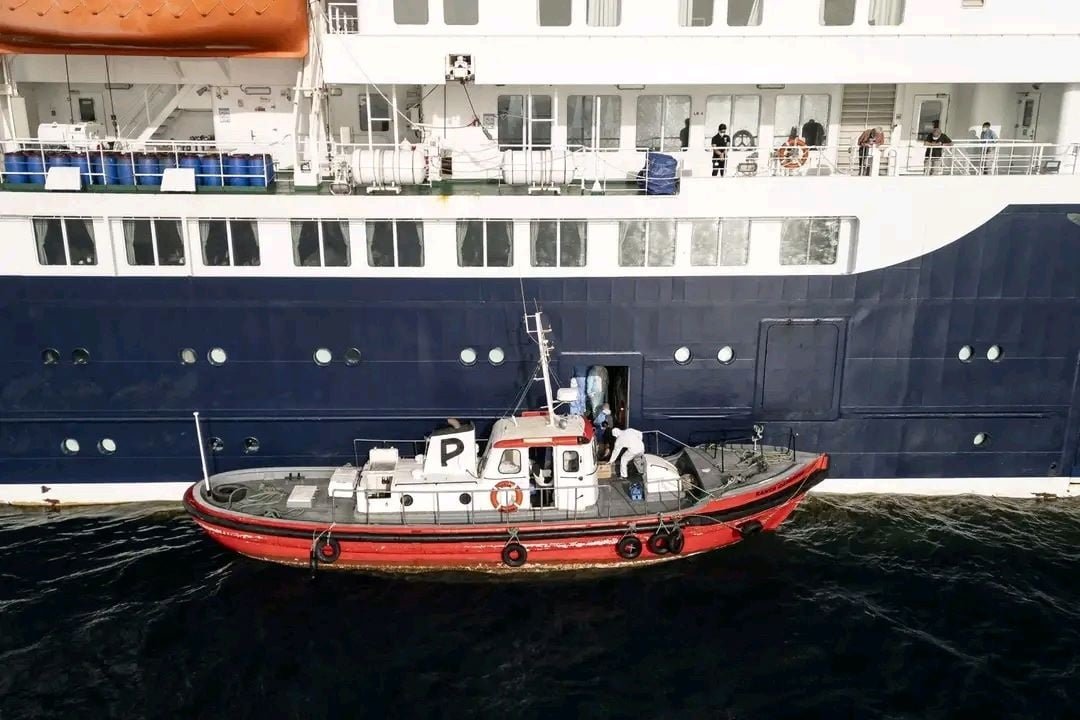
The virus aboard the MV Hondius is the Andes strain of hantavirus. It is serious. Three people have lost their lives, and our hearts go out to their families. The risk to you, living your daily life in Tenerife, is low. This is the WHO’s assessment, and we do not make it lightly.
Right now, there are no symptomatic passengers on board. A WHO expert is on that ship. Medical supplies are in place. Spain’s authorities have prepared a careful, step-by-step plan: passengers will be ferried ashore at the industrial port of Granadilla, far from residential areas, in sealed, guarded vehicles, through a completely cordoned-off corridor, and repatriated directly to their home countries. You will not encounter them. Your families will not encounter them.
I also want to say something else, something that goes beyond the science.
I personally thanked Prime Minister Sanchez for Spain’s decision to receive this ship. I called it an act of solidarity and moral duty. Because that is what it is. I want you to know that the WHO’s request to Spain was not made arbitrarily. It was made in full accordance with the International Health Regulations, the legally binding framework that defines the rights and obligations of countries and the WHO when responding to public health events of international concern. Under those rules, the nearest port with sufficient medical capacity must be identified to ensure the safety and dignity of those on board. Tenerife met that standard. Spain honoured it. Nearly 150 people from 23 countries have been at sea for weeks, some of them grieving, all of them frightened, all of them longing for home. Tenerife has been chosen because it has the medical capacity, the infrastructure, and the humanity to help them reach safety.
And because I believe that so deeply, I will be there myself. I intend to travel to Tenerife to observe this operation firsthand, to stand alongside the health workers, port staff, and officials who are making it happen, and to personally pay my respects to an island that has responded to a difficult situation with grace, solidarity, and compassion. Your humanity deserves to be witnessed, not just acknowledged from a distance.
As I have said many times: viruses do not care about politics, and they do not respect borders. The best immunity any of us has is solidarity.
Tenerife is demonstrating that solidarity today. The ship’s captain, Jan Dobrogowski, crew and the company operating the vessel have shown exemplary collaboration at this challenging time. On behalf of the World Health Organization, and on behalf of those passengers and their families around the world, I thank the people of Tenerife and everyone else involved.
Please take care of yourselves and of each other. Trust in the preparations that have been made. And know that the WHO stands with you, and with every person on that ship, every step of the way.
With respect, care, and gratitude,
Tedros
Dr Tedros Adhanom Ghebreyesus
Director-General, World Health Organization
HealthNews
Epidemic of Ebola Disease caused by Bundibugyo virus in the Democratic Republic of the Congo and Uganda determined a public health emergency of international concern
Pursuant to paragraph 2 of Article 12 – Determination of a public health emergency of international concern, including a pandemic emergency of the International Health Regulations (2005) (IHR), the Director-General of the World Health Organization (WHO), after having consulted the States Parties where the event is known to be currently occurring, is hereby determining that the Ebola disease caused by Bundibugyo virus in the Democratic Republic of the Congo and Uganda constitutes a public health emergency of international concern (PHEIC), but does not meet the criteria of pandemic emergency, as defined in the IHR.
The Director-General of WHO expresses his gratitude to the leadership of the Democratic Republic of the Congo and Uganda for their commitment to take necessary and vigorous actions to bring the event under control, as well as for their frankness in assessing the risk posed by this event to other States Parties, hence allowing the global community to take necessary preparedness actions.
In his determination the Director-General of WHO has considered, inter alia, information provided by the States Parties – the Democratic Republic of the Congo and Uganda –scientific principles as well as the available scientific evidence and other relevant information; and assessed the risk to human health, the risk of international spread of disease and of the risk of interference with international traffic.
The Director-General of WHO considers that the event meets the criteria of the definition of PHEIC, contained in Article 1 – Definitions of the IHR, for the following reasons:
1. The event is extraordinary for the following reasons:
- As of 16 May 2026, eight laboratory-confirmed cases, 246 suspected cases and 80 suspected deaths have been reported in Ituri Province of the Democratic Republic of the Congo across at least three health zones, including Bunia, Rwampara and Mongbwalu. In addition, two laboratory confirmed cases (including one death) with no apparent link to each other have been reported in Kampala, Uganda, within 24 hours of each other, on 15 and 16 May 2026, among two individuals travelling from the Democratic Republic of the Congo. A further case reported on 16 May, an individual returning from Ituri to Kinshasa, has tested negative for Bundibugyo virus on confirmatory testing by INRB, and is therefore not considered a confirmed case.
- Unusual clusters of community deaths with symptoms compatible with Bundibugyo virus disease (BVD) have been reported across several health zones in Ituri, and suspected cases have been reported across Ituri and North Kivu. In addition, at least four deaths among healthcare workers in a clinical context suggestive of viral haemorrhagic fever have been reported from the affected area raising concerns regarding healthcare-associated transmission, gaps in infection prevention and control measures, and the potential for amplification within health facilities.
- There are significant uncertainties to the true number of infected persons and geographic spread associated with this event at the present time. In addition, there is limited understanding of the epidemiological links with known or suspected cases.
- However, the high positivity rate of the initial samples collected (with eight positives among 13 samples collected in various areas), the confirmation of cases in both Kampala and Kinshasa, the increasing trends in syndromic reporting of suspected cases and clusters of deaths across the province of Ituri all point towards a potentially much larger outbreak than what is currently being detected and reported, with significant local and regional risk of spread. Moreover, the ongoing insecurity, humanitarian crisis, high population mobility, the urban or semi-urban nature of the current hotspot and the large network of informal healthcare facilities further compound the risk of spread, as was witnessed during the large Ebola virus disease epidemic in North Kivu and Ituri provinces in 2018-19. However, unlike for Ebola-zaire strains, there are currently no approved Bundibugyo virus-specific therapeutics or vaccines. As such, this event is considered extraordinary.
2. The event constitutes a public health risk to other States Parties through the international spread of disease. International spread has already been documented, with two confirmed cases reported in Kampala, Uganda on 15 and 16 May following travel from the Democratic Republic of the Congo. Both confirmed cases were admitted to intensive care units in Kampala. Neighboring countries sharing land borders with the Democratic Republic of the Congo are considered at high risk for further spread due to population mobility, trade and travel linkages, and ongoing epidemiological uncertainty.
3. The event requires international coordination and cooperation to understand the extent of the outbreak, to coordinate surveillance, prevention and response efforts, to scale up and strengthen operations and ensure ability to implement control measures.
The Director-General of WHO, under the provisions of the IHR, will be convening an Emergency Committee, as soon as possible to advise, inter alia, on the proposed temporary recommendation for States Parties to respond to the event.
The WHO advice is enumerated below and will be subject to further refinement as appropriate after having considered the advice from the Emergency Committee and issuing of Temporary Recommendations.
* The statement was updated to provide the status of a case reported on 16 May in Kinshasa.
WHO advice
For States Parties where the event is occurring (the Democratic Republic of the Congo and Uganda)
Coordination and high-level engagement
- Activate their national disaster/emergency management mechanisms and establish an emergency operation centre, under the authority of the Head of State and relevant government authority, to coordinate response activities across partners and sectors to ensure efficient and effective implementation and monitoring of comprehensive Bundibugyo virus disease control measures. These measures must include enhanced surveillance including contact tracing, infection prevention and control (IPC), risk communication and community engagement, laboratory diagnostic testing, and case management. Coordination and response mechanisms should be established at national level, as well as at subnational level in affected areas and at-risk areas.
- Should national capacities be overwhelmed, collaboration with partners should be enhanced to strengthen operations and ensure the ability to implement control measures in all affected and neighbouring areas.
Risk communication and community engagement
- Ensure that there is a large-scale and sustained effort to fully engage the community – through local, religious and traditional leaders and healers – so communities play a central role in case identification, contact tracing and risk education; the population should be made fully aware of the benefits of early treatment.
- Strengthen community awareness, engagement, and participation in particular to identify and address cultural norms and beliefs that serve as barriers to their full participation in the response, and integrate the response within the wider response required to address the needs of the population, particularly in contexts of the protracted humanitarian crisis in Eastern DRC.
Surveillance and laboratory
- Strengthening surveillance and laboratory capacity across affected provinces and neighbouring provinces, through the establishment of (1) dedicated surveillance and response cells within affected health zones and across key at-risk neighbouring health zones, (2) enhanced community surveillance, particularly focused on community deaths, and (3) decentralized laboratory capacity for testing of Bundibugyo virus.
Infection prevention and control in health facilities and in the context of care
- Strengthen measures to prevent nosocomial infections, including systematic mapping of health facilities, triage, targeted IPC interventions and sustained monitoring and sustained supervision.
- Ensure healthcare workers receive adequate training on IPC, including the proper use of PPE, and that health facilities have appropriate equipment to ensure the safety and protection of their staff, their timely payment of salaries and, as appropriate, hazard pay
Patients’ referral pathway and access to safe and optimized intensive care
- Ensure that suspected cases can be safely transferred to specialized clinical units for their isolation and management in a human and patient-centred approach.
- Establish specialized treatment centers or units, located close to outbreak epicenter(s), with staff trained and equipped to implement optimized intensive supportive care.
Research and development of medical countermeasures
- Implement clinical trials to advance the development and use of candidate therapeutics and vaccine, supported by partners.
Border health, travels and mass-gathering events
- Undertake cross-border screening and screening at main internal roads to ensure that no suspected case is missed and enhance the quality of screening through improved sharing of information with surveillance teams.
- There should be no international travel of Bundibugyo virus disease contacts or cases, unless the travel is part of an appropriate medical evacuation. To minimize the risk of international spread of Bundibugyo virus disease:
- confirmedcases should immediately be isolated and treated in a Bundibugyo virus disease Treatment Centre with no national or international travel until two Bundibugyo virus-specific diagnostic tests conducted at least 48 hours apart are negative;
- contacts (which do not include properly protected health workers and laboratory staff who have had no unprotected exposure) should be monitored daily, with restricted national travel and no international travel until 21 days after exposure;
- probable and suspect cases should immediately be isolated and their travel should be restricted in accordance with their classification as either a confirmed case or contact.
- Implement exit screening of all persons at international airports, seaports and major land crossings, for unexplained febrile illness consistent with potential Bundibugyo virus disease. The exit screening should consist of, at a minimum, a questionnaire, a temperature measurement and, if there is a fever, an assessment of the risk that the fever is caused by Bundibugyo virus disease. Any person with an illness consistent with Bundibugyo virus disease should not be allowed to travel unless the travel is part of an appropriate medical evacuation.
- Consider postponing mass gatherings until BVD transmission is interrupted.
Safe and dignified burials
- Ensure funerals and burials are conducted by well-trained personnel, with provision made for the presence of the family and cultural practices, and in accordance with national health regulations, to reduce the risk of Bundibugyo virus infection. The cross-border movement of the human remains of deceased suspect, probable or confirmed Bundibugyo virus disease cases should be prohibited unless authorized in accordance with recognized international biosafety provisions.
Operations, supplies and logistics
- Strong supply pipeline needs to be established to ensure that sufficient medical and laboratory commodities and other critical items, especially personal protective equipment (PPE), are available to those who appropriately need them.
For States Parties with land borders adjoining States Parties with documented Bundibugyo virus disease
- Unaffected States Parties with land borders adjoining States Parties with documented Bundibugyo virus disease transmission should urgently enhance their preparedness and readiness capacity, including active surveillance across health facilities with active zero reporting, enhancement of community surveillance for clusters of unexplained deaths; establish access to a qualified diagnostic laboratory; ensure that health workers are aware of and trained in appropriate IPC procedures; and establish rapid response teams with the capacity to investigate and manage BVD cases and their contacts.
- Dedicated coordination mechanisms should be in place at national and subnational level in all Unaffected States Parties with land borders adjoining States Parties with documented cases of Bundibugyo virus disease. States should be prepared to detect, investigate, and manage Bundibugyo virus disease cases; this should include assured access to a qualified diagnostic laboratory for Bundibugyo virus disease, isolation and case management capacity and activation of rapid response teams.
- Any State Parties newly detecting a suspected or confirmed Bundibugyo virus disease case or contact, or clusters of unexplained deaths should treat this as a health emergency, take immediate steps in the first 24 hours to investigate and stop a potential outbreak by instituting case isolation, case management, establishing a definitive diagnosis, and undertaking contact tracing and monitoring as required.
- If Bundibugyo virus disease is confirmed to be occurring in the State Party, the full recommendations for State Parties with Bundibugyo virus disease transmission should be implemented, on either a national or subnational level, depending on the epidemiologic and risk context. State Parties should immediately report the confirmation of Bundibugyo virus disease to WHO.
- Risk communications and community engagement, especially at points of entry, should be increased.
- At-risk countries should put in place approvals for investigational therapeutics as an immediate priority for preparedness.
For all Other States Parties
- No country should close its borders or place any restrictions on travel and trade. Such measures are usually implemented out of fear and have no basis in science. They push the movement of people and goods to informal border crossings that are not monitored, thus increasing the chances of the spread of disease. Most critically, these restrictions can also compromise local economies and negatively affect response operations from a security and logistics perspective.
- National authorities should work with airlines and other transport and tourism industries to ensure that they do not exceed WHO’s advice on international traffic.
- States Parties should provide travelers to Bundibugyo virus disease affected and at-risk areas with relevant information on risks, measures to minimize those risks, and advice for managing a potential exposure.
- The general public should be provided with accurate and relevant information on the Bundibugyo virus disease outbreak and measures to reduce the risk of exposure.
- State Parties should be prepared to facilitate the evacuation and repatriation of nationals (e.g. health workers) who have been exposed to Bundibugyo virus disease.
- Entry screening at airports or other ports of entry outside the affected region are not considered needed for passengers returning from areas at risk.
Editor’s note
On 17 May 2026, this statement was updated as follows:
“On 16 May, a laboratory confirmed case has also been reported in Kinshasa, the Democratic Republic of the Congo, among someone returning from Ituri.”
was replaced with:
“A further case reported on 16 May, an individual returning from Ituri to Kinshasa, has tested negative for Bundibugyo virus on confirmatory testing by INRB, and is therefore not considered a confirmed case.”
HealthNews
WHO warns nicotine pouch brands targeting youth as sales surge
The World Health Organization (WHO) today issues a strong warning over the rapid global expansion of nicotine pouch products, which are being aggressively marketed to adolescents and young people. WHO notes that regulation in many countries is limited or absent, raising concerns about youth nicotine addiction and related health risks.
The report comes in the lead-up to World No Tobacco Day (31 May), which this year will focus on tobacco and nicotine addiction and the tactics used by industry to hook a new generation of users.
Nicotine pouches are small sachets placed between the gum and lip that release nicotine through the lining of the mouth. They typically contain nicotine, flavourings, sweeteners and other additives. Retail sales of nicotine pouches reached over 23 billion units in 2024, increasing by more than 50% from previous year.
“The use of nicotine pouches is spreading rapidly, while regulation struggles to keep pace,” said Dr Vinayak Prasad, Unit Head of the Tobacco Free Initiative for WHO. “Governments must act now with strong, evidence-based safeguards.”
WHO’s first global report on the topic entitled, Exposing marketing tactics and strategies driving the growth of nicotine pouches, was developed in response to requests from countries seeking authoritative guidance from WHO on nicotine pouches and how governments should respond. The global market of nicotine pouch products was worth nearly US$ 7 billion in 2025.
WHO emphasizes that nicotine itself is highly addictive and harmful, particularly for children, adolescents and young adults whose brains are still developing. Nicotine exposure during adolescence can affect brain development, including impacts on attention and learning. Early nicotine use can increase the likelihood of long-term dependence and future use of other nicotine and tobacco products. Nicotine use also increases cardiovascular risk.
Regulatory gaps leave youth exposed
Nicotine pouches often fall through regulatory cracks:
- around 160 countries have no specific regulation;
- 16 countries ban their sale; and
- 32 countries regulate them in some form, including:
- 5 restricting flavours
- 26 restricting sales to minors
- 21 banning advertising, promotion and sponsorship.
Governments are seeing the use of these products spread quickly, especially among adolescents and young people who are being aggressively targeted by deceptive tactics,” said Dr Etienne Krug, Director of Department of Health Determinants, Promotion and Prevention at WHO. “These products are engineered for addiction and there is a strong need to protect our youth from industry manipulation.”
Marketing tactics designed to attract young users
The report highlights widespread industry tactics to appeal to younger audiences, including:
- sleek, discreet packaging;
- flavours such as bubble gum and gummy bears;
- influencer marketing and heavy promotion on social media;
- sponsorship of concerts, festivals and sports events, including Formula 1;
- aspirational lifestyle branding; and
- messaging that encourages discreet use in schools and smoke-free settings.
Some packaging mimics sweets or popular candy brands, increasing risks to young children.
The report warns that all of these tactics are designed to normalize nicotine use, lower perceptions of risk and draw a new generation of users into nicotine addiction.
Call for urgent action
WHO urges governments to adopt comprehensive regulation covering all tobacco and nicotine products, including nicotine pouches. Recommended measures include:
- bans or strong restrictions on flavours;
- advertising, promotion and sponsorship bans, including on social media and use of influencers;
- strong age-verification and retail controls;
- clear health warnings and plain packaging;
- caps on the amount of nicotine allowed;
- taxation to reduce affordability and deter youth use;
- surveillance of use patterns and industry tactics; and
- strong enforcement of policies.
Nicotine pouches should not be considered risk-free. Yet, some products are being sold in multiple strength tiers marketed as “beginners”, “advanced” and “experts” with nicotine amounts labelled at up to 150 mg.
WHO urges young people to recognize and reject industry tactics designed to make nicotine use seem normal. Urgent, coordinated action today can help protect a new generation from nicotine dependence.
Notes to editors
The report builds on the report of the WHO Study Group on Tobacco Product Regulation and WHO’s report to the Framework Convention on Tobacco Control. It responds directly to Member State requests for evidence and policy guidance on nicotine pouches.
Relevant reference sections
Chapter 4 – WHO study group on tobacco product regulation. Report on the scientific basis of tobacco product regulation: ninth report of a WHO study group. Geneva: World Health Organization; 2023 (WHO Technical Report Series, No. 1047). Licence: CC BY-NC-SA 3.0 IGO.
FCTC/COP10/6 (pages 16 and 17) – Progress report on technical matters related to Articles 9 and 10 of the WHO FCTC (Regulation of contents and disclosure of tobacco products, including waterpipe, smokeless tobacco and heated tobacco products). July 2023
About WHO
Dedicated to the well-being of all people and guided by science, the World Health Organization leads and champions global efforts to give everyone, everywhere an equal chance at a safe and healthy life.
We are the UN agency for health that connects nations, partners and people on the front lines in 150+ locations – leading the world’s response to health emergencies, preventing disease, addressing the root causes of health issues and expanding access to medicines and health care. Our mission is to promote health, keep the world safe and serve the vulnerable.
“Together for health. Stand with science”, the theme of World Health Day 2026 marks a year-long campaign to highlight science as the foundation for protecting health and well-being worldwide.
HealthNews
Follow-up message by the WHO Director-General to the people of Tenerife regarding the hantavirus response
Dear people of Tenerife,
Greetings from Geneva. It is Tedros again.
Our work in Tenerife is done. And it was done with grace.
Last Monday, I stood at the port of Granadilla de Abona and watched the last of the passengers from the MV Hondius board the vehicles that would carry them home. I watched health workers in protective equipment move with calm professionalism. I watched Spanish officials coordinate with quiet precision. And I watched and felt your support and solidarity.
And I thought of the letter I wrote to you just days ago, and how everything that your Spanish Government and the World Health Organization promised came to pass, exactly as described.
More than 120 people from 23 countries have safely disembarked and are now being cared for and monitored by public health professionals while in transit or upon arrival in their home countries. They arrived in fear and uncertainty. They left carrying something they could not have expected to find in Tenerife: the dignity of being cared for by strangers from your community, and people around the world, who chose to help. The risk assessment held. The protocols worked. The corridor held. Science and solidarity operated in coordination, as they must, as they can, when we trust each other.
But I do not want this moment to be remembered only as a logistical success. What happened here in Tenerife was something rarer than competence. It was moral courage, the willingness of an entire island, an entire nation, to say: these are human beings, and we will not turn away from them.
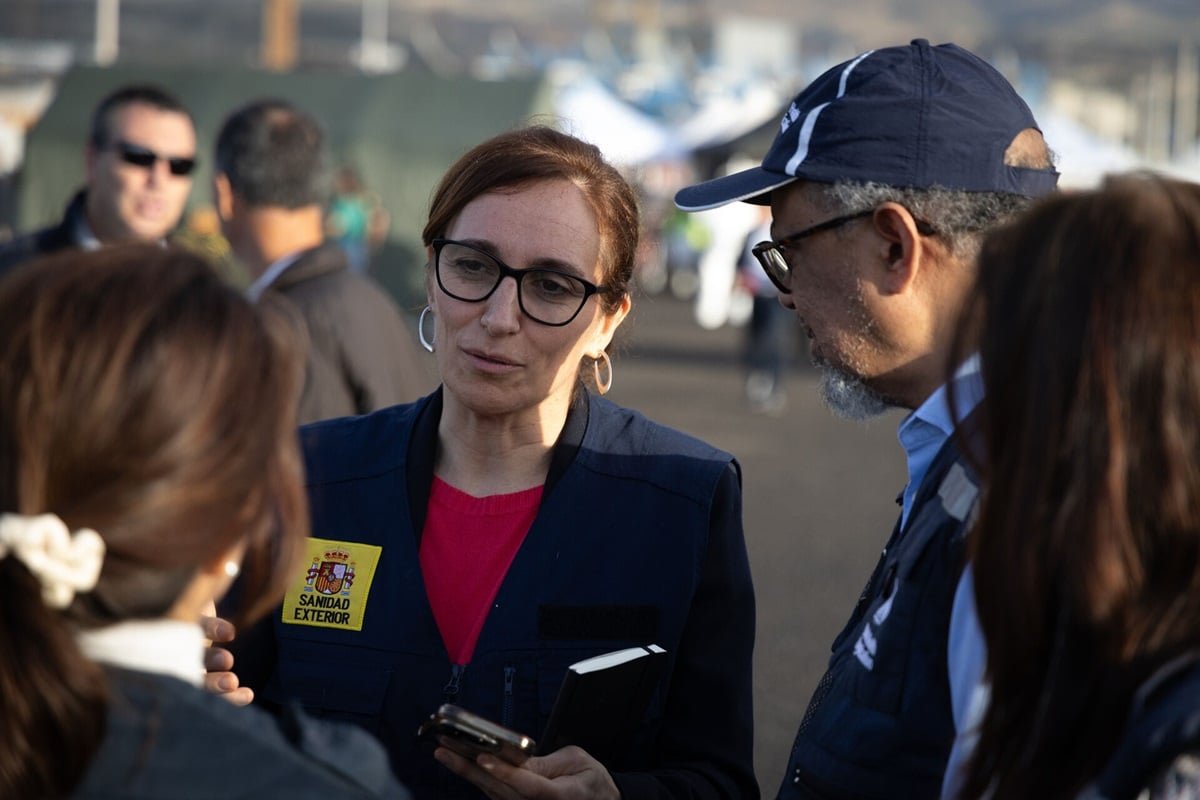
The government of Prime Minister Sánchez honoured its obligations under international law and then went beyond them, with warmth, speed and care. Ministers Mónica García, Fernando Grande-Marlaska, and Ángel Víctor Torres led with great commitment. The port authorities of Granadilla executed a complex operation flawlessly. The health teams who boarded that ship, who stood at the port gates, who rode in those vehicles: they did their jobs not because it was easy, but because it was right.
To Captain Jan Dobrogowski and his 26-member crew still onboard of the MV Hondius and sailing now to the Netherlands: you held your passengers together through weeks of grief and confinement. History will not forget that.
To you, the people of Tenerife, who opened your island not with applause or fanfare but with quiet, steady acceptance: I want you to know what that means to the world. You may never meet the passengers and crew who transited your port. But those 150 people and their families know that somewhere in the Atlantic, there was an island community that said “yes.” That community was you.
We live in a time when it is easy to close doors, to turn inward, to let fear harden into hostility. Tenerife chose differently. You have written something into the record of how humanity responds to crisis, and the WHO will carry that record forward.
Three people died in connection with the outbreak on the Hondius. Their families are grieving. The conclusion of this operation does not erase that grief, and I do not want it to. Behind every public health response there are real lives, real losses and real families who will carry this forever.
We also learned of the loss of a member of the Guardia Civil of Tenerife, who died of a heart attack while serving during this operation. He was here because of duty and commitment to his community. I extend my deepest condolences to his family, his colleagues, and to the entire Guardia Civil. His service will not be forgotten.
The best immunity we have is solidarity. Tenerife has proven this, not as a slogan, but as a way to work, and to live.
I will confess something personal. Last Monday, before the last group of passengers departed, I walked through part of your city, alone. The island was going about its day, and I found Tenerife to be genuinely beautiful: the place, yes, but above all the people. The warmth I encountered from some people who recognised me, even in the briefest exchanges, stayed with me.
I wish I had come under different circumstances, on a WHO conference perhaps, or better still, simply with my family to rest. That is a wish I intend to honour. I look forward to returning to Tenerife as a visitor, not as a crisis responder, to see it the way it deserves to be seen, slowly and without urgency, with my family beside me.
On behalf of the World Health Organization, on behalf of the passengers now home, and on behalf of those families around the world who watched this island with hope: thank you. From the depth of my heart, thank you.
I also want to thank my colleagues from WHO headquarters and from our Regional Office for Europe in Copenhagen, who stood with me in Tenerife, and those who supported us tirelessly from afar. This was a team effort in every sense of the word.
But for us, the job is not yet done, until every passenger and crew is out of quarantine and reunited with their loved ones.
With profound respect, admiration and gratitude,
Tedros
Editor’s note
The statement has been corrected to reflect that the three people confirmed to have died as a result of the hantavirus outbreak did not all die on the ship. Only two people died onboard, while the third died upon arrival in South Africa.
HealthNews
Tunisia validated by WHO as having eliminated trachoma as a public health problem
The World Health Organization (WHO) has validated Tunisia as having eliminated trachoma as a public health problem. This is a major milestone in the country’s public health journey, coming after decades of sustained national effort.
“I congratulate Tunisia on this historic public health achievement,” said Dr Tedros Adhanom Ghebreyesus, WHO Director-General. “Eliminating trachoma shows what long-term political commitment, strong primary health care and teamwork can do. Tunisia has proven that even the world’s leading infectious cause of blindness can be overcome.”
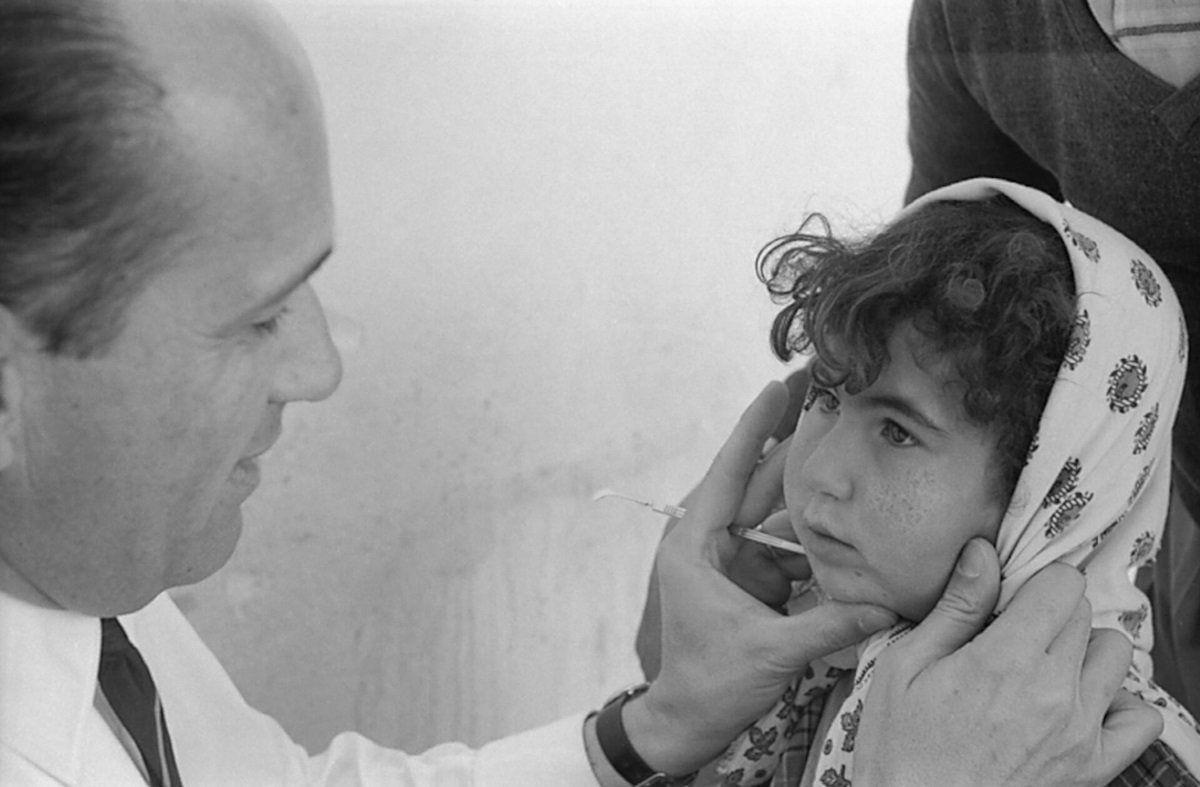
Trachoma is closely linked to limited access to water, sanitation and hygiene, and hits vulnerable populations hardest. In the early to mid-20th century, trachoma was endemic in Tunisia, affecting at least half of the population, especially in its southern regions.
“I congratulate Tunisia on the elimination of trachoma as a public health problem. This is a major achievement that reflects sustained and consistent national commitment over many years and shows what is possible when a country remains focused on addressing preventable causes of blindness,” said WHO Regional Director for the Eastern Mediterranean Dr Hanan Balkhy.
For decades, Tunisia ran a comprehensive and sustained response to trachoma that turned a once-heavy health burden into a success story. The country adopted and scaled up the WHO-recommended SAFE strategy: Surgery for advanced cases,Antibiotics to clear infection,Facial cleanliness to reduce spread, andEnvironmental improvement, particularly better access to water and sanitation. Tunisia also ran nationwide screening and treatment campaigns, integrated eye care into primary care and school health programmes, and worked with communities to promote good hygiene.
“Validation marks a historic achievement for Tunisia and reflects our country’s long-standing commitment to public health, prevention and equity,” said Dr Mustapha Ferjani, Minister of Health of Tunisia. “This milestone is the result of decades of coordinated national efforts, with the dedication of generations of health-care professionals, local communities who worked tirelessly to expand access to care, strengthen prevention and improve eye health across the country. Tunisia remains committed to sustaining these gains and protecting future generations.”
Tunisia’s achievement followed a long campaign led by the Ministry of Health, supported by WHO and partners, anchored in strong public health policies and social development. Strong health system foundations, including wide access to primary health care and significant progress in water and sanitation coverage, helped reduce transmission and push disease prevalence down.
A robust post-validation surveillance system is now in place to detect any return of disease at an early stage. This system includes provision for ongoing case management and training of health professionals.
“The validation of elimination of trachoma as a public health problem in Tunisia reflects the impact of sustained collaboration between the Ministry of Health and WHO in achieving public health gains across the country,” said Dr Ahmed Zouiten, Acting WHO Representative in Tunisia. “This milestone stands as a strong demonstration of how science, evidence-based programming and coordinated technical support can overcome neglected tropical diseases every time and everywhere.”
Tunisia joins a growing number of countries working toward the elimination of neglected tropical diseases, a key component of the health-related Sustainable Development Goals.
Editor’s notes
Neglected tropical diseases and trachoma elimination efforts
Trachoma is caused by the bacteriumChlamydia trachomatisand spreads through close contact with infected individuals, contaminated surfaces, and flies that carry eye and nose discharge. Repeated infections can lead to scarring of the eyelids, turning eyelashes inward, and ultimately causing blindness if untreated.
Neglected tropical diseases like trachoma are associated with devastating health, social and economic consequences. Their burden is mainly felt among impoverished communities in tropical areas.
Public health targets for the control, elimination and eradication of these conditions were set in the road map for neglected tropical diseases 2021–2030.
In 1996, WHO launched the WHO Alliance for the Global Elimination of Trachoma by 2020 (GET2020), creating a network of governments, nongovernmental organizations and academic institutions dedicated to the fight against trachoma. WHO continues to support endemic countries to accelerate progress towards the global target of eliminating trachoma as a public health problem worldwide; 2030 is the new target date.
Elimination of trachoma as a public health problem is defined as: (i) a prevalence of trachomatous trichiasis (TT) “unknown to the health system” of < 0.2% in ≥15-year-olds; and (ii) a prevalence of trachomatous inflammation-follicular (TF) in children aged 1–9 years of < 5%, in each formerly endemic district; plus (iii) the existence of a system to identify and manage incident cases of TT.
Other countries validated by WHO as having eliminated trachoma as a public health problem are: Algeria, Australia, Benin, Burundi, Cambodia, China, Egypt, Fiji, Gambia, Ghana, India, Iraq, Islamic Republic of Iran, Lao People’s Democratic Republic, Libya, Malawi, Mali, Mauritania, Mexico, Morocco, Myanmar, Nepal, Oman, Pakistan, Papua New Guinea, Saudi Arabia, Senegal, Togo, Vanuatu and Viet Nam.
Trachoma is the first neglected tropical disease to be eliminated in Tunisia. Following recognition of national trachoma elimination there, Tunisia becomes the 14th country in the WHO Eastern Mediterranean Region to have eliminated at least one neglected tropical disease. It is the 31st country in the world to be validated as having eliminated trachoma as a public health problem.
HealthNews
Global health gains face threat of reversal
The world is falling short on health targets, with progress uneven, slowing, and in some areas reversing, according to the World Health Statistics 2026 report, published today by the World Health Organization (WHO).
While there have been meaningful improvements in global health over the past decade, with millions benefiting from better prevention, treatment and access to essential services, persistent and emerging challenges mean that the world remains off track to achieve any of the health-related Sustainable Development Goals (SDGs) by 2030.
The notable progress outlined in the report includes:
- new HIV infections fell by 40% between 2010 and 2024;
- both tobacco use and alcohol consumption have declined since 2010; and
- the number of people needing interventions for neglected tropical diseases has dropped by 36% between 2010 and 2024.
Access to services that shape health outcomes expanded rapidly between 2015 and 2024. During this period, 961 million people gained access to safely managed drinking water, 1.2 billion to sanitation, 1.6 billion to basic hygiene, and 1.4 billion to clean cooking solutions.
Encouragingly, the WHO African Region has achieved faster-than-global reductions in HIV (-70%) and tuberculosis (-28%), and the South-East Asia Region is on track to meet its 2025 milestone for malaria reduction.
However, challenges remain. For example, malaria incidence increased by 8.5% since 2015, moving the world further away from global targets while overall progress remains highly uneven across regions.
Preventable risks continue to undermine health, slowing progress. Anaemia affects 30.7% of women of reproductive age, with no improvement over the past decade. The prevalence of overweight among children under five reached 5.5% in 2024. Violence against women remains widespread, with intimate partner violence affecting 1 in 4 women globally. These persistent risks highlight the urgent need for stronger prevention and social protection policies.
“These data tell a story of both progress and persistent inequality, with many people – especially women, children and those in underserved communities – still denied the basic conditions for a healthy life,” said Dr Tedros Adhanom Ghebreyesus, WHO Director-General. “Investing in stronger, more equitable health systems, including resilient health data systems is essential to target action, close gaps and ensure accountability.”
Urgent need to protect progress under pressure
Progress towards universal health coverage (UHC) has slowed sharply. The global UHC service coverage indexrose only slightly from 68 to 71 between 2015 and 2023. One quarter of the global population faced financial hardship from health costs, and 1.6 billion people were living in or pushed into poverty due to out-of-pocket health spending in 2022. At the same time, childhood vaccination coverage remains below target, with immunity gaps contributing to outbreaks.
Although global maternal mortality has fallen by 40% since 2000, it remains nearly three times higher than the 2030 target. Under-five mortality has declined by 51%, yet many countries are off track. Progress in reducing premature deaths from noncommunicable diseases has slowed significantly since 2015.
Many drivers of ill health – nutritional, behavioural and environmental risks – are not improving fast enough. Air pollution contributed to an estimated 6.6 million deaths worldwide in 2021, while inadequate water, sanitation and hygiene contributed to 1.4 million deaths in 2019.
“These trends reflect too many deaths that could have been avoided,” said Dr Yukiko Nakatani, WHO Assistant Director-General for Health Systems, Access and Data. “With rising environmental risks, health emergencies, and a worsening health financing crisis, we must act urgently – strengthening primary health care, investing in prevention, and securing sustainable financing to build resilient health systems and get back on track.”
The COVID-19 pandemic further exposed vulnerabilities in global health systems. Between 2020 and 2023, it was linked to an estimated 22.1 million excess deaths, including indirect deaths. This is more than three times the number of officially reported COVID-19 deaths. This reveals the scale of the pandemic’s global impact, reversing a decade of gains in life expectancy, with recovery remaining incomplete and uneven across regions.
Better data, better health decisions
The report highlights major data gaps that prevent full assessment of progress. As of end 2025, only 18% of countries were reporting mortality data to WHO within one year, and nearly one third have never reported cause-of-death data. Just one third of countries meet WHO standards for high-quality mortality data, whileabouthalfhavelow orvery low-quality or no data. Of the estimated 61 million deaths globally in 2023, only about one third were reported with cause-of-death information, and onlyabout one fifthhadmeaningfulInternational Classification of Diseases (ICD)coded data.
“Data gaps severely limit the ability tomonitorreal-time health trends, compare outcomes across countries, and design effective public health responses,” said Dr Alain Labrique, Director for the Department of Data, Digital Health, Analytics and Artificial Intelligence.“Country efforts to invest in stronger systems, digitalization and improved reporting standards are encouraging and should be sustained – they are essential to enable countries to collect, integrate, analyse and use health data for better decisions”.
The World Health Statistics 2026 report sends a clear message: while global health efforts are delivering results, progress is fragile and insufficient. Accelerated action, stronger health systems, and improved data are urgently needed to renew progress toward the 2030 health goals.
About WHO
Dedicated to the well-being of all people and guided by science, the World Health Organization leads and champions global efforts to give everyone, everywhere an equal chance at a safe and healthy life.
We are the UN agency for health that connects nations, partners and people on the front lines in 150+ locations – leading the world’s response to health emergencies, preventing disease, addressing the root causes of health issues and expanding access to medicines and health care. Our mission is to promote health, keep the world safe and serve the vulnerable.
“Together for health. Stand with science”, the theme of World Health Day 2026, marks a year-long campaign tohighlightscience as the foundation for protecting health and well-being worldwide.
Latest News
How solar panels can help you fight rising energy costs | Terms of Service
Electricity prices are on the rise, thanks in part to the rise of AI data centers. Can installing solar panels...
St. Vincent and the Grenadines launches LOVE SVG
St. Vincent and the Grenadines has launched “LOVE SVG,” a national tourism enhancement initiative that places people, community and country...
Bianca Andreescu: How former US Open champion and world number four went to the bottom of the tour to rise back up
Andreescu was plagued with injuries – issues with her abdomen and ankle kept her away from the court, and her...
SC asks MeitY to examine PIL seeking recovery or destruction of stolen personal data of citizens
New Delhi, The Supreme Court on Tuesday asked the Ministry of Electronics and Information Technology to consider a PIL as...
News: Padel court plan to enhance urban entertainment venue in Rotherham
Plans have been submitted to create padel courts on the heritage high street in Rotherham town centre. Rothbiz reported last...
Asha Bhosle: Celebrities and fans pay tributes to legendary singer
Crowds gather at Asha Bhosle’s Mumbai residence to pay respects to the legendary Indian singer. The two-time Grammy winner died...
What to know about a deadly attack by teen gunmen on a San Diego mosque
SAN DIEGO (AP) — Police raced Monday to catch an armed teenage runaway before he and another teen opened fire...
Former Virginia assistant principal on trial after allegedly ignoring warnings before 6-year-old shot teacher
NEWYou can now listen to Fox News articles! A former Virginia assistant principal is on trial on felony child neglect...
Security guard 'sacrificed his life' in San Diego mosque shooting
The security guard killed in the shooting at the Islamic Center of San Diego was a father who cared about...
Mark Fuhrman, detective involved in O.J. Simpson murder trial, dies
Former Los Angeles police detective Mark Fuhrman, who was convicted of lying during testimony at the O.J. Simpson murder trial,...
Trending News
-
Entertainment22 hours ago
Picturehouse Entertainment acquires UK rights to A Town In Nova Scotia
-
LifestyleNews1 day agoCan a pre-diabetic stop taking Metformin by eating garlic instead?
-
Food2 days agoJuneteenth Foods: 23 Recipes for a Cookout Celebration
-
Tech1 day ago
Today's NYT Mini Crossword Answers for Monday, May 18
-
HealthNews2 days agoEpidemic of Ebola Disease caused by Bundibugyo virus in the Democratic Republic of the Congo and Uganda determined a public health emergency of international concern
-

Entertainment2 days agoAdam Driver and Kenneth Lonergan Reunite For ‘Tomorrow Is a Drag’
-

Entertainment23 hours ago‘SNL’ Veteran Calls Out Elon Musk Over Lupita Nyong’o Remarks
-

Sports1 day agoUlster SFC final: Aidan Forker delighted it all came together in Ulster final