

Entertainment
Celebrated British contemporary artist David Hockney dies at 88
British artist David Hockney has died at 88, his publicist said on Friday. Hockney, one of the most influential artists of the 20th and 21st centuries, worked in a range of mediums but is best known…


British artist David Hockney, considered one of the most influential and defining figures in contemporary art whose paintings captured the world in brilliant colour, has died aged 88, his public relations agent announced Friday.
Describing Hockney as “one of the most important figures in contemporary art in both the 20th and 21st centuries”, his publicist Erica Bolton said in a statement that he had “passed away peacefully at home” in London on Thursday, a month before his 89th birthday.
Read moreParis museum celebrates David Hockney with ‘biggest show of his career’
‘Here I felt free’
As a child growing up in gloomy northern England, David Hockney noticed the sharply defined shadows in the Hollywood films of comedy duo Laurel and Hardy.
“Strong shadows meant a lot of sun,” the painter recalled to BBC television in 2009. “So I thought, well, wherever that is, it’s always sunny.”
Two decades later, Hockney moved to Los Angeles to immerse himself in that dazzling light.
Initially, almost as much as his paintings, Hockney was known for his own image – thick-rimmed spectacles, peroxide hair, shiny gold jacket – which became a symbol of Britain’s Swinging Sixties.
As an art student in the northern English city of Bradford – where he was born to an accountancy clerk father and a devout Methodist mother – Hockney rebelled against convention. He gave titles to his abstract paintings such as “Going to be a Queen for Tonight” and “Doll Boy” at a time when homosexuality was punishable by prison.
To continue his studies, in 1959 he moved to London where he had a meteoric rise in the British pop art movement and rubbed shoulders with stars from dancer Rudolf Nureyev to Mick Jagger.
But Hockney yearned for the excitement he saw in the work of American artists. Using money from the sale of his art, he visited New York for the first time in 1961 – where he became a friend of Andy Warhol – and moved to California three years later.
“I thought people who produced such work must live in colour, so I went in search of it,” he is quoted as saying in a biography written by art critic and friend Peter Adam.
“I had spent the first 20 years of my life in the gothic gloom of the North. Here I felt free.”
His pictures of swimming pools and naked men in showers became icons of a sun-drenched lifestyle that he documented with luminous acrylic paint before dividing his time between Los Angeles, London and Paris in the late 1960s and 1970s.
He remained unpretentious despite his success.
“I am actually still a student,” he told Adam. “I just happen to have quite a lot of credit cards in my pocket.”
In 1985, when he was invited to the White House to dine with president Ronald Reagan, Prince Charles and Princess Diana, he was held up for half an hour by security officers because he was the only guest to arrive on foot, his biographer wrote.
‘You don’t retire doing this’
Hockney’s images of love, sex and material wealth led to claims by some art critics that his work was trivial. But he won greater renown than any other British artist of the 20th century.
One of his most famous paintings, “Portrait of an Artist (Pool with Two Figures)” – showing a figure swimming underwater and a man gazing into the pool – sold for $90.3 million in 2018, the most expensive work by a living artist sold at auction at the time.
As he grew older and his life turned more domestic, dogs replaced men in Hockney’s work, at a time when many of his friends were dying of AIDS.
He said he cried for two days when Stanley, one of his beloved dachshunds, died in 2001, having been immortalised in scores of paintings and sketches.
In the late 1990s, Hockney began returning more frequently to visit his mother in the northern English county of Yorkshire, where he had grown up, and a terminally ill friend encouraged him to paint the local landscapes.
Feeling increasingly lonely, he moved from California to the seaside town of Bridlington on England’s North Sea coast. For a decade he painted clumps of bare trees in winter, fields full of ripe crops and tracks stretching towards the gentle rolling hills of the Yorkshire Wolds region.
It was the most productive period of his entire career as he rushed to capture scenes that, he said, changed more dramatically with the seasons than did those of California.
“You don’t retire doing this,” he told the BBC in his broad Yorkshire accent when asked about his unflagging energy. “You just do it until you fall over.”
The former enfant terrible of British art, a cigarette almost always in his hand, never stopped trying new techniques.
He used faxes to share his work and then iPads to produce it.
His Yorkshire paintings led to a stained-glass window for Westminster Abbey, in central London.
In 2018, Hockney bought a farmhouse in Normandy, in northern France, and turned his eye to the fields and flowers of his garden there. The 90-metre-long “A Year in Normandie” frieze was inspired by the nearly 1,000-year-old Bayeux Tapestry.
Hockney’s work ethic – instilled in him from getting up daily at 6 o’clock to work in hospitals for two years, when he refused to do his military service in the army – barely relented in his later years.
“I tend to think that you should work every day,” he said. “And I do.”
(FRANCE 24 with AFP and Reuters)
Entertainment
Washington National Opera sues to force Kennedy Center to turn over $17M in gifts

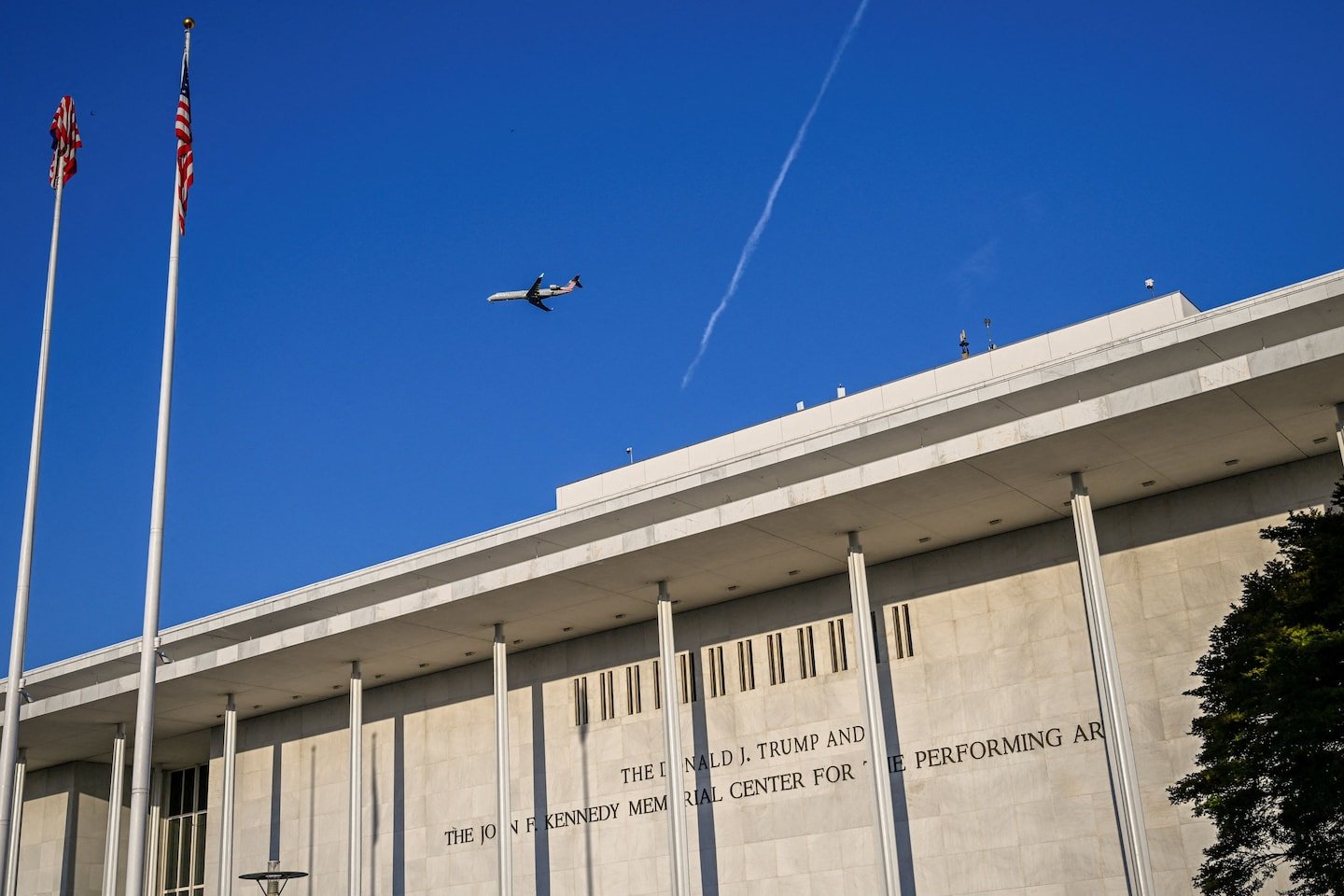
The opera filed a lawsuit Thursday alleging the Kennedy Center illegally took years’ worth of donor gifts, bequests and endowment funds. The two parties cut ties in January.
June 12, 2026 at 12:18 p.m. EDTToday at 12:18 p.m. EDT
The Washington National Opera on Thursday filed a lawsuit seeking to force the Kennedy Center to turn over $17 million in gifts and donations to the opera company.
The Kennedy Center has “wrongfully held” years’ worth of donor gifts, bequests and endowment funds that belong to the opera, according to the complaint filed in the U.S. Court of Federal Claims, five months after the two institutions ended a roughly 15-year affiliation.
Entertainment
All of ‘Moving Pictures’


Towards of the end of the third show of Rush‘s Fifty Something Tour, the band experienced something nearly unimaginable for one of the most technically proficient and perfectionist acts of the rock era — a full musical train wreck that stopped the overture to “2112” right in its progged-out tracks. But no one actually made an instrumental mistake. Instead, two minutes in, Geddy Lee‘s bass went dead, and he whipped it off his shoulder, heading backstage for a replacement that failed to immediately arrive.
It took his bandmates a while to notice, leading to a brief, fascinating guitar-and-drums-only rendition of the track from Alex Lifeson and new touring drummer Anika Nilles. Finally, Lifeson became aware of the silence of the Geddy and signalled Nilles to stop, which felt a bit like trying to halt a Terminator mid-kill. “We’re going to take a break,” he said, looking genuinely nonplussed. Within seconds, Lee had a new instrument, and the band started again, hitting even harder.
A few hiccups for Rush in their first tour in 52 years without the late Neil Peart would be understandable, but the band’s 70-something co-founders and their new touring drummer are apparently more indefatigable than their own equipment. Here’s a look at a few key moments from Thursday night’s show at Los Angeles’ Kia Forum:
After playing the entirety of the first side of 2112 the night before, Rush brought out all of their most beloved album, 1981’s Moving Pictures, in order, at the beginning of set two. Since they had already played all but one track from Moving Pictures over the first two shows, this meant only one tour debut, an extraordinary rendition of the most sprawling and underrated track on the album, “The Camera Eye.”
In a rare and welcome moment of rearrangement for the band, keyboardist Loren Gold added some lyrical piano to the beginning, before the pulsing synths arrived. Lee once described some of the band’s early work as “soundtracks for movies that don’t exist,” and this performance was a reminder of how well “The Camera Eye” fits into the category. The instrumental passages, with their almost Neu!-like feel, viscerally evoked a sense of movement. Nilles was astonishing on her first-ever live performance of the song, somehow mastering its serpentine intricacies on top of the other 40 or so epics she’s absorbed. Throughout the rest of the album, meanwhile, you could hear her making subtle refinements, including laying back deeper into the groove of “Tom Sawyer.”
Editor’s picks
Aimee Mann came back for a third performance of “Time Stand Still.” Mann only spent a couple days with the band back in 1987 when she sang on the studio version and popped up in the (very Eighties) music video, and then somehow never sang it with them again until this week. With each performance, she seems more and more excited to be onstage with the band, exchanging smiles with Lee and relishing her harmonies with him. The performance of one of Peart’s most personal songs is paired with video from throughout his life, and under the circumstances, hearing his lyrical plea to “freeze this moment a little bit stronger” is unbearably poignant every time.
The band debuted a killer “New World Man” for the first time since 2002. Eighties Rush is a beast of its own, with walls of synths and an evolving approach from Peart, who began to embrace polyrhythms and reggae à la his friend Stewart Copeland. If anything (not to be greedy), this tour could use even more of that sometimes unfairly derided era — “Force Ten” and “The Big Money” would be particularly welcome. But it was a kick to hear Nilles show off her ability to take on every step in Peart’s evolution, seamlessly taking on the track’s radically different feel, without feeling the need to match every hi-hat pattern.
Lee’s voice is holding up. After 11 years off the road, the frontman changed his vocal approach via coaching, somehow shaving decades of wear off his voice. But even Lee himself must have wondered if he could keep it going under actual touring conditions. So far, the answer is yes, and if anything, he’s getting stronger from night to night. On the evening’s second song, “Dreamline,” he went as far as to take the chorus up an octave, just for fun, an unmistakable sign of renewed vocal swagger.
Related Content
Lifeson is having fun. From the beginning of the run, Lee’s joy was palpable — he keeps literally jumping for joy, getting some serious air for a 72-year-old, which has got to be making the tour’s insurers slightly nervous. Other than his nightly stand-up routine at the mic (he’s claimed he got into a fight with Paul McCartney and talked about a clip of a dog and a goat on Instagram), Lifeson seemed a bit more reserved the first two nights, focusing on nailing his parts. But he loosened up on night three, moving more around the stage, mugging for the cameras with his old friend, and stepping out even harder on his solos.
Trending Stories
Rush Setlist: June 11, 2026
Set One:
“Xanadu”
“Dreamline”
“Subdivisions”
“Headlong Flight”
“Bravado”
“Red Sector A”
“La Villa Strangiato”
“Anthem”
“New World Man”
“The Spirit of Radio”
Set two:
“Tom Sawyer”
“Red Barchetta”
“YYZ”
“Limelight”
“The Camera Eye”
“Witch Hunt”
“Vital Signs”
“Time Stand Still”
“Closer to the Heart”
“2112 Part I: Overture”
“2112 Part II: The Temples of Syrinx”
“2112 Part VII: Grand Finale”
Entertainment
Blake Lively to Have Legal Fees Paid for by Justin Baldoni, Wayfarer

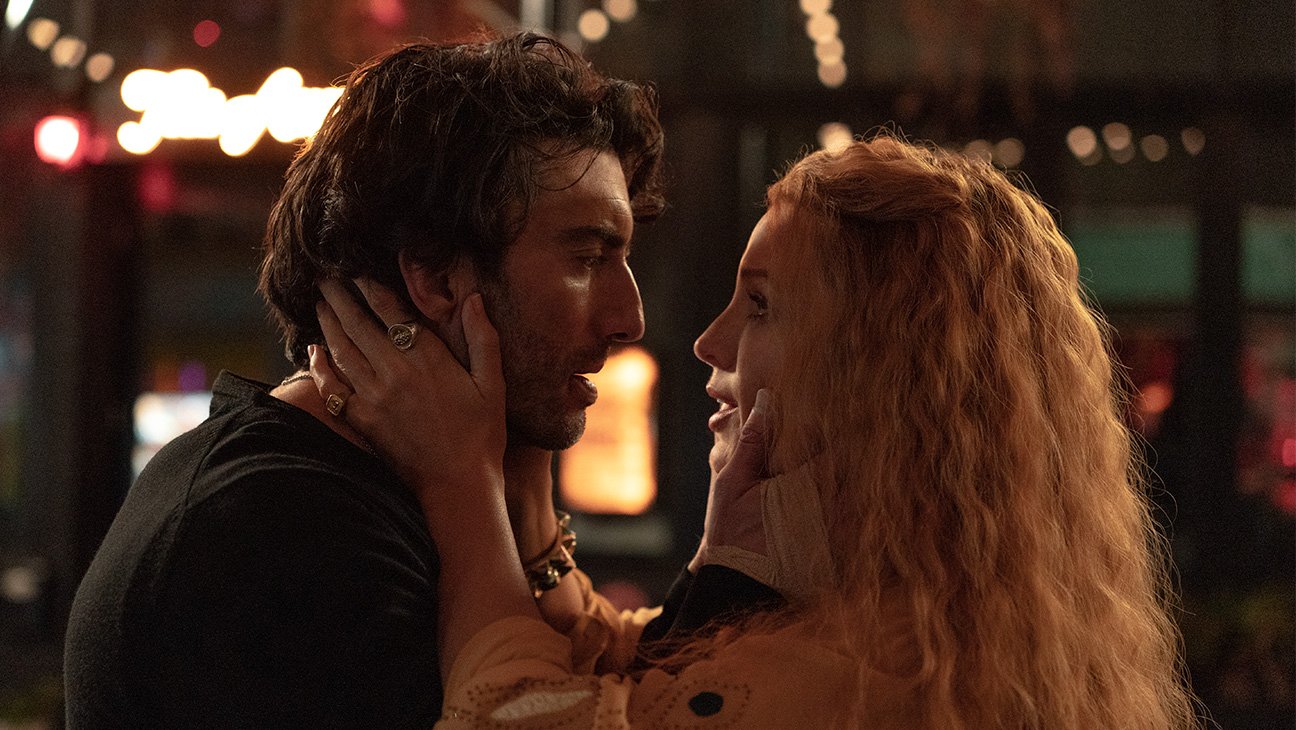
Blake Lively will have her legal fees paid by Justin Baldoni but isn’t entitled to damages for harm caused by his defamation claims, a court found Friday.
Under the settlement reached last month, Baldoni waived his right to appeal the court’s order last year dismissing his $400 million lawsuit against Lively. The deal didn’t include monetary compensation but left open the door for the actress to recover her legal costs and pursue damages under a California law intended to shield sexual harassment victims from retaliatory defamation claims.
That law, the court said, “does not create an end run around the entire set of carefully crafted federal procedural rules designed to protect the rights of the parties.”
“It instead establishes a narrow exception to the usual litigation process for a specific and limited kind of relief,” wrote U.S. District Judge Lewis Liman in the ruling. “Compensatory and punitive damages do not fall within that exception.”
The order decides the last legal issue in the case after Lively and Baldoni reached an 11th-hour settlement to avert a headline-splashing trial over alleged sexual harassment on the set of It Ends With Us. Now, the court will asses how much in legal fees she should be paid, with her lawyers submitting a breakdown of their hourly rates and how long they worked on the case.
The bill could be sky-high considering the pedigree of lawyers Lively had on her legal team, led by heavyweight litigators Michael Gottlieb and Esra Hudson. In less than two years of litigation, there were nearly 1500 entries on the docket as a result of extensive motions practice.
“Today’s ruling makes it clear that Ms. Lively brought her claims in good faith, that there was no evidence she acted with malice, and that she is the prevailing defendant” under the California law she asserted, they said in a statement.
The lawyers added that Lively is gratified to show how the statute creates “a path for survivors to hold accountable those who weaponize online attacks and retaliatory lawsuits to intimidate and silence survivors.”
Under that law, the actress moved for attorneys’ fees, plus treble and punitive damages, for harm caused by Baldoni’s defamation claims. The statute, which went into effect in 2024, is intended to shield sexual harassment and assault victims when they report misconduct as long as they had a reasonable basis for their claims.
While the court denied damages in this case, it left open the possibility for Lively to seek additional damages through another lawsuit or counterclaim against Baldoni or Wayfarer, which didn’t immediately respond to a request for comment.
Read Lively’s full statement below:
Entertainment
Opera Company Sues to Collect $17 Million From the Kennedy Center

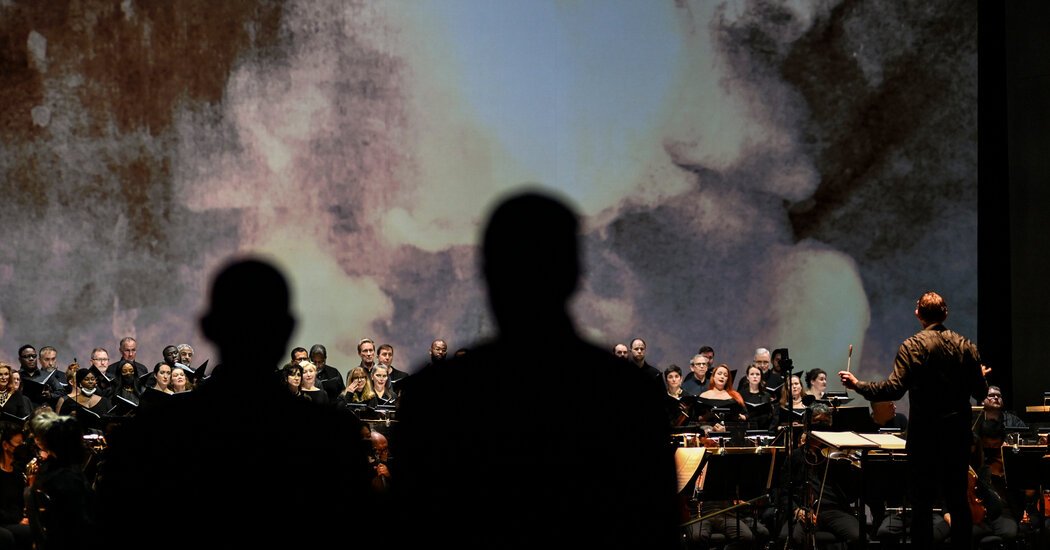
The Washington National Opera, which recently severed its longstanding relationship with the John F. Kennedy Center for the Performing Arts, has filed a lawsuit that demands more than $17 million from the center that the opera company estimates it is owed.
The suit, filed Thursday, says that since the opera company struck out on its own this year, Kennedy Center officials have refused to release the money, which the court papers say includes endowment funds, other donations and income that was collected for the company’s benefit.
“W.N.O. reluctantly files this case to preserve its future and to protect its donors and artists,” lawyers for the opera said in court papers, which identify the funds as donor gifts received over years that are “critical” to its operations.
In a statement responding to the lawsuit, Roma Daravi, a spokeswoman for the center, said that the relationship with the opera company “financially burdened” the center for more than a decade. The statement noted that taking into account the company’s endowment, an external accounting firm had calculated that the company had “accumulated a $72 million deficit to the center” between 2011 and 2026, the years it was an affiliate of the institution.
“The center has acted transparently and in the best interests of the public throughout this process,” Ms. Daravi said. “This lawsuit is meritless, and we plan to pursue a countersuit to defend the institution.”
The opera left the center in January, nearly a year after President Trump’s takeover of the Kennedy Center led to an exodus of audiences, artists and donors. Officials at the center said then that they had decided to part ways with the opera, which had played there since 1971, “due to a financially challenging relationship.”
Thank you for your patience while we verify access. If you are in Reader mode please exit and log into your Times account, or subscribe for all of The Times.
Thank you for your patience while we verify access.
Already a subscriber? Log in.
Want all of The Times? Subscribe.
Entertainment
Inside Taylor Swift’s wild New York night out after Knicks historic win

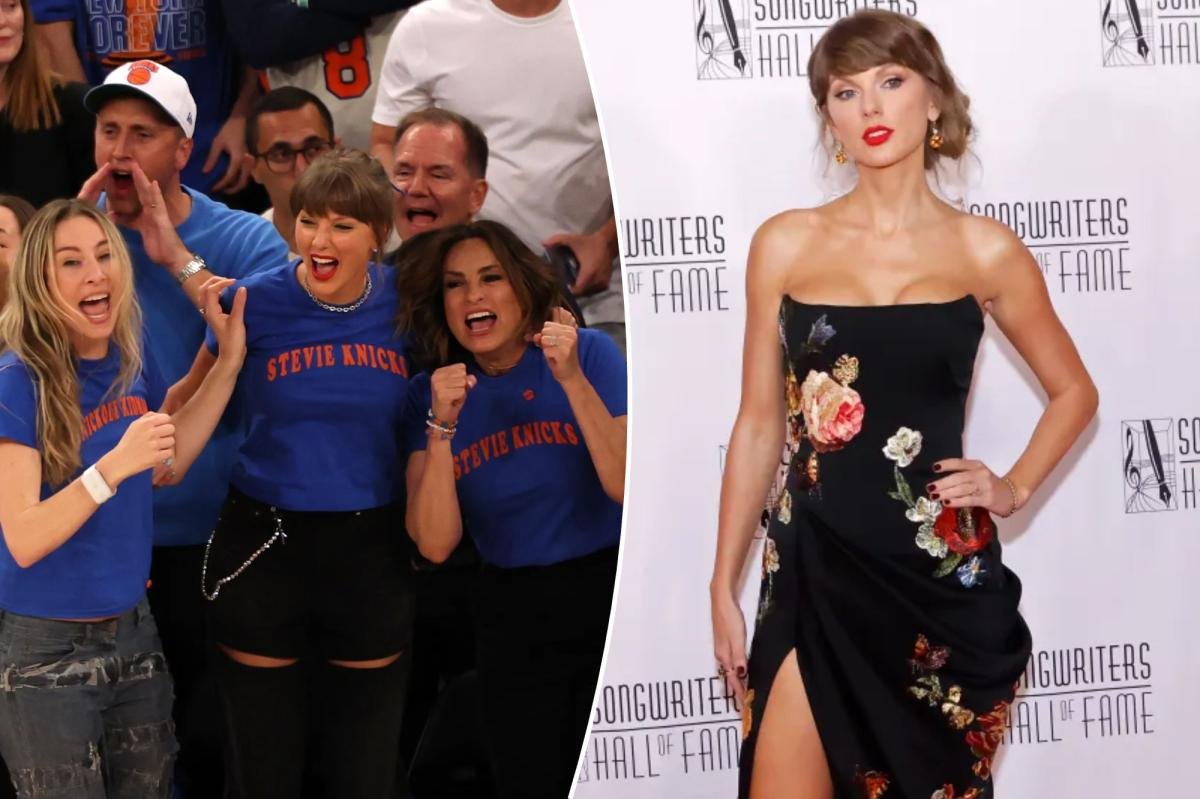
Taylor Swift took the stage at the Songwriters Hall of Fame on Thursday in NYC still hoarse from cheering on the Knicks at MSG the night before.
“The quality of my speaking voice is the product of two things that I am not sorry for… One is that I was lucky enough to go to a Knicks game last night,” the “Shake It Off” icon said croakily while explaining her raspy tone after accepting an award from presenter Steven Spielberg, whose latest film was about to open in a few hours.
“I screamed for 100% of it,” she said of the Knicks game. “And then I got home and was like, ‘I gotta stop screaming’… And then I got to witness the amazing performances I saw tonight. I just never stopped screaming, and so this is what you get.”
Swift did not mention that she’d also arrived at Zero Bond earlier that morning at about 1a.m. flanked by Este and Alana Haim in a T-shirt that read “Stevie Knicks.” The pop star trio were seen exiting at about 3a.m.
Performers at the Songwriters gala included the contempo crooner Sombr, who did a rendition of Swift’s 2020 classic, “Cardigan” and her ballad, “Dear John.” (Sombr had also been out at Zero Bond the night before.)
Spielberg said that after accepting the gig as Swift’s presenter for the show, he instantly fretted because, “What could I possibly say about Taylor Swift that has not already been said? Just thinking about how much true, false and just plain crazy stuff has been written about you boggles the mind!”
So the “A.I. Artificial Intelligence” filmmaker asked AI, ironically, if it could tell him how many words have been written about Swift, and also how many words Swift has written. Both queries apparently stumped the bot. “She is such a force that the depths of her achievements defy AI,” the “Disclosure Day” director said.
Also honored at the Songwriters Hall of Fame gala were Alanis Morissette, Kenny Loggins, Christopher “Tricky” Stewart, Kiss rockers Paul Stanley and Gene Simmons, Walter Afanasieff and Terry Britten and Graham Lyle.


Do not use my music, Ariana Grande tells White House. #ArianaGrande #WhiteHouse #BBCNews


The battle in rural America against AI data centres | BBC Americast
Will opposition to data centres remake the political landscape in America? These enormous buildings are being built to house the...


Why SpaceX IPO isn't about space. #SpaceX #ElonMusk #BBCNews


Download fans say what they love about the festival. #DownloadFestival #BBCNews


Washington National Opera sues to force Kennedy Center to turn over $17M in gifts
The opera filed a lawsuit Thursday alleging the Kennedy Center illegally took years’ worth of donor gifts, bequests and endowment...


The Keir Starmer Interview: The analysis | BBC Newscast
Today, Adam and Chris discuss Chris' interview with the Prime Minister, Sir Keir Starmer. The prime minister sat down for...


Trump (dis)approval ratings, Netanyahu (un)popularity & more | Enten roundup
CNN chief data analyst Harry Enten tackles a slew of President Trump's approval ratings, Israeli opinion on Netanyahu, and more.


US team should play like they're children in opening game, boss says


Amanda Peet: ‘There’s no algorithm for grief’
Both of actress Amanda Peet's parents were in hospice care when she learned she had breast cancer. Her father died...


Defence 'the number one priority' at spending review, says PM Starmer. #UK #KeirStarmer #BBCNews
-

 Politics2 days ago
Political News and Conservative Analysis About Congress, the President, and the Federal Government
-

 BBC News World4 days ago
Backrooms and Obsession: How two low-budget horror films caused a Hollywood earthquake
-
 BBC News World21 hours ago
Why the economics makes this the craziest world cup ever
-

 Politics24 hours ago
What to know about the stabbing that set off fiery riots in Northern Ireland
-

 LifestyleNews1 week ago
120 minutes of strength training per week may help extend lifespan
-

 Entertainment11 hours ago
Taylor Swift Seems to Brush Off Jimmy Jam at Songwriters Hall of Fame
-

 Food22 hours ago
A Nebraska immigration raid shut businesses down a year ago. The fallout is ongoing, officials say.
-

 UsaLocalNews2 weeks ago
Amex Platinum Users Can Save $200 on New Slimmer Oura Ring