

HealthNews
linked infection serves as ‘wake
On Wednesday, Berkeley city officials said a person died in May after contracting leptospirosis months after they issued a warning on the disease.


Months after Berkeley warned residents that rats carrying leptospirosis had been found near a homeless encampment in the city’s Harrison Street corridor, officials have confirmed the city’s first human cases in more than a decade, including one fatal infection.
In a public health update released Wednesday, Berkeley officials said a person died in May after contracting leptospirosis while living in a recreational vehicle that was “severely infested” with rats. Another person who lived with the deceased also became infected but survived after a lengthy hospitalization. The first person died shortly after being hospitalized. Officials said both delayed seeking medical care for weeks or possibly months after becoming ill.
City officials described the fatal case as an “extreme situation.” Vector control crews removed nearly 200 rats from the RV before it was ultimately towed away and destroyed. The vehicle was parked about a mile from the Harrison Street encampment that has been the focus of Berkeley’s ongoing leptospirosis response.
“The more rats you have, the more urine you might have, and you increase the chance of at least one of the rats having infection,” he told SFGATE. “If you just had one rat, it’s like playing rat roulette.”
In response to the death, Berkeley Public Health has issued new guidance urging medical providers to consider leptospirosis when treating patients who have been exposed to rats and develop compatible symptoms.
Chin-Hong said the recent case illustrates a paradox of leptospirosis: It can be life-threatening if missed but is generally treatable when identified early.
“Nobody should die of lepto,” Chin-Hong told SFGATE. “It is a bacteria. It is treatable by antibiotics that every hospital has.”
The challenge, he said, is that many clinicians rarely encounter the disease and patients often don’t seek care during its early stages.
“People misdiagnose it because it’s not something that’s very common in the Bay Area,” Chin-Hong said. “You kind of have to diagnose it or suspect it to treat it the right way.”
Leptospirosis is spread through contact with the urine of infected animals, particularly rats. The bacteria can enter the body through the eyes, nose, mouth or breaks in the skin. Symptoms often begin with fever, chills, headache, muscle aches, nausea and vomiting before potentially progressing to severe disease affecting the kidneys, liver, lungs and other organs.
According to Berkeley’s clinical guidance, the disease can appear anywhere from two to 30 days after exposure, with most cases developing within one to two weeks. While many infections are mild, about 10% can progress to severe illness that may cause organ failure.
The city’s update noted that the human cases occurred outside the geographic risk zones Berkeley established earlier this year around the Harrison Street corridor. Officials have since abandoned those zones and shifted to a broader strategy focused on living conditions that facilitate transmission, particularly environments with heavy rat infestations.
Although the death has raised alarm, Chin-Hong stressed that leptospirosis remains uncommon and that the overall risk to most residents remains low.
HealthNews
Mumbai doctor shares the symptoms people commonly ignore before receiving a hypertension diagnosis

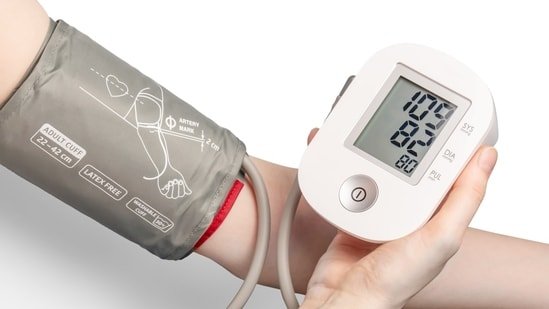
Today, high blood pressure (hypertension) is a common condition, but many people remain unaware that they may already be living with it. In an interview with HT Lifestyle, Dr Murtaza S Bagwala, head of emergency medical services at Saifee Hospital, Mumbai, shared symptoms that may signal high blood pressure.
Also read | Want to control blood pressure naturally? Heart surgeon shares the first steps you should know
Symptoms of hypertension
Dr Murtaza said, “One of the biggest reasons why people are not diagnosed early because the symptoms are not obvious in the early stages of the condition, and it develops slowly and quietly.” This means that people are more likely to ignore minor physical symptoms and proceed through their day without being aware that their blood pressure is already on the rise.
According to Dr Murtaza, most people would overlook minor health warning signs, thinking they are simply caused due to stress, fatigue, and lack of sleep. These symptoms may be attributed to a busy life and overlooked, such as frequent headaches, dizziness, getting tired easily, head heaviness, blurred vision, irritation, poor sleep, or getting short of breath when walking.
But in some people, these symptoms could be a sign of hypertension, or high blood pressure. It’s common to hear people say things like, “I’m just stressed,” “I didn’t get a good night’s sleep,” or “It’s due to work pressure.”
According to Dr Murtaza, these symptoms are mild and non-specific, leading many individuals to delay getting themselves checked. However, when their blood pressure is monitored, the levels are likely to be significantly high.
Hypertension is a silent killer
Hypertension is sometimes called a “silent killer” because, in the early stages, it can cause minute or no symptoms, even though it is a serious condition that can lead to damage to vital organs in the body.
Eventually, unchecked high blood pressure can damage the heart, brain, kidneys, and eyes, and it can lead to serious health problems. Often, people may have very high blood pressure without even knowing it, which is one of the major problems with hypertension. This is why routine testing is very important, even for those who think they’re healthy.
HealthNews
Vitamin A Overdose Cases Increased After RFK Jr. Promoted It For Measles


LOADINGERROR LOADING
Measles is a major problem throughout the United States. Outbreaks are causing high rates of sickness in communities across the country, where unvaccinated people are largely impacted; more than 90% of measles cases this year and last year in the U.S. have been in people who are not vaccinated.
In 2025, there was a large measles outbreak in West Texas where two children died, and recently there have been additional outbreaks in South Carolina, Utah and more. The country is currently at risk of losing its measles elimination status, which happens when there’s 12 consecutive months of continuous measles transmission.
Advertisement
As the U.S. (and neighboring countries Mexico and Canada) continues to see outbreaks, the disease remains a fear among medical professionals ― especially as the World Cup comes to the country this summer. And for a good reason: Research shows that people are growing more hesitant of the MMR vaccine, which protects against measles, due in large part to the vaccine hesitancy coming from the top.
Health and Human Services Secretary Robert F. Kennedy Jr. has a history of making anti-vaccine remarks and false claims that the MMR vaccine has not been safety tested (this is not true). During the height of the outbreak in Texas, Kennedy touted vitamin A and cod liver oil as treatments for measles, but did not mention the most important prevention tool: the MMR vaccine.
Kennedy’s vitamin A claim seems to have directly impacted people’s health. Research published in the Journal of American Medicine found that online searches of “vitamin A” and “measles” increased in 2025. Vitamin A searches increased by 44% on Feb. 26, 2025, and 100% on March 22, 2025.
Advertisement
At the same time, there was also an increase in vitamin A exposures, or overdoses, according to the American Poisons Center. Between Jan. 1 and March 31, 2025, there was a 38.7% increase of vitamin A exposures in children when compared to the same time frame in 2024. Kennedy was interviewed during this time period — on March 4, 2025 — on Fox News where he made the vitamin A measles treatment claim.
Much of the claims that Kennedy makes are rooted in a grain of truth, but are exaggerated, which then leads to confusion — and, in this case, outcomes of vitamin A toxicity.
“He never actually claims that vitamin A would prevent measles. He talked about vitamin A being a treatment for measles, and so on face value, that’s actually true,” said Dr. Elizabeth Soda, an infectious disease doctor and volunteer with the National Public Health Coalition. Vitamin A can be used to treat severe measles in hospital settings.
Advertisement
“But there’s all this missing context that he neglected to share, and that’s where it becomes an issue,” Soda said.
In this, Kennedy downplayed “the role that vaccination has at actually preventing people from getting measles,” Soda explained. “So, he sort of shifts the narrative away from something that we know is a very good way of preventing yourself from measles, and instead is focusing it on this vitamin A for treatment.”
If anything, the statistics and recent research show that Kennedy’s claims are powerful.
“It’s really important to emphasize that these kind of uninformed, evidence-free claims have a real-world impact, and there have been a number of studies now that have … demonstrated this impact,” said Timothy Caulfield, the co-founder of ScienceUpFirst, an organization that combats misinformation, and author of “The Certainty Illusion.”
Advertisement
“This information can kill people, and it creates trends that can be very difficult to reverse once the belief or even the doubt sets in. It can be very, very difficult to reverse,” Caulfield added.
Health misinformation affects everyone, whether you believe it or not.
Health misinformation has already impacted health outcomes of this country and will continue to do so, according to Soda.
Advertisement
“Without a doubt, it is affecting the way individuals are thinking about health right now, 100%,” Soda noted. An example? Childhood vaccination rates are declining throughout the country.
“I think it’s important to recognize that these forces that are pushing misinformation, it has an impact on all of us,” Caulfield said. “We shouldn’t be finger pointing. We should really view this as a systemic problem that is impacting our entire community.”
Even if you don’t necessarily believe Kennedy’s rhetoric or anti-vaccine messaging on social media, you are still tangentially affected. Public health only works if everyone who is able opts in, which is evident with these measles outbreaks.
Advertisement
Communities that have low vaccination rates go on to have a measles spread, which puts babies who are too young to get the vaccine at risk, along with other immunocompromised groups, such as people receiving chemotherapy and those with advanced HIV. And, like all viruses, measles can travel as infected people get on planes or trains.
This invasive, anti-science rhetoric isn’t expected to just stop anytime soon, and even if it magically did, the distrust in these systems is already established.
“It’s amazing how it’s so hard to build up — think about all the time, effort, people, years that went into building up some of these public health systems for them to be decimated in months,” Soda said.
Advertisement
“I do think we’re going to continue to see the misinformation have a profound impact,” Caulfield noted, before adding that new technology could make it even worse.
Messaging, whether it’s true or not, moves fast on social media, Soda explained. Research shows that 36% of people get health information from social media.
“Layer on top of that now the ability to make AI content that can be incredibly persuasive,” he said. “This is going to be a generational issue.”
HealthNews
A Major Update Just Hit Cholesterol Guidelines – Here’s What Every Adult Needs To Know

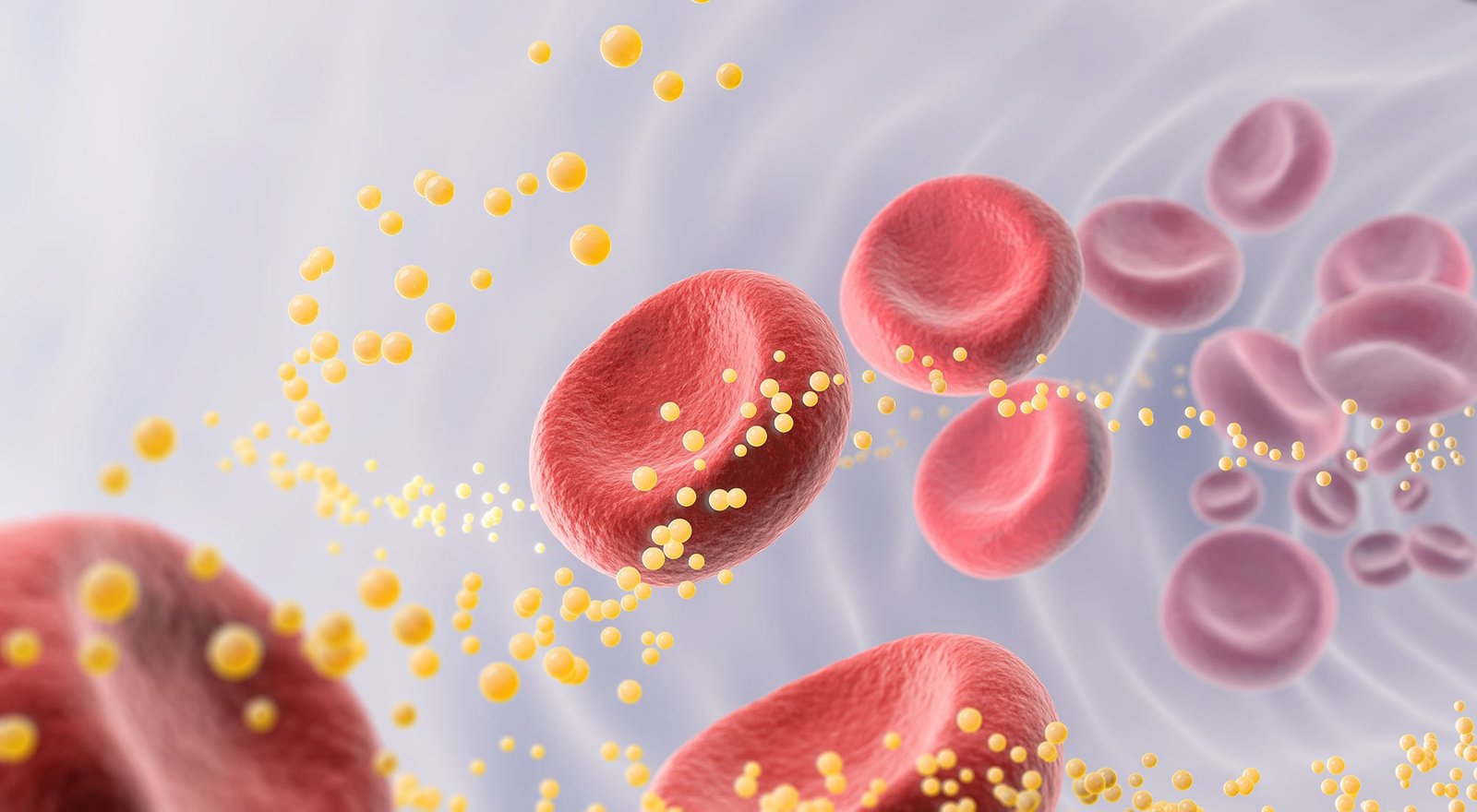
New ACC/AHA cholesterol guidelines promote earlier detection, personalized risk assessment, and more aggressive LDL cholesterol lowering to reduce long-term cardiovascular disease risk.
For decades, cholesterol management has been a cornerstone of heart disease prevention. Yet despite widespread awareness, cardiovascular disease remains the leading cause of death worldwide, and millions of adults continue to have cholesterol levels that put them at increased risk.
In response to evolving evidence, the American College of Cardiology and the American Heart Association have released updated clinical guidelines that place greater emphasis on earlier detection, more personalized risk assessment, and targeted treatment strategies.
Published jointly in the Journal of the American College of Cardiology and Circulation, the recommendations focus on lowering elevated levels of low-density lipoprotein (LDL) cholesterol, commonly known as “bad” cholesterol, as well as other blood lipids, including lipoprotein(a) (Lp(a)), a genetically influenced risk factor for heart disease.
The guideline also calls for earlier cholesterol screening, particularly for people with a family history of cardiovascular disease, and encourages clinicians to incorporate a broader range of health factors when evaluating a patient’s long-term risk and determining treatment options.
“We know that lower LDL cholesterol levels are better when it comes to reducing the risk of heart attacks, strokes and congestive heart failure,” says Roger S. Blumenthal, M.D., chair of the guideline writing committee and director of the Johns Hopkins Ciccarone Center for the Prevention of Cardiovascular Disease. “We also know that bringing elevated lipids and blood pressure down in young adults supports optimal heart and vascular health throughout a person’s life.”
Rising LDL Cholesterol Risks and Lifestyle Foundations
Studies show that about one in four U.S. adults has elevated LDL cholesterol (LDL-C), a major contributor to atherosclerosis (the narrowing or hardening of the arteries). Excess lipids can accumulate in artery walls and form plaque. As plaque builds, it can restrict blood flow. Factors such as aging and other cardiovascular risks can also increase the likelihood of plaque rupture, potentially leading to a heart attack, stroke, or emergency procedures to restore circulation.
Blumenthal notes that the core principles of heart-healthy living remain unchanged. These include following a healthy diet, exercising regularly, avoiding tobacco, getting adequate sleep, and maintaining a healthy weight. He points out that an estimated 80% to 90% of cardiovascular disease is linked, at least in part, to modifiable risk factors, making lifestyle changes the foundation of prevention.
One notable update is the recommendation to begin screening earlier and to place greater emphasis on factors such as family history of atherosclerosis, conditions like rheumatoid arthritis, and lifetime risk factors, including early menopause, preeclampsia, and gestational diabetes, when evaluating cardiovascular risk and treatment options.
For instance, people with familial hypercholesterolemia, an inherited condition that causes extremely high LDL-C levels, are now advised to begin screening in childhood, around age 9 or even earlier. The guideline also recommends a one-time Lp(a) test. Elevated Lp(a), which is often genetically determined, is associated with roughly a 40% higher risk of heart disease at levels of 125 nanomoles per liter and about double the risk at 250 nanomoles per liter.
PREVENT Risk Calculator Improves Personalized Assessment
Another major change is the adoption of a new tool for estimating both 10-year and 30-year risks of heart attack and stroke. The previous pooled cohort equation was designed to estimate 10-year cardiovascular risk in adults age 40 and older using factors such as age, cholesterol levels, and blood pressure.
The new calculator, known as Predicting Risk of Cardiovascular Disease EVENTs (PREVENT), incorporates additional measures, including blood sugar and kidney health indicators. It is recommended for use beginning at age 30. PREVENT was developed using data from 6.6 million people, compared with approximately 26,000 individuals used for the earlier calculator.
“Shifting the paradigm toward proactive prevention strategies earlier in life can meaningfully change the trajectory of cardiovascular disease and lead to better health outcomes for people decades later,” says Seth Martin, M.D., M.H.S., a cardiologist, member of the guideline writing committee and director of the Advanced Lipid Disorders Program and Digital Health Lab at the Johns Hopkins Ciccarone Center for the Prevention of Cardiovascular Disease.
To further personalize risk evaluation, the guideline offers recommendations for considering atherosclerosis “risk enhancers.”
Risk Enhancers and Coronary Calcium Screening
For people with borderline or intermediate risk, clinicians may use additional tests to guide treatment decisions. These can include measuring high-sensitivity C-reactive protein (hsCRP), a marker of inflammation in the bloodstream. Elevated Lp(a), a family history of early cardiovascular disease, and higher-risk ancestry may also influence risk assessments.
The guideline also expands recommendations for coronary artery calcium scans, which can identify calcium deposits within artery plaque and help tailor treatment plans.
Additional guidance is provided for pregnant or lactating women, adults age 75 and older, and people with conditions such as diabetes, advanced chronic kidney disease, HIV infection, or cancer.
The document includes updated recommendations on statin use as well as other cholesterol-lowering therapies, including ezetimibe, bempedoic acid, and injectable PCSK9 monoclonal antibodies. These treatments may be appropriate for people who do not achieve sufficient LDL-C reductions with statins alone or who require combination therapy.
Lower LDL Targets and Expanded Treatment Options
For individuals without cardiovascular disease, optimal LDL-C levels remain below 100 mg/dL. The guideline recommends lowering LDL-C to below 70 mg/dL for those at intermediate risk and below 55 mg/dL for people at higher risk. It also includes targets and recommendations for non-HDL-C and apolipoprotein B, a protein attached to cholesterol particles.
In an accompanying editorial, Blumenthal and the vice-chair of the 2026 ACC/AHA/Multisociety Dyslipidemia Guideline suggested that future recommendations may advise people with at least moderate atherosclerosis to target LDL-C levels below 55 mg/dL as well.
The 2026 guideline was finalized before the publication of the VESALIUS-CV clinical trial results in the New England Journal of Medicine. That study reported benefits from achieving these LDL-C targets through combinations of cholesterol-lowering therapies.
References:
“The ABCs of cardiovascular disease prevention: communicating what we know in 2026” by Lea R. Goren, Allison W. Peng, Alexander C. Razavi, Michael J. Blaha, Roger S. Blumenthal and Aaron L. Troy, 20 March 2026, American Journal of Preventive Cardiology.
DOI: 10.1016/j.ajpc.2026.101570
“2026 ACC/AHA/AACVPR/ABC/ACPM/ADA/AGS/APhA/ASPC/NLA/PCNA Guideline on the Management of Dyslipidemia: A Report of the American College of Cardiology/American Heart Association Joint Committee on Clinical Practice Guidelines” by Roger S. Blumenthal, FACC, FAHA, FASPC, FNLA, Pamela B. Morris, FACC, FAHA, FASPC, FNLA, Mario Gaudino, FAHA, FACC, Heather M. Johnson, MS, FAHA, FACC, FASPC, Timothy S. Anderson, Vera A. Bittner, MSPH, FACC, FAHA, MNLA, MAACVPR, Ron Blankstein, FACC, LaPrincess C. Brewer, FACC, FAHA, Leslie Cho, FACC, Sarah D. de Ferranti, FAHA, Eugenia Gianos, FACC, FAHA, FNLA, Ty J. Gluckman, MHA, FACC, FAHA, FASPC, Kristen F. Gradney, MHA, RDN, LDN, Ijeoma Isiadinso, FACC, Donald M. Lloyd-Jones, ScM, FACC, FAHA, FASPC, Joel C. Marrs, PharmD, FAHA, FNLA, Seth S. Martin, MHS, FACC, FAHA, FASPC, Kellie H. McLain, ANP-BC, CLS, FNLA, AACC, Laxmi S. Mehta, FACC, FAHA, FNLA, Samia Mora, MHS, FACC, FAHA, Wudeneh M. Mulugeta, MS, FACP, FACPM, Pradeep Natarajan, MMSCFACC, FAHA, Ann Marie Navar, FAHA, FACC, FASPC, Carl E. Orringer, FACC, MNLA, Tamar S. Polonsky, MSCI, Harmony R. Reynolds, FACC, FAHA, Joseph J. Saseen, PharmD, MNLA, FACC, FAHA, Michael D. Shapiro, DO, FACC, FAHA, FASPC, FNLA, Daniel E. Soffer, MNLA, FACP, Sheila A. Tynes, MHA, PMP, Chloé D. Villavaso, MN, APRN, ACNS-BC, FPCNA, AACC, Salim S. Virani, FACC, FASPC and John T. Wilkins, MSc, FAHA, 13 March 2026, Journal of the American College of Cardiology.
DOI: 10.1016/j.jacc.2025.11.016
HealthNews
Men encouraged to stay on top of screenings, preventive care


SALT LAKE CITY — Chris Sullivan said while training for a race, he suffered what he thought was just an injury.
“I stumbled and heard a pop in my hip — I knew something wasn’t quite right,” he said. “Men tend to be creatures of, ‘Just do it anyway.’ And so I ran the race anyway.”
The Eagle Mountain resident is known in his community for running with a sign that reads, “I believe in you,” encouraging others along the way.
But after seeing a physical therapist and orthopedic specialist, scans revealed something unexpected: cancer.
“They detected a tumor attached to my appendix,” Sullivan said.
Fortunately, doctors caught it early enough for him to undergo treatment. He’s now doing better and is in remission.
June is Men’s Health Month, which aims to raise awareness about preventive care and common health screenings for men.
“Men sometimes tend to neglect their health,” said Dr. Franz Monroy, a family medicine physician with Intermountain Health. “Having good care to help you be able to live the life that you want in the future is important.”
Monroy recommends men establish care with a physician, stay current on screenings, and pay attention to changes in their physical and mental health. Screenings and routine testing for conditions like diabetes, high blood pressure, high cholesterol, colon cancer and skin cancer can help catch problems early, when they’re often most treatable.
Monroy added that men in their 20s who think they are healthy can also benefit by establishing care with a primary care provider and having a routine physical.
“Think of this as an investment in your future, in your health,” Monroy said.
Sullivan said his experience changed how he approaches his health.
“If you catch it early, you can really prevent a lot of problems,” he said. “Men, keep going — just be proactive with your visits because had I not done that, I wouldn’t be here today.”
Other recommendations for men
Doctors say men should stay up to date on routine screenings, including blood pressure, cholesterol, blood sugar, skin cancer and sexually transmitted infection testing. Men are also encouraged to perform monthly self-exams for signs of testicular cancer.
Colon cancer screenings are now recommended beginning at age 45, while prostate cancer screenings typically begin around age 50, depending on family history.
Doctors also recommend maintaining regular exercise habits, eating a healthy diet and staying current on vaccines for influenza, hepatitis, pneumonia and shingles.
HealthNews
Rare ‘stealth infection’ found at Bay Area prison
Hantavirus, a “stealth infection,” made recent headlines after an outbreak on a cruise ship.


Officials at San Quentin Rehabilitation Center confirmed they are investigating a potential case of hantavirus after an individual exhibited symptoms associated with the deadly respiratory disease.
Tests are being sent to the California Department of Public Health and the U.S. Centers for Disease Control and Prevention to confirm whether the person is infected with the rare virus.
Advertisement
Article continues below this ad
Neither the condition of the individual nor their identity has been released yet. The facility where they are housed at the Bay Area prison has been decontaminated, according to the California Department of Corrections and Rehabilitation.
“The health and safety of the incarcerated population and staff remain CDCR’s top priority,” department spokesperson Kyle Buis said in a statement to SFGATE.
Hantavirus is a rare and extremely dangerous virus that can cause a disease with a fatality rate of around 35% in the U.S., according to the U.S. Centers for Disease Control and Prevention.
Dr. William Schaffner, an infectious disease expert at Vanderbilt University Medical Center, called hantavirus a “stealth infection” because early symptoms are often generic flu-like symptoms, including fever, sore throat and body aches.
Advertisement
Article continues below this ad
“People think it’s just a common viral infection,” Schaffner told SFGATE. “… They think they’re going to get better in a day or so, and then this goes on for maybe two, three days, and then they can crash.”
Advanced symptoms of disease can include fluid-filled lungs and a drop in platelets, leading to bleeding.
There’s no vaccine and no cure other than supportive care.
In the U.S., hantavirus is transmitted via rodents like mice and rats that harbor the bacteria and can spread it via their feces and urine. Schaffner explained people can get sick if they breathe in aerosolized material from the rodents. Often, he said, people are sickened after finding the animals nesting in a home shed or garage.
Advertisement
Article continues below this ad
“They’re actually cleaning it up, and that’s when the exposure often occurs,” Schaffner explained.
Recently, an outbreak of the Andes strain of the virus aboard a cruise ship in the Atlantic Ocean made international headlines after eight people were infected and three died. That rare strain is the only known hantavirus to spread person to person, but it is not native to the U.S.
In the U.S., the disease is most common in Western states, with Arizona, Colorado and New Mexico reporting the highest number of cases. Mammoth Lakes, a mountain town in California’s Eastern Sierra, saw an unprecedented hantavirus outbreak in 2025 that killed three people.
Dr. Monica Gandhi, an infectious disease expert at UC San Francisco, said that the cruise ship outbreak is unlikely to be involved in this potential case since all passengers returned to the U.S. were monitored for 42 days to ensure they did not develop the disease.
Advertisement
Article continues below this ad
The Bay Area’s best free newsletter.
Stay informed, and entertained.
Email
Your website
By signing up, you agree to our Terms Of Use and acknowledge that your information will be used as described in our Privacy Policy.
If confirmed, Gandhi said, a hantavirus case at San Quentin would be unusual, since the disease is more common in desert, arid-like climates. She said physicians may consider testing for hantavirus if a seemingly healthy person develops unusual and severe symptoms such as fluid-filled lungs and unusual bleeding coupled with an exposure to rodents.
“We always have to think about different viruses,” she said.
Editor’s note: This story was updated at 3:50 p.m., June 11, to correct information about the fatality rate associated with hantavirus.
Advertisement
Article continues below this ad




Download fans say what they love about the festival. #DownloadFestival #BBCNews


The Keir Starmer Interview: The analysis | BBC Newscast
Today, Adam and Chris discuss Chris' interview with the Prime Minister, Sir Keir Starmer. The prime minister sat down for...


Trump (dis)approval ratings, Netanyahu (un)popularity & more | Enten roundup
CNN chief data analyst Harry Enten tackles a slew of President Trump's approval ratings, Israeli opinion on Netanyahu, and more.


US team should play like they're children in opening game, boss says


Amanda Peet: ‘There’s no algorithm for grief’
Both of actress Amanda Peet's parents were in hospice care when she learned she had breast cancer. Her father died...


Defence 'the number one priority' at spending review, says PM Starmer. #UK #KeirStarmer #BBCNews


Police officer shot during ‘horseplay’
A police officer in Pasadena, California, was shot after engaging in "horseplay" involving his firearm, according to Pasadena …


Trump claims deal to end Iran war near, but Tehran says 'nothing' finalised | BBC News
Iran has insisted that a final decision on an agreement to end the current conflict with the US has not...


Blake Lively to Have Legal Fees Paid for by Justin Baldoni, Wayfarer
Blake Lively will have her legal fees paid by Justin Baldoni but isn’t entitled to damages for harm caused by...


Elon Musk becomes the world’s first trillionaire with SpaceX’s IPO
Elon Musk has become the first person to cross the trillionaire threshold, at least on paper, after SpaceX priced its...
-

 Politics2 days ago
Political News and Conservative Analysis About Congress, the President, and the Federal Government
-

 BBC News World4 days ago
Backrooms and Obsession: How two low-budget horror films caused a Hollywood earthquake
-

 BBC News World19 hours ago
Why the economics makes this the craziest world cup ever
-

 LifestyleNews1 week ago
120 minutes of strength training per week may help extend lifespan
-

 Politics22 hours ago
What to know about the stabbing that set off fiery riots in Northern Ireland
-

 Entertainment9 hours ago
Taylor Swift Seems to Brush Off Jimmy Jam at Songwriters Hall of Fame
-

 Food21 hours ago
A Nebraska immigration raid shut businesses down a year ago. The fallout is ongoing, officials say.
-

 Video2 days ago
Marcello Hernández says he got in trouble in school for talking too much