
Tech
Meta is reportedly reassigning 7,000 employees to AI-focused roles – Engadget
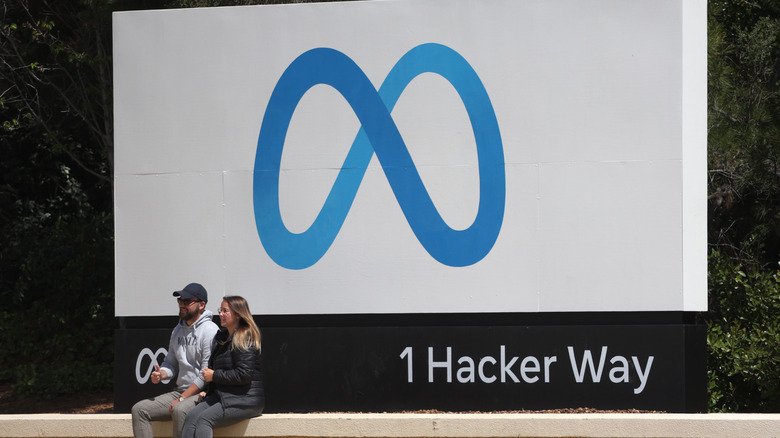
The company is also expected to lay off 8,000 workers this week.
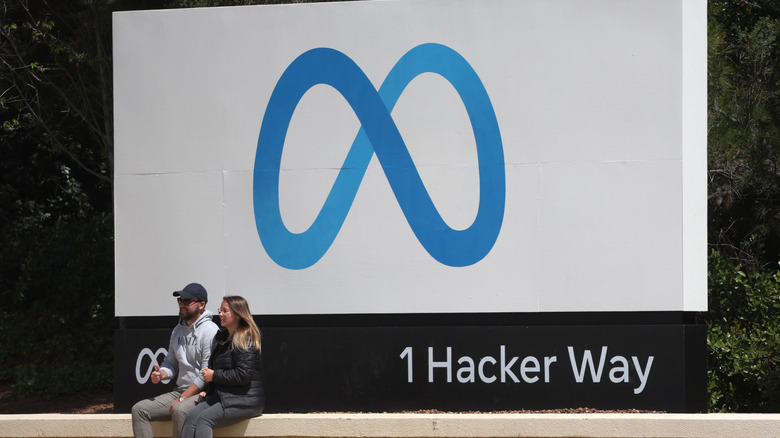
Meta is not only laying off thousands of workers onWednesday due to artificial intelligence, it’s also moving thousands to new roles within the company. According to Reuters and The New York Times, Meta HR headJanelle Gale has notified employees that 7,000 of them will be moved to four new organizations focused on building new AI tools and apps. Gale reportedly wrote in the internal memo seen by the publications that the restructuring “willmake [the company] more productive and make the work more rewarding.”
The new organizations will use”AI native design structures” and will not have as many layers of management per employee, Gale reportedly wrote. She told employees to work from home on Wednesday, May 20, and to wait for Meta’s email about their possible new roles, though some of the workers had already been transferred. The company will also be sending out notifications to some of the people that will be laid off that day.
If you’ll recall, Meta told employees in late April that it’s cutting 8,000 jobs and will also be closing 6,000 open jobs. Gale reportedly told them in a memo at the time that it was “part of [Meta’s] continued effort to run the company more efficiently” and will allow it to offset its other investments. While she didn’t elaborate, Gale was most likely talking about Meta’s bets on artificial intelligence. Companies across the tech industry have been actively laying off workers for a while now to put more of their money into their AI endeavors.
Meta is betting big on AI after winding down its plans for the metaverse, which didn’t quite take the world by storm as it had hoped. It’s planning to build data centers with”tens of gigawatts” within this decade. It created a “superintelligence” team of AI experts, with company chief Mark Zuckerberg even hand-picking potential recruits and inviting them to his home. It’s building AI agents and putting its AI chatbot in several of its products. The Times says Zuckerberg told investors the company is planning to spend between$115 billion to $135 billion this year, mostly on AI development.
By the end of 2025, Meta had around 78,000 employees. The layoffs affecting 8,000 workers will, thus, eliminate nearly 10 percent of the current roles within the company. Reuters says Meta will even cut more jobs later this year. Workers affected by the layoffs will get16 weeks of severance pay, with an additionaltwo extra weeks for every year they’d been with the company.
Tech
LGs UltraGear is a native 1,000Hz Full HD gaming monitor – Engadget
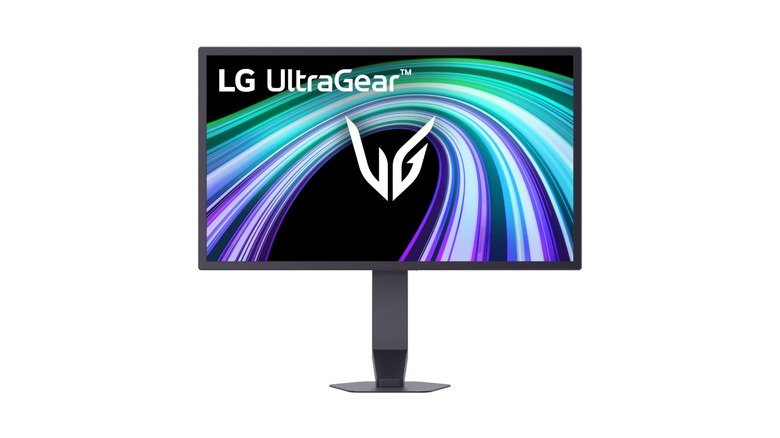
The company has yet to reveal its price and availability.
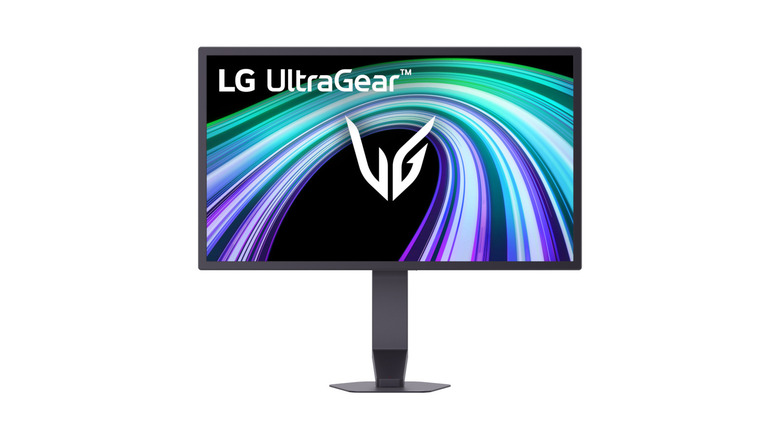
LG has introduced what it claims is the world’s first FullHD (1,920 x 1,080) gaming monitor with a native 1,000Hz refresh rate. The company designed the new LG UltraGear with fast-paced first-person shooters in mind, where accurate aiming and speedy reaction times are of utmost importance. It’s most likely overkill for most people, even gamers who play just for the pleasure of it. For competitive players who value high refresh rates in monitors the most, however, the UltraGear seems to be a good model to consider.
Samsung and Acer had launched 1,000Hz models over the past months, but they’re dual-mode monitors that require players to lower their resolution in order to enjoy the highest refresh rate they’re capable of. Players can only activate their 1,000Hz refresh rate capability if they switch to 720p in resolution. In Acer’s case, its monitor switches to 500Hz if it’s at 1440p. LG says the UltraGear can achieve native 1,000Hz at FullHD resolution, which means its screen updates 1,000 times per second.
The higher the refresh rate, the less a screen lags. Monitors with high refresh rates can show moving objects to the users more clearly with less motion blurring and stuttering. Further, it reduces the delay between physical mouse movements or keyboard clicks and the action on screen. Most monitors these days top out at 240Hz, and that’s perfectly fine for most users, even gamers who play FPS titles. Since 1,000Hz monitors are rare, we can’t quite say if they deliver a noticeably better experience that would make them a must-have. Again, LG’s potential customers for this model are mostly highly competitive gamers and actual esports players.
The UltraGear has a 24.5-inchdisplay with an IPS panel and low-reflection film. It has a small base so it doesn’t take up a lot of space and allows users to adjust its tilt and height for the perfect view. It also has an integrated hook for headset storage. Like a lot of devices released these days, UltraGear comes with AI capabilities. It has on-device AI Scene Optimization that adjusts picture settings according to genre, as well as AI Sound for spatial audio. Unfortunately, LG has yet to reveal the model’s pricing and availability.
Tech
Think You Know Apple? Prove It in CNET's Big Guessing Game: Apple Edition
Tech
Best iPhone in 2026: Here's Which Apple Phone You Should Buy
We’ve tested and reviewed the powerful iPhone 17 Pro and 17 Pro Max, the thin and light iPhone Air, the solid iPhone 17 and the newer iPhone 17E to determine our best picks. After extensive testing, we think the iPhone 17 is the best choice for most people. The features it offers for its price and its battery life make it a standout. Recently, We tested the charging abilities of 33 phones, and the iPhone 17 Pro earned a CNET Lab Award for fastest wireless charging.
With the iPhone 17, Apple has significantly narrowed the chasm separating its baseline model from its Pro counterparts. The $829 iPhone 17 (or $799 if you activate with a carrier) shares many of the same camera features with the iPhone 17 Pro and Pro Max, like Dual Capture and Center Stage. It also finally gets a display with a 1-120Hz variable refresh rate, so you can enjoy smoother scrolling and enable the always-on display and see your notifications at a glance. And support for iOS 26 across the full iPhone 17 lineup means you can access Apple’s most talked-about new software features like live translation, call screening and the Liquid Glass redesign. All that without spending upward of $1,100 for a Pro model, albeit with slightly scaled-back battery life and cameras.
Jump to details
Pros
- Upgraded 1-120Hz display
- New camera features
- Longer battery life
- Faster charging
Cons
- Minimal design updates to last year
- Apple Intelligence can still feel like a work in progress
From the first moment I picked up the new $1,199 iPhone 17 Pro Max and $1,099 17 Pro, I was beguiled by their bold, bright redesign. It’s a complete turnaround from the years of Apple’s subdued titanium motif. The square camera bump of previous Pro models is now a body-wide bar that Apple calls the “camera plateau.” The 17 Pro and Pro Max now come in actual colors — you won’t find one in black or space gray. This phone, especially in cosmic orange, wants you to look at it.
Jump to details
Pros
- The 17 Pro Max’s incredible battery life
- The brighter screen looks fantastic
- Center Stage camera with the ability to take landscape selfies vertically is sweet
Cons
- Wished Dual Capture had a 50/50 split
- Live Translation’s Siri voice can overlap with speakers
- iPhone 17 Pro battery life is on par with the iPhone 16 Pro
- Expensive
The iPhone Air is the ultimate refresh, if you’re looking for something that looks and feels drastically different from most other devices on the market. It’s strikingly lightweight and slim, measuring just 5.6mm thick and clocking in at 165 grams. If you’re worried about durability, design elements like the titanium frame, Ceramic Shield 2 front and Ceramic Shield backing keep it from bending out of shape in your pocket. A generous 6.5-inch display makes it comfortable to hold and enjoyable to watch videos or play games on.
Jump to details
Pros
- Slick, lightweight design
- Surprisingly good battery life (sometimes)
- Impressively durable
- iOS 26 looks great
Cons
- Single rear camera
- Scaled-back speaker
- Only charges up to 20 watts
- High $999 price tag
Apple’s $599 iPhone 17E packs just enough new features to justify an iOS upgrade for anyone holding onto an iPhone SE or an iPhone 11. While many elements of this iPhone are similar to the iPhone 14, the phone’s inclusion of the new A19 processor, MagSafe for wireless charging and accessories and Ceramic Shield 2 are all notable improvements.
Jump to details
Pros
- Premium feel
- Solid camera
- MagSafe compatibility
- Higher 256GB base storage
- A19 chip
- Fun pink color option
Cons
- No Dynamic Island
- Thick bezels
- No ultrawide camera or Cinematic video
- Only 60Hz refresh rate means no always-on display
When we tested the iPhone 16 and 16 Plus, we were definitely impressed by the photography features, the convenient Action button and the elegant build. And while we think the iPhone 17 is quite the deal, you can still snag the iPhone 16 for $100 less. We consider the iPhone 16 and 16 Plus to be top-notch choices for Apple fans. Parts of the iPhone 16’s key feature, Apple Intelligence, are now out, and the fact that these phones will support it means they’ll likely feel future-proofed for years to come. Aside from screen size (6.1 inches on the regular, 6.7 inches on the Plus), battery size and price, the iPhone 16 and 16 Plus are identical in every way.
Jump to details
Pros
- Camera Control is useful for switching camera settings
- Photographic Styles makes photos pop
- Ultrawide camera is better in low light
Cons
- Apple Intelligence isn’t out yet
- No always on display
- No changes to wired charging speeds
- No upgrades to the Action button
MOBILE DEALS OF THE WEEK
Deals are selected by the CNET Group commerce team, and may be unrelated to this article.
What’s the best iPhone right now?
The best iPhone for most people is the iPhone 17. It shares many features with Apple’s pricier 17 Pro models, but at a lower $829 starting price (or $799 if you activate through a carrier). It supports the newest camera capabilities like Dual Capture and Center Stage, and at long last, it has a 1-120Hz variable refresh rate for smoother scrolling and support for the always-on display.
While it’s true that the iPhone 17 shares a striking resemblance to last year’s iPhone 16, there are some key updates that help it stand out. Apart from the upgraded refresh rate, the iPhone 17 also boasts a peak brightness of 3,000 nits, along with an anti-reflective display that makes it easier to see the screen outdoors.
The ultrawide camera goes from 12 megapixels on the iPhone 16 to 48 megapixels on the iPhone 17, and Apple says the iPhone 17 has up to 8 hours more of video playback. Indeed, in CNET’s 3-hour streaming test, the iPhone 17’s battery dropped from 100% to 89%, while the iPhone 16 hit 86%.
A Ceramic Shield 2 display offers three times better scratch resistance, according to Apple, so if you’re susceptible to etching into your screen, it has a little more protection now. The iPhone 17 starts with a higher 256GB storage option, as opposed to the 128GB starting point on the iPhone 16, meaning you get more space for photos and apps.
Unlike previous iPhone generations, the iPhone 17 and 17 Pro models share almost all the same hardware features, apart from the telephoto lens and bigger battery on the latter. While Apple tends to introduce features like the Dynamic Island and Action button on Pro models first, the two ends of the iPhone spectrum now pack all those same hardware functions.
The iPhone 17 also features all the new iOS 26 capabilities, such as Live Translation, Call Screening and the new Liquid Glass interface.
Best iPhones of 2026
Pros
- Upgraded 1-120Hz display
- New camera features
- Longer battery life
- Faster charging
Cons
- Minimal design updates to last year
- Apple Intelligence can still feel like a work in progress
With the iPhone 17, Apple has significantly narrowed the chasm separating its baseline model from its Pro counterparts. The $829 iPhone 17 (or $799 if you activate with a carrier) shares many of the same camera features with the iPhone 17 Pro and Pro Max, like Dual Capture and Center Stage. It also finally gets a display with a 1-120Hz variable refresh rate, so you can enjoy smoother scrolling and enable the always-on display and see your notifications at a glance. And support for iOS 26 across the full iPhone 17 lineup means you can access Apple’s most talked-about new software features like live translation, call screening and the Liquid Glass redesign. All that without spending upward of $1,100 for a Pro model, albeit with slightly scaled-back battery life and cameras.
Why we like it
The iPhone 17 is a baseline phone that shares many hardware and software features with the iPhone 17 Pro models, making it feel like a worthy, money-saving contender to those pricier devices. Generous battery life, faster charging and camera upgrades help it stand apart from last year’s iPhone 16, even if it looks almost identical.
Who it’s best for
The iPhone 17 is a great choice for the average phone user who wants good cameras, solid battery life and a quality display. It’s also a good size for anyone who doesn’t like larger phones.
Who shouldn’t get it
If you’re a photography enthusiast and a particularly heavy phone user, the 17 Pros might be the way to go, because you’ll get a telephoto lens on the back, as well as longer battery life. On the other hand, if you’re a lighter phone user, you can save more money by choosing the slightly more budget-friendly $599 iPhone 16E.
Pros
- The 17 Pro Max’s incredible battery life
- The brighter screen looks fantastic
- Center Stage camera with the ability to take landscape selfies vertically is sweet
Cons
- Wished Dual Capture had a 50/50 split
- Live Translation’s Siri voice can overlap with speakers
- iPhone 17 Pro battery life is on par with the iPhone 16 Pro
- Expensive
From the first moment I picked up the new $1,199 iPhone 17 Pro Max and $1,099 17 Pro, I was beguiled by their bold, bright redesign. It’s a complete turnaround from the years of Apple’s subdued titanium motif. The square camera bump of previous Pro models is now a body-wide bar that Apple calls the “camera plateau.” The 17 Pro and Pro Max now come in actual colors — you won’t find one in black or space gray. This phone, especially in cosmic orange, wants you to look at it.
As I tested the new Pro phones, I was consistently impressed: Even after a full day of heavy use, the Pro Max’s battery still had 22% or more left. The iPhone 17 Pro Max has the best battery life of any phone that CNET has ever tested.
The 17 Pro and 17 Pro Max have the exact same rear cameras, all with 48-megapixel sensors. You can choose between the trio of lenses (wide-angle, ultrawide and telephoto) to capture photos at 12-, 24- or 48-megapixel resolutions. The telephoto camera has gone from the 16 Pro’s 12-megapixel sensor with a 5x lens to a 48-megapixel sensor that’s 56% larger with a new 4x telephoto lens. You read that right: The new Pro has a shorter optical zoom than its predecessor. But I find the short 4x zoom better for portraits, and the increase in detail and dynamic range in 4x photos is a big improvement over 5x snaps from the 16 Pro.
There’s a new selfie camera on both Pro phones that Apple calls Center Stage. It not only takes 18-megapixel selfies, up from 12 megapixels on the 16 Pro, but you can hold the 17 Pro vertically and take a horizontal selfie thanks to a new square image sensor.
I can’t help but contrast the iPhone 17 Pro models to Apple’s newest phone. The iPhone Air is thin, light, quiet and graceful — with a single rear camera, shorter battery life and $100 cheaper starting price. The 17 Pro and Pro Max are bold, loud, aggressive and powerful, and their daring design appeals to me. But features such as its amazing battery life, brighter screen, new selfie camera and iOS 26 are the real reasons to get either.
Why we like it
I appreciate that Apple gave the iPhone 17 Pro and 17 Pro Max personality. Gone is the minimal design for the sake of simplicity. We have a phone that is more durable, has a longer battery life, and, when running iOS 26, comes with a number of significant quality-of-life improvements, like live translations for calls, texts and FaceTime.
Who it’s best for
The iPhone 17 Pro and 17 Pro Max would be an excellent upgrade for someone coming from an iPhone 14 Pro or older. You get a bigger battery, a better screen, faster charging, newer cameras and a speedier processor that can handle graphics-intensive games and Apple Intelligence.
Who shouldn’t get it
If you have an iPhone 15 Pro or Pro Max, you don’t need these new phones unless battery capacity on your current phone is low — and even then, it’d be cheaper to simply have your battery swapped out. And unless you have a gracious disposable income, iPhone 16 Pro and Pro Max owners can sit this one out.
Pros
- Slick, lightweight design
- Surprisingly good battery life (sometimes)
- Impressively durable
- iOS 26 looks great
Cons
- Single rear camera
- Scaled-back speaker
- Only charges up to 20 watts
- High $999 price tag
The iPhone Air is the ultimate refresh, if you’re looking for something that looks and feels drastically different from most other devices on the market. It’s strikingly lightweight and slim, measuring just 5.6mm thick and clocking in at 165 grams. If you’re worried about durability, design elements like the titanium frame, Ceramic Shield 2 front and Ceramic Shield backing keep it from bending out of shape in your pocket. A generous 6.5-inch display makes it comfortable to hold and enjoyable to watch videos or play games on.
That doesn’t mean there aren’t trade-offs, which feel especially weighty given the iPhone Air’s $999 price tag. A slimmer battery can mean shorter life on heavy-use days, and a single rear camera means you don’t get ultrawide shots or Cinematic mode in video. There’s also only a single speaker instead of the dual-speaker system on other iPhones, which can make audio less immersive. The iPhone Air only supports up to 20-watt charging, as opposed to the 40-watt charging you’ll find on its iPhone 17 counterparts. But if you’re willing to make some compromises, the super-sleek iPhone Air can be an enjoyable investment.
Read CNET’s iPhone Air review.
Why we like it
Annual phone upgrades typically feel incremental, but the iPhone Air shakes things up with a bold new design that rivals other thin phones like the Samsung Galaxy S25 Edge. The Air is remarkably light, which makes it enjoyable to use and won’t weigh down your purse or pocket. Despite its shorter battery life under heavy-use conditions, the iPhone Air performed well in CNET’s battery tests and should hold up just fine on moderate-use days.
Who it’s best for
If you’re not a particularly heavy phone user and want a device that puts design at the forefront, the iPhone Air could be a solid choice. Despite a scaled-back camera, the single rear 48-megapixel camera can also take solid 2x zoom photos, and an 18-megapixel selfie camera matches what you’ll find on the iPhone 17, 17 Pro and 17 Pro Max.
Who shouldn’t get it
On the other hand, if you do use your phone a lot and have an affinity for photography, the iPhone Air might not be the best choice for you. The lack of an ultrawide (plus no telephoto) lens might feel a bit too restrictive, and the battery may not be able to keep up with your more extensive screen time.
Pros
- Premium feel
- Solid camera
- MagSafe compatibility
- Higher 256GB base storage
- A19 chip
- Fun pink color option
Cons
- No Dynamic Island
- Thick bezels
- No ultrawide camera or Cinematic video
- Only 60Hz refresh rate means no always-on display
Apple’s $599 iPhone 17E packs just enough new features to justify an iOS upgrade for anyone holding onto an iPhone SE or an iPhone 11. While many elements of this iPhone are similar to the iPhone 14, the phone’s inclusion of the new A19 processor, MagSafe for wireless charging and accessories and Ceramic Shield 2 are all notable improvements.
Why we like it
The iPhone 17E doesn’t feel like a second-class option now that it natively includes MagSafe support, 256GB of storage and a soft pink color option for a little personality. While this iPhone does miss out on having a second ultrawide camera and an always-on display available on the iPhone 17, anyone coming from an iPhone from 2020 or earlier might not notice these omissions thanks to the upgrades it does include.
Who it’s best for
This is an ideal iPhone for someone who only upgrades their iPhone when it loses software support, and indeed, if you’re coming from an iPhone XR or earlier, you’ll receive plenty of new features. It’s also a good option for anyone coming from a smaller-screen iPhone SE.
Who shouldn’t get it
If iOS isn’t important, many of the Android phones on this list offer more features for less money. Some current iPhone owners might consider the 17E a step back with its lack of an ultrawide camera.
Pros
- Camera Control is useful for switching camera settings
- Photographic Styles makes photos pop
- Ultrawide camera is better in low light
Cons
- Apple Intelligence isn’t out yet
- No always on display
- No changes to wired charging speeds
- No upgrades to the Action button
When we tested the iPhone 16 and 16 Plus, we were definitely impressed by the photography features, the convenient Action button and the elegant build. And while we think the iPhone 17 is quite the deal, you can still snag the iPhone 16 for $100 less. We consider the iPhone 16 and 16 Plus to be top-notch choices for Apple fans. Parts of the iPhone 16’s key feature, Apple Intelligence, are now out, and the fact that these phones will support it means they’ll likely feel future-proofed for years to come. Aside from screen size (6.1 inches on the regular, 6.7 inches on the Plus), battery size and price, the iPhone 16 and 16 Plus are identical in every way.
The iPhone 16 isn’t perfect — it’s missing an always-on display, and it feels like it’s been ages since Apple improved its wired charging speeds. But it checks all the important boxes and then some.
Why we like it
The iPhone 16 and 16 Plus rank so high in our testing because they appeal to novice users and power players. They offer about 90% of the experience of Apple’s Pro models but cost hundreds of dollars less. Not only is the iPhone 16 a wonderful phone out of the box, but Apple has a long track record of updating its software and security patches for years.
Who it’s best for
When you think about how the Camera Control key, the Action button and the Dynamic Island come together, along with the camera and battery improvements Apple has made in the last several years, the iPhone 16 is a compelling upgrade for someone coming from an older iPhone, especially if they’re on an iPhone 13 or older. For those who don’t need the Pro’s extra photography prowess and battery life, the iPhone 16 won’t disappoint.
Who shouldn’t get it
I wouldn’t recommend buying the iPhone 16 just for the Camera Control button or the better ultrawide camera.
Get the iPhone 17 free when you switch to T-Mobile with an Experience Beyond or Better Value plan. You don’t have to worry about sending in your old phone to take advantage of this deal: There’s no trade-in required. It takes just 15 minutes to switch, and you can get your phone today with free same-day delivery in select locations.
Best iPhone models compared
undefined
| Apple iPhone 17 | Apple iPhone Air | Apple iPhone 17 Pro | Apple iPhone 17 Pro Max | Apple iPhone 17E | |
|---|---|---|---|---|---|
| Display size, tech, resolution, refresh rate | 6.3-inch OLED; 2,622 x 1,206 pixel resolution; 1-120Hz variable refresh rate | 6.5-inch OLED; 2,736 x 1,260 pixel resolution; 1-120Hz variable refresh rate | 6.3-inch OLED; 2,622 x 1,206 pixel resolution; 1-120Hz variable refresh rate | 6.9-inch OLED; 2,868 x 1,320 pixel resolution; 1-120Hz variable refresh rate | 6.1-inch OLED display; 2,532×1,170 pixels; 60Hz refresh rate |
| Pixel density | 460ppi | 460ppi | 460ppi | 460ppi | 460 ppi |
| Dimensions (inches) | 5.89 x 2.81 x 0.31 in | 6.15 x 2.94 x 0.22 in | 5.91 x 2.83 x 0.34 in | 6.43 x 3.07 x 0.34 in | 5.78×2.82×0.31 |
| Dimensions (millimeters) | 149.6 x 71.5 x 7.95 mm | 156.2 x 74.7 x 5.64 mm | 150.0 x 71.9 x 8.75 mm | 163.4 x 78.0 x 8.75 mm | 146.7×71.5×7.8 |
| Weight (grams, ounces) | 177 g (6.24 oz) | 165 g (5.82 oz) | 206 g (7.27 oz) | 233 g (8.22 oz) | 167g (5.88 oz.) |
| Mobile software | iOS 26 | iOS 26 | iOS 26 | iOS 26 | iOS 26 |
| Camera | 48-megapixel (wide) 48-megapixel (ultrawide) |
48-megapixel (wide) | 48-megapixel (wide) 48-megapixel (ultrawide) 48-megapixel (4x, 8x telephoto) |
48-megapixel (wide) 48-megapixel (ultrawide) 48-megapixel (4x, 8x telephoto) |
48-megapixel (wide) |
| Front-facing camera | 18-megapixel | 18-megapixel | 18-megapixel | 18-megapixel | 12-megapixel |
| Video capture | 4K | 4K | 4K | 4K | 4K |
| Processor | Apple A19 | Apple A19 Pro | Apple A19 Pro | Apple A19 Pro | Apple A19 |
| RAM + storage | RAM N/A + 256GB, 512GB | RAM N/A + 256GB, 512GB, 1TB | RAM N/A + 256GB, 512GB, 1TB | RAM N/A + 256GB, 512GB, 1TB, 2TB | RAM unknown + 256GB, 512GB |
| Expandable storage | None | None | None | None | None |
| Battery | 3,692 mAh | 3,149 mAh | 4,252 mAh | 5,088 mAh | 4,005 mAh |
| Fingerprint sensor | None (Face ID) | None (Face ID) | None (Face ID) | None (Face ID) | None, Face ID |
| Connector | USB-C | USB-C | USB-C | USB-C | USB-C |
| Headphone jack | None | None | None | None | None |
| Special features | Apple N1 wireless networking chip (Wi-Fi 7 (802.11be) with 2×2 MIMO), Bluetooth 6, Thread. Action button. Camera Control button. Dynamic Island. Apple Intelligence. Visual Intelligence. Dual eSIM. 1 to 3,000 nits brightness display range. IP68 resistance. Colors: black, white, mist blue, sage, lavender. Fast charge up to 50% in 20 minutes using 40W adapter or higher via charging cable. Fast charge up to 50% in 30 minutes using 30W adapter or higher via MagSafe Charger. | Apple N1 wireless networking chip (Wi-Fi 7 (802.11be) with 2×2 MIMO), Bluetooth 6, Thread. Action button. Apple C1X cellular modem. Camera Control button. Dynamic Island. Apple Intelligence. Visual Intelligence. Dual eSIM. 1 to 3,000 nits brightness display range. IP68 resistance. Colors: space black, cloud white, light gold, sky blue. Fast charge up to 50% in 30 minutes using 20W adapter or higher via charging cable. Fast charge up to 50% in 30 minutes using 30W adapter or higher via MagSafe Charger. | Apple N1 wireless networking chip (Wi-Fi 7 (802.11be) with 2×2 MIMO), Bluetooth 6, Thread. Action button. Camera Control button. Dynamic Island. Apple Intelligence. Visual Intelligence. Dual eSIM. ProRes Raw video recording. Genlock video support. 1 to 3,000 nits brightness display range. IP68 resistance. Colors: silver, cosmic orange, deep blue. Fast charge up to 50% in 20 minutes using 40W adapter or higher via charging cable. Fast charge up to 50% in 30 minutes using 30W adapter or higher via MagSafe Charger. | Apple N1 wireless networking chip (Wi-Fi 7 (802.11be) with 2×2 MIMO), Bluetooth 6, Thread. Action button. Camera Control button. Dynamic Island. Apple Intelligence. Visual Intelligence. Dual eSIM. ProRes Raw video recording. Genlock video support. 1 to 3,000 nits brightness display range. IP68 resistance. Colors: silver, cosmic orange, deep blue. Fast charge up to 50% in 20 minutes using 40W adapter or higher via charging cable. Fast charge up to 50% in 30 minutes using 30W adapter or higher via MagSafe Charger. | MagSafe, Qi2 charging (up to 15W), Action button, Apple C1 5G modem, Apple Intelligence, Ceramic Shield, Emergency SOS, Emergency SOS via Satellite, Satellite imessage, IP68 resistance, FaceTime, FindMy |
| US price starts at | $829 (256GB) | $999 (256GB) | $1,099 (256GB) | $1,199 (256GB) | $599 (256GB) |
Recently, we added the iPhone 17E to this list. It replaces last year’s iPhone 16E.
Hold the iPhone first:You may love or hate the way it looks and feels in person.
Don’t discount last year’s model:Apple has a history of keeping recent iPhone models from previous years around at a lower price. You can get a great phone that does almost everything that a new iPhone can do for a fraction of the price. The iPhone 16 packs a great camera and a big battery, but comes at a more reasonable price.
Buy an iPhone case and screen protector:You’ll protect your iPhone from costly damage and will increase the phone’s resale or trade-in value when you’re ready to move on.
Know what you care about most: Is it screen size? Camera quality? Battery life? Phones like the iPhone 17 Pro or Pro Max, for example, pack incredible cameras that almost rival the quality you’d get from a DSLR. If you’re a photographer, then spending money here is a good idea.
Seek out holiday discounts: Look for deep discounts and promo deals around major holidays. And find out what your grace period is in case you need a quick return or exchange.
We test every iPhone in real-world scenarios focusing on its features, design, performance, cameras, battery life and overall value. We document our findings in an initial review that is periodically updated when there are new iOS updates or to compare against new phones from competitors like Samsung, Google and OnePlus.

Photography
Photography is a major focus for the iPhone, so we take pictures and videos of various subjects in a variety of settings and lighting scenarios. We try out any new camera modes, such as Center Stage on the iPhone 17 series and Air which lets you take a horizontal selfie even if your holding the phone vertically.
Battery life
We conduct battery testing in a variety of ways. We assess how long the iPhone lasts during a typical day of use, and note how it performs during more focused sessions of video calls, media streaming and gaming. We also conduct a video playback test and a 45-minute drain test starting with a full battery, which isn’t always included in the initial review and added later in an update.
Performance measuring
We use benchmarking apps to measure the performance, alongside our own anecdotal experiences using the phone for our review. Of particular note are how graphics and animations look. Are they smooth? Or do they lag or stutter? We also look at how quickly the phone switches between horizontal and vertical orientations and how fast the camera app opens and is ready to take a photo.

Emergency SOS might be one of the most important features to come out on any phone this year.
We perform processor-heavy tasks like editing photos and videos, exporting videos and playing games. We evaluate whether a newer version of the iPhone includes enough features to make it worth upgrading from older models. Some of these tests are added later in updates after the initial review is published.
Read more:How CNET Tests Phones
While Apple doesn’t sell the iPhone 16 Pro, you can still find it at carriers and third-party retailers. The 16 Pro has a 6.3-inch adaptive-refresh rate screen that adjusts between 1-120Hz depending on what’s on the screen. It has excellent cameras, a fast processor, an always-on display, supports iOS 26 and safety features like Crash Detection and Emergency SOS via Satellite. Driving all these upgrades is Apple’s A18 Pro chip, which, in use, feels peppy. The iPhone 16 Pro is still an excellent phone in 2026. Check out our iPhone 16 Pro review.
eSIM
An eSIM takes all of the important information about your phone account — including its number, wireless carrier and subscription — and stores it in software instead of on a physical SIM card.
Since the iPhone 14 series, Apple no longer includes a physical SIM card tray and embraced embedded SIM cards in the US. This means you can’t just pluck your SIM card out of your current phone and put it into a new one. But this shouldn’t affect your experience as all the major US carriers and a number of smaller operators work with eSIM.
Apple has long supported eSIM, dating to 2018’s iPhone XS, XS Max and XR. When setting up a new iPhone 14, 15 or 16, the device will guide you through transferring your current provider over to the new phone. A list of supported wireless networkscan be found on Apple’s website.
iOS 26
Apple’s iOS 26 animations have seemingly comic book character abilities. Every time I unlock my phone, the apps delightfully assemble on the home screen like the five lion robots uniting together to become Voltron. The lock screen clock extends around my chosen photo like Mr. Fantastic. The control center pulls down as if I were stretching a piece of taffy.
The unified look of the Liquid Glass interface across apps, the Home Screen and lock screen give the iPhone a contemporary, slick and shiny, plastic candy feel. For all the beauty Liquid Glass adds, though, some of the warmth of previous iOS versions is gone.
There are small but significant gems buried in iOS 26’s design, including the ability to add a background image to group chats in Messages or use the new Hold Assist tool for phone calls.
When is the best time of year to buy a new iPhone?
Should I wait for the new iPhone model (iPhone 18)?
How reliable is an iPhone?
How long does an iPhone last?
We don’t expect Apple to release any new iPhones until September 2026. There are already rumors for the iPhone 18 Pro and a possible iPhone Fold, which would be Apple’s first foldable phone. Other rumors point to Apple debuting the base model iPhone 18 in February 2027 — a shift from how Apple typically has announced its new iPhone models.
Tech
X accounts are limited to 50 posts and 200 replies a day unless they pay for a blue checkmark – Engadget
That’s down from the previous 2,400 posts per day limit.
X has introduced some more incentive to get users to pay for “verification” on its platform, but the new limitation may have angered some longtime users. As seen on X and Reddit, users are reporting that X has quietly restricted the amount of posts allowed for those without the blue checkmark. Now, the X Help Center page on limits reads that posts are limited to “50 original posts and 200 replies per day for unverified accounts.”
Compared to cached versions of the same Help Center page, the new limit is much lower than the previous “2,400 per day” rule. Interestingly, the updated page still references the 2,400 updates per day restriction. However, X will inform users of when they hit the new limits and which limit they reached with an error message.
This move could be a part of X’s campaign to cut down on spam and bot activity on the platform, as seen when it introduced the “about this account” feature in October that reveals where an account is based. However, those unhappy with this restriction said it could result in more users leaving the platform. For those who want to stick around and post to their heart’s content, X Premium’s most affordable option, its Basic tier, starts at $3 a month or $32 per year.
Tech
Sony raises PS Plus prices for one- and three-month subscriptions – Engadget



Secret mission to ship uranium from Venezuela. #BBCNews


Putin's assassination fears, Fareed on Russia & more | Russia deep dive
From Vladimir Putin’s scaled-down Victory Day celebration amid assassination fears to Russia’s “shadow fleet” vessels, here is a …


Assaults in Scotland schools 'becoming the norm’. #BBCNews


Mango founder's son detained in connection with father's death
Spanish police detained Jonathan Andic for questioning in the investigation into the 2024 death of his father, Mango founder Isak...


Surveillance footage shows how quickly California's Sandy Fire spread
Time-lapse video shared by the Ventura County Fire Department shows the rapid spread of the wind-driven Sandy Fire in Simi...


Starbucks Korea sacks CEO over controversial 'Tank Day' promotion. #BBCNews


Football gossip: Bowen, Alvarez, Maresca, Silva, Dybala, Valverde
Chelsea, Liverpool and Manchester United interested in Jarrod Bowen, Barcelona to pursue move for Joao Pedro and Pep Guardiola endorses...


Vance won’t rule out compensating Jan. 6 defendants
During the White House press briefing, CNN’s Kaitlan Collins asked Vice President JD Vance whether compensation would be …


Trump says private donors will fund the $400m ballroom. #USNews #BBCNews


Why is the UK so bad at high speed rail? | BBC Newscast
Today, its been revealed HS2 could cost up to £102.7bn and trains will be slower than first planned. It has...
-
Entertainment1 day ago
Picturehouse Entertainment acquires UK rights to A Town In Nova Scotia
-

 Food2 days ago
Juneteenth Foods: 23 Recipes for a Cookout Celebration
-
 LifestyleNews2 days ago
Can a pre-diabetic stop taking Metformin by eating garlic instead?
-
Tech2 days ago
Today's NYT Mini Crossword Answers for Monday, May 18
-

 Business4 days ago
New Residential Facility Opens in Clayton County, Bringing Much-Needed Addiction Treatment Access to South Atlanta
-

 Entertainment1 day ago
‘SNL’ Veteran Calls Out Elon Musk Over Lupita Nyong’o Remarks
-

 HealthNews2 days ago
Epidemic of Ebola Disease caused by Bundibugyo virus in the Democratic Republic of the Congo and Uganda determined a public health emergency of international concern
-

 Entertainment2 days ago
Adam Driver and Kenneth Lonergan Reunite For ‘Tomorrow Is a Drag’