

Entertainment
Sombr Covers Taylor Swift at Songwriters Hall of Fame Ceremony

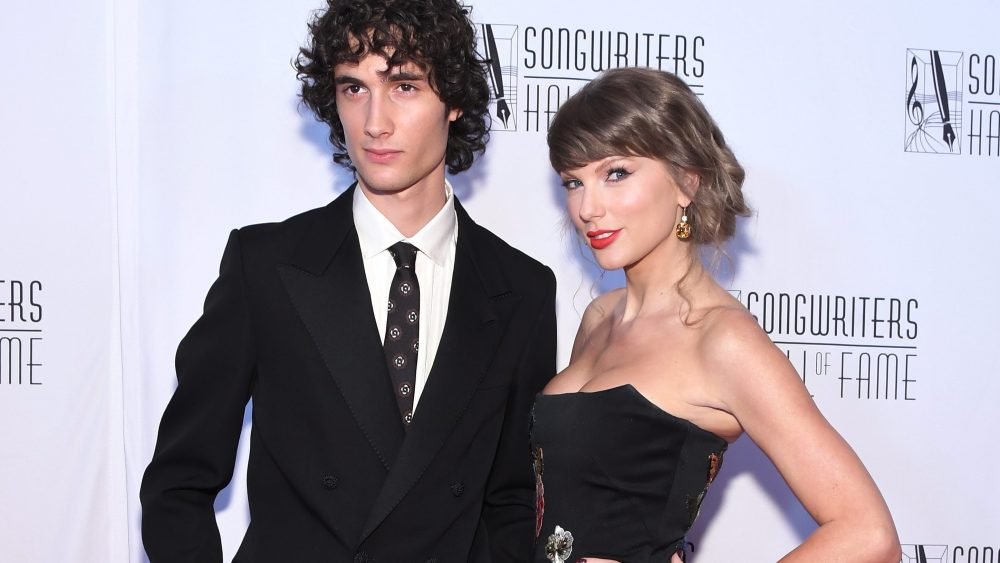
As we say every year, the annual Songwriters Hall of Fame ceremony is a combination of an awards show and a family reunion — an annual gathering of superstars virtually everyone recognizes, iconic behind-the-scenes songwriters that a few people recognize, and top executives from the music industry who hardly any normal person recognizes. And every non-pandemic year for the last half-century-plus, the ceremony has inducted several legendary, contemporary and up-and-coming talents — and often as not, the inductees say the honor means more to them than any other, because it’s recognition from their peers, many of whom are in the room.
However, when one of the inductees is the most popular musician in the entire world, much of that intimacy inevitably vanishes, and on this night, along with Paul Stanley and Gene Simmons of Kiss, John Fogerty, Alanis Morissette, Raye, Kenny Loggins, and non-performing songwriters Walter Afanasieff, Terry Britten & Graham Lyle and Christopher “Tricky” Stewart, one of those inductees was Taylor Swift. Thus, security was tight and the event did not allow for the usual socializing and table-hopping — and the press, as social media shows, was banished to the balconies.
As she usually is at such events, Swift was in the room for the entire ceremony, seated beside fiancé Travis Kelce and flanked by her mother, early songwriting collaborator Liz Rose, and Steven Spielberg (with wife Kate Capshaw), who would later give her induction speech after Sombr performed “Cardigan” and “Dear John” to her delighted reaction and effusive praise during her speech.
“I have to say thank you to Sombr for that perfect performance,” she said. “His writing is so exceptional that it makes me actually envious, and I love that feeling — he’s gonna be the top of my Spotify Wrapped this year guaranteed, it’s locked, it’s in the bag. A lot of my late night debates with my friends about the state of the music industry involve me saying very loudly, ‘Sombr is the future and he does it all on his own and he doesn’t need AI. The kids are fine.’ And so obviously, Shane is a very well-adjusted person and artist, and doesn’t need any of my advice at all.”
Throughout the night she whooped and rocked out in familiar fashion — so much that, as she took the stage at midnight, as the always-long ceremony entered its fifth hour (and combined with her highly publicized enthusiasm during the Knicks victory the night before), her voice was raspy. (Read her 21-minute speech here in full.)
Spielberg’s introduction was dynamic as well. “As a director, I am acutely aware of the power that music can have on audiences. And as much as I believe that the stories we tell as filmmakers have the potential to entertain and engage, there is something undeniable about how songs enrich our souls,” he said. “Music will always be the guiding force, whether it’s sung in our cars at the top of our lungs, or in houses of worship, or at football games, or on the streets of Minnesota.”
He went on to say that Swift, the youngest female ever to be inducted into the Songwriters Hall of Fame, “has no fear when it comes to shattering records as a writer, singer, and storyteller, a singular artist, and a genuine phenomenon whose place in our culture rivals that of the composers of the American Songbook, Lennon McCartney of the ’60s and the singer-songwriters of the 1970s like Carole King and Stevie ‘Let’s Go Knicks,’” punning the Fleetwood Mac singer-songwriter with the hometown NBA heroes — “and your namesake, James Taylor.”
Noting her long efforts to own her music, he said her “fearless determination to stand up for all artists’ rights is a reflection of her deep understanding of how best to use the meteoric fame that she has been navigating since she was just a teenager.”
After initially feeling honored by the invitation to induct her, Spielberg said, “About five minutes after I hung up, my elation faded slightly because, I mean, what could I possibly say about Taylor that has not already been said? Just thinking about how much true, false, and plain crazy stuff has been written about you boggles the mind. So just out of curiosity, I asked AI if you could tell me how many words have been written about Taylor Swift,” he said to laughter. “And you know what? It couldn’t tell me. Then I asked it, how many words have been written by Taylor Swift? And it couldn’t tell me that either. And I just thought, wow, she is such a force that the depth of her achievements defies AI!,” adding to cheers, “I should have known that something that starts with ‘artificial’ wouldn’t have a clue.”
He concluded, “Through her songs, she has taken billions of people by the hand and by the heart, and lights them with a message that is rooted in community and infused with hope and relatability. Through her songs, she makes us believe that we are in this together and together we can grow up, live, love, make mistakes, succeed, fail, and yet continue to believe in our own self-worth. Somehow, Taylor knows us all too well.
“I love making movies,” he cracked “but I don’t think I will ever fill stadiums of multi-generational fans who want to recite the dialogue from ‘Indiana Jones.’ So thank you, Taylor, for the gift of your stories and for insisting on being an authentic voice in a world where the line between real and fake is increasingly blurred. You are our mirror ball.”
The show began with R&B singer Tamar Braxton honoring Tricky Stewart with a lively performance of “Single Ladies.” During a brief induction speech, Stewart’s longtime friend and fellow Atlanta hitmaker Dallas Austin said, “He is a kind-hearted person, and to me, music is a reflection of the person who created it.” Another performance followed — this time Republic Recording artist Kylie Cantrall singing the Rihanna smash “Umbrella” — before Stewart’s long acceptance speech, in which he reeled off his long history of publishing deals and finished by announcing his newest, with BMG.
Next up was Britten and Lyle, honored with a jazzy cover of “What’s Love Got to Do With It?,” made famous by Tina Turner in 1984, and a more conventional one from Taylor Dayne on another Turner hit, “Hero.” Jane Seymour gave a warm induction speech, and the pair followed with brief comments of their own, noting that others who’d covered “What’s Love Got to Do With It” before Turner “didn’t have the legs” she did.
Accepting a second award from the Hall was John Fogerty, who was already an inductee but on this night was receiving the Johnny Mercer Awards, recognizing “a writer or writers already inducted into the Songwriters Hall of Fame and judged by the Nominating Committee as having established a history of outstanding creative works.” Veteran rocker Steve Miller gave the induction speech, saying that “John Fogerty is Americana at its finest” and referencing his “unwavering fight for artists’ rights and his decades-long battle to regain the rights to his work,” referencing Fogerty’s long, and ultimately successful, battle with Fantasy Records and subsequent owners.
Fogerty charmed the crowd by taking the stage with an effusive “Hello all you wonderful songwriters!” although his speech went on for nearly half an hour, beginning with him as a three-year-old receiving a record as a gift from his mother (“Oh Susannah!” on one side and “Camptown Races” on the flip) and proceeding seemingly in real time throughout the rest of his 81 years. However, a high point came when he said that he’d finally gained control of his catalog because he’d “outlived all those sons of bitches!”
He then was joined onstage by two guitarists for not one but four songs: a brief “Oh Susannah” followed by his own hits “Proud Mary,” “Have You Ever Seen Rain?” and finally “The Old Man Down the Road,” which concluded with a long and fiery guitar duel. By the time he left the stage, Fogerty’s segment alone had lasted for more than 45 minutes and deflated the mood. However, eyebrows raised when, next up, Mariah Carey hitmaker Walter Afanaesieff was inducted by his friend, actor Jeremy Renner, praising him for creating “the soundtrack of our lives,” and a lovely version of “One Sweet Day” from Sheléa.
A jolt of energy hit the room as Smashing Pumpkins frontman Billy Corgan entered the stage wearing dark eye makeup and clad in one of his now-characteristic long tunics — an incongruously serious getup in which to be singing Kiss’ classic “Rock and Roll All Night.” He was then joined by Goo Goo Dolls singer Johnny Rzaznik, and as the pair took the podium, Corgan said “We just lived a childhood dream!”
The pair paid tribute to the “demonic dynamic duo” of Stanley and Simmons and their half-century long partnership, before ceding the stage to Stanley, who said how humbled he was to be on the stage before explaining that his “partner of 57 years” had an unspecified family emergency and was currently at a hospital. He continued by saying that amid the “bombs and the bombast and all the things the band is known for, it’s nothing without a song,” and recalled his days as a young musician trying to hawk his songs at the legendary Brill Building in Manhattan and hoping one day to emulate his songwriting heroes there like Carole King, Doc Pomus, how she longed to hear Ellie Greenwich and others. Stanley, 74, added, “At this point in my life, I say I f you love me let me know — don’t save it for my obituary!”
The evening took an unusual turn as a violinist and cellist — SistaStrings — took the stage and were followed by Brandi Carlile bearing an acoustic guitar. The musicians then proceeded to peel off a fiery cover of Alanis Morissette’s “Uninvited” that was the most musically innovative performance of the night.
During the induction speech, Carlile spoke of being a young gay woman in the Pacific Northwest, growing up amid the sound of “angry young white men” singing the grunge music that emanated from the region and how she “longed to hear a woman’s voice singing rock and roll — and it came from Ottawa, Canada.” She spoke effusively of Morissette’s “unusual cadence and unhinged precision,” and how her music is a “masterclass on knowing oneself, and challenge what it means to be a woman.”
Morissette, clad in a glittering gold dress, took the podium and said that “writing has always been a survivial strategy, an imperative. It helps me locate and find myself from outside-in, as opposed to inside-out.
“I love humans, but don’t get me wrong” — she laughed — “I hate us sometimes too.” Accompanied by two guitarists, she then played “Merry Go Round” and the 1995 hit that put her on the map, “You Oughta Know.”
Next up was Raye, who received the Hal David Starlight Award for rising young talent, but likely just as much for her fierce advocacy for songwriters, who, as everyone in the room knows all too well, are unfairly at the bottom of the streaming economy. She was inducted by none other than Chic cofounder and legendary producer, songwriter and guitarist Nile Rodgers, who has been chairman of the Songwriters Hall of Fame for some eight years. He said he would keep the introduction short — adding “Yo, John,” with a laugh to Fogerty — before ceding the stage to Raye.
She too said that although she is naturally verbose and “I’m sometimes irritating and annoying to some people” and would keep it short, but “we have an obligation to protect [songwriters] — it can’t just be rich people writing songs!” and then spoke briefly but emphatically of the need for songwriters to receive “points on the master” — meaning a percentage of the profit, which artists, labels, publishers and producers receive but songwriters inexplicably do not.
The pre-Taylor show concluded with Gavin DeGraw paying tribute to Kenny Loggins with a slow, soulful version of his 1972 hit “Danny’s Song,” an arrangement so imaginative that Loggins joked at the beginning of his speech “What song was that?” He too spoke at length about how music came into his childhood via his brother’s record collection, which he was forbidden to play but did anyway.
In a telling moment for the rebellious spirit of rock and roll and a tip for parents everywhere, he said, “If you want your kids to love music — forbid it!”
Entertainment
Peloton Scrubs Hudson Williams Videos Amid High School Photo Backlash

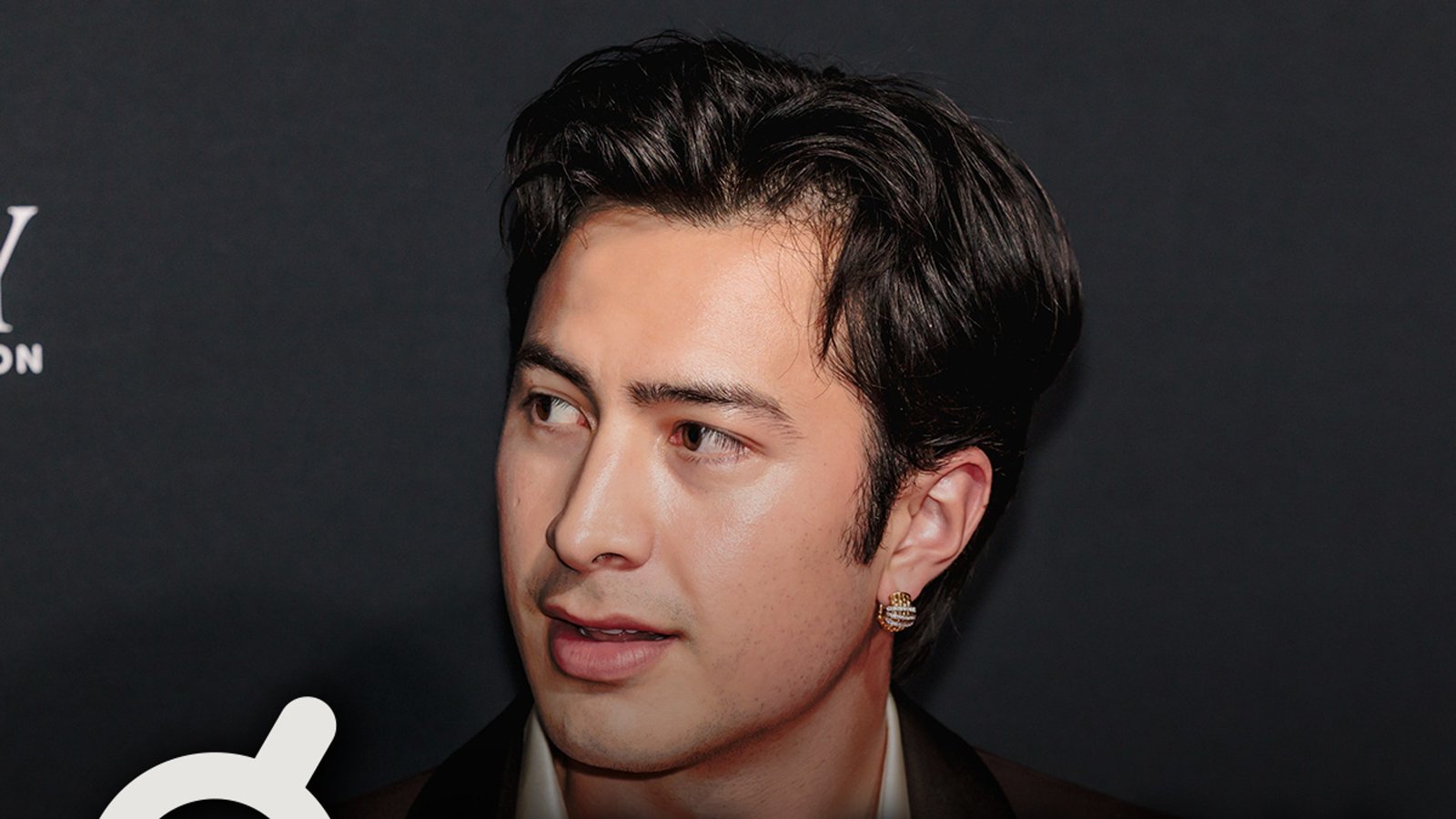
Hudson Williams’ high school swastika photo appears to have caused a stir … with Peloton scrubbing the actor from their social media after the image resurfaced online … TMZ has learned.
Posts on Peloton’s social media, including Facebook and YouTube, that used to feature Hudson are no longer active and take users to a broken link.
As we first reported, sources close to Hudson insisted he had no clue what was being drawn on him at the time … claiming the symbol was scribbled on by other intoxicated teens during an annual “campout” prank.
A friend of Hudson’s told TMZ, “The markings do not and have never reflected Hudson’s beliefs, values, or character.”
Actor Simu Liu also defended Hudson, saying … “The internet is insane. Bad actors are everywhere. If you’re here, be careful. Be smart.”
On social media, people claiming to have attended school with Hudson have defended him too … claiming lots of peers had offensive drawings on their faces during the annual camp outing.
Several users on X have also come to the actor’s defense. “I Stand With Hudson Williams” has become a trending topic on the platform, with fans voicing their support.
Entertainment
Washington National Opera sues to force Kennedy Center to turn over $17M in gifts

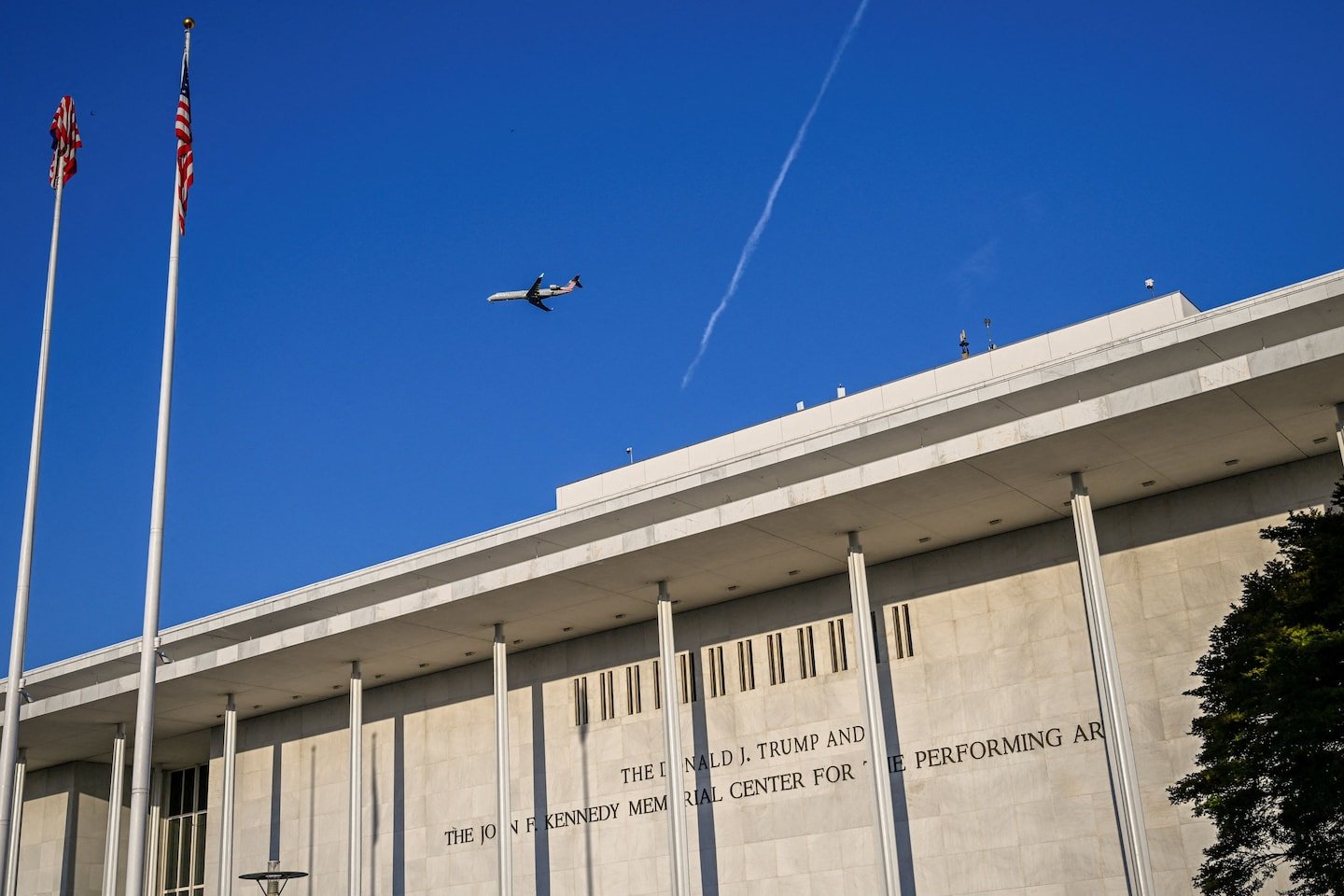
The opera filed a lawsuit Thursday alleging the Kennedy Center illegally took years’ worth of donor gifts, bequests and endowment funds. The two parties cut ties in January.
June 12, 2026 at 12:18 p.m. EDTToday at 12:18 p.m. EDT
The Washington National Opera on Thursday filed a lawsuit seeking to force the Kennedy Center to turn over $17 million in gifts and donations to the opera company.
The Kennedy Center has “wrongfully held” years’ worth of donor gifts, bequests and endowment funds that belong to the opera, according to the complaint filed in the U.S. Court of Federal Claims, five months after the two institutions ended a roughly 15-year affiliation.
Entertainment
All of ‘Moving Pictures’

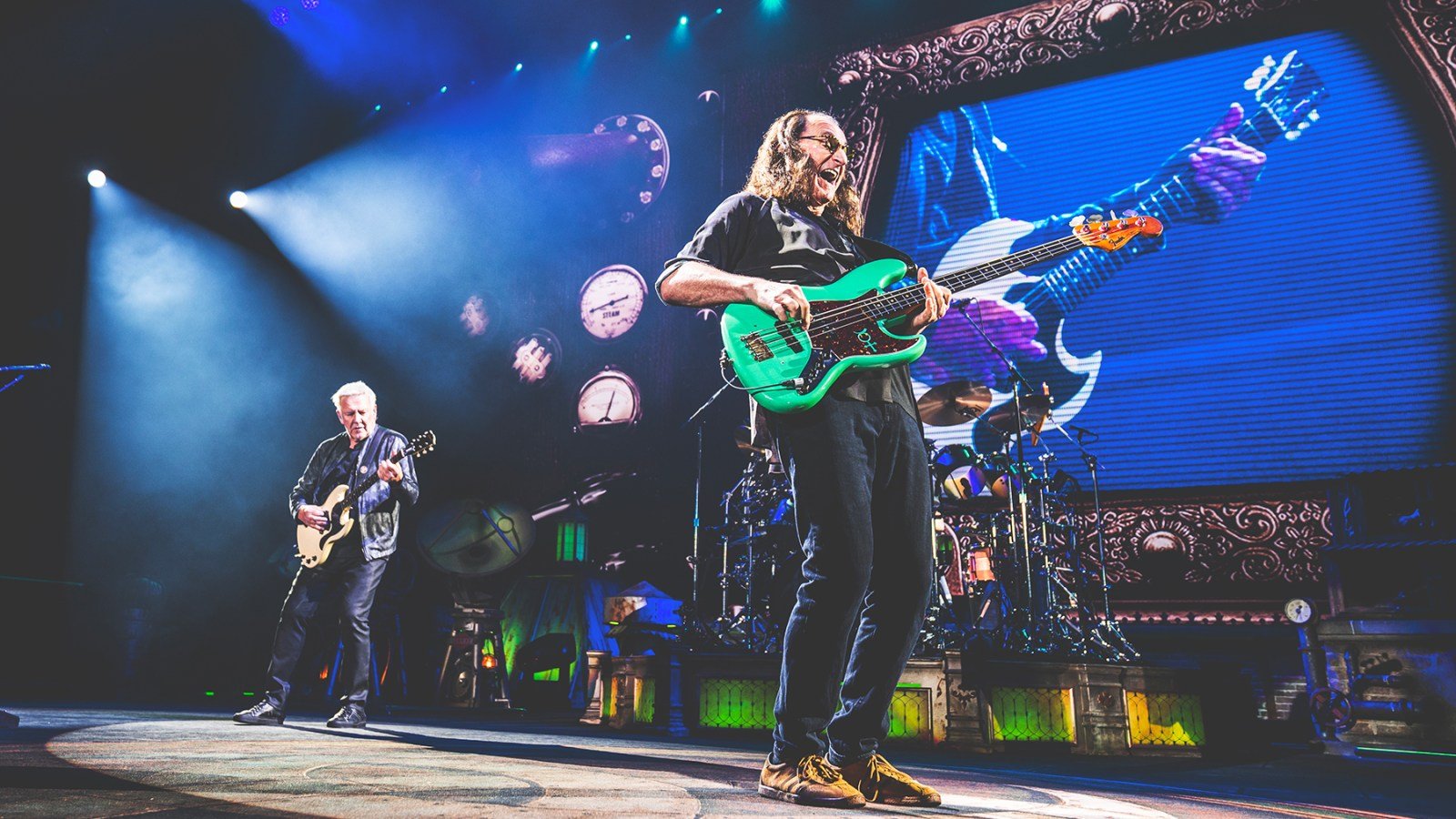
Towards of the end of the third show of Rush‘s Fifty Something Tour, the band experienced something nearly unimaginable for one of the most technically proficient and perfectionist acts of the rock era — a full musical train wreck that stopped the overture to “2112” right in its progged-out tracks. But no one actually made an instrumental mistake. Instead, two minutes in, Geddy Lee‘s bass went dead, and he whipped it off his shoulder, heading backstage for a replacement that failed to immediately arrive.
It took his bandmates a while to notice, leading to a brief, fascinating guitar-and-drums-only rendition of the track from Alex Lifeson and new touring drummer Anika Nilles. Finally, Lifeson became aware of the silence of the Geddy and signalled Nilles to stop, which felt a bit like trying to halt a Terminator mid-kill. “We’re going to take a break,” he said, looking genuinely nonplussed. Within seconds, Lee had a new instrument, and the band started again, hitting even harder.
A few hiccups for Rush in their first tour in 52 years without the late Neil Peart would be understandable, but the band’s 70-something co-founders and their new touring drummer are apparently more indefatigable than their own equipment. Here’s a look at a few key moments from Thursday night’s show at Los Angeles’ Kia Forum:
After playing the entirety of the first side of 2112 the night before, Rush brought out all of their most beloved album, 1981’s Moving Pictures, in order, at the beginning of set two. Since they had already played all but one track from Moving Pictures over the first two shows, this meant only one tour debut, an extraordinary rendition of the most sprawling and underrated track on the album, “The Camera Eye.”
In a rare and welcome moment of rearrangement for the band, keyboardist Loren Gold added some lyrical piano to the beginning, before the pulsing synths arrived. Lee once described some of the band’s early work as “soundtracks for movies that don’t exist,” and this performance was a reminder of how well “The Camera Eye” fits into the category. The instrumental passages, with their almost Neu!-like feel, viscerally evoked a sense of movement. Nilles was astonishing on her first-ever live performance of the song, somehow mastering its serpentine intricacies on top of the other 40 or so epics she’s absorbed. Throughout the rest of the album, meanwhile, you could hear her making subtle refinements, including laying back deeper into the groove of “Tom Sawyer.”
Editor’s picks
Aimee Mann came back for a third performance of “Time Stand Still.” Mann only spent a couple days with the band back in 1987 when she sang on the studio version and popped up in the (very Eighties) music video, and then somehow never sang it with them again until this week. With each performance, she seems more and more excited to be onstage with the band, exchanging smiles with Lee and relishing her harmonies with him. The performance of one of Peart’s most personal songs is paired with video from throughout his life, and under the circumstances, hearing his lyrical plea to “freeze this moment a little bit stronger” is unbearably poignant every time.
The band debuted a killer “New World Man” for the first time since 2002. Eighties Rush is a beast of its own, with walls of synths and an evolving approach from Peart, who began to embrace polyrhythms and reggae à la his friend Stewart Copeland. If anything (not to be greedy), this tour could use even more of that sometimes unfairly derided era — “Force Ten” and “The Big Money” would be particularly welcome. But it was a kick to hear Nilles show off her ability to take on every step in Peart’s evolution, seamlessly taking on the track’s radically different feel, without feeling the need to match every hi-hat pattern.
Lee’s voice is holding up. After 11 years off the road, the frontman changed his vocal approach via coaching, somehow shaving decades of wear off his voice. But even Lee himself must have wondered if he could keep it going under actual touring conditions. So far, the answer is yes, and if anything, he’s getting stronger from night to night. On the evening’s second song, “Dreamline,” he went as far as to take the chorus up an octave, just for fun, an unmistakable sign of renewed vocal swagger.
Related Content
Lifeson is having fun. From the beginning of the run, Lee’s joy was palpable — he keeps literally jumping for joy, getting some serious air for a 72-year-old, which has got to be making the tour’s insurers slightly nervous. Other than his nightly stand-up routine at the mic (he’s claimed he got into a fight with Paul McCartney and talked about a clip of a dog and a goat on Instagram), Lifeson seemed a bit more reserved the first two nights, focusing on nailing his parts. But he loosened up on night three, moving more around the stage, mugging for the cameras with his old friend, and stepping out even harder on his solos.
Trending Stories
Rush Setlist: June 11, 2026
Set One:
“Xanadu”
“Dreamline”
“Subdivisions”
“Headlong Flight”
“Bravado”
“Red Sector A”
“La Villa Strangiato”
“Anthem”
“New World Man”
“The Spirit of Radio”
Set two:
“Tom Sawyer”
“Red Barchetta”
“YYZ”
“Limelight”
“The Camera Eye”
“Witch Hunt”
“Vital Signs”
“Time Stand Still”
“Closer to the Heart”
“2112 Part I: Overture”
“2112 Part II: The Temples of Syrinx”
“2112 Part VII: Grand Finale”
Entertainment
Blake Lively to Have Legal Fees Paid for by Justin Baldoni, Wayfarer

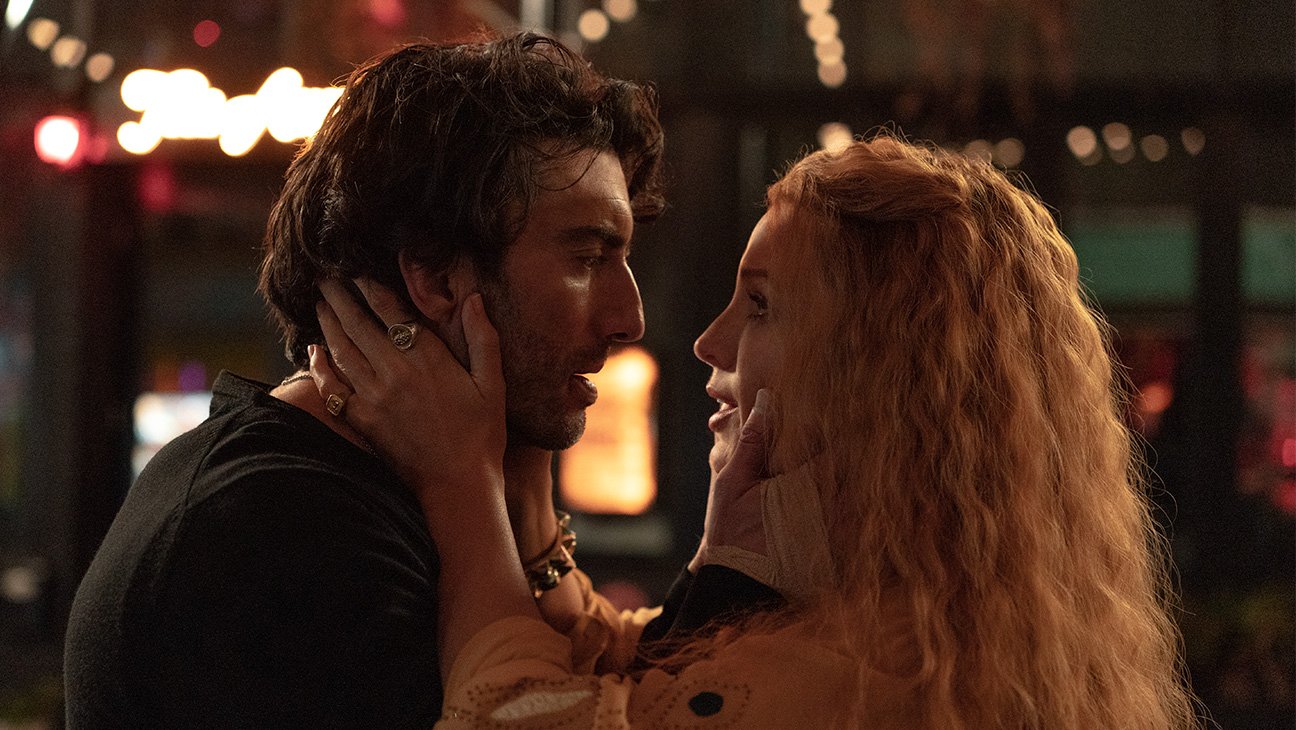
Blake Lively will have her legal fees paid by Justin Baldoni but isn’t entitled to damages for harm caused by his defamation claims, a court found Friday.
Under the settlement reached last month, Baldoni waived his right to appeal the court’s order last year dismissing his $400 million lawsuit against Lively. The deal didn’t include monetary compensation but left open the door for the actress to recover her legal costs and pursue damages under a California law intended to shield sexual harassment victims from retaliatory defamation claims.
That law, the court said, “does not create an end run around the entire set of carefully crafted federal procedural rules designed to protect the rights of the parties.”
“It instead establishes a narrow exception to the usual litigation process for a specific and limited kind of relief,” wrote U.S. District Judge Lewis Liman in the ruling. “Compensatory and punitive damages do not fall within that exception.”
The order decides the last legal issue in the case after Lively and Baldoni reached an 11th-hour settlement to avert a headline-splashing trial over alleged sexual harassment on the set of It Ends With Us. Now, the court will asses how much in legal fees she should be paid, with her lawyers submitting a breakdown of their hourly rates and how long they worked on the case.
The bill could be sky-high considering the pedigree of lawyers Lively had on her legal team, led by heavyweight litigators Michael Gottlieb and Esra Hudson. In less than two years of litigation, there were nearly 1500 entries on the docket as a result of extensive motions practice.
“Today’s ruling makes it clear that Ms. Lively brought her claims in good faith, that there was no evidence she acted with malice, and that she is the prevailing defendant” under the California law she asserted, they said in a statement.
The lawyers added that Lively is gratified to show how the statute creates “a path for survivors to hold accountable those who weaponize online attacks and retaliatory lawsuits to intimidate and silence survivors.”
Under that law, the actress moved for attorneys’ fees, plus treble and punitive damages, for harm caused by Baldoni’s defamation claims. The statute, which went into effect in 2024, is intended to shield sexual harassment and assault victims when they report misconduct as long as they had a reasonable basis for their claims.
While the court denied damages in this case, it left open the possibility for Lively to seek additional damages through another lawsuit or counterclaim against Baldoni or Wayfarer, which didn’t immediately respond to a request for comment.
Read Lively’s full statement below:
Entertainment
Medical examiner reveals details in actor James Handy’s death

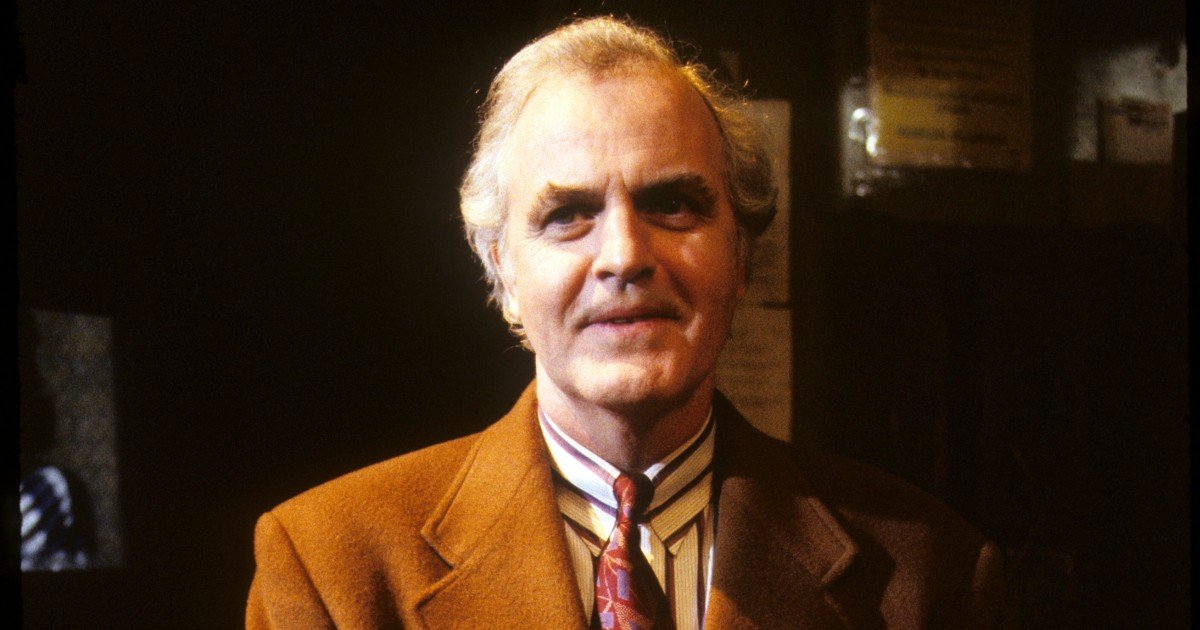
Los Angeles County’s medical examiner has revealed the cause of death for actor James Handy, who was fatally stabbed on June 3 in what prosecutors say was an attack by his girlfriend’s son.
Handy, 81, died in a homicide caused by a stab wound to the torso and neck compression, according to the medical examiner.
Police officers responded to a 911 call placed around 9:30 a.m. the morning of Handy’s death. The caller said, “I am the son of man. I just killed the man of sin,” the police department said in a statement following the incident.
Authorities said the stabbing appeared to be an isolated incident and posed no danger to the public.
Officers found Handy unconscious in the front yard of a home in the Tarzana neighborhood of Los Angeles.
The Los Angeles County District Attorney’s Office said Michael Gledhill, 44, the son of Handy’s girlfriend, Wendy Gledhill, has been charged with one count of murder, with a special allegation that a deadly weapon was used. Michael Gledhill lives at the home with his mother.
Wendy Gledhill, 76, told NBC News that she is overwhelmed and that she “loved James,” adding that it “should have never happened to him.”
Handy had a long career in Hollywood, appearing in several notable films including “Top Gun: Maverick,” “Arachnophobia” and “Jumanji.” Handy also appeared in the 2017 film “Logan,” as well as television series including “NCIS: Los Angeles,” “CSI: New York,” “NYPD Blue” and “Law & Order.”


Do not use my music, Ariana Grande tells White House. #ArianaGrande #WhiteHouse #BBCNews


SpaceX shares soar following record-breaking $75 billion IPO
SpaceX shares opened at $150 on Friday, 11% above their $135 offering price, after the company completed the largest initial...


The battle in rural America against AI data centres | BBC Americast
Will opposition to data centres remake the political landscape in America? These enormous buildings are being built to house the...


Peloton Scrubs Hudson Williams Videos Amid High School Photo Backlash
Hudson Williams’ high school swastika photo appears to have caused a stir … with Peloton scrubbing the actor from their...


Why SpaceX IPO isn't about space. #SpaceX #ElonMusk #BBCNews

Download fans say what they love about the festival. #DownloadFestival #BBCNews


Washington National Opera sues to force Kennedy Center to turn over $17M in gifts
The opera filed a lawsuit Thursday alleging the Kennedy Center illegally took years’ worth of donor gifts, bequests and endowment...


The Keir Starmer Interview: The analysis | BBC Newscast
Today, Adam and Chris discuss Chris' interview with the Prime Minister, Sir Keir Starmer. The prime minister sat down for...


Trump (dis)approval ratings, Netanyahu (un)popularity & more | Enten roundup
CNN chief data analyst Harry Enten tackles a slew of President Trump's approval ratings, Israeli opinion on Netanyahu, and more.


US team should play like they're children in opening game, boss says
-
 Politics2 days ago
Political News and Conservative Analysis About Congress, the President, and the Federal Government
-

 BBC News World4 days ago
Backrooms and Obsession: How two low-budget horror films caused a Hollywood earthquake
-
 BBC News World21 hours ago
Why the economics makes this the craziest world cup ever
-

 Politics24 hours ago
What to know about the stabbing that set off fiery riots in Northern Ireland
-

 LifestyleNews1 week ago
120 minutes of strength training per week may help extend lifespan
-
 Entertainment11 hours ago
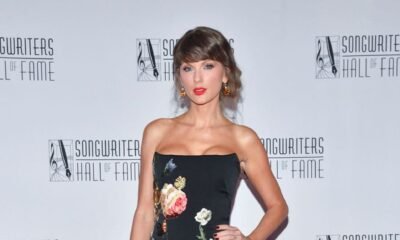
Taylor Swift Seems to Brush Off Jimmy Jam at Songwriters Hall of Fame
-

 Food22 hours ago
A Nebraska immigration raid shut businesses down a year ago. The fallout is ongoing, officials say.
-
 Video2 days ago
Marcello Hernández says he got in trouble in school for talking too much