

HealthNews
Woman hears ringing in her ears, blames stress-then learns terrifying truth
Melony Aponte was just 20 when she first noticed subtle changes to her health—symptoms she would later realize were early warning signs of a rare brain tumor.
At the time, she brushed them off. It would take five years before doctors identified the cause: an acoustic neuroma, a rare, noncancerous tumor affecting about one in 100,000 people, according to the National Organization for Rare Disorders (NORD).
Now 26, the Chicago-based woman has shared her experience with Newsweek, including the six symptoms she says she “ignored” before her diagnosis.
Early Symptoms Dismissed
“It all began in 2020,” Aponte said. “I had mild hearing loss in my left ear and tinnitus but I brushed it off as I thought it may have been caused by listening to loud music.”
Doctors initially suspected a buildup of earwax and prescribed drops, but they didn’t help. Another doctor confirmed earwax wasn’t the issue.
“But nobody was worried so I wasn’t either,” she said.
The early warning signs she experienced were:
Mild hearing loss and non stop ringing in one ear—given drops that didn’t work
Anxiety and panic attacks
Migraines that “wouldn’t go away”
Hating food
Anxiety and Migraines Take Over
Over time, Aponte began experiencing additional symptoms that appeared unrelated.
In July 2022, she noticed changes in her mental health and cognitive function.
“I started developing panic attacks and anxiety alongside horrible eating habits,” she said.
She was later diagnosed with generalized anxiety disorder, but she felt something still wasn’t right.
“Something felt off but I kept putting it down to stress,” she said, describing 2022 as an “awful” year.
‘Eating Became a Chore’
Aponte’s relationship with food also changed dramatically.
She said she began to fear eating certain foods, believing they might “kill her,” and limited herself to “safe” options like pasta, chicken and rice.
“Eating became a chore,” she said. “I turned into a germaphobe and thought every food was going to harm me so I only ate safe foods. I lost almost 40 pounds.”
Balance Issues and New Symptoms
As the years went on, additional physical symptoms emerged.
Aponte said she began to feel unsteady on her feet and developed unusual neurological sensations.
Her later symptoms included:
Walking with what felt like “two left feet”
Facial numbness
She also experienced body tremors and worsening panic attacks.
Diagnosis After Hearing Test
By the end of 2024, Aponte sought further help as her hearing problems persisted. She visited an ear, nose and throat (ENT) specialist and underwent testing.
“The symptom began during the coronavirus pandemic so my ENT said it could be a side effect from that, or a common flu or in a rare case, a brain tumor,” she said.
In December, she was diagnosed with asymmetrical hearing loss, meaning her hearing differed between each ear.
According to NORD, an acoustic neuroma (vestibular schwannoma) is a rare, noncancerous tumor that forms on the eighth cranial nerve, which connects the inner ear to the brain and controls hearing and balance. About 90 percent of people first notice hearing loss in one ear.
“I was adamant that it was caused by COVID-19,” she said. “I even tried to give myself benefit of doubt and thought my body was changing with age.”
‘The World Turned Upside Down’
On March 12, 2025, Aponte underwent an MRI scan. Two days later, doctors delivered the diagnosis.
“I felt like the world turned upside down,” she said. “I thought my life was going to end. It was the size of a golf ball and pushing my hearing and balance nerve.”
The tumor measured 4.5 centimeters.
The Road to Recovery
On April 9, Aponte underwent a 13-hour operation to remove 99 percent of the tumor.
“They had to leave a slither left to protect the facial nerve as the tumor was wrapped around nerves,” she said.
She is now partially deaf in her left ear.
Recovery was long and difficult. She spent two weeks in hospital followed by rehabilitation.
“I had to relearn how to walk, eat, and literally do everything every day that we take for granted,” she said. “It humbled me.”
Life After Diagnosis
Now more than a year after her surgery, Aponte says her outlook has shifted.
“The diagnosis has changed my perspective on life, this is part of my story and testimony,” she said.
She has also regained her enjoyment of food.
“I lost part of my hearing but my tastebuds are stronger than ever,” she said.
Related Articles
Woman Arrives for Routine Operation—Then Pre-Surgery Tests Stop Everything
Five Everyday Parenting Habits That Can Quietly Fuel Child Anxiety
What Elon Musk Could Buy With $1 Trillion
HealthNews
You’d Never Guess This Subtle Sign Of A Stroke
As hard as it can be to admit, you can have a stroke. Your loved one can have a stroke. Statistically, someone in the United States has a stroke every 40 seconds; every 3 minutes and 14 seconds, someone dies of a stroke. It’s not a concern to ruminate on, per se, but one to be mindful of.
For example, you might avoid habits that can increase the risk, such as being sedentary, smoking, ignoring health concerns and drinking alcohol. Knowing the clear signs of a stroke — illustrated by the BE FAST acronym — is smart, too. BE FAST stands for (problems with) balance, eyesight, facial drooping, arm weakness, speech and time or terrible headache.
Health: Warning Stroke: What It Is And Symptoms To Look For
However, there’s also a super random, surprising sign of a stroke that many people don’t know, according to vascular surgeons: hiccups.
Ahead, experts explain how hiccups can be a sign of a stroke, other commonly missed signs and when to see the doctor about this seemingly “harmless” symptom.
How Hiccups Can Signal A Stroke
To understand why hiccups can be a sign of a stroke, it’s important to understand exactly what hiccups are — particularly, how they’re connected to the brain.
“Hiccups are caused by involuntary contractions of the diaphragm, coordinated by a reflex arc involving the brainstem, particularly the medulla,” said Dr. Christopher Yi, a board-certified vascular surgeon at MemorialCare Orange Coast Medical Center in Fountain Valley, California. “In rare cases, a stroke affecting this region — most classically a lateral medullary (Wallenburg) stroke — can disrupt that reflex and trigger persistent hiccups.”
Health: This Overlooked Health Marker Is Linked To Better Longevity — And You’ve Probably Never Heard Of It
Usually, hiccups aren’t so concerning. You might get them after eating too fast, moving too quickly after eating or drinking a carbonated beverage. But if a stroke in the brainstem is causing the hiccups, they need to be taken more seriously.
“In rare cases, hiccups can be linked to a stroke — specifically a stroke affecting the brainstem,” said Dr. Adeel Popalzai, a vascular neurologist and stroke program director at Pomona Valley Hospital Medical Center. “The brainstem is involved in the hiccup reflex pathway. When a stroke disrupts this area, it can cause persistent, uncontrollable hiccups that don’t respond to usual remedies.”
Yi affirmed that persistent hiccups have been documented in posterior circulation strokes, which affect the back of the brain. They also don’t always cause one-sided weakness (a classic symptom of a stroke) and rather present with more subtle symptoms. This makes hiccups an early and arguably clearer clue, especially when present with other neurologic abnormalities.
That last piece is vital because otherwise, a lot of us would get unnecessarily nervous when we get the hiccups, right?
“It is important to remember that hiccups alone are almost never a stroke, but persistent hiccups with other symptoms can be a warning sign,” Popalzai stressed.
Like this article? Keep independent journalism alive. Support HuffPost.
Other Commonly Missed Signs Of A Stroke
Hiccups aren’t the only symptom of a stroke that often goes ignored, especially with posterior circulation strokes.
“Many people expect a stroke to look dramatic, but some of the most dangerous strokes — especially those in the back of the brain — can present with subtle or misleading symptoms,” Popalzai warned.
Health: Vitamin A Toxicity Increased After RFK Jr. Suggested It As A Measles Treatment
The vascular surgeons listed the following symptoms:
Sudden dizziness, vertigo or a spinning sensation
Trouble walking, or loss of balance or coordination, which can look like clumsiness, intoxication, veering to one side, difficulty standing or coordinating movements and generalized weakness
Visual disturbances, such as double vision, trouble focusing or loss of part of the visual field
Difficulty swallowing
A sudden, severe headache (particularly in hemorrhagic strokes) — it can signal a brain bleed
Nausea and vomiting, especially when combined with dizziness or imbalance
Sudden confusion or trouble understanding, which can present as difficulty processing information or following a conversation, and may appear as disorientation or memory trouble
“These symptoms are often missed because they don’t fit the ‘classic’ stroke picture, but they are just as important,” Popalzai said.
When To Go To The Doctor About Hiccups or Other Stroke Symptoms
Since hiccups are usually no big deal (well, other than being super annoying), how do you know when you’ve got a normal bout of the hiccups versus a stroke?
According to Yi, consider medical evaluation “when they persist for more than 48 hours, become severe or disruptive or occur in conjunction with neurologic symptoms.” Examples of the latter are the same as above: dizziness, vertigo, difficulty walking, imbalance, double vision, slurred speech and trouble swallowing.
Health: Halle Berry Avoided This ‘Intimate’ Medical Exam — And For A Very Relatable Reason
Popalzai agreed it’s best to focus on the context and associated symptoms. He encouraged calling 911 immediately if you or a loved one experiences those signs. Additionally, having a stroke risk factor, such as high blood pressure, diabetes, heart disease, smoking or a prior stroke, is also a reason to call the doctor ASAP.
“When symptoms are sudden and unusual, it’s always better to err on the side of caution and seek medical attention,” he added.
Yi emphasized the timely nature. “When hiccups present suddenly with any of these neurologic findings, the situation should be treated as a potential stroke emergency, and immediate medical attention is warranted, as timely intervention can significantly improve outcomes,” he said.
The bottom line is that while most hiccups are harmless, they can signal a stroke when accompanied by other brain-related symptoms. Don’t let an unexpected sign of a stroke convince you that a stroke isn’t at play. Take it all seriously.
“Acting fast can save brain function, independence and life,” Popalzai said.
Related…
7 Things Stroke Doctors Say You Should Never, Ever Do
This Simple Acronym Can Help You Tell If You’re Having A Stroke
This Condition Affects 1 In 7 Older Adults — But You Probably Wouldn’t Know It
HealthNews
First West Nile Virus-Positive Mosquitoes Reported In Chicago This Year

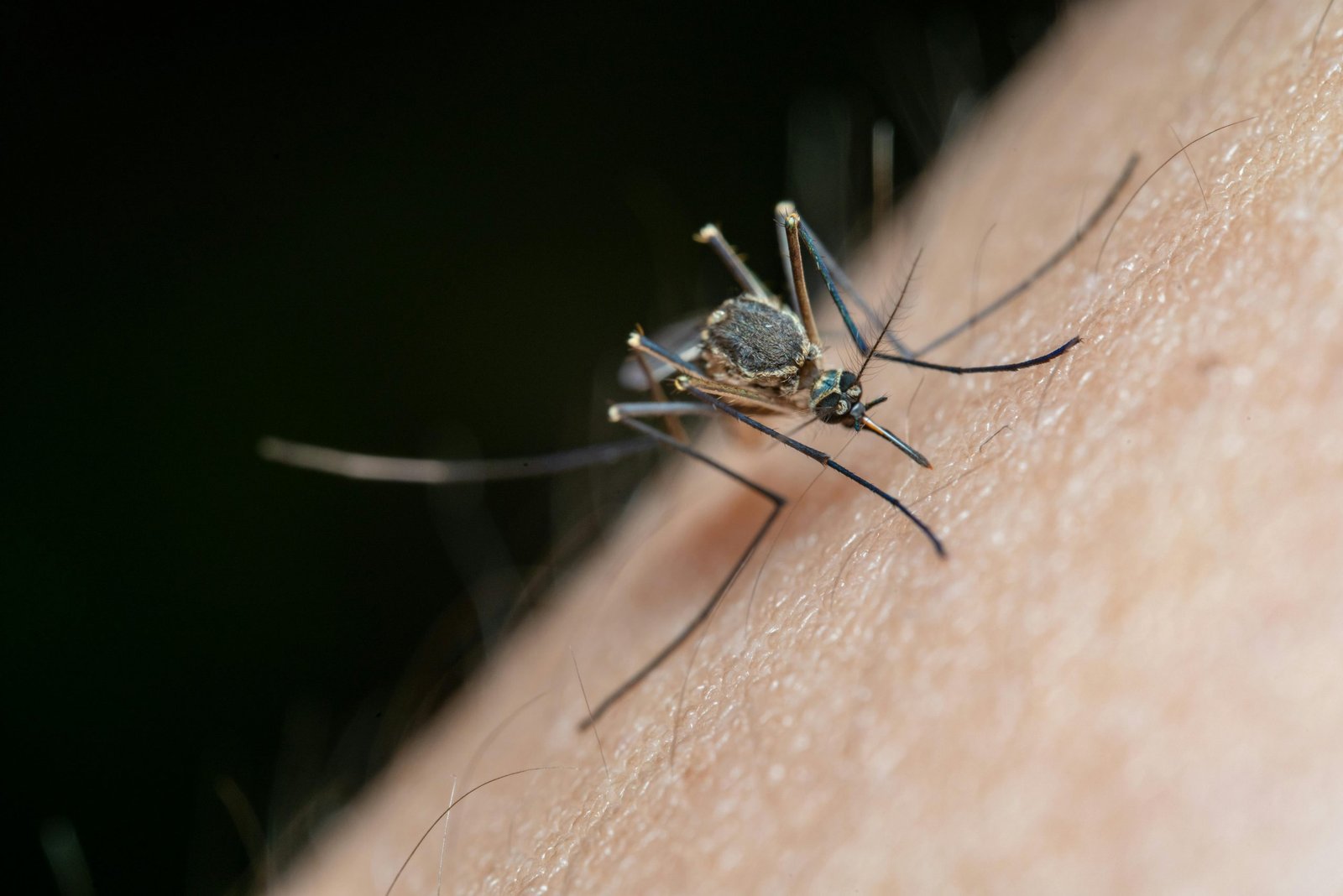
CHICAGO — West Nile virus-positive mosquitoes have been reported in Chicago for the first time this year, the Chicago Department of Public Health announced Friday.
Mosquitos can transmit the potentially serious virus to humans via bites, but no cases of West Nile have been reported in humans in Chicago this year, according to a city health department news release.
In mid-May, the state’s health department reported West Nile-positive mosquitos had been found elsewhere in Illinois.
Most mosquitoes do not carry the virus. The risk of getting West Nile via mosquito bite is highest June through October, during peak mosquito season, according to the Centers for Disease Control and Prevention.
Most people infected with the virus don’t feel sick, but about 1 in 5 people develop a fever and flu-like symptoms, according to the city health department. Severe illness can occur in 1 in 150 people, mostly in people older than 55 who have weakened immune systems.
Symptoms — which typically show two to six days after an infected mosquito bite — include fever, headache, body aches, vomiting, diarrhea and rashes, according to the CDC. Some people who get the virus will feel fatigued and weak for months, and people with severe cases can die or may need hospitalization.
While most people with mild illness recover completely, fatigue and weakness can last for weeks or months. Severe cases can also impact the central nervous symptom and result in hospitalization or death.
There aren’t licensed medications or vaccines to prevent or treat West Nile virus, according to the CDC and Chicago Department of Public Health, so preventing mosquito bites is the best way to protect yourself.
“One of the best ways for Chicagoans to have a safe and healthy summer is by protecting themselves from mosquito bites,” Dr. Janna Kerins, Chicago Department of Public Health medical director, said in a press release.
According to the department, Chicagoans can prevent mosquito bites by:
Using EPA-registered insect repellent according to its label instructions.
Wearing long-sleeved shirts and pants when outside between dusk and dawn.
Making sure windows and door screens don’t have holes.
Using air conditioning at home if possible to control mosquitos indoors.
Keeping grass and weeds short to eliminate hiding places for mosquitoes.
Emptying items that hold water like flowerpots or birdbaths once weekly.
The Chicago Department of Public Health has a “robust program to prevent and control” West Nile Virus, according to the agency. This includes treatment of over 80,000 catch basins — or specialized storm drains that collect surface water — with larvicide, doing weekly collecting and testing of mosquitoes, spraying to kill adult mosquitoes and monitoring infections in humans.
HealthNews
Fourth Person Infected by Emerging Tick-Bourne Disease


Another California resident tested positive for the bacteria Rickettsia lanei, as confirmed by The California Department of Public Health. This marks the fourth verified case of human infection since 2023.
Scientists first discovered the novel tick-borne bacteria in 2018 in Sonoma County, home to California’s sprawling wine country. It wasn’t until the first case in 2023, however, that researches found out that humans could also be infected.
Rickettsia lanei, named after UC Berkeley professor Robert Lane, can cause extreme symptoms like fever, skin lesions, coma, acute kidney injury, brain inflammation, and more. It has been characterized as very similar to Rocky Mountain spotted fever, an illness with a fatality rate of 5-10% that thousands of Americans contract each year.
Since Rickettsia lanei is a newly emerging pathogen, it’s still unknown just how deadly this new variant of the spotted fever group actually is. Two of the initial, unidentified patients survived after falling into a coma and spending weeks in the hospital. Both cases occurred in Northern California and were part of a scientific study looking into the new disease.
The bacteria are carried by young, host-seeking rabbit ticks along the California coastal counties. Three of the four known cases have occurred in California, though information about the exact whereabouts is still not public knowledge. Men’s Journal reached out to The California Department of Public Health, but did not receive any further information regarding the natural habitat of potentially infected rabbit ticks, also called Haemaphysalis leporispalustris.
Public health officials first confirmed the new case to SF Gate, but did not share any further details on the demographics of the patient or in what part of the state that they were initially infected.
Publicly available data shows that the counties where infected ticks have been found are mainly Northern California coastal counties like Sonoma and Contra Costa. These San Francisco adjacent counties are known for having large grassy areas where rabbit ticks thrive.
HealthNews
Californian Dies from Rare Disease After ‘Trapping, Feeding and Breeding Wild Rats’ in an RV
NEED TO KNOW
A California resident died from leptospirosis after living in an RV infested with wild rats
The bacterial disease, spread through infected animals’ urine, is very rare in humans but can spread through contact with infected body fluids
Berkeley, Calif., city manager Paul Buddenhagen said there is very little risk to public health, as person-to-person infection is extremely uncommon
A California resident has died after coming into contact with several rats.
On June 10, Berkeley city manager Paul Buddenhagen warned of the existence of leptospirosis in some of the city’s rats after the first human death was linked to the rare disease last month, per his memo shared with Berkeley officials on June 10. Though leptospirosis poses very little public health risk, Buddenhagen proposed several measures to increase awareness and research around the city’s rats to prevent future infections.
Leptospirosis is a treatable bacterial disease that is spread through the body fluids of infected animals and can be contracted if humans come into contact with infected body fluids, according to the Centers for Disease Control and Prevention.
The risk of a human contracting the disease is higher for people experiencing homelessness or living in a space with rats or animal urine, per the CDC. This was likely the case with the Berkeley individual who died of leptospirosis, and their living partner who also contracted the disease, Buddenhagen wrote.
“Both individuals lived together in a recreational vehicle in which they had been trapping, feeding and breeding wild rats,” Buddenhagen wrote in the memo. “In addition, the vehicle was severely infested with wild rats that were not in cages.”
Both of the residents in the RV, parked near the Harrison Street encampment, grew sick, but neither sought out medical treatment “for weeks and possibly months.” Both were eventually transported to a hospital to receive care.
Never miss a story — sign up for PEOPLE’s free daily newsletter to stay up-to-date on the best of what PEOPLE has to offer, from celebrity news to compelling human interest stories.
One individual died not long after they were hospitalized, Buddenhagen wrote, while the other recovered with treatment.
During their hospitalization, Alameda County Vector Control laid rat traps in and around the RV and sealed the vehicle, only opening it to remove the dead rats. They repeated the process several times over many days until they were certain no rats remained, and then the vehicle was towed and destroyed.
“Continuous trapping and testing by Alameda County Vector Control revealed a persistently high prevalence of leptospirosis in wild rats around the RV, exceeding expected urban baselines,” the memo read.
Buddenhagen reiterated that there is an “extremely low” risk to the public, and the recent death was the result of an “extreme situation.” Person-to-person infection is rare, and there have been no recorded cases at the Harrison Street encampment and no evidence of transmission from rats to other animals.
HealthNews
Californian Dies from Rare Disease After ‘Trapping, Feeding and Breeding Wild Rats’ in an RV
NEED TO KNOW
A California resident died from leptospirosis after living in an RV infested with wild rats
The bacterial disease, spread through infected animals’ urine, is very rare in humans but can spread through contact with infected body fluids
Berkeley, Calif., city manager Paul Buddenhagen said there is very little risk to public health, as person-to-person infection is extremely uncommon
A California resident has died after coming into contact with several rats.
On June 10, Berkeley city manager Paul Buddenhagen warned of the existence of leptospirosis in some of the city’s rats after the first human death was linked to the rare disease last month, per his memo shared with Berkeley officials on June 10. Though leptospirosis poses very little public health risk, Buddenhagen proposed several measures to increase awareness and research around the city’s rats to prevent future infections.
Leptospirosis is a treatable bacterial disease that is spread through the body fluids of infected animals and can be contracted if humans come into contact with infected body fluids, according to the Centers for Disease Control and Prevention.
The risk of a human contracting the disease is higher for people experiencing homelessness or living in a space with rats or animal urine, per the CDC. This was likely the case with the Berkeley individual who died of leptospirosis, and their living partner who also contracted the disease, Buddenhagen wrote.
“Both individuals lived together in a recreational vehicle in which they had been trapping, feeding and breeding wild rats,” Buddenhagen wrote in the memo. “In addition, the vehicle was severely infested with wild rats that were not in cages.”
Both of the residents in the RV, parked near the Harrison Street encampment, grew sick, but neither sought out medical treatment “for weeks and possibly months.” Both were eventually transported to a hospital to receive care.
Never miss a story — sign up for PEOPLE’s free daily newsletter to stay up-to-date on the best of what PEOPLE has to offer, from celebrity news to compelling human interest stories.
One individual died not long after they were hospitalized, Buddenhagen wrote, while the other recovered with treatment.
During their hospitalization, Alameda County Vector Control laid rat traps in and around the RV and sealed the vehicle, only opening it to remove the dead rats. They repeated the process several times over many days until they were certain no rats remained, and then the vehicle was towed and destroyed.
“Continuous trapping and testing by Alameda County Vector Control revealed a persistently high prevalence of leptospirosis in wild rats around the RV, exceeding expected urban baselines,” the memo read.
Buddenhagen reiterated that there is an “extremely low” risk to the public, and the recent death was the result of an “extreme situation.” Person-to-person infection is rare, and there have been no recorded cases at the Harrison Street encampment and no evidence of transmission from rats to other animals.




अनुभव का खजाना: अस्मिता देसाई के साथ एक शाम
Watch an intimate interview with Asmita Desai an educator, where she shares unique personal reflections on her life experiences.


King and Queen cheered by crowds at Trooping the Colour | BBC News
TroopingTheColour #RoyalFamily #UKCrowds gathered in central London on Saturday for the Trooping the Colour ceremony to …


Richard Gadd & Claire Danes explore work-life balance | Variety & CNN Actors on Actors
'Half Man' creator and star Richard Gadd talks with Claire Danes, star of 'The Beast in Me,' about each other's...


How the US prepared to secure the largest sporting event it has ever hosted
With 78 World Cup games, millions of fans and countless events, local and federal law enforcement have ramped up security...

Peru police officers dress as World Cup mascots in drug raid. #Peru #WorldCup #BBCNews


Celebrity Knicks fans on NBA championship
Celebrity New York Knicks fans like Spike Lee and Edie Falco reflected on what the team playing in the NBA...

Claire Danes has the cutest stories about young Kirsten Dunst on 'Little Women' set
Claire Danes has the cutest stories about young Kirsten Dunst on the set of “Little Women.” Stream the full episode...


Why is Donald Trump not at the World Cup? #WorldCup #DonaldTrump #BBCNews


Why one area could decide Britain’s next PM | BBC News
People in Makerfield made up 0.1% of the vote at the last general election. Now – they're potentially choosing the...


Watch model scout explain why he sent young women to Epstein
A professional model scout in Paris explains to CNN why he referred young women to Jeffrey Epstein. DOJ files show...
-

 LifestyleNews1 week ago
120 minutes of strength training per week may help extend lifespan
-

 Politics2 days ago
What to know about the stabbing that set off fiery riots in Northern Ireland
-

 Video23 hours ago
Download fans say what they love about the festival. #DownloadFestival #BBCNews
-

 Video22 hours ago
Why SpaceX IPO isn't about space. #SpaceX #ElonMusk #BBCNews
-

 HealthNews1 day ago
The people of Okinawa, Japan only eat until they are about 80 percent full, then stop — and the practice has been linked in multiple peer-reviewed studies to lower rates of cardiovascular disease, slo
-

 Food14 hours ago
Pope Leo’s plane was grounded. Then the King of Spain stepped in to help
-

 TravelNews20 hours ago
My Paternal Instinct Should’ve Warned Me About Netflix’s Maternal Instinct
-

 Politics20 hours ago
Zohran Mamdani Pushes Tax on Rich After Elon Musk Becomes Trillionaire