
TravelNews
Airbnb expands beyond stays with travel services, boutique hotels and FIFA experiences
Airbnb has announced a significant expansion of its platform with the introduction of new travel services, boutique and independent hotel listings, AI-powered planning tools and exclusive FIFA World Cup 2026 experiences.
The company said the new offerings build on the launch of Airbnb Experiences and Airbnb Services introduced last year, as it seeks to position the platform as a broader end-to-end travel ecosystem beyond accommodation bookings.
Under the latest expansion, Airbnb will introduce several new travel services designed to simplify different stages of the travel journey. These include grocery delivery through a partnership with Instacart in select US cities, airport pickup services through Welcome Pickups in more than 160 cities globally, luggage storage via Bounce across 175 cities, and car rental integration directly within the Airbnb p.
The company is also expanding its Experiences portfolio with thousands of new activities across landmark tourism, culinary experiences and global sporting events. Among the highlights are exclusive FIFA World Cup 2026 experiences across six host cities, including watch parties and football training sessions hosted by former international football players.
Commenting on the announcement, Brian Chesky, co-founder and CEO, Airbnb, said:
Travel shouldn’t just be convenient. It should be meaningful. The best trips help you explore, learn, and come home a little different than when you left. That’s what we’re building at Airbnb.
As part of the update, Airbnb will also add thousands of boutique and independent hotels across 20 major global destinations including New York, Paris, London, Rome, Madrid and Singore. The company said the properties are being selected based on neighbourhood location, design and hospitality standards.
The platform is additionally rolling out several AI-powered tools aimed at improving trip discovery and customer support. New features include AI-generated review summaries, property comparison tools, shared itineraries for group travel and an upgraded AI-powered customer support assistant available in 11 languages.
Airbnb said the new homepage redesign will integrate stays, experiences and services into a unified interface, enabling users to manage multiple aspects of their travel plans from a single platform.
The company stated that some features, including car rentals, shared itineraries and additional p upgrades, will roll out progressively later this summer.
The announcement reflects growing competition among travel technology companies to build integrated travel ecosystems combining accommodation, mobility, experiences and personalised planning tools through AI-enabled platforms.
TravelNews
Measured Growth and Market Repositioning Define Saudis Real Estate Sector in Q1 2026
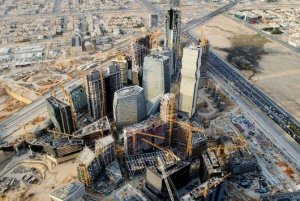
CBRE Middle East, a global leader in commercial real estate, released today its Q1 2026 Saudi Arabia Real Estate Market Review, highlighting a market defined by strategic recalibration, steady structural demand drivers, and continued investor confidence despite a more complex regional economic backdrop.
Saudi Arabia’s macroeconomic environment in early 2026 reflects a period of adjustment, shed by external pressures and evolving domestic policies. Real GDP growth moderated to 2.8% year-on-year in Q1, with full year forecasts for 2026 revised to 1.9%, due to the significant reduction in oil production and exports and softer non-oil expansion.
Inflation remains stable at 1.8%, while foreign direct investment saw strong momentum, rising 90% year-on-year in Q4 2025, signaling confidence in the Kingdom’s long-term prospects. Fiscal policy remains expansionary, supporting major infrastructure investment alongside ongoing cital market reforms aimed at enhancing liquidity and investor access. Against this backdrop, the real estate sector continues to demonstrate strength. Transaction values reached SAR 112 billion in Q1 2026, up 6.8% year-on-year, supported by improved financing conditions and stronger access to cital. At the same time, regulatory reforms, including foreign ownership measures and increased market transparency are strengthening institutional participation and aligning the sector with global standards.
The development pipeline is also evolving, with a gradual shift from construction led growth to delivery and long-term asset management. Major projects continue to advance, with Riyadh remaining the focal point of activity. Strategic repositioning is evident across flagship developments, including NEOM’s growing focus on AI and data infrastructure, alongside continued progress in projects such as Diriyah and Jeddah Tower. This sustained pipeline, backed by public and private investment, reinforces the Kingdom’s long-term Vision 2030 ambitions.
The Office market remains fundamentally undersupplied, particularly for prime spaces, with Grade A occupancy levels remaining at close to full cacity. Demand continues to be driven by the Regional Headquarters (RHQ) program, attracting hundreds of international firms to establish a physical office presence in the cital. While new supply is expected to moderate rental growth in the longer term, structural demand continues to exceed availability. Across other markets such as Jeddah and Dammam, office performance remains stable, although a clear divergence is emerging between modern Grade A assets and older stock, with occupiers increasingly prioritizing quality, flexibility, and digital infrastructure.
The Residential sector continues to see robust activity, supported by a growing population, government-backed housing initiatives and expanding mortgage penetration. However, ongoing supply deliveries across major cities are contributing to a more balanced market environment. Accordingly, residential rental rates in Riyadh softened by 2.1% year-on-year in March 2026, marking a shift toward more sustainable pricing across the cital. This softening underscores the impact of the September 2025 regulatory reset (5-Year Rent Freeze), which brought the cycle of sustained rental growth to an end. Under REGA’s new mandate, rents for existing leases are fixed at their September 2025 levels, while new-to-market inventory must align with the last recorded value on the Ejar platform. This regulatory shift provides a stabilized baseline for both existing tenancies and new inventory, effectively cooling speculative spikes.
The Retail sector continues to demonstrate a marked shift towards digital commerce, a trend further accentuated by recent events, with impacts on consumer movements and spending trends. Electronic payments accounted for 85% of total retail payments in 2025, demonstrating accelerated digital adoption. Domestic consumption, particularly in F&B and fashion, remains strong and helps stabilize the sector, offsetting fluctuations in international tourism. New retail supply is increasingly integrated into mixed-use masterplans, with developers prioritizing F&B outlets as key footfall drivers. Major projects like The Avenues Riyadh, Westfield Jeddah, and Westfield Riyadh are set to open soon, adding significant space. Despite market shifts, rents for super regional and regional malls have remained stable, with landlords generally maintaining rates and not widely offering concessions. The focus for successful retail centers is now on creating walkable, community-centric spaces that prioritize wellness, luxury, and digital features.
Hospitality market performance reflects the impact of restrictions on international leisure movements and regional business travel, with year-to-date (YTD) declines in occupancy and RevPAR versus Q1 last year. The biggest impact has been felt in Riyadh and Damman, although Jeddah and Mekkah remain in positive territory across all metrics YTD, reflecting the positive impact of religious tourism demand. However, amidst sustained government support, the future supply pipeline continues to grow, with thousands of new keys under development across primary and secondary cities, with the hospitality sector remaining as a central pillar in Saudi Arabia’s ambition to attract 150 million annual visitors by 2030.
Industrial & Logistics continues to emerge as a key pillar of economic diversification. Demand for Grade A warehousing remains strong amidst supply constraints, driving rental growth across major hubs such as Riyadh and Jeddah. Strategic infrastructure projects, including logistics corridors and integrated supply chain developments, are further enhancing the Kingdom’s position as a regional trade and distribution hub. Despite operational challenges linked to global supply chain disruptions, long-term fundamentals remain highly positive, supported by e-commerce growth and industrial expansion.
Matthew Green, Head of Research at CBRE MENA, comments: Saudi Arabia’s real estate landsce continues to evolve at pace, responding to recent regulatory changes and shifting demand patterns. This is resulting in a growing divergence in sector level performance.
TravelNews
FHS Saudi Arabia Pre-event feature: hospitality investment outlook

Saudi Arabia is set to deliver 358,000 new hotel rooms to meet rising tourism demand and prepare for major upcoming global events, unleashing a wealth of hospitality investment opportunities in the Kingdom.
Future Hospitality Summit (FHS) Saudi Arabia, taking place from 22-24 June at Mandarin Oriental Al Faisaliah in Riyadh, will bring together investors, developers, operators and policymakers at a defining moment for the region’s hospitality sector. Positioned as the Kingdom’s leading deal-making and investment platform, FHS connects cital with opportunity. The 2025 edition welcomed more than 1,100 industry leaders and generated over US$1.6 billion in business opportunities, reinforcing its role as a key deal-making forum. 254 investors attended FHS Saudi Arabia last year, managing $ 5.61 trillion in assets.
In the run up to the event, seasoned hospitality leaders share key insight on the opportunities, challenges and priorities for KSA investment.
With opinion from Dimitris Manikis, President, EMEA, Wyndham Hotels & Resorts; David Thomson, Senior Vice President – Development, The First Group Hospitality; Muin Serhan, Chief Executive Officer, Amsa Hospitality; and Dory Mouawad, Director of Operations at Ewaa Hotel Group.
The outlook
KSA is a clear example of a market where tourism development is anchored by a long-term national strategy. Through Vision 2030, Saudi has created a roadm for tourism growth, supported by infrastructure investment, regulatory reform and large-scale destination projects that expand tourism far beyond traditional gateway cities and create new hospitality markets, says Dimitris Manikis, President, EMEA, Wyndham Hotels & Resorts. While the region is currently navigating a period of uncertainty, KSA’s long-term fundamentals remain strong.
David Thomson, Senior Vice President – Development, The First Group Hospitality, is positive about KSA’s hospitality outlook beyond 2026. Expo 2030 and Vision 2030 initiatives are creating sustained momentum. As a third-party operator, we are investing heavily in growing our brand footprint, he says.
The big opportunity
While 75% of upcoming hotel rooms are in the luxury segment, a key opportunity for investment is midscale, experts believe.
Muin Serhan, Chief Executive Officer, Amsa Hospitality says: The biggest opportunity is scalable midscale in cities with real demand drivers. Well-positioned, efficiently operated hotels can deliver stable occupancy, repeat business, and strong returns without relying on luxury-rate assumptions.
Dimitris Manikis echoes this view, pointing out that the midscale and upper midscale segments represent the deepest demand pools globally, because they serve a broad range of travellers while offering development economics that are more accessible for investors.
For Dory Mouawad, Director of Operations, Ewaa Hotel Group, a big opportunity lies in extended-stay and mixed-use developments that cture long stay, corporate, and lifestyle demand with superior margins.
The challenges
Timelines and over-supply are among potential challenges facing the industry over the next few years according to David Thomson. Large development pipelines require careful phasing. If openings cluster too tightly in specific spots, performance can be pressured in the short to medium term, he says.
It’s a view shared by Muin Serhan, who adds that costs, timelines and staffing requirements can shift quickly, impacting returns more than most models assume.
The evolving model
When it comes to the evolution of hotel development models, franchising is at the heart of Wyndham’s model. We are seeing strong momentum toward asset-light structures, particularly franchising, which allows owners to maintain control of their assets while benefiting from brand recognition, global distribution systems, loyalty platforms and operational support, says Dimitris Manikis.
Dory Mouawad also believes that models are shifting toward asset light, flexible agreements with lighter management contracts, performance linked fees, and selective franchising.
The priorities
Investors prioritise resilience, yield and growth potential – or a mixture of all three – in today’s climate, experts say.
Muin Serhan commented: Investors still want growth, but they want it with resilience. They’re prioritising assets that perform through different cycles, not only during high-demand periods. That means strong location fundamentals, operational efficiency, and brands and operators that can protect margins and maintain quality at scale.
David Thomson adds: Today’s investors are looking for resilient business models that can withstand market cycles. Yield remains important, but operational flexibility and long-term growth potential are increasingly central to investment decisions.
The future-ready strategy
Technology? Resilience? Sustainable ROI? What will a future-ready hotel investment strategy look like in 2030?
For Dimitris Manakis, it’s a combination of disciplined development, strong brand partnerships and alignment with long-term tourism strategies – like KSA Vision 2030 – while ensuring owners benefit from global distribution, technology and loyalty ecosystems that drive consistent demand.
Muin Serhan says investors should back projects with proven demand drivers, flexible asset design, and operators who can protect margins, so performance remains strong in normal times, not only when markets are booming.
Dory Mouawad believes a future ready strategy is tech enabled, demand diversified, operationally lean, and built for resilient long term cashflow, an opinion echoed by David Thomson who cites disciplined cital allocation and a clear focus on sustainable ROI where supply and market fundamentals are carefully balanced.
TravelNews
Expedia Group Unveils AI Travel Experiences at Explore 2026

Expedia Group announced at its Explore 2026 event an important expansion of its artificial intelligence strategy, including new AI-powered travel experiences, ecosystem partnerships and a new philanthropy initiative focused on sustainable and inclusive travel.
As competition heats up in the travel and AI spaces, the travel technology giant showed how AI is becoming key to the future of trip planning, booking and traveler engagement.
AI Takes Center Stage in Expedia’s Travel Strategy
Expedia Group announced new AI experiences to personalize, streamline and build trust in travel planning at Explore 2026. The company highlighted how generative AI and intelligent assistants are transforming the traveler journey from discovery to booking.
Chief AI and Data Officer Xavi Amatriain highlights the growing importance of trust in AI-driven travel experiences. Expedia also released new research showing that travelers want trustworthy, transparent, and personalized AI recommendations before booking.
Expedia Expands Its Global Travel Ecosystem
In addition to its AI announcements, Expedia Group expanded its travel ecosystem through new partnerships and technology integrations. These efforts aim to improve traveler experiences and create more partner growth opportunities.
The company is also positioning itself as more than a booking platform. Instead, it is building a wider connected ecosystem that includes hotels, airlines, creators, advertisers, and technology partners.
Expedia’s strategy combines AI personalization with its large travel marketplace data. The company says it processes about 1 billion travel searches a month, giving it strong visibility into global travel behavior and emerging tourism trends.
Expedia Trails Fund to Boost Sustainable Tourism
One of the biggest announcements at Explore 2026 was the launch of the Expedia Trails Fund, a new philanthropy initiative to help protect destinations and boost sustainable tourism.
The program underscores Expedia Group’s increasing emphasis on responsible travel and community impact, the company said. The initiative will help fund projects that protect natural environments, support local economies and increase accessibility for travelers, it said.
The move is part of Expedia’s broader sustainability and social impact efforts, including previous grant programs to improve equity and access in travel communities around the world.
Travel’s AI Race Intensifies
Expedia’s recent announcements come as travel companies are scrambling to embed generative AI into their customer experiences. AI-powered itinerary builders, smart booking assistants, predictive pricing, and automated customer support are becoming major competitive differentiators across the industry.
The company has also been expanding internal AI adoption. Reports indicate Expedia launched an AI playground that gives employees access to dozens of large language models for building internal AI agents and automation tools.
As AI continues transforming online search and digital commerce, travel companies are under pressure to create AI systems travelers can trust while maintaining strong customer engagement and direct bookings.
The Future of AI-Powered Travel
Expedia Group’s Explore 2026 event highlights how artificial intelligence is ridly becoming embedded in every stage of the travel experience. AI is now at the core of Expedia’s long-term strategic roadm, from conversational trip planning to ecosystem-wide personalization and sustainable tourism efforts.
As Expedia invests more heavily in AI research, automation and travel intelligence, it is positioning itself among the top tech-driven companies shing the future of global travel.
For more Breaking AI news visit:
TravelNews
Minor Hotels Celebrates the Spirit of Shared Horizons This Africa Day
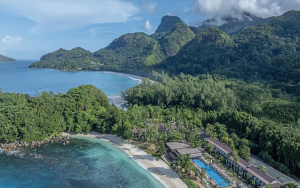
This Africa Day, Minor Hotels invites travellers to discover the richness and diversity of Southern Africa through a portfolio of distinctive properties spanning vibrant cities, remote wilderness, coastal esces and island retreats.
While Africa is often viewed through the lens of bush safaris and catching a glimpse of the Big Five from a Land Cruiser; the continent promises any number of extraordinary journeys. Today’s high-value travellers are increasingly seeking multi-destination itineraries that combine varied experiences into one seamless journey. From the dramatic coastlines of Mozambique to Mahé, from the waterways of Zambia to the cultural energy of Johannesburg and Windhoek, Minor Hotels presents journeys that connect travellers more deeply with the landsces, communities and heritage of each destination.
Across Southern Africa, Minor Hotels’ portfolio of twelve properties allows guests to move effortlessly between nature, culture, conservation and contemporary urban life. This spirit of connection reflects the essence of Africa Day, which celebrates unity, cultural pride and collective identity across the continent.
Iconic esces begin at Royal Livingstone Victoria Falls Zambia Hotel by Anantara, set on the banks of the Zambezi River within Mosi-oa-Tunya National Park. Guests can enjoy breakfast alongside roaming zebras and giraffes, take to the skies above Victoria Falls by helicopter, or step aboard the Royal Livingstone Express for a nostalgic rail journey inspired by a bygone era of opulence.
In Zimbabwe, Anantara Stanley & Livingstone Hotel offers an intimate gateway to conservation-led travel. Set within the Victoria Falls Private Game Reserve, the boutique property features just 16 suites, providing visitors with the opportunity to participate in the Black Rhino conservation programme that has existed for over two decades. Conscious visitors embark on guided game drives and walks with specialists that connect visitors to the reserve’s ongoing preservation efforts and wildlife heritage.
Further west, Anantara Tented Camp Kafue River opening this summer, offers a deeply immersive safari experience defined by privacy and remoteness. Nestled along the banks of Zambia’s life giving Kafue River, the camp features a limited number of luxurious tents designed to blend seamlessly into the surrounding landsce, placing guests at the heart of one of Africa’s most untouched wilderness areas.
Along Mozambique’s coastline, Anantara Bazaruto Island Resort delivers a contrasting vision of barefoot luxury. Set within an untouched archipelago, the resort offers marine exploration, coral reef discovery and expansive ocean views that define island seclusion serenity. Whilst Avani+ Barbarons Seychelles Resort introduces contemporary coastal esce, where relaxed beachfront living meets vibrant island culture, offering travellers a stylish yet unpretentious gateway to the Indian Ocean.
Urban experiences form an essential part of modern African journeys. Minor’s African city hotels such as Avani Gaborone, Avani Windhoek and NH Johannesburg Sandton position cities as dynamic cultural and economic hubs where heritage and modernity intersect. In Gaborone, travellers find a growing urban landsce where creativity and commerce converge.
Whether teeing off at the golf course, sipping cocktails with the locals or spinning the wheel at the casino, an air of glamour. Visit the cultural monuments of Windhoek before admiring striking views from the sky deck over a meal at Stratos. In the heart of the cosmopolitan Sandton district, NH Johannesburg Sandton is the perfect address for holidaymakers to enjoy high-end shopping in Africa’s richest square mile and watch live theatre.
Together, these properties reflect a more contemporary perspective on African travel, shed not by a single narrative, but by contrast, connection and cultural depth. This Africa Day, Minor Hotels celebrates the spirit of a continent defined by diversity, heritage and shared experiences, inviting travellers to engage with Africa in all its modern expressions.
Discover Africa’s most exceptional destinations with Minor Hotels Africa:
TravelNews
South Mediterranean tourism shows 59% summer dependence

A new report by Data peal Mabrian (Almawave/Almaviva Group), highlights how European destinations can strategically boost low-season demand by expanding and diversifying their offerings beyond traditional peak periods, signalling the need for a coordinated shift in how destinations design and promote year-round travel experiences.
The study, presented by Emilio Inés, Tourism Global Director at The Data peal Company at the Seasonality Summit 2026 in Rimini, analyses low-season inbound demand trends across Italy, Spain, Greece, Croatia and Portugal within the South Mediterranean context. It examines seasonality patterns, traveller profiles, air connectivity, pricing trends and demand drivers across key Southern European destinations, providing strategic insights to support the development of more balanced year-round tourism models.
Key findings show that destinations are progressing at different speeds in addressing seasonality. According to the Summer Dependence Rate*, Spain records the lowest peak-season dependence (52.8%), well below the South Mediterranean average of 59.1%, followed by Portugal (54.5%) and Italy (58.7%). By contrast, Greece (72.9%) and Croatia (79.1%) remain significantly more reliant on summer demand, although Greece is showing early signs of extending tourism activity into the shoulder seasons.
The report identifies distinct low-season traveller profiles. From January to March, demand is largely driven by couples from nearby markets in midscale accommodation; whereas October to December sees a shift towards established European markets, with travellers more likely to extend summer and opt for upscale hotels.
According to the analysis, in-destination events are also playing a key role in driving low-season demand. As Emilio Inés noted at the Seasonality Summit: Organically counter-seasonal, between 53% and 72% of events already take place outside peak months, while 58% to 73% of total attendance is concentrated in the low season, effectively turning events into a demand powerhouse for low season periods.
Connectivity, Climate, Pricing and Experiences: Key Levers for Seasonality Mitigation
The report highlights that improving low-season performance requires a deeper understanding of traveller motivations, better alignment between event calendars and tourism products, and stronger targeting of high-connectivity source markets. Climate perception, pricing advantages and curated experiences are identified as key levers to redistribute demand more evenly throughout the year.
Air connectivity across the five destinations studied is set to expand further in late 2026. Between October and December 2026, a total of 96.64 million seats will connect Italy, Spain, Greece, Croatia and Portugal, representing a +4.6% increase compared with the same period in 2025. All destinations are expected to record growth in Q4 2026 except Portugal (-2.5%). Greece leads expansion with +10.7%, followed by Spain (+5.4%) and Italy (+4.2%).
According to the Data peal expert, leveraging inbound markets with increasing low-season connectivity is essential, alongside strengthening airline networks that extend beyond peak months. This includes both low-cost carriers—particularly relevant in Italy and Spain—and traditional airlines, which are expanding seat cacity in the low season across Italy, Spain and Greece. In Croatia and Portugal, low-season connectivity accounts for an average of 58.5% of total cacity.
The report identifies climate perception as a growing competitive advantage for low season travel, particularly among short- and medium-haul repeat visitors, as well as flexible segments such as young adults, digital nomads and senior travellers. Based on the Perception of Climate Index (PCI), the study unveils windows of climate opportunity when actual weather conditions exceed traveller expectations. Italy, Spain and Greece typically show two such windows—late winter/early spring and autumn—while Croatia and Portugal benefit from an additional spring window.
When aligned with inbound holiday calendars, these periods present significant opportunities to stimulate low-season demand, highlights Data peal’s Tourism Global Director. Data indicates that the UK, Germany and France represent a structural base for low season travel, with 63%, 60% and 53% of holidays respectively taking place outside peak periods.
Pricing also plays a key role in shing demand. In winter 2026, hotel rates across the destinations analysed are significantly lower than in summer 2025, with average reductions of 24.6% for 3-star hotels, 22.4% for 4-star hotels, and close to one-third for 5-star properties.
Finally, the report highlights that many of the most engaging tourism activities for travellers visiting the studied European destinations—including cultural, nature-based, gastronomy and active experiences—are inherently less seasonal and highly adtable throughout the year, offering strong potential to further redistribute demand beyond peak periods.
* Summer Dependance Rate: Proprietary indicator that measures the concentration of tourist activity during the summer period. It represents the percentage of total annual tourism activity — based on reviews from verified and completed accommodation stays — that occurs between May and September (inclusive), relative to overall year-round activity.


Locals set fire to DRC hospital treating Ebola patients
A hospital in the Democratic Republic of Congo was set on fire after relatives of a man who died from...


Why are Harry Styles fans mad about his tour?
Harry Styles' tour has faced online backlash from fans who say they paid for premium tickets but have been left...


Japanese temple with ‘eternal flame’ gutted by fire
Fire destroyed a Janese temple that housed a flame said to have been continuously lit for over 1200 years, according...
EQT is the only bidder for OmniActive Health Technologies. EQT and a consortium led by Temasek Holdings and Novo Holdings were competing for a controlling interest in the company. ET reported that EQT’s offer had been superior. Dhiraj Poddar declined to make any comments. Mariwala didn’t respond to ETs question. Temasek Holdings and Novo Holdings declined to comment.
“Talks will be continued with EQT, though it is possible that TA Associates abandons these discussions and begins a new...


How the DNC's 2024 port-mortem turned into a crisis
CNN has obtained the Democratic National Committee's autopsy of the 2024 election. CNN's Edward-Isaac Dovere shares …


What is the US endgame in Cuba after Castro's indictment? | Global News Podcast
The US justice department has indicted the former Cuban president, Raúl Castro, on four counts of murder and conspiracy to...


Verified videos show aftermath of explosion in Delhi
Police in Delhi, India have confirmed that eight people were killed by an explosion that occurred near the Red Fort....


How can a lottery change the law in the UK? #Lottery #BBCNews


Colorectal cancer appears to be the deadliest cancer for young adults
Fitness coach Alondra Gibson never expected to be diagnosed with colon cancer at age 31. She spoke to CNN's Antoinette...


Usyk vs Verhoeven: Eddie Hearn describes challenger as not a normal man
Verhoeven is a huge underdog and victory over Usyk would rank among the biggest shocks in boxing history, arguably surpassing...
-

 Politics1 day ago
Trump-critic Thomas Massie loses Kentucky primary to AIPAC-backed Gallrein
-
Entertainment3 days ago
Picturehouse Entertainment acquires UK rights to A Town In Nova Scotia
-

 Food4 days ago
Juneteenth Foods: 23 Recipes for a Cookout Celebration
-

 Entertainment3 days ago
‘SNL’ Veteran Calls Out Elon Musk Over Lupita Nyong’o Remarks
-

 Tech4 days ago
If Your iPhone Battery’s Draining Faster After iOS 26.5, Don’t Panic
-
Tech4 days ago
Today's NYT Mini Crossword Answers for Monday, May 18
-

 Entertainment4 days ago
Adam Driver and Kenneth Lonergan Reunite For ‘Tomorrow Is a Drag’
-

 Entertainment5 days ago
Randy Jackson Sparks Health Concerns After TV Appearance