

HealthNews
Dementia Specialists Reveal The Foods They Always Tell Patients To Eat More Of

Specialists Are Practically Begging People To Eat These 3 Foods That Actually Lower Dementia Risk
There are several things you can do to help control your brain health, including eating a few powerhouse foods.
As terrifying as the thought of dementia is, there’s hope in all of the ways we can prevent it. Certain protein sources can lower your dementia risk, as can finding purpose in life (the latter by 30%, actually). You can also keep your mind sharp by exercising, challenging your brain, sleeping, eating nutritious foods, getting social, limiting stress and not smoking.
Let’s focus on that nutrition piece: To create a simple, easy habit, what’s the main food dementia specialists want you to add to your plate? There are a few options, actually. Ahead, various types of those experts — from internists to professors to psychologists to neuroscientists — share their answers and explanations.
Leafy Green Vegetables
Spinach, kale, arugula, romaine, collards: They’re different foods, but they all fall into the same category of leafy green vegetables that protect brain health. While that probably isn’t surprising, let’s hear the expert-backed insight into why they’re a smart option.
“They are packed with nutrients the brain seems to benefit from, including folate, vitamin E, vitamin K, lutein and anti-inflammatory plant compounds,” said Dr. Dung Trinh, an internist of MemorialCare Medical Group and the chief medical officer of Healthy Brain Clinic in Irvine, California. “We also know that what is good for the heart and blood vessels is often good for the brain, and leafy greens support both.”
Jordan Weiss, an assistant professor at NYU Grossman School of Medicine and a scientific writer at Assisted Living Magazine, agreed. “My answer is boring, and I‘ll stand by it anyway: leafy greens,” he said. “Greens carry folate, vitamin K1, lutein and nitrate. Each is doing something useful in an aging brain.”
He pointed to data from the Rush Memory and Aging Project, in which researchers followed 960 older adults for five years. “People eating roughly a serving a day of greens looked cognitively 11 years younger than people who rarely touched them,” he reported. “That effect size is wild for a single food, and it survived adjustment for overall diet, exercise and education.”
Your next potential question, especially if leafy greens aren’t your favorite: How many do you need to eat? Trinh and Weiss recommend aiming for at least one serving daily. What that can look like varies from a salad to a half-cup of cooked greens to a generous handful in a smoothie, omelet or soup.
“Going beyond that doesn’t seem to add much,” Weiss noted. Plus, remember to focus on doing what you can. Something is better than nothing. “The key is consistency, not perfection,” Trinh said. “You do not need an expensive supplement or a complicated cleanse — you need habits you can sustain for years.”
Fatty Fish
Yep, “fat” is not inherently unhealthy or a “bad” word, and this proves it.
“If I had to choose a single food to recommend for the prevention of dementia and cognitive protection, it would be fatty fish, specifically salmon, mackerel or sardines,” said Eleni Nicolaou, who has a Ph.D. in clinical psychology, specialized training in neurocognitive conditions, clinical practice supporting patients and families dealing with dementia and research on the effects of biological and lifestyle determinants. “I don’t recommend it because it is a superfood in the marketing sense, but because the evidence behind it is more consistent and specific than anything in the nutrition and brain health literature.”
She explained that the brain is about 60% fat, mostly composed of an omega-3 called DHA. The brain uses DHA to build and repair neurons, which transmit information. With lower DHA levels, communication in the brain slows down, and the brain is more susceptible to the inflammation that causes conditions such as Alzheimer’s.
All of that is to say, some of the highest levels of DHA are in fatty fish. Nicolaou pointed to studies affirming this. For starters, research published in Neurology found that the higher the levels of omega-3 in the blood, the better the brain structure and cognitive performance. Additionally, a study in the American Journal of Clinical Nutrition found that long-term omega-3 supplementation was linked to a 64% lower risk of Alzheimer’s in participants followed for six years.
She incorporates this into her practice, of course, too. “In my clinical work with families dealing with dementia, getting consistent omega-3 intake into a patient’s weekly diet was one of the first dietary conversations I’d have because the evidence for it is very solid,” Nicolaou said. She recommended two to three servings a week, with one serving equaling around 100 to 150 grams.
Blueberries
Fruit lovers, it’s your time to shine. “I understand that blueberries are the single food most consistently linked with better brain aging because their high levels of anthocyanins and other antioxidants help reduce inflammation and oxidative stress, two major drivers of cognitive decline,” said Christopher U. Missling, a neuroscientist who specializes in Alzheimer’s disease and is experienced in mechanisms linking diet, metabolism and brain health.
Research shows that blueberries can protect brain cells from damage, he continued, as well as improve communication between neurons and slow age-related memory loss by counteracting free-radical injury and supporting healthier blood vessels that support the brain.
How much and how often should blueberries be on your plate? According to Missling, most studies suggest around a half-cup to one cup of blueberries a day, but some observational research has shown benefits with just one serving a week.
Dementia prevention isn’t just about food.
While nutrition is undeniably helpful, it’s not everything. Health is all-encompassing, including social health, emotional health, environmental health and more. Experts will tell you this, too. “Food matters, but it works best as a part of a broader brain-health strategy,” Trinh said. “I tell patients to think in terms of ‘protect the brain by protecting the body’ — control blood pressure, stay physically active, prioritize sleep, treat hearing loss, stay socially engaged and eat in a way that lowers inflammation and supports vascular health.”
Missling agreed that nutrition is more complex than adding just one food. While blueberries are his No. 1 suggestion, he encouraged people to incorporate other brain-healthy foods, too. “No single food — blueberries included — can prevent dementia on its own, but regularly eating them as part of an overall pattern rich in colorful fruits, leafy greens, nuts, whole grains and omega-3-rich fish seems to offer the strongest cognitive protection,” he said. “Consistency matters more than perfection, and pairing these foods with sleep, movement and social engagement creates a much more powerful long-term effect on brain resilience.”
This article originally appeared on HuffPost.
HealthNews
Ozempic Users Are Skimping Out on Exercise, Study Finds
GLP-1 drugs like semaglutide (the active ingredient in Ozempic and Wegovy) have changed weight loss treatment for the better. That said, people taking these medications might be less inclined to keep up with other healthy habits, research out today shows.
Doctors at HSHS Saint John’s Hospital in Illinois and others examined Fitbit data from people with obesity who were prescribed a GLP-1 medication. People’s level of physical activity significantly decreased after starting a GLP-1, they found. Though preliminary, the study’s findings suggest that promoting exercise should be an important part of managing the care of patients who go on these drugs, the researchers say.
The GLP-1 paradox
While exercise isn’t a major driver of weight loss, at least for most people, it’s long been recommended alongside diet. When people lose weight, they lose both fat and lean body mass, some of which can include muscle. Exercise can help stave off this muscle loss and maintain people’s physical strength and functioning.
Though people can lose weight through lifestyle changes alone, the addition of GLP-1 therapy has proven to be much more effective on average. The researchers wanted to understand how people taking these drugs might alter their level of exercise, so they turned to data from the All of Us research program, an ongoing project that tracks the health of a large, diverse group of Americans.
They focused on a subset of volunteers, 753 in total, who were prescribed a GLP-1 for their obesity and also had Fitbit activity data available before and after their prescription. These GLP-1s included the newest drugs on the market, like semaglutide and tirzepatide, as well as older medications liraglutide and dulaglutide.
Overall, people’s physical activity decreased after starting a GLP-1, the researchers found. The average daily steps of GLP-1 users dropped from 5,047 to 4,487, for instance, while their daily level of moderate-to-vigorous activity lowered from 28 minutes to 22 minutes. This decline in exercise was steeper among men as well as people who also reported having some amount of musculoskeletal pain.
What to do
The team’s research is set to be presented this weekend at ENDO 2026, the Endocrine Society’s annual meeting. That means these findings are preliminary, so they should be viewed with more caution than usual. Other research, including from large-scale clinical trials, has also indicated that muscle loss isn’t a major concern for people taking a GLP-1 and that people’s physical functioning generally improves while on these drugs.
Still, there are some GLP-1 users who are at greater risk of muscle loss than others, particularly older people. And since exercise is one of the healthiest things you can do no matter your current weight or medication status, it should still be concerning if many GLP-1 users are dropping their gym or walking routine. The researchers argue that people going on these drugs should be reminded about the importance of maintaining their exercise habits.
“These findings suggest that weight loss alone may not promote increased physical activity, highlighting the need for targeted interventions that encourage physical activity alongside pharmacologic therapy,” they wrote in their paper.
HealthNews
You’d Never Guess This Subtle Sign Of A Stroke
As hard as it can be to admit, you can have a stroke. Your loved one can have a stroke. Statistically, someone in the United States has a stroke every 40 seconds; every 3 minutes and 14 seconds, someone dies of a stroke. It’s not a concern to ruminate on, per se, but one to be mindful of.
For example, you might avoid habits that can increase the risk, such as being sedentary, smoking, ignoring health concerns and drinking alcohol. Knowing the clear signs of a stroke — illustrated by the BE FAST acronym — is smart, too. BE FAST stands for (problems with) balance, eyesight, facial drooping, arm weakness, speech and time or terrible headache.
Health: Warning Stroke: What It Is And Symptoms To Look For
However, there’s also a super random, surprising sign of a stroke that many people don’t know, according to vascular surgeons: hiccups.
Ahead, experts explain how hiccups can be a sign of a stroke, other commonly missed signs and when to see the doctor about this seemingly “harmless” symptom.
How Hiccups Can Signal A Stroke
To understand why hiccups can be a sign of a stroke, it’s important to understand exactly what hiccups are — particularly, how they’re connected to the brain.
“Hiccups are caused by involuntary contractions of the diaphragm, coordinated by a reflex arc involving the brainstem, particularly the medulla,” said Dr. Christopher Yi, a board-certified vascular surgeon at MemorialCare Orange Coast Medical Center in Fountain Valley, California. “In rare cases, a stroke affecting this region — most classically a lateral medullary (Wallenburg) stroke — can disrupt that reflex and trigger persistent hiccups.”
Health: This Overlooked Health Marker Is Linked To Better Longevity — And You’ve Probably Never Heard Of It
Usually, hiccups aren’t so concerning. You might get them after eating too fast, moving too quickly after eating or drinking a carbonated beverage. But if a stroke in the brainstem is causing the hiccups, they need to be taken more seriously.
“In rare cases, hiccups can be linked to a stroke — specifically a stroke affecting the brainstem,” said Dr. Adeel Popalzai, a vascular neurologist and stroke program director at Pomona Valley Hospital Medical Center. “The brainstem is involved in the hiccup reflex pathway. When a stroke disrupts this area, it can cause persistent, uncontrollable hiccups that don’t respond to usual remedies.”
Yi affirmed that persistent hiccups have been documented in posterior circulation strokes, which affect the back of the brain. They also don’t always cause one-sided weakness (a classic symptom of a stroke) and rather present with more subtle symptoms. This makes hiccups an early and arguably clearer clue, especially when present with other neurologic abnormalities.
That last piece is vital because otherwise, a lot of us would get unnecessarily nervous when we get the hiccups, right?
“It is important to remember that hiccups alone are almost never a stroke, but persistent hiccups with other symptoms can be a warning sign,” Popalzai stressed.
Like this article? Keep independent journalism alive. Support HuffPost.
Other Commonly Missed Signs Of A Stroke
Hiccups aren’t the only symptom of a stroke that often goes ignored, especially with posterior circulation strokes.
“Many people expect a stroke to look dramatic, but some of the most dangerous strokes — especially those in the back of the brain — can present with subtle or misleading symptoms,” Popalzai warned.
Health: Vitamin A Toxicity Increased After RFK Jr. Suggested It As A Measles Treatment
The vascular surgeons listed the following symptoms:
Sudden dizziness, vertigo or a spinning sensation
Trouble walking, or loss of balance or coordination, which can look like clumsiness, intoxication, veering to one side, difficulty standing or coordinating movements and generalized weakness
Visual disturbances, such as double vision, trouble focusing or loss of part of the visual field
Difficulty swallowing
A sudden, severe headache (particularly in hemorrhagic strokes) — it can signal a brain bleed
Nausea and vomiting, especially when combined with dizziness or imbalance
Sudden confusion or trouble understanding, which can present as difficulty processing information or following a conversation, and may appear as disorientation or memory trouble
“These symptoms are often missed because they don’t fit the ‘classic’ stroke picture, but they are just as important,” Popalzai said.
When To Go To The Doctor About Hiccups or Other Stroke Symptoms
Since hiccups are usually no big deal (well, other than being super annoying), how do you know when you’ve got a normal bout of the hiccups versus a stroke?
According to Yi, consider medical evaluation “when they persist for more than 48 hours, become severe or disruptive or occur in conjunction with neurologic symptoms.” Examples of the latter are the same as above: dizziness, vertigo, difficulty walking, imbalance, double vision, slurred speech and trouble swallowing.
Health: Halle Berry Avoided This ‘Intimate’ Medical Exam — And For A Very Relatable Reason
Popalzai agreed it’s best to focus on the context and associated symptoms. He encouraged calling 911 immediately if you or a loved one experiences those signs. Additionally, having a stroke risk factor, such as high blood pressure, diabetes, heart disease, smoking or a prior stroke, is also a reason to call the doctor ASAP.
“When symptoms are sudden and unusual, it’s always better to err on the side of caution and seek medical attention,” he added.
Yi emphasized the timely nature. “When hiccups present suddenly with any of these neurologic findings, the situation should be treated as a potential stroke emergency, and immediate medical attention is warranted, as timely intervention can significantly improve outcomes,” he said.
The bottom line is that while most hiccups are harmless, they can signal a stroke when accompanied by other brain-related symptoms. Don’t let an unexpected sign of a stroke convince you that a stroke isn’t at play. Take it all seriously.
“Acting fast can save brain function, independence and life,” Popalzai said.
Related…
7 Things Stroke Doctors Say You Should Never, Ever Do
This Simple Acronym Can Help You Tell If You’re Having A Stroke
This Condition Affects 1 In 7 Older Adults — But You Probably Wouldn’t Know It
HealthNews
Woman hears ringing in her ears, blames stress-then learns terrifying truth
Melony Aponte was just 20 when she first noticed subtle changes to her health—symptoms she would later realize were early warning signs of a rare brain tumor.
At the time, she brushed them off. It would take five years before doctors identified the cause: an acoustic neuroma, a rare, noncancerous tumor affecting about one in 100,000 people, according to the National Organization for Rare Disorders (NORD).
Now 26, the Chicago-based woman has shared her experience with Newsweek, including the six symptoms she says she “ignored” before her diagnosis.
Early Symptoms Dismissed
“It all began in 2020,” Aponte said. “I had mild hearing loss in my left ear and tinnitus but I brushed it off as I thought it may have been caused by listening to loud music.”
Doctors initially suspected a buildup of earwax and prescribed drops, but they didn’t help. Another doctor confirmed earwax wasn’t the issue.
“But nobody was worried so I wasn’t either,” she said.
The early warning signs she experienced were:
Mild hearing loss and non stop ringing in one ear—given drops that didn’t work
Anxiety and panic attacks
Migraines that “wouldn’t go away”
Hating food
Anxiety and Migraines Take Over
Over time, Aponte began experiencing additional symptoms that appeared unrelated.
In July 2022, she noticed changes in her mental health and cognitive function.
“I started developing panic attacks and anxiety alongside horrible eating habits,” she said.
She was later diagnosed with generalized anxiety disorder, but she felt something still wasn’t right.
“Something felt off but I kept putting it down to stress,” she said, describing 2022 as an “awful” year.
‘Eating Became a Chore’
Aponte’s relationship with food also changed dramatically.
She said she began to fear eating certain foods, believing they might “kill her,” and limited herself to “safe” options like pasta, chicken and rice.
“Eating became a chore,” she said. “I turned into a germaphobe and thought every food was going to harm me so I only ate safe foods. I lost almost 40 pounds.”
Balance Issues and New Symptoms
As the years went on, additional physical symptoms emerged.
Aponte said she began to feel unsteady on her feet and developed unusual neurological sensations.
Her later symptoms included:
Walking with what felt like “two left feet”
Facial numbness
She also experienced body tremors and worsening panic attacks.
Diagnosis After Hearing Test
By the end of 2024, Aponte sought further help as her hearing problems persisted. She visited an ear, nose and throat (ENT) specialist and underwent testing.
“The symptom began during the coronavirus pandemic so my ENT said it could be a side effect from that, or a common flu or in a rare case, a brain tumor,” she said.
In December, she was diagnosed with asymmetrical hearing loss, meaning her hearing differed between each ear.
According to NORD, an acoustic neuroma (vestibular schwannoma) is a rare, noncancerous tumor that forms on the eighth cranial nerve, which connects the inner ear to the brain and controls hearing and balance. About 90 percent of people first notice hearing loss in one ear.
“I was adamant that it was caused by COVID-19,” she said. “I even tried to give myself benefit of doubt and thought my body was changing with age.”
‘The World Turned Upside Down’
On March 12, 2025, Aponte underwent an MRI scan. Two days later, doctors delivered the diagnosis.
“I felt like the world turned upside down,” she said. “I thought my life was going to end. It was the size of a golf ball and pushing my hearing and balance nerve.”
The tumor measured 4.5 centimeters.
The Road to Recovery
On April 9, Aponte underwent a 13-hour operation to remove 99 percent of the tumor.
“They had to leave a slither left to protect the facial nerve as the tumor was wrapped around nerves,” she said.
She is now partially deaf in her left ear.
Recovery was long and difficult. She spent two weeks in hospital followed by rehabilitation.
“I had to relearn how to walk, eat, and literally do everything every day that we take for granted,” she said. “It humbled me.”
Life After Diagnosis
Now more than a year after her surgery, Aponte says her outlook has shifted.
“The diagnosis has changed my perspective on life, this is part of my story and testimony,” she said.
She has also regained her enjoyment of food.
“I lost part of my hearing but my tastebuds are stronger than ever,” she said.
Related Articles
Woman Arrives for Routine Operation—Then Pre-Surgery Tests Stop Everything
Five Everyday Parenting Habits That Can Quietly Fuel Child Anxiety
What Elon Musk Could Buy With $1 Trillion
HealthNews
Parents Paying Up to $20K to Inject Children with Autism with Unauthorized Treatment Touted by RFK Jr.
NEED TO KNOW
Clinics in multiple states are offering unapproved stem cell treatments for autism, costing families up to $20K per session
The FDA warns these treatments are unproven and potentially harmful to patients
Families, desperate for help, are paying despite risks after U.S. Health and Human Services Secretary Robert F. Kennedy Jr. endorsed the treatment
Children nationwide — some as young as 18 months old — have reportedly been injected with stem cells derived from umbilical cords in an unauthorized attempt to treat autism.
According to a new report by the Guardian, clinics in Florida, Texas other states other states have been selling “regenerative medicine” to families with children with autism, following misinformed guidance endorsed by U.S. Health and Human Services Secretary Robert F. Kennedy Jr.
The procedure, which reportedly costs up to $20K per treatment, involves the child being sedated with ketamine before receiving intravenous doses of millions of stem cells. The practice has not been approved by the U.S. Food and Drug Administration (FDA). The agency has warned that there is no scientific evidence to support it and that any unauthorized treatment can be potentially harmful.
One Florida woman, Christy Holdren, told the outlet that she sought treatment for her 8-year-old son Landyn, who has autism and is nonverbal. She explained that when he’s distressed, he can self-harm by slapping his chest, face or head.
In October 2025, Holdren said she paid a clinic $12,500 for the unapproved stem cell treatment. She said she knows there is no “cure” for autism, but she’s determined to help her son in any way she can.
Sign up for From the Editor, our free weekly newsletter from PEOPLE’s Editor-in-Chief, Charlotte Triggs.
“He actually looks at us and not through us, and that’s huge for us,” she said of the small improvements she claims her son has shown after the treatment. “We can cut his hair without him freaking out. That may sound little, but when you have to wrangle an alligator to clip his nails, that’s big things.”
However, seven months after the injections, Holdren said Landyn’s aggressive behavior has worsened. So, she is now reportedly planning to spend $15,000 on a second stem cell dose later this month.
Arnold Kriegstein — a professor of neurology at the University of California San Francisco who led its stem cell research for almost two decades — told the Guardian that there are a number of families like Holdren’s. He stressed the growing concern about the spread of expensive and medically unproven interventions.
“I’m appalled that this is being allowed to go on in the U.S., and that so many desperate people are being taken advantage of with a ‘treatment’ that in my view is completely bogus,” he said.
Going against scientific evidence, Kennedy has regularly advocated for public access to experimental stem cell treatments, including those derived from umbilical cords, to treat a number of medical conditions.
In October 2024, Kennedy publicly criticized the FDA’s “war on public health” through its “aggressive suppression of… stem cells.” He stated at his senate confirmation hearing that he “will protect stem cell research.” In June 2025, during a panel at FDA meeting, he also voiced full support for the researchers working on stem cell and gene therapies.
“We’re going to do everything in our power to sweep away the barriers from you getting those solutions to market and getting them funded, and do everything that we can to support you all,” he said, The New York Times reports.
Additionally, during a podcast appearance in May 2025, Kennedy vowed to end the FDA’s “war” against alternative medicine and stem cells, and claimed that stem cell therapy “helped me enormously” during a past trip to Antigua. He said the FDA shouldn’t be telling physicians what they can and cannot prescribe.
“If you want to take an experimental drug — you can do that, you ought to be able to do that,” he said at the time.
“And of course you’re going to get a lot of charlatans, and you’re going to get people who have bad results,” he added. “But ultimately, you can’t prevent that either way. And leaving the whole thing in the hands of pharma is not working for us.”
Despite Kennedy’s claims, part of the FDA’s role involves preventing “bad results” with experimental drugs. The federal agency is responsible for protecting the public health by “ensuring the safety, efficacy, and security” of drugs and medical products.
The FDA currently permits stem cell therapies to treat blood and immune disorders. Due to loose regulations in the past, nearly a decade ago the agency took legal action to shut down clinics that offered unauthorized treatments for a wide range of medical conditions from autism and Alzheimer’s disease to erectile dysfunction.
However, there are still clinics across the country that offer them.
Never miss a story — sign up for PEOPLE’s free daily newsletter to stay up-to-date on the best of what PEOPLE has to offer, from celebrity news to compelling human interest stories.
The FDA has issued multiple alerts over the years regarding the misinformation about regenerative medicine, including stem cell products. The agency said that unapproved therapies can be harmful and put patients at risk.
“FDA has received reports of blindness, tumor formation, infections, and more due to the use of these unapproved products. Please know that if you are being charged for these products or offered these products outside of a clinical trial, you are likely being deceived and offered a product illegally,” the agency said. “Regenerative medicine therapies have not been approved to treat autism, macular degeneration, blindness, chronic pain, or fatigue.”
Unfortunately, some experts have pointed out an alarming trend that, under Kennedy, the FDA has started to decline in enforcement of its regulations.
“We haven’t seen the FDA taking action in the last 18 months,” Paul Knoepfler, a stem cell biologist at the UC Davis School of Medicine, told the Guardian. “I think we’re going to see big change coming from the FDA very soon, backing off oversight of birth-related stem cells.”
HealthNews
First West Nile Virus-Positive Mosquitoes Reported In Chicago This Year

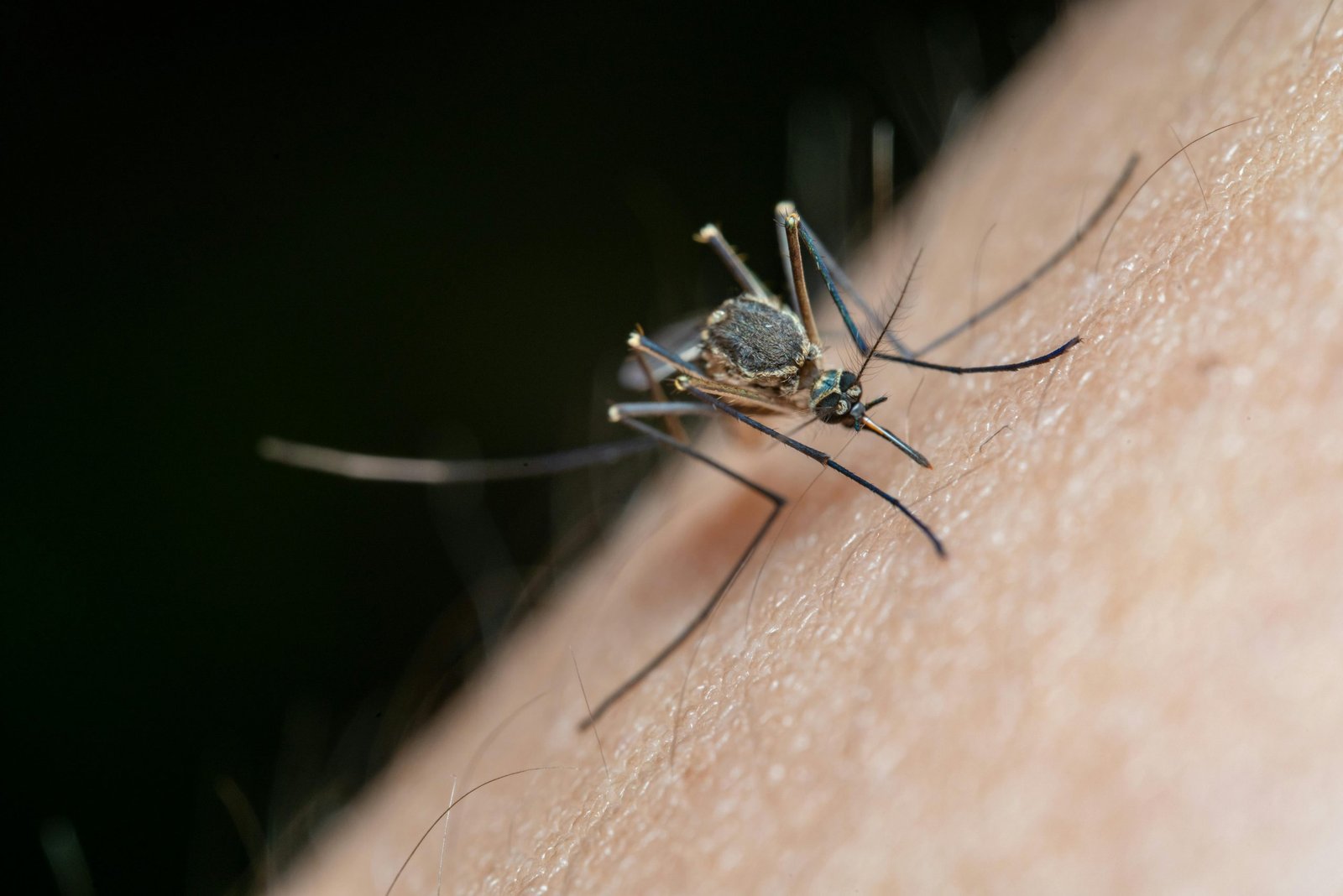
CHICAGO — West Nile virus-positive mosquitoes have been reported in Chicago for the first time this year, the Chicago Department of Public Health announced Friday.
Mosquitos can transmit the potentially serious virus to humans via bites, but no cases of West Nile have been reported in humans in Chicago this year, according to a city health department news release.
In mid-May, the state’s health department reported West Nile-positive mosquitos had been found elsewhere in Illinois.
Most mosquitoes do not carry the virus. The risk of getting West Nile via mosquito bite is highest June through October, during peak mosquito season, according to the Centers for Disease Control and Prevention.
Most people infected with the virus don’t feel sick, but about 1 in 5 people develop a fever and flu-like symptoms, according to the city health department. Severe illness can occur in 1 in 150 people, mostly in people older than 55 who have weakened immune systems.
Symptoms — which typically show two to six days after an infected mosquito bite — include fever, headache, body aches, vomiting, diarrhea and rashes, according to the CDC. Some people who get the virus will feel fatigued and weak for months, and people with severe cases can die or may need hospitalization.
While most people with mild illness recover completely, fatigue and weakness can last for weeks or months. Severe cases can also impact the central nervous symptom and result in hospitalization or death.
There aren’t licensed medications or vaccines to prevent or treat West Nile virus, according to the CDC and Chicago Department of Public Health, so preventing mosquito bites is the best way to protect yourself.
“One of the best ways for Chicagoans to have a safe and healthy summer is by protecting themselves from mosquito bites,” Dr. Janna Kerins, Chicago Department of Public Health medical director, said in a press release.
According to the department, Chicagoans can prevent mosquito bites by:
Using EPA-registered insect repellent according to its label instructions.
Wearing long-sleeved shirts and pants when outside between dusk and dawn.
Making sure windows and door screens don’t have holes.
Using air conditioning at home if possible to control mosquitos indoors.
Keeping grass and weeds short to eliminate hiding places for mosquitoes.
Emptying items that hold water like flowerpots or birdbaths once weekly.
The Chicago Department of Public Health has a “robust program to prevent and control” West Nile Virus, according to the agency. This includes treatment of over 80,000 catch basins — or specialized storm drains that collect surface water — with larvicide, doing weekly collecting and testing of mosquitoes, spraying to kill adult mosquitoes and monitoring infections in humans.




US & Iran trade blows, say different things about a deal & more | Iran war this week
Here's a roundup of events in the Iran war this week. 0:00 June 8 – Trump talked Netanyahu out of...


Where World Cup fans should eat in Atlanta
Where can World Cup soccer fans find the best biscuit in Atlanta? Isabel Rosales is on the case.


Kennedy Center says it has removed Trump's name from building
Spectators gathered on Saturday afternoon to witness the removal of President Trump's name from the John F. Kennedy Center …


Why Flamingos are the symbol of protests in Albania
Since late May, masses of people in Albania have been protesting plans to build luxury resorts in a remote area...


Knicks NBA Finals win would mean big things for Danhausen
The New York Knicks are one game away from securing their first NBA championship dating back to 1973. They’re up...


Vanessa Trump Opens Up About Progress in Breast Cancer Battle
Vanessa Trump is staying optimistic amid her breast cancer fight … sharing a promising update after weeks of recovering from...


Trump says Iran deal is scheduled to be signed on Sunday | BBC News
A deal to end fighting between the US and Iran is "scheduled to get signed" on Sunday, US President Donald...


King Charles III celebrates monarch birthday
Thousands gathered outside Buckingham Palace to watch the annual Trooping of the Color celebrating the official birthday of …
After Milania Giudice Domestic Violence Arrest, ’RHONJ’ Cast Speculates Luis Ruelas Was the Victim
After the shocking news that Milania Giudice, daughter of reality TV legend Teresa Giudice, was arrested for domestic violence back...


Knicks in 5? CNN hears from celeb superfans
The New York Knicks are on the brink of an NBA title after the biggest comeback in NBA Finals history...
-

 LifestyleNews1 week ago
120 minutes of strength training per week may help extend lifespan
-

 Politics2 days ago
What to know about the stabbing that set off fiery riots in Northern Ireland
-

 Video1 day ago
Download fans say what they love about the festival. #DownloadFestival #BBCNews
-

 Video1 day ago
Why SpaceX IPO isn't about space. #SpaceX #ElonMusk #BBCNews
-

 HealthNews2 days ago
The people of Okinawa, Japan only eat until they are about 80 percent full, then stop — and the practice has been linked in multiple peer-reviewed studies to lower rates of cardiovascular disease, slo
-

 Food21 hours ago
Pope Leo’s plane was grounded. Then the King of Spain stepped in to help
-

 TravelNews1 day ago
My Paternal Instinct Should’ve Warned Me About Netflix’s Maternal Instinct
-

 Politics1 day ago
Zohran Mamdani Pushes Tax on Rich After Elon Musk Becomes Trillionaire