LifestyleNews
How Gen Z Is Redefining Elegance in 2026: The Rise of Effortless Style and Authentic Luxury
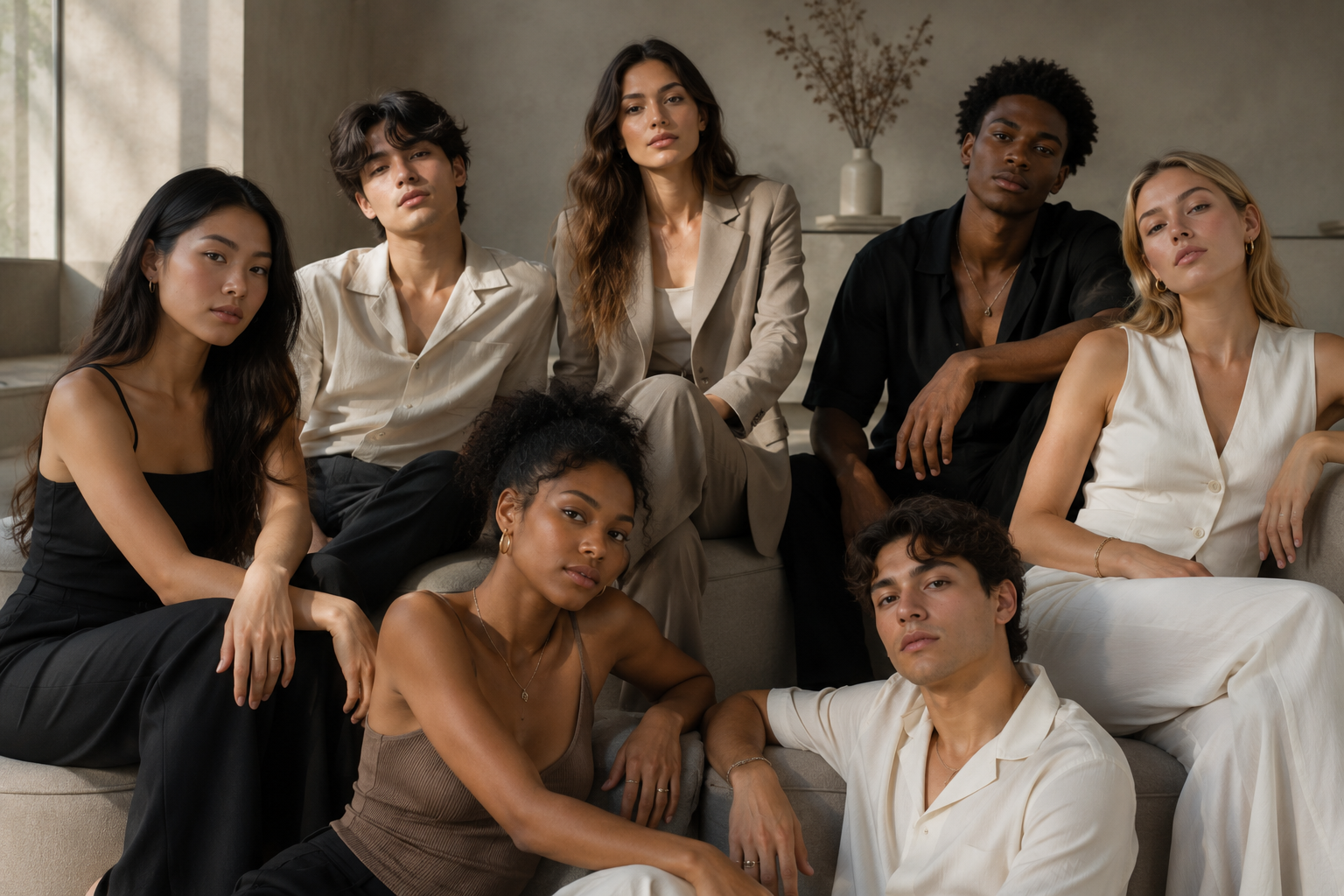
In 2026, the concept of elegance is undergoing a profound transformation, largely driven by Gen Z. This generation is actively reshing fashion trends, moving away from rigid, traditional luxury towards a more authentic and individualistic expression of style. Their values are influencing various aspects of fashion, including:
- Silhouettes
- Brand perception
Prepare to explore how these influences are shing the future of elegance.
Why Elegance Is Being Rewritten in 2026
Elegance in 2026 is experiencing a significant rewrite, as societal values shift and a new generation of tastemakers emerges. The traditional confines of luxury and sophistication are being dismantled, paving the way for a more inclusive and personally expressive definition.
The cultural shift from traditional luxury to modern authenticity
The cultural landsce of 2026 clearly demonstrates a pronounced shift from traditional luxury, often associated with overt displays of wealth and formal attire, towards a modern authenticity that prioritizes personal values and genuine expression.
Gen Z, with their inherent desire for transparency and meaning, is embracing this evolution, leading to new fashion trends that resonate deeply with their ethos. This generation is looking beyond mere aesthetics, seeking parel that tells a story and aligns with their commitment to:
- Ethical consumption
- Self-awareness
Ultimately redefining what it means to be elegant in a contemporary context.
Why Gen Z is becoming the most influential style-defining generation
Gen Z is undeniably becoming the most influential style-defining generation in 2026. This is largely due to their digital native status and a keen sense of individual expression that contrasts sharply with millennial style. Their ability to quickly disseminate and adopt new fashion trends through platforms like TikTok has a ripple effect across the entire industry, making them powerful influencers of current Gen Z fashion trends.
Unlike previous generations, Gen Z doesn’t merely follow trends; they actively create and curate them, blending various elements such as:
- Nostalgic ’90s streetwear
- Contemporary oversized silhouettes
This continuous reshing of the fashion landsce dictates what’s considered chic.
The decline of perfect fashion aesthetics and rise of real identity
The decline of perfect fashion aesthetics in 2026 is a direct consequence of Gen Z’s rejection of unattainable ideals, paving the way for the rise of real identity in personal style.
This generation is moving away from the curated perfection often seen in millennial style, opting instead to embrace unique expressions that highlight individuality over flawless presentation.
They value clothing that feels authentic and represents their inner self, leading to fashion trends that champion comfort, self-awareness, and a genuine connection to one’s personal story, signaling a definitive shift in how identity is conveyed through parel.
What Elegance Means in 2026: A New Cultural Definition
In 2026, elegance is no longer confined to traditional notions of formality or opulence; it has evolved into a dynamic cultural definition shed by Gen Z’s values. This new understanding encompasses far more than just attire, extending to one’s demeanor and digital presence.
From formal luxury to everyday sophistication
The evolution of elegance in 2026 sees a significant transition from formal luxury, typically reserved for grand occasions, to an everyday sophistication that is seamlessly integrated into daily life.
Gen Z champions this shift, demonstrating that elegance can be found in a well-chosen blazer paired with denim, or an understated, chic cardigan that speaks to quality rather than overt branding.
This redefinition focuses on how parel is worn and the confidence it conveys, making sophistication accessible and relevant for all facets of life, ultimately broadening the peal of discerning fashion choices beyond exclusive events.
Evolving perceptions of elegance among Gen Z
Evolving perceptions of elegance among Gen Z in 2026 indicate a clear departure from previous generations’ ideals, as they redefine what it means to be sophisticated.
This generation embraces an elegance rooted in authenticity, self-awareness, and a calm energy that permeates their personal style and interactions. They gravitate towards fashion trends that reflect their values, such as understated quality and comfort-driven aesthetics, signaling a deeper understanding of style beyond superficial pearance.
This nuanced proach to elegance ensures that personal expression and ethical considerations are paramount, moving beyond mere outward display.
How social media reshed the meaning of elegance
Social media has profoundly reshed the meaning of elegance in 2026, transforming it from a static concept to a dynamic, digitally influenced aesthetic. Platforms like TikTok allow Gen Z influencers to curate and disseminate new fashion trends with unprecedented speed, directly impacting what younger consumers perceive as chic.
Elegance now encompasses a compelling digital presence, where personal style is showcased through carefully considered online aesthetics, from curated casual looks to thoughtful unboxing experiences. This constant digital exposure means that elegance is not just about what one wears, but also how one presents oneself in the vast, interconnected online world.
The Rise of Effortless Style: Why Trying Too Hard Is Out
The rise of effortless style in 2026 signals a definitive move away from overt fashion statements, where trying too hard is now definitively out. This trend, heavily influenced by Gen Z, champions a relaxed aesthetic that values comfort and authenticity above all else.
Minimal effort aesthetics vs curated perfection
In 2026, the fashion world observes a clear divergence between minimal effort aesthetics and the once-dominant ideal of curated perfection, with Gen Z firmly embracing the former. This generation’s personal style gravitates towards parel that feels authentic and unforced, preferring comfortable oversized silhouettes over rigid, meticulously put-together outfits.
The allure of this aesthetic lies in its understated elegance, where fashion trends favor simple, quality pieces that convey sophistication without pearing to strive for an unattainable flawlessness, contrasting sharply with the more contrived looks favored by millennials.
Navigating slouchy silhouettes and casual chic
Navigating slouchy silhouettes and casual chic is a cornerstone of Gen Z elegance in 2026, as this generation masterfully blends comfort with an understated sophistication.
Fashion trends are replete with relaxed tailoring, wide-leg denim, and oversized jackets that dre rather than cling, signaling a preference for ease of movement and a confident nonchalance.
This proach redefines what it means to be stylish, proving that parel can be both effortlessly comfortable and profoundly chic, making it accessible for everyday wear while still conveying a distinct sense of personal style that aligns with modern aesthetic values.
The psychology behind effortless style peal
The psychology behind effortless style peal in 2026 is deeply rooted in Gen Z’s values of authenticity, self-awareness, and a rejection of performative living.
This proach to fashion trends signals confidence and an unburdened spirit, suggesting that one is comfortable enough in their own skin not to rely on elaborate outfits for validation.
The aesthetic conveys a sense of quiet luxury, prioritizing intrinsic quality and personal well-being over overt branding, resonating with a generation that values genuine connection and a conscious proach to their parel choices, making the trying too hard mentality feel distinctly outmoded.
Quiet Luxury: The Core of Gen Z Elegance
Quiet luxury has emerged as the unequivocal core of Gen Z elegance in 2026, reflecting a profound shift in consumer values. This movement is less about ostentatious displays and more about discerning taste and quality.
What quiet luxury really means in 2026 fashion culture
What quiet luxury really means in 2026 fashion culture is a refined proach to elegance that emphasizes understated sophistication and superior craftsmanship over flashy branding, heavily influenced by Gen Z.
This aesthetic is characterized by timeless parel, clean aesthetics, and a palette of neutral colors that exude an inherent sense of quality without needing visible logos or embellishments.
It’s about investing in well-made pieces that offer longevity and versatility, reflecting a conscious consumerism that prioritizes substance over fleeting fashion trends, thereby elevating personal style through subtle discernment rather than overt displays of wealth.
Subtle branding vs visible logos (status evolution)
The evolution of status in 2026 fashion culture is markedly characterized by a preference for subtle branding over visible logos, a trend unequivocally led by Gen Z.
This generation’s embrace of quiet luxury means that genuine quality and design integrity in parel are valued far more than overt displays of designer names. They seek out fashion brands that exemplify craftsmanship and ethical practices, allowing the inherent excellence of a garment—its silhouette, fabric, and tailoring—to speak for itself.
This shift signifies a maturation in consumer taste, where true elegance is signaled through discernment and an understated proach to luxury, moving beyond the superficiality of overt brand recognition.
Why quality and longevity matter more than trends
In 2026, for Gen Z, quality and longevity matter demonstrably more than fleeting fashion trends, forming the bedrock of their quiet luxury aesthetic. This generation actively rejects the fast-fashion cycle, preferring to invest in well-made parel that endures both in style and durability, aligning with their conscious consumption habits.
They understand that a timeless jacket or a meticulously crafted denim piece offers greater value and sophistication than countless disposable items. This emphasis on enduring quality not only showcases a refined personal style but also reflects a commitment to sustainability, making thoughtful purchases a hallmark of modern elegance.
Authentic Luxury: The Shift From Status to Meaning
Authentic luxury signifies a profound shift in 2026, moving away from traditional status symbols towards a deeper pursuit of meaning. Gen Z is at the forefront of this transformation, redefining what true value means in the realm of high-end goods and experiences.
Why Gen Z rejects traditional status symbols
Gen Z in 2026 actively rejects traditional status symbols, a key differentiator from previous generations like millennials, as their values prioritize authenticity and purpose over ostentatious displays of wealth.
This generation finds superficial branding and conspicuous consumption largely unpealing, viewing them as outdated fashion trends that lack genuine meaning.
Instead, their personal style is shed by a desire for parel that reflects their individual identity and ethical stance, rather than adherence to prescribed societal norms. Their rejection of traditional markers signals a cultural shift towards a more thoughtful and meaningful understanding of luxury.
Experience-based luxury vs material luxury
In 2026, Gen Z unequivocally favors experience-based luxury over traditional material luxury, signaling a profound shift in consumer values. This generation finds greater fulfillment in memorable moments, personal growth, and unique adventures than in accumulating high-priced parel or visible logos.
While they preciate quality fashion, their ultimate luxury lies in self-awareness, authentic connections, and opportunities for personal storytelling, all of which contribute to a richer sense of identity. This preference redefines elegance, emphasizing that true sophistication stems from a life well-lived and meaningful interactions rather than mere possessions or fleeting fashion trends.
Personal storytelling as the new luxury identity
Personal storytelling has emerged as the new luxury identity for Gen Z in 2026, transforming the concept of elegance from what one possesses to the narrative one embodies. This generation seeks parel and experiences that resonate with their individual journey, allowing them to curate a unique personal style that reflects their values and beliefs.
Through their choices, whether it’s a vintage jacket or a piece of sustainable denim, they convey a deeper meaning and connect with brands that share their commitment to authenticity. This emphasis on narrative over material display signifies a more profound and self-aware proach to luxury, moving beyond transient fashion trends.
Digital Identity and Its Role in Modern Elegance
Digital identity plays an increasingly pivotal role in modern elegance for Gen Z in 2026, as online presence becomes an extension of personal style. This generation uses social media platforms to curate their aesthetic, redefining how sophistication is perceived in a hyper-connected world.
How social media profiles define modern aesthetic value
Social media profiles have become critical arbiters of modern aesthetic value for Gen Z in 2026, profoundly influencing personal style and elegance. Platforms like TikTok and Instagram are no longer just sharing spaces; they are curated galleries where individuals showcase their fashion trends, demonstrating their embrace of everything from quiet luxury to nostalgic ‘90s streetwear.
The way one presents their parel and overall lifestyle online often dictates their perceived sophistication, making a thoughtful digital presence as important as physical attire in defining contemporary elegance and shing current Gen Z fashion trends.
The rise of curated authenticity on TikTok and Instagram
The rise of curated authenticity on TikTok and Instagram is a defining characteristic of Gen Z’s proach to elegance in 2026, distinguishing them from millennials.
This generation excels at presenting a seemingly effortless yet carefully constructed personal style, blending natural aesthetics with strategic self-awareness in their digital storytelling.
Influencers effectively use these platforms to showcase fashion trends that emphasize comfort and individuality, proving that true elegance lies not in flawless perfection but in a relatable, genuine presentation of oneself, thereby reshing what younger consumers deem chic and aspirational.
Digital minimalism and clean online presence trends
Digital minimalism and clean online presence trends are gaining significant traction among Gen Z in 2026, reflecting their broader embrace of understated elegance and quiet luxury.
Just as they prefer uncluttered parel, this generation curates their online spaces to be refined and purposeful, opting for thoughtful content over constant noise.
This aesthetic extends to their personal style, where a less is more proach to digital footprints signals a sophisticated self-awareness, allowing their authentic identity to shine through without the distraction of digital maximalism, thus influencing broader fashion trends in the digital sphere.
Sustainability as a New Standard of Elegance
Sustainability has emerged as a crucial new standard of elegance for Gen Z in 2026, intertwining ethical consciousness with sophisticated personal style. This commitment to the planet actively shes their fashion choices and consumption habits.
Ethical fashion and conscious consumption habits
Ethical fashion and conscious consumption habits are integral to Gen Z’s definition of elegance in 2026, demonstrating a profound shift from the millennial style of earlier decades.
This generation actively seeks out fashion brands committed to transparent supply chains and fair labor practices, making their parel choices a reflection of their values.
Their personal style is often a narrative of responsible buying, where each denim jacket or cardigan is chosen not just for its aesthetic, but for its provenance and minimal environmental impact, thereby setting new fashion trends rooted in social and ecological awareness.
Thrift culture and vintage luxury revival
Thrift culture and the vintage luxury revival are booming among Gen Z in 2026, signaling a creative and sustainable proach to elegance that stands art from previous generations like millennials.
This embrace of pre-owned parel, from meticulously sourced ’90s streetwear to understated designer pieces, allows for unique personal style expressions that are both environmentally friendly and economically savvy.
Fashion enthusiasts scour curated second-hand shops and online marketplaces for unique pieces that tell a story, making each outfit a distinctive statement against fast fashion trends and a testament to conscious consumption.
Why sustainability signals modern sophistication
Sustainability powerfully signals modern sophistication for Gen Z in 2026, cementing its status as a core component of elegance. Choosing ethical fashion and engaging in conscious consumption habits, such as embracing thrift culture, reflects a thoughtful and responsible personal style that transcends fleeting fashion trends.
This proach demonstrates a deep self-awareness and a commitment to global well-being, where a vintage blazer or a sustainably produced denim piece speaks volumes about one’s values. For younger consumers, true elegance now encompasses a respect for the planet and its people, making sustainable choices a hallmark of discerning taste.
Comfort-Driven Elegance: The End of Restrictive Fashion
Comfort-driven elegance marks the definitive end of restrictive fashion for Gen Z in 2026, as this generation prioritizes ease and functionality in their personal style. This evolution redefines what it means to be sophisticated, merging comfort with chic aesthetics.
Oversized silhouettes and relaxed tailoring trends
Oversized silhouettes and relaxed tailoring trends are at the forefront of Gen Z elegance in 2026, signifying a profound departure from the more fitted aesthetics favored by millennials. This embrace of comfortable, flowing parel, from slouchy blazers to wide-leg denim, allows for greater freedom of movement and an understated chic.
These fashion trends redefine professionalism and casual wear, showing that a confident personal style doesn’t require restrictive clothing. The overall silhouette aims for a natural, unforced look that speaks volumes about self-assurance, making comfort a non-negotiable aspect of modern sophistication.
Sneakers, athleisure, and hybrid styling evolution
The evolution of hybrid styling in 2026, characterized by the pervasive integration of sneakers and athleisure into everyday elegance, is a defining Gen Z fashion trend. No longer confined to the gym, stylish sneakers are now paired with tailored trousers or chic dresses, demonstrating a seamless blend of comfort and sophistication.
This embrace of functional yet fashionable parel allows individuals to curate a personal style that is versatile and reflective of their dynamic lifestyles, breaking down traditional dress codes and showcasing an innovative proach to modern elegance that prioritizes ease without sacrificing aesthetic peal.
Comfort as a symbol of confidence and control
Comfort as a symbol of confidence and control is a cornerstone of Gen Z elegance in 2026, signaling a profound shift in how personal style communicates power and self-awareness. Choosing parel that prioritizes ease, such as oversized silhouettes or relaxed denim, suggests that one is secure enough not to conform to restrictive fashion norms.
This comfortable proach to fashion trends conveys an understated authority, demonstrating that true elegance stems from an inner sense of well-being and control over one’s own identity, rather than from adherence to external pressures or performative aesthetics.
Gender Fluidity and Inclusive Style Expression
Gender fluidity and inclusive style expression are fundamental to Gen Z’s definition of elegance in 2026, dismantling traditional fashion norms. This generation champions identity freedom, celebrating diverse expressions of self through parel.
Breaking traditional gender norms in fashion
Breaking traditional gender norms in fashion is a hallmark of Gen Z elegance in 2026, profoundly reshing current Gen Z fashion trends. This generation actively rejects binary clothing categories, opting instead for parel that aligns with their personal style and identity, irrespective of conventional gender associations.
Runways and street style alike showcase a fluidity where a blazer can be universally chic, and denim is styled in countless ways to transcend gendered expectations. This embrace of sartorial freedom reflects a broader cultural shift towards inclusivity, making fashion a powerful tool for self-expression and authenticity for younger consumers.
Androgynous aesthetics as mainstream elegance
Androgynous aesthetics have entered the mainstream as a symbol of elegance for Gen Z in 2026, marking a significant evolution in fashion trends. This generation embraces a personal style that blurs traditional gender lines, favoring silhouettes and parel that are versatile and expressive for all.
From tailored oversized blazers to gender-neutral denim, the emphasis is on clean aesthetics and thoughtful design that transcends typical masculine or feminine distinctions. This inclusive proach to fashion signifies a sophisticated understanding of identity freedom, where elegance is defined by authenticity and self-awareness rather than adherence to conventional norms.
Identity freedom as a luxury expression
Identity freedom has emerged as a powerful luxury expression for Gen Z in 2026, redefining elegance beyond material possessions. This generation views the ability to fully embody and express their authentic self through personal style, unconstrained by traditional fashion norms, as the ultimate form of luxury.
Their embrace of gender fluidity and diverse aesthetics, from vibrant outerwear to understated silhouettes, reflects a profound self-awareness and a rejection of prescriptive fashion trends. This emphasis on individual expression fosters a rich testry of styles where clothing becomes a powerful narrative of who one truly is, celebrating true freedom in design.
Emotional Intelligence as Part of Elegance
Emotional intelligence is now an integral part of elegance for Gen Z in 2026, extending beyond outward pearance to encompass inner qualities. Calm energy and self-awareness are as vital as aesthetic peal in defining true sophistication.
Calm energy and social presence in Gen Z culture
Calm energy and a mindful social presence are crucial components of Gen Z elegance in 2026, reflecting a generation that values inner well-being as much as outward parel. This translates into a personal style that is often understated, favoring comfortable silhouettes and quiet luxury over flashy fashion trends.
Their interactions are characterized by self-awareness and respect, demonstrating that true sophistication comes from a grounded, composed demeanor. This emphasis on emotional intelligence ensures that elegance is not merely about looking good, but about carrying oneself with a serene confidence that radiates both online and offline.
Boundaries, self-awareness, and communication style
Boundaries, self-awareness, and communication style are integral to Gen Z’s concept of elegance in 2026, extending beyond fashion trends to encompass holistic personal presentation. This generation prioritizes mental well-being and respectful interactions, ensuring their personal style aligns with a calm, composed demeanor.
Their parel choices often reflect this thoughtful proach, favoring comfortable yet chic aesthetics that project confidence without overt fanfare. The ability to communicate clearly, assert boundaries, and exhibit self-awareness contributes significantly to their overall aura of sophistication, proving that true elegance is a blend of internal grace and external poise.
Why personality is now part of aesthetic identity
Personality is now unequivocally part of aesthetic identity for Gen Z in 2026, fundamentally reshing the definition of elegance. This generation views personal style as a direct extension of their inner world, where emotional intelligence, self-awareness, and calm energy are as crucial as the parel they choose.
Fashion trends reflect this, moving beyond mere visual peal to convey a deeper narrative about who one is. Whether through a vibrant cardigan or a minimalist blazer, the clothes communicate values, individuality, and a nuanced understanding of self, making personality an inseparable element of their curated aesthetic.
Minimalism vs Personal Expression: The New Balance
In 2026, Gen Z is striking a sophisticated balance between minimalism and personal expression, redefining elegance as a deliberate art form. This proach transcends simple aesthetics, focusing on intentional choices that build a cohesive yet individual personal style.
The aim is to avoid the pitfalls of empty minimalism by infusing clean lines with meaningful details, reflecting a deeper self-awareness and a rejection of purely superficial fashion trends. It’s about curating a wardrobe that tells a story, where every piece of parel serves a purpose and contributes to a distinctive identity, distinguishing it from the often maximalist tendencies of other generations.
Clean aesthetics with intentional individuality
Clean aesthetics, infused with intentional individuality, are central to Gen Z’s definition of elegance in 2026. This generation embraces minimalism not as a void, but as a canvas for subtle personal expression, moving beyond the starkness sometimes associated with millennial style.
Their personal style showcases understated fashion trends, where each piece of parel, from a well-tailored blazer to comfortable denim, is chosen for its quality and ability to integrate into a thoughtful aesthetic. It’s about curating a look that feels authentic and composed, ensuring that while the overall impression is clean, the details always speak to a unique identity and discerning taste.
Accessories and micro-details as identity markers
Accessories and micro-details serve as crucial identity markers for Gen Z in 2026, elevating clean aesthetics into statements of personal style. While embracing minimalism in their core parel, this generation uses carefully chosen elements—a unique chunky ring, a subtle embroidery on a jacket, or a distinctive pair of sneakers—to infuse individuality and personality into their fashion trends.
These understated details, though small, are powerful vehicles for storytelling, distinguishing them from the more uniform looks often associated with earlier millennial trends. They allow for a nuanced expression of self-awareness and creativity without resorting to overt maximalism, making every outfit uniquely their own.
Avoiding empty minimalism through storytelling
Gen Z in 2026 actively avoids empty minimalism by infusing their clean aesthetics with compelling personal storytelling, effectively redefining the concept of elegance. Their fashion trends move beyond purely sparse design, ensuring that each piece of parel, whether a versatile cardigan or a vintage denim, carries a narrative—be it sustainable sourcing or a personal memory.
This proach enables them to curate a personal style that is both refined and deeply meaningful, contrasting with the sometimes impersonal nature of minimalist trends favored by millennials. Through this intentionality, younger consumers find sophistication in authenticity, transforming simple looks into expressions of genuine self-awareness and character.
Wellness Culture and Its Influence on Elegance
Wellness culture profoundly influences Gen Z’s concept of elegance in 2026, extending beyond fashion trends to encompass a holistic proach to self-care and personal style. This generation believes that true sophistication radiates from within, prioritizing physical and mental well-being as foundational elements of their aesthetic identity.
From natural glow aesthetics to comfortable parel choices, every aspect of their lifestyle reflects a commitment to health, calm energy, and self-awareness, making wellness an intrinsic part of what it means to be elegant and truly chic in contemporary society.
Skin health, fitness, and natural glow aesthetics
Skin health, fitness, and natural glow aesthetics are paramount to Gen Z’s definition of elegance in 2026, moving beyond superficial fashion trends. This generation champions a personal style rooted in holistic well-being, where a radiant complexion and toned physique are seen as the ultimate accessories.
Their embrace of comfortable parel and clean aesthetics complements this focus, as they prefer an understated beauty that highlights genuine vitality over heavy makeup or artificial enhancements. This commitment to self-care ensures that their elegance is authentic and radiates from within, reflecting a profound self-awareness that younger consumers value deeply.
Sleep, hydration, and lifestyle as beauty standards
Sleep, hydration, and overall lifestyle have become pivotal beauty standards for Gen Z in 2026, intrinsically linked to their concept of elegance.
This generation understands that true radiance and a composed personal style stem from well-being, moving beyond fleeting fashion trends. Prioritizing adequate rest and consistent hydration contributes to a natural glow and calm energy, which are seen as markers of sophisticated self-awareness.
Their parel choices often reflect this balanced lifestyle, favoring comfortable silhouettes and quiet luxury that align with a holistic proach to beauty, emphasizing that true elegance is cultivated from within and sustained through mindful living.
Holistic self-care as a fashion statement
Holistic self-care has emerged as a powerful fashion statement for Gen Z in 2026, intertwining wellness with their definition of elegance. This generation views their commitment to sleep, hydration, and mental well-being as integral to their personal style, reflecting a deep self-awareness.
Their parel choices, often featuring comfortable silhouettes and understated designs, embody this calm energy, moving beyond mere fashion trends to represent a lifestyle. For younger consumers, a well-rested pearance and a healthy glow are as essential to their aesthetic as any designer jacket or denim, making holistic self-care the ultimate expression of modern sophistication and conscious living.
How Brands Are Adting to Gen Z Elegance Trends
Brands are ridly adting to Gen Z’s evolving elegance trends in 2026, recognizing that traditional marketing strategies no longer resonate with this discerning generation. The focus has shifted dramatically from advertising material luxury to building identity-driven branding, where authenticity, inclusivity, and transparency are paramount.
Fashion brands are now prioritizing storytelling, ethical practices, and creating parel that allows for personal expression, understanding that Gen Z seeks deeper connections and values that align with their own. This responsiveness is crucial for engaging younger consumers and securing relevance in a ridly changing market.
Shift from advertising luxury to building identity-driven branding
The shift from advertising luxury to building identity-driven branding is a critical adtation for fashion brands targeting Gen Z in 2026. This generation rejects superficial displays of wealth, seeking parel that resonates with their personal style and values, rather than just status symbols.
Brands are now focusing on creating narratives that empower individuality and self-awareness, embracing authenticity and inclusivity in their marketing. This means designing clothes, from a versatile cardigan to a classic denim, that enable younger consumers to express their unique identity, moving beyond generic fashion trends to foster genuine connection and loyalty.
Rise of storytelling-based fashion marketing
The rise of storytelling-based fashion marketing is profoundly shing how brands engage Gen Z in 2026. Recognizing that this generation values authenticity and purpose, fashion brands are moving away from traditional advertising to create compelling narratives around their parel.
Whether it’s highlighting sustainable sourcing of a denim collection or sharing the craftsmanship behind a unique blazer, these stories resonate with younger consumers who seek deeper meaning in their purchases.
This proach allows brands to build genuine connections, fostering a personal style that aligns with Gen Z’s self-awareness and commitment to ethical consumption, moving beyond fleeting fashion trends towards lasting value.
Brands embracing authenticity, inclusivity, and transparency
In 2026, fashion brands are embracing authenticity, inclusivity, and transparency as cornerstones of their strategy to connect with Gen Z’s elegance trends. This generation demands ethical production, clear supply chains, and genuine representation in marketing, rejecting brands that lack self-awareness or perpetrate outdated ideals.
parel lines are now designed to be inclusive of all body types and gender expressions, with marketing campaigns featuring diverse individuals who embody personal style rather than manufactured perfection. This commitment to openness and genuine values allows brands to build trust and resonate deeply with younger consumers, proving that true luxury aligns with integrity.
Common Misconceptions About Gen Z Elegance
Despite their significant influence, several common misconceptions persist about Gen Z elegance in 2026. Many mistakenly equate their preference for comfort and authenticity with a lack of refinement or an outright rejection of luxury.
In reality, Gen Z isn’t dismissing elegance; they are redefining it with a deeper, more intentional understanding. They prioritize quality, sustainability, and personal storytelling over overt branding or restrictive parel, leading to a sophisticated yet understated personal style that often goes misunderstood by those adhering to traditional fashion norms and outdated millennial styles.
Future of Elegance Beyond 2026
The future of elegance beyond 2026 promises continued evolution, with Gen Z firmly at the helm of redefining sophistication. We can anticipate an even greater emphasis on personalization, sustainability, and the seamless integration of digital and physical identities.
Fashion trends will likely become more fluid, adting to individual narratives and ethical considerations, with parel designed to foster self-awareness and meaningful connection. Brands will need to consistently innovate, embracing transparency and inclusivity to resonate with younger consumers who will further she a dynamic and authentic landsce of personal style, moving away from past millennial styles.
Conclusion: The New Era of Elegance Is Personal, Not Prescribed
In conclusion, the new era of elegance in 2026 is profoundly personal, not prescribed, largely due to the transformative influence of Gen Z. This generation has reshed fashion trends by prioritizing authenticity, comfort, and individual expression over traditional luxury and rigid aesthetics. Their embrace of quiet luxury, sustainable practices, and a holistic proach to self-care has redefined what it means to be truly chic. As we move forward, elegance will continue to be a reflection of self-awareness, ethical values, and a unique personal style, proving that true sophistication radiates from within and is tailored to the individual, not dictated by external norms or past millennial styles.

LifestyleNews
We arent even 15%…: Experts reflect on Virat Kohlis comment about Indian hockey players being fitter

5 min readNew DelhiMay 22, 2026 06:00 AM IST
Fitness conversations in India often revolve around cricket, largely because of the sport’s massive popularity and the visibility of athletes associated with it. But a recent remark by cricketer Virat Kohli has shifted attention to another demanding sport — hockey — and the physical standards it demands. Widely regarded as one of the fittest cricketers of his generation, Kohli surprised many by openly acknowledging that even elite cricket fitness cannot be directly compared with the physical demands placed on hockey players.
Speaking at the RCB Innovation Lab Indian Sports Summit, Kohli stressed that fitness should simply be part of the job rather than something extraordinary. I know people sometimes look at fitness as something extraordinary, but for me, it is what the job demands. It should be the norm, not something celebrated as special, Kohli said.
DISCLAIMER: This article is based on information from the public domain and/or the experts we spoke to. Always consult your health practitioner before starting any routine.
He also pointed to how cricket often dominates public attention, which can overshadow the demands of other sports. Cricket is in such prime focus in our country that we often overlook other sports. If I am being honest, we aren’t even 15% of the fitness of an Indian hockey player. If the hockey players watch our training sessions, they would laugh because their sport demands far more, Kohli added.
His comments sparked preciation from the hockey community. According to Hockey India, vice-ctain Hardik Singh added, The man who redefined fitness is acknowledging our standards, which sends a message that the fitness of the hockey players should not be underestimated. Indian ctain Harmanpreet Singh also highlighted hockey’s intense pace, saying, It is great to have our fitness level in front of the world as hockey is one of the fastest games.
So, from a sports science perspective, what different types of fitness are being tested in cricket versus hockey?
She continues, Field hockey, conversely, is an anaerobic-aerobic hybrid sport. Played across four quarters, totalling 60 minutes on a massive pitch, it forces athletes into high-intensity intermittent work with tight recovery windows. Players accumulate massive distances, frequently sprinting while bent over, placing a continuous isometric workload on the lower back, glutes, and quadriceps. The aerobic system must be highly developed to quickly clear metabolic byproducts like lactic acid during brief rolling substitutions, while the anaerobic glycolytic system is repeatedly stressed by fast breaks and defensive transitions.
Story continues below this ad
How would the nutritional needs differ in terms of calories?
Sadhna Singh, Food Science and Nutrition Expert, Gangtok, Sikkim, states, Hockey and cricket require very different nutrition strategies. Hockey’s high-intensity play ridly depletes glycogen, demanding high carbohydrate intake, quick hydration, and fast post-match recovery. Cricket relies on steady energy release, targeted protein for muscle repair, prolonged hydration under heat, and anti-inflammatory foods to aid recovery after extended play.
DISCLAIMER: This article is based on information from the public domain and/or the experts we spoke to. Always consult your health practitioner before starting any routine.
LifestyleNews
Are AI Companions Replacing Real Relationships? The Truth Behind the Shift

In an increasingly digitized world, the nature of human relationships is undergoing a profound transformation. This article explores whether AI companions are replacing, enhancing, or merely transforming our deeply ingrained need for social connection.
Why This Question Matters More Than Ever in 2026
The year 2026 marks a pivotal moment where the integration of artificial intelligence into our daily lives has reached unprecedented levels, particularly concerning our emotional well-being and social structures.
The rise of AI companions in everyday emotional life
The pervasive rise of AI companions is undeniably changing the landsce of everyday emotional life, offering a new form of companionship that was once solely the domain of genuine human connection.
People are increasingly turning to AI companions for emotional support, with generative AI technologies making these interactions more sophisticated and human-like than ever before, fulfilling a perceived lack of human interaction in their lives.
Why relationships are now being compared to AI interactions
As the cabilities of AI chatbots evolve, discussions are emerging comparing traditional human relationships to interactions with AI, prompting questions about the depth and authenticity of emotional bonds with AI.
The ease and predictability of AI chatbot responses often stand in stark contrast to the complexities and challenges inherent in real-life human interactions, leading some to wonder if AI could provide a simpler, more controlled form of companionship.
The growing debate: replacement, enhancement, or transformation
The growing debate centers on whether the widespread use of AI companions signifies a replacement of human relationships, an enhancement of existing social structures, or a fundamental transformation of what we understand relationships to be.
This pivotal question delves into the pros and cons of AI in fostering emotional connections, addressing concerns about AI’s role in potentially eroding human relationships versus its cacity to offer valuable emotional support.
What Are AI Companions and How Do They Work?
Understanding the functionality and underlying technology of AI companions is crucial to grasping their impact on contemporary human-AI relationships and social dynamics.
Definition of AI companions (chatbots, virtual partners, digital friends)
AI companions encompass a range of artificial intelligence systems designed to simulate human companionship and provide emotional support. These AI tools are developed to engage users in conversation, learn from their interactions, and offer a sense of presence and connection, often forming what users perceive as an emotional bond with AI. Examples of these companions include:
- Advanced chatbots
- Virtual partners
- Digital friends
How emotional AI simulation and memory systems function
Emotional AI simulation and memory systems operate by processing vast amounts of data to recognize and respond to human emotions, creating a highly personalized and seemingly empathetic experience for the user.
These sophisticated AI companions utilize complex algorithms to remember past conversations and user preferences, allowing them to adt their responses and maintain a consistent personality that feels increasingly human-like over time.
Why AI feels human-like in conversation
AI companions often feel human-like in conversation due to advanced natural language processing and generative AI techniques that enable them to understand context, generate coherent and relevant responses, and even mimic nuances of human speech.
This ability to simulate genuine human interaction, coupled with their consistent availability, fosters a strong sense of companionship and can lead users to form a romantic relationship with AI, or at least a deep emotional connection, bridging the g between digital and real human engagement.
Why People Are Turning to AI Companions
The increasing prevalence of individuals turning to AI companionship reflects a confluence of modern societal trends and deeply personal needs that traditional human partners may not always fulfill.
Loneliness and modern social isolation trends
Many individuals are turning to AI companions as a direct response to rising loneliness and prevailing modern social isolation trends, which have left many feeling disconnected despite living in a hyper-connected world. The lack of human interaction and the difficulty of forming genuine human connections in an increasingly digital and fast-paced society make the prospect of an AI friend, or even an AI partner, an attractive alternative for emotional support and consistent companionship.
Emotional safety and non-judgmental interaction
People often seek out AI companionship for the perceived emotional safety and the promise of non-judgmental interaction that these digital companions offer. Unlike real human partners, AI chatbots provide a consistently supportive environment where users can express themselves without fear of criticism or misunderstanding, fostering an emotional connection free from the complexities and potential risks inherent in real-life relationships.
Convenience: always available emotional support
The sheer convenience of always available emotional support is a significant factor driving the use of AI companions, as they offer constant companionship without the demands or unpredictability of human partners.
This readily accessible digital companion is particularly pealing for those seeking immediate emotional connection and a reliable source of comfort whenever the need arises, effectively addressing the modern desire for instant gratification in emotional matters.
Social anxiety and difficulty in real-world relationships
Individuals grpling with social anxiety and profound difficulty in real-world relationships are increasingly finding solace in the use of AI companions, which provide a low-pressure environment for interaction.
For those who struggle to form romantic relationships in the future or even basic social connections, AI companions offer a safe space to practice communication, develop social skills, and experience a form of human companionship without the overwhelming stress associated with traditional human interaction.
The Psychology Behind AI Attachment
Exploring the psychology behind attachment to AI companions reveals fascinating insights into human cognitive biases and the powerful impact of digital emotional reward systems.
Human tendency to anthropomorphize technology
The human tendency to anthropomorphize technology plays a crucial role in forming emotional bonds with AI companions, as individuals naturally project human-like qualities and intentions onto their digital friends. This innate psychological inclination makes it easier for users to perceive AI as a sentient entity cable of genuine human companionship, blurring the lines between artificial intelligence and real human interaction, and fostering a sense of a genuine emotional bond with AI.
Dopamine response and digital emotional reward loops
The attachment to AI companions is often reinforced by dopamine response and sophisticated digital emotional reward loops, where predictable positive interactions trigger the release of pleasure-inducing neurochemicals in the brain.
Each affirming message, empathetic response, or personalized conversation from an AI companion can create a reinforcing cycle, making the use of AI a comforting and emotionally gratifying experience, similar to aspects of human relationships but without the associated emotional effort.
Why predictable responses feel emotionally comforting
Predictable responses from AI companions feel emotionally comforting because they offer a sense of control and stability that is often lacking in the unpredictable nature of real-life human interactions. For individuals seeking a consistent and reliable source of emotional support, the controlled and always available emotional comfort provided by an AI system can be deeply reassuring, fostering a safe space where emotional needs are met without the complexities or potential rejection of human partners.
Are AI Companions Actually Replacing Real Relationships?
What is being replaced (casual interaction, not deep bonds)
While the prospect of an AI friend or an AI partner is increasingly pealing, it is primarily casual interaction and superficial forms of human companionship that AI companions are replacing, rather than deep, intimate human relationships.
The use of AI tools offers convenience and constant availability for basic emotional support and dialogue, addressing immediate loneliness but generally not fulfilling the complex needs of profound emotional bonds with AI or real human partners.
What AI cannot replace (physical presence, shared experiences, emotional risk)
There are fundamental aspects that AI companions cannot replace in genuine human relationships. A romantic relationship with AI lacks crucial dimensions, as the richness of human interaction, including non-verbal cues and the unpredictable nature of real-life encounters, remains beyond the current cabilities of even the most advanced AI chatbots. These irreplaceable elements include:
- Physical presence
- The spontaneity of shared experiences
- The inherent emotional risk that fosters growth and deeper understanding
The difference between emotional simulation and real connection
The core difference between emotional simulation and real connection lies in the authentic reciprocity and vulnerability that define human relationships, something AI companions, despite their sophistication, cannot truly replicate.
An AI companion might simulate empathy and provide emotional support, but this programmed responsiveness is distinct from the genuine human connection derived from shared emotional labor, mutual growth, and the profound, often challenging, give-and-take of real-life interactions.
How AI Is Changing the Definition of Relationships
Shift from emotional effort to emotional convenience
The rise of AI companionship signals a significant shift in expectations, moving from the often-demanding emotional effort required in human relationships toward the promise of emotional convenience offered by AI tools.
This trend suggests that individuals may increasingly prioritize low-friction emotional support from a digital companion over the complexities of forming and maintaining genuine human bonds, potentially altering perceptions of what constitutes a fulfilling connection.
Rise of low-friction digital companionship
The proliferation of AI companion ps is driving the rise of low-friction digital companionship, where interactions are smooth, predictable, and devoid of the common frustrations encountered in human interaction.
This ease of use and constant availability allows users to engage with an AI system without the social anxiety or emotional vulnerability often associated with real-life relationships, further normalizing the use of AI for emotional needs.
Changing expectations in modern relationships
The widespread use of AI companions is inevitably changing expectations in modern relationships, as individuals become accustomed to constant availability, non-judgmental listening, and tailored emotional responses.
This shift could lead to unrealistic expectations for human partners, who cannot offer the same level of predictability and personalized emotional support as an AI chatbot, potentially impacting the erosion of human relationships and how we perceive social connection.
The Benefits of AI Companions in Human Life
Emotional support during loneliness and stress
AI companions provide valuable emotional support during periods of loneliness and stress, offering a readily accessible and non-judgmental ear for individuals navigating difficult emotions or a lack of human connection.
This continuous companionship from an AI chatbot can serve as a vital temporary coping mechanism, ensuring users have a digital companion available whenever they need to process feelings or simply interact without pressure.
Safe space for communication and self-expression
For many, AI companions offer a uniquely safe space for communication and self-expression, particularly for those who find it challenging to open up in real-life relationships or fear judgment from human partners.
Interacting with an AI provides a confidential environment where users can explore thoughts and feelings without inhibition, fostering a sense of emotional security that might be difficult to achieve in traditional human interaction.
Help with mental health awareness and reflection
AI companions can significantly help with mental health awareness and self-reflection by providing guided conversations and prompts that encourage users to explore their emotional states and thought patterns.
These AI tools act as digital companions, facilitating introspection and offering perspectives that might aid in understanding personal well-being, though they are not a substitute for professional mental health support.
Skill development (language, conversation, creativity)
Beyond emotional support, AI companions also offer practical benefits for skill development, including enhancing language proficiency, improving conversational flow, and stimulating creativity through interactive storytelling or idea generation.
The consistent and varied human interaction simulation provided by an AI system offers a unique platform for users to practice and refine these crucial abilities in a low-stakes environment, improving their overall social connection potential.
The Risks of Relying Too Much on AI Relationships
Emotional dependency and attachment concerns
A significant risk of excessive reliance on AI companions is the development of emotional dependency and attachment concerns, where individuals may prioritize their relationship with AI over genuine human connection.
This over-reliance on a digital companion for emotional support can create an unhealthy emotional bond with AI, potentially hindering the development of real-life social skills and genuine human companionship.
Reduced motivation for real-world social interaction
One critical risk associated with high AI use is a reduced motivation for real-world social interaction, as individuals may find the consistent and low-effort companionship of an AI chatbot more pealing than the complexities of human relationships.
This erosion of human relationships can lead to increased loneliness and a decline in the ability to form romantic relationships in the future or even basic friendships, as the convenience of an an AI partner takes precedence.
Unrealistic expectations of human relationships
Relying too heavily on AI companions can foster unrealistic expectations of human relationships, leading individuals to anticipate the same level of constant availability, emotional predictability, and non-judgmental interaction from human partners.
When real human interaction inevitably falls short of these AI-driven ideals, it can result in dispointment and frustration, further distancing individuals from genuine human connection and contributing to the erosion of human relationships.
Privacy and data usage concerns
The use of AI companions also raises serious privacy and data usage concerns, as these AI tools collect vast amounts of personal and sensitive emotional data from users to simulate human companionship effectively.
The potential for misuse, breaches, or lack of transparency regarding how this data is stored and utilized can compromise user trust and expose individuals to various risks, underscoring the importance of careful consideration when forming an emotional bond with AI.
Social and Cultural Impact of AI Relationships
Changing dating culture and emotional expectations
The rise of AI companionship is profoundly changing dating culture and recalibrating emotional expectations within human relationships, as individuals grow accustomed to the readily available emotional support and non-judgmental nature of AI partners.
This shift may lead to a desire for less demanding real-life interactions, potentially altering the pursuit of genuine human connections and the traditional dynamics of romantic relationships in the future, fostering a new kind of social connection.
Impact on friendship, intimacy, and human bonding
The increasing use of AI companions has a notable impact on friendship, intimacy, and overall human bonding, as digital companions offer an alternative source of emotional connection that can sometimes diminish the perceived need for deep human interaction.
While AI tools provide a form of companionship, they cannot replicate the complex emotional bond and shared vulnerability essential for true intimacy and the robust social connection found in real-life relationships, raising concerns about AI use.
Normalization of digital emotional companions
We are witnessing the normalization of digital emotional companions, with AI companion ps and AI chatbots becoming an accepted, even preferred, means of obtaining emotional support and alleviating loneliness.
This widespread acceptance means that the use of AI companions is increasingly integrated into daily life, influencing how individuals perceive companionship and contributing to a future where the line between human and artificial intelligence in relationships becomes increasingly blurred, impacting human-AI relationships.
AI Companions vs Human Relationships: Key Differences
Emotional depth vs programmed empathy
A crucial distinction between AI companions and human relationships lies in the contrast between genuine emotional depth and programmed empathy; while AI chatbots can simulate human interaction, their responses stem from algorithms rather than authentic personal experience or consciousness.
This programmed empathy, though comforting, lacks the nuanced, unpredictable, and deeply personal emotional bond that characterizes true human connection and the complexities of real-life relationships.
Unpredictability vs controlled responses
Human relationships are inherently defined by their unpredictability, fostering growth and resilience through unexpected challenges and spontaneous interactions, whereas AI companions offer consistently controlled responses.
This predictability in an AI system, while providing a sense of security and a lack of human conflict, ultimately prevents the organic evolution and profound learning that comes from navigating the unknown with a real human partner, highlighting a key difference in human companionship.
Growth through conflict vs comfort without challenge
Genuine human relationships often foster growth through conflict and the difficult but necessary process of resolving disagreements, whereas AI companions are designed to offer comfort without challenge, maintaining a perpetually agreeable demeanor.
The absence of friction in an an AI relationship means users miss opportunities for developing vital interpersonal skills like compromise and empathy, which are fundamental to building resilient emotional connections and deep bonds with AI or human partners.
The Future of Human Relationships in the AI Era
Hybrid relationships: humans + AI support systems
The future of human relationships in the AI era is likely to involve hybrid relationships, where humans integrate AI support systems into their lives as complementary aids rather than direct replacements for human interaction.
This model suggests that AI companions will serve as valuable tools for emotional support and companionship, enhancing existing human connections by providing readily available assistance without supplanting the need for genuine human bonds with AI.
AI as emotional assistants, not replacements
Moving forward, AI is envisioned primarily as emotional assistants, intended to augment, not replace, the richness and complexity of real human relationships and traditional human companionship.
The use of AI tools in this cacity allows individuals to leverage artificial intelligence for specific emotional needs, such as managing loneliness or practicing communication skills, without undermining the fundamental importance of authentic social connection and forming romantic relationships in the future.
The evolution of love, friendship, and connection
The integration of AI companions will undoubtedly spur the evolution of love, friendship, and connection, reshing societal norms around what constitutes a meaningful emotional bond and real human interaction.
As we adt to the age of AI, our understanding of companionship will broaden, but the core human need for genuine human connection, shared experiences, and mutual vulnerability will continue to drive the pursuit of deep, authentic relationships.
Ethical Questions Around AI Companionship
Should AI simulate emotional intimacy?
A profound ethical question arises concerning whether AI should simulate emotional intimacy, particularly in the context of romantic relationships with AI and the development of an emotional bond with AI.
While generative AI can mimic deep emotional support, allowing AI to simulate intimate connections raises concerns about the authenticity of such bonds and the potential for blurring the lines between artificial intelligence and genuine human experience, impacting human relationships.
Responsibility of developers and tech companies
The responsibility of developers and tech companies in creating AI companions is paramount, demanding careful consideration of the ethical implications of their products on users’ emotional well-being and social connection.
They must ensure transparency about the nature of AI chatbots, mitigate the risks of emotional dependency, and prioritize user safety over maximizing engagement, guiding the use of AI responsibly to protect human relationships.
Transparency and emotional manipulation concerns
Ethical considerations extend to transparency and emotional manipulation concerns, as the advanced cabilities of AI companions could potentially exploit human vulnerabilities and create an emotional bond with AI through deceptive means.
It is crucial that AI tools are designed with clear disclaimers, preventing users from mistaking programmed responses for genuine human interaction and safeguarding against the erosion of human relationships by fostering realistic expectations toward AI.
How to Maintain Healthy Relationships in an AI-Driven World
Setting boundaries with AI companions
To maintain healthy relationships in an AI-driven world, setting clear boundaries with AI companions is essential, ensuring that the use of AI complements rather than replaces genuine human connection. Users should consciously limit their reliance on an AI system for core emotional needs and actively engage in real-life relationships, recognizing that while an AI chatbot offers companionship, it cannot substitute the depth of human interaction.
Prioritizing real-world social connections
Prioritizing real-world social connections remains paramount in an age dominated by artificial intelligence, meaning individuals must actively seek out and nurture human relationships despite the convenience of AI companions.
This involves dedicating time to friends, family, and community, understanding that these interactions, with all their complexities, are fundamental to forming a healthy emotional bond and achieving true social connection, which an AI partner cannot fully provide.
Using AI as a tool, not a substitute
The key to navigating the age of AI lies in using AI as a tool, not a substitute, for human companionship and emotional support, thereby leveraging its benefits without compromising the integrity of real human relationships. AI companions can be valuable for specific tasks or to alleviate temporary loneliness, but they should never fully replace the irreplaceable richness, unpredictability, and profound emotional depth of genuine human interaction and the bonds with AI.
Conclusion: Replacement or Reinvention of Relationships?
The question of whether AI companions are replacing or reinventing human relationships is complex, suggesting that while AI tools offer new forms of companionship and emotional support, they primarily serve to complement rather than fully substitute genuine human connection. The future likely involves a blend where AI enhances our lives, but the core human need for authentic, deep, and sometimes challenging real-life relationships will continue to she our social landsce, not erosion of human relationships.
LifestyleNews
Not just ringworm: India sees rise in severe, drug-resistant fungal infection

3 min readNew DelhiMay 21, 2026 12:00 PM IST
That itchy patch you thought was a routine case of ringworm may not be so routine after all. Dermatologists are flagging a rise in difficult-to-treat fungal skin infections in India caused by Trichophyton indotineae, a newer strain of fungus that spreads easily, causes extensive itching, and in some cases does not respond to commonly prescribed antifungal medicines.
While ringworm is hardly new, this newer strain is making doctors more cautious because it behaves differently from the typical infection many people are familiar with.
DISCLAIMER:This article is based on information from the public domain and/or the experts we spoke to. Always consult your health practitioner before starting any routine.
Why doctors are concerned
According to Dr Shitij Goel, Senior Consultant – Dermatology, ShardaCare Healthcity, India has seen an increase in infections caused by this particular fungal strain in recent years.
Sharing towel with an infected person can lead to transmission (
One major concern is drug resistance, reported in many cases. This means the commonly used antifungal medicine may not work effectively for some patients, leading to longer treatment duration and repeated infections, the dermatologist explains.
To put it simpler terms, what may look like a stubborn fungal rash could actually be an infection that requires a different treatment proach.
Story continues below this ad
So how does it spread? Quite easily, it turns out. The infection spreads through direct skin contact, sharing towels, clothes, bedsheets, gym equipment, or through excessive sweating and poor hygiene.
The risk of spread is further alleviated in crowded conditions and hot and humid weather.
When it may not be ‘just ringworm’
A routine fungal infection usually improves with treatment. But if the rash seems unusually aggressive, it may be worth getting checked.
If the infection spreads ridly, becomes very itchy, covers large body areas, keeps returning, or does not improve despite regular antifungal treatment, it may not be a typical ringworm infection. In such cases, proper dermatology consultation and fungal testing may be needed, Dr Goel cautions.
Story continues below this ad
DISCLAIMER:This article is based on information from the public domain and/or the experts we spoke to. Always consult your health practitioner before starting any routine.
LifestyleNews
What Your Lifestyle Says About You: Psychology, Habits, and Personality Explained

Your lifestyle encompasses more than just your daily habits; it is a profound reflection of your inner world, shed by psychological processes, consistent behaviors, and deeply ingrained patterns.
Why Your Lifestyle Is More Than Just Daily Habits
Your lifestyle, far from being a random collection of daily habits, acts as a powerful mirror reflecting a lot about your personality and underlying psychological landsce. These aren’t just isolated actions; they are the cumulative manifestations of your core beliefs, values, and how you engage with the world around you.
How psychology connects behavior to identity
Psychology provides a crucial lens through which we can understand how our observable behavior is intrinsically linked to our identity. Every choice, every reaction, and every consistent action contributes to the narrative of who we are, forming personality traits that define us.
Why lifestyle is a reflection of long-term thinking patterns
A person’s lifestyle is a direct outcome of their long-term thinking patterns, encompassing their attitudes, beliefs, and decision-making processes that unfold over time. The daily habits you cultivate are deeply rooted in these enduring cognitive frameworks, revealing a lot about your inner workings.
The science behind habits shing personality over time
Scientific research consistently demonstrates that habits play a pivotal role in shing personality over extended periods. The consistent repetition of actions, no matter how tiny they might seem, reinforces neural pathways that solidify certain personality traits and behavioral tendencies.
The Psychology of Lifestyle: How Habits Build Identity
The psychology of lifestyle illustrates how the seemingly mundane aspects of our routines, our habits, fundamentally construct our identity. It’s through these repeated behaviors that we not only define ourselves but also reinforce the kind of person we aspire to be or, indeed, have become.
Habit loops: cue, routine, reward explained simply
Habit loops, a core concept in behavioral psychology, can be broken down into three simple components. Understanding these elements helps to uncover how habits reveal a lot about our personalities.
| Component | Description |
|---|---|
| Cue | Triggers the behavior |
| Routine | The behavior itself |
| Reward | Reinforces the loop |
How repeated actions she brain structure (neuroplasticity)
Repeated actions have a profound impact on brain structure through a phenomenon scientists call neuroplasticity, which is the brain’s ability to reorganize itself by forming new neural connections throughout life. This biological process underscores why identity is formed through consistent behavior, demonstrating that our habits literally rewire our brains.
Why identity is formed through consistent behavior
Identity is not a static concept but rather a dynamic construct that is continually shed and reinforced through consistent behavior. The more frequently we engage in certain actions or routines, the more deeply ingrained they become, ultimately influencing how others perceive us and how we perceive ourselves.
What Your Daily Routine Says About Your Discipline and Focus
Your daily routine offers profound insights into your discipline and focus, demonstrating how you manage your time, prioritize tasks, and maintain consistency. The structure, or lack thereof, in your everyday life can say a lot about your personality and proach to responsibilities.
Structured routines vs chaotic lifestyles
Our proaches to daily habits often reflect deeper aspects of our personalities and how we manage commitments. Consider the following comparisons:
| Lifestyle | Associated Disposition |
|---|---|
| Structured Routines | Conscientious, valuing order and predictability |
| Chaotic Lifestyles | Spontaneous or even neurotic |
Morning habits and their impact on productivity mindset
Your morning habits significantly influence your productivity mindset, setting the tone for the entire day. The impact of different morning proaches can be summarized as follows:
| Morning Habit | Potential Outcome |
| Early rising with a well-defined routine | Proactive attitude and desire to be in control |
| Hhazard start | Struggles with self-discipline and focus |
Punctuality as a reflection of self-control
Punctuality is a clear indicator of self-control and respect for others’ time, revealing a lot about your personality. Those who are chronically late might struggle with time management or exhibit a more laid-back attitude, whereas consistently early individuals often like to be in control and are detail-oriented.
What Your Health Lifestyle Says About Your Self-Worth
Your health lifestyle, encompassing your eating habits, exercise routines, and sleep patterns, provides a significant window into your self-worth. The care you invest in your physical and mental well-being is a direct reflection of how much you value yourself and your overall emotional regulation patterns.
Eating habits and self-respect psychology
Your eating habits are deeply intertwined with self-respect psychology, reflecting how you nourish your body and respond to its needs. Mindful eating and making nutritious choices often signal a high regard for one’s well-being, whereas consistently unhealthy eating habits might suggest underlying emotional patterns or a lack of self-care.
Exercise habits and emotional regulation patterns
Exercise habits are a powerful indicator of emotional regulation patterns, demonstrating how you cope with stress and manage your energy. Regular physical activity can reveal a proactive proach to mental and physical health, while a lack of exercise might point to struggles with motivation or a tendency to neglect self-care.
Sleep consistency and mental stability indicators
Sleep consistency serves as a crucial indicator of mental stability and overall well-being. A regular sleep schedule reflects discipline and a commitment to mental health, while erratic sleep patterns can suggest higher stress levels or an inability to prioritize rest, which profoundly impacts cognitive function and mood.
What Your Environment Says About Your Mindset
Your environment offers a silent yet profound narrative about your inner mindset, with the physical spaces you inhabit reflecting your cognitive clarity and mental organization. The way you arrange and maintain your surroundings can reveal a lot about your personality.
Clean vs cluttered spaces and cognitive clarity
The state of your living or working space—whether clean and organized or cluttered and chaotic—can speak volumes about your cognitive clarity and overall mental state. An orderly environment often correlates with a focused and conscientious mind, suggesting effective thought processing, while consistently messy spaces might indicate struggles with decision-making, attention, or even hint at a more laid-back proach to daily habits.
Minimalism as a reflection of mental organization
Embracing minimalism is frequently a reflection of mental organization, signifying a preference for simplicity, clarity, and intentionality in one’s life. Individuals who adopt a minimalist lifestyle often seek to reduce distractions and prioritize what truly matters, which can reveal a lot about their personality traits such as being detail-oriented and their desire to maintain mental calm and focus amidst the complexities of modern living.
How surroundings influence behavior and motivation
Your immediate surroundings exert a powerful influence on your behavior and motivation, subtly shing your daily habits and emotional responses.
A well-designed, inspiring environment can foster productivity and positive emotional regulation, whereas a disheveled or unstimulating space can lead to feelings of lethargy or hinder focus, demonstrating how external factors constantly interact with our internal psychological landsce.
What Your Social Lifestyle Reveals About Your Personality
Your social lifestyle provides a rich testry of insights into your personality, revealing how you navigate relationships, manage social energy, and establish personal boundaries. The company you keep often says a lot about your inner world.
Choice of friends and emotional influence patterns
Your choice of friends and social circle offers a significant glimpse into your emotional influence patterns and fundamental personality traits. People often gravitate towards others who resonate with their values and offer a sense of belonging, with the dynamics of these relationships revealing whether you seek validation, intellectual stimulation, or simply enjoy a laid-back camaraderie.
Introversion vs extroversion in lifestyle behavior
The spectrum of introversion versus extroversion profoundly shes an individual’s lifestyle behavior, influencing their social engagement and preferred activities. Extroverts typically thrive in bustling social settings, drawing energy from external interactions, whereas introverts often prefer more intimate gatherings or solitary pursuits to recharge, with both proaches revealing a lot about their personalities and how they manage their energy.
Social energy management and boundaries
Effective social energy management and the establishment of clear boundaries are critical aspects of a healthy social lifestyle, revealing much about an individual’s self-awareness and self-respect. Consistently setting limits on social interactions demonstrates an understanding of one’s needs, while a lack of boundaries might suggest a tendency to overextend oneself, which can impact overall well-being.
What Your Digital Lifestyle Says About Your Attention and Focus
Your digital lifestyle, encompassing your online habits and screen time, offers crucial insights into your attention span and cacity for focus. The way you engage with technology can reveal a lot about your personality.
Social media habits and dopamine dependency patterns
Your social media habits are deeply intertwined with dopamine dependency patterns, as the constant stream of notifications and likes provides intermittent rewards that reinforce engagement. The frequency and nature of your social media use can reveal habits that suggest a reliance on external validation or a struggle with instant gratification, which scientists call a significant impact on attention and focus.
Content consumption vs creation mindset
The dichotomy between a content consumption and content creation mindset in your digital lifestyle reveals a lot about your cognitive engagement and proactive tendencies. Those primarily consuming content might exhibit a more passive proach to learning, whereas individuals dedicated to creation often demonstrate initiative, problem-solving skills, and a desire for self-expression, which are important personality traits.
Screen time and cognitive performance impact
The amount and quality of your screen time have a direct impact on cognitive performance, influencing your attention, memory, and overall mental acuity. Excessive or unstructured screen time can contribute to reduced focus and mental fatigue, while mindful digital habits can enhance learning and productivity, demonstrating how habits say a lot about our ability to manage cognitive resources effectively.
What Your Financial Lifestyle Reveals About Your Mindset
Your financial lifestyle offers a window into your core mindset, exposing your attitudes towards security, risk, and gratification. Your spending and saving habits reveal a lot about your personality and decision-making processes.
Spending habits and emotional decision-making
Your spending habits are often a direct reflection of emotional decision-making patterns, revealing how you cope with stress, seek pleasure, or manage insecurities. Impulsive purchases might suggest a desire for instant gratification, whereas deliberate and thoughtful spending habits reveal a lot about your personality and often indicate a more controlled and conscientious proach to life.
Saving vs investing behavior psychology
The psychology behind saving versus investing behavior highlights an individual’s risk tolerance and future orientation. Those prioritizing saving might be more risk-averse and value immediate security, while individuals focused on investing often exhibit a growth mindset and a willingness to take calculated risks for long-term gains, both revealing a lot about their personalities and financial philosophy.
Short-term pleasure vs long-term security mindset
The tension between pursuing short-term pleasure and striving for long-term security is a central theme in financial lifestyle psychology, revealing a lot about an individual’s patience and discipline. A strong inclination towards immediate gratification through spending can indicate a present-biased mindset, whereas consistent planning for the future through saving and investing points to a more conscientious and strategic proach to life’s challenges.
What Your Work Lifestyle Says About Your Ambition Level
Your work lifestyle provides profound insights into your ambition level, work ethic, and intrinsic motivation. Your daily habits and professional choices reveal a lot about your personality and drive.
Consistency vs procrastination behavior patterns
The interplay between consistency and procrastination behavior patterns in your work life offers a clear indicator of your discipline and commitment to goals. Individuals who exhibit consistent daily habits tend to be highly motivated and reliable, whereas chronic procrastination can reveal a lot about your personality, indicating struggles with time management, fear of failure, or a more laid-back proach to responsibilities.
Passion-driven work vs obligation-driven work
The distinction between passion-driven work and obligation-driven work reveals a lot about your intrinsic motivation and values. Those engaged in passion-driven work often display higher levels of creativity, resilience, and job satisfaction, while obligation-driven work might suggest a more utilitarian proach to employment, both contributing significantly to the habits that reveal a lot about your personality.
Growth mindset vs fixed mindset indicators
Your work lifestyle vividly displays indicators of either a growth mindset or a fixed mindset, profoundly influencing your proach to challenges and learning. A growth mindset, characterized by a belief in continuous improvement and embracing new experiences, encourages professional development, whereas a fixed mindset might lead to avoidance of new tasks and a resistance to change, both habits that reveal a lot about your personality in the workplace.
What Your Emotional Lifestyle Reveals About Your Inner World
Your emotional lifestyle provides a compelling window into your inner world, demonstrating how you manage stress, react to circumstances, and express your deepest feelings. The consistency of your emotional responses and the coping mechanisms you employ reveal a lot about your personality and psychological resilience.
Stress management habits and resilience level
Your stress management habits are critical indicators of your resilience level, showcasing how effectively you navigate life’s inevitable pressures. Whether you engage in regular mindfulness, seek social support, or tend to withdraw, these daily habits reveal a lot about your personality, particularly your cacity to bounce back from adversity and maintain emotional equilibrium.
Emotional reactions and self-awareness indicators
The nature of your emotional reactions serves as a powerful indicator of your self-awareness, revealing how well you understand and regulate your feelings. Consistent, calm responses often suggest high emotional intelligence, whereas frequent impulsive or neurotic reactions can highlight areas where deeper self-reflection and emotional regulation are needed, contributing to habits that reveal a lot about your personality.
How coping mechanisms she personality expression
The coping mechanisms you adopt to deal with life’s challenges profoundly she your personality expression, influencing how you interact with the world and manage your inner turmoil. Whether you rely on adtive strategies like problem-solving and seeking support, or less constructive ones like avoidance or suppression, these habits reveal a lot about your personality and contribute to your overall disposition.
The Science Behind Lifestyle and Personality Formation
The science behind lifestyle and personality formation delves into the intricate neurological and behavioral processes that forge our identity. It explains how consistent daily habits and environmental interactions physically alter our brains and reinforce specific personality traits.
Neuroplasticity and behavioral reinforcement explained
Neuroplasticity, the brain’s remarkable ability to reorganize itself, coupled with behavioral reinforcement, provides the scientific bedrock for understanding how lifestyle shes personality. Each repeated action strengthens neural pathways, making certain behaviors more automatic, and these tiny habits, over time, literally rewire our brains, offering deep insights into how habits say a lot about our enduring characteristics.
How environment and repetition she identity
Both our environment and consistent repetition are powerful forces that continually she identity, influencing the development of our daily habits and personality traits. A stimulating and supportive environment can foster positive behaviors, while a challenging one might lead to different coping mechanisms, with the continuous reinforcement of actions ultimately determining the kind of person we become.
The role of dopamine and habit reward systems
Dopamine, a crucial neurotransmitter, plays a central role in the brain’s habit reward systems, significantly influencing how our habits are formed and sustained. The release of dopamine provides a sense of pleasure and motivation, reinforcing behaviors that bring satisfaction, and this neurological loop helps explain why certain daily habits reveal a lot about your personality, linking pleasure to specific actions.
Common Misconceptions About Lifestyle and Personality
It is important to address common misconceptions about the relationship between lifestyle and personality, as oversimplifications can lead to inaccurate self-perceptions. Understanding these nuances helps us preciate the complexity of how habits reveal a lot about your personality without making rigid judgments.
Lifestyle equals personality myth explained
The notion that lifestyle equals personality is a common myth that warrants careful explanation, as it oversimplifies the intricate relationship between the two. While lifestyle provides significant clues about an individual, it is a manifestation of underlying personality traits rather than being synonymous with personality itself, meaning that habits reveal a lot, but not everything, about a person.
Why one habit does not define your identity
It is crucial to understand why one single habit does not define your entire identity; personality is a multifaceted construct made up of countless behaviors, beliefs, and values. While specific daily habits reveal a lot about your personality, focusing on an isolated routine as the sole determinant would be an oversimplification, especially since many habits are just tiny habits.
How change and adtation reshe behavior over time
The cacity for change and adtation profoundly reshes behavior over time, demonstrating that our lifestyle and personality are not static entities but rather dynamic and evolving. As we gain new experiences and perspectives, our daily habits can shift, leading to significant personal growth and altering the way habits reveal a lot about your personality to the world.
How to Upgrade Your Lifestyle for a Better Identity
Upgrading your lifestyle for a better identity is an empowering process that involves intentional choices and consistent effort. By focusing on practical strategies, you can consciously cultivate habits that reveal a lot about your personality in a positive and fulfilling way.
Small habit changes that reshe personality long-term
Implementing small habit changes can profoundly reshe personality long-term, demonstrating the cumulative power of consistent, incremental adjustments. Focusing on tiny habits, such as incorporating a five-minute daily meditation or dedicating a specific time to a new skill, can gradually foster new personality traits like conscientiousness or increased focus, illustrating how daily habits reveal a lot about your personality over time.
Environment design for better behavior outcomes
Strategic environment design is a powerful tool for achieving better behavior outcomes, as our surroundings significantly influence our daily habits and decisions. By deliberately structuring your physical space to support desired behaviors—like placing healthy snacks in plain sight or setting up a dedicated workout area—you can make it easier for habits that reveal a lot about your personality to flourish effortlessly.
Building discipline through micro-consistency
Building discipline through micro-consistency involves focusing on performing small, manageable actions consistently, rather than attempting drastic changes all at once. This proach helps to establish new routines and reinforce positive habits, gradually strengthening your willpower and demonstrating how these daily habits reveal a lot about your personality traits like determination and self-control over time.
Future Perspective: How Modern Lifestyle Shes Identity in 2026
Looking to 2026, the modern lifestyle continues to evolve ridly, with technological advancements and societal shifts profoundly influencing identity formation. Digital integration, remote work, and evolving social norms are increasingly shing the daily habits and personality traits of individuals, offering new ways in which habits reveal a lot about our personalities.
Conclusion: Your Lifestyle Is Your Identity in Action
Ultimately, your lifestyle is your identity in action, a dynamic and evolving narrative told through your daily habits, choices, and reactions. Every routine, every decision, and every interaction contributes to the unique testry of who you are, revealing a lot about your personality and inner world to yourself and to others.
LifestyleNews
Anupam Kher refuses the veteran tag; says, Im a nervous wreck before a play

There are no words adequate to describe Anupam Kher. The actor, who firmly refuses the titles of ‘veteran’ or ‘legend,’ is not only a household name on the big screen, but his return to the stage is equally admired and anticipated. So, ahead of his latest theatrical stint — Jaane Pehchaane Anjane alongside actor Swaroop Sampat — we caught up with him to discuss his love for the medium, why he considers himself a newcomer, his love for sweets, and why he pushes himself to go to the gym every single day. Read the edited excerpt below:
Anupam Kher: Well, I used to do theatre/plays in my school and college. Then, at the Department of Indian Theatre in Chandigarh, I performed my first professional play, Exception and the Rule, followed by The Threepenny Opera. Then I came to Mumbai, and soon after, to the National School of Drama in Delhi, where I did a lot of theatre. Then, after graduating in ’78, I did many plays with Amal Allana. It was very important for me to continue doing theatre after I got into films because I realised that theatre keeps an actor from rusting. It keeps you alive as a person and as an actor. So, soon after I got into movies — in the 90s — I did a play called Salgirah with my wife Kirron, directed by Feroze Abbas Khan. Then I performed my play based on my autobiogrhy.
My achievement in theatre was also about commitment. And of course, due to economic reasons, after I got into movies, because you usually don’t feel the need to do theatre after movies. But I used to feel that doing theatre was very important because it also introduced me to new people and audiences all over the world, since I travel a lot with the plays I do. I have been performing Kuch Bhi Ho Sakta Hai, based on my autobiogrhy, for 21 years and have completed 500 shows. I have also done a play with Neena Gupta, directed by Rakesh Bediji, which ran for five to six years. And now I had this very strong urge to do Jaane Pehchane Anjaane.
I think it’s my connection with the audience. It’s my reality check. Some people do Sudoku, and some people do theatre. It’s my way of reinventing myself.
Q: What about this play interested you enough to agree to play the part? Tell us about your character.
Anupam Kher: When I saw the original Marathi play, it was just a straight play about great relationships divided into three categories of people: retired, middle class/middle-aged, and the younger generation. Also, I like theatre or plays where the audience identifies with the story or the characters. I don’t want the audience to feel alienated from the plot. So in that sense, in this play, the characters feel so real to the audience that they will say, Oh, this is my story. This is about me.
The only thing I added was the element of music, because my other plays did not have a musical feel. So that’s how I proached Anu Malik ji, and we made some interesting songs and dances. So it’s a Broadway-style musical, yet the plot is very Indian. Universal also.
Anupam Kher and Meghna Malik in a scene from his latest play, Jaane Pehchaane Anjane. (
Q: What about the medium still entices you, despite being a reputed figure in the film industry and working with numerous stalwarts?
Anupam Kher: I think it’s just the joy of having a live audience, the joy of making mistakes, and not having the luxury of a retake. As I said earlier, it helps me reinvent, keeps me and my faculties alive, and keeps me from getting complacent. The difference between ordinary and extraordinary is that ‘extra’, and theatre is that ‘extra’ which keeps me going.
Story continues below this ad
Q: You’ve said that the play is a reflection of you. How much does the story resonate with you — which aspects especially?
Anupam Kher: Well, it’s about human relationships. It’s about loneliness. It’s about wanting to matter in relationships. It’s about learning from younger generations. It’s about the fact that life needs to continue. It’s about my optimism. It’s about believing in goodness. I’m an eternally optimistic person, and the character that I portray is not an optimistic person, but by the end of the play, he does become one. He believes in simplicity. I also believe in simplicity.
Q: Stage vs screen — which would you choose and why?
Anupam Kher: Well, I have been very fortunate to do some very fascinating characters on screen also. So, for me, being on screen has been equally exciting. I will not be able to choose between the two media because both have great possibilities. Cinema reaches millions and millions of people, whereas theatre only has 1000 or 1500 people, impacting you or you impacting them. But if I had not felt creatively satisfied in cinema, then I would have said I prefer theatre. But I have been very fortunate to be doing some creative work, amazing work, even as a film actor.
Q: Despite being a veteran, does performing in front of a live audience still scare you?
Anupam Kher: I do not think of myself as a veteran. I think of myself as a newcomer, and I’m not saying it modestly. This is a tag that the world wants to give you so that you can retire. I’m a nervous wreck before my play starts. Despite having done 550 films and more than 150 shows, I am very nervous before a play starts.
Amrish Puri and Anupam Kher in Mr. India. (Express Archive)
Q: Not just your acting, your fitness journey is also extremely inspiring. How has it evolved over the years, and when did you really understand the real meaning of fitness?
Anupam Kher: It’s all about reinventing yourself. Mentally, you can keep reinventing yourself, but about 10-12 years back, I realised that it is equally important that physical reinvention hpens, too. I thought that if I have to take on different roles, I must focus on fitness, and people should also ask me about my fitness (smiles). So, it is important to keep both the mind and the body agile. Being physically fit gives you a great sense of self-worth. Also, the one and a half hours that I work out, I’m very focused. It’s very important to be focused because when you’re lifting weights — you just cannot think about anything else.
And then, you see this slight change that hpens in your body. You suddenly realise that you have to wear fitted shirts. And the joy and nasha of that physical change is a reason enough to wake up every day to either do yoga, walk or do a workout. This morning, I was feeling a little lazy, but then I said no and went to the gym. And it’s fantastic. Self-worth cannot be better than this.
Story continues below this ad
Q: Are you also extremely cautious about your diet? What does your daily meal plan usually entail?
Anupam Kher: Yeah, it’s horrible to be consciously aware of being on a diet, but sickness accompanies the diet. I don’t have cheat days, but I cheat almost every day as far as meetha is concerned. I am a sucker for sweets, but I try. I had to lose about eight kilos for Bengal Files, and now I have another film, which begins in September. So, I will have to diet. But I have a very good dietitian in Mumbai who somehow manages to give me things I like. And I am very fortunate to have a chef at home who makes really good food.
Q: You share an extremely close bond with your mother. Does she still watch all your performances? What was her take on play — if she’s had the chance to catch it yet?
Anupam Kher: Yeah, she wants to see the play every time it hpens. She recently fought with me, saying, maine ek hi baar dekha hai, mujhe chaar baar dekhna hai. She is a force of nature. I am glad I started posting her videos on social media some 5-6 years ago. I have met so many people telling me that they, too, have started looking at their mothers in a different light; which I had not thought of when I had started doing that. We should never take our parents for granted. They are the most selfless people in our lives. My mother calls me every day at 8 am. It is important to tell them that you love them.
Q: Your biggest learning as an actor?
Anupam Kher: Keep reinventing yourself. Keep finding new paths. Make your job difficult so that you can come up with something better. That is for every profession. If you make your job difficult, you discover how much you are cable of. I also believe that competence is the biggest enemy of brilliance.
The musical comedy will premiere in Delhi at Kamani Auditorium with running shows from 22nd to 24th May 2026.


Stephen Colbert says goodbye to 'The Late Show'
Stephen Colbert put on an emotional final episode of The Late Show," thanking his staff, studio audience and viewers for...


Wasian' meetups leave some feeling seen, others excluded
As Wasians, people with both White and Asian heritage, are having their moment in pop culture, it has sparked a...


'Sold his soul': Former WH lawyer eviscerates Todd Blanche
Former Trump White House lawyer Ty Cobb slams acting Attorney General Todd Blanche over the DOJ's so-called …


Are survivors of the Southport attack being forgotten? | BBC News
The parents of some girls who survived the 2024 Southport attack say their children are being forgotten and given insufficient...


Republicans slam Blanche’s $1.8B fund
CNN's Manu Raju talks with Republicans against the $1.8 billion Anti-Weonization Fund and pushes House Speaker Mike …


We love to have a good time: celebrating a milestone business anniversary.
A company that provides entertainment is celebrating its first year in business. They are also celebrating their charitable donations, community...


Iran quickly rebuilds its arsenal: What it means for the war
Iran has already restarted some of its drone production during the six-week ceasefire that began in early ril, one sign...


The man who dresses the Pope
Italian designer Filippo Sorcinelli designs vestments for the Pope and founded his Atelier, LAVS, 25 years ago. #cnn, #news …

Ken Martin’s DNC Chair is under increasing pressure as questions are raised about his handling of the 2024 autopsy. Subscribe to this story to enjoy it without ads
Enjoy unlimited access to exclusive articles and ad free content. The release of the report did not quell speculation about...


GOP members reject Trump priorities: Is this a turning point?
The Trump administration's push for a $1.8 billion anti-weonization fund derailed Senate Republicans' plans to pass the …
-

 Politics2 days ago
Trump-critic Thomas Massie loses Kentucky primary to AIPAC-backed Gallrein
-

 Entertainment4 days ago
‘SNL’ Veteran Calls Out Elon Musk Over Lupita Nyong’o Remarks
-
Entertainment4 days ago
Picturehouse Entertainment acquires UK rights to A Town In Nova Scotia
-

 Food5 days ago
Juneteenth Foods: 23 Recipes for a Cookout Celebration
-
Tech4 days ago
Today's NYT Mini Crossword Answers for Monday, May 18
-

 Entertainment5 days ago
Adam Driver and Kenneth Lonergan Reunite For ‘Tomorrow Is a Drag’
-
 Tech5 days ago
If Your iPhone Battery’s Draining Faster After iOS 26.5, Don’t Panic
-

 Entertainment6 days ago
Randy Jackson Sparks Health Concerns After TV Appearance