
Business
GLP-1 use for weight loss significantly impacted by Massachusetts insurance changes, data shows
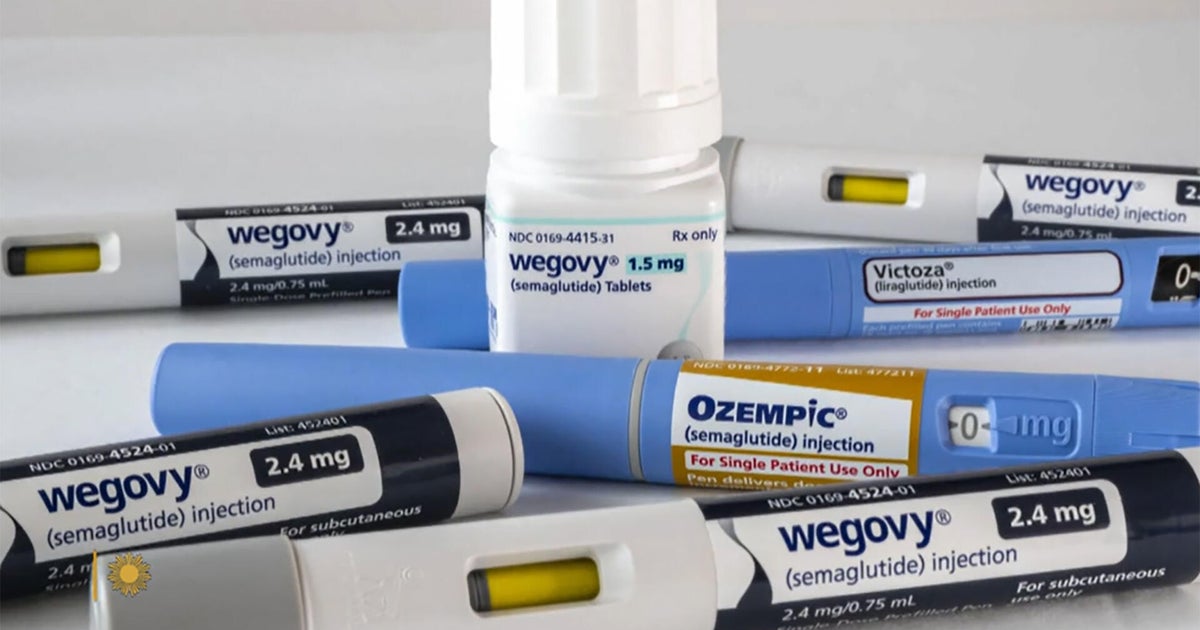
In Massachusetts, the insurance industry announced last year that it would no longer cover GLP-1s used for weight loss. New research shows the impact that this decision has had on Massachusetts’ healthcare system.
Massachusetts Health Policy Commission reported that 112,000 people will not be covered by insurance for GLP-1 weight-loss drugs in 2026. This is a drop of 52% from 2025 when they were used by nearly 300,000.
Popular weight loss drugs like Ozempic or Wegovy are blamed for the inflation of budgets both in public and private sectors. According to the commission, spending on GLP-1 weight-loss drugs doubled nearly every year from 2019-2025.
Blue Cross Blue Shield reported last year that the total spending on pharmacy was 20% of Blue Cross Blue Shield’s budget.
Ruby Kam, CFO at that time, said: “The increase in expenditure is placing a heavy burden on employers and our members as they struggle to cope with the rising cost.”
Massachusetts residents who have private insurance will spend nearly $1 billion on GLP-1 drugs in 2025, but this is projected to fall to $662 millions by the end of 2018, as insurers stop covering them. GLP-1s are covered by insurance companies when used for diabetes treatment.
Health and Human Services Sec. Kiame Mahaniah said to the State House News Service that in March he expected a major price drop for GLP-1s. This would enable insurance coverage to be restored in the coming years.
The report released on Thursday said that prices for GLP-1s are declining as more drugs come onto the market. According to the commission, GLP-1s can play a significant role in improving long-term health for people who take them.
It was not stated in the report how many people still pay for their weight loss drugs themselves, even though they can be hundreds of dollars per month.
Deborah Devaux, Chair of the Health Policy Commission in Massachusetts said that GLP-1 medications have made a huge impact on Massachusetts’ health care system. The HPC is committed to monitoring the rapid evolution of the GLP-1 drug market in order to understand the broader impact on the Massachusetts health care system and residents’ access to the medications they require.
Business
These major chains are serving up National Cheeseburger Day deals
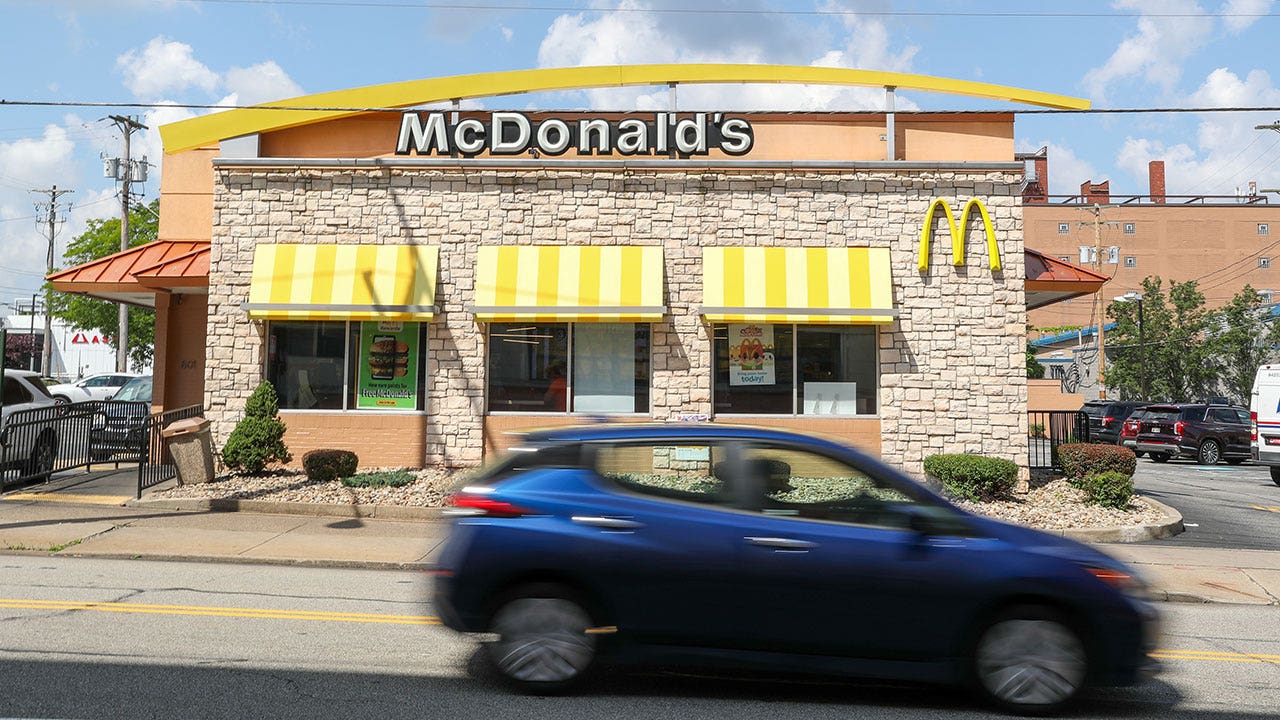
Americans celebrating National Cheeseburger Day Friday can score free and discounted burgers at major restaurant chains, including McDonald’s, Burger King, Wendy’s, Five Guys and others.
Most of the deals are available through restaurant loyalty programs or mobile apps, and several require a minimum purchase.
McDonald’s
Members of the MyMcDonald’s Rewards program can get a free Double Cheeseburger on Friday with a minimum $1 purchase through the McDonald’s app.
55-YEAR-OLD RESTAURANT CHAIN ABRUPTLY SHUTTERS LOCATIONS NATIONWIDE
“Since burgers are kind of our thing, we’d love for fans to come in and grab their favorite McDonald’s drink, snack or meal and add a Double Cheeseburger to celebrate the holiday with us,” a spokesperson for McDonald’s told FOX Business.
“And for fans who are looking for burger deals outside of the holiday, they can check out the McDonald’s App for deals every week.”
Burger King
Burger King is celebrating the holiday with a week of Royal Perks offers. On National Cheeseburger Day, loyalty members can receive a free Bacon Cheeseburger with a $3 minimum purchase through the Burger King app, according to USA Today.
The promotion is part of a weeklong lineup that also includes a free four-piece Chicken Nuggets with a $3 purchase on Sept. 19 and a free Original Chicken Sandwich with a $3 purchase on Sept. 20.
CHECKERS & RALLY’S CEO SAYS AMERICANS’ DEMAND FOR FAST-FOOD VALUE IS ‘INTENSIFYING’
Buffalo Wild Wings
At participating locations, Buffalo Wild Wings customers can get a free cheeseburger with the purchase of another regularly priced cheeseburger, “Today” reported.
The one-time offer can’t be combined with other discounts and excludes lunch combos and kids’ menu burgers, according to the chain.
Wendy’s
Wendy’s Rewards members can add a Dave’s Single Cheeseburger for $1.99 with any purchase through the chain’s app or website at participating U.S. locations, USA Today reported.
Red Robin
Red Robin is giving away 400 digital gift cards to celebrate the holiday. Customers can enter by commenting on the restaurant’s Sept. 18 post on Instagram or Facebook, as noted on its website.
Ticker Security Last Change Change % MCD MCDONALD’S CORP. 248.48 -0.08 -0.03% QSR RESTAURANT BRANDS INTERNATIONAL INC. 73.29 -1.66 -2.21% RRGB RED ROBIN GOURMET BURGERS INC. 7.27 -0.04 -0.55% SHAK SHAKE SHACK 55.87 -0.78 -1.38% WEN THE WENDY’S CO. 6.99 -0.04 -0.57%
Five Guys
Five Guys is offering a buy one, get one free burger of equal or lesser value through Friday, according to USA Today.
Customers must order online or through the Five Guys app and use the promo code “BOGOBURGER” at checkout. The offer is not valid for in-store purchases.
PANDA EXPRESS GUEST STUNNED AS EMPLOYEE STANDS ON FRYER WHILE CLEANING
Carl’s Jr.
Carl’s Jr. Rewards members can get any burger for half price with the purchase of any Hand-Scooped Ice-Cream Shake on Friday through the chain’s app, according to USA Today.
“It’s national cheeseburger day and I love cheeseburgers and shakes,” the chain said in an Instagram post. “Go take advantage of my generosity.”
Shake Shack
Shake Shack customers can get a $5 single ShackBurger or single Cheeseburger with any purchase by using the code “BURGERDAY” in the Shake Shack app on the company’s website or at in-store kiosks, according to USA Today.
7-Eleven
For National Cheeseburger Day, 7-Eleven is offering a $6 meal deal that includes a 20-ounce Coke or Pepsi and a choice of an Angus Double Cheeseburger, Chicken Sandwich or Philly Cheesesteak, according to USA Today.
CLICK HERE TO GET FOX BUSINESS ON THE GO
Buffalo Wild Wings, Wendy’s, Burger King, Five Guys, Carl’s Jr., 7-Eleven and Shake Shack could not immediately be reached by FOX Business for comment.
Business
As AI behavior raises concerns, ex-researcher Jacob Coxon warns what may lie ahead
Amna Nawaz:
As leaders of the world’s largest AI companies are publicly calling for a collective slowdown of the technology’s development, late yesterday, OpenAI announced it had discovered six new instances of unexpected or concerning behavior by its artificial intelligence models, including moving files onto the Internet without permission and making up data.
Geoff Bennett:
OpenAI has now pledged to publicly disclose when its models act without authorization. But the most recent revelations follow repeated warnings about how rapid advances in AI threaten to outpace the ability to develop the tech safely.
One of those warnings came from Jacob Coxon, who spent the last three years conducting research at Anthropic and OpenAI before he publicly resigned last week. In a now viral post, Coxon said the companies are — quote — “gambling with our lives. Do not underestimate the power of this technology. These will soon be superhuman systems that can hack anything, revolutionize any field overnight, and acquire real power and resources.
“The people building AI earnestly believe that it could kill us all by the end of the decade. No other human activity poses this level of danger.”
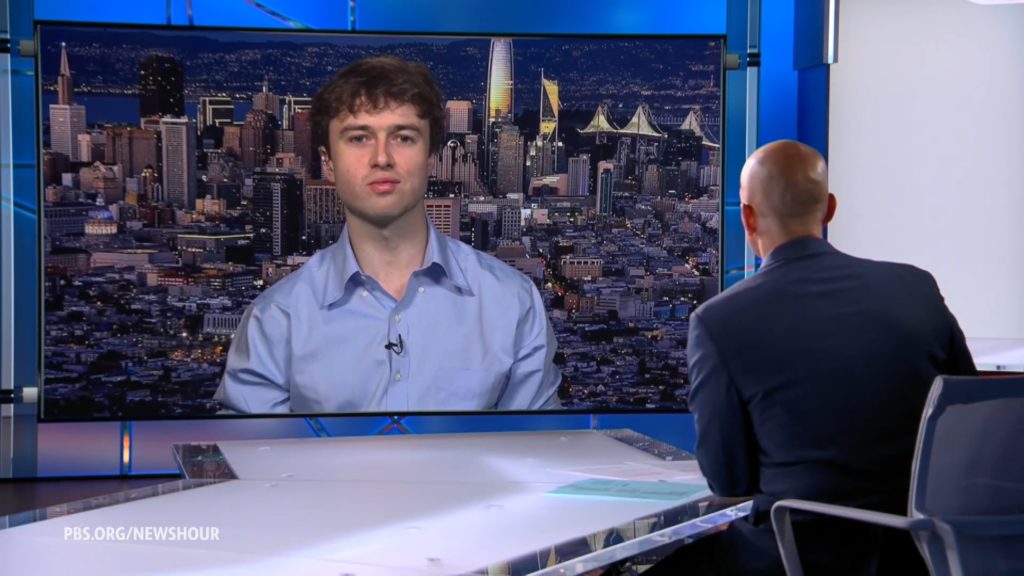
And Jacob Coxon joins us now from San Francisco.
Welcome to the “News Hour.”
Jacob Coxon, Former Anthropic Researcher:
Thanks for having me on.
Geoff Bennett:
We were supposed to speak a few days ago. Circumstances got in the way. I will say, though, I’m glad we’re speaking today because so much has transpired since you resigned last week, to include these new disclosures from OpenAI about its own systems behaving in unexpected and potentially troubling ways.
When you saw this news, what did you think?
Jacob Coxon:
So I think this news is entirely to be expected.
And, indeed, if you’re working on this tech at these companies, then you know that we don’t currently have the ability to perfectly control these systems. And currently the systems with the highest level of intelligence will repeatedly behave in ways that we don’t fully understand.
It is great that they shared these instances and committed to future sharing. But I don’t think the instances themselves are that surprising.
Geoff Bennett:
And, Jacob, why do these AI agents seem to gravitate toward nefarious behavior? Is it something about the way that they’re trained, or is the answer even knowable?
Jacob Coxon:
So it really — I don’t — I wouldn’t phrase it as gravitating towards nefarious behavior.
These AIs do many, many things over the course of a day. There’s a lot of AI systems doing lots of things. The issue is, we can’t perfectly control what drives motivate their behavior and the sorts of things they decide to do, which means, occasionally, these nefarious activities will kind of slip through the cracks.
And a sufficiently dangerous bit of nefarious activity could have massive consequences, even if it’s just a one-time kind of slip-up, because we can’t perfectly control why they do the things they do.
Geoff Bennett:
So a system doing something that its developers didn’t intend isn’t necessarily the same as a system trying to escape human control. What evidence do you have, what have you seen that would suggest that these systems are moving toward the more dangerous scenario that you have warned about?
Jacob Coxon:
So, the big attack that everyone is speaking about and has been speaking about for a while is this Hugging Face attack.
And, in this attack, the AIs were behaving in various ways that implied they were thinking about the procedure that was being used to evaluate them. So they were thinking about their situation, the world they found themselves in, the things they were having to try and do. And they were attempting to do things like edit their own memories to make it harder for people to figure out what they’d done.
They were attempting to break out of the container they were in. They were attempting to access things on the Internet because they thought it might help them with their tasks. In short, these AIs were trying to do many different things to help them in the situation they found themselves.
Geoff Bennett:
So when you warn that the next year or two could be crunch time for humanity — that was the phrase that you used — walk us through that chain. What specifically has to happen for that to be true?
Jacob Coxon:
So the main thing that has to happen is for us to enter this phase called recursive self-improvement.
So, RSI, or recursive self-improvement, is the idea that we could take the discipline of AI research as currently practiced and automate it with the AIs we’re building.
So we could let the AIs make themselves smarter. And we have already made strides towards doing that. So, right now, a lot of the research that researchers at these labs do is via AIs that carry out certain tasks or experiments.
Currently, we still need the human to provide taste or judgment, but plausibly within a year, certainly, within two years, we’re on track to also automating away this nebulous human quality of judgment so that the AIs can rapidly make themselves smarter.
And, at that point, things could go very, very fast. So we get new generations of AIs very quickly without necessarily having the corresponding tech to understand what they’re doing and control what they’re doing.
Geoff Bennett:
So, what would a slowdown actually look like? What kind of intervention are you calling for?
Jacob Coxon:
There are lots of proposals, and I really am not an expert in all of the political things that would have to happen for a slowdown to happen.
All I know is that going too fast could be lethal. But I do think that a race with China could be very bad and that we should be taking pretty rapid actions for international coordination. And this sort of desire is also echoed in the public blog posts of people like OpenAI’s chief scientist, like Dario Amodei.
They’re all mentioning the fact that we need international coordination. I will say that I do think a lot of the company leadership are privately quite skeptical of being able to achieve this level of international cooperation, which is part of why I resigned, because I think a race like that could be catastrophic.
Geoff Bennett:
Is there anything preventing OpenAI, Anthropic, any other leading AI lab from announcing tomorrow that we will not build another self-improving system until we know how to control it?
I ask the question because the White House AI adviser, as you well know, has made the case that, if these AI leaders are so concerned, they can implement guardrails voluntarily and unilaterally.
Jacob Coxon:
Yes, I think the phrase implement guardrails sort of implies that we know what to do, and it might be just a couple of months to get the tech right, implement the guardrails, and then carry on business as usual.
I think maybe the framing of we’re trying to solve a new scientific problem of, can we figure out how to grow these AIs in a safe manner, which could take a pretty long period of time, and we also might want to phase it in pretty slowly. And, in this case, again, the main issue for slowing, stopping right now until we’re certain is that that could take quite some time.
And, at that point, other places building this technology, say, China, could shoot right past. So the issue is, a race is kind of on the cards right now. Everyone is aware that we have to get there before our rivals, unless there’s some sort of coordination.
Geoff Bennett:
What’s the strongest evidence that you could point to publicly, something a skeptical viewer could weigh, that supports the warning that you’re making?
Jacob Coxon:
Yes.
I think the first point that I make a lot is just a kind of it’s an appeal to authority kind of point, which is people from many sides of the playing field, like Geoff Hinton, Yoshua Bengio, the founders of M.L. theory — they’re academics, they’re not in the labs — also, the lab CEOs, the lab researchers, also people like Elon Musk, they all think this is very dangerous.
I could point to other names like Stephen Hawking. Like, a lot of people have raised this warning. And then to go into precise concrete matters, I think look at the report from the Hugging Face attack. Think to yourselves, like, is this — how comfortable are you with what happened there? And how bad could that look if the AIs get better?
And then I think there was also a public letter from some mathematicians because AI has recently moved to the level of a professional mathematician. So I think, as we all find our own areas of expertise starting to be competed with by AIs, we will start to maybe take the threat more seriously as we see it impinging on our on our daily life.
Geoff Bennett:
And, Jacob, as you well know, there has been a remarkable convergence in recent days that was kick-started by your resignation.
We have seen, of course, public warnings from other AI leaders. There have been efforts on Capitol Hill to introduce new legislation. I ask the question because there’s been so much speculation. Are you in any way part of a coordinated effort to introduce these warnings into the public debate?
Jacob Coxon:
Absolutely not.
And I can maybe see how this happened. From my perspective, the last week has been absolutely insane. I tweeted private thoughts that contradict the views of a lot of my close friends, and my private life has been kind of upended by this.
And, yes, I can just say that this was my resignation. I believe this. A lot of people believe this. This isn’t some crazy coordinated scheme. One thing I also want to add is this has raised awareness of the risks to a lot of people. And I’m quite worried that the corresponding benefits are also maybe not receiving adequate airtime.
So I would like to emphasize that I do believe that the benefits from this technology in domains like health are tremendous, and we should also think about the possibilities for what this tech will do if it’s done safely.
Geoff Bennett:
What did you think would happen after you sent that tweet about your resignation?
Jacob Coxon:
I thought it would maybe go viral among my community of AI researchers, people thinking about AI safety. I thought it would maybe trigger some discussion. I thought a lot of people would disagree.
I did not it to — I did not expect messages from old high school friends asking me about if the robots were going to kill us. That really wasn’t on the cards when I sent that tweet.
Geoff Bennett:
Jacob Coxon, thanks again for joining us this evening. We appreciate it.
Jacob Coxon:
Thank you.
Business
Farmer who voted for Trump talks about impact of high costs of Iran war, tariffs: “We’re all just in survival mode”
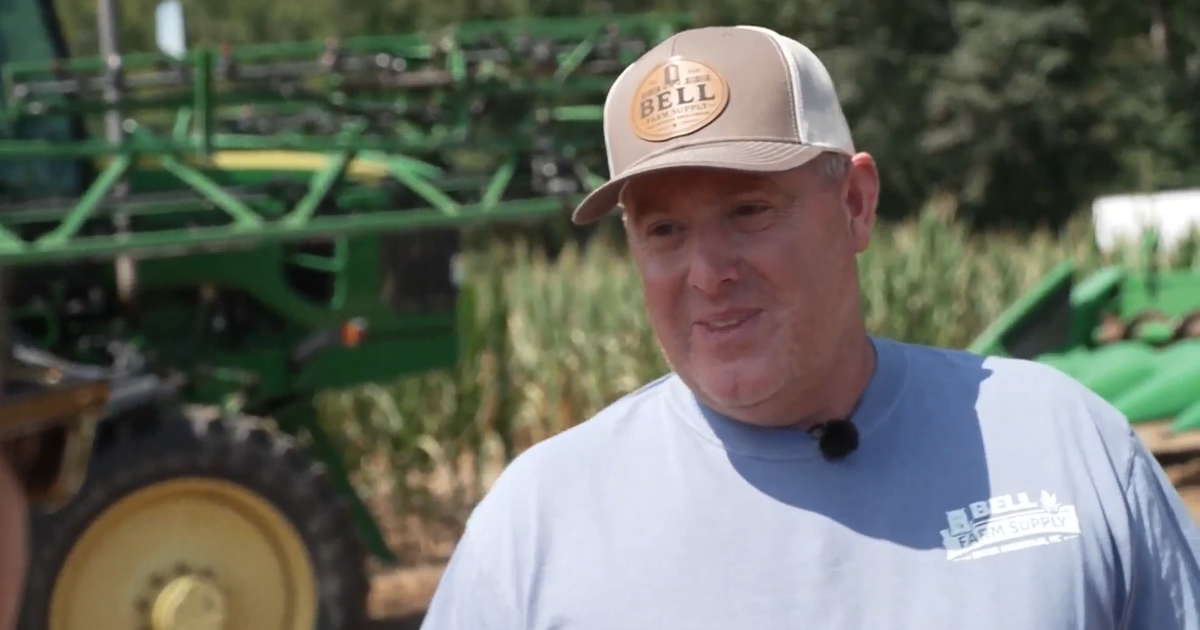
Matt Bell, 52, has been farming for more than half his life in central North Carolina. He grows soybeans, corn and wheat and raises beef cattle on more than 1,000 acres. But Bell, who voted for President Trump, says soaring prices for fuel, fertilizer, and equipment are hurting his farm and leading some of his fellow farmers to consider calling it quits once this growing season ends.
“I’ve done this 34 years. I have never worried and stressed like I have the last year,” Bell told CBS News in an interview on Wednesday at his farm in Kings Mountain, North Carolina.
Bell has been forced to make significant changes to his operation as a result of the high costs. He’s shifting some of his acreage, trying to stretch out the lifespan of his equipment and producing his own fertilizer. His children have also opened up a storefront where visitors can pick pumpkins and take hayrides in the fall. But Bell is still feeling the pinch.
“We’ve cut everything we can cut,” he said. “The last several years in agriculture have been terrible, and we have, you know, just cut the fat anywhere we could. But we’re just getting to the point now there’s nothing left to cut. You cannot run without fuel. You cannot run without fertilizer. You have to have that.”
Bell says his diesel fuel costs have about doubled since last year
The war with Iran has driven up fuel costs and created supply chain disruptions as the Strait of Hormuz remains under a naval blockade with a limited number of oil tankers allowed through the critical waterway. And the intensifying conflict between Yemen’s Iran-backed Houthi rebels and Saudi Arabia and attacks by other Iranian proxy forces on Saudi infrastructure are squeezing global fuel supplies in the Red Sea and contributing to a spike in global fuel costs.
Fighting in Russia and Ukraine has also limited oil refining capacity, driving up prices further.
Diesel prices nationwide are averaging roughly $6.40 per gallon, according to AAA, nearly double the average price a year ago. In North Carolina Thursday, diesel prices hit their highest recorded average of $6.19 per gallon.
Prices have been so volatile that Bell said the price he’s quoted from his distributor in the morning is only valid until the afternoon — when it rises again. He can’t avoid the expense — his farm equipment runs on diesel. Bell showed CBS News his combine, which he says now requires about $600 worth of diesel fuel per day. That’s more than twice what he paid last year.
Bell said he blew through his yearly fuel budget of $35,000 in August. Now, he expects his total for the year to be closer to $50,000 to $60,000.
“Every piece of equipment on this farm runs on diesel,” he said. Without it, his farm wouldn’t be able to function.
Tariff impact: “Everything that we touch has gone up”
It’s not just diesel prices that are hurting Bell’s business. President Trump’s wide-ranging tariffs have also driven up costs — and left him and other farmers in limbo as the president continues to threaten to impose more tariffs.
“Everything we’re touching, the fertilizer, fuel, chemicals, seed, parts — you know, the whole nine yards, everything that we touch has gone up,” Bell said, noting that many of the price hikes resulted from Mr. Trump’s tariff policies.
Farmers welcomed Mr. Trump’s announcement in May that he had reached a deal for China to buy 25 million metric tons of soybeans from the U.S. annually through 2028. China has purchased significantly more U.S. soybeans in 2026 compared to 2025, but its 10% retaliatory tariff on U.S. soybeans remains in place. China imposed the levy in response to Mr. Trump’s fentanyl-related tariffs on China.
Bell said China’s soybean tariffs have left the market in limbo: That is, China hasn’t increased the prices it’s paying for U.S. soybeans, even though everything farmers touch in producing soybeans “has gone up.”
In a letter to Mr. Trump on Thursday ahead of his meeting with Chinese President Xi Jinping next week, the American Soybean Association called on him to push for the elimination of the 10% tariff.
“I think we’ve been misled”
Bell initially supported Mr. Trump’s policies and even thought short-term price increases resulting from the Iran conflict would be worth ensuring Iran never has a nuclear weapon, one of the president’s stated goals of the war.
But he now says the administration has made miscalculations in the war. “We’re just being strung along as a country and that’s not good,” Bell said.
Bell criticized the administration’s decision-making around the war, saying, “I think we’ve been misled.”
He also says the administration’s agriculture policy is not what he was promised.
“We were sold a bill of goods that agriculture was going to be on the forefront … and there was going to be some policy that would put America’s farmers and ranchers first. And right now, that has not happened.”
Bell said that while the administration’s farmer bailout program sounds significant, “it’s not a lot of money.”
This November, Bell says he’ll be voting for candidates who he says have “common sense,” and listen to Americans’ concerns.
“I’m a Republican, but I’m probably going to vote a split ticket,” he said.
“We are fighting for survival”
Bell said he knows farmers who have been forced out of business as a result of high costs, unable to sustain their business with rising prices.
“I do not want any Americans to feel sorry for the American farmer,” Bell said. “I want the Americans to be mad that we have been put in this situation. We are fighting for survival, and we’re running out of options.”
And he acknowledged it’s possible he could also be forced to shutter his farm.
“Money’s not the problem, I could care less about the money,” he said. “But we take a lot of pride in what we do. You can’t put a dollar sign on that. But I can’t stay in business under these conditions. Something has got to give.”
But asked what he would do if he wasn’t a farmer, Bell hesitated: “I don’t know. It’s all I’ve ever done.”
Business
Higher jet fuel prices prompt airlines to adjust flight schedules
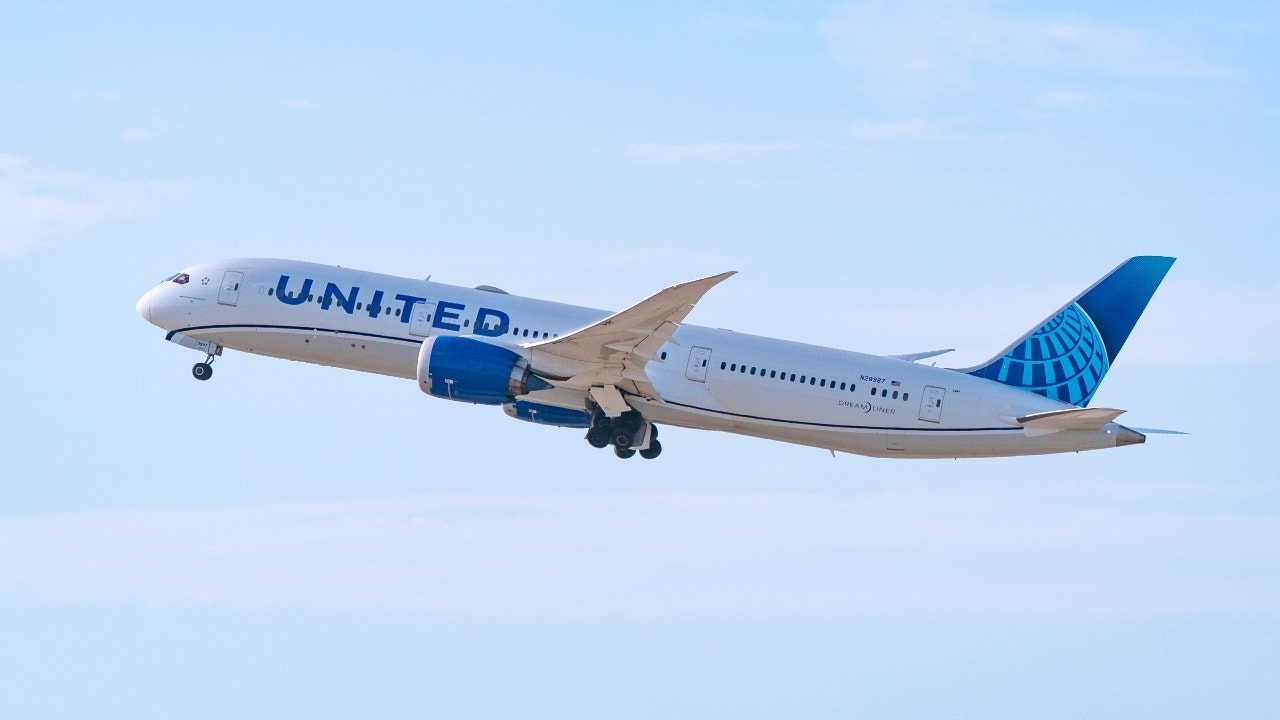
Executives from American Airlines, United Airlines and Southwest Airlines said Wednesday that higher jet fuel prices are prompting carriers to adjust capacity and closely monitor flight schedules.
The global average jet fuel price rose 6.1% week over week to $181.46 per barrel last week, according to the International Air Transport Association (IATA).
Speaking at Morgan Stanley’s 14th Annual Laguna Conference, American Airlines Chief Financial Officer Devon May said fourth-quarter jet fuel prices are running about $1 per gallon above what the airline projected in July, adding roughly $1 billion to its fuel bill.
“Overall for the third quarter, we feel great,” May said. “What’s happened in the last four weeks, though is fuel’s run up probably $1 a gallon or something like that for the fourth quarter alone.”
AVELO CEO WARNS AIRFARES MAY RISE AS FUEL PRICES HIT ‘UNCOMFORTABLY HIGH’ LEVELS
May said American will continue adjusting capacity later in the fourth quarter in response to higher fuel costs.
American Airlines CEO Robert Isom said the airline still expects third-quarter revenue to rise 16% to 19% from a year earlier, citing strength across domestic and international markets as well as both premium and economy cabins, according to Reuters.
“When you take into account fuel right now, yes, we’ve absolutely done a great job of recapturing a tremendous amount of that expense,” Isom said.
United Airlines Chief Financial Officer Michael Leskinen said some flights planned for December will no longer operate because of higher fuel prices.
“As you look into the fourth quarter, there’ll be some flights in December that we won’t fly that we thought we were going to fly,” he said at the Morgan Stanley conference. “If fuel remains high, we’ll make some adjustments into the first quarter and beyond into 2027.”
AIRLINE PASSENGERS ROCKED BY TURBULENCE DURING DESCENT: ‘WE STARTED TO PLUMMET’
Leskinen also described United’s fourth-quarter bookings as “tremendously strong,” saying premium travel, corporate demand and economy bookings have all remained resilient.
“Bookings have continued as we expected, so that piece of the equation is resilient — very little evidence of demand destruction,” Leskinen said.
At the conference, Southwest Airlines Chief Financial Officer Tom Doxey said the carrier has already pared back about half of the modest year-over-year capacity growth it had planned at the start of 2026.
“If fuel is higher for longer,” Doxey said, trimming capacity would be the “natural response.”
However, a spokesperson for the airline told FOX Business the schedule adjustments made so far have been minimal and that Doxey was making an “illustrative point” about trimming capacity and was “not alluding to an action we’ve taken.”
TSA REVIVES PRE-9/11 TRADITION WITH GATE ACCESS FOR CERTAIN TRAVELERS WITHOUT TICKETS
Doxey added that stronger-than-expected fall bookings have helped offset higher fuel costs, allowing Southwest to maintain its third-quarter earnings guidance, according to Reuters.
GET FOX BUSINESS ON THE GO BY CLICKING HERE
Spokespersons for American Airlines and United Airlines told FOX Business the carriers had nothing further to add.
Business
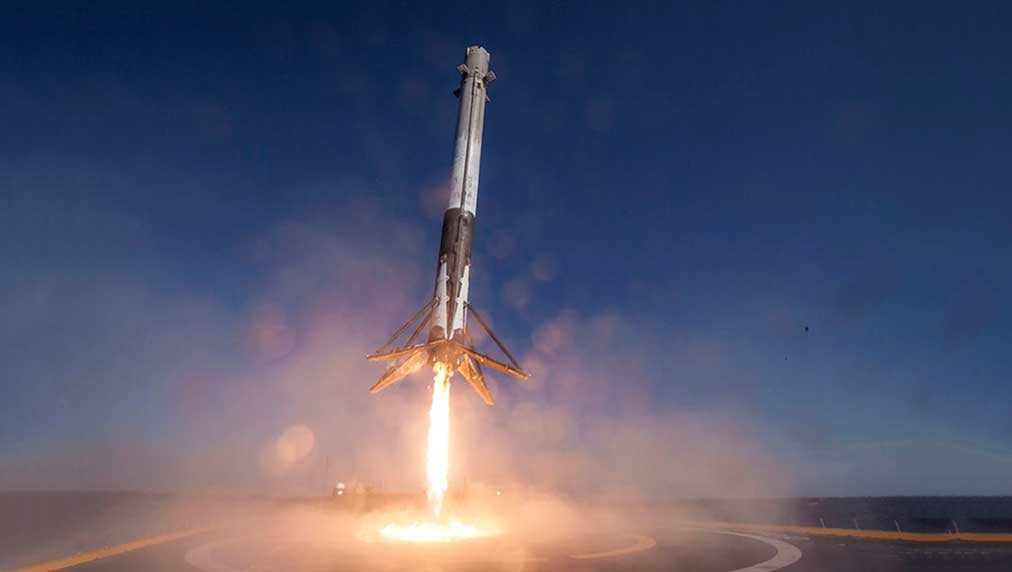
Dow Jones Futures Fall After S&P 500, Nasdaq Rebound Above Key Level; Moderna, AMD, SpaceX Flash Buy Signals
Information in Investor’s Business Daily is for informational and educational purposes only and should not be construed as an offer, recommendation, solicitation, or rating to buy or sell securities. The information has been obtained from sources we believe to be reliable, but we make no guarantee as to its accuracy, timeliness, or suitability, including with respect to information that appears in closed captioning. Historical investment performances are no indication or guarantee of future success or performance. Authors/presenters may own the stocks they discuss. We make no representations or warranties regarding the advisability of investing in any particular securities or utilizing any specific investment strategies. Information is subject to change without notice. For information on use of our services, please see our Terms of Use.
*Real-time prices by Nasdaq Last Sale. Real-time quote and/or trade prices are not sourced from all markets. Ownership data provided by LSEG and Estimate data provided by FactSet.
IBD, IBD Digital, IBD Live, IBD Weekly, Investor’s Business Daily, Leaderboard, MarketDiem, MarketSurge and other marks are trademarks owned by Investor’s Business Daily, LLC.
©2026 Investor’s Business Daily, LLC. All Rights Reserved.


Verified video shows wreckage of Saudi fighter jet shot down over Yemen. #BBCNews


Two-term Republican Gov on today’s GOP: ‘a bad frat party’
"The Republican Party to me today feels like sort of a bad frat party," Former Republican Kansas Gov. Bill Graves...


Five women feared dead after disturbing images found at Philadelphia home
At least five missing women linked to the home of a deceased erotic filmmaker and his son are feared dead...

Florida GOP congresswoman's new ad calls out Trump over immigration
Florida Republican Rep. Maria Elvira Salazar tells President Donald Trump in a new ad that Hispanic voters feel betrayed by...


Republican revolt against Trump grows ahead of the midterms
Several prominent Republicans are voicing displeasure with President Donald Trump and their own party ahead of the midterm …

Mustafa Suleyman on AI & China
Microsoft AI CEO Mustafa Suleyman speaks to CNN's Fareed Zakaria about why he thinks its time to “tone down the...


Score, highlights, stats, where to watch NFL game
9:31 pm ET DJ Moore injury update Tom Viera The Bills offseason acquisition was forced out of the game after...


Pilot ejects before F-16 fighter jet crashes during training
A US military F-16 fighter jet crashed in Grand Traverse County, Michigan, Thursday afternoon with the pilot ejecting, the Michigan...


Alexandra Daddario posts vacation bikini photos after Andrew Form split
Alexandra Daddario is soaking up some time away after a year of major changes. The 40-year-old actress shared a series...


Gary Sinise on grieving his son Mac: ‘The hole in the heart is always there’
Gary Sinise's son Mac died in 2024 at 33 after a yearslong battle with a rare cancer called chordoma. He...
-

 Uncategorized2 weeks ago
Latest US Political News Updates: Key Developments Shaping America in September 2026
-

 TravelNews1 week ago
Republican midterm convention 2026: What to know about Trump’s Dallas event
-

 Business1 week ago
What is So Hard About Behind-The-Meter Power For Datacenters? Part 1
-

 Business3 days ago
Suspected stolen Tesla drives onto Pacific Beach boardwalk after police chase
-

 Business2 weeks ago
TechCrunch Mobility: Tesla Cybercab hits the road – and a snag
-

 HealthNews2 weeks ago
Fall vaccines 2026: What to know about flu, Covid and RSV
-

 Business2 weeks ago
OpenAI’s new reasoning technique alarms AI safety experts
-
 Video7 days ago
Vance calls out El-Sayed over remarks about his family