
HealthNews
Fiji Declares a National Emergency as H.I.V. Cases Skyrocket

Fiji has declared a national crisis amid an extraordinary rise of H.I.V. cases, with health officials raising the alarm about an epidemic that has emerged alongside an increase in injectable drug use.
Fiji, a Pacific island nation of fewer than one million people, recorded more than 2,000 new H.I.V. cases in 2025 — 16 times as many as in 2019, the government said in an official statement on Tuesday. One in 60 adults on the archipelago is living with the virus that causes AIDS, the government estimated.
UNAIDS, a United Nations program, said in a statement on Wednesday that it was “one of the sharpest increases in new H.I.V. infections globally.”
Winnie Byanyima, the executive director of UNAIDS, added that Fiji’s epidemic was “a stark reminder to the world that AIDS is not over.”
The outbreak is not limited to particular areas or populations, health officials warned. And because the nation serves as a regional hub for business, tourism and transport, the surge in cases could affect other countries in the South Pacific if left unchecked.
That interconnectedness may have contributed to the soaring rates of infection, said Eamonn Murphy, the director of regional support teams in the Asia Pacific region, Central Asia and Eastern Europe for UNAIDS.
Thank you for your patience while we verify access. If you are in Reader mode please exit and log into your Times account, or subscribe for all of The Times.
Thank you for your patience while we verify access.
Already a subscriber? Log in.
Want all of The Times? Subscribe.
HealthNews
Osteoporosis drugs linked to lower Alzheimer’s disease and dementia risk

NEWYou can now listen to Fox News articles!
Commonly used osteoporosis drugs were linked to a lower risk of Alzheimer’s disease and other types of dementia in a large study of older adults.
Among a group of 121,492 adults age 60 or older, the use of nitrogen-containing bisphosphonates (NBP) was associated with a 16% lower risk of developing Alzheimer’s disease and related dementias compared to those who did not take osteoporosis medications.
The risk was 24% less compared to people taking other types of osteoporosis medications.
COMMON CHOLESTEROL DRUG LINKED TO LOWER DEMENTIA RISK WHEN STARTED EARLY
A nitrogen-containing bisphosphonate is a type of medication used to slow bone loss and reduce fracture risk, mainly in people with osteoporosis. Some common types include alendronate, ibandronate, risedronate and zoledronate.
Osteoporosis occurs when the bones become weaker and more likely to break due to a loss of bone mass, according to the National Institute of Arthritis and Musculoskeletal and Skin Diseases (NIAMS). The condition is especially common among older adults.
All adults in the Hong Kong study had recently been diagnosed with osteoporosis or suffered a serious fracture in the spine, humerus, wrist or hip. None had previously taken medication for osteoporosis.
3 THINGS TO AVOID IN MIDDLE AGE COULD MEAN 13 MORE YEARS WITHOUT DEMENTIA, STUDY FINDS
“Emerging evidence points to a bone-brain axis, suggesting a close link between bone and brain health,” study author Ching-Lung Cheung, associate professor in the Department of Pharmacology and Pharmacy at the University of Hong Kong’s Li Ka Shing Faculty of Medicine, told Fox News Digital.
“Our previous studies and those of others have found that people with low bone mass or osteoporosis are more likely to develop dementia later in life. This highlights the importance of maintaining good bone health, which may also help reduce the risk of dementia.”
The study, which was published in Alzheimer’s & Dementia, was observational in design.
“Our findings therefore do not prove that bisphosphonate use reduces dementia risk; this needs confirmation in a clinical trial,” Cheung said.
CLICK HERE TO SIGN UP FOR OUR HEALTH NEWSLETTER
“Generalizability is another consideration, as our study involved only a Chinese population, and it remains uncertain whether the findings apply to other populations.”
Another limitation is that baseline cognitive testing was unavailable, which means patients who already developed cognitive impairment may have been less likely to receive osteoporosis treatment.
CLICK HERE FOR MORE HEALTH STORIES
The researchers also lacked information about the severity of participants’ osteoporosis and bone fractures and their use of over-the-counter calcium and vitamin D.
Other external factors, such as education level, social isolation, air pollution and vision loss, could also have affected dementia risk, they acknowledged.
Although the study findings suggest that older patients receiving NBPs for osteoporosis or fragility fractures had lower rates of Alzheimer’s and related dementias, they do not yet justify prescribing bisphosphonates specifically to prevent or treat the disease.
TEST YOURSELF WITH OUR LATEST LIFESTYLE QUIZ
The authors called for more research that will include wider populations with a focus on whether gender may play a role in the reduced risk.
CLICK HERE TO DOWNLOAD THE FOX NEWS APP
“The next step is to confirm our observational findings in a clinical trial,” Cheung said. “If the benefit is demonstrated, it could have important implications for dementia management.
HealthNews
Rabid cow found in Livingston County; 2 farmers exposed
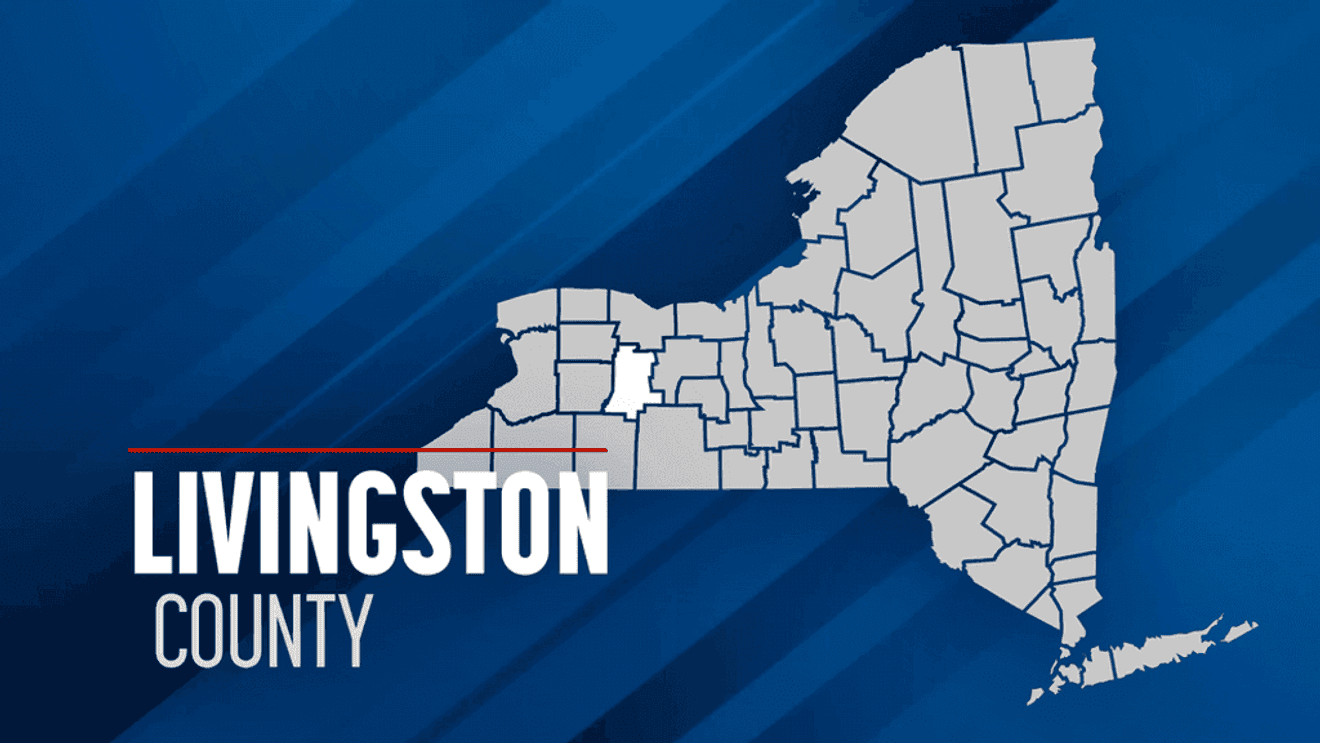
Mount Morris, N.Y. — A cow on a farm in southwest Livingston County has tested positive for rabies, prompting two farmers who were exposed to undergo preventative treatment, according to the Livingston County Department of Public Health.
The cow tested positive following laboratory testing Monday. Health officials said the case is limited to a single farm and there is no evidence of an increased risk to livestock elsewhere in the county.
The two farmers who were exposed are receiving rabies post-exposure prophylaxis treatment as a precaution. Officials said while rabies in livestock is uncommon, there is no risk to the general public at this time.
The county is working with the New York State Department of Agriculture and Markets and other partners in response to the case. State agriculture officials have recommended immediately vaccinating the affected herd against rabies to prevent additional infections.
Health officials are asking anyone who believes they had direct contact with the infected cow to contact the Livingston County Department of Health so their potential exposure can be evaluated.
Residents are also reminded not to approach or handle animals suspected of having rabies. Anyone who is bitten, scratched or otherwise potentially exposed should wash the affected area thoroughly with soap and water and promptly contact the health department or a health care provider.
Livingston County’s next rabies vaccination clinic for dogs, cats and ferrets is scheduled for Oct. 2 from 5 to 7 p.m. at Babcock Park in Dansville.
HealthNews
Teen who died from brain-eating amoeba likely infected from community center water feature: Officials
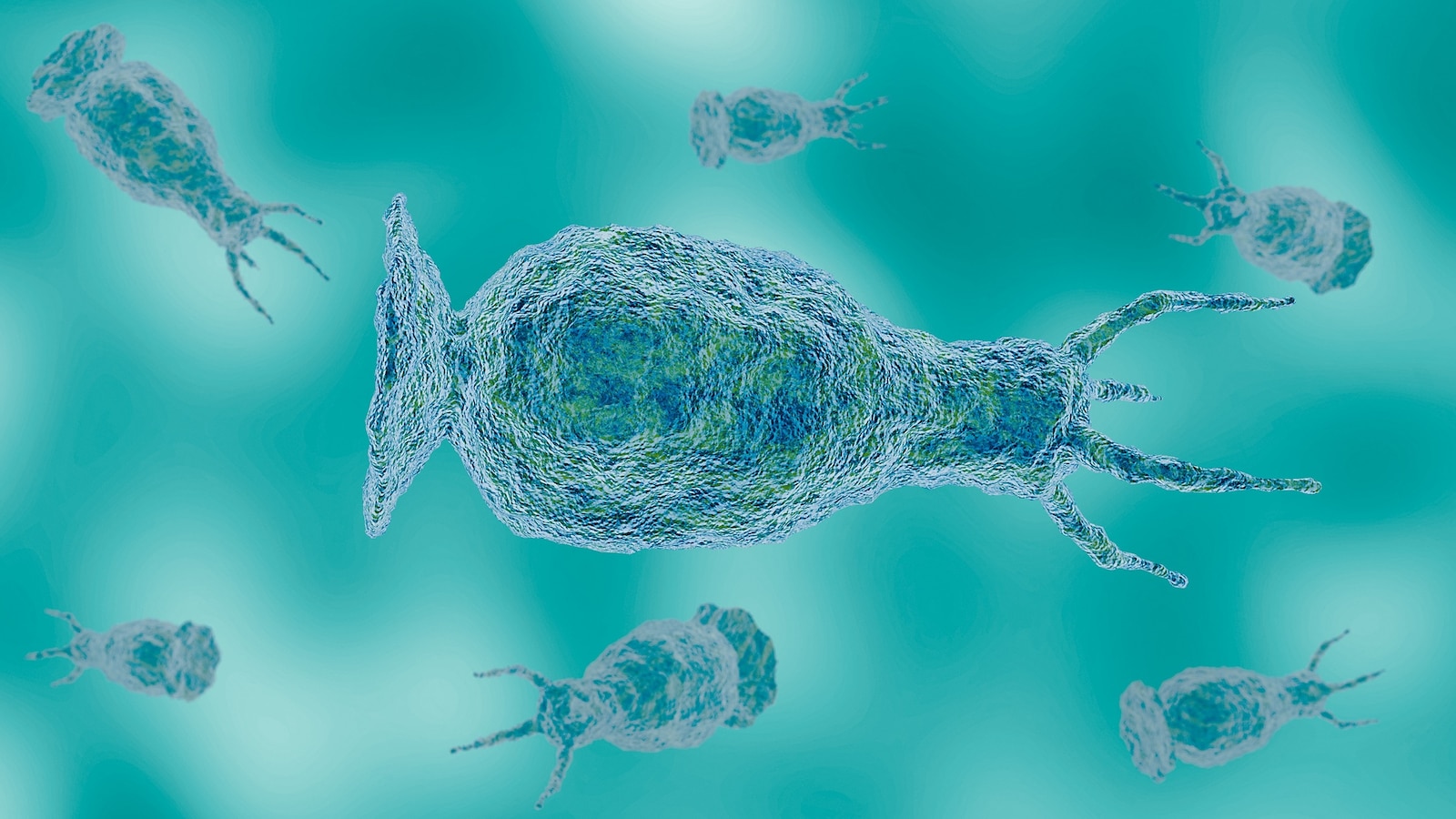
The North Carolina teenager who died after contracting a rare brain-eating amoeba called Naegleria fowleri was likely infected from a water feature at a community center, according to state and local officials.
Naegleria fowleri, also known as primary amebic meningoencephalitis or PAM, has been found in warm freshwater, including ponds, lakes and rivers, and it grows best in hotter water, according to the North Carolina Department of Health and Human Services.
“The amoeba does not cause illness if swallowed but can be fatal if water with the amoeba in it is forced up the nose into the brain,” NCDHHS said.
The North Carolina teenager was admitted to the hospital on Aug. 22 and died on Aug. 31, officials said. NCDHHS said at the time that it was working with federal and local partners to investigate all possible sources of the infection.
A report released Tuesday by NCDHHS found the teen was most likely infected by a water feature at a community center in Durham County, county officials said.
Investigators determined that on Aug. 13, the teen had contact — including splashing water on their face — with a water feature in the garden of a community-based mental health care center, according to the NCDHHS report.
“No other potential sources of exposure were identified,” the report said.
The mental health care center said in a statement, “Our hearts are broken for the young boy who lost his life and for his family. We are committed to supporting his family and our community through this devastating loss. We will continue to fully cooperate with public health officials.”
The county said the water feature has been closed since Aug. 28, when testing for Naegleria fowleri began.
HealthNews
Tuberculosis case confirmed at high school in Cumberland Co., more than 260 others possibly exposed
The Cumberland County Department of Public Health is investigating after someone at Seventy-First High School tested positive for tuberculosis, potentially exposing more than 250 other people to the disease.
County health officials said they were notified about a confirmed case of tuberculosis on Sept. 11 and are working with the North Carolina Department of Health and Human Services and Cumberland County Schools to determine who else may have been exposed.
Other WRAL Top Stories
Officials said they have identified 260 people so far who may have had close contact with the person who was infected.
County health officials said they are working to provide screening information to anyone who may have been in close contact with the person.
“All people who have had close contact with the individual have been contacted by a public health nurse from the County Health Department or Cumberland County Schools,” the health department said.
Health officials said active tuberculosis most often affects people’s lungs. People who are sick with TB often have at least one of the following symptoms:
Cough lasting more than three weeks
Coughing up blood
Fever
Profuse sweating at night, often soaking bed sheets
Unintentional weight loss
Poor appetite
Chest pain or discomfort
Difficulty breathing
HealthNews
What you should know about the new mRNA flu vaccine

The FDA’s approval of an mRNA flu shot presents a new, long-awaited option—and raises big questions about the future of flu vaccines.
On August 5, the US Food and Drug Administration approved Moderna’s mFLUSIVA, the first influenza vaccine to use mRNA technology, for adults 50 and older.
The approval gives many older Americans a long-awaited new option for protection. Tens of thousands of Americans typically die from the flu every year, and the vast majority of them are 65 and older.
It’s long been a public health priority to evolve flu vaccine technology—a process which currently takes more than six months to produce a shot and is prone to mismatches with the circulating strains—so that manufacturers can respond more quickly to the evolving virus, ultimately making flu shots more effective.
When it comes to those goals, Moderna’s mRNA shot is “very, very promising,” says Anna Durbin, a professor in the international health department at Johns Hopkins University and director of the Center for Immunization Research.
“Most vaccinologists believe that mRNA vaccines are the future,” says Durbin, who sits on the FDA panel that recommended the vaccine. Regulators in the EU, Canada, and Australia are also reviewing the vaccine, and the European Medicine Agency has separately authorized a combined mRNA COVID-flu vaccine, also by Moderna.
For now, Durbin says, the FDA approval provides a welcome new option for older Americans—but the price, demand, and availability of the shot, and what it means for existing vaccines, remain open questions.
Is mFLUSIVA safe and effective?
The FDA’s committee of outside scientists, which reviews data on vaccine safety, effectiveness, and appropriate use, voted unanimously that mFLUSIVA’s benefits outweigh its risks for adults 50 and older.
“It was excellent,” Durbin says of the data backing the vaccine.
In clinical trials, mFLUSIVA (mRNA-1010) was about 26.6% more effective at preventing laboratory-confirmed influenza illness than a traditional flu vaccine. It also produced a stronger immune response than traditional vaccines in adults 65 and older, with similar rates of severe side effects—which remained rare. That promising data led to accelerated FDA approval that expedites access to the shot for that high-risk group.
The vaccine’s safety has been tested in roughly 70,000 people in clinical trials. The 2026–27 flu season will provide the first real-world data on how the vaccine performs in populations that don’t typically meet criteria for clinical trials, such as organ transplant recipients, severely immunocompromised people, or people on certain medications.
Existing data from mRNA COVID vaccines bodes well for mFLUSIVA’s real-world safety profile, says Durbin. “We would not expect to see a difference in the safety profile of [mFLUSIVA], because the [mRNA] platform is the same,” she says. “The only thing that’s different is that protein being produced: Now it’s influenza as opposed to COVID.”
How does the mRNA flu vaccine compare to traditional flu shots?
The standard inactivated vaccine—used in most flu shots—is grown from flu viruses in eggs, a technology that’s been in use for 80 years. The virus is grown, then killed, then made into a vaccine—a process that takes months, meaning scientists must predict as early as January or February which strain will be circulating in the fall, more than six months later.
The other traditional platform is recombinant/subunit protein vaccines, which contain pieces of the flu pathogen that our immune systems learn to recognize and defend against. This method can produce vaccines faster than the egg-based process but is more expensive.
The mRNA platform gets around these challenges, says Durbin.
Rather than growing a virus or isolating proteins, mRNA vaccines deliver a short genetic script that instructs the body’s own cells to produce a piece of the flu virus, training the immune system to recognize it. Because that script can be rewritten and swapped out quickly—without growing anything in eggs or cell culture—it is “without a doubt the fastest process,” biologically, for updating a vaccine, says Durbin.
“The speediness—how fast you can make an mRNA vaccine—is really helpful for things like flu and COVID, where the virus changes over time,” Durbin says. “This technology lends itself to being able to move more quickly and pivot to give us a vaccine that may be a better match for the upcoming flu season. If you have a vaccine that you can start making in August and have it ready for September, it can be a better match” for the [flu] strain that’s actually circulating.
That speed could also change the regulatory calendar, says Durbin: The FDA’s Vaccines and Related Biological Products Advisory Committee may need to meet more frequently to respond to emerging strains if mRNA flu vaccines become more widely used.
Crucially, the US and many other countries have the infrastructure to quickly produce and adapt mRNA flu shots as needed, thanks to rapid vaccine development in response to the COVID pandemic, Durbin says. “Now we have the resources, we have the technology, we can scale up these mRNA vaccines quickly—all of the goods that we need to make these vaccines. COVID really stress-tested the supply chain.”
When and where will the mRNA flu vaccine be available this fall?
The new shot will be an option for many older adults this year—but it’s unclear how widely available it will be or how many Americans will choose it, Durbin says. How that plays out will be “interesting.” FDA approval typically means that health insurance will cover the vaccine, but it may not be stocked in every pharmacy. Traditional flu shots—already formulated for this season—will remain widely available.
It’s also unclear how much of the vaccine Moderna will manufacture and what price it will set.
“My guess is, if it’s more expensive, you’re going to have to ask for it,” Durbin says. If it’s less expensive or comparably priced, it could be readily available: “It may be as simple as a pharmacist asking, ‘do you want an mRNA vaccine or the other type?’”
That could change if another flu strain emerges and the mRNA platform proves it can quickly produce a more effective, updated vaccine. “It behooves us, from a public health perspective, to update that vaccine and recommend that vaccine so that you have better protection,” she says.
Uptake is another open question. While the shot is “excellent,” anti-vaccine sentiment—particularly toward mRNA technology—may dampen demand, Durbin says. Moderna may opt for a relatively small initial rollout to gauge interest and to run more studies comparing the vaccine’s effectiveness against traditional flu shots.
What will happen to traditional flu shots?
Other flu shots aren’t going anywhere this season. They will still be an option for older Americans, and it could be years before mRNA shots are approved for younger Americans—a process that requires separate clinical trials.
Longer term, Durbin will be watching whether the mRNA vaccine demonstrates its effectiveness in real-world, post-licensure data, which could shape what happens to older vaccine development processes.
Typically, the CDC’s Advisory Committee on Immunization Practices compares available vaccines, and if one is clearly more effective with no added safety concerns, it becomes the recommended option. In 2018, for instance, Shingrix became the CDC’s recommended shingles vaccine after it proved significantly more effective than its predecessor, Zostavax, which was later discontinued and pulled from the U.S. market in 2020.
Something similar could eventually happen with flu vaccines, Durbin says—but resistance to mRNA technology could complicate that decision in a way it didn’t for Shingrix.
“What I’m really looking for this flu season is if there’s adequate uptake: Is this a game changer? Are we seeing better effectiveness with this vaccine? Do we really have a better flu vaccine, something we’ve been looking for for a long time?” she says.
“It’ll be a flu season to watch.”


Palace responds to claims in book about row after Diana died. #BBCNews


Americans are concerned about President Trump’s priorities
CNN's John Berman, Harry Enten and Abby Phillip answer your questions about upcoming elections. Join CNN's live Q&A on the...


Singapore auctions luxury goods from $2bn money laundering case. #BBCNews


‘Pop culture colliding with politics': the tour fallout splitting the nation
"I never would have had Macklemore versus Bob Kraft on my bingo card for this year." Pop culture and politics...


‘Pretend I’m on the ticket’: Trump hits campaign trail in bid to boost Republican hopes
Donald Trump returned to the campaign trail on Wednesday, imploring North Carolina voters to “pretend I’m on the ticket” and...


Vance warns US exit could trigger ‘worldwide energy crisis’ as Iran vows to resist
Pinned Vance warns US withdrawal from Middle East would trigger ‘worldwide energy crisis’ Vice President JD Vance warned Wednesday that...


SpaceX Falcon 9 launches from US Space Force base
SpaceX is targeting Wednesday, September 16 for a Falcon 9 launch of the USSF-259 mission from Space Launch Complex 4E...


AGT Live Results: Season 21 Finalists
The votes are in, and we now know which acts will be competing in next week’s Season 21 finale of...


AI kill switch won't work in the long run: 'Godfather' of AI
Geoffrey Hinton, the Nobel Prize-winning computer scientist known as the “godfather of AI," weighs in on several proposals before …


Trump asked why adding his name to Kennedy Center is important
President Donald Trump defended his push for the Kennedy Center to have his name on it, arguing that his administration...
-

 Business2 weeks ago
Waymo accelerates robotaxi expansion with launches in Denver, San Diego, and Tampa
-

 Uncategorized1 week ago
Latest US Political News Updates: Key Developments Shaping America in September 2026
-

 Entertainment2 weeks ago
Miley Cyrus Announces ‘Bass Persuades’ Album, Hollywood Bowl Shows
-

 TravelNews1 week ago
Republican midterm convention 2026: What to know about Trump’s Dallas event
-

 Business2 weeks ago
TikTok, Whatnot livestream shopping gains steam in the U.S.
-

 PM office canada2 weeks ago
Pete Hegseth posts latest “frat boy” insult to Canada, academics say
-

 Business7 days ago
What is So Hard About Behind-The-Meter Power For Datacenters? Part 1
-

 Business2 weeks ago
TechCrunch Mobility: Tesla Cybercab hits the road – and a snag