
Politics
Why Trump is all-in on AI despite the warnings
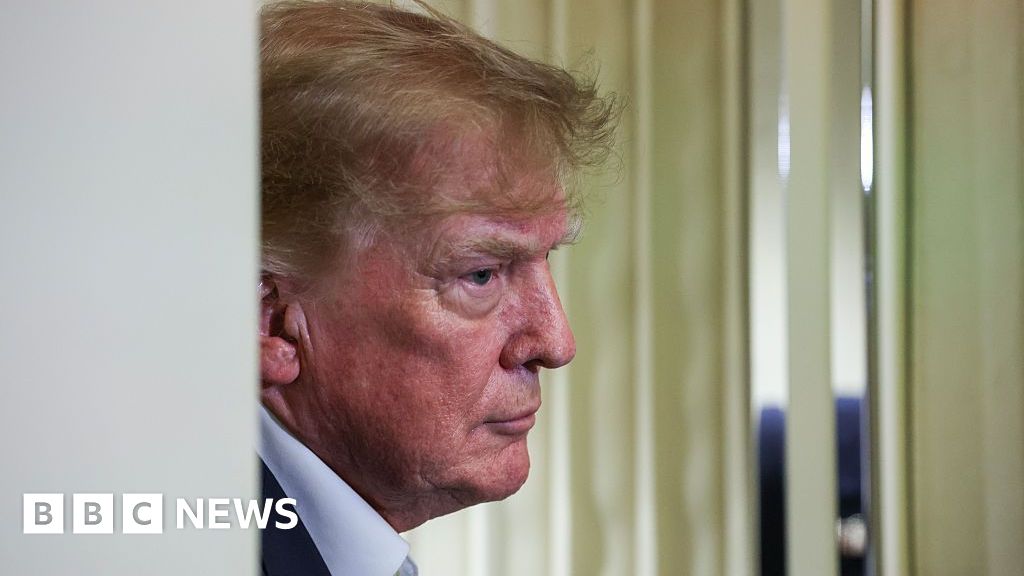
According to Donald Trump, concerns about the dangers of artificial intelligence technology – that “robots will be marching into our cities and getting rid of us all” – are a hoax.
It’s the kind of language the US president typically reserves for the objects of his most intense derision – theories about human-driven climate change, investigations into Russian election-meddling, and the drives to impeach and remove him from office during his first presidential term.
Styling himself as the “hoax buster”, in a series of social media posts on Monday he issued a full-throated endorsement of what he called “the greatest economic development engine in history” and scorned those who doubted the benefits of the technology.
The ranks of doubters have been growing in recent weeks, however, amidst anxiety over the disruptive nature of AI – if not worries about potentially civilisation-threatening danger – among some industry insiders and politicians, including from within Trump’s own Republican Party.
None of that has deterred Trump, however, whose latest social media fusillade was only his latest effort to turn back growing AI scepticism through sheer force of will.
Whether the president views the AI fight as pivotal to his economic legacy, a key battleground in a global struggle for power, or another example of his enemies conspiring against him, he has, by fully joining the fight, elevated the issue to the forefront of American politics. That is even at the risk of crossing longtime allies.
“We think this could be a great technology, but we’re not going to give these guys a carte blanche,” former Trump adviser Steve Bannon said at a “pro-human” conference on the dangers of AI on Tuesday. “There’s been no debate.”
Just before Bannon spoke, democratic socialist Senator Bernie Sanders of Vermont told the same crowd that Washington policymakers had not addressed the “potentially catastrophic consequence” of unregulated AI.
“Congress under both Democratic and Republican control has been asleep at the wheel,” he said. “And now we have a president whose ignorance regarding this issue is truly embarrassing.”
According to Trump, however, what’s needed isn’t debate or new policies, it’s trust in his authority and judgement.
“The only control or ‘guardrails’ that AI needs is a STRONG AND SMART (High IQ!) PRESIDENT, and the U.S.A. has that, in spades,” he wrote. “We already have tremendous CRIMINAL and REGULATORY power over these companies.”
A desire for centralised presidential authority is a familiar theme for Trump in his second term in office. If he decides something is good, he should have the authority to allow it; if he deems it bad, he ought to be able to end it by unilateral presidential order.
It’s similar to his outlook on immigration and trade. He believes that he, as president, should have the sole power to decide who can enter and remain in the country, and when and where to impose tariffs.
Unlike tariffs and immigration, which have been issues of interest for Trump for decades, the rise in artificial intelligence technology is a recent development.
But if this is no long-time, deep-seated interest on the part of the president, what could explain his willingness to press ahead?
The ‘hottest’ economy and the driving force of AI
Trump regularly likes to tout America as the “hottest” country in the world. Many economists indicate that investment in AI technology – including infrastructure and equipment – has been the driving force in the US economy for several years.
According to a recent report by the forecasting firm ING, tech investment accounted for more than a third of all US economic expansion in the second quarter of 2026.
The stock market is booming, and much of that rise in corporate value (and, by extension, surging retirement portfolios of many Americans) can be attributed to the massive spending on computer chips, data centres and the other infrastructure behind AI.
Anything that threatens this growth, which Trump considers to be a hallmark of his presidency and a key to his political legacy, quickly draws his suspicion.
Trump also sees the AI expansion as a large-scale industrial competition between the world’s two largest economies, the US and China. In the zero-sum game of global power, if China is ahead, then America is behind.
“We’re leading China in AI,” Trump said on Saturday, “and frankly, I want to keep it that way, because whoever wins AI wins.”
The president often touts a familiar conservative view that his opponents on the left are against the free market and economic liberties, and rely on alarmism to justify greater government intervention and control.
Of course, Trump – who touts partial US ownership of US Steel and the semiconductor manufacturer Intel, and has no qualms about picking winners and losers in the American economy – is hardly a traditional small-government conservative.
Tech bosses vary in views – and their access to Trump
Trump’s close ties to prominent tech moguls and AI entrepreneurs from the start of his second term may also help explain his AI evangelism. Tech entrepreneur David Sacks, a co-chair of the president’s Council of Advisors on Science and Technology and his informal AI tsar, has been a longtime supporter. Sacks’s publicly aired scepticism of AI regulation mirrors recent comments made by the president.
“I think this is becoming a panic,” he said this weekend in an interview with CBS News. “We’re in an election season, and there is an incentive for political actors to try and amplify the fear.”
Elon Musk, despite a rocky relationship, has shaped the direction of this administration. Mark Zuckerberg of Facebook, Amazon’s Jeff Bezos, OpenAI’s Sam Altman and former Apple head Tim Cook all had prominent seats at Trump’s inauguration.
These men, along with Anthropic head Dario Amodei, hold a range of views on the necessity of greater AI regulation, and have differing levels of access to, and influence on, Trump.
In Amodei’s case, his conflicts over the Pentagon’s unrestricted use of Anthropic’s AI models could have negatively affected Trump’s evaluation of Amodei’s calls for a slowdown in AI development.
“This is the most prominent debate in the entire industry and has been since the beginning,” said Matt Calkins, head of the tech firm Appian. “We knew it would spill into politics at some point because it had to.”
Where the political debate goes from here is an open question.
With Trump’s resistance, it is unlikely that Congress – despite promises of new hearings and proposed regulatory controls – will enact new legislation that Trump would sign into law. On Tuesday, Republican Speaker of the House Mike Johnson appeared to back away from earlier openness to congressional action, instead echoing Trump “AI hoax” rhetoric.
With midterm congressional elections looming, candidates running for office – both Republicans and Democrats – are wary of ending up on the wrong side of public opinion that, according to polls, is sceptical of the promised benefits of AI advances.
“It is possible that events in the future might electrify the public, and then positions – and talk – might not be so cheap,” he said.
Politics
‘Pretend I’m on the ticket’: Trump hits campaign trail in bid to boost Republican hopes
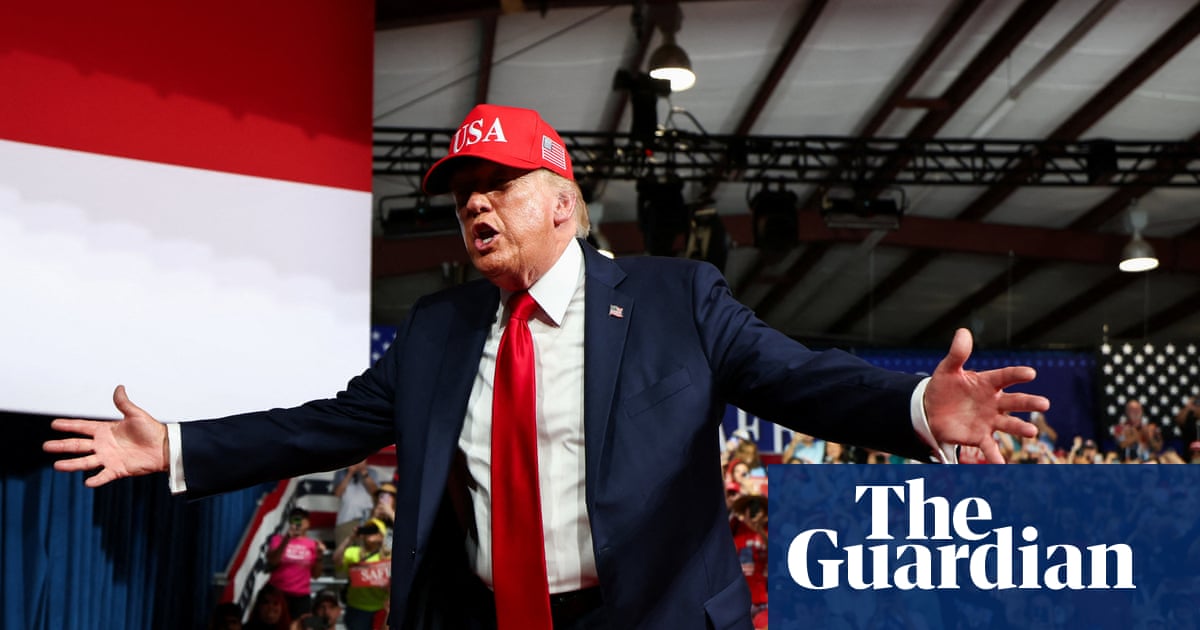
Donald Trump returned to the campaign trail on Wednesday, imploring North Carolina voters to “pretend I’m on the ticket” and “crush the communists” in the November elections at a rally in support of the Republican Senate nominee Michael Whatley.
Despite Trump’s deep unpopularity, Republicans hope to once again turn the president’s loyal following into a political force as the party confronts an unforgiving midterm landscape.
“I’m not bragging, but when I’m on the ticket Republicans have always done really well,” Trump told supporters. “I just want you to go out and pretend I’m on the ticket, because essentially I am.”
The rally, Trump’s first campaign event since the Republican party’s unusual midterm convention in Dallas last week where he debuted a similar campaign message, was aimed at energizing Republican voters behind Whatley, a former Republican National Committee chair who is running in a crucial battleground race against the Democratic former governor, Roy Cooper.
With the Republican senator Thom Tillis retiring, Democrats see a rare opportunity to flip a seat in a state that has repeatedly dashed the party’s hopes in recent elections, but which could decide the balance of power in the Senate this November. To win control of the Senate, Democrats must prevail in at least four Republican-held seats.
In Gastonia, Trump sought to cast the Senate contest as a referendum on Cooper’s governorship, saying the election was about “safety” and “bad management”.
From the stage, he invoked the murder of Iryna Zarutska, a 23-year-old Ukrainian refugee fatally stabbed on a Charlotte light rail train last year. Describing the attack in gruesome detail, he falsely claimed that the man arrested and charged with her killing, Decarlos Brown Jr, had been released from prison by Cooper.
He then showed dozens of mugshots on a video screen, explicitly comparing his attack on Cooper to the notorious “Willie Horton” attack ad used by George HW Bush’s 1988 presidential campaign against Michael Dukakis in a racially charged appeal to cast the Democratic nominee as weak on crime.
“Years ago in Massachusetts, there was a governor named Dukakis, Michael Dukakis, you remember, who had a very substantial lead for president,” Trump said. “He was going to win easily, but he allowed a man named Willie Horton out of jail. Willie Horton was a bad guy, really bad guy. Same thing as this. Same exact thing.”
Trump said Whatley was the “candidate of law and order” who preferred criminals be “executed, arrested or deported”.
Trump’s appearance underscored Republicans’ challenge in North Carolina, a place where Democrats have not won a Senate race since 2008 but where polls have consistently shown Cooper ahead of Whatley.
Nodding to Cooper’s edge, Trump claimed there was a misconception about the former governor’s politics.
“He tries to pretend he’s a moderate,” Trump said of Cooper. “He’s not.”
Trump lavished praise on Whatley, his hand-picked choice for Senate calling him a “ball-breaker” and “one of the greatest men I ever worked with in government”.
“I had my choice of the whole country,” Trump said. “I chose Michael Whatley.”
Whatley enthusiastically returned the embrace, praising Trump as the “greatest president of our lifetime”.
Ahead of the rally, local Democrats held a news conference to denounce Whatley for supporting Trump’s agenda.
“Why would Whatley back a war that is driving up prices for North Carolina families at a time when it’s already too hard for us to get by?” state senator Woodson Bradley said. “Let’s not find that out, North Carolina. He’s already shown us everything we need to know.”
By tying himself to the president, Whatley is hoping Trump’s command of the party’s base can translate into broader support in a state where independent voters make up a large share of the electorate and where concerns about prices, the economy and the administration’s handling of the war in Iran have complicated the political landscape.
Yet in a reminder of the significant economic headwinds Trump is facing, he spent time attacking the Federal Reserve, which on Wednesday raised its benchmark interest rate by a quarter-point, its first increase since 2023. The Fed said persistent inflation warranted the move.
Speaking to reporters on the tarmac before the rally, Trump called the central bank “very hostile” to him and said its officials were a “bunch of politicians”.
“They’re doing the wrong thing,” he said, repeating several times that interest rates were “too high”.
Robert Mackey contributed reporting
Politics
Crossfire Hurricane emails show FBI sought to probe Elon Musk over DOGE
NEWYou can now listen to Fox News articles!
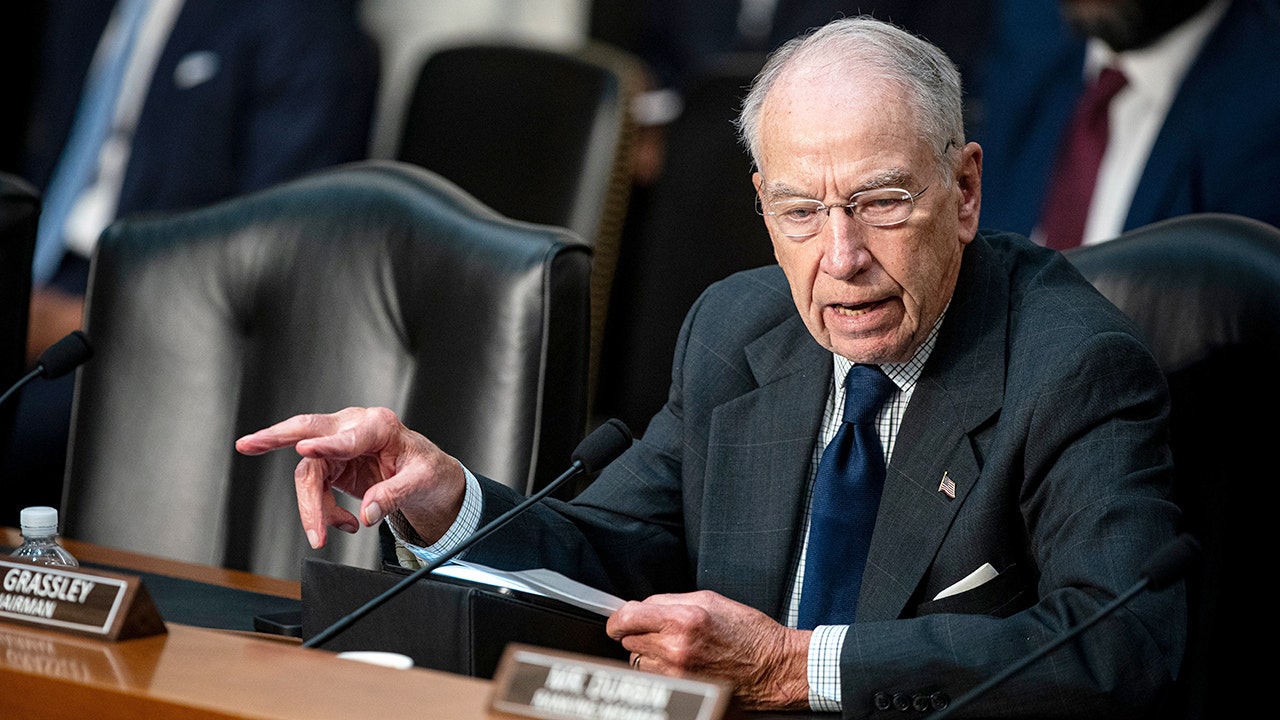
An FBI agent repeatedly sought to join the bureau’s Russia investigation involving President Donald Trump, while another pushed for a criminal investigation of Elon Musk over an email asking federal employees what they accomplished at work, according to documents newly released by Senate Judiciary Committee Chairman Chuck Grassley, R-Iowa.
The records span internal FBI communications from 2017 and 2025, covering both the bureau’s Russia investigation and a proposal to investigate Musk. Grassley said the exchanges reflected political bias within the bureau and showed the “Deep State” working against Trump. The documents were released as part of a broader batch involving Crossfire Hurricane and other FBI matters.
“The previous Democrat administrations under Obama and Biden conducted secret, insidious and downright evil operations that almost took down our government,” Grassley said during an Oversight hearing with FBI Director Kash Patel. “That’s arguably worse than Watergate.”
Crossfire Hurricane was the FBI’s 2016 counterintelligence investigation into whether members of Donald Trump’s presidential campaign coordinated with Russia’s election interference, though Special Counsel Robert Mueller’s investigation did not establish a criminal conspiracy between the campaign and the Russian government.
DAN BONGINO REVEALS HE FOUND ‘MOTHER LODE’ OF SECRET RUSSIAGATE FILES INSIDE FBI BURN BAGS
Over the past decade, the Senate Judiciary Committee, at the direction of Grassley, has released several rounds of documents from a few FBI operations such as Operation Arctic Frost and Round River, alleging that the Justice Department was being weaponized against Trump and Republicans.
“The overall sustained efforts by the Deep State in the dark corners of the bureaucracy is worse than anything Trump has been accused of. At least he’s upfront and open so people can judge,” Grassley said.
At the center of the Senate Judiciary Committee’s most recent document release are three former FBI agents: Kevin Gounaud, Walter Giardina, who was fired by Patel in August over accusations of political weaponization, and Timothy Thibault.
Gounaud, who left the bureau in February, according to his LinkedIn, sent an email in February 2025 seeking to begin a criminal investigation of Musk. At the time, Musk was a special government employee overseeing DOGE. Gounaud’s complaint centered on Musk announcing on X his plan to have all government employees share five things they worked on that day.
“Musk used a non government system (twitter) to relate information that allegedly was for official purposes. In doing so, because he is monetized (he is a majority owner of twitter) he likely generated income for himself based on Twitter’s monetization model and/or advertising revenues,” Gounaud wrote. “His use of twitter in this and other instances is conceptually similar to Hillary Clinton’s misuse of a private email server for government business.”
Grassley later criticized the former FBI agent in a post on X.
JACK SMITH’S SENATE PHONE RECORDS PROBE TURNS TO VERIZON’S HANDLING OF SUBPOENAS
“Here is an email I released 2day showing an FBI agent who was ready2 open a CRIMINAL CASE all bc Elon Musk asked govt bureaucrats 2 report 5 things they did in a wk,” Grassley wrote. “Compare that 2 Iowans who work frm sunup to sundown EVERY DAY Washington rlly is an island surrounded by reality.”
The document dump also shows that Giardina emailed at least seven times over the course of four weeks beginning in January 2017 asking to be assigned to Crossfire Hurricane. The findings of the investigation were handed off to special counsel Robert Mueller a few months later in May.
SIGN UP TO GET THE POLITICS NEWSLETTER
The emails show that Giardina was in correspondence with Thibault, who Grassley accused of violating the Hatch Act. The allegation stemmed from Thibault resharing a post on Twitter by the Lincoln Project, which called Trump a “psychologically broken, embittered, and deeply unhappy man.” The U.S. Office of Special Counsel (OSC) opened an investigation into Thibault, but before the investigation ended he retired from the FBI in August 2022. In January 2024, the U.S. of Special Counsel determined Thibault did violate the Hatch Act with his retweet, but only issued a warning letter and closed the case.
Thibault is included in several emails sent by Giardina to former Supervising Agent Joe Pientka.
CLICK HERE TO DOWNLOAD THE FOX NEWS APP
“Based on the records known to date, that case didn’t advance,” Grassley said. “His efforts, as well as the case he tried to open on Senator Sinema, undercut public statements by former FBI officials that agents don’t get to pick their cases.”
Fox News Digital reached out to the FBI for comment.
Politics
Ed Sheeran’s tour in trouble after opening acts drop out : NPR
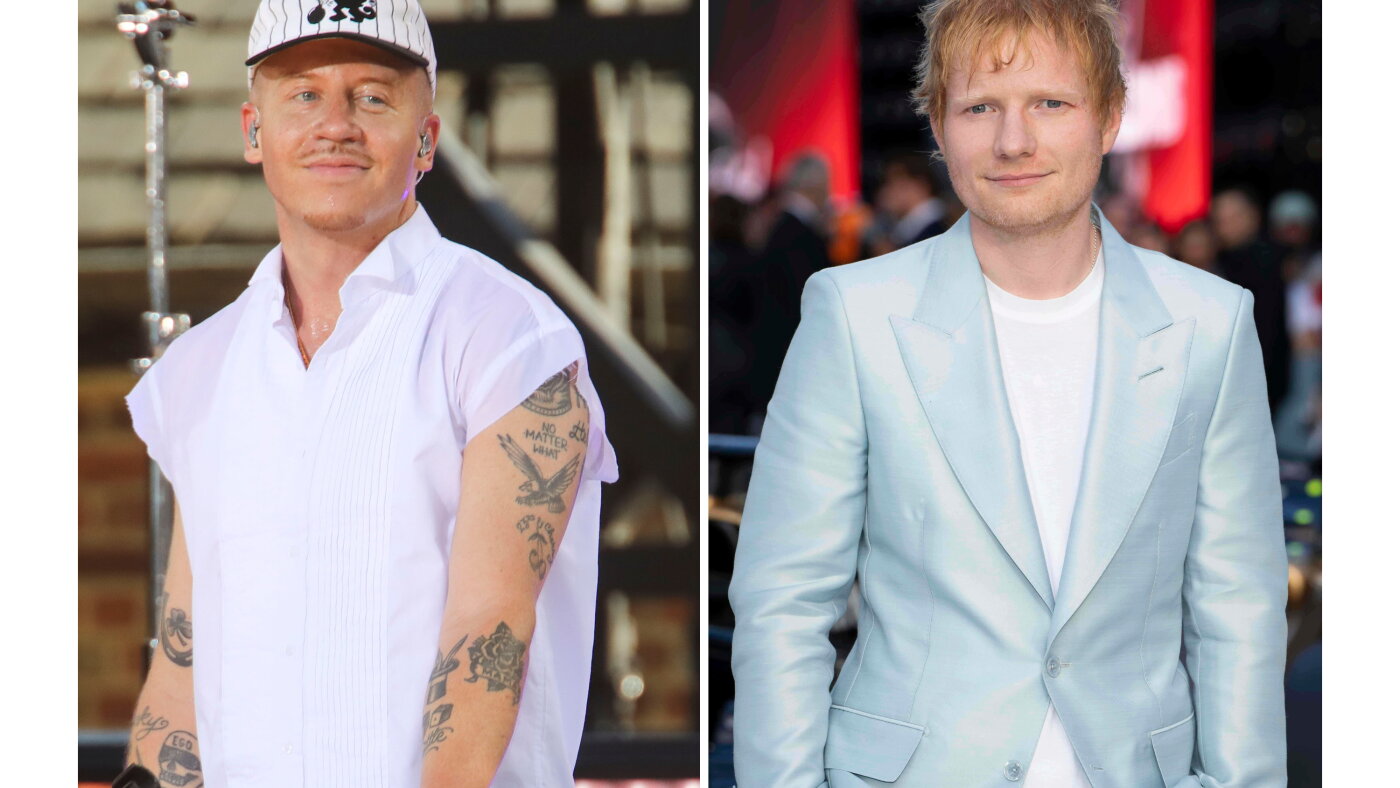
NEW YORK — Ed Sheeran’s tour of North and South America was plunged into chaos Tuesday when four of his supporting acts abruptly quit in solidarity with the rapper Macklemore, who was dropped for making pro-Palestinian comments onstage.
Hours after Sheeran posted on social media about Macklemore’s ouster and attributed the decision to the tour’s promoters, Irish acts Aaron Rowe and Beoga, the Danish band Lukas Graham, and Finneas posted on Instagram that they were leaving the tour.
Rowe and Lukas Graham would have been replacements for Macklemore on Sheeran’s remaining U.S. dates, while Beoga had been performing several songs — including some the Irish folk band co-wrote — with Sheeran around the middle of each set. Finneas, who is Billie Eilish’s brother and musical collaborator, was due to tour with Sheeran in South America later this year.
“Artists must not be silenced when they speak up for the oppressed,” Finneas said on Instagram. “I have decided to withdraw from my upcoming tour dates with Ed Sheeran. I stand with Palestine and its people.”
Pressure mounts on Sheeran
The moves by his fellow artists put enormous pressure on Sheeran, who has tried to avoid politics and taking a side in the Gaza conflict, arguing that his fans don’t come to his shows to hear politics.
Rowe and Beoga each cited their country’s history in their statements explaining their decision. “We are Irish people who understand colonialism. As founding members of the Irish Artists for Palestine movement, we are committed activists for justice and will continue to be,” Beoga said.
Rowe called Sheeran a friend and said the British singer-songwriter changed his life. “But as Irish people we know all too well about genocide, forced famine and violent occupation,” he said, adding that he couldn’t “stand by and allow billionaires to use their position of power to silence the rightful voices of those who speak up.”
Meanwhile, Lukas Graham, the band that had hits with “Mama Said” and “7 Years,” expressed gratitude to Sheeran and called it “a difficult decision.”
“Money doesn’t give you the right to own the conversation. Nobody’s bank balance should decide who gets to speak or which suffering we’re allowed to acknowledge,” the band posted, seemingly referring to billionaire Robert Kraft’s role in Macklemore’s removal from the tour.
Emails seeking comment were sent to Sheeran and the tour’s promoter, the Messina Touring Group.
The crisis started with Macklemore being dropped
Sheeran weighed in on Macklemore being dropped after the rapper made pro-Palestinian comments onstage during their tour, saying the decision was made by the promoters alone. The British singer also said he refused to be drawn into a public discussion about the war in Gaza.
“Macklemore coming off tour was the promoter’s decision, it was not mine,” Sheeran wrote on Instagram on Tuesday. “I would never let down the fans who had made plans, nor would I abandon the touring crew and the other support acts and musicians who rely on me for work and to make a living.”
Sheeran’s statement came a day after Macklemore said he was kicked off the Loop Tour after exclaiming “Free Palestine!” during the Sept. 5 date at New Jersey’s MetLife Stadium while introducing his protest song “Hind’s Hall.”
“To all of my Jewish brothers and sisters, criticism of Israel, criticism of apartheid, being against genocide, it in no way is criticism of you,” he said during the concert.
Macklemore said Monday on Instagram that several U.S. venues told the promoter they would prohibit him from performing as Sheeran’s opening act, rallied by Kraft, owner of NFL’s New England Patriots. His Kraft Group also owns Gillette Stadium, where the Patriots play.
In a statement Monday, Kraft said the decision to cancel Macklemore was a result of his recent comments “and a broader history of antisemitic rhetoric and imagery that we believe has been deeply offensive and hurtful to the Jewish community.”
Kraft’s representatives didn’t immediately respond to a Tuesday email seeking comment about the other musical artists’ actions.
Sheeran says ‘I am not complicit’
A growing chorus of organizations and experts say Israel’s wartime actions in Gaza amount to genocide — an accusation Israel vehemently rejects.
Macklemore was scheduled to perform at eight of the 10 shows Sheeran has remaining on his stadium tour, which is scheduled to resume Saturday in Philadelphia. Ahead are stops at Gillette Stadium, Atlanta’s Mercedes-Benz Stadium and Indianapolis’ Lucas Oil Stadium.
In his social media post, Sheeran said he “spoke with the venues at length all week to try to build a bridge,” but that “the venue’s and promoter’s decision was final.”
He wrote that he tries to use his music to “bring people from all backgrounds and cultures together” and that while he has personal views about “this devastating conflict,” he chooses not to speak publicly because people who come to his shows “do not expect a political forum.” He added: “I am not complicit.”
“I respect Macklemore’s strength of purpose to stand up and shout for what he believes,” Sheeran added. “However, there is room for multiple approaches to the same end: peace. I choose to use my fame and platform to be a place of safety and sanctuary, to maintain diplomacy and keep conversations open, not closed.”
Politics
US lawmakers spar over bill giving Trump more power to sanction Russia
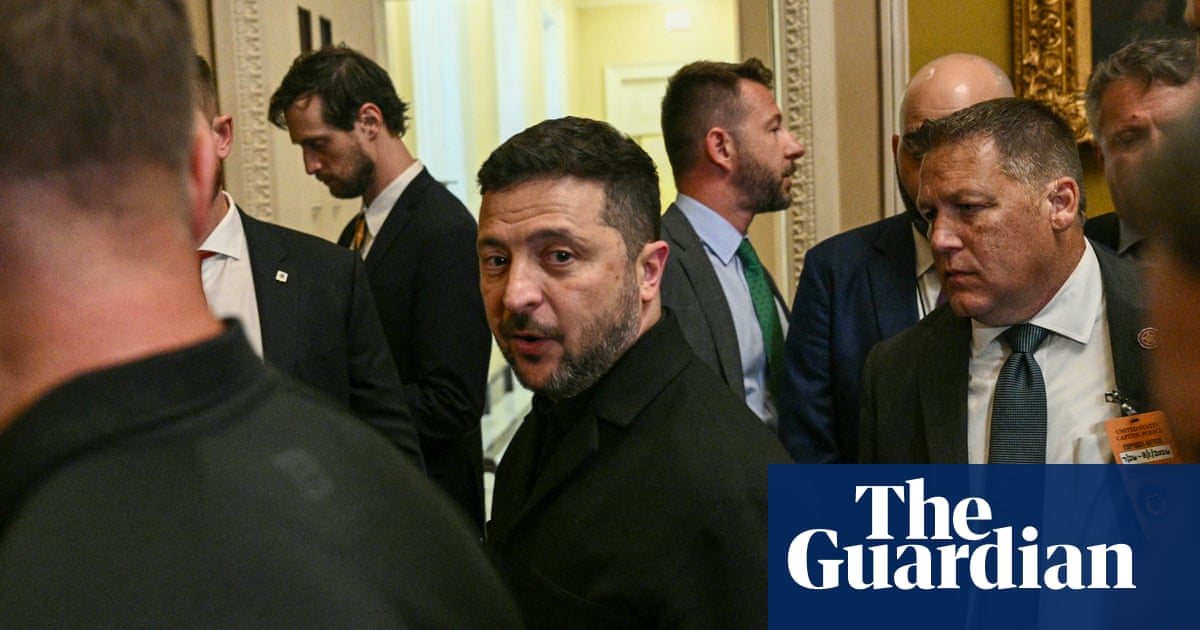
This week, a bill that was co-authored with Lindsey Graham – the South Carolina Senator who passed away earlier this year – that would grant Donald Trump the authority to charge tariffs on Russia and its trading partner will go to a vote in an important legislative battle. The outcome could give the US President new sanctions authority at a critical moment of the war between Russia and Ukraine.
Bill is being criticized by Republicans who are anti-Ukraine, as well as prominent Democrats, who claim that it will grant the US President unwarranted tariff powers that can be misused and used against US Allies.
Staffers in Congress have reported frantic lobbying at the last minute as Congress voted on what a Democratic staffer described as “the one opportunity we have to assist Ukraine before it enters the slow winter”. On Monday the bill was approved by the House Rules Committee. It will now be voted on on the House Floor on Tuesday, followed by a General Vote on Wednesday.
The Lindsey O Graham Sanctioning Russia Act of 2026 targets Russia’s defense and energy industries as well as its “shadow fleet” of oil tankers that skirt existing sanctions. It would also give Trump the authority to apply 100% tariffs against top buyers of Russian oil including China and India.
Trump has used tariffs to punish US allies such as Canada, Mexico and the European Union. This is causing controversy amongst Democrats, who are staunch supporters of Ukraine. The group is led by Gregory Meeks, as well as the House Foreign Affairs Committee’s top Democrats; Don Beyer from the joint economic committee of Congress; and Richard Neal the House Ways and Means committee ranking Democrat.
They said in a press release that the bill would “do more harm than good”. They said that the bill “would dramatically increase presidential tariff authority while failing to mandate Russia sanctions, which is both unacceptable and inacceptable”. These flaws will raise American prices and undermine support for Ukraine over time.
The critics have said that Democrats opposing the bill are not trying to give Trump a victory before the midterms. They hold the bill as hostage for partisan politics, with Ukraine facing another harsh winter and a lack of munitions in order to defend itself against Russian missile attacks.
Neal told an interviewer on Monday that “it’s not about refusing Trump a win.” I just think that these tariffs are abusive, and the way Trump has used them to scare away his friends around the world, how can we protect ourselves? He could also take a harsh stance in relation to Ukraine if, by the same token, he so chooses.
According to sources, negotiations between Democrats are underway to change the bill so that the maximum number of sanctioned countries is 11. Sources say that negotiations are underway among Democrats to limit the number of countries eligible for sanctions to 11.
Volodymyr Zelenskyy, the president of Ukraine, encouraged on Monday the US to put more pressure on Russia’s economy in order to stop the war.
In a weekly address, he stated that “Lindsey Graham’s sanctions bill” is still just a draft and not yet a law. It is crucial that this bill becomes law. “I thank all those around the globe who support this approach, and know that strength works.”
Vitaly Kim said that economic pressure was the fastest way to bring an end to the conflict in an interview conducted on Saturday on the sidelines the Ukraine Action Summit held in Washington DC. Kim is a minister for veterans and a cabinet member under Zelenskyy.
He said that sanctions to stop the Russian economy and prevent them from buying weapons would help to destroy their economy. Comparing it to Ukrainian attacks on military facilities and oil refineries, he said:
Your politicians are aware that the tactics we use to destroy Russia’s military and attack its economy is working. I think you’ll support our attack on the Russian economy to stop them.
Trump has reportedly given his Republican allies the green light to introduce the bill. This ends a two-year impasse that lasted until the death of Graham. Graham was a close ally and supporter of Trump’s, who had urged him to endorse Ukraine, despite being one of the most powerful allies of the President in Congress.
The isolationists in the Republican Party have stated that they will not support the bill. This makes the Democratic vote crucial. This has caused a fight among the congressional Democrats. During a meeting held this week, California Democrat Linda Sanchez told her colleagues to “get rid of the fucking Bill”.
She wrote “I said exactly what I said” on her social media page to confirm the original quote reported by Punchbowl News. We must punish Russia and support Ukraine for their invasion. Why would we allow Trump to impose tariffs on any country that he is currently angry with and increase costs for workers?
Foreign governments are closely watching the bill, as well as advocates of Ukraine. They have stated that this is the best solution available. The US public also supports it.
Mykola Muskyj, senior advisor at Razom (a US nonprofit that promotes pro-Ukrainian laws), said that it was disappointing to see some Democratic leaders pushing back against the pro-Ukraine legislation. The best way to convince the Kremlin that it’s time to stop its war is to drain Russia’s war funds. This is something we should all support.
He added, “These tariffs will be crucial in ending Russia’s War.” The countries that buy Russian oil to fund Russia’s conflict should not be allowed to continue doing so. The choice should be between cheap American oil or access to American markets.
Politics
Crypto’s biggest Senate push falls flat as the Clarity Act fails to clear a crucial procedural vote
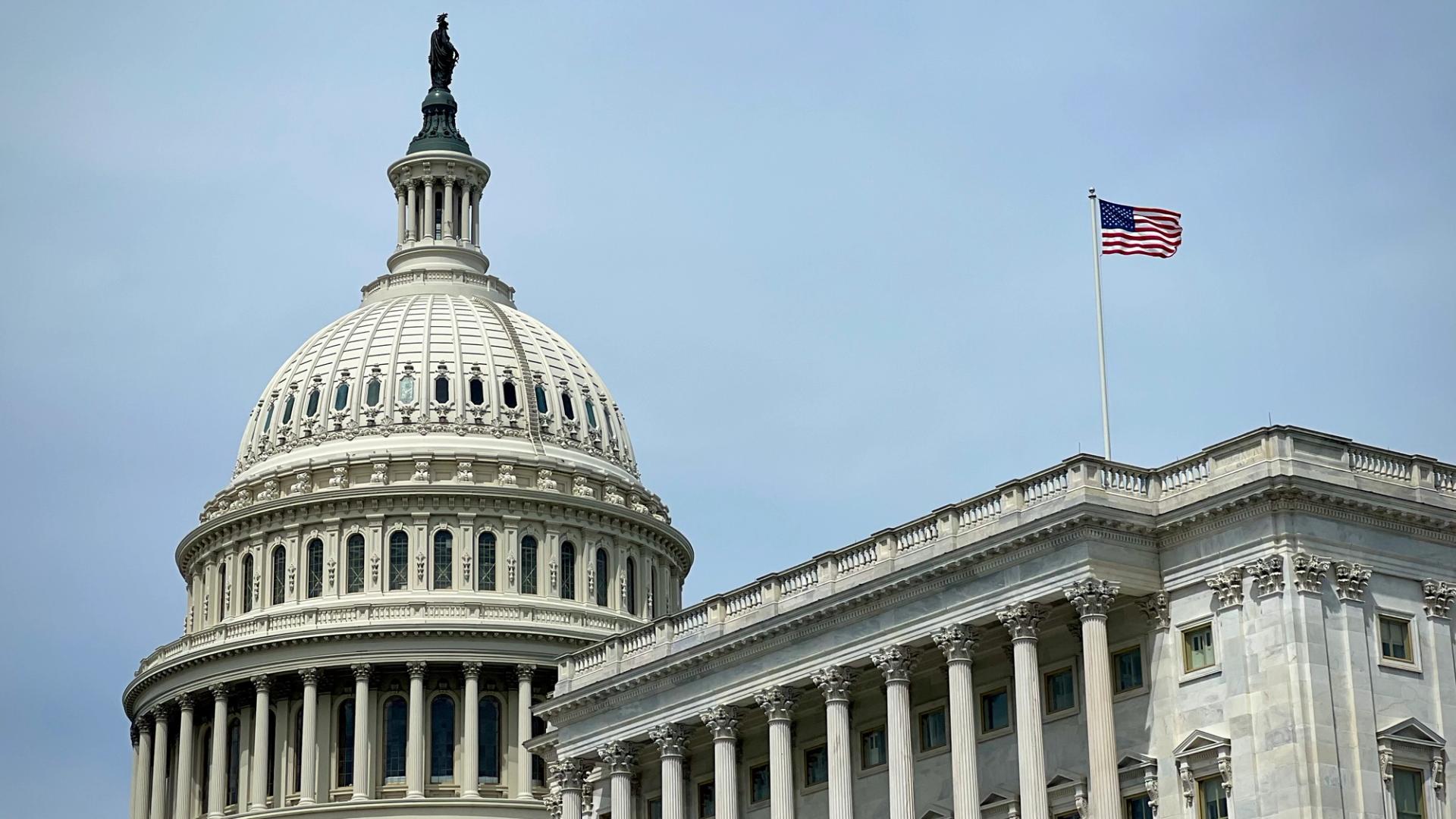
On Tuesday, the Digital Asset Market Clarity Act was unable to pass the U.S. Senate due to the political climate. A 49-50 vote that would have started the bill on its way to passage failed to gather the required 60 supporters.
It has taken years for the industry to spend hundreds of millions on lobbying and political action groups to get a law passed. The Senate vote is the most recent step in this effort.
If the Congress fails to make some major moves in the last weeks after the midterms, the industry could be forced back to square one. It is a difficult situation for the crypto industry because it did not win even a simple majority.
The two parties negotiated more than 600 legislative pages, but some sections were riven by insurmountable differences. The closer to the election, the greater the likelihood that political pressures will get in the path of a successful bipartisan agreement.
The leading Republican negotiator, Senator Cynthia Lummis, made her final pitch to colleagues before voting. However she was unable to persuade enough to support her.
She said, “Don’t let today be the day that we give our future away to others because we are afraid of finishing what we began,” on the Senate Floor. Let’s vote “yes” Join us in the 21st Century. Joining the digital age is not enough. We must lead the digital age. Let’s define it.”
What now?
The U.S. regulators are working hard to enforce rules in the industry.
Securities and Exchange Commission and Commodity Futures Trading Commission are moving ahead with initiatives that the industry believes will bring enough stability and certainty to the regulatory system, thereby attracting more businesses and investors.
Reg Crypto, the SEC’s first crypto regulation proposal, was recently released. It aims to make it easier for crypto projects and investors to fundraise without having to immediately comply with regulatory obligations. The agency will soon start to approve a limited version of security tokenization, which could ultimately change the way securities transactions in the U.S. are conducted.
Even Chairman Paul Atkins has stated that the new crypto regulations and exemptions to registration requirements won’t last without a legal foundation. The agency’s crypto policies have been expressed in a number of easy to reverse expressions of advice, even formal rules can be revoked the way they were written.
Fairshake and other super-PACs in the industry will need to determine how they want to deal with politicians who did not vote on Tuesday. Fairshake has not yet decided what it will do during the final weeks leading up to the November 3 elections that will determine the composition of the new Congress and the majority who will be in charge over crypto legislation.
In the hopes of reaching a point where legislation is inevitable, industry PACs continue to recruit more crypto-friendly Congressmen.
Clarity Act aims to define the approach of the government to different types cryptocurrencies, blockchains and projects. It also assigns specific regulatory roles, such as the CFTC being a new watchdog on crypto spot markets.
The defeat of Clarity Act was a setback for advocates for digital assets, but the 2025 congressional session had a significant win when the Guiding and Establishing National Innovation for U.S. Stablecoins Act (GENIUS) received a bipartisan majority and passed into law. In just three short years, the industry went from being plagued by high-profile failures in 2022 to having a significant legislative win. The law is currently being implemented for stablecoin issues.
A new Congress is seated in January after the current Congress ends its term. Bills will not be passed if Democrats gain the majority, which is expected in the House of Representatives. They’ll be required to devote some time and energy on investigations, which will most likely touch upon the relationship between Trump and the crypto business and its leaders.


Palace responds to claims in book about row after Diana died. #BBCNews


Americans are concerned about President Trump’s priorities
CNN's John Berman, Harry Enten and Abby Phillip answer your questions about upcoming elections. Join CNN's live Q&A on the...


Singapore auctions luxury goods from $2bn money laundering case. #BBCNews

‘Pop culture colliding with politics': the tour fallout splitting the nation
"I never would have had Macklemore versus Bob Kraft on my bingo card for this year." Pop culture and politics...

‘Pretend I’m on the ticket’: Trump hits campaign trail in bid to boost Republican hopes
Donald Trump returned to the campaign trail on Wednesday, imploring North Carolina voters to “pretend I’m on the ticket” and...

Vance warns US exit could trigger ‘worldwide energy crisis’ as Iran vows to resist
Pinned Vance warns US withdrawal from Middle East would trigger ‘worldwide energy crisis’ Vice President JD Vance warned Wednesday that...


SpaceX Falcon 9 launches from US Space Force base
SpaceX is targeting Wednesday, September 16 for a Falcon 9 launch of the USSF-259 mission from Space Launch Complex 4E...

AGT Live Results: Season 21 Finalists
The votes are in, and we now know which acts will be competing in next week’s Season 21 finale of...

AI kill switch won't work in the long run: 'Godfather' of AI
Geoffrey Hinton, the Nobel Prize-winning computer scientist known as the “godfather of AI," weighs in on several proposals before …

Trump asked why adding his name to Kennedy Center is important
President Donald Trump defended his push for the Kennedy Center to have his name on it, arguing that his administration...
-

 Business2 weeks ago
Waymo accelerates robotaxi expansion with launches in Denver, San Diego, and Tampa
-

 Uncategorized1 week ago
Latest US Political News Updates: Key Developments Shaping America in September 2026
-

 Entertainment2 weeks ago
Miley Cyrus Announces ‘Bass Persuades’ Album, Hollywood Bowl Shows
-

 TravelNews1 week ago
Republican midterm convention 2026: What to know about Trump’s Dallas event
-

 Business2 weeks ago
TikTok, Whatnot livestream shopping gains steam in the U.S.
-

 PM office canada2 weeks ago
Pete Hegseth posts latest “frat boy” insult to Canada, academics say
-

 Business7 days ago
What is So Hard About Behind-The-Meter Power For Datacenters? Part 1
-

 Business2 weeks ago
TechCrunch Mobility: Tesla Cybercab hits the road – and a snag