
HealthNews
Vibrio vulnificus cases, deaths, rising in Florida, other Gulf states
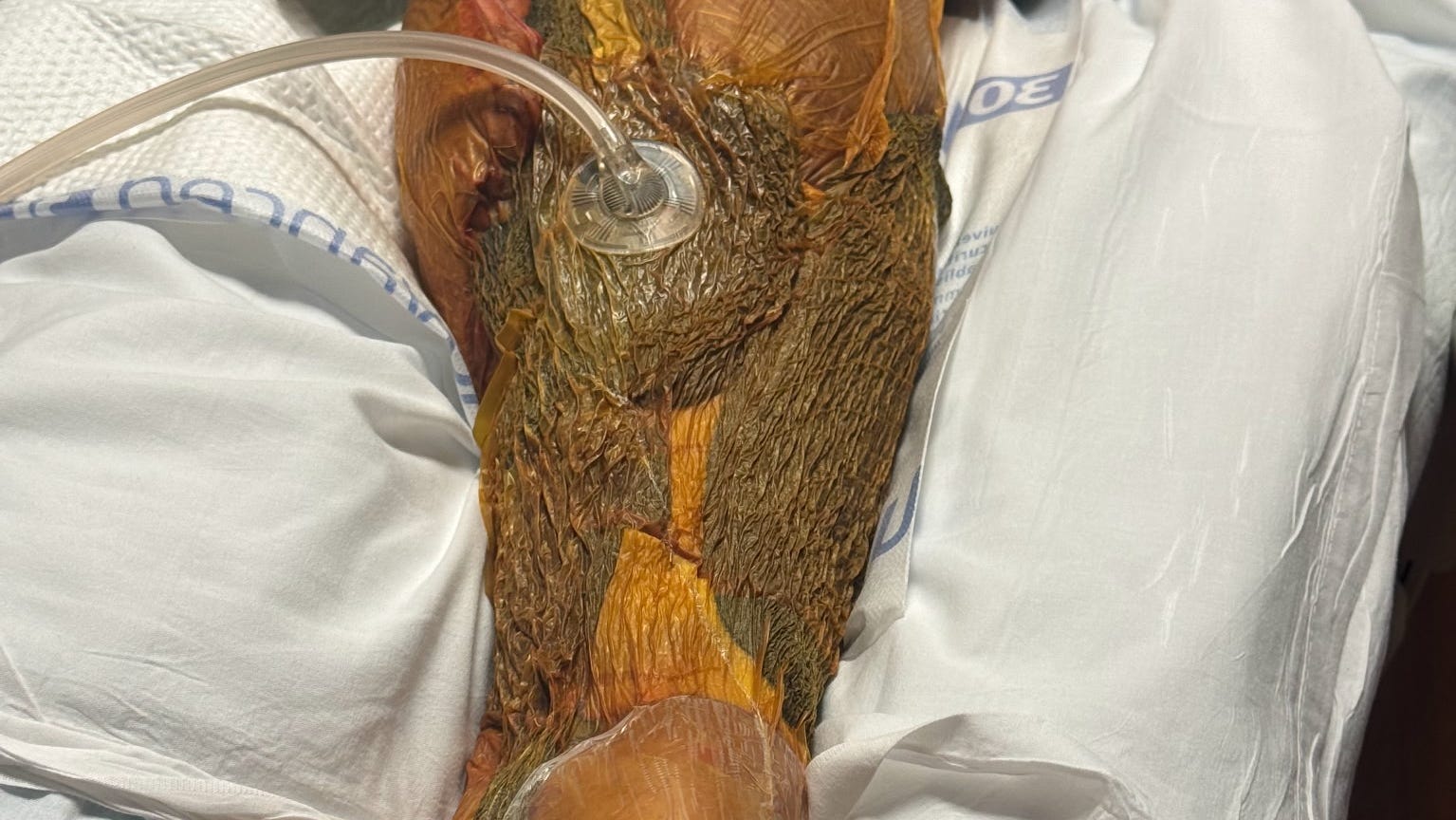
Florida has reported 22 cases and four deaths from Vibrio vulnificus infections so far this year.
The rare flesh-eating bacteria is found in brackish water and raw seafood.
Infections can occur when open wounds are exposed to contaminated water or by eating raw oysters.
Florida’s Vibrio vulnificus infections now total 22 cases and four deaths, according to the latest health department update on the rare brackish-water bacterium found in raw seafood that can quickly and severely damage human flesh.
Florida Department of Health data, updated on Sept. 17, added another confirmed case in Santa Rosa County as of the period ending Sept. 12. The health department does not release identifying details, but the victim is described as being between 25 and 29 years old.
There have been four deaths reported so far in 2026, in Bay, Broward, Marion, and Palm Beach counties. Florida recorded 33 cases and five deaths in 2025.
Vibrio vulnificus is not limited to Florida. Elsewhere along the Gulf Coast, Louisiana reported 17 cases and six deaths as of Sept. 16, with 16 of the cases from wound/seawater exposure. The Mobile County Health Department has reported 11 cases of vibriosis this year as of Sept. 12. The Mississippi Department of Health has reported 3 as of August. Four cases have been reported in Texas.
South Carolina does not require cases to be reported, but the state Department of Public Health told WMBF News it was aware of three cases and one related death this year.
While Vibrio vulnificus infections are very rare, the effects can become life-threatening within hours and may require emergency surgery and even rapid amputation to prevent spreading. About 1 in 5 people who develop the infection die, according to the Centers for Disease Control and Prevention (CDC). People with compromised immune systems are at the highest risk.
Vibrio vulnificus cases in Florida
According to Florida Department of Health data through Aug. 15, cases have been reported in:
Cases:
Bay County: 2
Brevard County: 1
Broward County: 2
Duval County: 1
Hillsborough County: 1
Lee County: 2
Marion County: 2
Miami-Dade County: 2
Okaloosa County: 1
Palm Beach County: 2
Polk County: 2
Santa Rosa County: 3 (+1)
St. Johns County: 1
Deaths:
Bay County: 1
Broward County: 1
Marion County: 1
Palm Beach County: 1
How to avoid getting infected with Vibrio vulnificus
Vibrio Vulnificus is also called the “flesh-eating bacteria” because it can cause necrotizing fasciitis that rapidly destroys muscle and skin tissue and can cause flesh around wounds to die, the CDC said. It lives in coastal waters where freshwater and seawater mix. The peak season for Vibrio vulnificus infection is between May and October, when water temperatures are warmer.
Infections come from exposing open wounds to brackish water or from eating raw or undercooked oysters harvested from contaminated waters, and unless treated, can quickly result in tissue damage and spreading blisters, low blood pressure, fever, organ damage, sepsis and death.
“Open wounds” can mean very small cuts or scrapes. Genevieve Gallagher of Pensacola, who lost her left leg below the knee from an infection last year, told WESH it didn’t take much.
“Going to the beach for a day of fun is not worth it,” she said. “If you have a cut on your leg, a mosquito bite that you scratched and it’s open, if you shaved your legs before you are going to the beach the next day, you are leaving those little microscopic openings for this bacteria to make its way in.”
Health officials advise keeping open wounds out of brackish water, which can be found in bays, estuaries, river mouths, and flood zones. That includes recent surgical sites, fresh tattoos and piercings, and even minor cuts or scrapes. Once you’re out of the water, wash any exposed skin with soap and running water.
Cook your seafood, especially oysters. If you handle raw seafood at home, wash your hands thoroughly, along with any surfaces it may have touched. If you are at high risk, wear gloves.
Who is at risk for Vibrio vulnificus infections?
Anyone can become infected, but most people with healthy immune systems fight it off without noticing.
People at the highest risk of severe illness include those with liver disease, cancer, diabetes, HIV, or thalassemia, as well as people taking immune-suppressing medications, people who use acid-reducing drugs, people who recently underwent stomach surgery, and older adults with multiple underlying health issues.
What are the symptoms of Vibrio vulnificus?
Symptoms of Vibrio vulnifics develop suddenly, usually within 24 hours of exposure, according to the CDC. They include:
Watery diarrhea, stomach cramps, nausea, vomiting, and fever
Fever, chills, low blood pressure, and blistering skin lesions
Redness, swelling, pain, warmth, discoloration, and drainage from infected wounds
Anyone who develops symptoms after eating raw seafood or exposure to brackish water should seek immediate medical attention. Once inside the body, the infection can spread to the blood and organs, usually within hours.
HealthNews
Philadelphia health department warns of possible measles exposure at CHOP

PHILADELPHIA (WPVI) — The Philadelphia Department of Public Health is warning patients and visitors about a possible measles exposure at Children’s Hospital of Philadelphia.
Health officials said the possible exposure occurred on Sept. 11 at several locations inside the hospital on the 3400 block of Civic Center Boulevard, including:
CHOP NICU West: 9:30 am to 4:15 pm
CHOP NICU West Family Lounge: 9:30 am to 4:15 pm
CHOP Atrium: 9:30 am to 4:15 pm
CHOP Main Cafeteria: 12:05 pm – 2:45 pm
The Philadelphia Department of Public Health is urging anyone who may have been present during those times to review their vaccination status and monitor for symptoms.
Measles is a highly contagious virus that spreads through the air when an infected person coughs, sneezes or talks. People who are not protected against measles can become infected for up to two hours after an infected person has left the area.
Early symptoms include fever, runny nose, cough and red, watery eyes, followed by a rash.
Health officials warn that, in some cases, measles can lead to serious complications, including pneumonia, brain infection, and death.
HealthNews
3-Year-Old Boy’s Cancer Disappears After He Gets Experimental Immunotherapy
An experimental treatment may have just given a 3-year-old boy with advanced liver cancer a new lease on life.
Doctors at the Baylor College of Medicine in Texas and others detailed the near-miraculous turn of events in a report earlier this month. The boy’s metastatic cancer went into complete remission after receiving a novel form of immunotherapy—a remission that has lasted for at least a year. He’s part of an ongoing phase I trial that will test the treatment on dozens of other similar patients.
“This case shows that a durable complete remission in a patient with a chemotherapy-resistant solid tumor can be achieved entirely in the outpatient setting without systemic toxic effects,” the authors wrote in their paper, published last week in the New England Journal of Medicine.
A new kind of CAR T
The boy was given a form of immunotherapy known as chimeric antigen receptor, or CAR, T cell therapy. These cells, usually taken from the patient’s body, are genetically reprogrammed to express receptors that correspond to a specific target antigen. Once inside the body, these cells can then recognize and attack other cells carrying that antigen, namely cancer cells. They can also persist in the patient’s body, ideally providing a long term defense against the cancer returning.
CAR T cell therapy has emerged as a groundbreaking treatment for certain advanced blood cancers like leukemia and lymphoma that would likely otherwise be fatal. Depending on the cancer, studies show between about 25% to 90% of people can respond well to CAR T.
Unfortunately, it’s proven much harder to create CAR T cells that can effectively kill solid tumor cancers. These cancers tend to be more complex, both in the antigens they present and in the defenses they have against the immune system. The study researchers are trying out an experimental type of CAR T that they believe can overcome these hurdles.
Their strategy is actually two-fold. The CAR T cells are engineered to target glypican-3, a protein that’s commonly seen on the surface of cancerous liver cells but not healthy mature ones. They’re also designed to express two different kinds of immune-related signaling proteins: interleukin-15 and interleukin-21. Research in animals has suggested that these two proteins working together can boost the cancer-fighting potency and survivablity of CAR T cells. The cells were also programmed with a safety switch gene that would allow doctors to quickly kill them off with another drug if needed.
The boy in this case had developed hepatoblastoma, the most common form of liver cancer, and the cancer had spread beyond his liver to his bones and lungs. Despite surgery and three lines of chemotherapy, it returned once again. Like many cases, the cancer tested positive for glypican-3.
The boy was given two infusions of CAR T cells, sourced from his own immune system, spaced eight weeks apart. After his first infusion, he showed signs of a partial response; after his second dose, the remaining cancer in his body appeared to dissipate completely. And as of the 12-month mark, the boy still seems to be cancer-free. Importantly, he also didn’t experience serious side-effects known to occur with CAR T, such as cytokine release syndrome (this syndrome basically sends the entire immune system into overdrive, which can be deadly).
The future of this treatment
This is of course only a single patient in an early stage trial. But the dramatic turnaround seen here is certainly a promising sign that the team’s strategy can pay off as hoped.
“This study provides evidence that these novel CAR T cells may be a safe and effective modality for hepatoblastoma and highlights the need for further assessment in patients with GPC3+ solid tumors,” Andras Heczey, the study’s author and pediatric oncologist, said in a statement from Baylor College of Medicine (Heczey was affiliated with Baylor at the study’s start but he is now with the University of Washington School of Medicine and Seattle Children’s hospital).
The boy is part of a larger trial dubbed the CARE study. It’s expected to enroll 18-30 patients with similar liver cancer cases, with the primary part of the trial scheduled to be completed by next summer. Other research teams are working on their own experimental CAR T treatments for solid tumor cancers.
CAR T has already changed the landscape of cancer care, and its full potential doesn’t seem to have been reached just yet.
HealthNews
Pennsylvania asks for CDC measles help amid Kennedy dispute

WASHINGTON, Sept 17 (Reuters) – The Pennsylvania health department has requested emergency support from the US CDC as it grapples with one of the country’s largest and most deadly measles outbreaks, though with certain terms, according to a document reviewed by Reuters on Thursday.
The request comes on condition that the federal agency recognize four measles-associated deaths reported by the state, raising the stakes in a dispute with the Trump administration.
Sign up here.
The state’s measles outbreak has become the focus of a standoff between US Health Secretary Robert F. Kennedy Jr. and Governor Josh Shapiro, a Democrat. Kennedy has cast doubt on whether deaths reported in US measles outbreaks since he took office were due to the virus or another cause, and instructed the CDC not to include the Pennsylvania fatalities in a national tally.
Disease experts say the move represented highly unusual interference by a health secretary in the determination by state health officials and could minimize the risks of measles in the eyes of the public. Kennedy has accused Shapiro of politicizing the outbreak in his state and of failing to request federal help.
In a letter sent to Centers for Disease Control and Prevention director Erica Schwartz on Wednesday evening, reviewed by Reuters, Pennsylvania secretary of health Debra Bogen said the state had begun the process to request emergency assistance from the CDC, known as Epi-Aid.
“The CDC’s choice not to publicly recognize the deaths undermines our response,” Bogen wrote. “For this reason, if CDC is unable to transparently and accurately communicate information about those measles-associated deaths, the Department will respectfully rescind our request for a CDC Epi-Aid.”
The request from the state health department comes after it had resisted CDC help, arguing it had the outbreak under control.
In a statement, HHS spokesperson Grace Davis Jamison said CDC had not received Pennsylvania’s request through “normal channels,” and that federal outbreak assistance is a separate issue from the way CDC chooses to tabulate fatality data.
“CDC will not submit to political blackmail that conditions critical public health assistance,” said Jamison.
GROWING OUTBREAK
When the Pennsylvania health department announced the first two measles-associated fatalities on August 25, the disease had sickened 393 people across 28 counties. Shapiro praised his health department’s efforts to vaccinate more people, and the state health department opted not to ask the CDC to send personnel to help on the ground.
Shapiro has criticized Kennedy, a long-time anti-vaccine activist who has promoted policies to reduce US childhood immunization, for amplifying public fears about vaccines without scientific evidence. Kennedy and Schwartz have blamed Shapiro for not accepting their offers of Epi-Aid, a form of short-term CDC assistance during public health emergencies. The agency sends experts to the site of a disease outbreak, typically for one to three weeks, to provide additional support to state and local health departments.
Pennsylvania’s outbreak has since ballooned, growing to more than 700 confirmed cases across 37 counties and four measles-associated deaths, according to the state health department. It is the latest state to grapple with the worst US resurgence of measles in more than three decades, fueled by rising vaccine hesitancy, and coincides with President Donald Trump’s return to office in early 2025.
The disease’s spread in Pennsylvania is accelerating and could be 10 times larger than the official numbers, said Matthew Ferrari, director of the Center for Infectious Disease Dynamics at Penn State. Still, the state’s caution on CDC deployment is understandable, Ferrari said, as it could cause more problems if state and federal political leadership are not aligned on an issue as critical as what counts as a measles-related death.
The state “doesn’t want someone coming in, giving them advice and also telling them that the things that they’re experiencing are not as severe as they’re seeing with their own eyes,” he said. If the CDC ultimately doesn’t provide more assistance, he said, public health experts from other states could help.
One of the fatalities announced this week occurred in Mifflin County, which now has the second-highest number of cases in the state and is located over 100 miles from the outbreak’s initial epicenter in Lancaster County. At the same time, the pace of measles vaccinations provided by the state appears to be slowing, according to health department data. In August, the health department administered over 3,500 doses of the measles, mumps and rubella (MMR) vaccine, which provides 97% protection against infection after two doses. For the first half of September, that number dropped to around 1,100 doses.
Reporting by Yasmeen Abutaleb and Dan Levine; Editing by Michele Gershberg and Nick Zieminski
HealthNews
Covid-19 vaccines delayed for about half of US children as access through federal program stalls

The federal government approved updated Covid-19 vaccines for the 2026-27 respiratory virus season last month, but the US Centers for Disease Control and Prevention has not yet made these vaccines available through a key federal program that covers access for about half of US children.
The Vaccines for Children program provides routine immunizations at no cost to children who are uninsured or underinsured or whose families may not otherwise be able to afford them. About half of US children are eligible for this program, which the CDC says is “one of the nation’s most important contributors to vaccine access.”
But it’s been three weeks since the US Food and Drug Administration approved the updated Covid-19 vaccines, and the CDC has not started the process for states and other jurisdictions to order them through Vaccines for Children. The delay was first reported by the Wall Street Journal.
Retail pharmacies have received both flu and Covid-19 shots for the new respiratory virus season. CVS started receiving Covid-19 vaccines for adults in early September, about a week after FDA approval, a spokesperson said. Pediatric vaccines — available in some pharmacy locations — began arriving last week. A pediatric Covid-19 vaccine would cost $149.99 out-of-pocket with no insurance coverage, CVS said.
Dr. Michelle Fiscus, chief medical officer of the Association of Immunization Managers, said there is always some delay between when seasonal vaccines are available commercially and when they are available through Vaccines for Children, but the “environment we’re currently living in” has raised anxiety for some about when access through the program will kick in.
“Either way, lack of vaccines in the field means parents can’t choose to protect their children and that some kids have access while others don’t,” she said in a message to CNN.
Flu vaccines had some manufacturer-related delays but are available commercially and through government programs.
A spokesperson for the US Department of Health and Human Services said the CDC is “finalizing decisions regarding COVID-19 vaccine procurement through the Vaccines for Children and Section 317 programs, and additional information will be available soon.” Section 317 of the Public Health Service Act is another avenue through which the federal government can support immunization, by providing grants to states to immunize underserved populations and other resources.
The spokesperson said Covid-19 “does not follow the same predictable seasonal pattern as influenza and other respiratory viruses,” with varying activity by region and increases throughout the year. “Accordingly, an arbitrary September date should not be treated as a public-health deadline for COVID-19 vaccine procurement,” the statement said.
But Covid-19 levels have been climbing for weeks. During the first week of September, Covid-19 accounted for a higher share of emergency department visits in the US than it had since February and more hospitalizations than there had been since March, according to data compiled by PopHIVE.
The HHS spokesperson also said that “HHS and CDC have a responsibility to ensure responsible stewardship of taxpayer resources and that vaccines procured through federally funded programs are appropriate for the populations those programs serve.”
The CDC hasn’t issued new recommendations for Covid-19 vaccines for this season. Last year, the agency updated Covid-19 vaccine guidance to shift away from a broad recommendation, instead saying that patients must consult with a healthcare provider to get the vaccine.
The American Medical Association and the University of Minnesota’s Vaccine Integrity Project released their own independent reviews of this fall’s vaccines this month. They recommend a Covid-19 vaccine for all infants between 6 months and 23 months of age, and children in certain high-risk groups or those whose families request vaccination.
The CDC’s Advisory Committee on Immunization Practices (ACIP) must formally vote to recommend a vaccine before it can be covered and distributed through the Vaccines for Children program, but the panel has been in disarray since March, when a federal judge temporarily blocked an HHS overhaul of the vaccine schedule and ruled that Secretary Robert F. Kennedy Jr.’s decision to replace committee members last year did not follow federal legal procedures. ACIP hasn’t met since.
“For decades, our nation’s immunization system has helped ensure that every child can receive lifesaving vaccines, regardless of where they live, their family’s income, or their insurance status,” Dr. Andrew Racine, president of the American Academy of Pediatrics, said in a statement.
“The Administration promised that changes to the federal vaccine process would not interfere with families’ ability to access recommended vaccines, yet that is exactly what is occurring,” he said. “Children cannot benefit from vaccines that are delayed or out of reach, and policymakers should be focused on removing obstacles, not creating new ones.”
In June, HHS filed a motion requesting that the courts expedite proceedings in the lawsuit affecting ACIP.
“Our policy changes preserved access and coverage. But the court’s order has left ACIP unable to carry out its core responsibilities,” Kennedy said in a post on X at the time. “As a result, the committee cannot issue new recommendations, review newly approved vaccines, or complete important work ahead of the fall flu season.
“Our appeal seeks to restore a functioning ACIP so the vaccine recommendation process can continue, and families, physicians, and public health programs have the guidance they need.”
Speaking Thursday at the conference of the anti-vaccine organization Children’s Health Defense, Kennedy acknowledged that litigation is continuing but repeated an argument he often makes: “We have not taken vaccines away from anyone.”
HealthNews
Common kitchen staple may help relieve mild constipation, new research suggests

People who suffer from mild constipation may find some relief with a simple daily vinegar drink, new research suggests, even as experts urge more study and share cautions.
Constipation is a condition in which a person generally has fewer than three bowel movements a week, according to the National Institutes of Health (NIH). Stools may also be hard, dry, or lumpy and difficult or painful to pass.
The NIH says adults should get 22 to 34 grams of fiber a day, depending on age and sex — though fewer than 10% of women and about 3% of men reach the recommended daily intake, according to federal dietary guidelines.
Left untreated, chronic constipation can lead to hemorrhoids and anal fissures and, in severe cases, complications such as fecal impaction that may require emergency care.
The NIH recommends changes to diet and lifestyle, such as increasing fiber intake with foods including legumes, whole grains, fruits, vegetables, nuts and seeds, as a first step in treating constipation — along with over-the-counter medicines if needed.
Now, a new study has found that consuming vinegar in liquid form may also increase bowel movements.
Published online in the journal Scientific Reports by Japanese researchers, the study reported that eating vinegar-based dishes more often was positively associated with better defecation status, though it remained unclear how much vinegar and its potentially active ingredient, acetic acid, were necessary to be effective.
“Given that acetic acid may play a key role in the effects of vinegar and that its intake can be strictly controlled, we conducted a randomized controlled trial in which healthy adults with mild constipation (defecation frequency of 3–5 times per week) consumed a vinegar beverage instead of vinegar-based dishes to investigate the effects of vinegar on defecation,” the researchers wrote.
The researchers randomly assigned a total of 44 participants — healthy Japanese adults between 20 and 69 years old — to consume either a beverage made with vinegar or a placebo drink at breakfast for four weeks.
The participants reported to have an average of three to five bowel movements a week, which the researchers classified as mild constipation.
The vinegar drink was made by mixing brewed vinegar with water, providing 750 milligrams of acetic acid in each 200-milliliter serving. The placebo used a small amount of citric acid instead of vinegar to give it a similar tart taste, so participants couldn’t tell which drink they had.
Both drinks were sweetened with sucralose and flavored with apple.
During the first week, the vinegar group showed trends toward improvement in bowel-movement frequency, number of defecation days, and stool volume compared with the placebo group.
By week four, defecation frequency was “significantly higher” in the vinegar group than in the placebo group — about 1.2 more bowel movements a week — the study concluded.
“These findings suggest that daily consumption of vinegar beverages may improve defecation status in healthy adults with mild constipation, supporting a potential dietary approach for maintaining bowel health,” the researchers wrote.
Both groups experienced gradual improvement over the course of the study — and the researchers suggested that some participants may have been habitually underhydrated, so the added daily drink may have played a part in relieving their constipation.
They noted, however, that during the first week, participants in the vinegar group showed signs of greater improvement than those in the placebo group, implying that vinegar or acetic acid may have had an additional early benefit.
Limitations of the study
The study is intriguing and “a promising clue rather than proof that vinegar treats constipation,” Florida-based registered dietitian Jamie Lee McIntyre, who was not involved in the study, told Fox News Digital.
“I wouldn’t leap from this study to recommending apple cider vinegar shots for constipation,” she said. “The researchers used a standardized vinegar beverage containing a specific amount of acetic acid. They did not study typical apple cider vinegar supplements or concentrated vinegar shots.”
Mizkan Holdings Co. Ltd., a Japanese food company that manufactures vinegar, funded the study; three of the researchers were employed by Mizkan.
The scientists further noted that their findings “should be regarded as preliminary and require more confirmation in further studies.”
“For now, I’d stick with the constipation strategies we know have a stronger evidence base: adequate fiber and fluids, regular physical activity and a consistent bathroom routine,” McIntyre said.
“Vinegar can certainly be part of a meal, or serve as a wonderful base to a dressing or sauce, but I wouldn’t consider it a constipation treatment based on this one small study.”
Dr. Eric Shah, a gastroenterologist and clinical associate professor at the University of Michigan, told Fox News Digital that there “is this misnomer that drinking more water helps constipation, when it just makes most people have to urinate more.”
The key to avoiding constipation is to stay adequately hydrated, take soluble fiber, and consider pelvic floor physical therapy when needed, which is a growing field that is readily accessible from primary care, he said.
“What generally comes out of those water trials is that mineral-rich water, particularly magnesium-rich, tends to help more with constipation in clinical trials. The mineral content is probably more important than the volume of intake for most people.”
McIntyre added that “more vinegar isn’t necessarily better.”
“Because vinegar is highly acidic, drinking it regularly — particularly undiluted — can irritate the esophagus and contribute to dental enamel erosion,” she said.


Top Fashion and Lifestyle Trends to Watch in 2026
Fashion and lifestyle are constantly changing, influenced by culture, technology, social media, entertainment, and the way people live. In 2026,...


5 takeaways from Detroit Lions’ TNF loss against Buffalo Bills
Coming off an overtime victory over the New Orleans Saints, the Detroit Lions had to move on quickly. The Lions...


Athlete 'deeply sorry' after winning race covered in diarrhea
The winner of a Hyrox fitness competition, Joanna Wietrzyk, is apologizing after she continued to compete when she experienced …


US NFL fans sing Canada anthem in border city stadium. #BBCNews


Double Eviction Night & Final 5 Revealed
SPOILER ALERT: This post contains details on Big Brother Season 28, Episode 35, which aired on Thursday, September 17. Big...


Verified video shows wreckage of Saudi fighter jet shot down over Yemen. #BBCNews


Two-term Republican Gov on today’s GOP: ‘a bad frat party’
"The Republican Party to me today feels like sort of a bad frat party," Former Republican Kansas Gov. Bill Graves...


‘Stuart Fails To Save The Universe’ Wanted Green Lantern, Settled For Flash
SPOILER ALERT! This post contains details from Thursday night’s episode of HBO Max‘s Stuart Fails to Save the Universe. As...


Five women feared dead after disturbing images found at Philadelphia home
At least five missing women linked to the home of a deceased erotic filmmaker and his son are feared dead...


Florida GOP congresswoman's new ad calls out Trump over immigration
Florida Republican Rep. Maria Elvira Salazar tells President Donald Trump in a new ad that Hispanic voters feel betrayed by...
-

 Blog2 weeks ago
Latest US Political News Updates: Key Developments Shaping America in September 2026
-

 TravelNews1 week ago
Republican midterm convention 2026: What to know about Trump’s Dallas event
-

 Business1 week ago
What is So Hard About Behind-The-Meter Power For Datacenters? Part 1
-

 Business3 days ago
Suspected stolen Tesla drives onto Pacific Beach boardwalk after police chase
-

 Business2 weeks ago
TechCrunch Mobility: Tesla Cybercab hits the road – and a snag
-

 HealthNews2 weeks ago
Fall vaccines 2026: What to know about flu, Covid and RSV
-

 Business2 weeks ago
OpenAI’s new reasoning technique alarms AI safety experts
-

 Video1 week ago
Vance calls out El-Sayed over remarks about his family