
Food
Fossil tooth analysis confirms Tyrannosaurus rex was warm-blooded
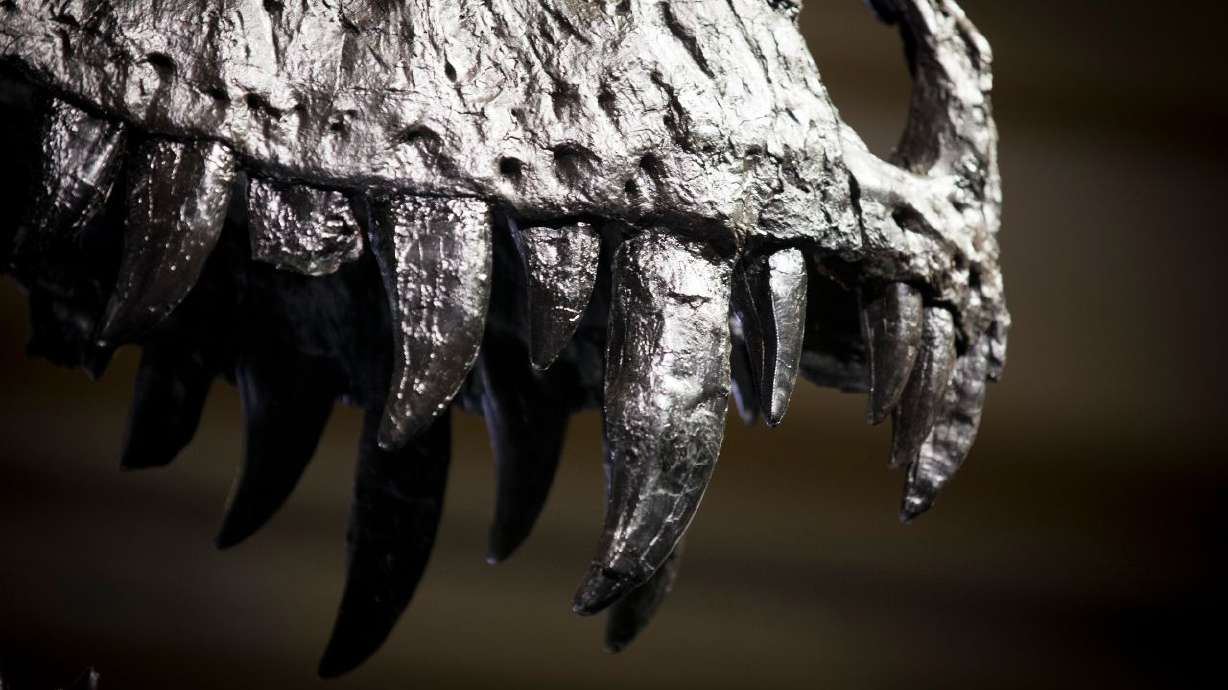
ATLANTA — Scientists have suspected for nearly 60 years that Tyrannosaurus rex was warm-blooded.
When a fossilized footprint of T. rex turned up in Alaska in 2022, it added to the evidence that these predators could thrive in frigid environments, where most cold-blooded reptiles could not. Now, researchers have put a number on just how warm tyrannosaurs likely ran: about 97 degrees Fahrenheit, or 36 degrees Celsius, similar to humans.
A new study published Wednesday in the journal Science Advances provides the first direct estimate of T. rex’s body temperature, using a technique that analyzes chemical signatures preserved in fossil teeth. The finding adds a crucial piece of evidence to the decades of research suggesting the giant predator was warm-blooded and capable of maintaining an active metabolism even in cold climates.
“It’s probably the most direct and least complicated constraint on the actual body temperature of a T. rex that’s been possible before,” said study co-author Robert Eagle, a geobiologist and associate professor at the University of California, Los Angeles.
Having an estimated body temperature for T. rex provides a better glimpse into what life was like for the dinosaur 69 million to 66 million years ago. “This was a warm-bodied organism, which really places new constraints on its behavior, its physiology, how it interacted with other species and how much food it needed, for example,” Eagle added.
So far, the technique has been used on a handful of ancient species, including other dinosaurs, woolly mammoths and megalodons, giving scientists a clearer picture of how extinct animals regulated their body temperatures in ancient climates.
The temperature is unusually high for a reptile, but Eagle said the number itself was not surprising. Dinosaurs, while classified as reptiles, share an evolutionary link with birds. The new number reveals that T. rex sits between the two — hotter than reptiles but colder than modern avians — and allows scientists to form new hypotheses about how exactly the prehistoric predator might have moved and lived.
Analyzing T. rex teeth
Eagle and a team of scientists used two small portions of teeth from Thomas the T. rex — an approximately 70% complete Tyrannosaurus rex skeleton held at the Natural History Museum of Los Angeles County — to estimate the dinosaur’s body temperature from chemical bonds preserved in its tooth enamel.
{#Thomas the T Rex}
The researchers spent more than a decade perfecting the method to make the measurement possible. Over the years, their work reduced the amount of fossil material needed by roughly 90%, enabling the museum to provide tiny samples of two teeth that weren’t on display.
“Nobody can measure a T. rex tooth unless you can show them you only need a few milligrams,” said senior study author Aradhna Tripati, a climate scientist and professor of geochemistry at UCLA.
“For an animal this famous, it is remarkable how little we actually knew. We had guesses about T. rex metabolism, mainly from bone and biomechanics. We did not have a temperature,” Tripati added in an email. “The enamel chemistry recorded the temperature at which it formed, and 66 million years later we can read it.”
The researchers essentially used the T. rex teeth as a prehistoric thermometer. Inside tooth enamel are different forms of the elements carbon and oxygen, called isotopes. These isotopes form bonds with one another at rates that depend on temperature — cooler temperatures produce more bonds, while warmer ones produce fewer. By drilling out a few milligrams of enamel and measuring those bonds, scientists could determine the temperature at which the enamel formed, revealing the T. rex’s body temperature.
This technique can be used on any part of the skeleton, but teeth work best because their hard enamel is less likely to change over millions of years, Eagle explained.
“We have wondered about whether dinosaurs were warm-blooded or not literally since the first time dinosaurs got their name,” said Vertebrate Paleontologist Thomas Holtz Jr., referring to Richard Owen’s 1842 paper, which introduced the name Dinosauria and suggested that dinosaurs might have had characteristics of warm-blooded animals.
Holtz added that while there has been various evidence supporting the idea that dinosaurs were endothermic, or warm-blooded, this new method offers another way to examine the question. Comparing T. rex’s body temperature with those of cold-blooded crocodiles and clams from the same time and place “gives high confidence that the values they find for Tyrannosaurus really show a high body temperature,” said Holtz, a principal lecturer in the department of geology at the University of Maryland. He was not involved in the study.
In the future, Holtz said it would be interesting to explore the question on whether all dinosaurs were warm-blooded. Using this method next on groups such as Triceratops, Stegosaurus and Brachiosaurus, which have sometimes been considered “cooler-blooded,” could help answer the question, he added.
T. rex was hotter than some modern mammals
Although T. rex was a reptile, its estimated body temperature of 97 F falls within the range seen in modern warm-blooded animals. Warm-blooded species vary considerably in body temperature. Some mammals, including sloths and anteaters, can have temperatures in the low 90s Fahrenheit (around 32 C), while small, high-metabolism birds can exceed 104 F (40 C), Eagle said.
Modern cold-blooded reptiles typically have body temperatures around 82 F to 86 F (28 C to 30 C). Eagle added that these temperatures align with animals’ energy levels — reptiles are often more idle, whereas birds have to expend a lot of energy while in flight.
A higher, regulated body temperature also would have helped T. rex stay active for longer periods.
“I don’t think T. rex is thought to be a particularly fast sprinter, but the implications of this are maybe that it could maintain an energetic performance over longer periods, probably, than a cold-blooded organism would be able to,” Eagle said. For example, “crocodiles can run over short distances, but they’re not able to keep it up for a long time.”
A warm-bodied T. rex supports the idea that tyrannosaurs were active predators with fast metabolisms. The dinosaur’s ability to maintain a high body temperature also would have allowed it to survive in cooler climates where cold-blooded animals could not.
“What the teeth tell us is that T. rex was warmer than the environment around it,” Tripati said. “A warm-blooded T. rex is a T. rex that can go almost anywhere on the continent, including the Arctic. That is a very different animal from a sun-basking reptile.”
To explore where the dinosaur could have lived, the researchers used paleoclimate models to reconstruct what temperatures were like across North America about 66 million years ago during the late Cretaceous. The researchers then considered those conditions alongside T. rex’s estimated body temperature. Their models suggested that the dinosaur could have inhabited a broad stretch of North America, from what is now Mexico to Alaska.
The high body temperature also implies that the T. rex would have had to pursue prey and eat more than other reptiles, such as the cold-blooded giant crocodiles of the Mesozoic, to keep up with their high metabolism, Holtz added.
Eagle said that researchers hope eventually to apply the temperature-measuring technique to other ancient species, potentially reaching even further back in evolutionary history.
“I think the ancestors of mammals are particularly exciting to look at. There are not great constraints about when warm-blooded mass occurred in the evolution of mammals,” Eagle said. “That’s in itself an extra challenge because then we’re getting even further back in time. But that would be really exciting if that works.”
Food
Researchers swap in human brain cells for a mouse’s cortex
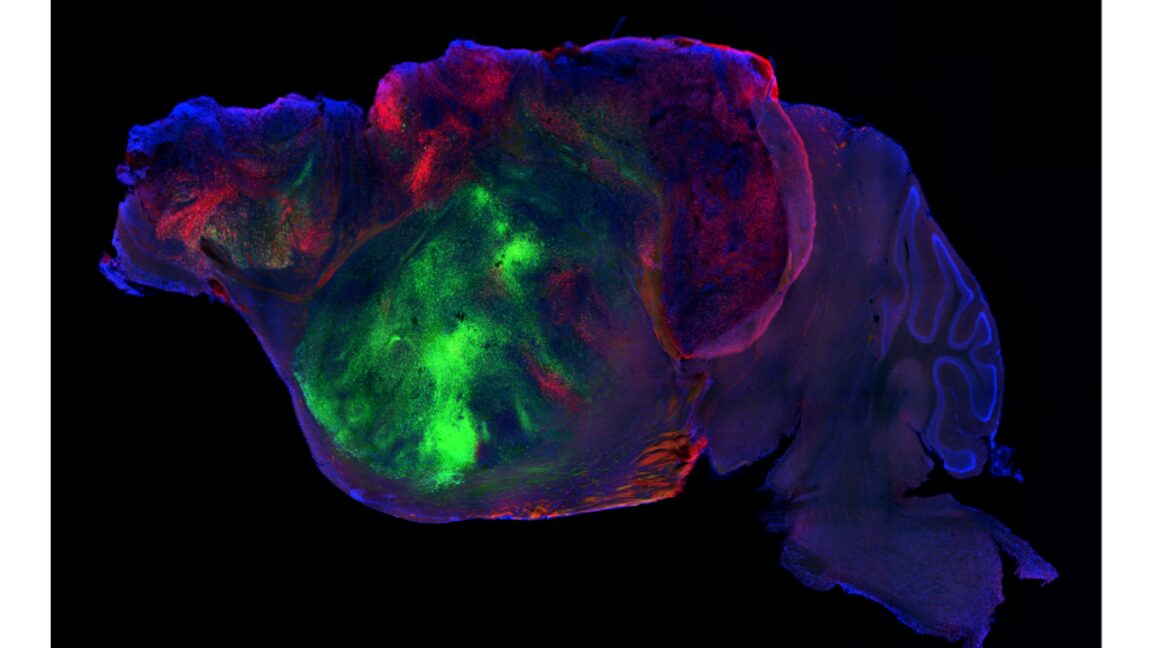
In recent years, there has been a lot of excitement about the potential for studying human diseases in what are called “organoids.” These small patches of tissue, formed using stem cells, appear to produce many of the same cell types and at least some of the structures normally formed in actual organs, and thus can provide a better model for diseases that rely on the sometimes complex interactions among multiple specialized cell types that are a feature of the human body.
But even the most sophisticated organoids lack a lot of the features of a real human body. This is especially true for brain organoids, which don’t form any of the connections with specialized brain structures needed to behave “normally.” On Wednesday, a research group at Stanford University described a possible way to study brain organoids in a somewhat more natural context: They genetically wiped out a large portion of the mouse brain and replaced it with human brain organoid cells.
The replacements
Organoids, because they adopt a three-dimensional tissue structure and consist of various specialized cells, provide a much better model for an intact tissue than simply having a bunch of disassociated cells lying flat on a culture dish. But they still have a lot of limitations—they’re not hooked up to a circulatory system that allows the liver to process chemicals the organoid produces and don’t have immune cells moving through them, to give just a couple of examples.
This is especially limiting for studies of the brain, where any specialized structures are surrounded by structures that may exchange information with them, and often have long-range connections. An organoid is better than nothing, but it may not be a lot better if you’re interested in a disease that impacts communication among multiple brain regions.
One alternative has been to implant human neural stem cells into the brains of another species, where they’ll generally integrate into the nervous system and actively signal to their neighbors. But, given that those human cells are surrounded by the normally functioning neurons of their hosts, it’s not clear how much you can learn from this.
The obvious solution there is to get rid of the host cells and try to have the human cells take over their functions. But that option runs into all sorts of problems, largely related to the fact that the organism you’re implanting them into (generally a mouse) actually needs its brain cells. Human neurons mature much more slowly than those of mice and may not form the connections that are needed quickly enough for an animal that only requires 21 days of gestation. In the absence of normal mouse tissue, nothing would provide the human cells with the signals that help organize them into functional units.
The Stanford team decided to test a compromise and delete a portion of the mouse’s brain and put human brain organoids in its place. But they took a bold step and chose the cortex as the portion they would delete. The cortex handles many of the complex features of the nervous system, such as decision-making and memory, and its disruption would be expected to have dramatic consequences. Still, the researchers found a gene that is active in almost all cortical cells and used it to drive the deletion of a key gene that’s needed to separate chromosomes during cell division.
Amazingly, despite killing off most of the cells that should go on to form the mature cortex and cutting the brain’s volume in half, it was possible for the mice to survive this. The researchers had to eliminate most of the other pups to ensure the cortex-free mice got enough nursing. They left them with their mothers to nurse longer and then provided them with very high-calorie food. But these steps allowed nearly full survival of mice without much in the way of a cortex. (The mice were also immunocompromised to avoid an immune reaction to human cells, but this is less of an issue in a sterile mouse care facility.)
With that in place, the researchers then started implanting human cortex organoids into the area where the mouse’s cortex was no longer developing.
Partial recovery
A bit over 85 percent of the animals that were implanted with a human organoid successfully incorporated the graft tissues. Those went on to contribute 92 percent of the cells found in the cortex of these animals. So, it wasn’t a complete replacement, but the human cells largely took over the space normally occupied by the cortex. Once there, they formed all the major types of neurons that are known to be present in the cortex. So, all that is good.
The human cells also formed some long-distance connections, as evidenced by the fact that processes from human cells were detected as far away as the spinal cord. And the neurons did engage in synchronized activity spikes, suggesting a degree of coordination.
The less good is a general lack of structure. There is some indication of local organization, in that specific cell types that form within distinct layers of a normal cortex tended to be near each other in the cortex of these animals. But there was no sign of those distinct layers being formed, suggesting that larger-scale organization is lacking.
What does this mean for the mice? Overall, it appears that having a disorganized human replacement cortex was better than having no cortex at all, but not as good as having a normally structured one.
The researchers set them loose in an area with video monitoring and then used a machine-learning classifier to group similar behavior patterns. Normal mice and the mice that had their cortex eliminated showed distinct patterns of behavior. The mice with a humanized cortex formed a third cluster, distinct from the other two. Similar things were true with body weight: mice that lacked a cortex were much lighter than normal mice, but the ones with the humanized cortex were intermediate between the two.
Tested for memory in a simple maze, the mice without a cortex performed at a level consistent with random chance. Mice with the humanized cortex did better than chance, but not as well as normal mice. But on a test of the ability to form associative memories, the mice with a humanized cortex did no better than the mice with no cortex at all. On tests of fine motor coordination, the mice with the human implants were again somewhere between the normal and cortex-free mice.
What’s needed
The research team hasn’t described the sort of careful study of anatomy and development needed to draw any conclusions about what structures may be formed by the human cells once they’re within the mice, much less tried to quantify any variation among individuals that might give us some hints of what sort of capacity these animals might be expected to have. As a result, it’s impossible to associate the mild improvements that come from having the human cells present with any specific function they’re providing.
As a result, this isn’t yet the sort of model system that can help us understand the sorts of complex neural diseases that we might ultimately be interested in using this for. They do show that the human cells respond differently to brief periods of hypoxia, consistent with what we see in normal human cells. But that’s quite a bit different from showing that this is a great model for something like ALS.
There remains a chance that it ultimately won’t be—that the sorts of disorganized connections that do get formed in these brains will never make them a good model for human neural processing. But without further characterization of what the cells are doing in these humanized cortexes, it’s going to be difficult to know.
Nature, 2026. DOI: 10.1038/s41586-026-11032-2 (About DOIs).
Food
Tooth analysis confirms T. rex was warm-blooded
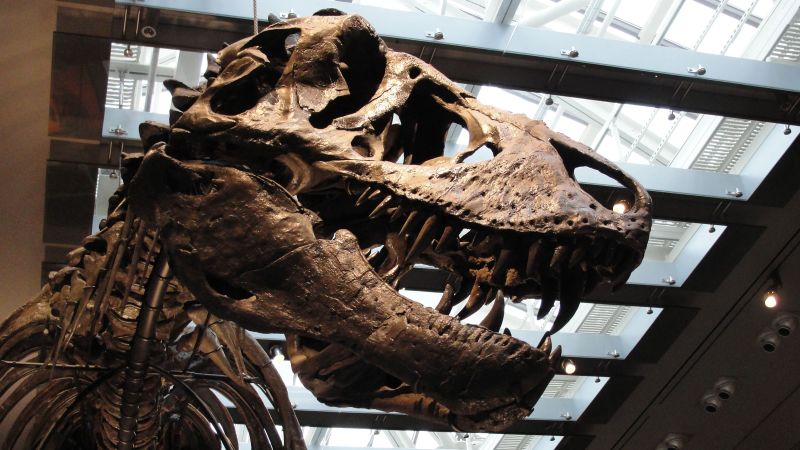
Scientists have suspected for nearly 60 years that Tyrannosaurus rex was warm-blooded.
When a fossilized footprint of T. rex turned up in Alaska in 2022, it added to the evidence that these predators could thrive in frigid environments, where most cold-blooded reptiles could not. Now, researchers have put a number on just how warm tyrannosaurs likely ran: about 97 degrees Fahrenheit, or 36 degrees Celsius, similar to humans.
A new study published Wednesday in the journal Science Advances provides the first direct estimate of T. rex’s body temperature, using a technique that analyzes chemical signatures preserved in fossil teeth. The finding adds a crucial piece of evidence to the decades of research suggesting the giant predator was warm-blooded and capable of maintaining an active metabolism even in cold climates.
“It’s probably the most direct and least complicated constraint on the actual body temperature of a T. rex that’s been possible before,” said study coauthor Robert Eagle, a geobiologist and associate professor at the University of California, Los Angeles.
Having an estimated body temperature for T. rex provides a better glimpse into what life was like for the dinosaur 69 million to 66 million years ago. “This was a warm-bodied organism, which really places new constraints on its behavior, its physiology, how it interacted with other species and how much food it needed, for example,” Eagle added.
So far, the technique has been used on a handful of ancient species, including other dinosaurs, woolly mammoths and megalodons, giving scientists a clearer picture of how extinct animals regulated their body temperatures in ancient climates.
The temperature is unusually high for a reptile, but Eagle said the number itself was not surprising. Dinosaurs, while classified as reptiles, share an evolutionary link with birds. The new number reveals that T. rex sits between the two — hotter than reptiles but colder than modern avians — and allows scientists to form new hypotheses about how exactly the prehistoric predator might have moved and lived.
Analyzing T. rex teeth
Eagle and a team of scientists used two small portions of teeth from Thomas the T. rex — an approximately 70% complete Tyrannosaurus rex skeleton held at the Natural History Museum of Los Angeles County — to estimate the dinosaur’s body temperature from chemical bonds preserved in its tooth enamel.
The researchers spent more than a decade perfecting the method to make the measurement possible. Over the years, their work reduced the amount of fossil material needed by roughly 90%, enabling the museum to provide tiny samples of two teeth that weren’t on display.
“Nobody can measure a T. rex tooth unless you can show them you only need a few milligrams,” said senior study author Aradhna Tripati, a climate scientist and professor of geochemistry at UCLA.
“For an animal this famous, it is remarkable how little we actually knew. We had guesses about T. rex metabolism, mainly from bone and biomechanics. We did not have a temperature,” Tripati added in an email. “The enamel chemistry recorded the temperature at which it formed, and 66 million years later we can read it.”
The researchers essentially used the T. rex teeth as a prehistoric thermometer. Inside tooth enamel are different forms of the elements carbon and oxygen, called isotopes. These isotopes form bonds with one another at rates that depend on temperature — cooler temperatures produce more bonds, while warmer ones produce fewer. By drilling out a few milligrams of enamel and measuring those bonds, scientists could determine the temperature at which the enamel formed, revealing the T. rex’s body temperature.
This technique can be used on any part of the skeleton, but teeth work best because their hard enamel is less likely to change over millions of years, Eagle explained.
“We have wondered about whether dinosaurs were warm-blooded or not literally since the first time dinosaurs got their name,” said vertebrate paleontologist Thomas Holtz Jr., referring to Richard Owen’s 1842 paper, which introduced the name Dinosauria and suggested that dinosaurs might have had characteristics of warm-blooded animals.
Holtz added that while there has been various evidence supporting the idea that dinosaurs were endothermic, or warm-blooded, this new method offers another way to examine the question. Comparing T. rex’s body temperature with those of cold-blooded crocodiles and clams from the same time and place “gives high confidence that the values they find for Tyrannosaurus really show a high body temperature,” said Holtz, a principal lecturer in the department of geology at the University of Maryland. He was not involved in the study.
In the future, Holtz said it would be interesting to explore the question on whether all dinosaurs were warm-blooded. Using this method next on groups such as Triceratops, Stegosaurus and Brachiosaurus, which have sometimes been considered “cooler-blooded,” could help answer the question, he added.
T. rex was hotter than some modern mammals
Although T. rex was a reptile, its estimated body temperature of 97 F falls within the range seen in modern warm-blooded animals. Warm-blooded species vary considerably in body temperature. Some mammals, including sloths and anteaters, can have temperatures in the low 90s Fahrenheit (around 32 C), while small, high-metabolism birds can exceed 104 F (40 C), Eagle said.
Modern cold-blooded reptiles typically have body temperatures around 82 F to 86 F (28 C to 30 C). Eagle added that these temperatures align with animals’ energy levels — reptiles are often more idle, whereas birds have to expend a lot of energy while in flight.
A higher, regulated body temperature also would have helped T. rex stay active for longer periods.
“I don’t think T. rex is thought to be a particularly fast sprinter, but the implications of this are maybe that it could maintain an energetic performance over longer periods, probably, than a cold-blooded organism would be able to,” Eagle said. For example, “crocodiles can run over short distances, but they’re not able to keep it up for a long time.”
A warm-bodied T. rex supports the idea that tyrannosaurs were active predators with fast metabolisms. The dinosaur’s ability to maintain a high body temperature also would have allowed it to survive in cooler climates where cold-blooded animals could not.
“What the teeth tell us is that T. rex was warmer than the environment around it,” Tripati said. “A warm-blooded T. rex is a T. rex that can go almost anywhere on the continent, including the Arctic. That is a very different animal from a sun-basking reptile.”
To explore where the dinosaur could have lived, the researchers used paleoclimate models to reconstruct what temperatures were like across North America about 66 million years ago during the late Cretaceous. The researchers then considered those conditions alongside T. rex’s estimated body temperature. Their models suggested that the dinosaur could have inhabited a broad stretch of North America, from what is now Mexico to Alaska.
The high body temperature also implies that the T. rex would have had to pursue prey and eat more than other reptiles, such as the cold-blooded giant crocodiles of the Mesozoic, to keep up with their high metabolism, Holtz added.
Eagle said that researchers hope eventually to apply the temperature-measuring technique to other ancient species, potentially reaching even further back in evolutionary history.
“I think the ancestors of mammals are particularly exciting to look at. There are not great constraints about when warm-blooded mass occurred in the evolution of mammals,” Eagle said. “That’s in itself an extra challenge because then we’re getting even further back in time. But that would be really exciting if that works.”
Taylor Nicioli is a freelance journalist based in New York.
Food
Maria Shriver slams Donald Trump over Kennedy Center closure vote
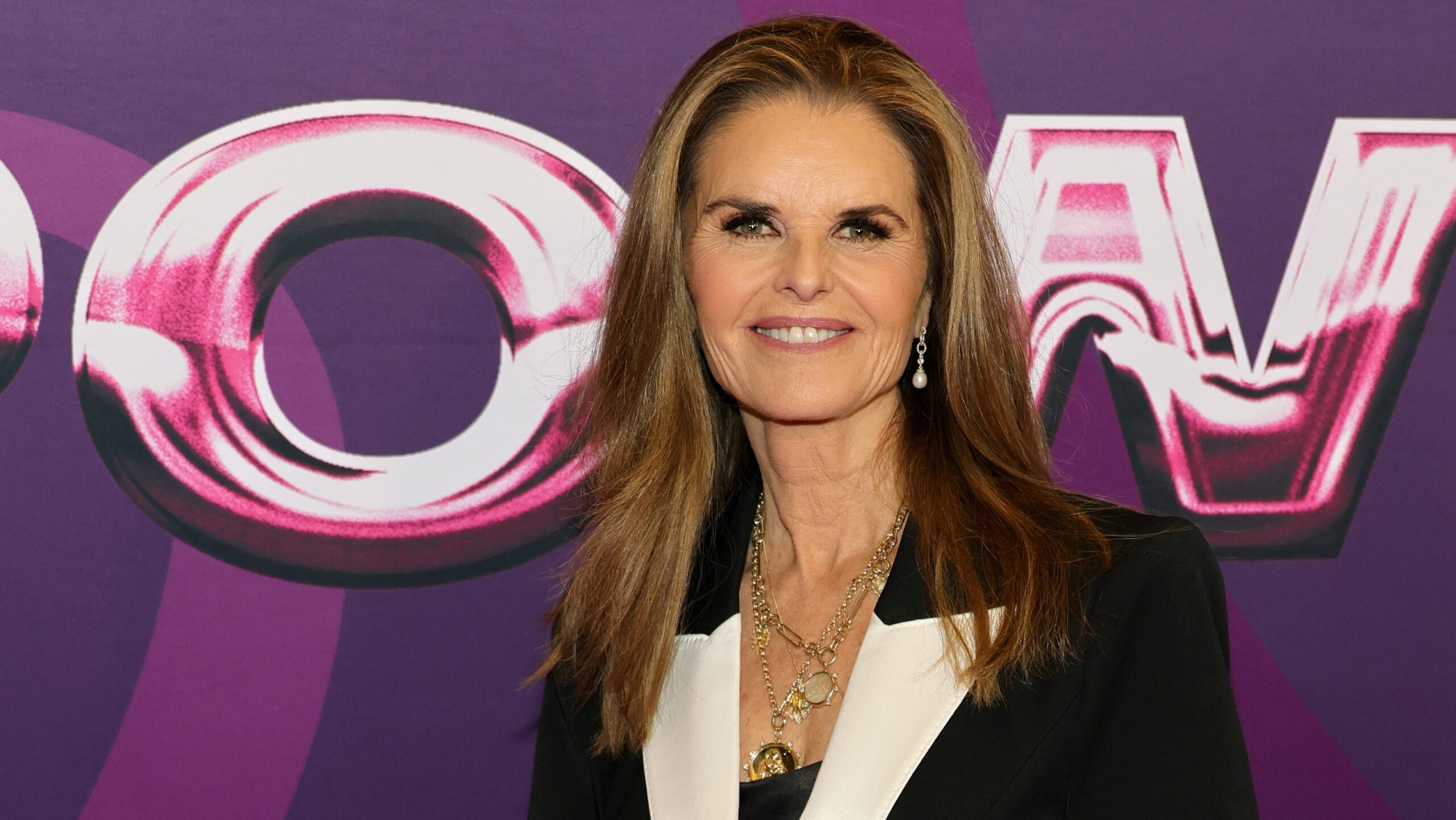
Maria Shriver has strong words for President Donald Trump amid the ongoing dispute over the Kennedy Center.
The former first lady of California and niece of former President John F. Kennedy took to social media on Sept. 15 to criticize the president after he threatened to cancel renovations to the John F. Kennedy Center for the Performing Arts unless his name is added to it.
“That a sitting president would not let any renovations to a public building go on unless he gets to first put his name in the said building … What a sad state of affairs,” Shriver wrote. “What a tragedy. Actually, how small minded, how narcissistic. Actually great men, devoted to public service and the public good do not act like this.”
USA TODAY has reached out to the White House for comment.
“It seems that this man will not rest until his name is permanently connected to the name of a great president, whose memory this building was dedicated to,” Shriver continued. “Imagine spending your time and your days focused on this, as everyday Americans struggle with healthcare, gas prices, rent, and food. Imagine spending your days focused on this, while a war rages under your leadership.”
The statement came after the Kennedy Center’s board, which is chaired by Trump, on Sept. 15 voted to close the main building of the institution in preparation for renovations that the Trump administration has said are needed.
But in a Sept. 15 post on Truth Social, Trump said the planned renovations “cannot begin” until a court approves adding his name to the center.
“If the ruling is a negative one, which it should not be, and is not overturned by the U.S. Supreme Court, the Reconstruction and the Renovation of The Kennedy Center will not take place,” Trump wrote.
In December, the Kennedy Center board of trustees, made up largely of members who Trump handpicked, voted to rename the cultural institution the Trump-Kennedy Center.
But in May, U.S. District Court Judge Christopher Cooper, who was appointed by President Barack Obama, ruled that Trump’s name must be removed from the center’s title, saying that, per a 1964 law, “the Kennedy Center must be named for, and is meant to honor, President Kennedy alone,” and congressional approval is needed to change the name. The judge also overturned a planned two-year closure for renovations.
On Sept. 15, Cooper, in a new order, blocked plans to add an inscription to the building that says “renovated and restored by Donald J. Trump.” The judge said that “Defendants cannot install memorials for President Trump or anyone or anything else at the Kennedy Center without Congress’s blessing.”
Kennedy Center officials have said that the institution faces “certain fiscal collapse within weeks,” and that Trump likely won’t “provide the fundamental oversight of the renovation of the main building and lead the fiscal rescue of the Center” without receiving “appropriate recognition” and having his name added to it.
Shriver, daughter of John F. Kennedy’s sister Eunice Kennedy Shriver, has been outspoken in her criticism of Trump’s actions surrounding the Kennedy Center over the past year. In May, she celebrated the judge’s opinion that Trump’s name must be removed from the Kennedy Center, which coincidentally was issued on John F. Kennedy’s birthday.
“An appropriate birthday present on my uncle’s birthday today,” Shriver wrote at the time, adding, “I know they’ll probably appeal and the story isn’t over, but for today let’s celebrate a great birthday gift.”
Contributing: Joey Garrison, USA TODAY
Food
The Standard Setter
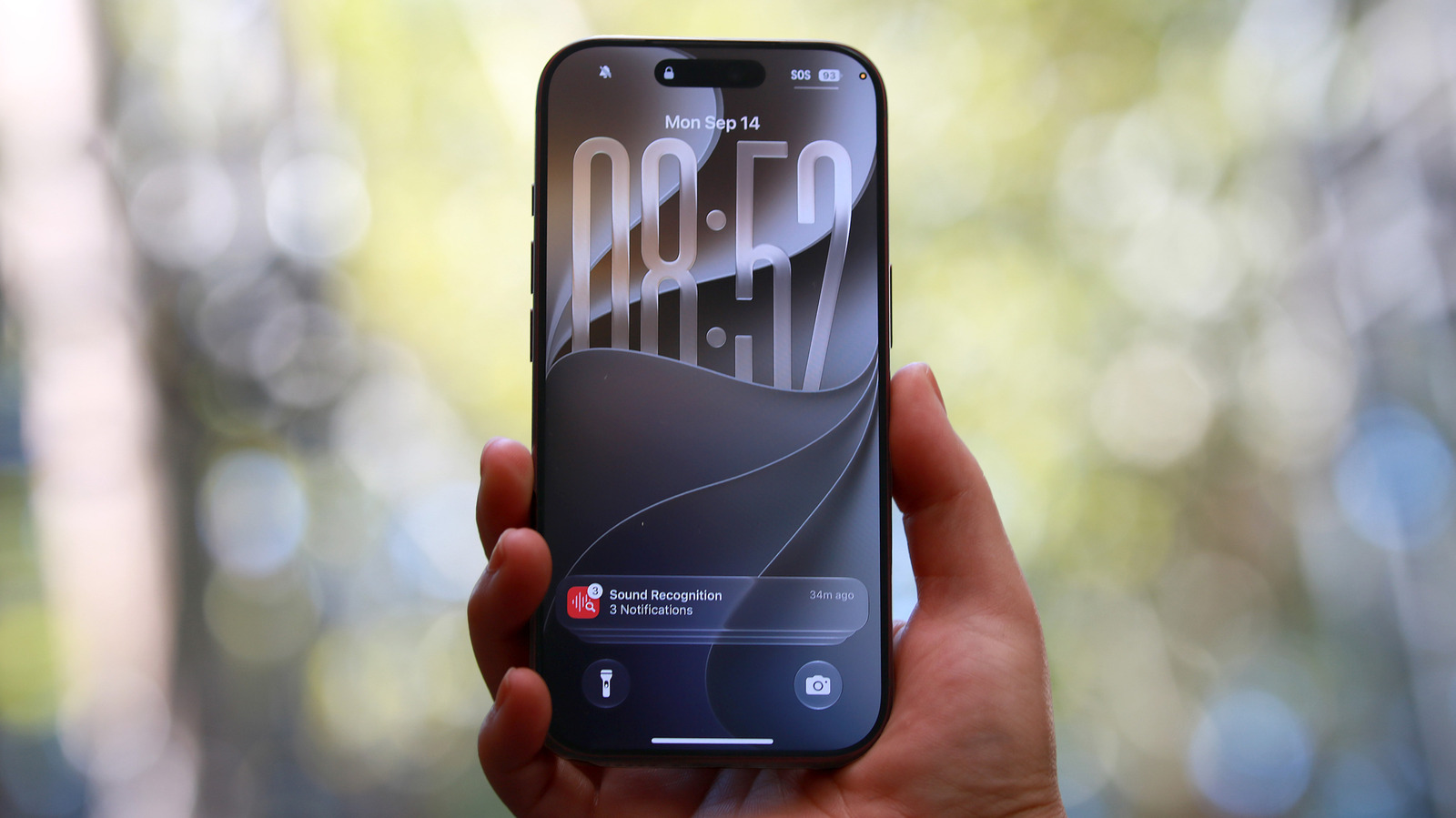
Probably the most outstanding of the iPhone 18 Pro’s updates are related to its cameras. There is a bit of a laundry list here, so bear with me.
The highlight of the lot is variable aperture, which involves six blades that are controlled by a rotor mechanism to cover and expose the camera sensor. These can be controlled by the user from the Camera app, which offers four aperture settings: f/1.48, f/1.8, f/2.8 and f/4.0. Apple said last week that developers can access a more granular aperture range, so third-party photography apps may eventually have other options.
The other features I will list in order of how excited they make me: Cinematic effects on regular videos, Apple Reference Image, Photographic Styles 3 and Audio Mix for music.
In the interest of staying on topic, I’ll focus this section on these new features. But before that, I’ll quickly tell you that the Pro continues to have the best camera performance of any iPhone. Photos I took were bright and vibrant, and I particularly loved being able to adjust them after the fact. They still fall short of Google’s Pixel series when it comes to Portrait and Night shots, but the addition of variable aperture has meaningfully narrowed the gap. That is, in my experience so far anyway.
Variable aperture’s impact lies beyond point and shoot
I’ve long complained about the rigidity of Apple’s Portrait mode, because it forces you to be a certain distance away from your subject and you can’t really achieve the effect unless the phone deems you’re far enough away. While Variable Aperture doesn’t specifically fix Portrait mode on the iPhone 18 Pro, it does offer an alternative means to get a pleasant-looking soft focus effect.
After setting up the redesigned camera app to feature easy access to the new aperture and shutter speed settings, I tried out the iPhone 18 Pro on any subject that seemed suitable. For instance, I stood for a while in front of a plant along a hallway at the San Francisco airport, switching between all four aperture settings to see just how much of the long walkway in the background would come back into focus.
Cherlynn Low for Engadget
As expected, the difference between shots taken at f/1.48 and f/4.0 (the current ends of the spectrum) isn’t very stark. In fact, there’s only a very subtle softness in the background in the f/1.48 sample, but the picture was still lovely to look at, thanks largely to the amount of light.
Before I get too far ahead, it’s worth noting that by default the camera app will automatically adjust aperture settings on the fly, based on what it thinks is right for the scene. I didn’t pay very much attention here, again since the difference between the four currently available levels is so subtle. Plus, upon looking back through all the pictures I took on auto, the settings were almost always at f/1.48, which seems odd in hindsight.
Things got significantly better when I paired the aperture controls with shutter speed tweaks. As most people who shoot in manual mode on any camera will know, being able to have full control over ISO, shutter speed and aperture gives you much more leeway in determining how your shots appear.
The fastest available shutter speed of 1/6000s and slowest of 1 second brings a lot more versatility to the iPhone camera app, and I was able to pair the f/1.48 aperture setting with a 1/250 second shutter speed to capture the twinkling shape of sunlight peeking through some foliage at dusk. By the way, in case you were wondering, the shape of the very subtle bokeh on display here is somewhat off-circle and almost like a wonky heart.
I also like that the manual controls allow me to finally capture lowlight shots to my exact preference. Before this, I had to choose between complete darkness, using the flash or enabling Night mode, which frequently makes scenes seem lighter than they really were. With a fast shutter speed and larger aperture, I was able to make a single light bulb look clear and stark against the white wall it was in front of, without the flare obscuring the filament inside. As a bonus, you can control these settings for video as well, though you’ll have to set them before hitting record.
Cherlynn Low for Engadget
While the redesigned, customizable Camera app will be coming to all phones that can upgrade to iOS 27, these Pro tools will be exclusive to the iPhone 18 Pro as they require the variable aperture to work.
Cinematic effects on regular video is hit or miss
I loved the idea of applying cinematic effects to any video after the fact, because I genuinely like the look of Apple’s Cinematic videos. There’s something about their lighting and slight blur in the background that appeals to me, so I thought I’d like that effect in all my footage.
The problem is, the execution, at least in my testing so far, is quite subtle and unpredictable. First, it’s worth noting that this will only work with videos shot on the iPhone 18 Pro. Sadly, that meant that all my hands-on videos with the iPhone Duo that I took with my iPhone 17 Pro Max were not eligible for the cinematic effects.
Even when I was able to apply them to clips I took of a singer in a low lit room at Apple Park or that plant in the airport hallway or even my partner riding an e-scooter along our driveway, the results were mixed. I think I was the right distance away from the musician, so the cinematic effects were clearer (side note, the stage lights sparkled thanks to the aperture setting) and thus easier to tell when on or off.
My partner, meanwhile, was moving closer and farther away from the camera throughout, so things never really stayed in the same setup long enough. Finally, I suspect I was too close to the plant, because the blurry effect was applied to the background, but at times switched to some of the leaves in the foreground.
This is less a criticism of the new feature that lets you retroactively add cinematic effects to a video and more a clearer look at what scenarios work best for cinematic videos in the first place. And with the ability to apply Cinematic after recording a video, even if you forgot to switch to the right mode at first, users do gain a bit more flexibility and freedom, which is always nice.
Apple Reference Image is a step in the right direction
I’m a fan of any tool added to our arsenal in the fight against AI-exacerbated misinformation, and I think that Apple’s Reference Image is not just a useful feature, but also an important signal to the rest of the world. It’s basically a mode in the camera app that appears when you enable it, and is one swipe away from the default Photo mode. When photos are captured in that mode, two versions of the image will be saved. One is the picture that typically shows up in your gallery, with the usual HDR, lighting or other tweaks made based on your settings (if you’ve picked a specific Photographic Style, for example).
The other is a RAW file (DNG, if you’re interested) that has to be developed within the Photos app, using the sensor-signed data recorded when you pressed the shutter button. After it’s developed, the reference image can be shared to others, but is only viewable on iPhones, iPads or Macs running iOS 27, iPadOS 27 or macOS 27.
In my experience, the reference images developed almost instantly, though it’s worth noting here that you’ll need an internet connection to develop a reference image. In the Photos app, you can tap on the picture to compare and contrast the two versions and see if anything has changed.
I should point out that by default, there will be some differences between the Reference Image and what is saved to your gallery. The Reference Image is very close to the original RAW file, with minor processing for lens correction and tone mapping, while the version in your camera roll was processed by the camera with specific color treatments and other “computational photography” enhancements.
I used Apple’s new Clean Up tool to delete some lines of text in a picture of a Slack conversation on a laptop screen. Then I went into the Reference Image by tapping the “Reference” label on top of the picture in the Photos app. The app prompts users to tap the Reference Image to compare differences and it was easy to see where I had deleted the messages.
It’s a pretty basic tool. And while I wish I didn’t have to go into a specific mode to create Reference images, I can appreciate the impossible storage demands if reference data was saved every time I took a photo (too many times a day). And though other services and approaches like SynthID and Content Credentials exist, the general public might find it easier to use something as simple as a one-click compare-and-contrast that’s right within the Photos app. It could potentially be useful in situations where you were documenting a protest, and you have to somehow prove that something you photographed was not actually edited by AI. A lot of education would still be necessary to make sure the public is aware how this tool works, but of all the verification means out there, Apple Reference Image might be the easiest to use.
Photographic Styles 3 effects are subtle
The last big update to Photography is Photographic Styles. Apple has added a new layer of edits to its well-received filters, so there’s one more dimension (in addition to the existing color/light effects) to play with.
On older iPhones, the Photographic Styles options ranged from color treatments like Amber, Rose Gold, Bright and Cool Rose to vibes like Ethereal, Dramatic, Cozy, Luminous Black and White and Stark Black and White. Basically Instagram filters circa 2015.
With the iPhone 18 Pro, you’ll be getting additional options to pair with the first group of the above. So you can choose from Rose Gold and Glow, Amber and Glow, Gold and Soft Skin, Bright and Soft Skin etc.
Tap any of these, including the vibey options, and you can access a new Texture edit window that lets you add Glow, Soft Skin or Film effects. Under each of these sits a slider to edit the intensity of its effect. I dragged the soft skin slider all the way to its maximum on a selfie, and was pleased to see that even at its extreme, the effect was relatively mild.
Screenshots
Glow was even subtler, and the only difference I saw when playing with its slider was the lightening of some shadows. I also could barely tell there was anything done when trying out Film, although when you enable Film, you can also toggle on the additional “Grain” filter at the right. This adds some noise to the image, which sounds a bit counterintuitive, but does lend a certain nostalgic effect.
The intensity of the grain depends a bit on the picture, as photos in darker environments naturally have the propensity to show more noise. My daytime pictures of plants definitely showed little change, but the picture I took of that light bulb in low light had a more pronounced difference.
Most of the Siri AI and iOS 27 updates will be coming to devices other than the iPhone 18 Pro, so I won’t dwell too long on them. I was hoping for a marked improvement in Apple’s dictation engine, since I’ve felt frustrated and misunderstood by the iOS keyboard a lot in the past. Apple Intelligence on the iPhone Air and iPhone 17 Pro models and newer are supposed to have “more accurate dictation using an on-device model.” So far, I haven’t noticed any of the ridiculous errors I’ve encountered in the past when voice typing into Messages, for instance.
But I’ve certainly found Siri AI to be lacking in its understanding. I asked it to come up with a list of ideas for meals my partner and I can prepare in our attempt to be vegan (with exceptions made for fish and mayonnaise). It made some suggestions involving salads, sandwiches, pitas or wraps. I followed up, asking for a list of recipe ideas and it gave me the recipes for the following three meals:
Chickpea “Tuna” Salad
Classic Tuna Salad
Tofu “Egg” Salad
I had to ask for ideas that weren’t salads or mashed things, followed by a request for stuff with “Asian flavors” before it came up with suggestions with a greater variety. Not once did it recommend plant-based meat, though, which I found odd. It wasn’t until I was grocery shopping later that I remembered how much broader my options were with the likes of Beyond, Impossible and Gardein.
I also asked Siri (and Alexa+, for that matter) for some movie recommendations over the weekend. I wanted something whimsical that was currently streaming. Alexa+ completely failed, not showing any actual titles. It just kept saying versions of “Okay so you want a supernatural adventure with a lighthearted tone? Those often have that perfect mix of whimsy and thrills that you seem to enjoy!” Then when I asked for some actual recommended titles, it thought I said “recommended pills” or “high dolls” or “high tolls.” I finally spelled out “titles” and after Alexa+ realized what I was saying, it proceeded to ask if I was looking for “movie or show titles with high tolls or expensive themes.”
Siri was a huge improvement because it was able to not only give me some titles, it also served up movies I already liked that fit the description. I kept asking for more because I wasn’t getting anything I really wanted to check out, until Siri mentioned the movie Slumberland. I thought I had heard it wrongly, but Siri kept pronouncing it “Slumberbairnd.” I questioned it a few times on the pronunciation of that word, which it was never able to answer.
That was a fairly small quirk that didn’t get in the way of actual comprehension and accuracy, so I let it slide. I also played with Siri mode in the Camera app, using it to determine the nutritional value of my meals before I ate them. Now all my food photos will actually serve a purpose!
All kidding aside, I did enjoy using Siri AI to verify that oatmeal and cranberries were indeed of more nutritional value than waffles and syrup, but I was surprised to see it found scrambled eggs to be low in nutritional value, too.
That said, these aren’t features unique to the iPhone 18 Pro (nor Siri AI, for that matter), and I’ll have to perform a dedicated side-by-side evaluation of tools like Gemini and Siri to see which modern AI assistant is more accurate, responsive and helpful.
iPhone handoff could be useful for a small group of people
I’ll also be spending a bit more time with iPhone handoff, which feels like it would be very helpful for reviewers like me who frequently need to switch between multiple devices within a short window, to see how easy and useful it is. You’ll just need two devices that can run iOS 27 or later and service from a carrier that supports the feature. At the moment, the list of compatible carriers is barely a list: just T-Mobile in the US at the moment (and Telekom in Germany). I am, luckily, a T-Mobile user so I’ll update this review later with any noteworthy impressions that might impact my evaluation of the iPhone 18 Pro but as it stands, it’s not unique to the new phone.
Food
Interest rates; Iran war costs; Kennedy Center : NPR
Good morning. You’re reading the Up First newsletter. Subscribe here to get it delivered to your inbox, and listen to the Up First podcast for all the news you need to start your day.
Today’s top stories
The Federal Reserve is expected to raise interest rates today for the first time in more than three years. Investors anticipate that the central bank will raise its benchmark interest rate by a quarter percentage point to a range of 3.75% to 4%. The move would result in higher borrowing costs for consumers looking to buy cars, expand businesses or carry credit card balances.
🎧 The central bank has two meetings left before the end of the year, making it possible that the Fed could raise rates more if inflation stays high, NPR’s Scott Horsley tells Up First. Federal Reserve Chair Kevin Warsh will hold a news conference this afternoon to discuss today’s decision in more detail, while other rate-setting committee members will share individual forecasts for future interest rates. These forecasts reflect each member’s economic views but can shift in response to unexpected events such as war and tariffs.
There are 21.4 million women in the U.S. who need subsidized birth control living in counties with limited access, according to a new analysis shared exclusively with NPR from Power to Decide and the Guttmacher Institute. The two reproductive policy organizations’ analysis produced two interactive, county-level maps that serve as updated versions of a map of contraception deserts first published by Power to Decide in 2017. Because the methodology behind these maps is new, there’s no way to compare them with past models to see whether access has improved or worsened over the years. But Megan Kavanaugh, principal data researcher at Guttmacher, says there’s reason to believe the current picture is already worse than what these maps show, as the data that informed them came from 2020-2023. Many clinics have since closed, and changes in federal Title X grant distributions, partly related to opposition to abortion, may lead to more clinic closures.
The Iran war has caused extensive damage to U.S. bases and created shortages in American weapons, according to reports from the Congressional Budget Office (CBO) and the Pentagon Inspector General. Both of these reports come from independent, nonpartisan agencies. The reports reveal significant destruction at locations like the U.S. Naval Base in Bahrain, which the Pentagon has not addressed. They also show that around 60 U.S. aircraft, including around 30 Reaper drones costing at least $30 million each, have been destroyed. Both reports estimate the war has cost more than $30 billion, but these estimates don’t include the cost of rebuilding damaged U.S. bases.
🎧 The CBO attempted to get these estimates from the Pentagon, but did not receive a response, NPR’s Greg Myre says. If the U.S. maintains a large presence with limited fighting against Iran, the CBO says the cost of the war could rise by $2 billion to $3 billion monthly. While the U.S. has substantial stockpiles of weapons, the conflict has strained key munitions, particularly high-end defensive ones. The Trump administration is requesting an additional $67 billion for the Iran war and urgent military needs, but Congress has yet to act, and may not until after the midterms.
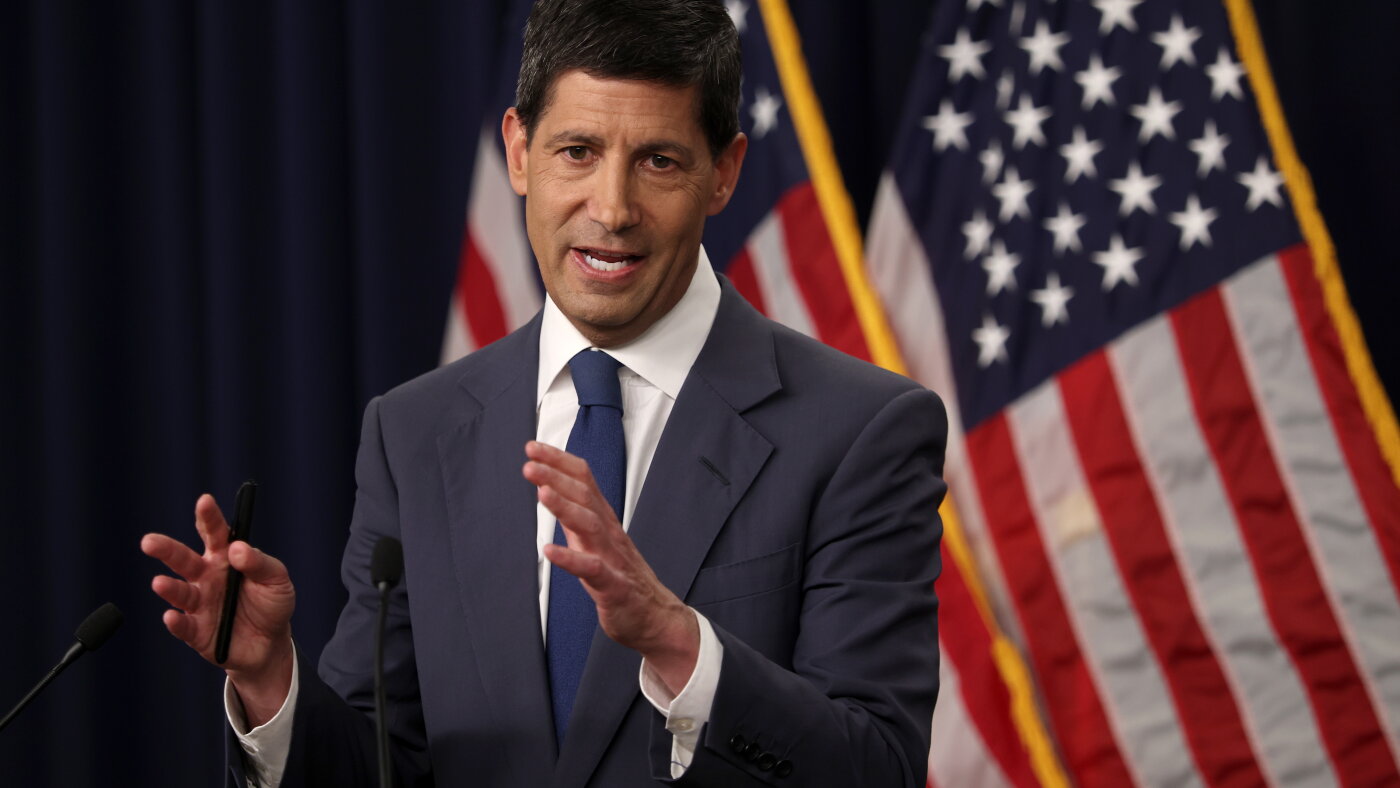
The Kennedy Center’s board of directors voted yesterday to close the arts complex. The decision came shortly after a federal judge blocked a plan to place President Trump’s name on the building or its grounds. The president vowed to cancel the center’s planned renovation unless a higher court reverses the ruling to add his name.
🎧 This situation raises nearly as many questions as it has answers, NPR’s Anastasia Tsioulcas says. NPR obtained a memo that the board received over the weekend, but it addressed only structural issues, not the details of programming. The board plans to move its signature events, the Kennedy Center Honors and the Mark Twain Prize, to new locations while continuing to support the National Symphony Orchestra. Tsioulcas says it remains unclear how they will accomplish these changes.
Deep dive
Buying a home is an expensive endeavor, and many homebuyers face an unexpected cost: junk fees. These fees have been around for decades and can go by different names, such as document fees and storage fees. Even though they’re only a fraction of the total cost of buying a home, they can still strain buyers’ finances because they are due at closing rather than being spread out over the years like a mortgage. These fees are increasingly being charged to both home buyers and sellers, who have collectively paid nearly $2 billion in junk fees each year, according to conservative estimates from the Consumer Policy Center. Here’s why real estate agents are calling the fees greedy:
🔑 Real estate agents earn commissions on home sales, often exceeding $10,000. They typically share this commission with their brokerage, which can make additional fees seem excessive.
🔑 Brokerage companies often charge agents fees, expecting them to be passed on to consumers. The companies often recruit real estate agents by offering better splits on home sale commissions, then make up for the lost revenue through client fees.
🔑 These fees are sometimes added without proper disclosure, often just days or even hours before closing. Buyers must remain vigilant throughout the buying process.
Behind the story
by Majd Al-Waheidi, Morning Edition and Up First digital editor
A British crime reporter quit journalism to become a clown. My colleagues turned that premise into a radio interview. As I was writing the story for NPR.org, I fell down a rabbit hole researching adult clowning and its vocabulary: failure, laughter, performance, the flop.
What struck me was journalist John Simpson questioning whether he wanted to add to the “intellectual diet” of covering murder, crime and policing.
While I was working on the story, I went to a farewell party for a colleague. There, our Middle East editor offered another way of thinking about it, one I kept returning to long after the radio segment aired: Maybe this story was also about the afterlife of a journalist. And I kept wondering: Who are we when journalism is no longer the thing organizing our lives?
I know. News about the news business can get self-important. But this isn’t another story about how hard journalism is these days.
Most days, the stories we cover arrive with their importance already apparent: war, AI doom, identity, somebody acting or failing to act. Maybe what feels weirder now is how easily seriousness becomes a measure of what deserves our attention. Then there was Simpson: a man learning how to fail onstage and make people laugh.
And somehow that felt revealing, too.
A story does not have to begin with a death or end with a politician reacting to it to show us something true.
Simpson did not stop paying attention when he stopped reporting on crime, I thought. He changed what he was paying attention to.
That thought made me think of a friend who has been telling me for a while to read The Artist’s Way, a book about recovering the creative self. Maybe it is finally time. The world will keep giving us reasons to be serious. The least we can do is remember that laughter, art and other forms of expression beyond journalism can be forms of attention, too.
3 things to know before you go
In Turkey, gold is often given as a gift and stashed at home to commemorate life milestones. But the Turkish government and economists warn that this tradition is actively undermining the economy.
Prosecutors will not pursue the death penalty for Nick Reiner, who faces murder charges for allegedly killing his parents, Rob Reiner and Michele Singer Reiner. He has pleaded not guilty to the charges.
Researchers say they’ve found krill in hydrothermal vents, which are essentially hot springs on the ocean floor. Understanding this new habitat can help scientists’ efforts to protect the shrimp-like crustaceans that serve as vital food sources for penguins, seals and whales.


Travis Kelce among victims in $35M Ponzi scheme
Kansas City Chiefs star Travis Kelce is among 64 people defrauded in a $35 million Ponzi scheme, according to KMOV,...


Cancer patient told she will get drug which will make her life longer. #BBCNews


Inside the 'world's coolest neighborhood'
Seoul's Jongno-3 ga has been given a major designation. CNN's Gage Goulding takes a look.


Palace responds to claims in book about row after Diana died. #BBCNews


King Charles ventures into the AI debate, a technology he’s previously warned about
British royals tread carefully when venturing into complex policy areas. Constitutionally bound to remain above politics, they can spotlight problems...


How the Fed rate hike could ripple across markets globally
Jeenah Moon | Reuters The U.S. Federal Reserve is tightening monetary policy, and the effects are likely to be felt...


Americans are concerned about President Trump’s priorities
CNN's John Berman, Harry Enten and Abby Phillip answer your questions about upcoming elections. Join CNN's live Q&A on the...


Trump bashes Democrats on crime in campaigning for Michael Whatley in North Carolina
GASTONIA, N.C. — President Donald Trump leaned heavily into law and order as he worked to build support for the...


Here’s who’ll be on ‘SNL’ when Season 52 starts next week
“Saturday Night Live” added two new names to its cast for its 52nd season, while another cast member is moving...

Teen’s fatal brain-eating amoeba infection linked to water feature
A North Carolina teenager who died after contracting a rare brain infection caused by a microscopic amoeba was most likely...
-

 Business2 weeks ago
Waymo accelerates robotaxi expansion with launches in Denver, San Diego, and Tampa
-

 Uncategorized1 week ago
Latest US Political News Updates: Key Developments Shaping America in September 2026
-

 Entertainment2 weeks ago
Miley Cyrus Announces ‘Bass Persuades’ Album, Hollywood Bowl Shows
-

 TravelNews1 week ago
Republican midterm convention 2026: What to know about Trump’s Dallas event
-

 Business2 weeks ago
TikTok, Whatnot livestream shopping gains steam in the U.S.
-

 PM office canada2 weeks ago
Pete Hegseth posts latest “frat boy” insult to Canada, academics say
-

 Business7 days ago
What is So Hard About Behind-The-Meter Power For Datacenters? Part 1
-
 Business2 weeks ago
TechCrunch Mobility: Tesla Cybercab hits the road – and a snag