
HealthNews
Could trees developed with gene-editing technology protect Florida’s citrus industry?

Citrus growers in Florida are planting new trees that have been modified using gene-editing technology to ward against the lethal citrus greening disease.
Growers have tried everything from tents to sprays to protect citrus trees from the bacterial infection, which has killed off many of Florida’s citrus trees and led to a massive decline in the amount of citrus the state produces. Now growers are waiting to see if the genetic modifications, which the Environmental Protection Agency approved earlier this year, will keep the trees alive.
Citrus greening arrived in Florida in 2005. The disease is spread by a tiny winged insect called an Asian citrus psyllid. It attacks the trees’ immune system, so they can’t fight the infection. Once infected, a tree produces bitter, discolored fruit and usually dies a few years later. There’s no cure.
Ron English’s family ran a citrus business in Valrico, Fla., for generations until greening wiped it out, forcing them to close in 2015.
“We had some of the best looking groves around, and all the time and effort that we had spent, you just see it diminish right before you,” English said.
In the late 1990s, before citrus greening arrived in Florida, growers were shipping out around 300 million boxes of fruit each season, said Matt Joyner, CEO of Florida Citrus Mutual, a trade association that represents citrus growers. By comparison, they shipped a little more than 15 million boxes during this year’s season, which ended in June, he said.
Soilcea, a Tampa-based company, used CRISPR gene-editing technology to design a rootstock that resists greening. Known as CarriCea T1, it keeps a tree’s immune system working, allowing growers to rely less on insecticides.
Focusing on the rootstock to fight the bacteria is key, said Soilcea CEO Yianni Lagos. He explained that although the first sign that a tree is infected is yellowing leaves, “before you even have symptoms, half the root system is already dead.”
Lagos is now waiting to see what happens when the rootstock is grafted onto trees and planted.
In a SoilCea test field, the results so far are promising. Trees with the CarriCea T1 rootstock are taller and greener.
English cares for the dozens of trees in the test field that have the modified rootstock. They were planted last summer next to trees without it.
“That’s the CarriCea rootstock — see how big the leaves have filled out,” English said, pointing to a tree with the modification.
The smaller tree next to it does not have the CarriCea T1 rootstock. It’s smaller with yellower leaves.
“See the discoloration, that’s the disease already working through the tree,” he said.
The real test for the CarriCea T1 tree will be the fruit, which takes years to show up — not only how it grows, but also how it tastes.
“The data suggests it’s gonna work, but until you have a 10-year-old tree, you don’t know how the tree is going to perform,” Lagos said.
HealthNews
The myth of the superfood and what you should be eating
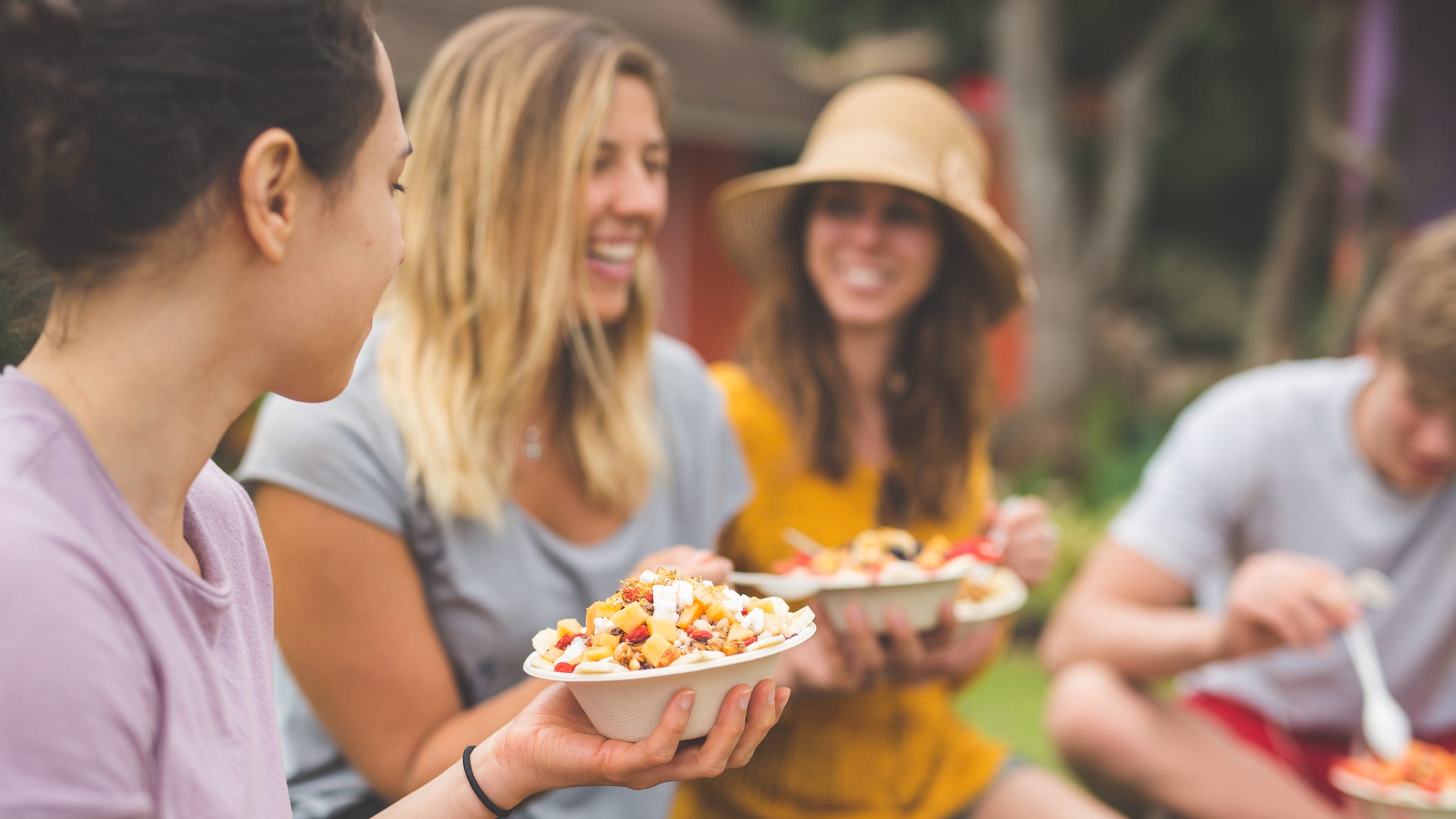
Walk through a grocery store or scroll through social media and you’ll encounter plenty of foods described as “super.” You’ll be told that blueberries protect the brain, turmeric fights inflammation, kale prevents heart disease and a single scoop of an expensive powder can deliver everything from more energy to stronger immunity.
Many foods that carry this label are genuinely nutritious. The problem is the suggestion that any one of them can transform your health or compensate for everything else you eat.
For such reasons, “the label ‘superfood’ is really just a marketing term for foods that are perceived as healthy, with no regulation or real definition,” says Jen Messer, a researcher, registered dietitian and former president of the New Hampshire Academy of Nutrition and Dietetics.
But if no food actually possesses nutritional superpowers, what should we be eating? Here’s what to know.
What is a superfood?
Because “superfood” is not a scientific or botanical classification, there are no official nutritional requirements a food has to meet to earn the title. But the term remains popular anyway because it gives shoppers a simple, memorable way to identify nutrient-rich foods “and can encourage people to try healthier options,” says Amy Goodson, a nutritionist and registered dietitian at “The Sports Nutrition Playbook.” At the same time, she adds, “it can also oversimplify nutrition by implying that one food has extraordinary health benefits on its own.”
She explains that many so-called superfoods are packed with strong nutritional advantages. But what makes them valuable is not a marketing label or a single antioxidant; it’s how they contribute to an overall healthy diet.
What foods are best to eat?
No food even has to ever be considered “super” to be nutritious. Generally, the healthiest foods simply supply beneficial nutrients “without also supplying excessive added sugars, sodium or saturated fat,” Messer explains. “Foods that support long-term health also tend to be minimally processed,” Goodson says.
Messer says some of the most important nutrients to look for include vitamins, minerals and naturally occurring plant compounds known as antioxidants that can help protect cells from damage. “Think berries such as blueberries, strawberries, raspberries and blackberries; leafy greens such as spinach, kale and collard greens; lean protein sources such as eggs, chicken, legumes and fatty fish; and nuts such as almonds, walnuts and pistachios,” advises Goodson.
Messer says nutritious foods like these are also rich sources of fiber, a nutrient the American Medical Association says 95% of Americans don’t get enough of. “Fiber is critical because it supports digestive health, nourishes beneficial gut bacteria, helps regulate blood sugar, lowers cholesterol and is associated with a lower risk of cardiovascular disease, type 2 diabetes and colorectal cancer,” she says.
Healthy fats from nuts, seeds, fish, avocados and olive oil also matter, Goodson adds, because they can support cardiovascular health when they replace foods high in saturated fat. She also points to protein-rich foods such as fish, eggs, poultry, dairy and legumes as additionally beneficial, because they supply the building blocks needed for muscle repair and growth, immune function and other essential bodily processes.
Why variety and consistency matter most
Because no single food can check all the boxes needed, optimal nutrition is “built by the overall pattern of what you eat day after day,” Goodson says.
She explains that one practical approach to getting more healthy foods in your diet is to fill roughly half your plate with fruits and vegetables, then add a high-quality protein source, a fiber-rich carbohydrate and a modest amount of healthy fats. Messer adds that all this is often accomplished by making sure your plate has “a variety of color.”
Simple substitutions also matter. “Choose whole grains instead of refined ones; replace processed meats with fish, legumes or other protein sources; and use a plant fat instead of fats high in saturated fat,” Messer recommends. Think peanut butter on toast instead of butter.
“Most importantly, pick just one change at a time,” she adds, “because small, consistent improvements are more likely to stick than trying to overhaul your diet overnight.”
Because, in the end, “there is no single ‘superfood’ that creates health,” she stresses. “A nutritious diet is built through consistent habits, variety and an overall pattern that is realistic, tasty and easy enough to be sustainable.”
HealthNews
How definitions of alcohol use disorder and recovery have evolved

EDITOR’S NOTE: If you or someone you know is struggling with substance abuse, call the US Substance Abuse and Mental Health Services Administration’s National Helpline at 800-662-HELP (4357) and find more resources here.
Brad Pitt’s recent revelation that he’s drinking again in “a more restrained manner,” after seven years of sobriety following heavy drinking, sparked intense pushback. The actor’s past behavior aside, the larger controversy was in challenging the long-held idea that someone who struggled with alcohol in the past can’t ever drink normally — that recovery is defined solely by sobriety.
The controversy Pitt stepped into comes down to old versus relatively new approaches to dealing with drinking problems. What makes someone “recovered” from alcohol addiction has seen “an evolution in health care,” said Dr. Smita Das, addiction psychiatrist in the Addiction Medicine Dual Diagnosis Clinic at Stanford University in California.
Relevant medical fields in recent years have widely embraced the idea of a spectrum of recovery, including sobriety and non-abstinence, but some clinicians, abstinence support organizations (most notably Alcoholics Anonymous), and patients with alcohol issues haven’t caught up to the science — or are downright opposing it.
Pitt simply gave voice to the expanded understanding of recovery from what is commonly called alcohol addiction or alcoholism, but has been officially known as alcohol use disorder, or AUD, since 2013, according to the DSM-5. That’s the fifth edition of the Diagnostic and Statistical Manual of Mental Disorders — the authoritative handbook of mental disorders published by the American Psychiatric Association and used by mental health professionals in the United States.
The body of research on non-abstinent recovery has been growing as well. A small study in February examined how low to moderate drinking can be part of successful recovery for some. Compared with the abstinent group in that study, those who continued to drink felt more confident they could limit their intake. Participants who drank also felt that positive life changes and supportive relationships bolstered their efforts to maintain recovery.
In a larger 2025 study about non-abstinent recovery, about 1,900 participants reported drinking in the past month — and their health and functioning were similar to those of abstinent participants, though they were slightly more likely to be experiencing psychological distress.
Redefining alcohol use disorder and recovery
Alcohol use disorder is defined by the DSM-5 as “frequent or heavy alcohol drinking that becomes difficult to control and leads to problems such as in relationships, work, school, family, or other areas.”
Someone can have mild, moderate or severe AUD depending on how many criteria they’ve experienced in the past year. This definition was a broader move away from previous DSMs’ binary diagnoses of alcohol abuse and alcohol dependence. The “abuse” diagnosis required that a patient was experiencing severe or dangerous consequences such as alcohol-related legal problems or failure to fulfill major obligations. The “dependence” diagnosis referred to serious but less severe issues, such as abandoned interests and repeatedly failed attempts to quit drinking.
The DSM-5 definition of AUD supports the idea that sobriety “is a part of the definition of recovery, but it is not the whole thing,” Das said — since patients can also reach remission by reducing drinking and whatever criteria that led to their diagnosis.
Researchers with the US National Institute on Alcohol Abuse and Alcoholism, or NIAAA, published a paper on a new definition of recovery from AUD in 2022 — calling it a process or outcome in which someone pursues or achieves both remission from AUD and cessation of heavy drinking.
Remission requires that a patient have no AUD criteria besides craving. Someone who hasn’t had any criteria for up to three months is in initial remission — three months to one year is early remission, one to five years is sustained, and more than five years is stable. For men, cessation of heavy drinking means having no more than four standard drinks on a single day or 14 drinks weekly, and for women, maximum three drinks on one day or seven drinks weekly, the authors wrote.
The fulfillment of basic needs also factors into recovery, the authors added, as do enhancements or improvements in social support, spirituality, physical and mental health, and other aspects of well-being.
Before, while some studies had examined non-abstinent recovery in various ways, there wasn’t an operational or measurable definition that would help researchers better chart and study recovery. This lack meant “we really had no systematic studies on what constitutes recovery, how long it lasts and, more importantly, how to improve recovery,” said Dr. George Koob, NIAAA director and senior author of the paper. He and his coauthors worked with other researchers, clinicians and recovery specialists and incorporated the DSM-5 criteria.
The NIAAA definition has been accepted by many medical authorities and has been facilitating research, as the authors hoped, experts said.
The DSM-5 and NIAAA work increase access to care by not making patients feel like they have to be perfect to be considered recovered, which can be intimidating and prevent effort to heal, experts said. The work also lowers barriers in technical ways — the ability to be diagnosed with mild or moderate AUD makes you eligible for insured care before you hit rock bottom and need more expensive and intensive help. Not defining recovery by abstinence only is also aiding efforts to develop or broaden access to AUD medications.
But is abstinence still better?
Abstinence works best for most people, experts say. And those choosing abstinence experience the most progress in physical health, quality of life and psychosocial functioning, which is the ability to manage one’s daily life, psychological well-being and social environment, the NIAAA researchers wrote. But, they added, a growing body of evidence shows that remission from heavy drinking also is linked to meaningful, long-term improvements.
Another study, from 2019, found those who achieved abstinence and people who achieved just remission from heavy drinking had similar health care costs five years after treatment, and similar psychosocial functioning at one year and nine years post treatment. A 2025 study on recovery attempts as defined by NIAAA, however, found that participants who still drank were more likely to relapse.
There isn’t much research on predictors for who can drink normally, said Das, who is also a clinical professor of psychiatry and behavioral sciences at Stanford’s School of Medicine. But per her clinical experience and the 2025 study, light or moderate consumption of alcohol may be more feasible for people who didn’t have severe AUD, for those who don’t have underlying mental health issues or have healed or learned to manage them, for those who have been sober for years, or for individuals no longer in the situation in which they started drinking.
Of course, regarding overall health, no amount of alcohol is good for you, as even low consumption has been linked with higher risk for issues including dementia, cancer, high blood pressure and stroke.
‘Once an alcoholic, always an alcoholic’
Much of the general public, however, hasn’t caught up to these developments, which remain strongly discouraged and criticized by the abstinence support group space — especially proponents of AA.
The ideas of “once an alcoholic, always an alcoholic” and that abstinence is the only way to recovery stem from the predominant messaging and influence of AA, which began in 1935, said Dr. Michael Joshua Ostacher, a member of the American Psychiatric Association’s Council on Addiction Psychiatry.
“‘Alcoholic’ is a term that’s adopted by Alcoholics Anonymous to identify its own members, and by which their own members identify themselves,” added Ostacher, who is also a professor of psychiatry and behavioral sciences at Stanford’s School of Medicine.
This approach is based on the idea that AUD is an incurable illness, Das said, and, in some people’s minds, that all cases result from a brain already prone to addiction. Hence the belief — and often lived experience — that even just a sip of alcohol can make anyone relapse regardless of any recovery work done or number of years sober. These factors have created a culture in which people who return to normal drinking are often told by sober people that if they can do so without their consumption becoming excessive and destructive, they were never an “alcoholic” or “true addict” in the first place — maybe just someone who was emotionally dependent on alcohol.
On one hand, while the “always an alcoholic” phrase “is clinically outdated,” for vulnerable people it’s a protective behavioral boundary preventing them from attempting risky experiments, Das said.
Abstinence and 12-step programs, including AA, have proven to be significantly effective for many people worldwide, Ostacher said — AA had nearly 2 million active members and more than 120,000 groups worldwide as of 2021, according to the organization’s data.
The more nuanced reality
On the other hand, the debate reflects a clash between the medical and cultural frameworks used to make sense of addiction, Das said.
“Addiction is not universally a fixed, unchangeable neurological state,” Das said. Someone can meet criteria for severe AUD at age 21, and then, with treatments, brain maturation, lifestyle changes and/or years of abstinence, be diagnosis-free at age 40. The brain is a muscle with adaptable neurocircuitry that can be healed by those interventions, Das added — but there are also people whose deeply affected neural reward and habit pathways may not heal entirely.
“To claim someone who went through that hard work ‘never had a problem’ minimizes the real medical struggle they overcame,” Das said. “It would be like telling someone who was obese and now thin after a lot of hard work, that they never were obese.”
Additionally, AA and its principles don’t work for everyone, experts said. But “from AA’s perspective, it didn’t work for them because they didn’t work the program hard enough, or they weren’t honest enough to work the program,” Ostacher said.
A setting wherein one drink is a violation of recovery and necessitates starting over can make people feel ashamed, even if they’re really trying — which can lead to more serious relapses. Kenneth Anderson, a 68-year-old man from Philadelphia, said, “I never drank as much in my life as when I was in AA.”
The requirement for belief in a higher power also doesn’t resonate with everyone. Anderson, an atheist, added that he felt the insistence that “humans are powerless and can only be rescued from alcohol by an omnipotent deity” was a “terrible, damaging message.” Anderson struggled with AUD from roughly the 1980s to 2000s, but now has only one or two drinks every few months if he wants, while practicing other important elements of recovery. For him, those include managing the online HAMS (Harm Reduction, Abstinence and Moderation Support) group he founded that has more than 13,000 members.
Importantly, various factors contribute to AUD and may not be addressed by AA, experts said. Those include genetics, neurological vulnerabilities, life stressors and mental health issues — 50% of people with a substance use disorder have a mental health condition.
Honest self-assessment
When a patient who has recovered and improved their life asks Das about drinking again, she asks about their true motives, any potential risks and the behaviors that sustain their goals.
Sometimes a patient wants to have a drink with friends to feel included or less anxious. In those cases, Das might recommend they buy a mocktail or practice coping skills instead. If they’re thinking alcohol could help them unwind, Das encourages them to consider what else might relax them and maybe even benefit them in other ways.
Part of the risk is that alcohol inherently reduces our ability to make wise judgments, including whether we have had enough or more than planned, Das said. And even if you can drink and still be clinically recovered, there may be other reasons to choose abstinence — maybe your issues harmed loved ones, and they would be emotionally destabilized or offended by you drinking again.
“If they are very set on returning to drinking, then we have a conversation about, ‘OK, what are the things that you’re going to do to try to reduce the consequences that occurred before?’” Das said. She reviews with the patient the DSM-5 criteria they previously met so that they can recall the situations that led to problems — for example, if drinking alone makes them drink too much and spiral emotionally. “So then we say, ‘OK, drinking is only in social situations, and you have a limit,’” Das added. She and the patient then schedule follow-up appointments and keep a log of how everything’s going.
If you drink, watch for signs that it may be becoming problematic again, experts said — such as if you’re often not sticking to your rules or making them too flexible. If you’re currently struggling with alcohol, know that 1 in 10 Americans ages 12 and older have AUD, Das said. Discussing it honestly can lead you to the right treatments: outpatient or inpatient rehab, medications and therapies including cognitive behavioral therapy with relapse prevention, which is the most used therapy.
Both abstinence and moderation support groups can be helpful. Moderation Management, a member-run nonprofit founded in 1994, is a popular and professionally endorsed alternative to the abstinence approach. It has virtual and in-person sessions and encourages members to follow a nine-step program. They include doing an initial 30-day period of sobriety, examining how drinking has affected one’s life, making positive lifestyle changes and setting moderate drinking limits.
HealthNews
How Pennsylvania’s measles outbreak changed the vaccine mindset of this Amish country midwife
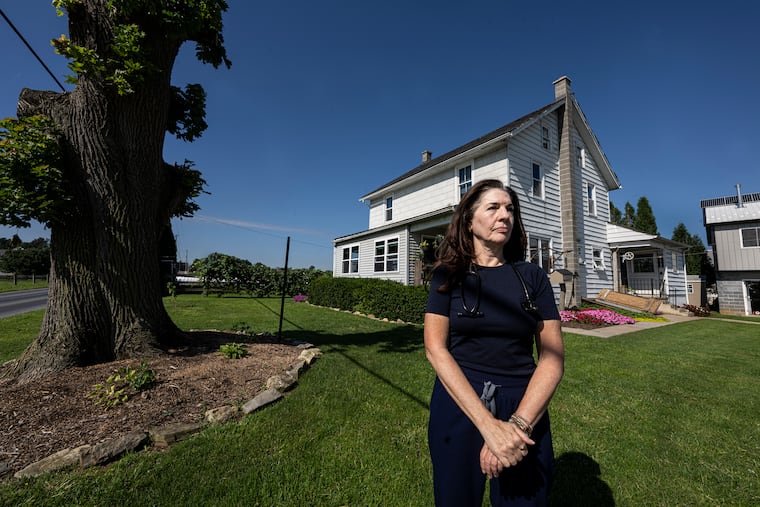
LANCASTER — Amish families peer into Roberta Devers’ Honda Passport as she drives between prenatal checkups along the rolling hills of Lancaster County. They ask her increasingly frequent questions about the vaccine: Do you have some measles in your car?
Devers, 63, works as a traditional midwife in communities at the epicenter of Pennsylvania’s largest measles outbreak in more than 30 years. She belongs toa class of midwives who follow age-old practices and are unregulated by the state, unlike the state-licensed midwives one may find in a hospital. She received the full childhood vaccination schedule but, as an adult, chose not to vaccinate her son and is part of the rising number of people in Pennsylvania refusing to get vaccinated against preventable diseases due to unfounded concerns about their safety and necessity.
But with the growing outbreak now linked to the deaths of two Amish infants and two adults in Pennsylvania — the first measles-related deaths in the state, and the most in the nation in more than three decades — Devers thinks everyone who can should get vaccinated against measles.
And she thinks she should be able to offer the vaccine to her patients, as a trusted caretaker among Amish residents.
“Babies are dying,” said Devers, who is not Amish but has been a traditional midwife for 38 years. She says she fears that Pennsylvania’s Amish community, one of the oldest and largest in the country, cannot wait to reach herd immunity. “You’re going to lose too many babies,” she said.
Devers occupies a unique vantage point from the front lines of the nation’s largest measles outbreak this year. State health officials said the deaths of two local Amish infants were measles-related, sparking a clash between Democratic Gov. Josh Shapiro and President Donald Trump’s Health and Human Services secretary, Robert F. Kennedy Jr.,over how to report the outbreak’s death toll. An 18-year-old from Mifflin County and a 40-year-old woman from Jefferson County also died from measles-related illnesses in recent days, according to the counties’ coroners.
» READ MORE: Josh Shapiro’s measles response — and its backlash — reignites COVID-19 fury
As of Wednesday, the state had reported 731 cases in 38 counties. Lancaster has recorded the highest number of known cases in Pennsylvania, as the highly contagious disease has spread among the area’s significant number of unvaccinated people, including many from communities beyond the county’s Amish population.
Traditional midwives like Devers — also known as lay midwives or direct-entry midwives — broadly oppose being regulated by the modern medical system and often do not receive the medical and scientific training or college-level education required of certified nurse midwives and midwives. Because of this, top medical associations like the American College of Obstetrics and Gynecology oppose traditional midwives from being able to practice at all. State law also prohibits traditional midwives from practicing medicine, such as administering vaccines or sutures.
Until this summer when it was quietly repealed in state budget documents, an unenforced 1929 law allowed traditional midwives to practice in Pennsylvania. Devers is part of a group of midwives who have sued the state to formally recognize them, but that would still not permit them to practice medicine, including administering vaccines.
» READ MORE: Why Pennsylvania quietly repealed its 1929 midwifery law — and is now getting sued for it
Yet, traditional midwives are the main care providers who oversee home births in certain Amish communities, or for people who want their help with a personal and private birth experience. Their influence is particularly prominent in Pennsylvania, which has one of the nation’s highest rates of home births. Devers’ practice, Mount Laurel Midwifery, delivers about seven babies per month across south-central and Southeastern Pennsylvania, with a number of student midwives studying under her.
In Lancaster, Devers’ clients are not talking about the political debate. Rather, their conversations center on the spread of measles — did she hear about the recent baby deaths, what should they do if they were exposed, does she have a vaccine with her?
Two doses of the measles, mumps, and rubella vaccine have proven 97% effective at preventing the disease, the Centers for Disease Control and Prevention says. Nine in 10 unvaccinated people exposed to measles will acquire the disease.
Pregnant people are not eligible to receive the vaccine.
In her daily prenatal checkups, she is seeing moms who have the infection’s signature bumpy, red rash and fever, and families who have watched the sickness move through one family member to the next.
About three in 1,000 children who contract measles will die, according to the CDC. Measles can cause severe complications, especially in young children, including pneumonia and brain swelling. And measles during pregnancy can lead to pregnancy loss, premature delivery, and low birth weight, according to the CDC.
Devers said she recently saw a case in which a mother lost her baby at 17 weeks. The Amish woman was recovering from an active measles infection at the time of the miscarriage, in addition to at least one other underlying medical condition, Devers said.
Amish families traditionally have funerals for stillborn babies or miscarried fetuses, sharing obituaries in the local newspaper. Devers attended the funeral for one such death, involving the 17-week-old fetus, last month.
During previous public health emergencies, state and federal governments have used limited emergency approvals to expand who is allowed to administer vaccines, though the authority was not extended to unregulated groups like traditional midwives.
Now, Devers wants state or federal health officials to extend approval to allow traditional midwives to administer the measles, mumps, and rubella vaccine.
But the Pennsylvania Department of Health says it does not have the authority to allow traditional midwives to administer vaccines, because they are not certified healthcare providers. Currently, state law allows licensed healthcare providers like doctors and certified nurse midwives to administer vaccines, and any expansion of the list would require an amendment to state law, spokesperson Stephanie Nojiri said in a statement.
» READ MORE: Pa. reports measles cases in 4 vaccinated residents. These rare cases account for less than 1% of the spreading outbreak.
HHS and the CDC did not respond to requests for comment. Devers said she recently accepted an invitation from the CDC to participate in a paid interview to discuss how midwives serving Plain communities are approaching the measles outbreak. She sees the outreach as a signal of the agency’s interest in working with midwives.
The Amish and vaccines
Vaccination rates among Pennsylvania children have been falling for years. The spread of misinformation about vaccine safety reached the highest echelons of the U.S. government after Trump picked Kennedy, a longtime anti-vaccine activist, to lead the nation’s health agencies.
In 2025, at least 249 Pennsylvania schools had vaccination rates below 95%, the level that scientists say is necessary to prevent the spread of measles.
Amish communities do not have a religious objection to vaccinations, said Steven Nolt, a top Amish scholar at the Young Center for Anabaptist and Pietist Studies at Elizabethtown College.
He said low vaccination rates in the groups, who dress in plain clothes and widely object to using technology in favor of a more traditional way of life, are due to their partial abstention from modern medicine, as well as a lack of nearby access given their rural lifestyles.
In Lancaster County, 30% of Amish families had their children vaccinated and believed vaccinations were safe and effective, according to a 2022 survey of 433 Amish and Old Order Mennonite residents, published by Elizabethtown College and conducted by Franklin and Marshall College.
The numbers are much higher among Old Order Mennonites — a different religious group that similarly dresses in plain clothes — with 94% vaccinating their children and 72% believing they are safe and effective.
When a 1991 rubella outbreak spread through Amish communities, families welcomed the booster shots, Nolt said. So did Amish groups during a polio outbreak in the 1970s.
“When there would be an outbreak, that was a bit of a wake-up call,” he added. “Then people would come out for immunizations.”
Another “wake-up call” has now arrived for Lancaster’s Amish residents, Devers said.
Amish groups broadly approach their health through a “medical pluralism” lens — a term coined by Martha King, a medical anthropologist at the University of North Carolina at Chapel Hill. This means Amish communities view medical doctors, chiropractors, midwives, and homeopathic remedies as all being “on the same playing field,” rather than being supplementary to a primary care physician, as is common among most Americans, Nolt said. Sometimes Amish people will choose treatments that contradict each other or lack any scientific backing.
“They kind of all function in a way that doesn’t necessarily make sense the way many ‘normal’ Americans think about healthcare,” Nolt added.
Prior to his appointment as HHS secretary, Kennedy helped lead anti-vaccination efforts across the country. During a 2021 speech in Lancaster County, he mocked measles as a serious threat.
It is unclear what effect the efforts have had on Amish populations, Nolt said. During the COVID-19 pandemic, some anti-vaccine groups ran advertisements in Amish newspapers, discouraging the Amish from getting any immunizations, he added.
Devers said she largely supports Kennedy, but believes Shapiro was right to raise alarm about the need to vaccinate against measles. She said she has been disappointed in Kennedy for downplaying the dangers of the outbreak.
“My God, use your head,” Devers said. “He can’t mean this in the midst of an epidemic like this.”
Pennsylvania’s health department, in partnership with local health systems, says it has been working with Amish communities. And Shapiro has emphasized that the outbreak stretches much further than just among any one community, now that confirmed cases have spread to more than half of Pennsylvania’s 67 counties.
Since the start of the measles outbreak in Pennsylvania in April, state health officials have hosted 124 pop-up vaccination clinics across the state in locations like churches, fire halls, and private homes to give more than 4,100 doses of the MMR vaccine, Nojiri said. More pop-up clinics are planned in the near future.
But traditional midwives should be part of the solution, too, Devers argued.
“Different times call for a change in thinking,” she said.
HealthNews
Measles exposure reported at Cincinnati Children’s Hospital emergency department

CINCINNATI —
The Cincinnati Health Department said it was notified of a measles exposure at the Cincinnati Children’s Emergency Department.
According to the health department, two people who live out-of-state went to the emergency department on Burnet Avenue with symptoms consistent with measles on Monday.
Test results taken on Wednesday confirmed the measles diagnosis and that they were contagious while they were at the emergency department.
According to CHD, the two people were exposed to measles in the state they live in and have since been discharged from the hospital and returned to their home state. The health department didn’t disclose what state they are from.
There are no active cases of measles in Cincinnati.
CHD and Cincinnati Children’s have identified people who were potentially exposed to measles and are contacting them directly by phone.
Out of caution, CHD said anyone who believes they are displaying measles symptoms should contact their medical provider immediately and shouldn’t go to a healthcare facility without telling the place first and waiting for instructions.
Measles symptoms include a rash, high fever, runny nose, cough, loss of appetite and red, watery eyes. After a measles exposure, measles symptoms usually develop between 5-10 days but can take as long as 21 days.
The Cincinnati Health Department said the two windows of potential exposure are Monday, Sept. 14, between 5:40 p.m. and 7:48 p.m., and between 11:15 p.m. on Monday, Sept. 14 and 1:15 a.m. on Tuesday, Sept. 15.
That time period only includes potential exposure at the emergency department and doesn’t include other areas of the hospital or other parts of Cincinnati.
HealthNews
What Your Daily Step Count Should Be to Lose Weight, per Experts
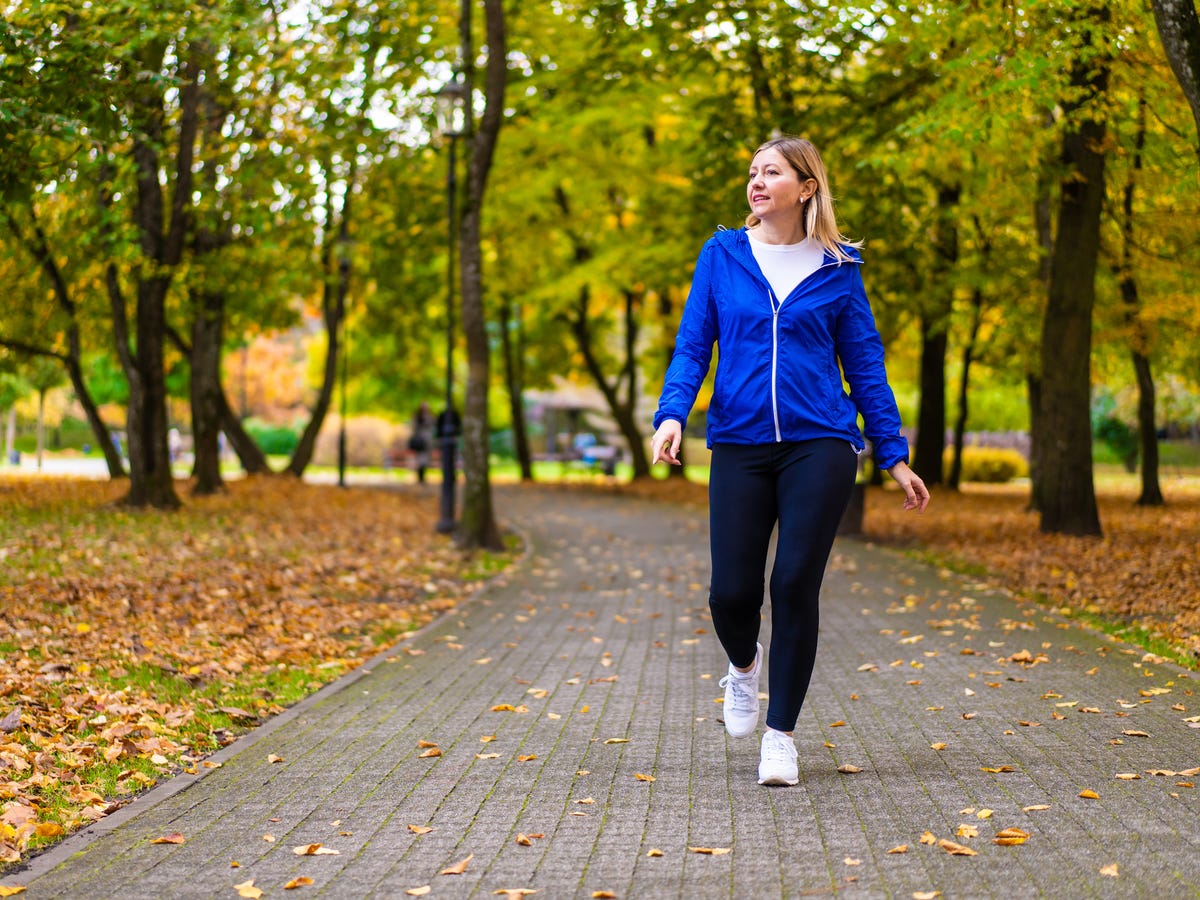
Walking is often recommended as an approachable and enjoyable exercise for people looking to lose weight. But if you’re wondering what your daily step count should be to support weight loss, the answer is less straightforward than you might think.
“If you do 10,000 steps a day and change nothing else, you may lose weight,” says Lawrence Cheskin, M.D., F.A.C.P., chair of nutrition and food studies at George Mason University, adjunct professor of medicine at Johns Hopkins Department of Medicine, and coauthor of . “But weight loss is variable and dependent on many other factors such as activity level, portion sizes, and food choices.”
Meet the Experts: Lawrence Cheskin, M.D., F.A.C.P., chair of nutrition and food studies at George Mason University, adjunct professor of medicine at Johns Hopkins Department of Medicine, and coauthor of ; Joyce Shulman, co-founder and CEO of Jetti Fitness and author of ; Anthony J. Wall, senior director, global business development for the ) and a certified personal trainer; Milica McDowell, D.P.T. author of Walk: Rediscover the Most Natural Way to Boost Your Health and Longevity―One Step at a Time
“Losing weight by adding a walking practice to your life, or increasing your daily step count, can result in a gradual process which is actually a good thing, as research shows that slower weight loss tends to be more sustainable,” says says Joyce Shulman, co-founder and CEO of Jetti Fitness and author of .
“Counting steps is useful because you can monitor yourself every day, but if the number of steps are your primary driver, you may not make the gains you expected,” says Anthony J. Wall, senior director, global business development for the ) and a certified personal trainer. “What’s effective is the frequency, intensity and duration of your activity. Focusing on steps is helpful for overall health, but it’s irrelevant if you’re slowly strolling around a museum all day.”
Ahead, learn more about the daily step count you should be aiming for if you’re looking to lose weight, plus the other factors to keep in mind.
How many steps should you take a day?
Plenty of research has shown that walking can have significant health benefits, including improving blood pressure, supporting healthy cardiovascular function, improving sleep quality, and maintaining bone density. But while you’ve probably heard that you should take 10,000 steps a day, it turns out that number is somewhat arbitrary; it originated in 1965 with the marketing of a pedometer sold in Japan under the name “10,000 steps meter.”
That number has become ingrained in our health consciousness, but it turns out that fewer steps may have benefits, which is great news if you struggle to meet the 10,000-step mark. A recent study found that in older women, 4,400 steps a day lowered mortality rates, compared with less active women, who took 2,700 steps. Another study in people ages 38 to 50 found that 7,000 steps was associated with a lower mortality rate. “If you’re looking at steps for improved health and better life expectancy, roughly 7,000 steps seems to be the sweet spot,” says Cheskin.
If 10,000 steps is not a realistic daily goal for you, don’t be too quick to throw away walking altogether. “The reality is that every step counts and every mile matters,” says Shulman.
How many steps do you need for weight loss?
“Weight loss is not about the number of steps, it’s about the consistency of walking,” explains Milica McDowell, D.P.T. and author of Walk: Rediscover the Most Natural Way to Boost Your Health and Longevity―One Step at a Time. “Finding a way to walk more is key to losing weight with walking. If you can commit to walking three to five (and more like five to six) days a week, the consistency of the behavior matters a lot more than the steps per day.”
It is impossible to make one generalized statement of how many steps is ideal for all people to lose weight, says Shulman. “In fact, the answer is far simpler: more than you are taking now.” If you increase your physical activity (and don’t increase your calorie intake) in the absence of confounding medical or metabolic issues, you should slowly but surely lose weight, explains Shulman.
Although there’s no one-size-fits all recommendation because factors such as age, gender, and activity levels play a role in weight loss, one study showed that people who lost a greater than 10 percent weight loss over 18 months did about 10,000 steps per day. Another study found that 30 minutes a day of moderate to vigorous physical activity translated to about 7,900 steps for males and 8,300 steps for females.
But it’s not only the number of steps that count; duration and intensity are important, too. “It can’t just be a stroll from the kitchen to the bedroom. You need to walk at a pace that raises your heart rate,” says Wall. Aim for 150 minutes of moderate-vigorous activity per week. Moderate-vigorous means it’s slightly difficult to talk, not that you’re panting and can barely take your next breath. To gauge intensity, the talk test is an easy way to tell if you’re in the zone. “It’s a self-perceived scale so you don’t need any special equipment,” says Wall. “You should be able to talk, but not in full sentences.”
Looking at the big picture matters, too, when it comes to making changes for weight loss. “Take a few days to monitor your habits,” says Cheskin. “Where do you stray? Identify small things that you can change. For example, instead of saying something vague like you’re going to eat better, tell yourself, ‘I’m going to eat a piece of fruit instead of cake.’ It’s the specific, measurable and trackable steps that help you lose weight along with moving more.”
Tips for incorporating more walking into your day:
“Start with one small modification at a time, whatever that looks like to you,” says Wall. “Consistency is what will give you gains over time.” It’s best to structure walks into your day, whether they’re 30 minutes or broken into smaller chunks, if that’s what fits into your schedule.
“Make sure you have a new pair of walking shoes to support you on the journey,” suggests McDowell.
Get extra steps in by:
Taking the stairs
Going the long way to the bathroom
Making multiple trips to the car for groceries
Pacing when you talk on the phone
Walking up and down along the sidelines at your kids’ activities
Park at the far end of the parking lot
Get off of the bus two steps early
Using an inexpensive pedometer or a fitness tracker can be helpful, too, because you can plan walking breaks to meet your step goals. First, figure out how many steps you take over several days’ time with no walking for exercise. Let’s say you average 5,000 steps a day. Then measure the number of steps taken during a 10-minute walk. If that’s 1,000 steps, and you walk 20 minutes, that yields 2,000 steps. Add your average to your target number to get a daily step goal (5,000+ 2,000= 7,000 steps).
If weight loss is the goal, there are several ways to up the intensity and fire up the caloric output of your walking, says Shulman, including:
Add some interval training. After two or three songs at a warm-up pace, increase your walking pace to a pace that feels challenging with the next song, then slow down to a recovery pace for a song, and continue alternating challenging pace and recovery pace for the duration of your walk.
Adding walking poles, such as Jetti Fitness Poles, which have been shown in lab results to increase calorie burned by an average of 55.6%.
Transform your walk into an outdoor circuit training workout. Stop every 3 to 5 minutes for a set of squats, lunges and push-ups.
How can I stay motivated long-term?
It can be challenging if you feel like you’re not getting results after you start walking. But sticking with it is key—and you have to establish a habit before you get results, says Wall.
Motivation also is about asking yourself what’s the value of walking versus not doing it? “Think about the benefits, such as improved overall health or being functional and pain-free, then focus on the weight loss,” says Wall. “It will come but you have to commit to the work, time and effort to get there.”
And after you’ve completed your steps for the day, “pause for a moment at the end of your walk to notice—really notice—how you feel and to congratulate yourself for doing something so good for yourself,” says Shulman.
As you achieve small wins, you’ll feel more confident about your goal, and your mental perspective changes to focus on how you feel when you’re more active, rather than what the scale says. That’s a healthier perspective for anyone.
..


Can YouTube replace your driving instructor? #DrivingLessons #DrivingTest #BBCNews


Gary Sinise: ‘The hole in the heart is always there’
Actor Gary Sinise's son Mac died in 2024 from a rare cancer called chordoma. He talks with Anderson Cooper about...


Russia votes for first time since Ukraine war; anti-war parties excluded
Russia is holding parliamentary elections, the first since its full-scale invasion of Ukraine, in a political landscape in which critical...


11 New Albums You Should Listen to Now: Carly Rae Jepsen, Miley Cyrus, and More
With so much good music being released all the time, it can be hard to determine what to listen to...


Thirty-seven illegal miners die in Nigerian custody | BBC News
Thirty-seven people accused of illegal mining in north-central Nigeria have died in custody, local officials said. The Nigerian …


Anthropic says its AI model Claude is helping develop its own successor
Interpol said Friday it carried out a first-of-its-kind operation using artificial intelligence-aided facial recognition to identify more than 100 suspected...

OpenAI’s latest AI revelation a ‘serious situation’
Microsoft AI CEO Mustafa Suleyman pressed for the need for artificial intelligence models to stay aligned to humanity’s interests after...


CEO of Microsoft AI speaks to CNN's Fareed Zakaria
Mustafa Suleyman, CEO of Microsoft AI, speaks to CNN's Fareed Zakaria about his reaction to Anthropic CEO Dario Amodei's …


Prince Harry gives update on children’s schooling after yanking them out
Prince Harry confirmed his two children, Prince Archie, 7, and Princess Lilibet, 5, are back in school in the UK...


High mortgage rates and home prices threaten homeownership
The average interest rate on a 30-year fixed mortgage soared to 7.2% this week, its highest in a year and...
-

 Blog2 weeks ago
Latest US Political News Updates: Key Developments Shaping America in September 2026
-

 TravelNews1 week ago
Republican midterm convention 2026: What to know about Trump’s Dallas event
-

 Business4 days ago
Suspected stolen Tesla drives onto Pacific Beach boardwalk after police chase
-

 Business1 week ago
What is So Hard About Behind-The-Meter Power For Datacenters? Part 1
-

 Business2 weeks ago
TechCrunch Mobility: Tesla Cybercab hits the road – and a snag
-

 Video1 week ago
Vance calls out El-Sayed over remarks about his family
-

 Entertainment1 week ago
Savannah Guthrie quietly makes heartbreaking admission in new statement about missing mom Nancy
-

 Video1 week ago
Charlie Kirk statue draws supporters to Times Square