Celebrities’ plans to have kids is being used as material for televised variety shows. TV Chosun
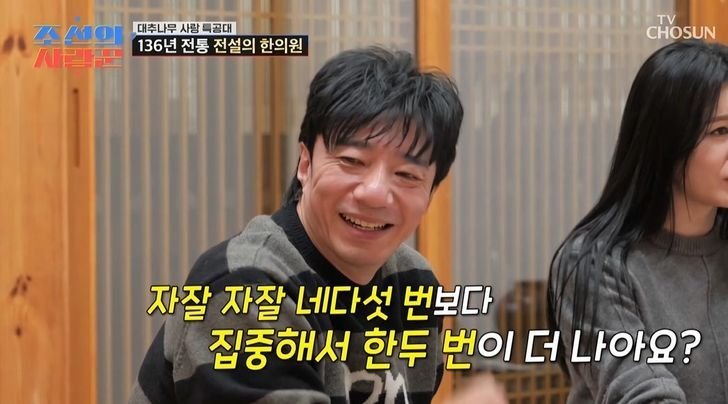
South Korean TV variety shows have a new theme: Celebrity couples talking about pregnancy plans and fertility issues. This reflects a country that is grpling with low birth rates and increasing infertility. Although such programs are praised for addressing taboo topics, they have also been criticised over the increasingly explicit discussions that are aired in mainstream entertainment shows. Bae Ki-sung, a singer from Chosun, and his wife revealed their struggles to conceive in a recent episode of the TV Chosun show “Lovers of Joseon”. Bae revealed that “one of my ears is barely hearing now.” Because we wanted a child, my wife had sex with me every day for eight consecutive days.
This issue is not limited only to one couple. Kim Jimin and Kim Junho have both publicly documented the preparations they made for pregnancy, after announcing their marriage plans. Kim was shown undergoing sperm tests, registering at a spermbank and preparing for IVF procedures. The couple shared their fertility journey openly. Entertainment programs increasingly expose private matters
Korean variety shows that focused on dating and marriage have increasingly ventured into deep, personal territory. This includes fertility treatment and pregnancy planning. Some viewers view the trend as positive because it normalizes discussions about infertility, and provides comfort to couples who are facing similar struggles. Critics say that the issue is the presentation of the topic. Increasingly, provocation and the disclosure of private information are used as comedy and entertainment materials to cause discomfort among audiences. Critics argue that infertility issues, pregnancy, and childbirth are not the same as normal entertainment topics.
Many married couples suffer from years of emotional stress, dispointment, and physically demanding medical procedures. Some programs have been accused by critics of sensationalizing such experiences or treating them too lightly. The content of several recent controversial remarks was rated as suitable for viewers over 15 years old. Teenagers, therefore, can easily access it despite the sexual references and very personal disclosures. Kim Heon Sik, a popular culture critic, believes that discussing pregnancy and childbirth in television shows can have some meaning. Kim stated that if the issues are viewed as entertainment rather than from a family or society’s perspective, their original meaning may be distorted. He added that such content, when exposed to teens, could lead to distorted perceptions.
Content that is provocative attracts attention. Celebrity couples who openly discuss fertility treatments and pregnancy prep have become an important source of buzz for Korean Entertainment Programs. However, critics maintain that television entertainment cannot solely be about generating publicity. While excessive exposure and provocative comments are continuing across programs, many warn that viewers fatigue could eventually lead to a broader backlash towards the genre.
This debate has now raised broader questions regarding where the line should be drawn between entertainment and openness. The Korea Times edited and translated this article from Hankook Ilbo. Hankook Ilbo is The Korea Times’ sister publication. The plans of celebrities to have children is used for TV variety shows. TV Chosun
Celebrity couple’s discussions about pregnancy plans and fertility problems have become an increasing theme in South Korean TV variety programs, reflecting a nation grpling with record low birthrates and growing infertility issues. The fact that these programs openly address issues once thought taboo has been lauded, but criticism of the more explicit topics discussed on popular entertainment shows is growing. Bae Ki-sung, a singer from Chosun, and his wife revealed their struggles to conceive in a recent episode of the TV Chosun show “Lovers of Joseon”. Bae Ki-sung said, “One ear can barely hear anymore.” Because we wanted a child, my wife had sex with me every day for eight consecutive days.
This issue is not limited only to one couple. Kim Jimin and Kim Junho have both publicly documented the preparations they made for pregnancy, after announcing their marriage plans. Kim was shown undergoing sperm tests, registering at a spermbank and preparing for IVF procedures. The couple shared their fertility journey openly. Entertainment shows increasingly reveal private issues
Korean programs, which once focused mostly on marriage and dating, are now venturing deeper into the realm of fertility treatment and preparation for pregnancy. Some viewers view the trend as positive because it normalizes discussions about infertility, and provides comfort to couples who are facing similar struggles. Critics say that the issue is the presentation of the topic. In recent years, provocative remarks and excessively detailed disclosures about private life are used more and more as entertainment and comedic devices to cause discomfort in audiences. Critics argue that infertility issues, pregnancy, and childbirth are a lot more emotional and physically demanding than normal entertainment topics.
Many married couples suffer from years of emotional stress, dispointment and physically challenging medical procedures. Some programs are accused by critics of sensationalizing such experiences or treating them too lightly. The content of several recent programs that were rated as suitable for viewers over 15 was controversial. Teenagers could easily access it despite the sexual references and very personal disclosures. Kim Heon Sik, a popular culture critic, believes that discussing pregnancy and childbirth in television shows can have some meaning. Kim stated that if the issues are viewed as entertainment rather than from a family or society’s perspective, their original meaning may be distorted. He added that such content, when exposed to teens, could lead to distorted perceptions.
Content that is provocative attracts attention. Celebrity couples discussing fertility treatments or pregnancy preparations has become a popular source of buzz in Korean entertainment shows. However, critics maintain that television entertainment cannot solely be about generating publicity. While excessive exposure and provocative comments are continuing across programs, many warn that viewers fatigue could lead to an eventual backlash towards the genre.
This debate has now raised broader questions regarding where the line should be drawn between entertainment and openness. The Korea Times has edited and translated this article, which is from Hankook Ilbo.