
HealthNews
CDC report highlights mold disease, a worry after flooding
NEW YORK (AP) — A first-of-its-kind U.S. study suggests invasive mold infections may be an underappreciated — and potentially deadly — threat.
The researchers detected about 450 cases in Atlanta-area hospitals over five years. About a third of the patients died in the hospital.
The findings, published this week by the U.S. Centers for Disease Control and Prevention, come from an attempt to better gauge how common these kinds of illnesses are. The government does not require doctors to report the illnesses.
“It’s kind of the first time we’ve had an estimate like this,” said the CDC’s Dr. Jeremy Gold, the study’s senior author.
And it’s important to understand it now, because the problem may grow in the future, he added. Mold exposure is a recurring problem in the wake of hurricanes, floods and other natural disasters influenced by climate change, researchers have found.
“I agree that the frequency of fungal infections will likely increase with climate change,” said Dr. Jeffrey Jenks, an infectious disease researcher at Duke University.
Meanwhile, there’s a growing population of older people who are more susceptible to such illnesses, Gold said.
Invasive mold diseases are rare infections caused by certain species. Most people who get infected inhale mold spores, but they can also enter the body through cuts or wounds or from contaminated medical equipment.
The spores don’t cause health problems for most people, but they can be life-threatening to some, including the elderly, cancer patients and others with weakened immune systems.
Previously, CDC researchers estimated more than 15,000 hospitalizations a year could be tied to invasive mold disease.
To better understand how common cases might be at a local level, the research team worked with four Atlanta-area hospitals and their affiliated outpatient clinics to look for potential cases from 2020 to 2024.
They initially identified nearly 1,000 potential cases, but winnowed the number down to about 450 by ruling out patients who may have had signs of exposure but didn’t qualify as having invasive mold disease.
The researchers found that hospitals can expect to see 3 to 5 cases per year for every 100 inpatient beds. The rates were higher at larger academic hospitals that tend to see more complicated illnesses.
Most patients had impaired immune systems or — in a number of cases — were weakened after falling sick from COVID-19.
Mold exposures can occur in hospitals or other healthcare facilities, but the study did not try to determine where each patient was first exposed, Gold said.
It’s hard to generalize what was seen in the Atlanta area to other parts of the country where mold may be more or less of a problem, he said. But it should give hospital administrators at least a rough idea about whether the number of cases they see is what might be expected or whether it’s an outbreak, Gold added.
Jenks called the study’s findings “valuable,” but said “seeing results from similar studies done in different parts of the United States would be helpful.”
___
The Associated Press Health and Science Department receives support from the Howard Hughes Medical Institute’s Department of Science Education and the Robert Wood Johnson Foundation. The AP is solely responsible for all content.
HealthNews
‘Polypharmacy’ linked to 38% higher mortality risk for older adults

NEWYou can now listen to Fox News articles!
Older adults who take five or more prescription medications face a significantly higher risk of death compared to those taking fewer drugs, according to a study published in the Journal of the American Geriatrics Society.
The research highlights the growing concern over polypharmacy, the medical term for taking five or more daily prescriptions, and its long-term effects on aging populations.
Led by Dr. Alexander Chaitoff of the University of Michigan School of Medicine, researchers analyzed national survey data collected from 7,828 adults aged 65 and older between 1999 and 2016.
LONGER LIVES, WORSE HEALTH? SCIENTISTS UNCOVER TROUBLING TREND ACROSS GENERATIONS
Trained staff directly inspected participants’ pill bottles to verify medication use over the previous 30 days, then followed them for an average of 8.5 years, according to a press release.
More than half of participants (54.3%) fell into at least one high-risk medication category. The largest group consisted of older adults taking five or more prescription drugs (polypharmacy).
Another group, 37.6% of those studied, used medications deemed risky for older individuals, such as drugs that can increase the risk of confusion or falls, the study revealed.
DOCTORS REVEAL HIDDEN DANGER FOR SOME OZEMPIC, WEGOVY USERS WITH BRAIN DISORDERS
Additionally, 11.4% took combinations of medications that are known to cause major drug-to-drug interactions.
After accounting for overall health and underlying conditions, taking five or more prescriptions was associated with a 38% increase in overall mortality risk. Each additional prescription medication added to a patient’s routine was linked to a 7% increase in death risk.
CLICK HERE FOR MORE HEALTH STORIES
Taking multiple medications has been shown to increase the likelihood of side effects, adverse drug reactions and accidental overdose, particularly as the liver and kidneys age and process drugs less efficiently, according to medical experts at Cleveland Clinic.
The total number of medications participants took was the strongest independent predictor of mortality, even after accounting for drug-to-drug interactions and potentially inappropriate prescriptions.
TEST YOURSELF WITH OUR LATEST LIFESTYLE QUIZ
These findings could help doctors determine which patients are the best candidates for “deprescribing,” or carefully reducing or stopping unnecessary medications, the researchers stated.
CLICK HERE TO DOWNLOAD THE FOX NEWS APP
The authors noted several limitations, including that the study focused strictly on community-dwelling older adults, excluding those living in nursing homes or assisted care facilities.
Additionally, medication use was documented during a single 30-day snapshot at the start of the study, meaning researchers could not track subsequent changes in prescriptions or evolving health conditions over time.
CLICK HERE TO SIGN UP FOR OUR HEALTH NEWSLETTER
Experts emphasized that observational studies show association rather than direct causation. Older adults taking higher numbers of prescriptions often suffer from multiple severe or complex health conditions, which independently carry a higher mortality risk.
HealthNews
A Daily GLP-1 Pill Could Curb Heavy Drinking
A GLP-1 pill a day might help keep problem drinking at bay, a recent trial has found.
Researchers at the University of Colorado Anschutz conducted a small randomized trial of once-daily oral semaglutide, the active ingredient in Ozempic and Wegovy, for people with alcohol use disorder. Compared to those taking a placebo, people on semaglutide reported fewer days of heavy drinking, among other improvements. The findings are the latest to suggest that GLP-1s could have another life as a treatment for addiction.
“Efforts to repurpose semaglutide for [alcohol use disorder] should continue apace,” the authors wrote in their paper, published Wednesday in The American Journal of Psychiatry.
Less heavy drinking
Over the past few years, a growing base of evidence has suggested that GLP-1s can tamp down people’s unhealthy urges for alcohol, cocaine, and even vices like gambling. Much of this research has come from observational studies that can only show a correlation between GLP-1 use and reduced addiction symptoms. Yet we are now starting to see similar results from more conclusive studies like clinical trials.
This latest research involved 50 people diagnosed with moderate to severe alcohol use disorder (AUD). Half were randomized to take a placebo for eight weeks, while the rest took escalating doses of oral semaglutide (3 milligrams a day for 4 weeks, then 7 milligrams a day for 4 weeks).
People on semaglutide didn’t score lower on tests measuring alcohol craving than the placebo group, the researchers found, nor did they have fewer average drinks per day during the study period. However, they did report having fewer heavy drinking days on average, and they consumed less alcohol specifically on days when they drank. They also appeared to have fewer negative consequences related to alcohol use.
The team’s findings support the idea that oral semaglutide can be a viable and more convenient (at least for some) alternative to the injectable version, the researchers say. And even if semaglutide can’t help people completely wean themselves off alcohol, it might still be a valuable harm reduction tool that can curb problem drinking and perhaps more effectively than many other treatments currently available.
“The primary takeaway from this study is that semaglutide appears to reduce heavy alcohol consumption and increase people’s ability to drink in moderation,” lead author Joseph Schacht, co-director of the Division of Addiction Science, Prevention, and Treatment at the University of Colorado Anschutz School of Medicine, told Gizmodo. “Semaglutide’s effects on alcohol consumption appears larger than other existing FDA-approved medications for alcohol use.”
Questions remaining
This was only a phase II trial with a relatively small sample size, so more data is needed to verify these findings and better understand the potential of GLP-1 therapy as a treatment for substance use disorders.
The researchers only used a relatively low dose of semaglutide in the trial, for instance, one that didn’t lead to any weight loss during the study period. So it’s possible that GLP-1s can be used for alcohol use disorder even in people who aren’t obese or overweight. Higher doses, however, might be more effective for people with these conditions. Another question is whether the effects can last once people stop taking a GLP-1. And interestingly enough, people in the trial also reported using less cannabis as well, suggesting GLP-1s might help curb cannabis use, too.
Either way, bigger trials are underway right now, so we’re likely to have clearer evidence soon enough.
“If these findings are confirmed in larger and longer trials, semaglutide and other medications in this class may ultimately be a new and higher-impact treatment for alcohol use disorder,” Schacht said.
HealthNews
Former Officials Protest U.S. Plan to Defund Pan American Health Organization

The Trump administration’s plan to stop funding the Pan American Health Organization, which coordinates public health efforts across dozens of countries including the United States, will leave Americans more vulnerable to infectious disease threats, more than 100 U.S. leaders in health and national security warned in an open letter released on Thursday.
They include former health secretaries, directors of health agencies, Pentagon and White House officials and surgeons general who have served in Democratic and Republican administrations.
Founded in 1902, the organization is supported by contributions from its 35 member countries. The United States, a founding member, owes nearly $135 million in overdue fees since late 2024.
HealthNews
First case of potentially fatal Bourbon virus confirmed in New York

For the first time, a rare tick-borne infection has been confirmed in New York.
Michael Larkin, 67, was working outdoors in Suffolk county when he was bitten by two lone star ticks, infecting him with Bourbon virus.
There is no vaccine to prevent this disease, no commercial test to identify it — and no treatments for it.
Its symptoms are similar to other tick-borne illnesses, like Lyme disease. Plus because it’s so rare, doctors may misidentify it, as they did in the case of this Long Island man.
Larkin was treated with an antibiotic, which is appropriate for Lyme disease, but that let the Bourbon virus run wild. He developed a rash, fever, night sweats and debilitating headaches.
Other symptoms can include fatigue, rash, body aches, nausea and vomiting.
He spent five days in the hospital before making a full recovery. But others haven’t been so lucky.
Very few cases have been confirmed across Kansas, Oklahoma and Missouri, where the virus is more prevalent — averaging less than one case per year.
Two of the cases have ended in death.
“Now we know the virus can be lethal. On Long Island, at least, we have a lot of lone star ticks,” Dr. Luis Marcos, who treated the man, told CBS News. “And honestly this may be the very, very tip of the iceberg.”
‘Likely more prevalent than we think’
Bourbon virus, named for the county where the disease was IDed in Kansas, is carried by lone star ticks.
These aggressive ticks have a white dot or “lone star” on their back. They’re found in wooded areas, tall grass and brush.
Bourbon virus relies on lone star ticks to spread, and lone star ticks rely on white tailed deer.
These deer have exploded in population and live beside humans. Their natural predators have been eliminated, and they love to hang out in suburban yards.
More deer means more ticks. Plus, milder winters and longer warm seasons mean ticks are out longer and going farther north.
Lone star ticks can also cause alpha-gal syndrome, which can cause a lifelong meat and dairy allergy. It can also cause ehrlichiosis, a bacterial infection causing flu-like symptoms.
“There are a lot of lone start ticks in New York and in the Northeast, we have dense populations,” Marcos said in a press release.
Larkin was actually infected with Bourbon virus in 2021. It took five years for the diagnosis to be confirmed with specialized tests. It begs the question: how many more have been infected in the area since?
“The Bourbon virus is likely more prevalent than we think in our region and other cases are likely not being diagnosed,” Marcos added.
That indicates a major need for better surveillance, testing, and better guidance for doctors, Marcos and his team said.
If patients need to be hospitalized, doctors will likely just have to treat symptoms like IV fluids for dehydration and meds for pain and fever.
“Without identifying the cause of an infection, the chances of developing accurate diagnostic tests or effective treatments are minimal,” Marcos said. “That is why it is so important to first understand the true impact of the virus in high-risk areas.”
To protect yourself from tick bites, avoid grassy, brushy, and wooded areas. Stay in the center of trails when you’re in the woods.
You can also treat your clothes with 0.5% permethrin and EPA-registered insect repellents like DEET.
HealthNews
‘Kind of the first time we’ve had an estimate like this’: first CDC study on mold finds it’s much deadlier than we thought
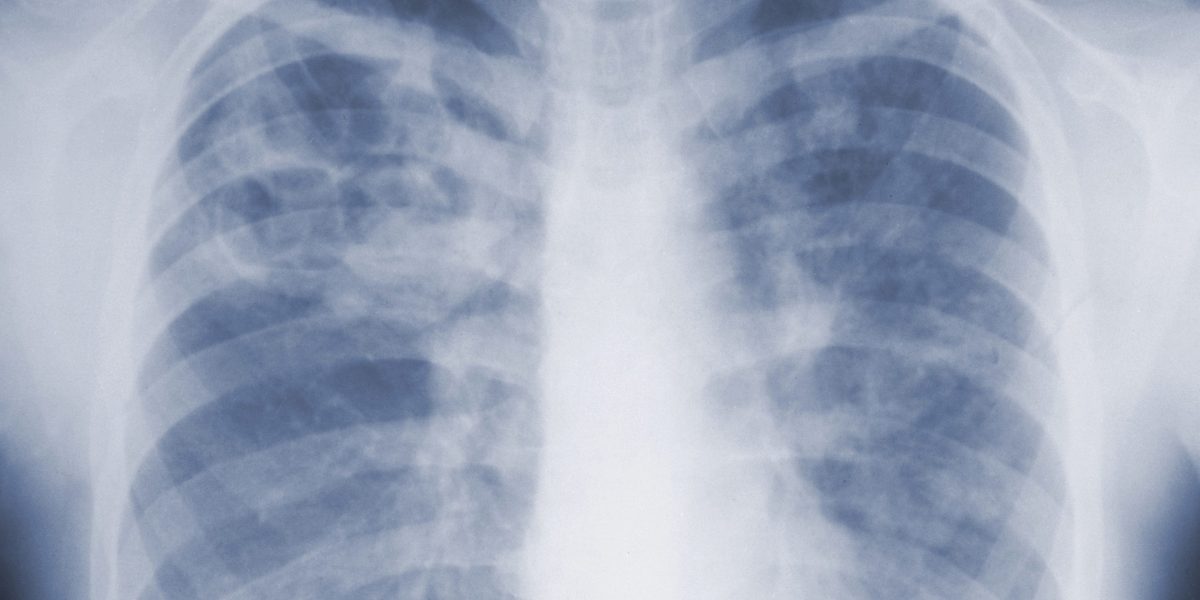
The researchers detected about 450 cases in Atlanta-area hospitals over five years. About a third of the patients died in the hospital.
The findings, published this week by the U.S. Centers for Disease Control and Prevention, come from an attempt to better gauge how common these kinds of illnesses are. The government does not require doctors to report the illnesses.
“It’s kind of the first time we’ve had an estimate like this,” said the CDC’s Dr. Jeremy Gold, the study’s senior author.
And it’s important to understand it now, because the problem may grow in the future, he added. Mold exposure is a recurring problem in the wake of hurricanes, floods and other natural disasters influenced by climate change, researchers have found.
“I agree that the frequency of fungal infections will likely increase with climate change,” said Dr. Jeffrey Jenks, an infectious disease researcher at Duke University.
Meanwhile, there’s a growing population of older people who are more susceptible to such illnesses, Gold said.
Invasive mold diseases are rare infections caused by certain species. Most people who get infected inhale mold spores, but they can also enter the body through cuts or wounds or from contaminated medical equipment.
The spores don’t cause health problems for most people, but they can be life-threatening to some, including the elderly, cancer patients and others with weakened immune systems.
Previously, CDC researchers estimated more than 15,000 hospitalizations a year could be tied to invasive mold disease.
To better understand how common cases might be at a local level, the research team worked with four Atlanta-area hospitals and their affiliated outpatient clinics to look for potential cases from 2020 to 2024.
They initially identified nearly 1,000 potential cases, but winnowed the number down to about 450 by ruling out patients who may have had signs of exposure but didn’t qualify as having invasive mold disease.
The researchers found that hospitals can expect to see 3 to 5 cases per year for every 100 inpatient beds. The rates were higher at larger academic hospitals that tend to see more complicated illnesses.
Most patients had impaired immune systems or — in a number of cases — were weakened after falling sick from COVID-19.
Mold exposures can occur in hospitals or other healthcare facilities, but the study did not try to determine where each patient was first exposed, Gold said.
It’s hard to generalize what was seen in the Atlanta area to other parts of the country where mold may be more or less of a problem, he said. But it should give hospital administrators at least a rough idea about whether the number of cases they see is what might be expected or whether it’s an outbreak, Gold added.
Jenks called the study’s findings “valuable,” but said “seeing results from similar studies done in different parts of the United States would be helpful.”
___
The Associated Press Health and Science Department receives support from the Howard Hughes Medical Institute’s Department of Science Education and the Robert Wood Johnson Foundation. The AP is solely responsible for all content.


‘Polypharmacy’ linked to 38% higher mortality risk for older adults
NEWYou can now listen to Fox News articles! Older adults who take five or more prescription medications face a significantly...


‘Wonder Man’ Canceled at Disney+ Despite Season 2 Renewal
“Wonder Man” has been canceled at Disney+, Variety has learned exclusively. The news comes despite the fact that Disney announced...


Jared Leto Claims A “Bellwether” For MeToo In Hollywood: BBC Producer
EXCLUSIVE: Hollywood’s response to the criminal sexual conduct allegations against Jared Leto will be revealing of where the industry stands...


The rent was already high. Then came the $200 work-from-home fee
Minutes from downtown shops, equine trails and golf courses, “the Cottage” in a quiet upscale neighborhood in Walnut Creek, California...
What teens and parents should know as tanning gets hot again
Nichole Sims started using a tanning bed at 15 because she said everyone around her was doing it, especially before...
How Blackstone Transformed Jersey Mike’s, Sharing IPO With Employees
Today, Jersey Mike’s moves from slinging subs to also slinging stock as it goes public at a roughly $7 billion...


Egypt struck for first time as US-Iran conflict pulls in more countries
The Senate failed to advance a resolution Thursday aimed at rebuking President Donald Trump over the war in Iran. The...


(JMKE) starts trading on the New York Stock Exchange
Shares of Jersey Mike’s fell about 3% during trading on Thursday afternoon after the company made its public market debut...


Donna Mills Joins OnlyFans at 85 Years Old
Donna Mills, one of the best known television stars of the 1980s thanks to her role as Abby Cunningham on...


ICE Arrests At Airports Surge With TSA Help
Topline The Transportation Security Administration (TSA) and Immigration and Customs Enforcement (ICE) are working together to arrest foreign visitors at...
-

 Tech2 weeks ago
Andy Burnham to scrap digital ID to focus on ‘helping with cost of living’
-

 Entertainment2 weeks ago
KAT Helps Danhausen Beat JD McDonagh at SNME After WWE Star Uncursed Knicks During NBA Title Win
-

 Food2 weeks ago
Cyclospora cases prompt questions about produce safety; Utah cases not linked to national outbreak
-

 HealthNews2 weeks ago
Utah podcaster diagnosed with cancer aims to give back after ‘overwhelming’ community support
-

 Food2 weeks ago
The truth about migraines: what causes them – and how to find relief
-

 Sports2 weeks ago
Winners and Losers From Third Round of British Open: Rory Says Quiet Part Out Loud About Bryson
-

 HealthNews1 week ago
This GLP-1 retreat changed how I think about weight loss
-

 Entertainment2 weeks ago
Kelly Clarkson Jokes About Getting Fired After Ending Talk Show