
HealthNews
SC: Health officials warn after new rabies cases

SPARTANBURG, S.C. —
Two animals and one person have been exposed to rabies in South Carolina, according to health officials.
The South Carolina Department of Public Health reported that a cat found near Irby Street and Chamblin Street in Woodruff, located in Spartanburg County, tested positive for rabies.
Authorities say one person was exposed and was referred to their healthcare provider.
In Charleston County, health officials say a raccoon tested positive for rabies, and one cat was exposed. Officials say the cat has been quarantined as required under the South Carolina Rabies Control Act.
The Charleston County raccoon was submitted for testing Nov. 13 and was confirmed to have rabies Nov. 16. The Spartanburg County cat was submitted for testing Nov. 16 and was confirmed to have rabies Nov. 17.
“Keeping your pets up to date on their rabies vaccination is the easiest way to protect you and your family from this deadly virus,” said Terri McCollister, Rabies Program manager. “Any mammal has the ability to carry and transmit the disease to people or pets. Therefore, give wild and stray animals plenty of space.”
Officials say that if you believe that you, someone you know, or your pets have come in contact with this raccoon, cat, or another animal that potentially has rabies, please call SCDPH’s Charleston office at 843-953-4713 or the Upstate Greenville-Spartanburg office at 864-372-3270.
Health officials say there have been 103 cases of rabid animals statewide this year. Since 2002, South Carolina has averaged around 136 positive cases a year.
HealthNews
Research moves closer to identifying CTE in living patients

The ability to detect CTE only through autopsies prevents football players from knowing whether they have it during their careers. Work continues to change that.
Via ESPN, a pair of studies published by The Journal of the American Medical Association show that a new blood test could detect advanced stages of CTE in a living patient.
A study from Boston University and Banner Health was based on blood drawn from a small sample of former players during their lifetimes. Autopsies performed after they died showed that they had CTE. The researchers then found a marker for CTE based on the levels of a specific type of protein in their blood.
“I’m cautiously optimistic that we can really understand this finding and move it forward in the next five years or so,” Dr. Michael Alosco, one of the authors of the study, told ESPN. Alosco described the test as a “game changer.”
The study applies only to advanced stages of CTE.
“We are still in the discovery phase and it’s a small sample size,” Alosco said in a statement released regarding the study. “But if future studies validate these findings, this blood test will allow us to detect CTE with a high level of accuracy and open the doors to clinical trials and treatment.”
The ultimate goal remains developing a test that would show any degree of CTE in a living patient. It would allow football players to know whether they already have CTE, and possibly the extent of the disease.
Football players would first have to decide whether they want to know if they have CTE and, if they do, whether they will keep playing.
More broadly, football leagues at every level would have to decide whether players would be prevented from participating if they have CTE.
The development of a test to diagnose CTE could also lead to research aimed at identifying potential treatments for it.
Where the work leads will be determined over time. And the knowledge acquired by football players will allow for informed — if not complicated — decisions as to whether they will choose to keep playing, and whether they will be medically cleared to do so.
HealthNews
Why Nearly 1 in 7 College Students Have Tried Creatine
A few years ago, my brother became a committed gym bro. He researched effective workout routines, healthy protein-heavy diets, and the optimal supplement regime. It was in this context that I first heard of creatine, when he announced to the rest of the family that we should all be taking it.
And he wasn’t the only one talking about its benefits. It started popping up on my social media. My partner received a creatine pack from one of his sisters. It feels like it’s everywhere. In fact, a study published yesterday in the journal Performance Enhancement & Health confirms that the use of creatine, in addition to protein supplements, among U.S. college and university students has shot up in recent years. Yes, my brother is in college.
Creatine is a natural energy source that our liver, kidneys, and pancreas produce and that we also absorb from foods, including red meat, seafood, and animal milk. Some people, however, consume creatine supplements—which come in the form of powders, pills, gummies, and more—to increase strength and support brain health.
“Creatine has been well-established in the sports world for decades, but what’s new is the breadth of research. Studies are now exploring potential roles in brain health, mood and aging, in addition to strength and performance,” Yasi Ansari, senior dietitian at the University of California, Los Angeles, Santa Monica Medical Center, said in a UCLA statement.
“Social media has also made it more visible to people outside the gym,” she added. And while creatine’s clearest benefit still seems to be improving strength, power, and muscle mass, “emerging data suggests it may also help with cognitive function and fatigue, particularly in people experiencing sleep loss, vegetarians and older adults.”
In the recent study, researchers analyzed survey data collected between 2020 and 2025 from 39,986 U.S. college and university students, ages 18 to 30, to track their lifetime use (meaning they had ever used them, even once) of appearance- and performance-enhancing drugs and substances, including creatine and protein supplements.
They found that 7.7% of students surveyed in the 2020-2021 academic year had ever used creatine supplements. In the 2024-2025 academic year, that jumped to 13.5%. When they took a look at the use of protein supplements, they also found an increase over that same period, from 23.8% to 28.0%. Perhaps unsurprisingly, student-athletes reported higher use of creatine supplements and protein supplements.
“Creatine and protein supplements have become increasingly common among young people, particularly those seeking to build muscle, improve their physical appearance or enhance athletic performance,” Kyle T. Ganson, lead author of the study and associate professor at the University of Toronto’s Factor-Inwentash Faculty of Social Work, said in another university statement. “Our findings suggest that these products are becoming a more prominent behavior among college students, making it important for health professionals to understand why young people are using them and how to support safe and informed decision-making.”
Creatine and protein supplements carry potential risks, such as excessive dosing, combining multiple supplements, and use motivated by body dissatisfaction.
HealthNews
Popular alcoholic drinks linked to sudden kidney damage in 14-year study

NEWYou can now listen to Fox News articles!
People who regularly drink beer or hard liquor face a significantly higher risk of sudden kidney damage than light drinkers, while wine drinkers do not show the same increased risk, according to a large British study.
Researchers at Anglia Ruskin University analyzed health and lifestyle data from 250,791 adult drinkers in the UK Biobank database, tracking them for an average of 14 years.
Over that time, 10,335 participants developed acute kidney injury, a serious condition in which the kidneys suddenly stop filtering waste from the blood properly.
IS DRINKING EVERY DAY ALCOHOLISM? EXPERTS EXPLAIN WHERE CULTURE AND ADDICTION COLLIDE
The study, published in the journal Scientific Reports, challenges a longstanding medical assumption that alcohol harms the kidneys mainly as a secondary consequence of liver disease.
The elevated risk among beer and liquor drinkers continued even after researchers considered liver disease and a wide range of other health and lifestyle factors.
“Acute kidney injury is a serious condition that can lead to chronic kidney disease, kidney failure and an increased risk of dying early,” lead author Rudolph Schutte, an associate professor of cardiovascular epidemiology at Anglia Ruskin University, said in a university news release.
“While alcohol has traditionally been linked with kidney injury through its impact on the liver, our research suggests that spirits and beer may contribute directly to kidney damage through inflammatory pathways.”
HEAVY DRINKING SURGES AMONG AMERICANS IN ONE AGE GROUP AS OTHER GENERATIONS CUT BACK
To compare drinking habits, the researchers divided participants into three groups based on their average weekly consumption of each type of alcohol.
In the U.K., one unit of alcohol equals 8 grams of pure alcohol — a little more than half of a standard U.S. shot of liquor or about half a pint of lower-strength beer.
“Acute kidney injury is a serious condition that can lead to chronic kidney disease, kidney failure and an increased risk of dying early.”
Among liquor drinkers, those in the lowest consumption group drank an average of 1.22 units per week. Compared with that group, people who averaged 2.69 units per week were 8.1% more likely to develop acute kidney injury.
Those in the highest tier, averaging 8.73 units per week, had a 25.5% higher risk.
CLICK HERE FOR MORE HEALTH STORIES
Beer drinkers showed a similar, though smaller, pattern. Compared with light beer drinkers averaging 2.67 units per week, people who drank an average of 6.81 units had a 5.7% higher risk of acute kidney injury.
Those in the highest group, averaging 23.6 units per week, faced a 14.8% higher risk
Researchers found no significant link between red or white wine consumption and a higher risk of acute kidney injury overall.
The authors noted that higher levels of internal inflammation appeared to drive the increased risk seen with other drinks.
CLICK HERE TO SIGN UP FOR OUR HEALTH NEWSLETTER
“The results provide important population-level evidence supporting laboratory research that has suggested alcohol can directly affect the kidneys,” Schutte said.
Because the study is observational, it can only identify links between drinking habits and kidney injury, and cannot prove that beer or liquor directly caused the damage.
TEST YOURSELF WITH OUR LATEST LIFESTYLE QUIZ
The authors also warned that the findings do not prove wine protects the kidneys, noting that drinking above 14 units per week, the U.K.’s recommended limit, was tied to higher risk across all drink types, including wine.
CLICK HERE TO DOWNLOAD THE FOX NEWS APP
Additionally, participants relied on memory to report their average weekly alcohol intake, which can lead to inaccurate estimates or underreporting.
The study also only included adults ages 40 to 69, meaning the results may not apply to younger or older people.
HealthNews
Childhood toxin ‘leading explanation’ for young colon cancer spike
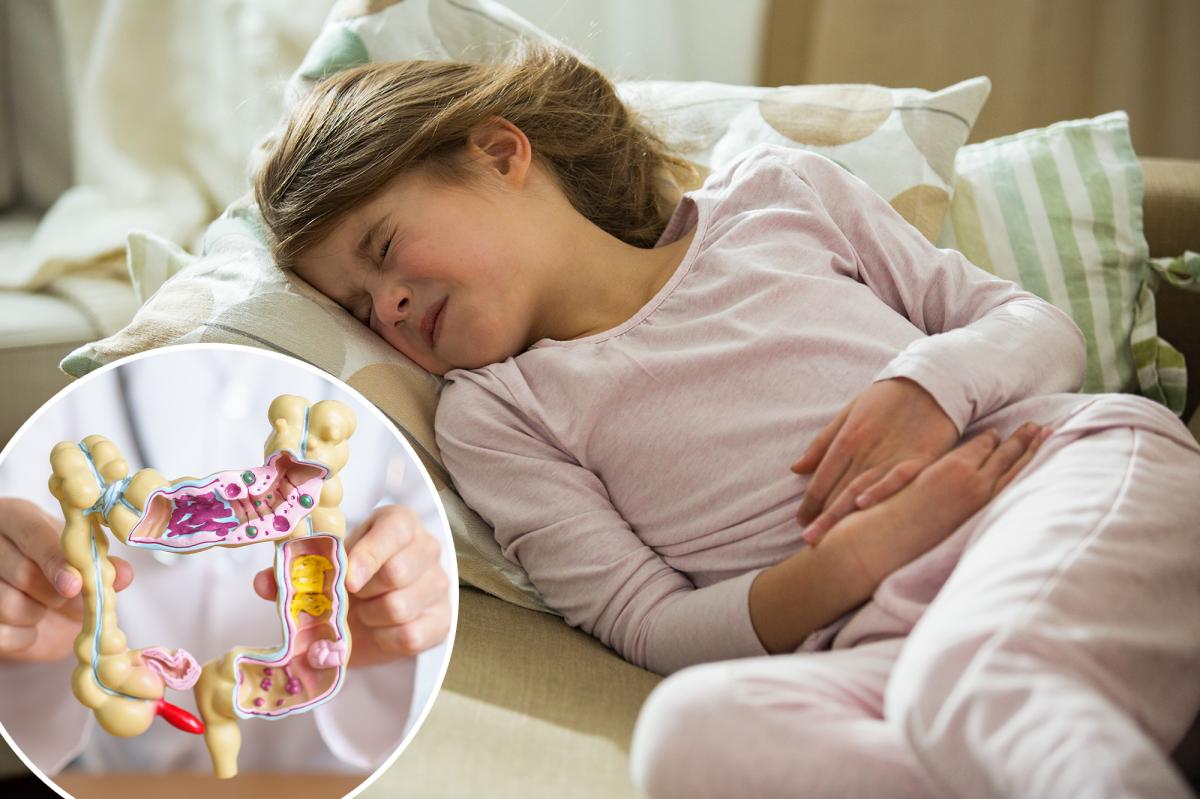
The alarming surge in colorectal cancer among young people may have a stomach-churning culprit.
Dr. Karl Smith-Byrne, a senior molecular epidemiologist at the University of Oxford, suspects exposure to a gut-dwelling bacterial toxin during childhood could pave the way for the disease decades later.
During a recent appearance before the UK Parliament, he called the theory “probably the leading explanation at the moment” for the dramatic shift in patient demographics for an illness historically associated with older adults.
His comments follow the release of a groundbreaking study last year examining colibactin, a toxin produced by certain strains of E. coli that colonize in the colon and rectum.
Researchers found that childhood exposure to the bacteria leaves behind a distinct DNA fingerprint in colon cells. These mutations were 3.3 times more common in patients with early-onset cases than in those diagnosed after age 70.
Even more concerning, colibactin-linked mutations appeared in the earliest stages of tumor development, often within the first 10 years of life.
The study also found that about 15% of APC driver mutations — among the earliest genetic changes that directly fuel cancer growth — were linked to colibactin.
“If someone acquires one of these driver mutations by the time they’re 10 years old, they could be decades ahead of schedule for developing colorectal cancer, getting it at age 40 instead of 60,” Dr. Ludmil Alexandrov, senior study author and a professor at the University of California San Diego, previously told The Post.
Established risk factors for colorectal cancer include obesity, smoking and alcohol consumption. But Smith-Byrne said these account for only about half of the cases doctors diagnose.
Testifying before the House of Commons’ science and technology committee, he said it wasn’t “plausible” that these factors alone could explain the rise in early-onset cases, per the Guardian.
Exactly how colibactin may contribute to cancer development remains unclear, but researchers are working to better understand the connection.
“If it is causing mutations, it’s causing mutations at a sensitive period earlier in life, and that can give that person’s colon or their rectum a head start on its journey towards being cancerous or developing these tumors,” Smith-Byrne said, according to the outlet.
Colibactin appears to be largely associated with people born after 1960, potentially offering a clue to the rise in cases among younger generations.
“Something has happened in the E coli bacteria … There must have been a mutation, and there is a new bacteria,” Professor Elio Riboli, a cancer epidemiologist at Imperial College London, told the committee, according to the Guardian.
And people may have no idea they’re being exposed.
Alexandrov told The Post last year that colibactin spreads “through colonization by E. coli — typically through the gut, and often without any obvious symptoms.”
Professor Elio Riboli, a cancer epidemiologist at Imperial College London, said this colibactin is essentially found in people born after 1960.
“Something has happened in the E coli bacteria … There must have been a mutation, and there is a new bacteria,” he told the committee, according to the Guardian.
Alexandrov’s study also uncovered distinct patterns of mutations in colorectal cancer cases from countries including Argentina, Brazil, Colombia, Russia and Thailand, suggesting that local environmental exposures may influence cancer risk.
The findings could eventually pave the way for more targeted prevention strategies tailored to specific regions, researchers said.
The stakes are high. Colorectal cancer rates are climbing among young people in at least 27 countries, including in the US, where nearly 1 in 5 diagnoses now occur in young adults.
HealthNews
What Happens to Your Brain When You Drink a Diet Soda Every Day
Reviewed by Dietitian Lisa Valente, M.S., RD
Key Points
Aspartame may influence brain health, affecting neurotransmitters, mood and headaches.
A daily diet soda could impact the gut-brain connection, which may play a role in hunger cues.
Enjoying diet soda occasionally is likely fine for most people, but choose water more often.
That crisp, bubbly sip of a diet soda can feel like a perfect afternoon pick-me-up or a satisfying mealtime companion. Since it contains zero sugar and zero calories, it seems like a harmless choice, especially compared to its sugary counterparts. But what does a daily habit of drinking this popular beverage mean for your long-term brain health?
The conversation about diet soda consumption and brain health often centers on artificial sweeteners. These are sugar substitutes used to sweeten foods and drinks without adding calories. While many are approved for consumption and generally considered safe, emerging research is taking a closer look at their long-term effects, particularly on the brain.
“Artificial sweeteners are considered safe when used within recommended limits, but research suggests they may influence brain health over time,” says Jamie Lee McIntyre, RDN.
For example, one study observed that higher consumption of certain low- and no-calorie sweeteners (LNCSs) was associated with a faster rate of cognitive decline over an eight-year period. Although observational studies can’t prove a cause-and-effect relationship, this has led many to wonder about the popular sweetener in diet soda: aspartame. Let’s explore what science and experts have to say about how a daily diet soda could influence your brain’s function and health.
It May Affect Neurotransmitters
“One impact of drinking [diet soda] daily may have on your brain is related to aspartame metabolism,” says Luke Barr, M.D., a neurologist specializing in brain health restoration. “Aspartame breaks down into phenylalanine, aspartic acid and methanol, and phenylalanine in particular can alter neurotransmitter balance in the brain when consumed in high amounts. This disruption may affect mood regulation and cognitive clarity, especially in people who are sensitive to it.”
Neurotransmitters are chemical messengers that your brain cells use to communicate with each other. They impact everything from your mood and focus to your sleep cycles. When this delicate balance is disturbed, you might experience unfavorable effects when it comes to your brain health. While the amount of phenylalanine from a single diet soda is small for most people, a consistent, daily intake could have a cumulative effect over time.
It May Be Linked to Headaches and Migraines
If you’re prone to headaches, your daily diet soda might be a contributing factor. “Another impact is that frequent aspartame consumption has been linked in some studies to increased risk of headaches and migraines,” says Barr. “The mechanism is not fully understood, but it is thought that aspartame’s effect on neurotransmitters and vascular regulation in the brain may trigger these episodes in certain individuals.”
For those who are sensitive, the components of aspartame could potentially act as a trigger, initiating the painful cascade of a migraine or tension headache. While research is mixed and not everyone who drinks diet soda will experience this, it’s a potential connection to be aware of if headaches are a common malady for you.
It May Impact Appetite Signals
Have you ever noticed that your desire for sweet foods and beverages increases after having a diet soda? This might not be just in your head. “One possible impact of [diet soda] on the brain is its effect on appetite regulation,” says McIntyre. “Some studies suggest artificial sweeteners like aspartame or sucralose can disrupt the brain’s ability to link sweetness with calories, potentially influencing cravings and hunger signals.”
Your brain is wired to expect energy (calories) when it tastes something sweet. When you consume something intensely sweet but with no calories, it may disrupt this learned response. Over time, some suggest that this could potentially alter how your brain perceives sweetness and manages hunger, possibly leading to an increased desire for actual sugar.
It is important to note that not all data supports the theory that consuming sweet-tasting foods and beverages causes a sweet tooth. One review study highlighted that while short-term exposure to sweetness often reduces the desire for it, long-term exposure has little to no consistent effect. Clearly, more data is needed before we can make a firm statement about this factor.
It Might Influence the Gut-Brain Axis
The health of your gut and your brain are deeply connected through what is known as the gut-brain axis. This is a bi-directional communication superhighway between your digestive system and your central nervous system. “Artificial sweeteners could influence gut microbes, and since our gut is closely tied to our brain, this might impact mood and cognitive function,” says Whitney Stuart, M.S., RDN.
This is another area where the research is mixed and more human studies are needed. With that said, there are studies that suggest artificial sweeteners, including aspartame, may negatively influence the gut microbiome, increasing the number of harmful bacteria and reducing the number of beneficial microbes. And because there is such a tight relationship between brain and gut, it’s definitely something to keep in mind when making your beverage choices.
How Other Artificial Sweeteners Impact Brain Health
Aspartame isn’t the only artificial sweetener on the market, and each one interacts with the body differently. “Other artificial sweeteners, such as sucralose or saccharin, have also been studied for their effects on the brain,” says Barr. “While their metabolic pathways differ from aspartame, some research suggests that they can alter gut microbiota, which in turn affects the gut-brain axis. This means they may indirectly influence mood, memory and even stress regulation, although the evidence is still evolving.”
For example, some sweeteners, like sucralose and Ace-K, don’t appear to significantly break down in the gut, and may have less influence over the microbial environment. Despite weak evidence for some artificial sweeteners and their influence over the gut microbiome, there still appears to be a link between their consumption and brain health, including faster cognitive decline, memory deficits and signs of neuroinflammation, notes Stuart.
Drinks That Support Brain Health
If you’re looking to swap your daily diet soda for something more brain-supportive, there are plenty of delicious and healthy options to choose from.
Water: The simplest drink is sometimes the best. This drink is free from artificial sweeteners, and it is ultra hydrating. Infusing it with lemon, cucumber or mint can add a refreshing flavor.
Green Tea: It contains caffeine for a gentle energy boost, and also L-theanine, an amino acid that promotes a state of calm alertness. Green tea is also packed with antioxidants that help protect brain cells from damage.
Berry Smoothies: Berries are rich in flavonoids, which are compounds known to support memory and learning. Blending them with a base of water, milk or yogurt creates a nutrient-dense drink that’s great for your brain.
Golden Milk: This warm, comforting drink is made with turmeric, a spice containing curcumin. Curcumin has powerful anti-inflammatory and antioxidant properties that may help protect long-term brain health. When made with cow’s milk, golden milk also offers essential nutrients, including iodine and choline, which are important for supporting healthy brain function.
“Better-for-You” Sodas: There’s no shortage of soda options on the market these days; many are made with more natural sweeteners (like stevia) and are free from artificial ingredients. While these should not be consumed in copious amounts, they can be a nice substitute for a diet soda if you are looking for something with a similar effervescence and flavor, sans the aspartame.
Our Expert Take
So, is it safe to drink diet soda every day? “The occasional [diet soda] is unlikely to cause significant harm for most people, but a daily long-term habit could have cumulative effects, especially in those who are predisposed to headaches, mood disorders or who are highly sensitive to artificial additives,” explains Barr. “Balance and moderation remain key for brain health, and it’s always worth remembering that hydration from water and nutrient-rich diets are the strongest protectors of long-term cognitive function.”
Ultimately, the choice is yours. “While swapping [diet soda] for water or other unsweetened drinks is generally better for overall health, enjoying it now and then as part of a balanced diet is perfectly reasonable,” concludes McIntyre.


Trump Greets “My Friend” Putin; Touts “Outstanding Bond” with Xi
President Trump is back in the United Stats after a trilateral summit with Russian President Vladimir Putin and Chinese President...


Trump’s cyber director quits; DHS chief sidelined; new cyberattacks
Trump's National Cyber Director, Sean Cairncross, has stepped down after multiple major tech outages disrupted people's lives …


Watch jet make nail-biting landing in Switzerland
Video captured by Matthias Haenni appears to show the suspenseful moments before a jet landed safely in Bern, Switzerland, …


What I saw playing 170 hours of ‘Grand Theft Auto VI’ before everyone else
Fiona, the beloved 9-year-old Nile hippopotamus, has died after ingesting a knit hat that fell into her habitat at the...


Valerie Bertinelli shows off weight loss in Instagram post, fans react
NEWYou can now listen to Fox News articles! Valerie Bertinelli is celebrating her weight loss and embracing her new figure...


rump’s cyber official nominee says January 6 riot was not an ‘attack’
During a tense Senate confirmation hearing, President Donald Trump's nominee to lead the Department of Homeland Security's …


Toyota recalls 314,000 US vehicles over potential airbag danger
Toyota is recalling more than 314,000 vehicles in the U.S. because front passenger airbag inflators made by Takata could rupture...


GTA VI earns ‘five stars’ on launch day
"Grand Theft Auto VI" has officially been released and after a 13-year wait, critics and players are saying it's living...


Trump pardons late baseball great Pete Rose after historic China trip
President Donald Trump said Thursday he issued a “complete and total pardon” to baseball legend Pete Rose, who died in...
Hyundai’s new Elantra gets ‘bold and muscular look’
Hyundai’s next generation Elantra is to include a hybrid version. Hyundai is unveiling a redesigned Elantra sedan at the LA...
-

 HealthNews2 weeks ago
Thousands of bottles of blood pressure medication recalled by FDA
-

 Politics2 weeks ago
60 Minutes Transcript: Donald Trump, the 2026 post-midterm elections interview
-
Tech1 week ago
Photos Show Jensen Huang and Alice Huang Together Over 3 Years
-

 Business2 weeks ago
Top Democrats call to rein in AI buildout after midterms sweep: ‘National data center moratorium now’
-

 Blog2 weeks ago
Blog Title: How Artificial Intelligence Is Changing Everyday Life in 2026
-

 Blog1 month ago
Kelly Clarkson’s Art of Play Visit Revealed in Security Footage
-

 Blog1 month ago
2026 US Midterm Elections: Key Issues That Could Shape America’s Political Future
-

 Blog4 weeks ago
AI and Data Centers Become Major Issues Ahead of the 2026 US Midterm Elections