
HealthNews
Republicans experience worse mental health in Democratic neighborhoods, study finds

Republicans living in neighborhoods dominated by Democrats experience worse mental health than those residing in heavily Republican areas. Democrats, on the other hand, report similar levels of anxiety, depression, and loneliness regardless of the political makeup of their communities. These findings were published in the Proceedings of the National Academy of Sciences.
Politics in the United States functions as a powerful social identity that extends beyond voting. Past research shows that a person’s neighborhood can influence who they interact with, what they buy, and even their physical health decisions. A team of political scientists and medical researchers wanted to see if the political alignment between a person and their neighbors might also be linked to psychological well-being.
The research was conducted by Ryan Baxter-King of the University of Nevada, Reno, alongside colleagues from Boston University, Harvard University, and the University of California, Los Angeles. They utilized a large survey of 165,000 adults conducted between May 2020 and December 2022. The researchers combined this survey data with national voter registration records to determine the exact proportion of Democrats and Republicans in each respondent’s Zip Code.
To measure mental health, the survey relied on established clinical questionnaires. Depression was evaluated using an eight-question scale that looks for standard symptoms of major depressive disorder. Anxiety was measured using a four-item scale developed for patient-reported outcomes, and loneliness was assessed with questions about social connection and perceived isolation. The responses were converted into scores ranging from zero to one, with lower scores representing better mental health.
In their first analysis, the researchers compared individuals living in the same county but in different Zip Codes. They controlled for a variety of individual traits, including age, gender, household income, education, and physical health. They also accounted for neighborhood-level variables like population density, average household income, and the racial makeup of the community.
The team found that Democrats generally reported poorer mental health than Republicans overall. However, a Democrat’s mental health score did not change based on whether they lived in a heavily Democratic or heavily Republican Zip Code. Their reported rates of anxiety, depression, and loneliness remained relatively flat across different types of neighborhoods.
For Republicans, mental health improved as the share of Republicans in their neighborhood increased. In heavily Democratic areas, Republicans actually reported more anxiety, depression, and loneliness than the Democrats living right next to them. As neighborhoods approached an even split between the two parties, Republican mental health improved and then leveled out.
To narrow down the variables, the researchers then conducted a second analysis comparing Democrats and Republicans living in the exact same Zip Code. This approach filters out unmeasured neighborhood characteristics that might influence well-being. They found that as a Zip Code becomes more Republican, the mental health gap between Republicans and Democrats widens. Republicans show lower levels of depression, anxiety, and loneliness relative to their Democratic neighbors.
The researchers also investigated whether the strength of a person’s political identity played a role. They separated respondents based on whether they identified as strong partisans or weak partisans. The relationship between neighborhood politics and mental health was much larger for people who called themselves strong partisans, indicating that the effect is amplified for those who care most about politics.
To understand the social dynamics at play, the team looked at survey questions asking if people felt comfortable expressing their political views and if they liked where they lived. Both Democrats and Republicans felt more comfortable expressing themselves when surrounded by like-minded neighbors. Republicans in Republican areas also reported better access to enjoyable cultural activities than Republicans in Democratic areas.
The researchers compared the mental health impact of political mismatch to other types of neighborhood mismatch, like being a racial minority or living in an impoverished area. For Republicans, being a political minority in a neighborhood had a larger relationship with mental health than being a racial or educational minority. The association was also comparable in size to the toll that high neighborhood poverty takes on mental health.
Sociologists and public health experts document the heavy psychological burden of living in impoverished areas. The fact that political mismatch produces a comparable statistical effect highlights the prominent role that partisanship plays in daily life. For Democrats, however, neighborhood poverty was linked to increased loneliness, but local partisanship had no such effect.
The study observes patterns across geographic areas and does not test a direct biological or social mechanism. The researchers note that it is unknown exactly how this neighborhood dynamic operates in everyday life. It could be that individuals internalize stress when they feel out of step with local culture.
Alternatively, it might be that communities actively treat political outsiders poorly. The researchers point to prior research showing that Democrats are more likely than Republicans to exclude the political outgroup in social settings, and note that their findings are consistent with the possibility that Democrats treat political outsiders more poorly, which could explain why Republicans are uniquely affected by their political surroundings.
HealthNews
Your hair-growth supplements could be messing with your bloodwork
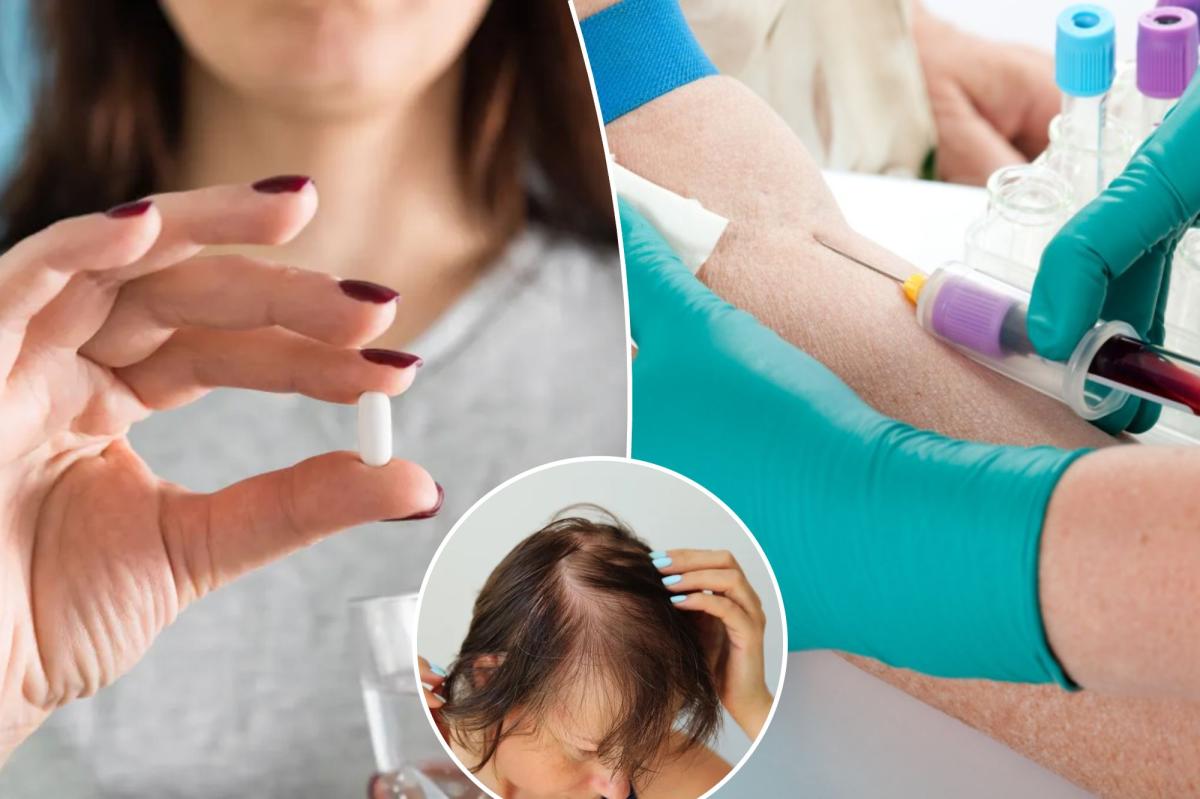
Your quest for luscious locks could be putting more than your hairline at risk.
More than 80 million Americans are affected by hair loss, and many turn to supplements in hopes of keeping their strands thick and healthy.
But the pursuit of a fuller mane comes with a potentially dangerous catch. When taken as a supplement, one of the most popular vitamins marketed for hair growth can throw off certain blood test results, which could skew results, mask serious medical conditions and even delay life-saving treatment.
“This is an important and often overlooked patient safety issue,” Dr. Navin S. Arora, a board-certified dermatologist who treats patients with hair loss, told The Post.
The supplement in question? Biotin, or vitamin B7.
While it’s found in most meat products, including beef, poultry and egg yolks, along with non-meat sources such as nuts, sweet potatoes and avocado, you can also take it as a pill or gummy — which many people do in hopes of boosting hair growth.
But many of them contain 5,000 to 10,000 micrograms of biotin, Aurora noted — “far exceeding the approximately 30 micrograms adults generally need daily.”
“Since biotin is available without a prescription, patients consider the product to be safe and may not seek the guidance of a health care professional before starting the supplement,” said Dr. Maria Pino, a New York state registered pharmacist and associate professor of clinical specialties at New York Institute of Technology College of Osteopathic Medicine.
And if you’re going in for routine bloodwork — or getting blood drawn to test for certain conditions — that extra biotin can get in the way.
Conditions it can miss — or mistakenly raise red flags for
“Certain blood tests use biotin in the chemical process that measures a substance in the blood,” Arora explained. “Excess biotin from supplements can disrupt that process, making results appear falsely high or low. That can suggest a problem that is not there or hide one that is.”
“We use these results to help decide what is wrong and how to treat it,” Arora said. “If the numbers are misleading, we could change a medication dose unnecessarily, give the wrong treatment or delay treatment someone actually needs.”
One particularly alarming example involves cardiac troponin, a protein measured in the blood to help diagnose heart attacks. Popping high doses of biotin can make your troponin show up as falsely low, which could delay you from getting a diagnosis.
Biotin can also cause certain tests to show falsely low levels of thyroid-stimulating hormone (TSH) and falsely elevated levels of thyroid hormones called thyroxine and triiodothyronine, making it appear that someone has hyperthyroidism.
Other tests that may be affected include those used to assess vitamin D levels, calcium regulation and reproductive hormones. And then there’s syphillis and cancer.
“Antibodies used to assess the presence of infections — such as hepatitis B, hepatitis C and syphilis — may also be impacted, along with markers which screen for and monitor certain cancers, such as the prostate-specific antigen,” said Pino,
Fortunately, biotin doesn’t throw every blood test out of whack. Routine tests like a complete blood count (CBC) and many metabolic panels — which measure things like electrolytes and liver and kidney function — generally don’t rely on biotin-based testing methods, making mistaken results less likely.
Is it even worth taking? And when to hit pause…
Pino recommends speaking with a health care professional before starting any supplement. And if you’re already taking biotin, make sure your doctor knows exactly how much you’re using before heading to the lab.
“Generally, if patients are taking the daily recommended biotin dosage (less than 1,000 micrograms per day), there should be minimal interaction expected,” she said.
Still, leaving at least eight hours between taking the vitamin and having blood drawn is generally advised — though Pino says 72 hours is best.
There’s one crucial exception: If you think you’re having a medical emergency, don’t wait for biotin to clear your system before seeking care.
Ultimately, though, you may want to reconsider taking biotin altogether.
“It has long been promoted for brittle nails and thinning hair, but convincing evidence that extra biotin helps people without a deficiency is lacking,” said Arora, who is also the founder and medical director at Borealis Dermatology in New York.
In fact, Pino said, a true biotin deficiency is uncommon in people who eat a normal, balanced diet.
If you’re looking to give your hair some extra TLC without potentially complicating future blood tests, biotin-free products are becoming more widely available.
“In dermatology, there has been increasing caution surrounding routine high-dose biotin supplementation because convincing evidence of hair-growth benefits in patients without a deficiency is lacking,” Arora said.
Some companies have responded with biotin-free hair-growth supplements, including Xtressé gummies, Lemme Grow capsules and Nutrafol Women Advanced formula pills.
“What appeals to me is avoiding added biotin that could complicate blood testing,” Arora said. “The priority is still finding and treating the cause of someone’s hair loss.”
HealthNews
With measles spreading, do you need a booster shot?
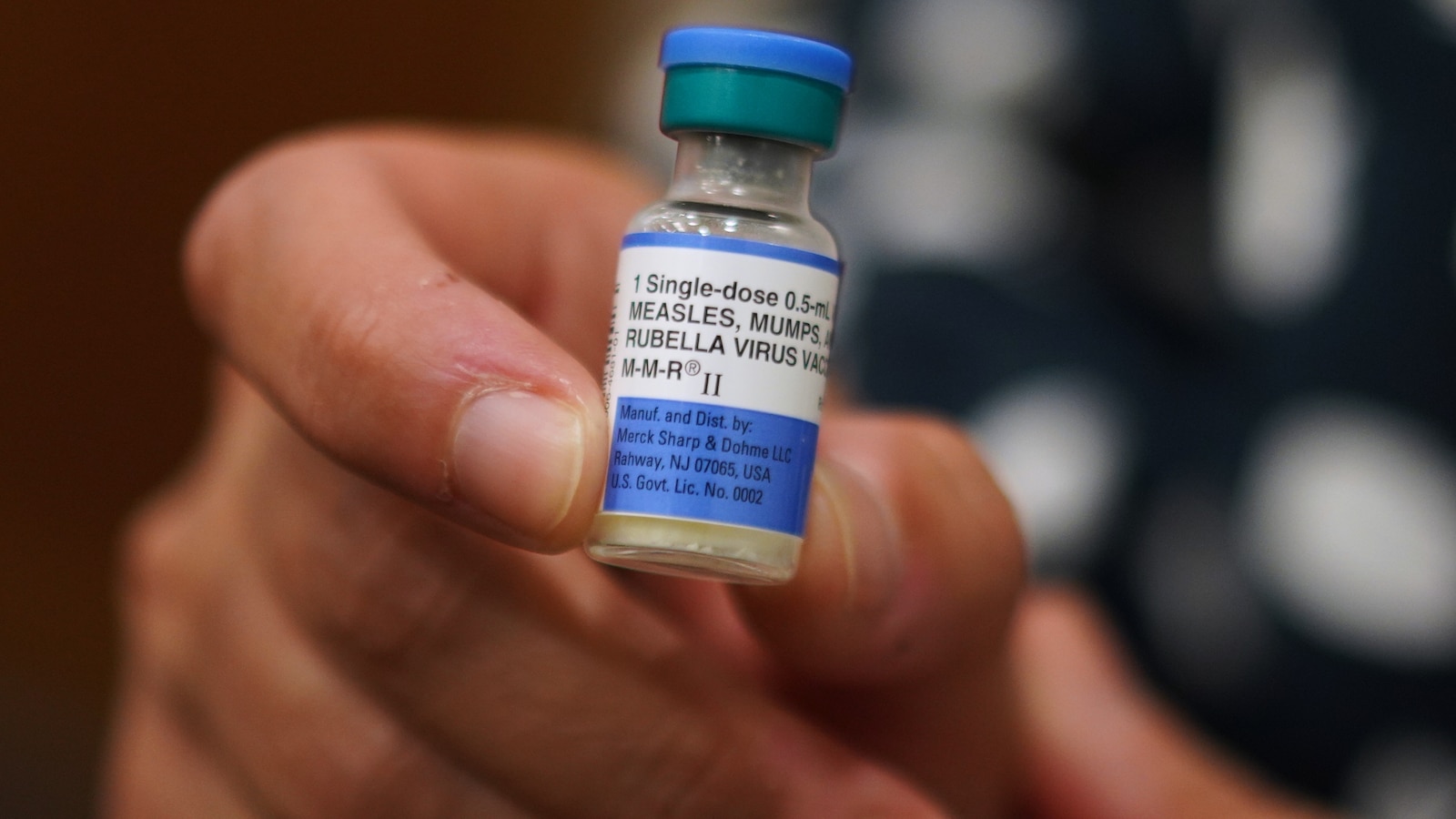
Now that measles is officially back in the U.S., some Americans are asking: Do adults need a booster shot?
Generally, experts say, the answer is no.
“Most people are protected without getting a booster shot” because they’ve either been vaccinated or had measles as kids, said Dr. Richard Martinello at Yale School of Medicine.
The U.S., Mexico and Bolivia lost their measles-free status this week after stubborn outbreaks erased decades of progress. Last year, Canada lost its measles-elimination designation.
Doctors say getting two doses of the measles, mumps and rubella, or MMR, vaccine is the best way to protect against one of the most contagious viruses in the world. The vaccine usually protects people for life, as does having had the disease. Americans born before 1957 are considered to have “presumptive evidence” of immunity because almost everyone back then got measles during childhood.
But doctors say certain people should consider getting boosters.
One group is healthcare workers born before 1957 without proof of immunity. They’re more likely than the general public to come in contact with people who have measles, so they may get it or even spread it to vulnerable patients.
Adults vaccinated between 1963 and 1967 also might want to think about boosters. During those years, some children received an inactivated vaccine that uses a killed version of the virus, which was less effective than the current vaccine containing live, weakened virus. Doctors said people who know they got the inactivated vaccine or aren’t sure should get at least one dose of the live MMR vaccine. One dose is 93% effective at preventing measles, while two doses are 97% protective.
Until 1989, only a single dose was standard. Now the recommendation is for adults to have at least one documented dose of MMR. Two doses are recommended for certain people in high-risk groups who don’t have other evidence of immunity.
“People who have had no shots should go get vaccinated, if they weren’t born before 1957,” said Dr. Joshua Sharfstein at Johns Hopkins Bloomberg School of Public Health. “If they have had only one shot, they may want to consider whether they’re in a risk group for a second shot.”
That risk group, he said, includes people in school, healthcare workers, international travelers or people living with family members who have compromised immune systems. In places with active measles outbreaks, health officials sometimes recommend that everyone have two shots, Sharfstein said.
For people who have only had one shot, especially in an area where measles is circulating, “it’s always a good idea to talk with your physician about whether another shot is needed,” Martinello said.
But what if you don’t know how many shots you received or even if you’ve been vaccinated?
The Centers for Disease Control and Prevention suggests asking your parents or doctor, checking with your high school or college health services or reaching out to previous employers that required immunizations. You can also try contacting your state’s health department; some states have registries that include adult vaccines.
If you’re still unsure about your vaccination status, you can talk with your doctor about an MMR immunity blood test that can show whether you have antibodies against measles. But Martinello said this isn’t an ideal measure of how safe you are from the virus. Though the test is accurate, he said, scientists don’t know how to link the result perfectly with the level of protection someone might have.
Regardless, doctors said getting a booster just to be safe won’t harm you unless you’re in a group that is not supposed to get the vaccine at all, such as pregnant women.
Now that measles is circulating in the U.S., doctors said it’s crucial to take measures to protect yourself.
“This is a moment to not just check for yourself, but also encourage others to make sure that they are adequately vaccinated,” Sharfstein said. “Too many people took measles for granted … or just didn’t think about measles. But now it’s something to think about.”
___
The Associated Press Health and Science Department receives support from the Howard Hughes Medical Institute’s Department of Science Education and the Robert Wood Johnson Foundation. The AP is solely responsible for all content.
HealthNews
Three dead amid respiratory virus outbreak in Washington County
WASHINGTON COUNTY, Maine —
Three people have died from a respiratory virus outbreak in Washington County, according to the Maine CDC.
A CDC spokesperson says higher than expected cases of the flu and COVID-19 are ongoing in Washington County, and they are also monitoring an instance of meningococcal disease, though they say that case is isolated and the risk to the general public contracting that disease is low.
A spokesperson for Worcester Wreath, the Harrington-based farm that works as a supplier to Wreaths Across America, says one employee and two others that worked for their contractors have died.
While the business could not comment on the workers’ medical circumstances, they said they are working closely with the Maine CDC and Maine Mobile Health Program to provide workers with guidance and care.
They believe the medical emergencies were unrelated to activities at their factory.
The Maine CDC says getting vaccinated is the best way to protect yourself and the community from major seasonal viruses.
Full Statement from Wreaths Across America
“Wreaths Across America was made aware of recent medical emergencies by our wreath vendor. While the individuals were not employees of Wreaths Across America, we have been informed that the incidents were unrelated to workplace activities. Out of respect for the privacy of those involved and their families, we have no additional information to share. ” – Grace Frye, Spokesperson for Wreaths Across America.
Full Statement from Worcester Resources, INC.
“We are saddened by the deaths of one of our employees and two individuals who worked for our contractors, and extend our sincere condolences to their families, friends and coworkers. Out of respect for the families’ privacy, we will refrain from commenting on individual medical circumstances.”
“Based on the information provided to us, the medical emergencies were unrelated to activities at our factory. We continue to work closely with the Maine CDC and Maine Mobile Health Program to provide workers with guidance and care, as we have for several years.” – Spokesperson at Worcester Resources, Inc.
HealthNews
Experimental Nose Drops Restored Fading Memory And Boosted Neuron Growth In Mice

One of the biggest challenges in treating Alzheimer’s disease is getting medication into the brain, because the blood-brain barrier prevents even beneficial substances from getting in.
But what if the human nose could be turned into a drug factory, manufacturing chemicals to reverse the effects of cognitive decline, and transporting them directly up to your brain?
We’re not quite there yet, but a new study in Advanced Science shows the concept actually works in mice, and it could pave the way for a radical new technique to fight dementia.
“If we can proceed quickly to clinical trials in humans, this approach could represent a world-first non-invasive delivery system to treat Alzheimer’s that bypasses the blood-brain barrier,” says geneticist Greg Neely from the University of Sydney.
The study follows in the wake of other recent breakthroughs that have used systems such as nasal sprays to administer specific compounds and sneak them past the blood-brain barrier.
But this one’s different again, and it’s related, at least in part, to advancements made during the COVID–19 pandemic, when mRNA vaccines helped immunize the world against the SARS-CoV–2 virus.
Here, a team from the University of Sydney packaged mRNA inside lipid nanoparticles, which were administered to mice through nose drops.
During the pandemic, mRNA vaccines instructed our cells to produce a harmless piece of the coronavirus, training our immune systems to recognize and fight the virus – which could be a life-saver if we later caught the real thing.
Here, the mRNA contained instructions for cells to make brain-derived neurotrophic factor (BDNF), a crucial protein that supports the survival and healthy functioning of neurons.
“BDNF is a particularly potent modulator of learning and memory, shown to enhance synaptic density and neurogenesis,” the researchers explain in their paper.
An abundance of BDNF is linked to healthy aging, whereas low levels are associated with Alzheimer’s disease.
But the results here suggest low levels of BDNF can be boosted via intranasal delivery of mRNA, based on what happened when the researchers administered the nose drops to aged mice (18 months old).
“In aged mice, we saw learning and memory significantly increased, returning animal cognition to its youthful prime,” Neely says.
Compared to control animals, the aged mice that received the nose drops performed significantly better in memory tests, reaching levels that were comparable to young mice.
Their brains also showed 2.4 times as many cells expressing doublecortin, a protein associated with the formation of new neurons, compared to control mice.
In a separate experiment investigating a mouse model of Alzheimer’s disease, the BDNF treatment produced similar results, showing increased cognitive and memory performance, along with increased levels of DCX-positive cells in the hippocampus, although the treatment didn’t appear to reduce levels of amyloid plaque in the brain.
While many studies have shown the therapeutic potential of intranasal BDNF delivery, the protein is known to rapidly degrade and break down in the nasal mucous membrane, which is a problem that’s compounded by nasal sprays being able to deliver only limited amounts of BDNF at a time.
In contrast, with their mRNA method, the body synthesizes its own BDNF within the nose, enabling direct access to the brain from the nasal cavity. Laboratory tests showed the mRNA-driven BDNF protein expression was detectable in cells for up to four days, demonstrating prolonged therapeutic exposure from a single dose.
For now, the technique has only been demonstrated in mice, but the researchers are focused on progressing the system towards clinical treatments, with hopes clinical trials could begin in the next two years.
“Before we can trial this therapy in patients, we need to perform a series of safety studies in animals,” Neely says.
“It is a very promising pathway but human noses are different from mouse noses, so we will need to test our drugs in humans to before we know whether it will work.”
If it does, the researchers say the mRNA instructions could also potentially be used to enhance other neurotrophic proteins in the human brain, such as nerve growth factor (NGF) and glial cell line-derived neurotrophic factor (GDNF).
In the case of BDNF, the fact that the nasal delivery boosted cognition without reducing amyloid pathology suggests the treatment can still improve brain health, even if it can’t replace neurons already lost to the disease.
For patients who already have Alzheimer’s, that could mean the world.
Up until now, multiple prospective Alzheimer’s treatments seemed to achieve the opposite: successfully reducing amyloid clumps, but not restoring cognition.
By combining the interventions, we may be on the verge of a vital complementary solution.
“Our approach seems to work not by clearing plaques but by supporting the health, survival and connectivity of neurons themselves,” Neely says.
“It raises the possibility these therapies could eventually work alongside each other.”
HealthNews
Respiratory illnesses surge across US as CDC warns of unusual trends
(NewsNation) — Several respiratory illnesses are circulating across the U.S., with health officials warning some viruses are showing unusual trends for this time of year.
According to the Centers for Disease Control and Prevention, four illnesses in particular have recently drawn attention because of increased activity.
Emergency room visits for acute upper respiratory infections, sore throats, pneumonia and bronchitis were being reported through Halloween, with some illnesses climbing at surprising rates.
In North Carolina, respiratory illnesses are increasing as state health officials report nine flu-related deaths, according to WTVD-TV. Health care providers say flu activity continues to climb and has not yet reached its seasonal peak.
Doctors at UNC Health are also reporting more children with common colds, the outlet reported. With the holiday season approaching, some parents say they are taking extra precautions to avoid getting sick.
The increase in respiratory illnesses has also prompted a suburban Chicago hospital to limit the number of support people allowed to wait in its emergency room, WMAQ-TV reported.
Here’s a closer look at the illnesses currently circulating, according to the CDC:
Group A strep infections
Group A strep infections began increasing as children returned to school this fall but have since stabilized, the CDC reported.
Most cases have involved strep throat or scarlet fever, two infections caused by group A strep bacteria.
However, the bacteria can also cause more serious conditions, including streptococcal toxic shock syndrome and necrotizing fasciitis, commonly known as flesh-eating disease.
Rhinovirus/enterovirus and respiratory adenovirus
Rhinovirus and enterovirus cases remain elevated nationally, while respiratory adenovirus activity is elevated in some regions, according to CDC data.
Although these trends are expected for this time of year, the viruses could be contributing to increased coughs, fevers, nasal congestion and shortness of breath.
More severe infections can also lead to bronchitis or pneumonia.
There are currently no vaccines available to the public for these illnesses. The CDC recommends preventive measures such as frequent handwashing, cleaning surfaces and staying home when sick.
In the Chicago area, medical experts have also reported an increase in rhinovirus and enterovirus cases, WMAQ reported.
Mycoplasma pneumoniae
While cases remain low in most parts of the country, respiratory infections caused by the bacteria Mycoplasma pneumoniae are also being monitored.
The bacteria can cause walking pneumonia, a respiratory infection that may lead to chest congestion and, in some cases, pneumonia, the CDC reported.
Whooping cough: Pertussis
Whooping cough, also known as pertussis, is a highly contagious respiratory infection that continues to circulate, even though cases remain below post-pandemic peak levels.
The CDC warns that infants younger than a year old are at the highest risk of severe illness and complications.
“The best way to prevent complications from whooping cough is to get vaccinated,” the agency said.

Fiona the hippo under care after swallowing a hat at Cincinnati Zoo. #BBCNews


32 years after killing her sons, Susan Smith seeks parole. Her ex-husband speaks out
It was a case that gripped the nation, Susan Smith murdered her two young sons in 1994. Now she's up...


Harry Styles and Billie Eilish among Glastonbury headliners | BBC News
Harry Styles will make his Glastonbury festival debut next year as one of the event's headliners, alongside Sam Fender and...


College basketball rankings: Duke plummets in updated Top 25 And 1 after embarassing home loss to Illinois
There were two ranked-on-ranked matchups in college basketball Tuesday. Both looked great on paper. Neither were competitive on the court....


Rep. Hakeem Jeffries says he will 'fight' for Americans after winning House speaker nomination
Democrats chose Rep. Hakeem Jeffries to be House speaker nominee when a new class of Congress starts in January. It...


Is GTA 6 destined to become a generational cultural zeitgeist? | BBC News
After 13 years of waiting, record-breaking trailers and lengthy delays, does Grand Theft Auto 6 live up to the hype?...


Selling Sunset Season 10 Trailer Teases Christine Quinn’s Dramatic Return
Christine Quinn is returning to Selling Sunset after four years away, and the Season 10 trailer makes it clear that...


NSA fix ‘slower than expected’; FAA approved repairs before ground stop
System patching to restore access to a downed classified network at the National Security Agency is going “slower than expected...


FBI official declines to name any right-wing terror groups
FBI Co-Deputy Director Christopher Raia was asked by Rep. Bennie Thompson about the three components that an organization …


Warner Bros. TV & Paramount TV Studios To Merge Dungey & Thunell
Just like Paramount Television Studios’ first iteration, PTVS 2.0’s run as a standalone label was short-lived. A month after the...
-

 HealthNews2 weeks ago
Thousands of bottles of blood pressure medication recalled by FDA
-

 Politics1 week ago
60 Minutes Transcript: Donald Trump, the 2026 post-midterm elections interview
-
Tech1 week ago
Photos Show Jensen Huang and Alice Huang Together Over 3 Years
-

 Business2 weeks ago
Top Democrats call to rein in AI buildout after midterms sweep: ‘National data center moratorium now’
-

 Blog2 weeks ago
Blog Title: How Artificial Intelligence Is Changing Everyday Life in 2026
-

 Blog1 month ago
Kelly Clarkson’s Art of Play Visit Revealed in Security Footage
-
 Blog4 weeks ago
2026 US Midterm Elections: Key Issues That Could Shape America’s Political Future
-

 Blog4 weeks ago
AI and Data Centers Become Major Issues Ahead of the 2026 US Midterm Elections