
HealthNews
Is beef jerky healthy?
Whether it’s tucked into a hiking backpack, grabbed at a gas station or stashed in a desk drawer, beef jerky has the staying power that most snacks are missing. It’s tasty, travels well, requires no preparation “and it makes it easier to meet our protein needs while helping us stay satisfied between meals,” says Yasi Ansari, a registered dietitian nutritionist and Los Angeles-based certified specialist in sports dietetics.
But does all that flavor and convenience make it good for you? The answer depends on what’s in each bag and how often you reach for it.
Here’s all you need to know about which nutrients beef jerky actually provides, its known drawbacks and what to look for on the label of your favorite brand.
What is beef jerky?
Commercial beef jerky is prepackaged, dehydrated red meat typically made “from lean cuts of beef that are seasoned, sliced into thin strips and then dried,” explains Ansari. Seasonings usually include salt, pepper, soy sauce and sugar, though recipes vary.
Making jerky safely also requires killing harmful bacteria. To do so, the beef is “heated for safety − a minimum internal temperature of 160 degrees Fahrenheit − then dried to remove moisture, sometimes with additional curing or smoking,” says Erin Palinski-Wade, a New Jersey-based registered dietitian and author of “2 Day Diabetes Diet.” This results in jerky’s signature chewy texture and concentrated flavor.
Beef jerky can also be made at home using an oven and food dehydrator, but the U.S. Department of Agriculture still recommends heating the meat to an internal temperature of at least 160 degrees before dehydration because drying alone may not kill harmful bacteria.
Ansari notes that once sealed and packaged, shelf-stable jerky generally doesn’t require refrigeration before opening because removing moisture limits microbial growth, while intact packaging helps protect it from outside moisture and contamination.
Together, these steps help the jerky keep longer, but Ansari says you should still follow the package’s storage instructions once the seal is broken and the product has been newly exposed to air.
Is beef jerky good for you?
Beef jerky can provide many important nutrients, but protein is the standout with “many products providing around 10 to 15 grams of it per serving,” Palinski-Wade says. “Protein is essential for muscle maintenance and repair,” she explains, and it also supplies building blocks for enzymes, key hormones and antibodies that help protect against infection.
“The protein in jerky can also work well as part of a recovery snack after exercise,” adds Ansari, “and pairing it with fruit or whole grains adds carbohydrates to further help replenish energy used during activity.”
Jerky also supplies iron, “which supports oxygen transport and energy production,” Ansari says. The dehydrated meal also provides zinc, “which supports immune function and wound healing,” says Palinski-Wade, along with supporting the body’s ability to make DNA. And jerky contains phosphorus, which helps keep bones and teeth strong; and vitamin B12, “which supports healthy nerves and red blood cells,” Palinski-Wade says.
In addition, jerky is relatively low in calories − typically 80 to 120 calories per ounce − which means it provides all these nutrients without using up a large share of your daily calorie budget.
Can you eat beef jerky every day?
Despite having so many nutritional advantages, there are some considerations to be mindful of if eating beef jerky often.
“The biggest concern of eating jerky regularly is the sodium content,” says Palinski-Wade, with some servings containing 500 milligrams or more. Excess sodium can raise blood pressure and increase the risk of kidney disease, which is why Ansari especially urges caution for people with hypertension, a history of kidney stones or heart disease. To reduce sodium intake, Palinski-Wade suggests “aiming for jerky varieties with less than 20% of the Daily Value from sodium per serving.”
And varieties sweetened with brown sugar, honey, molasses or maple syrup add sugar and calories, cautions Palinski-Wade. A one-ounce serving of jerky can also contain more than 7 grams of total fat, including more than 3 grams of saturated fat, though leaner products can contain less. Too much saturated fat can raise LDL, or “bad,” cholesterol, and increase the risk of cardiovascular disease.
Jerky is also a processed meat, and the World Health Organization says that processed meat consumption can cause colorectal cancer. The organization notes that this risk increases as consumption increases − though its findings address processed meats overall, rather than quantifying the risk from a particular jerky brand.
With that concern in mind, Ansari also suggests checking for added nitrates. While these preservatives help prevent bacterial growth, they can also contribute to the formation of potentially cancer-causing compounds.
In the end, “beef jerky can fit into a healthy and active lifestyle,” Ansari says, “but my goal as a dietitian is to encourage eating more whole, minimally processed foods when able to − so for beef jerky, the goal is moderation.”
HealthNews
Popular weight-loss drugs may prevent prediabetes from turning into diabetes

NEWYou can now listen to Fox News articles!
Adults with prediabetes and obesity who took GLP-1-based medications had a 31% lower risk of developing type 2 diabetes and a 41% lower risk of death compared with those taking metformin.
Metformin is an oral medication used primarily to treat type 2 diabetes, widely considered the first-line treatment, combined with lifestyle modifications. It is also sometimes prescribed to people with prediabetes to help prevent or delay progression.
The findings, which come from a large observational study, are set to be presented at the American Heart Association’s Scientific Sessions 2026 this weekend in Chicago. They have not yet undergone the full peer review process.
DR OZ LINKS OBESITY TO CHRONIC DISEASE SURGE, SAYS GLP-1S CAN ‘JUMPSTART’ BETTER HEALTH
The study involved health records for 256,492 adults with prediabetes and obesity, averaging 52 years of age.
Approximately half of the group received GLP-1 (glucagon-like peptide-1 receptor agonists) medications – including semaglutide, tirzepatide, liraglutide and dulaglutide – and half received metformin.
Based on a three-year follow-up, in addition to the lower risk of diabetes and all-cause mortality, GLP-1–based medications were associated with 20% fewer strokes, 15% fewer heart attacks and 25% fewer cases of heart failure.
“The 41% lower risk of death from any cause surprised me most,” study author Vinicius de Sousa Barzon Serra, M.D., a research fellow in the department of cardiovascular medicine at the Mayo Clinic in Scottsdale, Arizona, told Fox News Digital.
“I expected GLP-1 medications to do better than metformin on blood sugar and diabetes risk, because they lead to much more weight loss. I was also struck that the benefit appeared across many outcomes, including heart attack, stroke, heart failure and atrial fibrillation.”
POPULAR DIET SLASHES LIVER FAT BY 67% WHILE REVERSING PREDIABETES IN SOME PEOPLE
Nearly 40% of U.S. adults have prediabetes, according to statistics from the AHA. That condition is marked by blood sugar levels that are above normal but not yet elevated enough for a diabetes diagnosis.
As many as 10% of those with prediabetes will go on to develop type 2 diabetes each year.
CLICK HERE FOR MORE HEALTH STORIES
“Most earlier research on these medications focused on people who already had diabetes,” Serra noted. “Our study suggests the prediabetes stage may be an important time to consider them, rather than waiting until they develop type 2 diabetes.”
The study did have some limitations. While it found a link between GLP-1 medications and better health outcomes, it does not prove that the drugs were responsible.
CLICK HERE TO SIGN UP FOR OUR HEALTH NEWSLETTER
The findings are preliminary until published in a peer-reviewed journal, Serra noted.
“We matched patients by age, health conditions and other characteristics to make the groups comparable … even so, other differences between the groups may remain,” he said. “We also grouped the GLP-1 medications together, so we could not tell whether individual drugs differ.”
The study relied on patients’ electronic health records, which may have contained missing or incorrect information. It is also possible that factors not measured in the study, such as medication dosage and compliance, could have influenced the results, the researchers noted.
TEST YOURSELF WITH OUR LATEST LIFESTYLE QUIZ
People with prediabetes and obesity should talk with their doctor about all their options and should not stop or change any medication on their own, Serra advised.
CLICK HERE TO DOWNLOAD THE FOX NEWS APP
“Metformin is a safe, inexpensive option with a long track record, and lifestyle changes such as healthy eating, regular physical activity and weight management remain the foundation of treatment,” he emphasized to Fox News Digital.
HealthNews
8th measles-related death reported in Wisconsin: Health officials
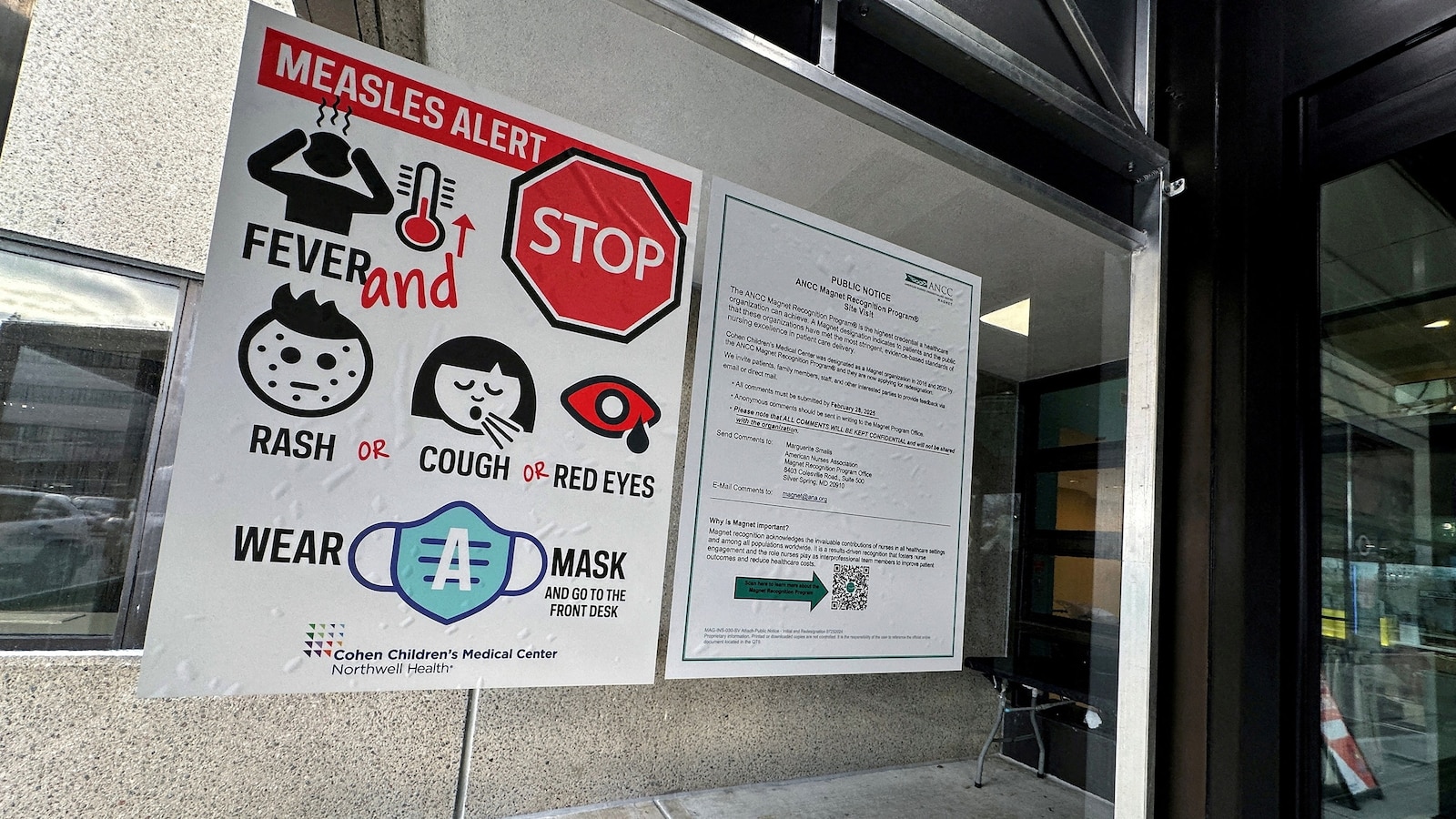
An infant in Wisconsin has died from measles, the state health department said Thursday.
It’s the first death in the state since 1990. This brings the total number of measles deaths reported by state health departments across the country to eight: six in Pennsylvania, one in New York and one in Wisconsin.
Wisconsin has reported 431 measles cases so far this year, the highest number in the state in more than 35 years. Nine people have required hospitalization, according to health officials.
“It is with a heavy heart we are reporting the first death of an infant connected with a measles outbreak in Wisconsin in many years. My heart is broken for the family,” Wisconsin Department of Health Secretary Kirsten Johnson said in a press release. “Any death of a child is a tragedy and even more so when it is related to a vaccine-preventable disease. Measles can cause serious illness and death, and it is important for all Wisconsinites to evaluate their risk and take steps to protect themselves and their family.”
At least 96% of measles cases in the U.S. this year have been among people who are unvaccinated or whose vaccination status is unknown.
Early symptoms include cough, runny nose, fever as high as 104 degrees Fahrenheit and red, watery eyes, according to the Centers for Disease Control and Prevention (CDC).
Two to three days after symptoms start, patients may develop Koplik spots, which are tiny white spots that may appear inside the mouth on the inner cheek.
Three to five days after symptoms start, patients may experience a rash, first appearing on the face at the hairline before moving downwards to the neck, chest, stomach, arms, legs and feet. Fever may spike even higher than 104 F when the rash appears, the CDC says.
Nationally, more than 4,800 measles cases have been confirmed this year in the U.S., with infections reported in almost every state, according to the CDC. It’s the highest number of illnesses from measles since 1991.
The CDC currently recommends that people receive two doses of the MMR vaccine, the first at ages 12 to 15 months and the second between 4 and 6 years old. One dose is 93% effective in preventing measles infection, and two doses are 97% effective, the CDC says.
Infants aged 6 to 11 months living in or traveling to high-risk outbreak areas may receive an early third dose of the MMR vaccine.
HealthNews
A Simple Salt Switch Could Save Millions of Lives Annually
A simple switch in the type of salt we use in our food could have huge health benefits worldwide, research out this week suggests.
Scientists in Australia and the U.S. calculated what might happen if we replaced standard table salt with a lower-sodium version that includes potassium under different scenarios. Up to three million deaths from cardiovascular disease and chronic kidney disease could eventually be prevented globally every year, they estimated. Numerous health groups have called for the widespread adoption of potassium-enriched salt, citing the known health risks of having too much sodium in our diet.
“The projected benefits are substantially greater than those anticipated from sodium reduction strategies alone, reflecting the combined effects of reduced sodium exposure and increased potassium intake,” the authors wrote in their paper, published Wednesday in Nature Health.
A healthier salt
Delicious as a little dash of table salt (sodium chloride) can be in a meal, one of its key ingredients comes with a real drawback. Regularly consuming too much sodium can raise our risk of high blood pressure and other cardiovascular problems, including heart failure. And just about everyone is eating more sodium than they should. On average, Americans consume more than 3,300 milligrams of sodium per day, well above the recommended limit of 2,300 milligrams a day.
Efforts to convince people to directly cut salt and sodium from their diets have basically been a failure, and people aren’t rushing out to buy the low-salt versions of popular foods. But in recent years, a new strategy has emerged. Potassium chloride is also an edible and cookable salt, and it’s now regularly used as a partial substitute for table salt.
Pure potassium chloride tends to taste bitter, but most people seem to be perfectly content consuming versions that only contain some potassium. A 2016 trial, for instance, found that 80% of participants either couldn’t tell the difference or even preferred a 30% potassium mix over regular salt; more than 90% thought the same for a 15% mix. Most importantly, studies have consistently shown that people who adopt potassium-enriched salt consume less sodium and experience less cardiovascular disease.
Given these results, the World Health Organization last year endorsed the wholesale switching of table salt to potassium-enriched salt (a 25% mix) for the general public as one of several ways to curb sodium intake. For this latest study, the researchers wanted to model the likely impact of such a switch.
They mapped out five different scenarios. The smallest change would only involve people getting treated for hypertension and switching the salt they use at their own discretion, while the largest would swap out all table salt in our food supply for a 25% mix of potassium.
In the most sweeping scenario, where all salt is substituted, 2.96 million deaths and 10.17 million new cases of cardiovascular disease would likely be prevented annually, they found. And even in the least sweeping scenario, roughly a half million deaths would still be prevented every year.
What this could mean
These numbers, of course, are only projections. And the researchers point out that even if everyone were on board to start swapping out our table salt, it would probably still take many years and plenty of effort to implement such a change, so these benefits wouldn’t be immediate.
It’s also important to note that potassium-enriched salt isn’t without its potential risks either. People can have too much potassium in their system, a condition known as hyperkalemia, and there are certain medical issues that noticeably raise the odds of hyperkalemia, namely chronic kidney disease. Thus, people with chronic kidney disease could possibly be harmed by the widespread inclusion of these salts in the food supply. That said, even these populations might still benefit overall from a switch, since they tend to develop cardiovascular issues, too. The researchers here estimated that more than seven cardiovascular deaths could be prevented for every one death that might be caused in people with chronic kidney disease.
Regular old salt is likely to stick around on our dinner tables for the foreseeable future. But if you’re worried about your own sodium intake and cardiovascular risk, switching over to potassium-enriched salt seems like an easy lifehack. Who knows, you just might be an early trendsetter.
HealthNews
Where you get your protein affects your testosterone: study

Testosterone is definitely having a moment.
Men much younger than those traditionally affected by “low T” are suddenly concerned about their levels, even self-administering testosterone replacement therapy (TRT) and potentially destroying their own fertility in the process.
But what if meat actually lowers the very thing many men consider to be the ultimate measure of masculinity?
Research suggests men might want to instead turn their attention to what they’re eating for dinner.
A study from Finland found that the more animal protein men ate, the lower their testosterone levels. Conversely, eating more plant-based protein raised them.
It may be a sign that carnivores should turn over a new leaf.
What researchers found
Researchers looked at the diets of 2,546 men aged 42 to 60 over four days.
On average, participants ate more animal protein compared to the plant-based stuff, accounting for 70% of the men’s total protein intake.
Participants then gave two testosterone measurements via blood test, total testosterone and sex hormone-binding globulin (SHBG), which helps testosterone move around the body.
Researchers found that diets heavier in animal protein were associated with lower levels of both testosterone and SHBG.
Men eating the most animal protein and the least plant protein had 1.2 nmol/L lower testosterone. This translates to about a 8% difference in testosterone levels in an average 40 to 44-year-old man, based on numbers found in a different study.
Whereas those with the highest plant protein (and least animal protein) had 1.1 nmol/L higher testosterone, roughly a 7% difference from the same average man in his early 40s.
In other words, eating more meat was associated with lower T levels, while eating more plant protein was associated with higher testosterone.
Why plant protein may be better
Researchers found that those who ate more animal protein also had higher BMIs, were more likely to smoke, drank more alcohol and were more likely to have diabetes.
Meanwhile, eating more plant-based protein was associated with more physical activity, more fiber, more fruit and vegetable consumption and less smoking and saturated fat intake.
Why the difference? Authors say plant protein may reduce inflammation. Higher inflammation is linked to lower testosterone secretion.
Legumes ( including lentils, soybeans and tofu), nuts, seeds and whole grains like quinoa and farro are great sources of protein. Plus, they have the added perk of fiber and antioxidants.
Meanwhile, animals are still the main source of protein for people in the US.
While they have the benefit of being “complete” — containing all nine essential amino acids — red meat, and processed meat especially, have higher levels of unhealthy saturated fat.
Increased consumption of red meats have been linked to heart disease, stroke and cancers.
HealthNews
Peanut allergy study finds babies should be retested. Here’s what parents should know.
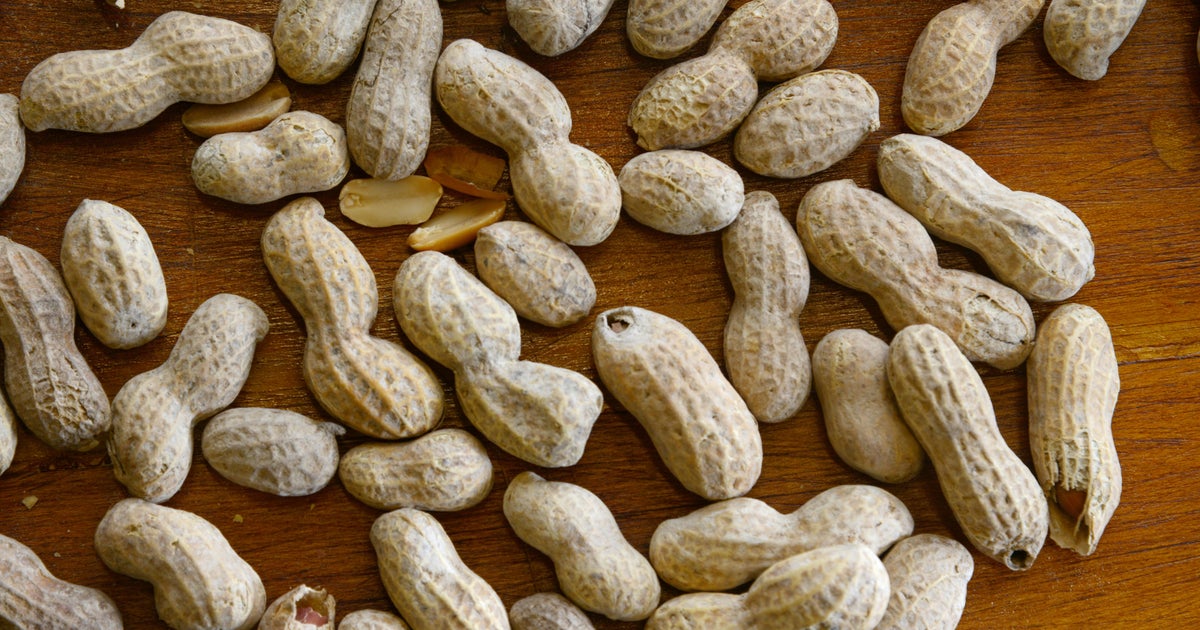
It’s one of the most common hardships for parents with young kids — policing what their children eat when they are diagnosed with a peanut allergy.
About one in 50 kids in the United States has a peanut allergy. But a new study from Australia shows parents should consider having their kids retested.
More than one-third of babies thought to have a peanut allergy could safely have the diagnosis removed, according to research from the Murdoch Children’s Research Institute and the National Allergy Centre of Excellence, published this week in The Journal of Allergy and Clinical Immunology.
Infants in the study had recently had a reaction to peanuts and then tested positive for a peanut allergy. However, 34.8% of those infants who tested positive were then found not to have an allergic reaction when given slowly increasing doses of peanuts under strict medical supervision, according to the study.
Oral food challenges aren’t being used enough, according to those who conducted the study, as most parents rely on testing alone.
“Oral food challenges are not currently used routinely for every infant with suspected peanut allergy,” National Allergy Centre of Excellence Director Kirsten Perrett said in a statement. “But our results show that clinical history and allergy testing alone were not enough to accurately diagnose peanut allergy in many cases. A supervised oral food challenge should be routinely considered to confirm the diagnosis before an infant starts oral immunotherapy.”
Those who did not have an adverse reaction during the oral food challenge were considered peanut tolerant and had their allergy label removed, according to the study.
But parents should never attempt doing a similar challenge on their own, experts warn.
“If you have an infant that was diagnosed with a peanut allergy, it may make sense to have a conversation with your allergist about … an oral food challenge,” CBS News medical contributor and immunologist Dr. Tania Elliott told “CBS Mornings.” “This is not something to try at home — 12% of those babies had anaphylaxis. OK, so this needs to happen in a monitored setting in the doctor’s office, where they’re given small amounts of peanut to determine if they’re still allergic.”
“And all children should be retested, even if they have allergies, every year to determine whether or not they still have the allergy,” Elliott added.


Henry Nowak killer's minimum jail term increased to 25 years. #BBCNews


Luigi Mangione’s cousin wins election in Baltimore
Republican Nino Mangione, a cousin of Luigi Mangione, defeated Democrat Shawn McIntosh to win the Baltimore County …


Democratic socialist ousts Karen Bass in LA mayoral shakeup
CNN projects progressive democratic candidate Nithya Raman will defeat incumbent Los Angeles Mayor Karen Bass in a …


Italian chef fired after refusing to put pineapple on pizza. #Brisbane #Pizza #BBCNews


Russell Brand found guilty of rape and sexual assault | BBC Newscast
Today, comedian and actor Russell Brand has been found guilty of rape and three sexual offences and remanded in custody...


Dems flip 8 more GOP seats today, expanding House majority
The Democrats' midterm election gains continue to grow. Two days after the election, eight more House seats flipped to the...


Will President Trump fire Secretary Hegseth?
CNN's Jake Tapper breaks down growing Republican anger over Defense Secretary Pete Hegseth and his role in the war with...


Russell Brand found guilty of rape and three sexual assaults. #BBCNews


Inside a Mississippi election office in too-close-to-call vote count
With Democratic Senate candidate Scott Colom leading by a razor-thin margin on Thursday, CNN's Annie Grayer went inside an …


Democrats make ending war in Iran a priority after sweeping midterms wins | BBC News
Democrats say they want to end the war in Iran as one of their top priorities, after taking control of...
-

 HealthNews2 weeks ago
E. coli cases possibly linked to Bengtson’s Pumpkin Farm, Will County health officials say
-

 Tech2 weeks ago
Trump issues AI, data center position; Anthropic CEO defends safety record, sales to China
-

 Business2 weeks ago
United Airlines set to open its biggest airport lounge in Houston
-
UsaLocalNews2 weeks ago
Toledo toxic chemical release prompts evacuations, smell: Updates
-
Business2 weeks ago
Anthropic to publicly file for IPO as early as Friday, sources say
-

 Entertainment2 weeks ago
Sean ‘Diddy’ Combs Faces New Prison Reality After Solitary Confinement Drama
-
Sports2 weeks ago
He paid $5,000 for Clavicular’s ‘Camp Looksmax.’ Now he wants surgery
-

 HealthNews2 weeks ago
Norovirus outbreak confirmed at metro area elementary school with around 85 cases reported