Food
The Best Bars in Miami Right Now
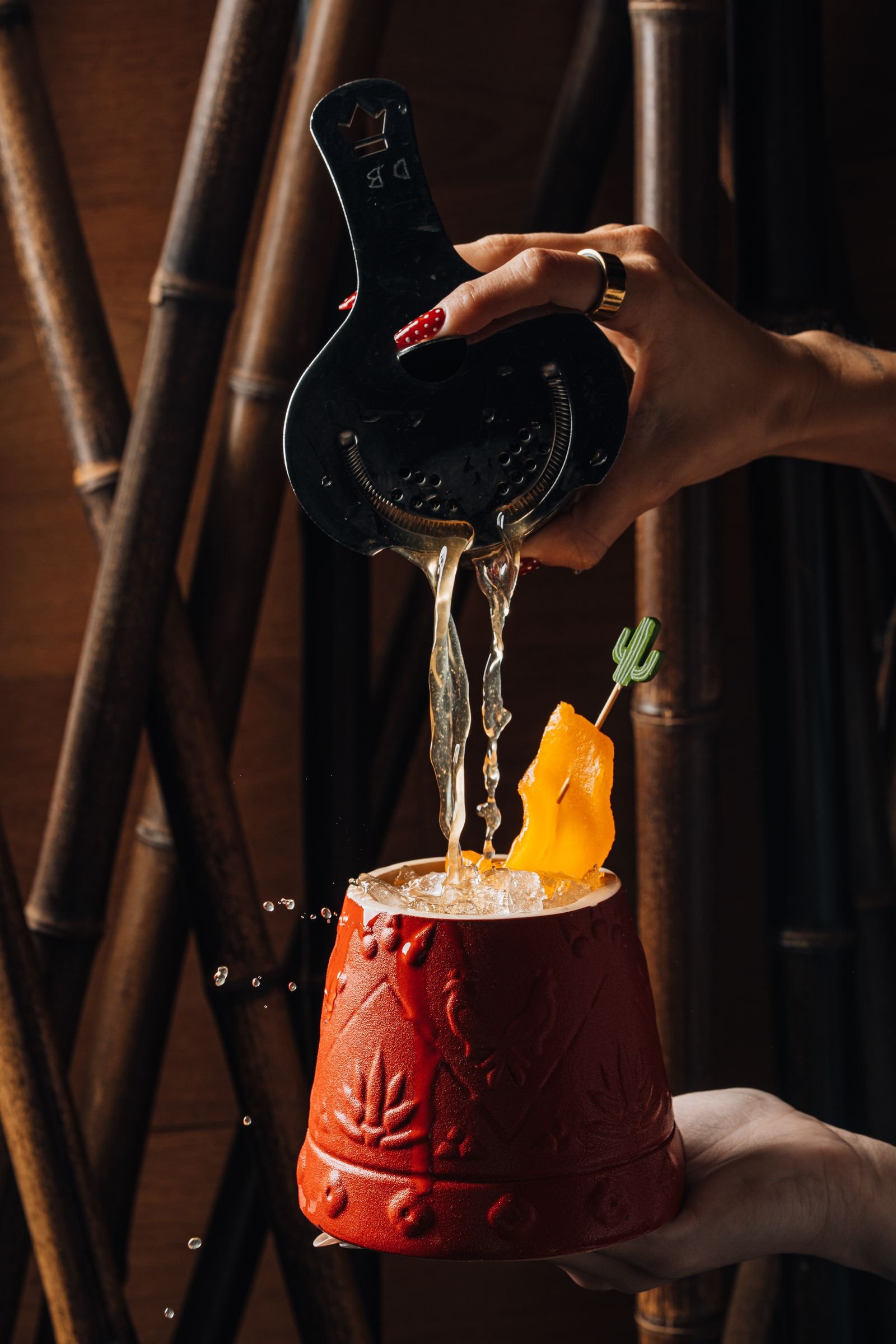
Don’t Miss: The Surf Club Cosmo modernizes the classic Grey Goose and Cointreau blend by replacing the traditional orange twist with a tableside mist of proprietary citrus spritz.
801 Brickell Ave, Miami, FL 33131
@komodomiami
One of the early pioneers of the craft cocktail in Downtown Miami, Komodo is the definitive nightclub-restaurant” hybrid. Conceptualized by hospitality mogul David Grutman, whose fingerprints are all over Miami, the space is a multi-level playground featuring “bird’s nest” floating seating and luscious, tropical decor. The Brickell restaurant just celebrated a decade, a feat in the fickle Miami bar scene. The vibe here is electric and communal—a mix of locals who come here for after-hours drinks at the bar and celebrity-hunting tourists. Ten years in, the quality and pageantry remain high, signaled by the spectacle of the roasted Peking ducks hanging in the entryway. The cocktail menu leans into bright Southeast Asian flavors—think lychee, yuzu, and ginger—designed to be sipped while navigating a room full of Miami’s most stylish denizens.
Don’t miss: A potent, fruity blend of Grey Goose vodka, ginger, sparkling sake, passion fruit, and yuzu, the Ginger Passion Fruit Mule is as bold as the lounge’s red-lit interior.
Perched on the 40th floor of the EAST Miami hotel in Brickell, Tea Room is a Hong Kong-inspired speakeasy. Following the success of the Sugar, the hotel’s lush rooftop lounge, Tea Room provides a more sultry experience. The design features dark woods, moody plush seating, and floor-to-ceiling windows that transform the sprawling view of Downtown Miami into a cinematic backdrop. The brooding vibe leans heavily into nightclub territory, with a nightly DJ spinning deep house to a sophisticated crowd. The bar’s five-course Asian Night Brunch” journeys through hamachi crudo and wagyu gyoza, but the cocktail program is the true draw, focused on bright, fresh flavors.
Don’t miss: The Yuja-Cha is a sleek, minimalist hit, blending lemon curd vodka, bergamot, and yuzu into a carbonated cocktail served over a single ice block.
8300 NE 2nd Ave, 2nd floor, Miami, FL 33138
@bar_kaiju
Venture past the first-floor vintage thrift store and ascend to the second-floor hideaway in The Citadel food hall in Little River to Bar Kaiju, a quirky, high-concept masterpiece. What was meant to be a six-month pop-up bar has turned into a three-year residency with a fierce cult following. Dedicated to vintage Asian cinema, the interior is brimming with Godzilla figurines and anime posters under the glow of Janese per lanterns. “Kaiju” translates to “strange creature” or “monster” in Janese, and the bar’s offerings indeed lean mythological. The drink menu is presented as a deck of Pokémon-like trading cards, each featuring a cocktail styled after a different folkloric beast from around the world. While the rest of the food hall closes around midnight, Bar Kaiju stays bumping until 2 a.m on the weekends, a haven for those who want to geek out over obscure fermentations in a space that doesn’t take itself too seriously.
Food
After Testing 31 Toasters, I Found a Winner for Every Shade of Toast Lover
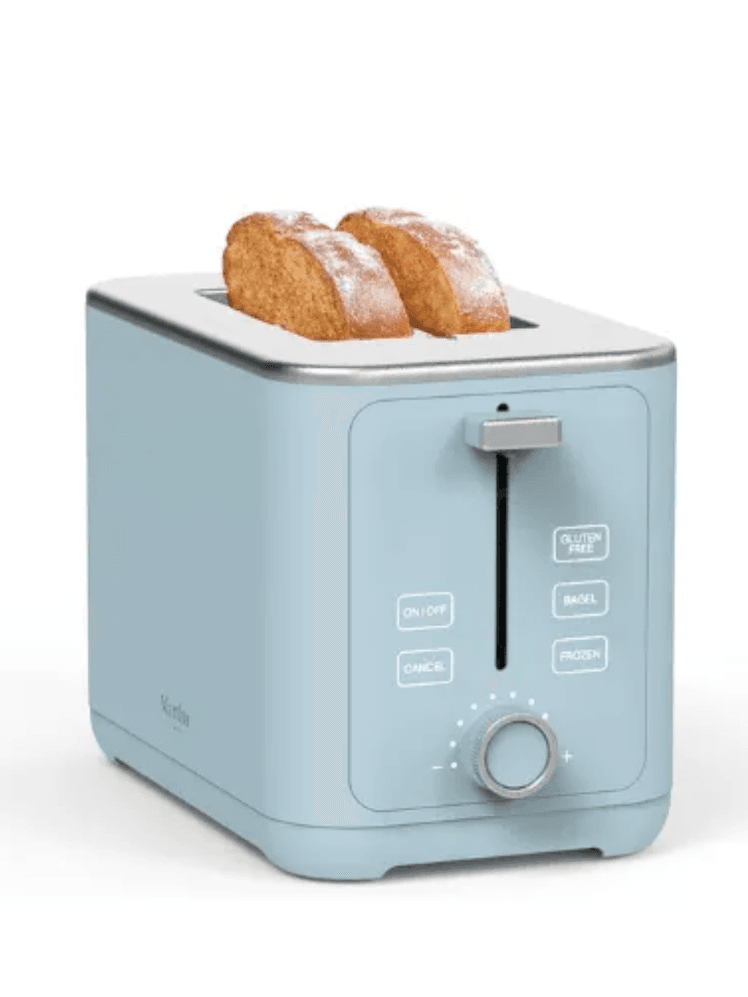
What makes a good toaster
- Build quality: A toaster should feel sturdy, with no wobbling, flimsy levers, or loose buttons. Beyond the body itself, I paid attention to the lift lever and any knobs or dials. Thoughtful construction shows up in the details.
- Large item cacity: A good toaster should handle more than standard sandwich bread. The best ones can accommodate a variety of sizes and shes, lowering each piece fully and toasting it evenly all the way through.
- Browning range: There should be a clear, consistent gradient from barely toasted to deeply browned, with a noticeable difference between each setting. If the lightest and darkest settings look the same, that’s a problem.
- Defrost without over-toasting: A defrost function is only useful if it works. Too many toasters spit out frozen waffles that are burnt on the outside, cold in the middle, or just soggy. The best ones thaw and toast in a single cycle, producing results that are warm, crisp, and cooked through.
- Intuitive settings: Toasters don’t need to be complicated. The best models keep controls straightforward with clear knobs, simple buttons, and no unnecessary features getting in the way of good toast.
Other toasters we liked
Martha Stewart 2-Slice Toaster
This toaster from Martha Stewart’s brand-new line of countertop pliances performed well in my most recent round of testing. The sleek touchscreen interface includes a whopping 10 different browning settings, which is impressive (if perhs a tad excessive) and means this toaster is a good option for anyone who wants ultra-precise control over exactly how golden their carbs are. I ultimately felt that the Beautiful toaster accomplished a similar look, feel, and performance quality at a lower price point, but I’d still recommend the Martha toaster if it peals to you.
Smeg 2-Slice Toaster
Not only does the Smeg look nice, it’s also a dream to use—glossy cherry red exterior, chrome lever, and intuitive control knob that satisfyingly clicks into place as you select your toasting preferences. While it toasts evenly on all temperature settings, we did notice it runs a little hot and slices could come out darker than expected or even burnt. But we did like the generously sized slots, which could fit hunks of sourdough, and the slide-out crumb tray that makes cleanup a breeze. Overall it’s a great toaster, but an expensive one. We found other models to be better values. Still, we’d recommend this in a heartbeat to anyone who prioritizes style in their kitchen pliances.
Breville Die-Cast Toaster
Breville Die-Cast Toaster
The two-slice version of our favorite four-slice toaster, the Breville Die-Cast, looks sleek, works like a dream, and has the hefty price tag to go with it. Unlike some models, the Die-Cast has no lever, only buttons. You adjust your setting, press a button, and watch your slice get magically lowered away and pushed back up for your enjoyment when it’s done. The design is also friendly for small spaces—all the controls are on the short side of the toaster instead of the wide side. This makes it easier to nestle in a small spot in your kitchen. Still, the Die-Cast’s a good $60 more than the ‘A Bit More,’ which might push it out of your price range.
Oster Jelly Bean
Oster Jelly Bean 2-Slice Toaster
Haden Dorset 2-Slice Toaster
Haden Dorset 2-Slice Toaster
I was charmed by the retro design of this toaster from Haden. Its simple interface is intuitive to use but has everything you need to get the job done: a dial for switching between the six browning levels, and Defrost, Bagel, and Cancel buttons. I didn’t feel it was able to achieve quite as evenly browned results as our top pick, and I thought the different shade settings lacked a bit of variety from each other (especially the middle ones). This toaster also struggled with thicker bread options—its slots were barely wide enough to fit a halved bagel, and the bagel got stuck instead of popping out after toasting. That said, if you’re drawn to this Haden aesthetically, it’s not a bad option.
Toasters we don’t recommend
For one reason or another, these toasters didn’t earn our seal of proval.
The KitchenAid toasts bread pretty evenly, but it doesn’t include a defrost option. We would’ve overlooked this—especially considering it seemed to make frozen waffles just fine using the regular toaster function—except that the one other setting it had for bagels didn’t work well at all.
The four-slice version of our favorite two-slice toaster, the Breville Long Slot toaster is designed to fit slices from much wider loaves of bread. Nice idea, right? Well, the longer length meant there was a g in the heating elements that left a pale strip in the middle of out bread.
The Cool Touch Toaster offers a lot of curb peal. It’s a sleek black with nondescript buttons (they’re labeled with icons instead of words), but the high-quality look didn’t translate to high performance. Even on the highest setting, the Zwilling produced, at best, a mid-level of browning.
This toaster from Alessi garnered quite a few compliments from our officemates who spotted it perched on a desk before testing, which makes sense: It’s quite the looker. Unfortunately, it produced nearly identical pieces of toast at settings 3–6 and failed to produce anything browner than what we’d expect from a middle heat setting. It failed spectacularly at toasting bagels, unable to brown them in the slightest even at the highest setting.
We liked how the CPT-142 ctured a range of browning with the different toasting levels—which is more than other models can say—but it performed weakly when defrosting waffles.
While this KitchenAid model certainly looks nice with its bulbous retro she and vintage-inspired control panel, it weighed a ton. We disqualified it before testing because we could hardly lift it onto the counter.
In addition to the nice motorized lift and lower function we liked in the Breville, the Tineco adds some other techy features. Instead of buttons and a lever, you select all of your toasting preferences using a small touchscreen that juts out from the front of the machine. It toasted evenly, especially on the darker settings. It did a particularly good job toasting all the way to the edges of the bread. However, despite all its technology, the Tineco didn’t do well with frozen waffles. Even using the defrost mode on the highest setting only still yielded pale and soggy results. If you don’t have kids and aren’t plating up Eggos on the regular, that might be okay, but they’re common enough demands for toasters that we don’t feel the Tineco is versatile enough.
Everything about the Cuisinart felt flimsy—it wobbled on the counter, the lever squeaked, and we sometimes got worried the loose control knobs would pull right off. The toasting power was also one of the weakest of all the models.
Just unboxing this toaster and moving it to the counter caused plenty of loud rattles, so if you want a sturdy stainless-steel toaster, the plastic Hamilton Beach will probably dispoint. The heating elements also seemed weak. Other models offered more power and range in browning.
The Hamilton Beach Cool Wall felt flimsy. While light weight isn’t always an indicator of poor performance, we felt like each piece on this model was one toast away from falling art.
The Black+Decker only worked on the highest heat settings, leaving pale, lightly golden waffles, bagels, and bread slices on any mid-range settings. While it did toast more evenly on those higher settings, we couldn’t get past the lack of range.
The highest heat setting on the Krups toasters yielded the type of browning you’d expect from one of the mid-heat settings—this was especially noticeable on the bagels. The defrost setting by comparison felt disproportionately powerful, burning waffles to a crisp on the highest setting.
We liked the idea of the Dash toaster, with its clear window that allows you to peek inside your toaster. That window seemed to fix one of the shortcomings of almost all pop-up toasters in that it lets you monitor the progress of your bread to make sure it never burns. Unfortunately that window revealed a toaster that produced incredibly inconsistent results.
Bella claims this toaster will fit anywhere, and it very well may be right. It’s incredibly thin, which would be ideal for kitchens that are tight on counter space. But while we liked its inoffensive modern design and simple interface, it toasted bread unevenly and there was not enough variation between browning levels, nor enough browning even on the highest setting. Its slim design also meant its slots were a touch too narrow to comfortably fit hefty bagels.
Each Dualit toaster is hand-assembled in England and fully repairable—which is why we were very dispointed when it practically disqualified itself by our second test. In the white bread test, we noticed very uneven browning on each slice. Then, when it came time for the bagel test, we couldn’t even fit the bagels in the slots. We also disliked the fact that you have to use a lever to manually lower and raise bread out of the toaster and that there’s no sound when your toast is done.
This 4-slice model from Haden failed to impress us for a few reasons. For one, its middle settings turned out quite pale, and it was unable to achieve a suitable level of browning on a bagel, even at the highest setting. But the main thing we disliked about this toaster was the interface: It’s got a mix of buttons, plus a small digital screen, that displays the browning level, but that screen is impossible to read unless you’re looking at it straight on (so if your toaster is at counter height, you have to stoop down).
This toaster performed okay in our testing, but we wished there was more variation in browning levels between some of the settings. Our biggest gripe was that it took longer to toast anything than most other models we’ve tested. For the price ($120 when we received it), we just don’t think it’s worth that.
White bread toasted using the first four browning settings of the CPT-122 looked practically identical—and by that I mean that they were all so pale, you could barely tell they’d been toasted. The slots on this toaster were also a bit too narrow to accommodate thick slices of sourdough without risk of it getting stuck. I was also unimpressed by the Bagel setting on this toaster: Bagel settings are meant to brown the cut side of the bagel while leaving the outside relatively soft, but this was not the case with this model. Instead, it seemed to toast both sides of the bagel somewhat evenly.
Like the CPT-122, the first several settings of the CPT-180P1 churned out white bread that was quite pale, and even the darkest setting failed to produce the deeply browned (nearly burnt) toast I was looking for on the highest setting. This model also faced similar issues with its Bagel setting as the CPT-122.
The GE toaster was inconsistent with its browning levels, producing browner bread on setting 3 than it did on setting 4. It also failed to display the wide range in browning cability I was looking for, and the bagel got stuck on its way out after its toast cycle.
What does the bagel function actually do?
Almost every toaster you can buy comes with a little button labeled bagel, but lots of people don’t know what hpens if you push it. Because bagels are thicker than bread, they need to get toasted slightly differently than regular toast. Enter the bagel setting. This button will increase the temperature on the heating elements in the middle of the toaster—the ones working on the cut side of the bagel—while maintaining the constant temperature on the outside elements. This then gives you the perfectly toasted bagel with a firm but not burnt exterior and a nice crisp inside to spread your cream cheese across.
Your other everyday countertop needs
Additional reporting by n Wahn
Food
I Made Dozens of Pints to Find the Best Ice Cream Maker
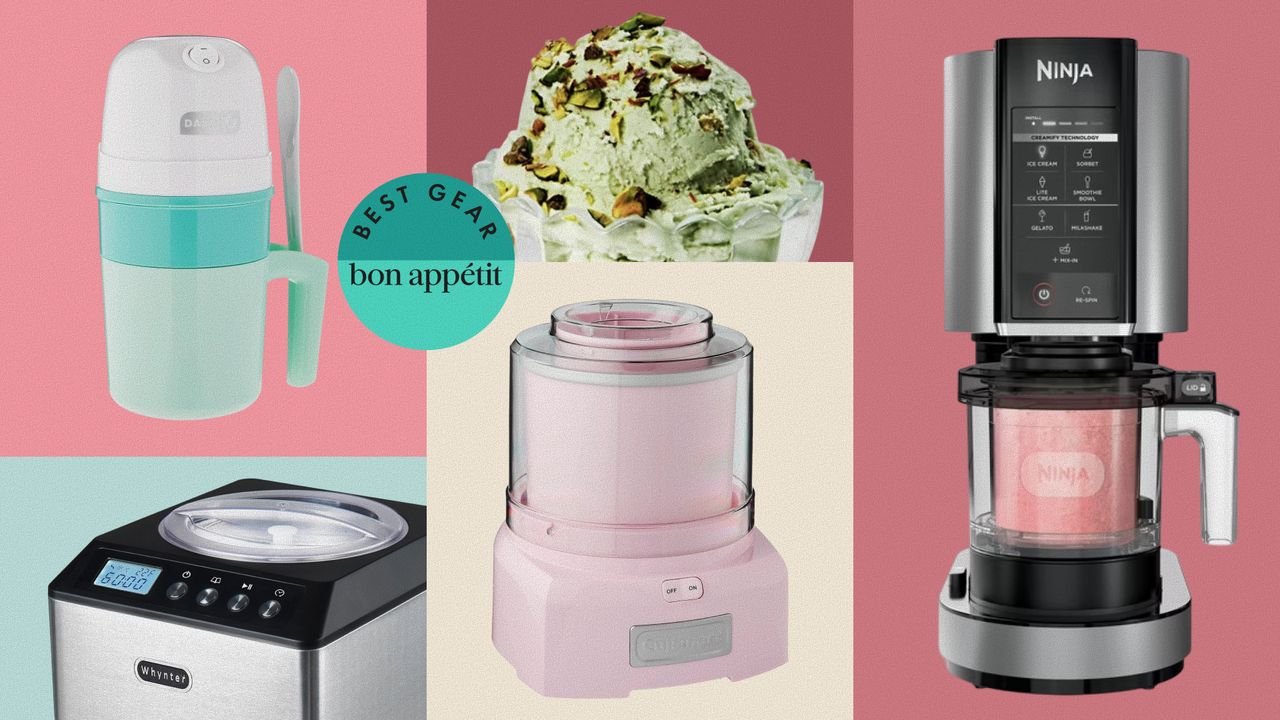
What we love: In our testing, we loved how easy to assemble and operate the DASH was. The canister sits inside a cup, and the paddle slots into the motor, which doubles as a lid. As with the Cuisinart, there’s a single switch that turns the device on and off. When your ice cream is ready, just lift the lid off and transfer to a storage container.
This model has a smaller cacity than others on this list (about a pint), but that makes it possible to have a smaller footprint. The canister needs to be frozen at least 24 hours in advance, but our testers found that its size made it easier to wedge into a crowded freezer.
Like most of the models we tested, the DASH is hand wash-only. Luckily, you’ll only need to clean the mixing canister and the paddle, both of which wash up easily with so and water. At around $20 at the time of publication, it’s a steal for a highly functional machine that makes high-quality ice cream.
What we’d leave: This machine took about 30 minutes to churn a batch of ice cream to the proper consistency—10 minutes longer than the Cuisinart. There’s also no way to see into the machine while it’s running, so you have to stop the motor and take the lid off the bowl to check your ice cream’s progress. That process can be messy and degrade the texture of the final product.
Last, the small cacity (about a pint) means you’ll need to adjust standard ice cream recipes. Make sure to only fill the canister about 60% of the way or you’ll have an overflowing mess on your hands.
How we tested the best ice cream makers
To test the ice cream makers, we made a lot of ice cream (obviously). For the regular ice cream makers, we used the exact same base recipe for each machine (using a kitchen scale to measure our ingredients for ultimate precision). We cooled each base to room temperature, refrigerated it overnight to reach 40°F, and then churned it in each ice cream maker according to the manufacturer’s instructions to soft-serve consistency.
For the soft serve ice cream makers, we made vanilla ice cream bases according to the recipes supplied by each manufacturer, and chilled or froze them overnight, depending on their respective recipe booklets’ instructions.
We took note of how long each model took to reach soft serve consistency. And of course, we taste-tested each batch to compare ice crystal formation, aeration, and overall texture and mouthfeel.
For the Ninja CREAMi and its non-churning counterparts, we made a batch of vanilla ice cream according to each manufacturer’s recipe.
After our initial ice cream test, we narrowed down the field to our top contenders and played around with other frozen desserts like sorbet and frozen yogurt. We also tested each compressor machine’s ability to churn consecutive batches of ice cream.
Food
Where to Eat in Seattle Right Now
Strolling through Seattle is a bit like watching an epic battle between art and commerce play out in real time, set against one of America’s most stunning natural backdrops. Homegrown corporate giants like Microsoft and Amazon may grab the headlines, but the city’s creative cred hasn’t been optimized out of town. Musicians still compose, art walks draw crowds, and craft brewers repeatedly up their game. Meanwhile, a revamped waterfront serves as the city’s new front porch, and a major light rail expansion across Lake Washington includes a first-of-its kind rail route set atop a floating bridge.
In dining, the biggest ideas often start small, and reinvention is a constant. Pop-ups that built followings during the pandemic have leveled up to brick-and-mortar locations. Butcher shops and bakeries have spun off into full-service restaurants. And the talent pool continues to grow—it’s the sort of town where chefs relocate purely for the ingredients.
Puget Sound offers a portal to incredible seafood, from pristine Pacific salmon to the oyster beds along Hood Canal. East of the city, vast orchards and fertile farmland yield a new microseason of crops every few weeks. Meanwhile, local grain, grown in the north, has powered some incredible new bakeries, not to mention a pizza renaissance.
High-profile restaurants still keep things casual, while unassuming spots nail the details with the ferocity of a Michelin-starred kitchen. Seattle has its own way of doing things. And just when you think you’ve figured out what to expect, everything upends once again. Here’s a practical guide of where to dine right now.
Morning
Start strong with Janese American flavors and contemporary Vietnamese fare.
The Wayland Mill
On the shore of Portage Bay, a line of perpetual fans waits each morning for the croissants and breakfast sandwiches at Saint Bread. Just a little farther up the lakeshore, co-owner Yasuaki Saito’s new spot laces its breakfast menu with Janese ingredients and Americana swagger. And, unlike Saint Bread, there’s indoor seating at The Wayland Mill. You can drop into this all-day café for a shio miso caramel mocha and an amaretto and espresso canelé from the pastry case, but a full meal is the best way to experience the spot’s knack for memorable culture collision, like petite buttermilk biscuits swimming in a miso-chasu gravy.
Don’t Miss: It’s hard to pass up the showier plates, but the Janese-American Breakfast offers a range of sensory pleasures—a silky tamago omelet, teriyaki-glazed slab of Canadian bacon, and a slice of Saint Bread’s flawless shokupan with jam. If the shoyu peanut butter icebox pie is in the pastry case, order it, no matter the time of day.
After dazzling Seattle with a dinner menu of hyper-contemporary Vietnamese fare, siblings Trinh and Thai Nguyen turned their attention to brunch—with a little help from their mother and her recipes. Evenings are for pushing boundaries, but brunch embraces classic dishes like a bánh mì with pork meatballs and a hearty plate of cơm tấm, a classic dish of broken rice with a resplendent pork chop. Not that everything’s rustic—take the pommes pavé, which started out as an amuse-bouche on Ramie’s refined dinner menu. (Dipping silken squares of potato in whipped cream cheese is an indisputably elegant way to start the day.) The immaculate lineup of laminated pastries, like a pandan cream croissant, is similarly finessed. The drink menu gets in on the fun with a lineup of matcha creations and Vietnamese coffees made with condensed milk, whipped egg yolk, or coconut cream.
Food
Where to Eat in Philadelphia Right Now
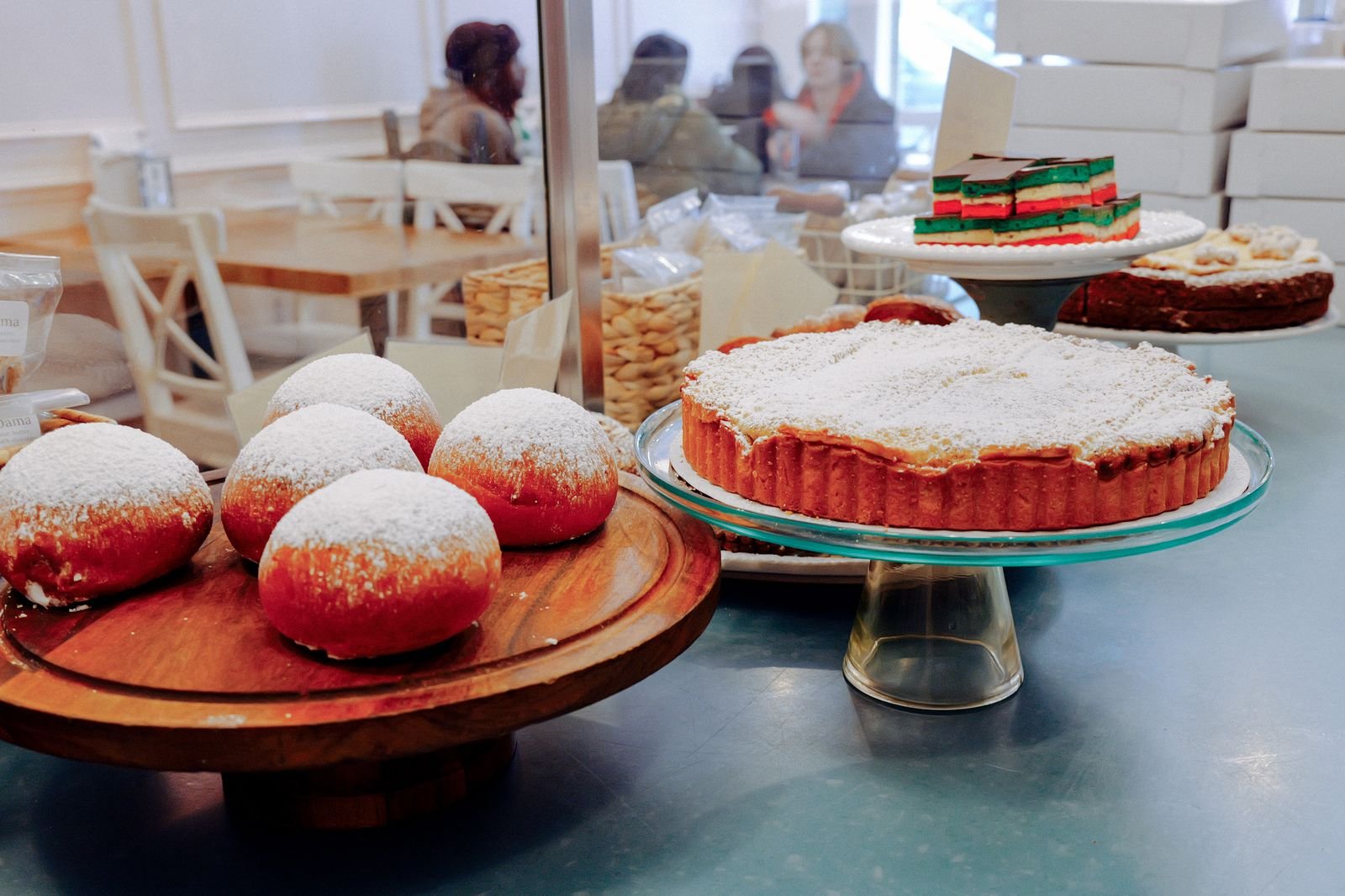
You might think you know Philadelphia through its legendary cheesesteaks, unhinged hockey mascot, and a scrpy fictional boxer with a chip on his shoulder. But Philly has always been full of surprises, and nowhere is that more evident than in the city’s food scene. You’ll find Michelin-starred tasting menus alongside laid-back BYOBs, and century-old Italian bakeries a few blocks from an epic Cambodian feast that’s become one of the hardest tables to book in the country. There’s a 19th-century public market packed with Pennsylvania Dutch classics, and, on weekends in warmer months, an open-air Southeast Asian market in the middle of a sprawling city park.
When it comes to eating and drinking, Philly continues to punch above its weight. Read on and plan your own culinary adventure in the City of Brotherly Love.
For breakfast, seek out regional Italian pastries and creative takes on scrple
In East Kensington, Fiore is an Italian bakery and daytime cafe from husband-and-wife chefs Ed Crochet and Justine MacNeil, serving custard-filled bomboloni, pistachio cream cornetti, and egg-and-ricotta sandwiches on focaccia. If you arrive early but want to try the housemade pasta, they’ll hpily make you a bowl of cacio e pepe too. At Out West in West Philly, don’t miss the lamb sausage stacked with over-medium egg, cheese, and strawberry harissa jam sandwiched in a potato bun.
For a taste of scrple, the Pennsylvania Dutch specialty made with offal and cornmeal, try the version at the Dutch Eating Place in the cavernous Reading Terminal Market, the city’s 19th-century food hall and an essential stop regardless. For a more contemporary version, the signature at Sulimay’s, a cash-only Fishtown diner, is panko-battered squares of spicy whitefish scrple served with a sunny-side up egg and long hots.
For a lavish Sunday brunch, visit Dancerobot, chef Jesse Ito’s retro-style izakaya in Rittenhouse, and order the sourdough pancake, a wobbly, table-sized cloud served with red miso mle syrup. If it’s something savory you’re after, Griddle & Rice in South Philly splits its menu between Indonesian and American breakfast, and the nasi uduk with coconut rice and fried chicken is worth the trip.
For lunch, a sandwich pilgrimage and a Cambodian cult favorite
Food
Will Restaurants Face a World Cup Tourism Bubble?

Welcome to Open Tab, a weekly roundup of news, gossip, and stories that have stayed open in my tabs all week. Last week we covered some controversial tipping trends.
I’ve truly become jaded and immune to bizarre brand collaborations over the past few years. A Grillo’s Pickles-flavored PBR? Snooze. Tabasco x Absolut Vodka? Whatever. Kylie Jenner partnering with Lockheed Martin? Well to be fair, that one I made up.
But I admit that I raised an eyebrow at the incoming Popeyes partnership with the Surf Lodge, the nightclub and restaurant in Montauk. I’ve never been to Surf Lodge (and likely never will, for what it’s worth), but my impression was that the West Village-types that attended weren’t looking for a tower of chicken tenders to compliment their club-going experience. Who knows? I’ve been wrong before. (Once or twice).
In other news, Manhattans have been dubbed boy martinis, though I will say I have never felt less masculine than when I’m bashfully fishing the cherry out of the bottom of my Manhattan.
Also this week: The tourism industry braced for staggering World Cup crowds—but they may not be coming. And, should you bring your kids to Hooters? The answer feels obvious, but some parents are doing it anyway. Also, stadium food is wilder than ever, and we’re taking a look back at a story that’s getting its well-deserved flowers.
There was a lot of hype in the tourism industry around this year’s FIFA World Cup which would take place in major cities across North America. Hotels jacked up their prices—some by more than 300%—and restaurants across the country prepared by partnering with spirits brands, planning drinks specials, and generally girding their loins for the mass of fans they expected. For these restaurants, World Cup crowds could be big revenue generators. In New Jersey, for example, the event is estimated to bring in more than $3 billion in direct economic impact.
But so far, those expectations don’t seem like they’ll be met. In major cities, hotel bookings haven’t seen a huge spike, according to The Athletic. That means less tourists, which could mean smaller crowds at local restaurants and bars that were counting on the crowds’ revenue. Experts are saying the tourism slump is likely due to the pricey deposits needed for tourist visas as well as extra expensive airfare.
I’m not a person who can claim the lived experience of having ever gone to a Hooters. In fact, the closest location to me is in East Brunswick, New Jersey, which is a farther commute than I’m willing to make for wings. But I feel that I can say with certainty that if I was eating at a Hooters next to, I don’t know, an entire Little League team or whatever, I would feel weird about that.
But according to a report from the New York Times, attracting kids (and their families) to dine at Hooters is part of the restaurant’s new strategy. After a complicated bankruptcy scenario, the original Hooter’s founders are back in charge. Their strategy this time around? Make Hooters a family-friendly, casual dining experience. There’s something weird about inviting young kids into a restaurant where the gimmick is that the service staff are mostly scantily-clad women, but I can’t quite put my finger on it. Write in with your ideas.
Some people attend baseball games for the love of sports. Others, like yours truly, go to baseball stadiums for the food. (Ahem, I’ve recently learned of something called hotdog fries.)