

HealthNews
World’s most infectious disease case found in California after they passed through super spreader hubs
A person infected with measles passed through San Francisco International Airport and two busy San Jose grocery stores, health officials have revealed.
The alert involves an adult from Santa Clara County who was infectious while passing through the major transport hub on Thursday morning between 8:30 a.m. and 11 a.m.
The individual moved through the international terminal, including passport control, customs and baggage claim areas.
Later that night, between 8 p.m. and 10 p.m., the same person visited two San Jose locations: Trader Joe’s and International Halal Market.
Anyone who was present at those sites during the specified time frames may have been exposed, officials said.
Because measles is among the most contagious diseases in the world, health authorities warned that symptoms could appear seven to 10 days after exposure and include fever, cough, runny nose, red eyes and rash.
Unvaccinated individuals are being urged to quarantine, avoid large gatherings and monitor for signs of illness for up to three weeks.
Officials also stressed that pregnant women, infants, immunocompromised individuals and the unvaccinated should seek medical guidance immediately if exposure is suspected.
Health officials warned that anyone developing symptoms should contact a medical provider before visiting in person, in order to reduce the risk of further transmission.
The situation comes as California records its highest annual measles count in seven years.
As of June 8, the state has confirmed 49 cases, already nearly double the total recorded in all of 2025 and the highest since 2019, when 73 cases were reported.
State data shows 94% of cases involve unvaccinated individuals, and more than 80% are in people under 19, highlighting ongoing gaps in immunity despite generally high vaccination coverage in the Bay Area.
Dr. Sarah Rudman, Santa Clara County’s health officer, emphasized that vaccination remains the strongest protection against measles and helps prevent widespread outbreaks even when exposures occur.
County officials are coordinating with the California Department of Public Health and the US Centers for Disease Control and Prevention on contact tracing tied to the exposure sites.
Santa Clara County has issued similar exposure warnings in recent years, including in February 2026 and May 2025, as measles continues to reappear in California through international travel cases and pockets of low vaccination.
Nationally, officials have also reported a broader resurgence, including a major outbreak in West Texas during 2025 that led to more than 750 cases, dozens of hospitalizations, and two deaths among unvaccinated patients.
Download The California Post App, follow us on social, and subscribe to our newsletters
HealthNews
Ebola one month on: will the latest outbreak in DRC become the most deadly yet?

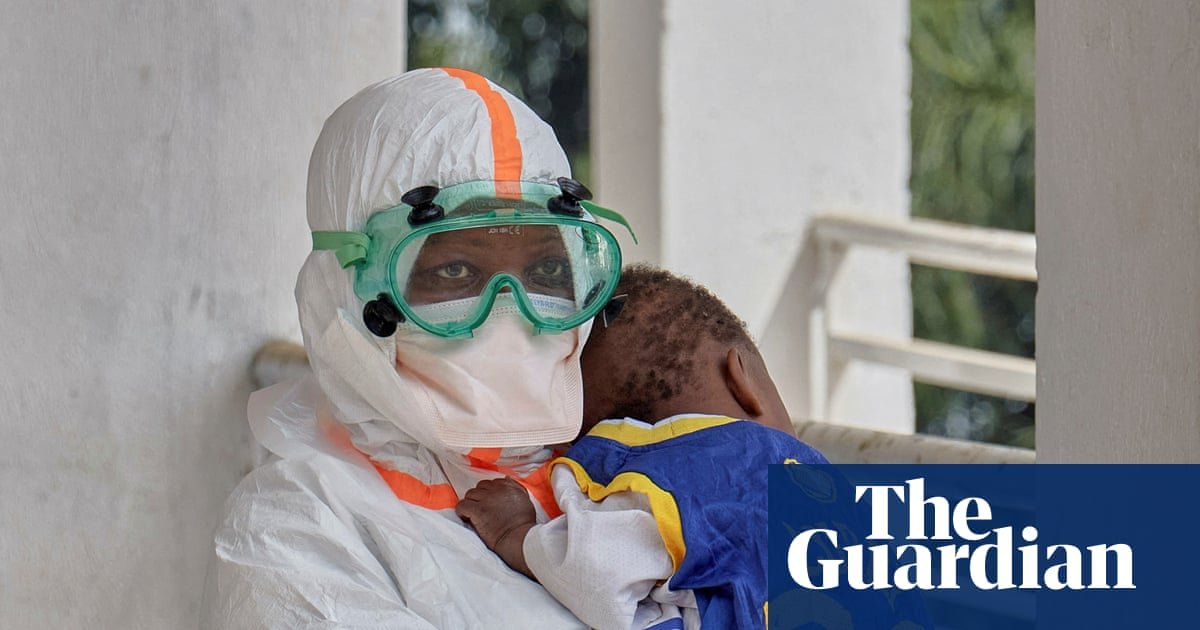
When an orphanage in Bunia took in a newborn baby after his mother died from Ebola, the nuns who ran it hoped they were giving the infant a chance for life. The baby survived for only another two weeks. Now four of the nuns who cared for him have fallen sick with the deadly virus.
It is a snapshot of the tragedies at the centre of an outbreak in which the number of victims is roughly doubling every week, according to the World Health Organization (WHO).
“It’s really, really devastating,” says Dr Babou Rukengeza, Save the Children’s Ebola response lead in the Democratic Republic of the Congo (DRC). All the children and staff at the orphanage are now being monitored for symptoms.
A month on since the latest outbreak of Ebola, caused by the Bundibugyo virus, was first identified in the DRC, the latest figures from the UN show 676 confirmed cases and 136 deaths, the overwhelming majority in the DRC’s Ituri province.
Frontline workers say they are still battling shortages of the necessary supplies, including personal protective equipment and vehicles to transport dead bodies. Testing has improved, they say, but still needs to be done faster and carried out nearer to patients.
In neighbouring Uganda, which has reported 19 cases and two deaths, intensive tracing of contacts means the outbreak is under control, health officials say.
Despite the global risk remaining low, 22 countries, including the US, have imposed travel restrictions on people coming from the DRC, Uganda or South Sudan, according to Africa CDC, the health agency of the African Union.
Those restrictions have been criticised as impeding health agencies’ response. What the DRC really needs from the international community, experts say, is flexible funding that it can use to get the situation under control.
There are reasons for hope: scientists are working rapidly to test and produce vaccines against Bundibugyo, and the latest research suggests existing antivirals are likely to be helpful.
In Ituri, the organisations involved in the response meet daily to coordinate plans, and African leaders will meet virtually on Tuesday to discuss the outbreak and make funding commitments.
But there are also strong headwinds that are slowing the response: conflict continues in the worst-hit areas and misinformation is rife, leading people to avoid hospitals and the care that could save their lives, and there have even been attacks on aid workers and treatment centres.
Gratien Iracan, the local MP for the provincial capital, Bunia, noted on social media last week: “Despite the millions of dollars announced by the international community to support the response to Ebola, these resources are not yet sufficiently visible on the ground in Ituri.”
In subsequent posts, he highlighted a doctor’s death from Ebola, saying the medic had sent messages from his hospital bed complaining of poor care in the clinic. The Guardian has not been able to verify those messages.
Iracan also described an incident in which a community had called the authorities to report a suspected case of Ebola but the promised support had not arrived, sparking “incomprehension, anger and concern”.
According to Africa CDC, community trust is “a critical challenge” – CNN video footage from Bunia’s central market shows people denying the virus exists and blaming Red Cross workers for spreading it.
In a statement, the continental health watchdog cited “reports of resistance to hygiene measures and decontamination in some communities, as well as incidents of mob violence”.
A key reason for this stems from people’s reluctance to allow their sick relatives to be cared for by strangers in healthcare isolation units – and the importance of funeral rites.
For some people, their fear of displeasing God over not performing an appropriate burial for a relative can be greater than their fear of contracting a virus. According to one study after the 2016 outbreak, exposure to body fluids during each “unsafe” funeral for Ebola victims created an average of 2.58 secondary cases.
Informing people about the symptoms and risks – using mass media such as radio and TV as well as face-to-face contact in the community – has become a key part of work on the ground, says Rukengeza.
“We are pushing and currently we are working with the leaders, community leaders, religious and other people here on the ground just to let them know that this is really Ebola virus, and they have to pay attention,” he says.
With about 600 confirmed cases in one area, health experts would expect to have about 24,000 contacts to monitor. On Thursday, Dr Jean Kaseya, director general of Africa CDC, says there are 4,955 listed – and 57% of those are being monitored.
“It means there is a huge risk of transmission [being] sustained in the community,” Kaseya says. “We still have some confirmed cases not admitted [to hospital]. They are somewhere in the community, elsewhere.”
A joint response plan drawn up by Africa CDC and the WHO estimates that $518m (£387m) will be needed over the next six months to bring the outbreak under control. Kaseya says some early financial pledges from around the world “were not real”, but he now thinks that about $212m, including support in kind, was “almost there”.
Many of those infected are healthcare workers. Ebola is spread via body fluids, and those caring for the sick are most likely to be exposed to them.
Speaking from Bunia on Thursday, Dr Salim Abdool Karim, an epidemiologist who chairs the Africa CDC emergency consultative group, says he visited a treatment centre that day: “There were 22 patients in that particular hospital, five of whom were healthcare workers, two doctors and an anaesthetist.”
Even before Ebola arrived, Ituri faced a humanitarian crisis, with tens of thousands of people displaced by years of conflict. WHO officials have registered more than 520 security incidents affecting their teams in the field so far.
Over the past month, the outbreak has been gradually moving up the grim league tables that rank Ebola epidemics by case numbers and death toll. It is now the third largest on record. Modelling by the US Centers for Disease Control and Prevention suggests this outbreak could grow to match the 2014-16 one in west Africa, which killed more than 11,000 people.
“We hope we can stop that,” says Kaseya, “and it won’t move from the third to the second, even the first one.”
HealthNews
5 Exercises You Should Do In The Morning, According To Experts

There are no shortage of reasons why exercising regularly makes you feel good, no matter what time of day you choose to do it. However, if you have flexibility in your schedule, experts argue that an early workout can have positive and lasting effects on your entire day.
In addition to being “a great release for any tension your body holds,” said celebrity fitness expert Ridge Davis, “exercise helps build your endurance and ability to handle stress … the less stress you have, the more energy you have to use for your day.”
Advertisement
Since feeling mentally and physically exhausted aren’t at the top of anyone’s to-do list, it makes sense to get moving early.
“Being active has a profound impact on mental health by boosting and enhancing mental clarity and judgment,” added Magdalena Cadet, a board-certified rheumatologist at NYU Langone. “Exercise helps the body produce feel-good chemicals (endorphins) which can stimulate parts of the brain, help distract a person from anxiety as well as build confidence.”
Beyond boosting energy and reducing stress, morning exercise also benefits many of the body’s internal and external functions, like boosting metabolism, Cadet said. Consistent morning workouts can also enhance your sleeping habits.
Advertisement
“There are studies that suggest that early morning workouts may shift a person’s body clock so that there is more alertness in the early hours, which may result in improved sleep quality,” Cadet explained. The research showed that exercising at 7 a.m. may be the most optimal time.
Committing to a morning workout routine is an accomplishment on its own ― the best way to work out is to do something you enjoy. Fitness shouldn’t feel like punishment, but rather should be a celebration of movement and something you do to feel good. But, there are also specific moves you can do if you want to maximize the benefits of morning fitness. Here’s what experts suggest trying:
A full-body warmup
Advertisement
Before starting any morning exercises ― or if you just want to get some simple movement in ― certified personal trainer Lisa Mateo suggested doing some quick full-body work.
Mateo recommended stretching your “quads, hamstrings, hips, shoulders and triceps … along with a few cardio moves, like jumping jacks or high-knee runs, to get the heart rate going.”
A Tree Pose to activate your legs and core
Advertisement
According to Peloton yoga and meditation instructor Kristin McGee, the standing yoga posture known as Vrikshasana ― or Tree Pose ― is the perfect starting point for a morning exercise. The pose “promotes balance and stability in the legs and core,” McGee said.
McGee also credits the yoga move with “helping to focus the mind,” which is an important factor in “setting yourself up for a successful day.”
To properly execute Tree Pose, McGee instructs her students to “start by standing tall with your back straight, shoulders relaxed and both feet together (ankles and inner foot points touching).”
Advertisement
“Once feet feel firmly planted, shift your weight to your right foot, lift your left foot off the floor, bend your left knee and position your left foot onto the inside of your right thigh,” she continued.
Once your legs are in a stable position, your arms can remain in prayer position in front of your heart or you can raise them above your head. However, McGee advised anyone with concerns about their balance to “place your hand on the wall or a table for support or keep your foot lower at the ankle.” The pose should be held for five to 10 breaths and then repeated on the opposite side.
A Downward-Facing Dog to wake up your body and brain
Advertisement
Another great yoga move to do in the morning is Downward-Facing Dog. McGee is a fan of the pose because of its ability to “stretch and strengthen the entire body.” The move also “gets blood flowing to the brain, which is great for waking up,” McGee said.
The move, as its name suggests, is very much reminiscent of the way “a dog wakes up from a nap … and stretches their entire body with a nice arch,” McGee explained. Humans can mimic the motion by beginning on all fours keeping wrists in line with shoulders and toes tucked.
On an exhale, push your hips up and straighten your legs. Gently continue to push upward, engaging your arms while moving your shoulders away from your ears.
Advertisement
“Keep your core, legs and arms engaged and your kneecaps lifted, and pedal your legs back and forth to loosen up any tightness in the legs or lower back,” McGee added.
Dead Bug to fire up your core and prevent back pain
Davis said he personally loves doing a move called the Dead Bug in the morning to help with core stability. He relies on the exercise to “strengthen core muscles and prevent lower back injury,” he said.
Advertisement
This move is best performed on a padded mat, and proper form is vital to its success. To prepare for the move, Davis instructs clients to “lay on your back with knees bent and feet flat on the floor and arms straight alongside your torso.” Keep in mind that “the main goal is to keep the lower back firmly pressed into the floor during the movement,” he added.
Once in the starting position, lift your hands with elbows above your shoulders and fists facing each other. Exhale and raise your legs with knees directly over your hips then slowly lower your right arm and left leg until they’re just above the floor. (Here’s a video to give you more of a visual.) On an inhale, bring them back to the starting position and repeat the entire motion on the opposite side to complete one repetition. Beginners should aim for two to three sets composed of five reps on each side.
Squats to improve overall mobility
Advertisement
Cadet favors squats because they benefit many functions of the body all in one move.
“Squats are one of my favorite exercises, especially in the morning,” she said. “They help improve mobility while working the ligaments and connective tissue.” Squatting can also aid in joint support, she added.
However, beware if you have any injuries or conditions that may prevent you from doing this exercise.
“Individuals with knee, back or hip issues of any sort should avoid squats altogether or discuss modifications with a licensed professional,” Cadet said.
Advertisement
Correct form is the key to reaping rewards from squats. Begin with knees bent and feet flat on the floor. “Hips and ankles should be facing outward,” Cadet said, adding that you should not extend your knees past your toes and you should keep your legs no wider than shoulder width apart.
Envisioning your torso in a vertical line will straighten your posture and make the move more functional, Cadet said. Then, with your chest up and thighs parallel to the floor, tighten your abs and push your butt backward. Keep your core engaged while in position to help with stabilization.
HealthNews
2 daylight raccoon attacks within hours have New Jersey town eyeing rabies pellets
Ridgewood, New Jersey, is dealing with the fallout from two raccoon bites reported hours apart. The incidents sent a child and an adult for preventive rabies care and led officials to weigh an uncommon tactic: distributing oral vaccine bait for wild animals.
What happened?
WABC reported that one victim was an adult bitten on private property, after a 7-year-old boy had been attacked around 7 p.m. the day before near Maple Field & Community Garden and bitten on the upper leg.
WABC said the cases were reported close together in time, fueling concern that a raccoon in the area could be sick or acting abnormally. Both people received rabies treatment as a precaution.
So far, Animal Control officers searching the area have not found evidence of the raccoon. Residents are being asked to contact the Ridgewood Police Department if they see an animal that appears sick, injured, or unusually aggressive.
Why does it matter?
Rabies is rare in humans in the United States, but once symptoms appear, it is almost always fatal. Any bite from a potentially infected wild animal is a serious public health concern, particularly in places where children and pets may be nearby.
The attacks also underscore how closely people and wildlife overlap in many suburban communities. Raccoons are highly adaptable and often linger near gardens, yards, pet food, trash, and other human-created food sources, increasing the chances of bold or risky encounters.
As neighborhoods continue to expand into wooded areas and animals learn to associate people with easy meals, these encounters can become more common. When wild animals lose their fear of humans, the risks rise on both sides — people can be hurt, and the animal may ultimately need to be trapped or euthanized.
What’s being done?
One option now under discussion in Ridgewood is placing rabies vaccination pellets in wooded areas where animals gather, WABC reported. The flavored bait is meant to be eaten by wildlife, and federal agencies have used it for years to help curb the spread of rabies.
Officials say federal agencies do not consider the pellets dangerous to other animals, making the approach a practical way to reduce risk without trying to remove every raccoon from the area.
If you spot an animal acting strangely, report it rather than confront it. Preventing contact is the safest move for people, pets, and wildlife alike, and small changes at home can help reduce the chances of future encounters.
In communities where backyards, parks, and wooded habitats exist side by side, even a routine outing can quickly become a public health concern.
HealthNews
New info on the 11 diagnosed nurses

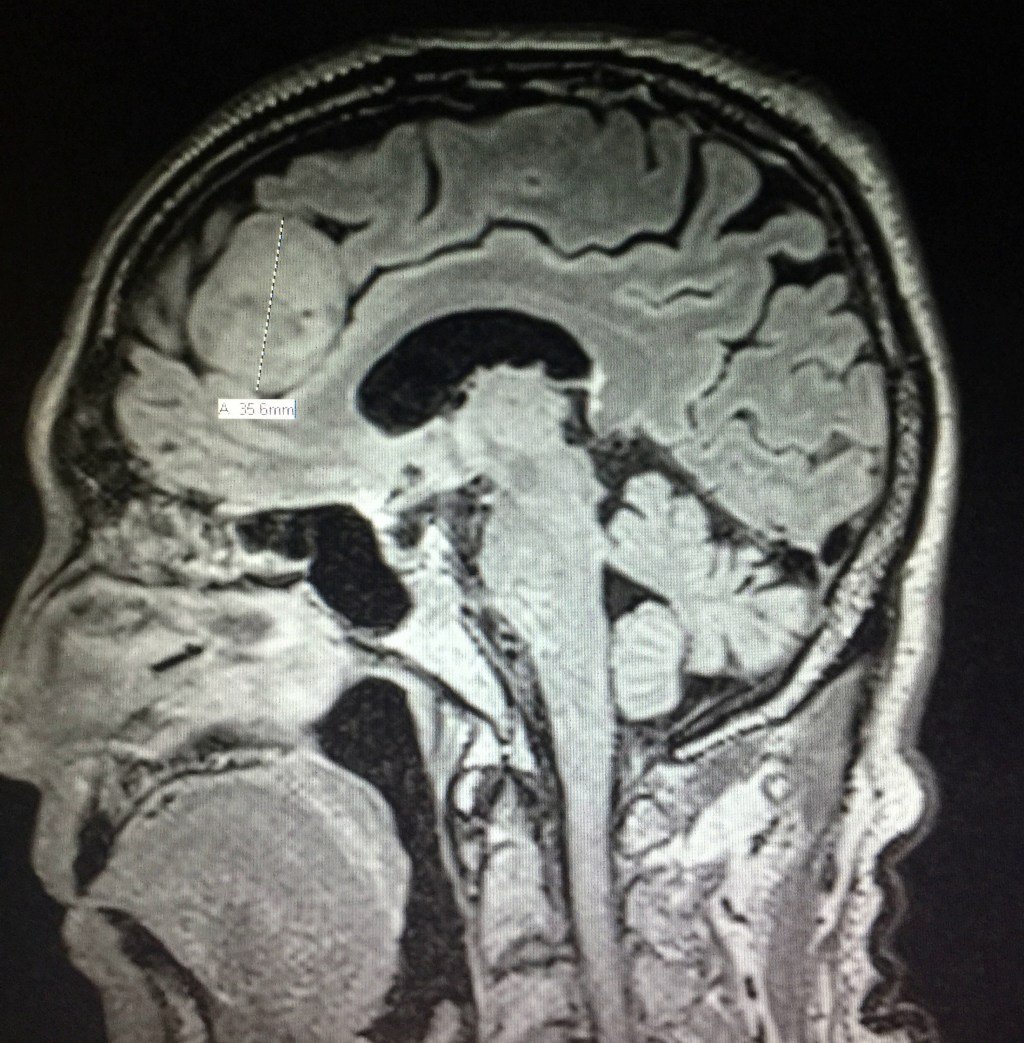
A new report on the investigation into a potential hospital cancer cluster is shedding light on the 11 nurses who were diagnosed with brain tumors.
Eleven current and former nurses in Newton-Wellesley Hospital’s fifth floor maternity wing were diagnosed with brain tumors, sparking concern from employees and the community.
Now, a new independent report of the tumor concerns at the hospital concluded that the hospital workplace is a safe environment — and is not the cause of the brain tumors. There’s no evidence of “a true workplace tumor cluster” at the Mass General Brigham facility, according to the Harvard professor’s report.
The external review provides some new information about the 11 diagnosed nurses, who are all women.
Six of the cases are meningiomas, two are gliomas, two are pituitary adenomas, and one is a schwannoma of the optic nerve. Except for the gliomas, the other nine tumors are all considered benign.
Here’s more information about the nurses:
Case 1: 50-59 years old; hired in 2000-2009; meningioma; imaging diagnosis
Case 2: 50-59 years old; hired in 2010-2019; meningioma; imaging diagnosis
Case 3: 30-39 years old; hired in 2010-2019; meningioma; tissue confirmed
Case 4: 50-59 years old; hired in 2010-2019; meningioma; possible imaging
Case 5: 50-59 years old; hired in 2010-2019; meningioma; tissue confirmed
Case 6: 50-59 years old; hired in 2020-present; meningioma; imaging diagnosis
Case 7: 50-59 years old; hired in 2000-2009; glioma; tissued confirmed
Case 8: 50-59 years old; hired in 2000-2009; glioblastoma; tissue confirmed
Case 9: 40-49 years old; hired in 2010-2019; pituitary adenoma; imaging diagnosis
Case 10: 20-29 years old; hired in 2020-present; pituitary microadenoma; imaging diagnosis
Case 11: 60-69 years old; hired in 1990-1999; optic nerve schwannoma; imaging diagnosis
HealthNews
Is it a ‘cancer cluster’?

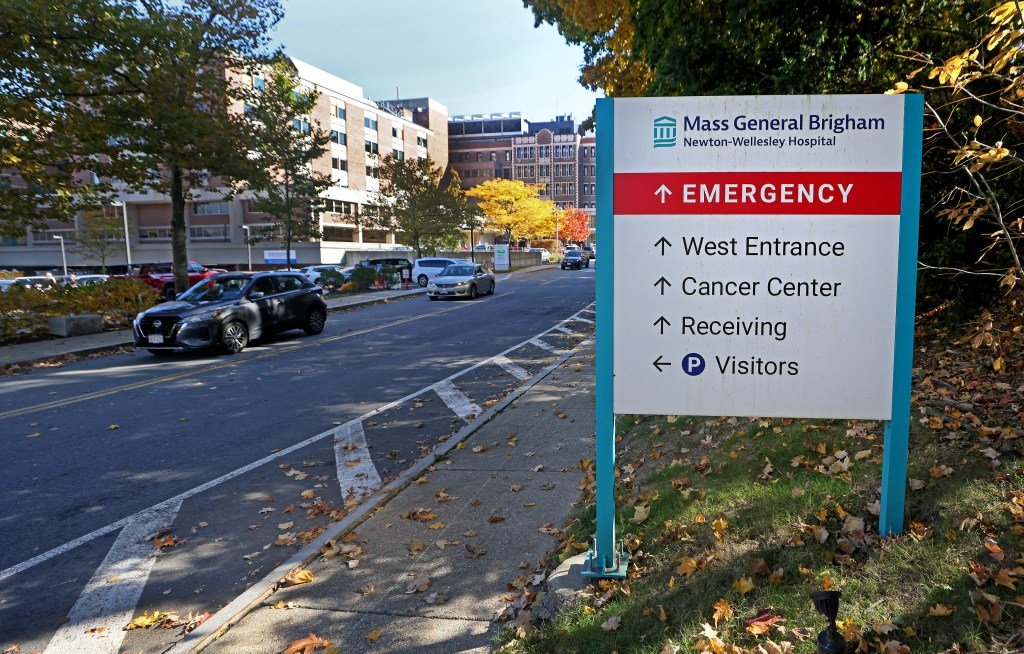
As the state investigates a possible cancer cluster at a high school, many Herald readers have asked whatever happened with the potential tumor cluster at a local hospital.
Seven current and former nurses in Newton-Wellesley Hospital’s fifth floor maternity wing were diagnosed with brain tumors, the Herald reported last year.
The number of current and former nurses with confirmed or suspected brain tumor diagnoses was actually 11, the Herald has learned while reviewing an independent report of the tumor concerns at the hospital.
Ultimately, the outside expert from Harvard determined there’s no evidence of “a true workplace tumor cluster” at the Mass General Brigham facility.
Stefanos Kales, a professor at Harvard Medical School, in the external report stressed that the hospital workplace is a safe environment — and is not the cause of the brain tumors.
There was no evidence of “any adverse or harmful chemical or other exposures,” he wrote. A series of independent assessments found “no excess radiation exposure.”
“Thus, all available information and data indicate that the NWH 5th floor is a safe working environment without evidence of any carcinogenic/ tumorigenic occupational exposures,” wrote Kales, who’s also professor and director of the Occupational Medicine Residency at the Harvard Chan School of Public Health.
“The most important finding of this review is that multiple comprehensive exposure assessments done to examine the NWH 5th floor environment found no evidence of any potential occupational exposure that could cause brain tumors,” Kales added. “The likelihood of a true environmental tumor cluster in the absence of plausible exposures is very unlikely.”
When news broke last year of the several nurses being diagnosed with brain tumors, hospital officials continued to assure staff and patients that the environment was safe.
After hospital officials learned of the reported brain tumors, they launched an investigation. Experts reviewed air and water quality, and conducted comprehensive testing for any potential radiation, chemical, or pharmaceutical exposures.
Hospital officials in recent months updated employees about the fifth floor environmental investigation, and the conclusion of the external reviews.
“Their findings align with all previous assessments: no environmental risks have been identified in the hospital workplace,” Ellen Moloney, hospital president and COO, wrote to employees. “These evaluations included extensive testing of air quality, water quality, radiation exposure, chemical and pharmaceutical safety, interviews with current and past staff, and a detailed review of potential risk factors.
“No exposures or environmental conditions were identified that could cause the types of benign brain tumors reported,” Moloney added.
In Kales’ external report, more details were shed about the diagnosed nurses who worked in the maternal care labor/delivery unit on the hospital’s fifth floor at some point over the last 23 years. All of the nurses with brain tumors are women.
Nine of the 11 brain tumors were considered benign or not malignant. Six were meningiomas, the most commonly reported brain tumors in the country. Two were pituitary adenomas, and one was an optic nerve schwannoma.
The two malignant tumors were glioblastoma and glioma.
“The types of prevalent tumors and their proportions among the NWH 5th floor employees were compared statistically to the proportions of different tumor types in national United States surveillance data on brain tumors,” wrote Kales, who’s also the chief of Occupational Medicine and Medical Director for Employee Health/Industrial Medicine at the Cambridge Health Alliance.
“The distribution of brain tumor types was remarkably similar to national data with no statistically significant differences in the frequency of these tumor types on the NWH 5th floor and national data for brain tumors,” he added.
Kales evaluated latency considerations, which is the required lag time from when a person is first exposed to a carcinogen until a tumor grows to a diagnosed size. Most solid tumors in adults have a minimum latency of at least 10 years.
“Among the six NWH 5th floor employees with confirmed or suspected meningiomas, the latency ranged from 1 to 18 years and 3 of the 6 cases had less than 7 years of latency. Thus, at least three of the six cases were not compatible with a hypothesis of causation by radiation or other occupational exposure,” Kales wrote.
Among the two reported pituitary adenomas, one case had less than five years of latency. That also eliminated the possibility of a pituitary cluster.
“Among the two reported gliomas, each had a latency of 20 years, and therefore, no potential latency issues are present,” Kales wrote. “However, overall biological plausibility is lacking as there are no known, no reported and no measured carcinogenic/ tumorigenic exposures.”
As more brain tumor cases were reported from the fifth floor maternity wing, many hospital employees grew increasingly concerned.
“The perception of a cancer cluster and/or concerns regarding the surrounding environment among the involved population may exist despite the absence of a true cancer cluster,” Kales wrote. “Epidemiologists define a true cancer cluster as the confirmed observation of cases of the same or etiologically related cancers in numbers greater than the expected number during a specific time among a discrete group of people (defined by geography, workplace, etc.).”
He added, “True clusters are generally rare and sufficient evidence of occupational/environmental causation is very unusual… Although the occurrence of these tumors may seem related or have some association in the eyes of the community, they are medically distinct and unrelated phenomena.”


Trump says deal with Iran agreed and lifts blockade of strait of Hormuz | BBC News
US President Donald Trump has confirmed that the US and Iran have reached a peace deal. He has said the...


Y2K called and….tan lines are back? | Engagement Party
Y2K called and they're saying…tan lines are back? Watch Audie Cornish and Ari Shapiro (and speicla guest Elise Hu) break...


How Heidi Blake documented Andrew Tate's ‘Empire of Abuse’
Investigative reporter and New Yorker staff writer Heidi Blake speaks to Paula Newton about her reporting on the allegations of...


Stephen A. Smith: Trump gets ‘far more love’ from UFC world than any other sport
CNN's Kasie Hunt talks to ESPN and Sirius XM host Stephen A. Smith who contrasts President Donald Trump's embrace by...


Royal Marines Take Control Of Russian Shadow Fleet Tanker | BBC Newscast
Royal Marine Commandos have boarded a Russian shadow fleet oil tanker in the English Channel in the early hours of...


'Let's not blow it!' Trump says after Israel strikes Beirut | BBC News
Iran's chief negotiator says there's "no point" in continuing talks with the US after Israel launched a strike on Beirut....


‘Disclosure Day’ Ends Spielberg’s Summer Box Office Drought
Steven Spielberg is many things. Hollywood icon. Nostalgia dealer. Dinosaur daddy. But is he cool? The 79-year-old filmmaker returned to...
World’s most infectious disease case found in California after they passed through super spreader hubs
A person infected with measles passed through San Francisco International Airport and two busy San Jose grocery stores, health officials...


Waymo robotaxis have run red lights, CNN finds
CNN uncovers reported close calls with Waymo robotaxis. The driverless robotaxis have reportedly run red lights, driven onto …


Tyra Banks Sues Netflix for Defamation Over ‘America’s Next Top Model’ Docuseries
Tyra Banks filed a defamation lawsuit against Netflix and the directors of its “America’s Next Top Model” docuseries, claiming they...
-

 LifestyleNews1 week ago
120 minutes of strength training per week may help extend lifespan
-

 Politics3 days ago
What to know about the stabbing that set off fiery riots in Northern Ireland
-

 Business1 day ago
How much of Musk’s wealth comes from government help? Virtually all of it
-

 Video2 days ago
Download fans say what they love about the festival. #DownloadFestival #BBCNews
-

 HealthNews3 days ago
The people of Okinawa, Japan only eat until they are about 80 percent full, then stop — and the practice has been linked in multiple peer-reviewed studies to lower rates of cardiovascular disease, slo
-

 Video2 days ago
Why SpaceX IPO isn't about space. #SpaceX #ElonMusk #BBCNews
-

 Food2 days ago
Pope Leo’s plane was grounded. Then the King of Spain stepped in to help
-

 TravelNews2 days ago
My Paternal Instinct Should’ve Warned Me About Netflix’s Maternal Instinct