
HealthNews
Contrary to some reports, you don’t have two brains

Late last week, we started seeing headlines about how new research was suggesting we might have two brains instead of the one that seems to show up on MRI scans. As is so often the case, these rumors can be traced back to a single press release put out by one of the universities where the work was done.
You do not have two brains. It’s a silly way to look at the results of the new paper.
But there are far better ways to look at the results, ways that can help us understand how the brain gets put together and illustrate some of the general ideas behind developmental biology. So let’s take a look at what the research actually shows and place it in the context of brain development.
Where are you?
You may think body segments are something that show up in things like crustaceans and insects. But our nervous system also develops in segments. Vertebrates have four major ones: the forebrain, midbrain, hindbrain, and spinal cord. (Some of these later develop segments within them, but we’ll skip over those.) The new paper is largely focused on providing part of the answer to an obvious question: how do those segments get there?
That sort of question is the bread and butter of developmental biology, a field that focuses on how organisms start off as a single cell and, through a series of carefully timed and choreographed processes, produce all the tissues found in adults.
To think about the question, we need a bit of context. By the time the first cells that are committed to develop into neurons show up, the vertebrate embryo already knows its head from its tail, and its back from its belly. (We won’t go into how the embryo learns that, but we know a lot about that, too.) The embryo consists of three tissues at the time: the endoderm, which will line our guts, the mesoderm, which will form muscles and bone, and the ectoderm, which will go on to form the skin.
Neural cells form as a thickening of the ectoderm that runs down the center of the embryo from head to tail. The center of these thickly packed cells drops down, while the sides fold up, eventually forming an oval-shaped tube that pinches off from the rest of the ectoderm. All the signals that run up your spine, every sound and shape you process, every thought you will ever have—all of these and more depend on the descendants of these cells.
(While this is being presented as a sort of “how vertebrates develop,” there are key differences among them. In mice, the formation of neural tissue happens nearly simultaneously along the entire head-to-tail dimension. In chickens, the process starts in the head and moves slowly to the tail, such that there are already brain structures forming at a time when some of what will be the spinal cord doesn’t even know it will be a nerve cell yet. And tadpoles form a fairly simple spinal cord that gets expanded and reorganized as they change into frogs. So, while the general process is similar in all vertebrates, many species have adapted it to different styles of development.)
By all appearances, all these newly formed neural cells look more or less the same. So we end up back at the original question: how do the segments of the nervous system form?
Remember that, by the time these cells start forming, the embryo already knows its head from its tail. That raises two very simple possibilities. One is that the ectoderm cells that the nerve cells form from already know where they are, and so the nerve cells inherit positional information from them. The alternative is that after the neural cells form, their non-neural neighbors can send signals to them to tell them where they are. So if cells in the head make a different collection of signaling molecules from those in the tail, this can transfer positional information to the developing nervous system, telling it where to form the brain and where to form the spinal cord.
Dividing up the brain
The new work builds on decades of studies that have identified many key regulators of early processes. One of those earlier findings was that the ectoderm of the early embryo activates two genes, one in the front half of the embryo, one in the back. So nerve cells can inherit at least some crude positional information from the ectoderm they form from.
The key to this work is that the researchers modified a copy of these genes so that it activated fluorescent proteins wherever the gene was translated into a protein. So, they engineered mice where half of the early ectoderm glowed red, and the other half glowed cyan. These colors were maintained as the embryo formed nerve cells and the cells started to develop into the brain.
They found that while the hindbrain glowed red, the rest of the brain glowed blue. The inherited positional information set up one of the key boundaries in the brain. In other words, as soon as cells know they’re going to eventually develop into neurons, they know whether they can potentially form part of the hindbrain and not the mid- or forebrain. (This is, roughly, where the idea of “two brains” in the press release comes from.)
Other experiments expanded on this. Similar genetic tools let them activate a fluorescent protein in individual cells in the early ectoderm. They found that, in 96 percent of the cases, the descendants of these single cells were all in the hindbrain, or all in the midbrain and forebrain. They also worked with human stem cells and showed similar things were happening there: Exposure to the right signals would tell the stem cells where they were, and the nerve cells inherited that information as they formed. If you wanted to form neurons that are only found in the hindbrain, you have to first send the stem cells down the hindbrain path.
There obviously may still be some flexibility here—the 96 percent exclusive behavior they saw is not 100 percent. It’s not clear whether that’s a limitation of their experimental system or just a product of the fact that cells at the border between the front and back of the ectoderm can change fates if they wander a bit in the right direction. Things happen very quickly in early development, and it’s also not clear how the timing of what we can see compares to the timing of what’s going on with the genes that were used to mark different cells.
It’s also less certain what’s going on at the other key borders. Differences between the mid- and forebrain seem to arise later, and largely due to the action of signaling molecules that diffuse through the developing brain and provide positional information. In contrast, very little is known about how the hindbrain and spinal cord adopt different fates; the new paper cites only one reference on the topic. That reference suggests they are also separate fates very early in development, but it seems that more work needs to be done there.
Why does any of this matter?
Obviously, the different areas of our brain and the spinal cord go on to form very different structures, which later perform very different functions. So forming these segments is important. But it’s also important that the different identities get established early—in fact, it’s essential to their ability to develop so differently.
There are two key reasons for this. The first is that having a different identity allows cells to respond to the same signal in different ways. For example, early on when it’s a relatively simple tube, pretty much the entire nervous system is exposed to the same two signals: a molecule called sonic hedgehog diffuses from the bottom of the tube, and a group of molecules called BMPs from the top.
You might expect that, since all the cells of the tube are neural precursors, they’d respond to the same signals in the same ways. But they don’t. Instead, their segment identity directs these signals into overlapping sets of responses that differ in the different areas of the brain. In other words, when midbrain cells see BMPs, they respond in different ways than the cells of the spinal cord do. By dividing the nervous system up early, cells inherit a developmental history that allows a limited number of signals to trigger a great deal of complexity.
(The way that developmental history changes how things are interpreted also enables the signals to be recycled. BMPs initially tell cells whether to develop as neurons or not. Later, they tell developing neurons what identity to adopt once the neuron matures. Later still, BMPs help direct the migration of mature neurons in the developing spine. We don’t have to evolve entirely new signaling systems in order to do different things.)
The other thing is that the junction between segments can be a distinct environment, one where cells are exposed to influences from both of the neighboring identities. At the midbrain-hindbrain boundary, for example, cells activate a distinct set of genes that include signaling molecules that go on to influence the development of the neighboring tissues on both sides of the boundary. As you’d expect from the above, these signals made at the border trigger different responses in the midbrain and hindbrain, since those two segments have different developmental histories.
While the new work says nothing about how many brains you actually have (it’s one with several distinct regions within it), it provides another piece for the puzzle of how the incredible complexity of our brains gets generated from a flat sheet of cells that, just a few hours before, would have happily developed into our skin instead. And it provides a great window into how organismal development works in general and the sorts of experiments we can do to help however many brains we have understand these processes.
HealthNews
Young adults seeing dramatic surge in dangerous cardiac condition

Stroke incidence more than doubled among young adults in a recent study.
Researchers at the University of Cincinnati analyzed data from 2,076 first-ever strokes among adults ages 20–54 in the Greater Cincinnati/Northern Kentucky region from 1993-1994 to 2020.
Over those three decades, the incidence increased from about 34 to 62 strokes per 100,000 people per year.
HEART ATTACKS AND STROKES RISING WITH EXTREME WEATHER EVENTS, RESEARCH SUGGESTS
The increase was primarily driven by ischemic stroke, which occurs when a blood vessel supplying the brain becomes blocked.
Among the younger adults who experienced strokes, there was an increase in hypertension, diabetes, atrial fibrillation (irregular heartbeat) and substance use.
“This has major implications, since young people who develop disability from a stroke may no longer be able to work or provide for their families,” study co-author David J. Robinson, M.D., an assistant professor of clinical neurology and rehabilitation medicine at the University of Cincinnati College of Medicine, told Fox News Digital.
“We don’t know for sure why strokes are becoming more common, and we really need to study this in more depth if we are going to reverse this trend.”
8 COMMON FOOD PRESERVATIVES LINKED TO HIGHER RISK OF HIGH BLOOD PRESSURE AND HEART DISEASE
There was also a sharp increase in documented substance use, which rose from 4.6% to 40.2% in the study period, primarily marijuana.
“It’s hard to say whether this is responsible for any of the rise in stroke; there is a relationship between marijuana use and stroke, but most of the evidence is with heavier use,” Robinson said. “The relationship between marijuana use and cardiovascular disease needs more study so that we can properly advise our patients.”
In contrast to younger adults, stroke rates declined among older adults, falling from about 619 to 453 strokes per 100,000 people per year.
Short-term survival after stroke also improved, the researchers found. The share of younger adults who died within 30 days of a stroke declined from 11.7% to 9.4% – primarily for bleeding-related strokes, including intracerebral and subarachnoid hemorrhages.
WHAT TO DO IF SOMEONE IS HAVING A STROKE, AFTER JILL BIDEN REVEALED DEBATE-NIGHT FEARS
“Our study might provide evidence that we have gotten better at treating people who have hemorrhagic strokes and helping them survive, which is encouraging,” said Robinson. “Still, prevention is the most important thing to focus on, because just surviving a stroke doesn’t mean you aren’t left without disability.”
The findings were published in the journal Neurology on Sept. 23.
‘Uncommon, not zero risk’
Dr. Jason A. Gluck, vice chair of the Heart & Vascular Institute and system chief of cardiology at AtlantiCare in New Jersey, noted that while stroke is still uncommon in young adults, that doesn’t mean they have zero risk.
“The concerning findings in this particular trial is that stroke rates are moving in the wrong direction for the younger population,” Gluck, who was not involved in the research, told Fox News Digital.
“While many of the risk factors are things that we can identify and treat before a stroke occurs, when you’re young, sometimes you don’t know about it – so awareness is key.”
Risk factors are pervasive across all age groups, the doctor noted.
POPULAR ARTIFICIAL SWEETENER LINKED TO POTENTIALLY DANGEROUS HEART RISK
“The same things that happen to 70-year-olds can happen at 40 – if you have high blood pressure, if you have diabetes, if you’re smoking, if there’s obesity, abnormal cholesterol and activity, all those things can lead to [stroke],” he warned.
“Vascular disease doesn’t suddenly begin when you’re 65; it develops over time.”
Study limitations
The main limitation of the study is that it did not include comparable risk factors for people without stroke.
“We can’t say for sure how many of the stroke risk factors are changing in people without stroke in our region,” Robinson noted. “This makes it really hard to determine what is causing this rising incidence. We will need to look in other studies to really understand the ‘why’ of this trend.”
Also, the findings may have been affected by changes in medical documentation and diagnostic methods over the nearly three decades. One example provided was an increase in MRI use, which could potentially improve the detection of stroke. It was also possible that the rise in substance use was due to increased documentation or disclosure.
The study was also geographically limited, including just five counties in one U.S. state.
“While stroke is still relatively uncommon in younger individuals, it can happen and be really devastating,” Robinson said.
CLICK HERE FOR MORE HEALTH STORIES
The doctor emphasized that hypertension is the risk factor most tightly associated with stroke.
“Younger people may not have a lot of opportunities to get their blood pressure and other risk factors screened, and we need to come up with solutions that can meet them where they are,” he said.
TEST YOURSELF WITH OUR LATEST LIFESTYLE QUIZ
Robinson recommended using the American Heart Association’s “Life’s Essential 8,” which is a checklist for optimizing your cardiovascular health.
“It includes blood pressure control along with eating better, being less sedentary, quitting any tobacco products, sleeping well, managing your weight, controlling cholesterol and managing blood sugar.”
Gluck recommends using the “BE FAST” guide to determine whether someone may be having a stroke, as follows.
B: Balance suddenly off
E: Eyes or vision change, where you suddenly can’t see the way normally can
F: Facial drooping
A: Arm weakness
S: Speech difficulty
T: Time to call 911
CLICK HERE TO DOWNLOAD THE FOX NEWS APP
HealthNews
Invasive Australian mosquito found in Portland for first time
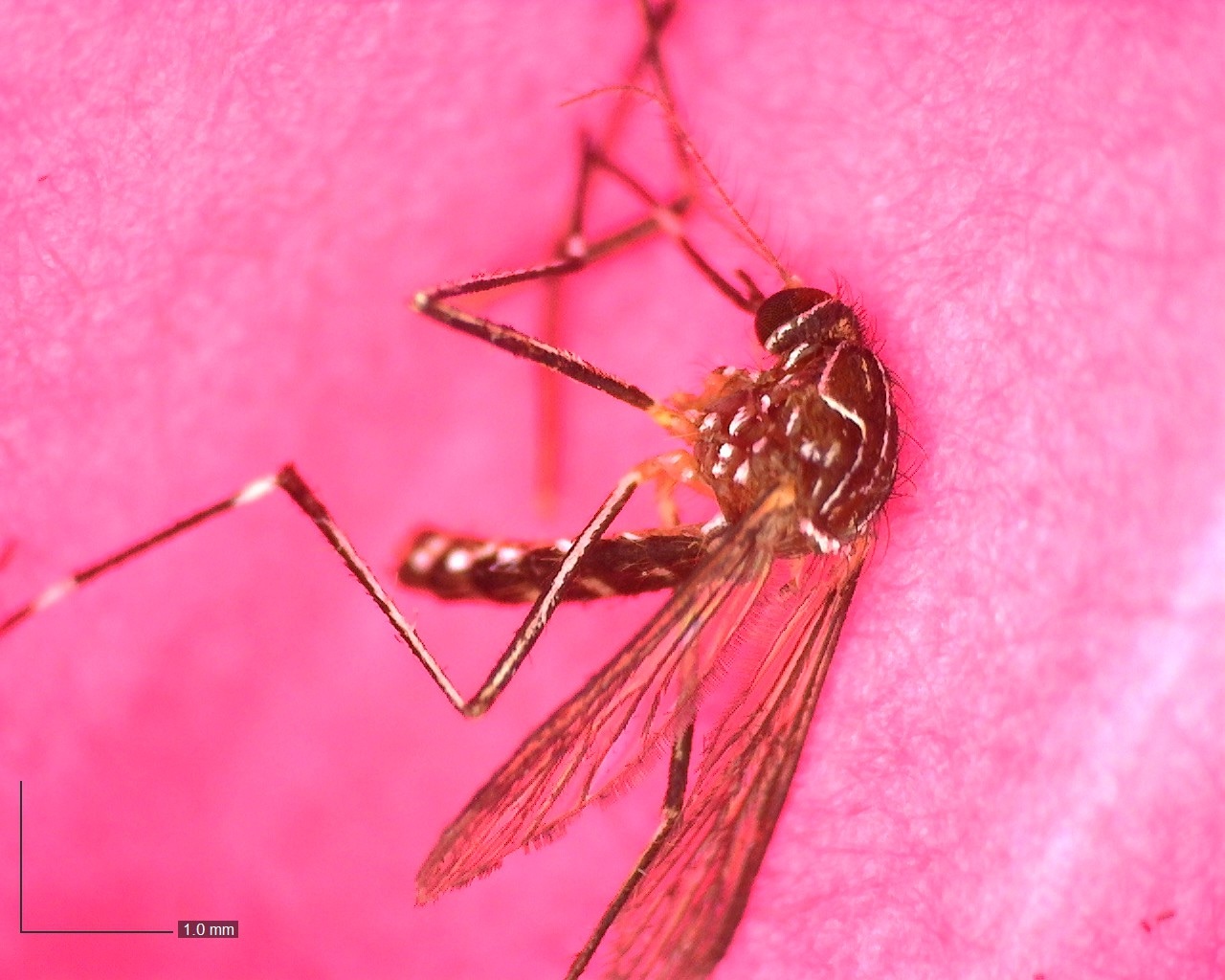
An invasive mosquito species native to Australia and known to carry multiple viruses has been discovered in Portland for the first time, raising concerns from Multnomah County health officials.
The single Aedes notoscriptus mosquito was detected Aug. 25 during the county’s routine mosquito monitoring at the Bybee Lake Pumphouse near Kelley Point Park in North Portland.
The invasive mosquito first raised flags for a county ecologist, who noticed its distinct head markings and that it looked different from other mosquitoes typically found in the region.
A Los Angeles laboratory later confirmed the ecologist’s identification.
County health officials have said their primary concern is the “multiple debilitating vector-borne diseases” the mosquitoes can carry. The Aedes notoscriptus species can transmit West Nile virus and chikungunya virus, which are already found in the United States.
Additionally, the mosquito can carry yellow fever virus, Ross River virus, Barmah Forest virus, Japanese encephalitis virus, and Rift Valley fever virus—none of which have been found in the United States. It is also the primary transmitter of dog heartworm in Australia.
The Multnomah County team monitoring animal-transmitted diseases has conducted more mosquito trapping in the area where the insect was found over the past month but has not found more Aedes notoscriptus mosquitoes.
The species does not have a large flight range, according to the county, so officials plan to continue focusing surveillance within a half-mile radius of where the mosquito was found. More trappings are planned for this week.
The mosquito species was first detected in the Los Angeles area in 2014, and it has since become established in the region.
This is not the first time an invasive mosquito has been found in Multnomah County. In 2006, the Aedes japonicus, a different species, was detected and it has become established in the area.
Health officials believe climate change and increased global trade will increase the number of invasive species found in the region within the next five to 10 years.
HealthNews
Flea-borne typhus outbreak warnings issued in L.A. County

Los Angeles County health officials are warning residents about a flea-borne typhus outbreak in the Mid-Wilshire area.
At least seven cases have been reported in the neighborhood, according to the Los Angeles County Department of Public Health. Officials said six people were hospitalized but have since recovered.
Flea-borne typhus is an acute febrile bacterial infection caused by Rickettsia Typhi bacteria, which is spread by infected fleas often found on pets and wildlife.
In the county, health officials said infected fleas often are found on rats, free-roaming cats and opossums.
People infected with typhus typically develop symptoms within one to two weeks, which may include a fever, headache, rash and body aches.
It is the second time health officials have warned about a flea-borne typhus outbreak in the county. Officials issued similar warnings in July when five cases were reported in the Pico-Union area.
Similar outbreaks also have occurred in Santa Monica and the unincorporated neighborhoods of Willowbrook near Compton, health officials said.
Officials say cases of flea-borne typhus have been on the rise since 2010. Last year, the county recorded about 220 cases, the most ever recorded. At least 187 cases were reported in 2024.
Health officials are urging residents to take preventive measures by using flea control year-round on their pets and not feeding stray animals.
Angelenos also should ensure the lids of their trash bins are closed and block any places around their homes where fleas can enter or hide.
HealthNews
Rabid bats are on the rise in Kansas City
KANSAS CITY, Mo. — KSHB 41 reporter Lily O’Shea Becker covers Franklin and Douglas counties in Kansas. Share your story idea with Lily.
—
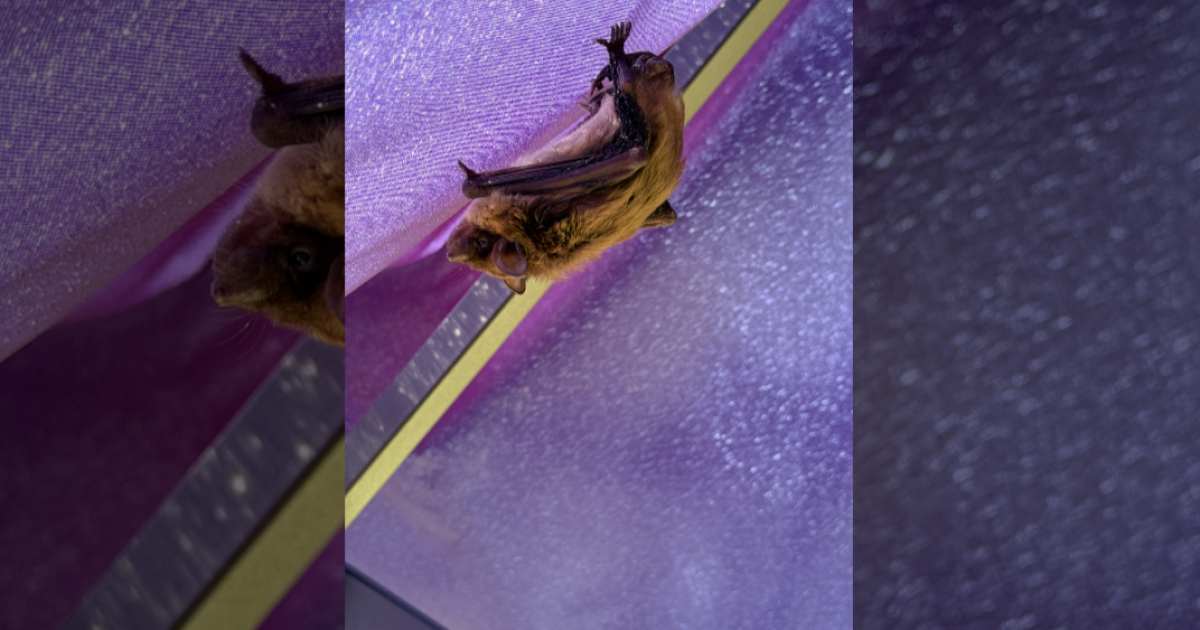
The Kansas City, Missouri, Health Department is urging awareness and precaution as it has noted an increase in both human exposure to bats and bats testing positive for rabies.
Rabid bats are on the rise in Kansas City. Rabies treatment can cost thousands.
On Sept. 10, the Centers for Disease Control and Prevention (CDC) issued a health advisory saying communities across the country have reported an increase in human exposure to rabid or possibly rabid animals since July.
Both the Kansas Department of Health and Environment and KCMO Health Department have issued similar messages, primarily about bats.
“It is 100% fatal, but getting vaccinated, getting the proper evaluation and treatment will save your life,” Dr. Dana Hawkinson, medical director of infection prevention and control for the University of Kansas Health System, said of rabies.
Hawkinson said it’s important to contact a local health department after a possible exposure to assess the risk of rabies.
He also recommends getting an expert to capture and remove bats from living spaces.
Rabies transfers from animal to animal via saliva. Saliva can enter a body through a bite or scratch.
“It does take time for that rabies virus to travel up your nerves, so that is why we do have time,” Hawkinson said. “But it is important to get vaccinated or immunoglobulin after exposure.”
Marvia Jones, director of health for the KCMO Health Department, says immunoglobulin injections are only available in emergency rooms.
In May, I woke up to a bat flying around my apartment in Kansas City’s Midtown neighborhood.
“Certainly, waking up in a room and you see a bat, that can be basically an exposure because you just don’t know,” Hawkinson said. “Bats are very tiny animals. They have very tiny teeth, very sharp teeth. It is always really hard to know or tell if you have been bitten and exposed to rabies in that way.”
Because I woke up to a bat, I visited a local emergency room where I was advised to start the rabies shot series.
For the initial round, I was billed $41,589.84 before insurance. During the emergency room visit, I received six shots — the immunoglobulin injection and the rabies vaccine.
Experts say bats can squeeze through spaces that are the size of a dime. I suspect a bat entered my room through a crack in my window screen and escaped before it could be captured for testing.
Because I was unable to get it tested, I had to follow through with the remaining three rounds of the rabies shot series, including the rabies vaccine.
I received the final rabies vaccinations at the infusion clinic of the hospital I initially visited for the first round.
Those three rounds would have cost me $16,020.06 without insurance. I was billed $206.25 for the final three rounds and paid $1,731.89 in total for the rabies shot series.
“I just have sort of casually heard people talking about, ‘Man, going to the ER is expensive,’ and we do empathize with that,” Jones said.
The KCMO Health Department administered 52% more rabies vaccinations in 2026 compared to 2025, according to the department’s senior disease investigator, Caylin Henry.
While the health department does not provide the immunoglobulin shot required in the first round, it can administer the rabies vaccine for the following three rounds.
Jones said the health department has resources to help with the cost of those shots. The city’s animal control also provides free services to capture the bat for testing
“If we can find that the bat was negative for rabies, that saves the person time and money,” Jones said.
Seven bats have tested positive in Kansas City in 2026. It’s the highest number of rabies-positive bats in the city in more than 10 years, according to the health department.
Jones said the health department is not trying to scare residents, but is trying to make the public aware of the increase in rabies activity in the city.
“We want people to understand there are some steps they can take to prevent exposures in the first place in terms of bats getting into homes and also remind them of the process of what to do when you find a bat,” Jones said.
You can learn more about what to do if you encounter a bat by visiting the KCMO Health Department’s website.
—
HealthNews
An unlucky trait can increase your lung cancer risk by 62 times
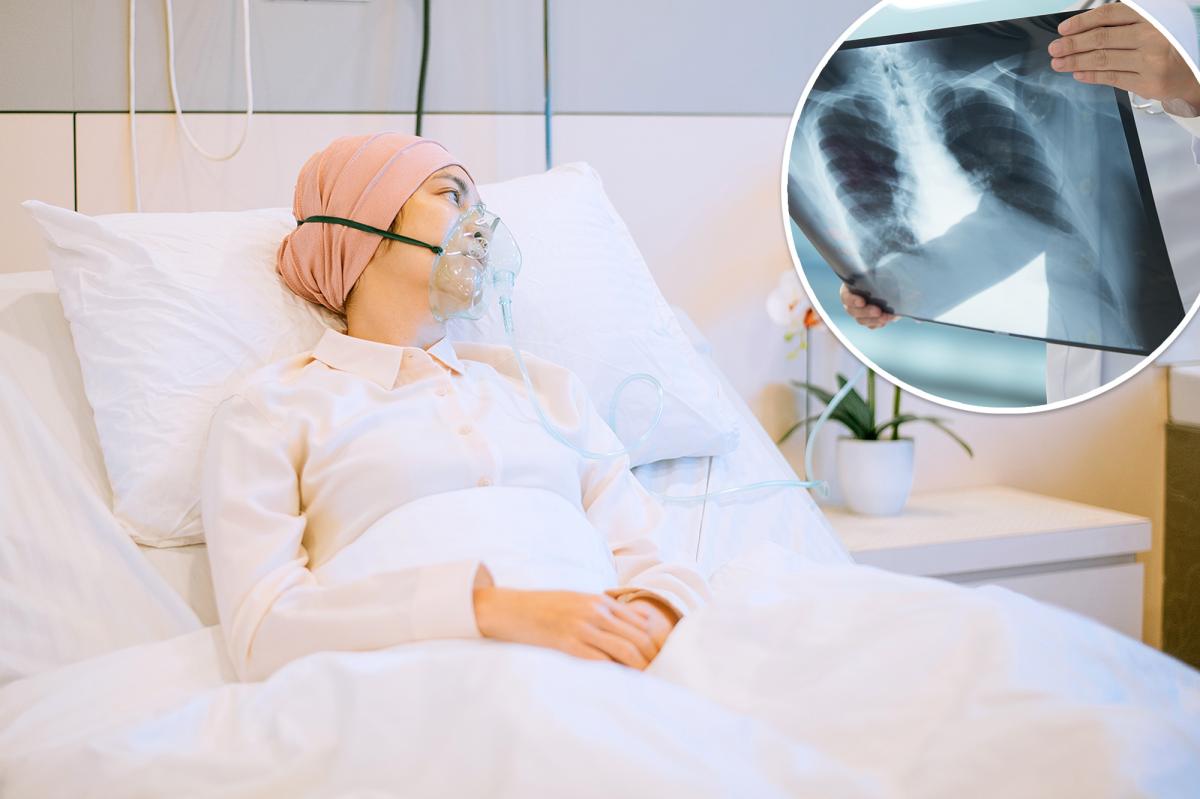
Smoking is a huge risk factor for lung cancer — but it’s not the only one.
Researchers have found an alarming trait that can skyrocket a person’s risk of developing this deadly disease.
Surprisingly, it has nothing to do with cigarettes and everything to do with genetics.
According to a new study, a rare inherited germline mutation can increase lung cancer risk by 62 times in non-smokers.
Smokers with this mutation are 25 times more likely to develop the disease.
Tobacco smoking, however, is still the leading cause of lung cancer. This unhealthy habit heightens lung cancer risk by four times in the general population.
Even so, this study further shows that smokers are not the only ones susceptible to lung cancer — which is the second most common cancer in the US. This dangerous disease is also the prime cause of cancer deaths in both men and women, according to the American Cancer Society.
Which mutation is increasing lung cancer risk?
As the study revealed, the T790M mutation in the epidermal growth factor receptor gene is strongly related to lung cancer risk.
EGFR is a protein that controls how cells grow and divide. When mutated, this protein can cause cancer cells to expand and spread.
Researchers studied 23andMe genotyping data across 3.37 million people and found the mutation to be prevalent in one in 15,850 individuals. Though 17 cancers and nonpulmonary conditions were evaluated, the T790M mutation only exhibited a significant association with lung cancer.
The T790M mutation originated in Southern Appalachian populations in the US about 200 to 225 years ago, according to the study.
EGFR mutation-positive lung cancer accounts for around 10% to 15% of lung cancers in the US, with an increased occurrence in Asian populations, according to the American Lung Association.
How can lung cancer screening help?
As with any cancer, screening and early detection for lung cancer can reduce the risk of death and increase life expectancy
“At the moment, screening for lung cancer is based, essentially, solely on tobacco exposure,” Dr. Pasi Jänne, a lung cancer specialist at Dana-Farber Cancer Institute and corresponding author, told Fierce Biotech.
“Here we’ve identified a genetic component that is also a risk factor, and maybe these are individuals that would benefit from screening and early detection to identify cancers at an earlier early [sic] stage when they’re still potentially curable.”
Jänne also pointed out that the study does not paint the entire picture regarding the lifetime risk of developing lung cancer in people who have the T790M mutation. Environmental factors may also play a role.
“There may be more nuances to the genetics of those individuals that modify the risk,” he added.
“Even in the presence of this mutation or environmental exposures that modify the risk.”
Scientists have developed different therapies used to go after EGFR-mutated lung cancer, including AstraZeneca’s Tagrisso and Johnson & Johnson’s Rybrevant.


WSJ: MAGA podcasters tuning out Trump, tuning into Talarico
A Wall Street Journal analysis of MAGA podcasts reveals a sharp drop-off in mentions of the President since the Iran...


Senate GOP's warning to Trump on Iran war
Some Senate Republicans warned that President Donald Trump is threatening their party's chances of holding onto a majority …


Delegates walk out before Netanyahu’s address to UN General Assembly | BBC News
Israeli Prime Minister Benjamin Netanyahu told the UN General Assembly “we have crushed Iran's military”, after dozens of …


AI is not a new species, it's software: Nvidia CEO Jensen Huang
CNN's Anderson Cooper sits down with NVIDIA CEO Jensen Huang to discuss his relationship with AI regulation. Watch 24/7 live...


NVIDIA CEO says competitors should 'just stop' AI if there is worry
CNN's Anderson Cooper sits down with NVIDIA CEO Jensen Huang to discuss his relationship with AI regulation.


WH bans media from Xi dinner, then Trump fumes at lack of coverage
CNN, along with other news outlets, was denied access to cover President Trump's state dinner for Chinese President Xi Jinping,...


Trump welcomes Xi to White House state dinner. #BBCNews


Milania Giudice ‘under the care of professionals’ after airport incident
Milania Giudice is “under the care of professionals” following an airport clash with her mom, Teresa Giudice, and her sister,...


8 suicide attempts during Iran war rock USS Lincoln carrier group
Eight US Navy personnel assigned to the USS Abraham Lincoln carrier strike group attempted suicide during a period that …


She denied insulting Minnesota. CNN found the post.
Minnesota Republican Senate nominee Michele Tafoya denied she ever said she was embarrassed to be from Minnesota, but …
-

 TravelNews2 weeks ago
Republican midterm convention 2026: What to know about Trump’s Dallas event
-

 Business1 week ago
Suspected stolen Tesla drives onto Pacific Beach boardwalk after police chase
-

 Business2 weeks ago
What is So Hard About Behind-The-Meter Power For Datacenters? Part 1
-

 Video2 weeks ago
Vance calls out El-Sayed over remarks about his family
-

 Video2 weeks ago
Charlie Kirk statue draws supporters to Times Square
-

 Entertainment2 weeks ago
Savannah Guthrie quietly makes heartbreaking admission in new statement about missing mom Nancy
-

 Entertainment2 weeks ago
Talking To Emily St. John Mandel About Revision, Timeline Corruption, And Living Without A Floor
-

 Entertainment2 weeks ago
What the 2026 summer box office reveals about theatrical shifts