
HealthNews
Tanning Is Having a Comeback. Experts Are Worried
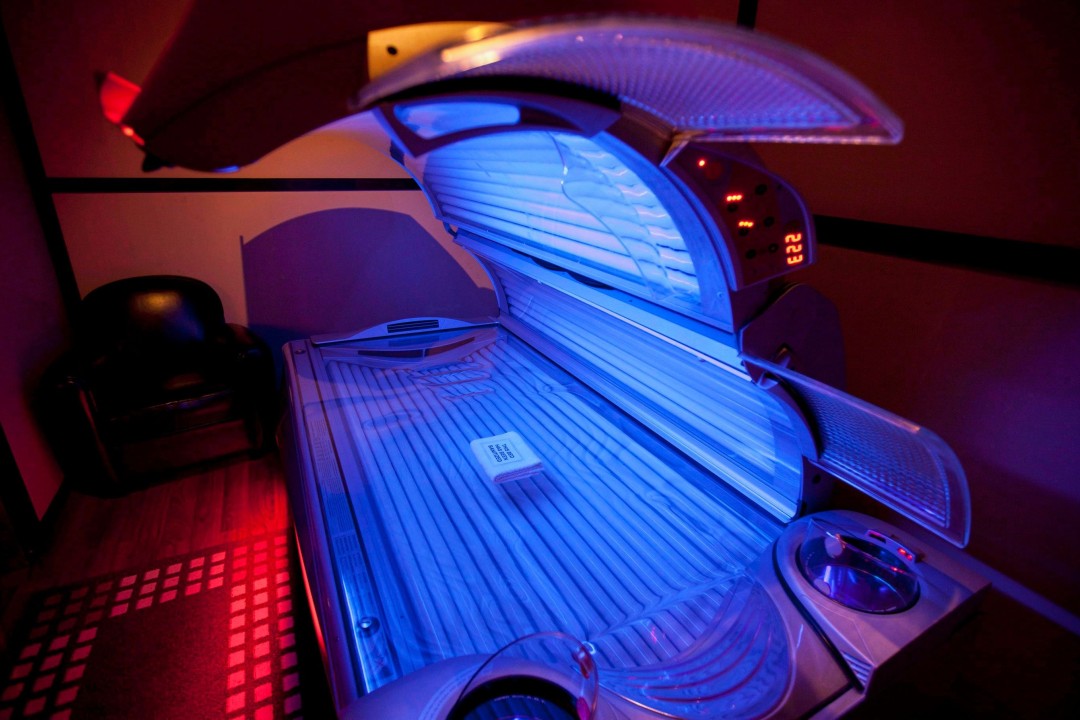
The AP reported that experts are worried about a resurgence of the tanning trend amongst young adults. Social media is credited with helping tanning to make a return. The AP reports that a video featuring a young girl’s “tanning tips” as well as a bikini line has been viewed more than 11,000,000 times. Commenters joked, “the earth won’t be around for long, so I would rather stay tanned than pale.” According to the American Cancer Society, more than 100,000 melanomas are likely to be diagnosed by 2026 in the US, with approximately 8,500 deaths from this potentially fatal skin cancer. Some influencers encourage the use of tanning bed.
The team of Dr. Pedram Pedram and the medical school at Northwestern University wanted to know what happened at a cellular scale with tanning beds users. The risk of melanoma was nearly three times higher for tanning bed users than those who didn’t use them. Gerami compared skin samples of tanning bed users with those from nonusers. The DNA sequences were examined by his team, which analyzed melanocytes – skin cells capable of mutating into cancerous moles or melanoma. Melanocytes can become mutated when exposed to UV radiation. Tanning beds emit 10 times more UV than the sun. Gerami stated that the DNA mutation rate in melanocytes of tanning bed users is more than twice as high as nonusers who only get UV exposure from outdoor sunlight.
World Health Organization (WHO) has classified tanning bed as cancer-causing agents in the same group as asbestos and tobacco for many years. According to the American Academy of Dermatology, tanning before 20 increases your risk of developing melanoma 47%. According to Dr. Anthony Rossi of Memorial Sloan Kettering Cancer Center, “Tanning has become cool and the young generation is putting off all education on skin cancer and skin ageing.” There’s no safe way to tan.
Continue Reading Next
The way we think is changing
Trump rips Pirro over case on
Trump cancels Iran attacks, according to another
The seaweed blanket is a foul, smothering substance.
HealthNews
What to know about ‘rabbit fever’ amid 3 probable cases reported in New York

Long Island is reported to have at least three possible cases of an uncommon bacterial disease by New York health officials.
Suffolk County Department of Health stated that laboratory tests are needed to confirm cases of “rabbit flu,” also called tularemia. This may take several months.
The Department of Health and Human Services told ABC 7 New York that “confirmation of the tularemia diagnoses requires laboratory testing in combination with specific clinical criteria or epidemiological criteria.” The laboratory tests to confirm a diagnosis of tularemia may take several week.
What you should know about this disease, including the spread of the illness and the signs to watch for.
What is the tularemia virus?
According to the Centers for Disease Control and Prevention, tularemia is a potentially severe illness that can be caused by Francisella tularensis.
The disease is spread by ticks or deerflies which have eaten infected wild animals such as rabbits, hares and rodents. It is not transmitted from one person to another.
The CDC states that humans can be infected by handling skin tissue infected with bacteria, by breathing dust or aerosols contaminated by the bacteria or drinking contaminated water.
It’s called rabbit flu because people who skin or eviscerate rabbits after shooting them, can be contaminated. Dr. William Schaffner is a preventive medicine professor at Vanderbilt University Medical Center, Nashville.
According to the CDC, tularemia occurs more frequently in men and is most common from May until September.
CDC statistics show that fewer than 200 new cases are reported each year since 2019 through 2023.
What are signs and symptoms of a stroke?
According to the CDC, tularemia symptoms can range from mild up to deadly, depending on where and how a person was infected.
The fever can reach 104 degrees in all forms. According to Dr. Zoe Weiss of Tufts Medical Center, Boston, the time between exposure and symptoms appearing is usually three to five day, but it can last up to three week.
Weiss explained that tularemia starts out like a flu — with a sudden high fever and chills. It can also cause headaches, body pains, and a feeling of exhaustion. What sets it apart are the symptoms that appear along with it: an ulcer or sore where you’ve been bitten, and a painful swelling of a lymph node nearby.
Oculoglandular Tularemia is a condition that causes inflammation and irritation of the eyes, as well as swelling of the lymph glands located in the area of the ear.
According to the CDC, patients who ate or drank contaminated water or food can develop oropharyngeal tularemia. This may cause a sore or swollen throat as well as mouth ulcers and tonsillitis.
Inhaling infected aerosols or dust can cause pneumonic Tularemia. The symptoms include chest pain, coughing and breathing difficulties. The CDC states that it can occur if other illnesses are not treated and bacteria is spread through the bloodstream into the lungs.
Tularemia is difficult to diagnose due to its rarity and because the symptoms are similar to those of other, more common diseases.
Schaffner explained that “most types of pneumonia present very similarly because they cause inflammation in the same organ (the lungs).” To distinguish the sources, two factors are needed: first, obtaining a sample and sending it off to a laboratory; and second, asking the doctor about the source.
What to do if you have tularemia?
Weiss stated that “tularemia can be treated with antibiotics commonly available.” It used to be fatal, but it’s now much easier to treat with antibiotics.
According to the CDC, a vaccine has been available for laboratory workers that interact with bacteria that cause tularemia. The vaccine, however, is under review by FDA and not available to the general public in the U.S.
The CDC advises that you use insect repellents registered by the Environmental Protection Agency, such as DEET, picaridin (IR3535), Oil of Lemon Eucalyptus, para-menthanediol (2-undecanone), Oil of Lemon-Eucalyptus, or Oil of Lemon-Eucalyptus.
Wear long trousers, long sleeves, and long socks in order to avoid ticks and deerflies. Remove the tick as soon as possible if it has attached.
If you are mowing your lawn or doing landscaping, don’t mow over dead or sick animals. According to the CDC, when hunting, skinning or trapping animals, wear gloves and thoroughly cook meat before eating.
HealthNews
Once-weekly workout burns nearly as much fat as 3 workouts a week

It’s done.
Adults should aim to complete at least 150 minutes per week of aerobic exercise, as well as two sessions of muscle strengthening.
Research suggests that you can lose as much weight as in three weeks of exercise with much lower amounts.
Visceral abdominal fat is a major contributor to health problems such as cardiovascular disease, diabetes type 2, and even skin inflammation.
The next step in losing belly fat may be as simple as working out once a week.
The journal Nature Communications published a study that found one session per week of high-intensity interval training (HIIT), had the same effect on body fat and heart health as three sessions of the exercise.
Researchers from the University of Hong Kong studied adults who had abdominal obesity and compared them to those that did 75 minutes of interval training per week on the treadmill or divided the 75 minute session over three sessions during the week.
Training sessions were made up of four high intensity intervals of 4 minutes each, with three-minute rest intervals in between. This totaled 25 minutes.
Each 25-minute lesson was completed in three separate sets with 15-30 minutes of break between each.
The total body mass, the body fat percentage, and the waist circumference of participants were assessed at the start, four months later, and eight months after the initial measurement.
After four months, both groups experienced significant weight loss. The group that worked out three times a week lost about 3.5% and the group who only exercised once a month shed around 2.6%.
The total amount of physical activity is considered more important than the distribution throughout the week.
Even though fat loss slowed down after four more months, the participants still saw a reduction in their waistlines – an indicator for visceral fat.
This weekend warrior approach, where people cram as much exercise in on Saturdays and Sundays as possible, could be beneficial to those with a tight schedule.
Researchers at the University of California, Berkeley said that once-weekly interval training is a viable and effective alternative to high-frequency exercises.
Another study has found that weekend-only gym goers lower their risks of over 200 diseases as much as people who exercise throughout the week.
The benefits of high intensity interval training are numerous, whether you work out on the weekend or not.
Increased intensity during exercise can lower blood pressure and blood sugar, increase metabolism and help you burn calories even after the workout.
Some interval sessions can be completed in just 20 minutes using a wall and a chair, as well as your own body weight.
HealthNews
America Getting Lesson in Consequences of Trump’s War on Public Health as Rare Disease Outbreaks Ravage the Country
Donald Trump, who has made “Make America Healthy Again”, a narrative cornerstone, has taken extraordinary measures to turn the US into a breeding grounds for viruses, bacteria, and parasites. And no, it’s not his cabinet.
Trump, his allies and cronies began to dismantle offices that were doing vital work in public health as soon as he assumed his second term. Trump’s appointments were an attack on two long-standing institutions that protected the US against the effects of disease. Elon Musk DOGE reduced the capacity of the government to track and identify public health issues, and Robert F Kennedy Jr.’s Department of Health and Human Services restricted what the US government would do to combat them.
The Centre for Disease Control, for example, has lost almost a quarter its staff since January 2025. Those who remain watched with horror as the CDC acting director reduced the number of vaccines universally recommended for children from 17 to 11.
There are many examples of these policy missteps, and their cumulative effects will be felt in the coming decades. The effects of Trump’s public health war are most evident in diseases that were previously under control but are now re-emerging after an year and half of MAHA.
The cyclospora epidemic, which spread from lettuce contaminated with a bacterium to more than 18,000 people in 45 different states, is another example. The true impact of the cyclospora outbreak may be much worse than we think, since reporting delays can create major delays in new data. While cyclospora outbreaks are not uncommon, the fact is that Trump administration officials decided to make reporting the parasite by the CDC optional in 2025 – right before the biggest known outbreak of modern history – makes it hard to ignore.
A salmonella outbreak that affected the entire country prompted authorities to recall at least 100,000 cartons of egg. At least 100 cases had been reported. Salmonella reporting remains mandatory at the CDC. However, under Trump, Food and Drug Administration has deferred the implementation of a rule on food traceability, which is designed to accelerate the tracking back of food borne illness to its source.
What is the reason behind this delay? Budget reductions.
Under Trump, more bugs than foodborne diseases are spreading across the nation.
Vox reports that the measles, which was once eradicated, is now back. Over 2,300 Americans will be infected with it in 2026, the most since 1992. Staffing reductions and budget review requirements at the US Department of Agriculture have slowed containment efforts. The botulism toxin, which is a nightmare to think about, has also made headlines. It entered the food supply through contaminated infants formulas after the Trump Administration disbanded its National Advisory Committee on Microbiological Criteria for Foods. This was just as this group was about release a report on the infant formula.
There’s more we could say. Some will say that the diseases always loom over us, no matter who is in the Oval Office. But that’s the exact point.
The game of public health doesn’t involve the enemy’s pieces leaving the board when they are defeated. The game is more like Whack-a Mole. It requires quick reflexes and a mallet. The mallet was sold to the highest bidder under Trump while the players wandered away, believing the moles were a joke.
HealthNews
Scientists Say These Factors are What Really Age You-and They’re Probably Not What You Think

These links may result in Hearst Magazines or AOL earning commissions on certain items.
Everyone seems to be obsessed lately with rewinding the clock, whether it’s booking a Botox appointment or stepping up their supplement game. We now know, thanks to an increasing body of research that we can hack our health to slow the rate of cellular ageing (also known as biological aging). To a certain degree, biological aging is possible.
One study has suggested that the combination of genes, lifestyle and environment may not make aging so complex. Your genes could be the least significant factor.
This is great news for those who have a family history of certain diseases (diseases can play a significant role in the cellular ageing process). You may also have greater control than you realize over your aging. The study’s findings are listed below, along with the factors that appear to be more important in the cellular ageing process than other factors.
Meet the experts. M. Austin Argentieri PhD is the lead author of the study and a researcher at the Harvard/MGH Center on Genomics and Vulnerable Populations and Health Disparities. Cornelia vanDuijn PhD is a study co-author, a professor in the Nuffield Department of Population Health at Oxford University. Alfred F. Tallia MD, MPH professor, chair of community and family health, Rutgers Robert Wood Johnson Medical School.
What was the result of this study?
This study was published by Nature Medicine and looked at the data of about a half million participants in UK Biobank. UK Biobank is a biomedical information database that includes genetic, health and lifestyle details.
Researchers analyzed these data to determine the impact of about 165 genetic and environmental risk factors on 22 age-related illnesses and premature deaths.
The findings were varied, but most notable was the fact that factors such as lifestyle and environment play a greater role in biological ageing than genetics.
Environmental factors explained 17 per cent of variation in death risk, while genetic predisposition explained less than two percent, says Cornelia Van Duijn, PhD. She is a co-author of the study and professor at University of Oxford Nuffield Department of Population Health.
How do environmental factors affect aging?
The environmental factors are the things you encounter every day that may affect your health. For example, the air pollution or the place you live can have an impact. Researchers found the following factors to have the greatest influence on ageing:
Earnings from the household
Social economic status
Owning a home
Status of Employment
People who live with partners
How can lifestyle affect aging?
The term lifestyle factors is used to describe daily choices and habits that affect a person’s health. These are the main factors that contribute to ageing:
Smoking
Physical Activity Level
Sleeping time
At least one gym visit per week
The study did not examine diet which is considered to be a major lifestyle factor. Diet was difficult to measure in this study. M. Austin Argentieri PhD is the lead author of this study and a researcher at Harvard/MGH Center on Genomics Vulnerable Peoples and Health Disparities.
Argentieri states that “this does not mean diet is not important to mortality or aging – it probably is – but that there were not reliable enough diet assessments in the UK Biobank that met our quality control criteria.”
What are the effects of these factors on our brain and cellular aging?
Alfred F. Tallia MD, MPH is professor of family medicine at Rutgers Robert Wood Johnson School. He says that experts agree environmental factors and lifestyle play an “important role” in the aging process. Van Duijn notes that the exact impact they have on our bodies, and how we age, depends upon which of them you are looking at.
One big factor? She says that if you focus on specific diseases, “we find significant differences.”
According to Dr. Tallia, disease can accelerate the aging of cells because stress from fighting an illness can result in cellular damage and inflammation.
Smoking is an important factor in certain diseases, but not all. Environmental stressors like air pollutants can also greatly accelerate aging. They are a major factor in illnesses such as cardiovascular disease and Cancer, says Dr. Tallia. Smoking, alcohol consumption, and lack of physical activity are all lifestyle factors that can accelerate the aging process.
Genes play any role?
Yes, genetics still plays a part, especially since they may contribute to certain genetic disorders. Argentieri says that the genetic contribution to chronic diseases varies depending on the disease. “Dementia and breast cancer and ovarian are more genetically influenced than lung, liver, or heart disease.”
According to Dr. Tallia, it is difficult to determine a person’s exact likelihood of developing a condition or disease based solely on their genetic makeup. This is why environmental and lifestyle factors are important.
He says that the more a person can adapt to stressors and live a healthy life, by taking control of their own lives, they will be better off.
Can you reverse the biological ageing process?
Although research into biological aging continues, there are some studies that suggest you can reduce your biological age with these lifestyle modifications:
Sleep at least 7 hours a night
Plant-based diets are best
Maintain a healthy body weight
Exercise at least 150 minutes a week
Reduce your alcohol intake
Smoking is harmful to your health.
Use sunscreen
Maintain good oral hygiene
Keep your stress level under control
Doctors recommend that you do your very best to make lifestyle decisions which influence your age biologically and your risk of developing disease. Small changes now can lead to big results in the future.
Also You Might Like
HealthNews
Woman diagnosed with sleep condition after rapidly gaining 40 pounds despite diet, exercise
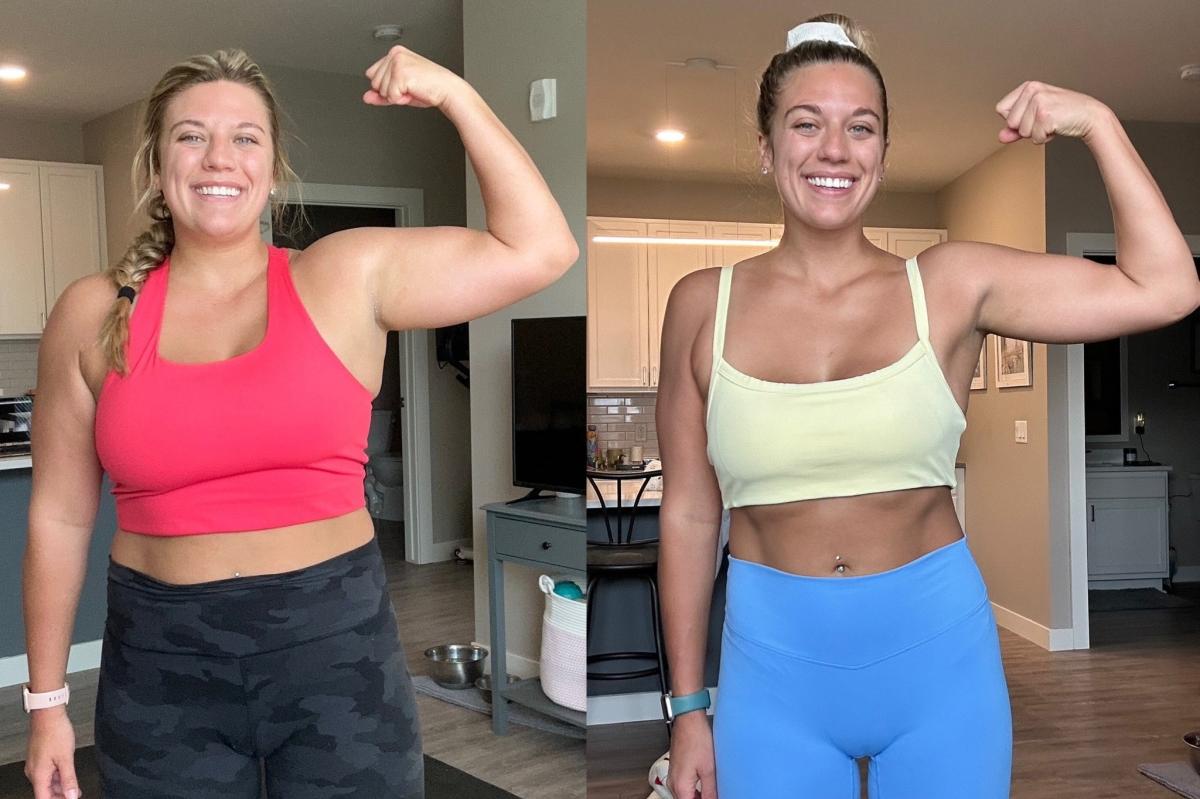
Sleep apnea was diagnosed in a woman who had gained 40 pounds over six months despite the fact that she ate and exercised as usual.
Lex Banach felt “insane”, despite her regular gym visits and healthy eating, when she started to gain weight rapidly.
She went to her doctor after experiencing extreme fatigue and brain fog. The doctor told her that she’d had sleep apnea without knowing for the past three years.
A content creator from Milwaukee in Wisconsin began to use a CPAP and shed 60 pounds within a year.
She stated: “I didn’t understand what my body was doing for many years. I felt like a lunatic.”
I felt so lost. I had been following the same diet and exercising the same way for months.
I’ve always snored, and have always had a bad breath.
My doctor said that my weight gain is likely due to sleep apnea.
The test revealed that I was stopping breathing after eight minutes.
I was relieved that finally, there was an answer. But surprised when it turned out to be only mild considering the impact it had on me.
Lex, who is a fitness enthusiast, lost 20 pounds in 2020. She went from 180 to 160 pounds.
After a year of maintaining her weight, in 2021 she started to gain rapidly, gaining 40 pounds within six months.
She was confused and decided to stop taking the pill by 2022. Since she ate the same as she did before and exercised the same as she had done, there could be no other explanation for the weight gain.
She said, “At the time it was a trend to stop taking the pills. But nothing changed.”
The woman began experiencing extreme fatigue and brain fog.
She said, “I was so tired that I had to take a nap everyday.”
Her impulse control also became a problem.
She said, “I’d say that I would only have one cookie and then finish the entire container.”
“I didn’t really feel myself. I was no longer bubbly and kept snapping my partner.”
Lex, feeling down, went to her doctor and asked for therapy. She was diagnosed with anxiety, depression and sleep apnea.
When you stop and start breathing while sleeping, this is called sleep apnea.
The symptoms include mood swings and difficulty sleeping. If not treated properly, this can cause serious health problems such as type 2 diabetes and heart disease.
Lex’s doctor prescribed a sleep test, in which your oxygen level, heart rate and breathing are recorded while you sleep.
Before going to bed, she attached the sensor on her finger. The device then monitored her vitals while she was sleeping.
Lex was diagnosed as having mild sleep apnea after the test revealed that she woke up at least 68 times in a night.
A sleep apnea may contribute to obesity because it disrupts sleep, which can affect your metabolic rate, cause hormonal imbalances, and reduce your energy, making you less likely to engage in physical activities.
Lex received a CPAP in June 2023 after her diagnosis. This machine pumps air through a sleeping mask that you place over your mouth and nose.
Lex began to notice a difference in her appearance within months. Within one year she lost 60 pounds and her weight dropped to 140 pounds.
She did another sleep study in February 2024 and doctors told her that the symptoms of sleep apnea were gone.
She returned the CPAP in April 2024 and began experiencing symptoms of sleep apnea in May 2025.
Lex, who no longer has insurance, has not been able access a CPAP again, now that she is experiencing symptoms and has put on 20 pounds.
She is doing her best with yoga and meditation to control her symptoms.


US cyclosporiasis outbreak kills two people in Michigan, officials say
The Michigan Department of Health announced on Monday that two people had died in Michigan from the intestinal disease cyclosporiasis....


Sid Wilson’s Behavior Toward Bandmates Led to Slipknot Firing
TMZ reports that Sid Wilson, the band leader of Slipknot, was not only surprised by his departure but also knew...


What to know about ‘rabbit fever’ amid 3 probable cases reported in New York
Long Island is reported to have at least three possible cases of an uncommon bacterial disease by New York health...


HOAs running out of money and foreclosing on more residents
The homeowner associations of America are out of patience and money. In the aftermath of the Surfside condo collapse and...


Why Did 60,000 Migrants Cross from Morocco into Spain’s Ceuta? Moroccan Dutch Professor Explains
Amy Goodman: According to officials in the Spanish enclave Ceuta, migrants are returning home to Morocco after an incident at...


Red-state AGs warn OpenAI after AI agent allegedly hacks Hugging Face
On Monday, a coalition of 15 attorneys general from red states warned OpenAI CEO Sam Altman to stop certain cybersecurity...


What’s Different in the North American Tesla Model Y L
Tesla’s electric extended crossover has finally arrived on local roads. New details reveal how the North American Model Y L...


Oil slides as Trump delays Iran strikes, signals peace talks
The oil prices dropped on Monday, as the markets welcomed the prospect of a de-escalation in the Iran War despite...


Once-weekly workout burns nearly as much fat as 3 workouts a week
It’s done. Adults should aim to complete at least 150 minutes per week of aerobic exercise, as well as two...


1st deaths in cyclosporiasis outbreak reported in Michigan as cases surpass 11,000
Michigan’s Department of Health announced on Monday that the first two cases of cyclosporiasis have occurred in the state. The...
-

 Business1 week ago
OpenAI president shares concerns about how powerful AI is becoming
-

 Tech1 week ago
Trump jokes about tariffs on lettuce and smoke
-

 Business1 week ago
Elon Musk drops wild 5-year prediction about AI and humanity
-

 Food1 week ago
A grandfather struggled with treatment for late-stage pancreatic cancer – until a clinical trial helped him beat the odds
-
PM office canada2 weeks ago
Carney says he ‘should have been clearer’ about new Gordie Howe bridge agreement
-

 BBC News World1 week ago
Seattle shooting: Two killed and five injured in shooting at food festival near Space Needle
-

 Tech2 weeks ago
Live updates: US-Iran war, Rubio warns Tehran ‘not serious’ about talks, US strikes continue
-

 Entertainment1 week ago
D4vd Allegedly Texted Teen About Abortion, Detective Reveals