
HealthNews
Harvest a deer? Better get it checked for chronic wasting disease

SALT LAKE CITY — Successful deer hunters on many of Utah’s hunting units are being asked to stop at check stations during fall hunts.
Officials across the state will be checking for chronic wasting disease, a transmissible condition that affects the nervous systems of deer, elk and moose. Infected animals develop brain lesions, appear listless, have droopy ears and will eventually die. In the early stages of the disease, deer appear healthy (including animals that may be harvested by hunters), so the only way to know whether your deer is infected is to test it.
The data collected at check stations is crucial to helping the Utah Division of Wildlife Resources monitor chronic wasting disease and maintain healthy deer populations in Utah. A total of 435 mule deer and 11 elk have tested positive for the disease in Utah, according to the division. The disease is found primarily in the northeastern and southeastern parts of the state.
If you shot a deer this year that was extremely thin, walking in tight circles or had excess saliva, the DWR encourages you to get it tested. There are technicians in every region of the state who can test deer for chronic wasting disease.
HealthNews
might be huge waste of money: study
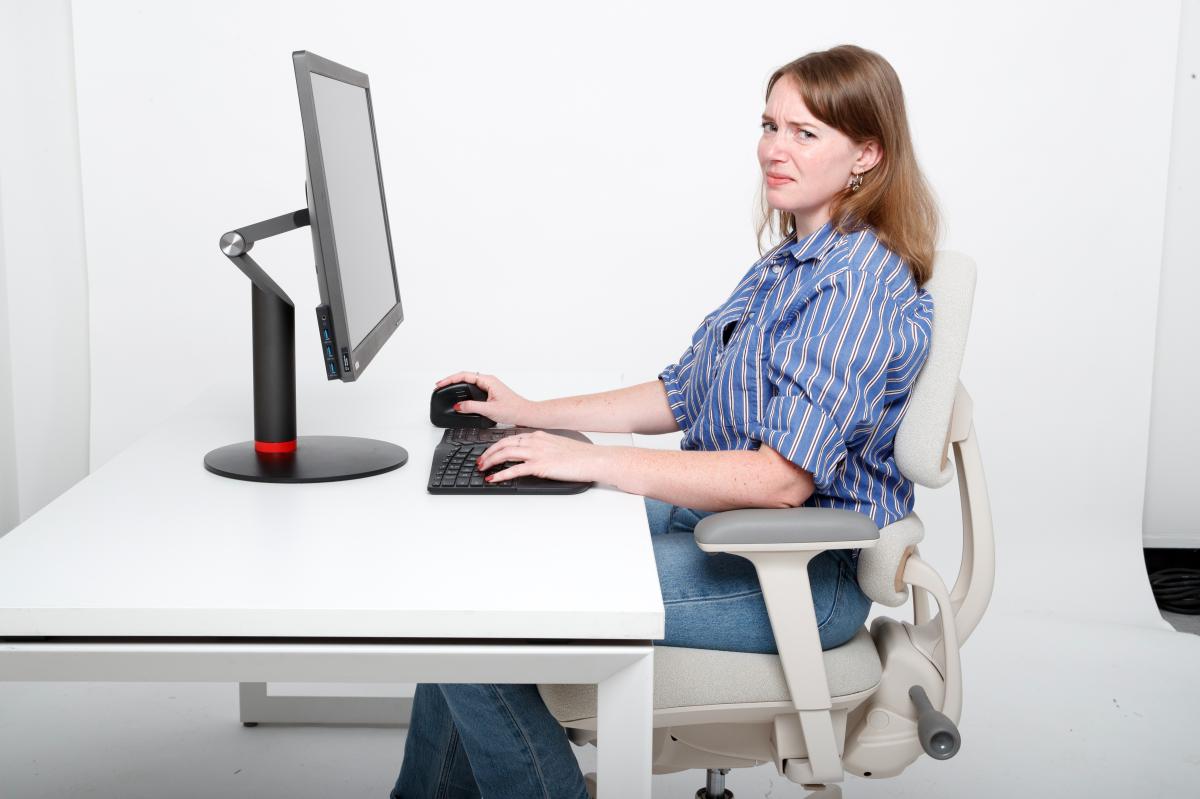
Time to shelve that standing desk.
New research suggests ergonomic upgrades for the office — from specialized chairs, desks and keyboards — do little to actually help workers with repetitive stress injuries.
Researchers from the University of Technology Sydney analyzed 20 trials involving more than 2,400 people with work-related complaints of the arms, neck and shoulders.
Compared with no treatment or usual care like medical advice, discussion or counseling, the ergonomic-friendly interventions showed little to no impact on pain, functionality or quality of life, or on workers taking sick leave.
Ergonomic office setups were also less effective than posture-correcting exercises to treat pain or discomfort, though they may provide short-term relief when paired together.
“The certainty of that evidence ranges from low to moderate, so this is a clear signal that the case for these interventions is weaker than many people assume,” lead author Dr. Poonam Mehta said in a news release.
The ergonomic interventions mentioned in the review included specially designed furniture and devices, such as chairs, sit-stand desks, keyboards and computer mice.
It’s a huge industry — ergonomic office furniture is valued at an enormous $16.5 billion, according to Mordor Intelligence, and is projected to reach nearly $23 billion in 2031.
A caveat to the overall findings is that ergonomic setups may have small benefits for people with specific maladies, like rotator cuff injuries in the shoulder from repeated lifting.
One study from the review suggests ergonomic treatment may reduce functional disability better than mobilization, strength and endurance training exercises.
However, other studies looking at those with carpal tunnel syndrome in the wrist from frequent mouse-clicking didn’t see reduced pain using ergonomic keyboards or computer mice.
Some study results did suggest the office updates may improve quality of life, although the research team has limited confidence in the evidence due to mixed results.
For decades, ergonomics experts have argued that bad desk setups could result in poor posture, aches, “tech neck” and more, affecting employees and employers alike.
“The long-term cost of poor ergonomics far exceeds the upfront cost of proper design,” board-certified ergonomist and Global Vice President of Humanscale Consulting Jonathan Puleio previously told The Post.
This new review challenges that conclusion, suggesting instead that offices reconsider their investment in ergonomic tools and costly refurnishing.
“Our findings suggest that, on current evidence, these measures alone shouldn’t be expected to reduce pain or sick leave in the short term,” Mehta said. “Employers may want to weigh that against the cost.”
HealthNews
Unexpected symptoms that may be worse for people with autism

Aging is hard for everyone — but it can be especially difficult for those who struggle with change.
For many women, there’s no greater change than menopause, which signals the end of their reproductive years.
The phase often brings hormonal shifts, hot flashes, night sweats and brain fog, disrupting daily routines.
And for many people with autism, a strict routine helps to manage chaos and lessen anxiety.
That’s why researchers from Bournemouth University in England are sounding the alarm that women with autism may suffer more severe menopausal symptoms than women without autism.
“We know that menopause can be challenging for non-autistic people — the symptoms force 1 in 10 women to leave the workforce,” said study author Eunhee Kim, a PhD student.
“Autistic people can already struggle with memory, planning, managing emotions and sensory sensitivities, and many try hard to fit in and mask their differences while struggling with these things, so menopause could worsen things that are already difficult for them.”
What researchers found
Autism affects an estimated 1 in 45 US adults and is nearly as common in women as in men.
The neurodevelopmental condition influences social communication, interaction and behavior.
Researchers compared the menopause experiences of 476 participants with autism and 425 participants without autism to see how they differed in symptom severity, quality of life, depression and anxiety. Women ranged in age from 40 to 60.
Across the board, participants with autism reported their menopause symptoms were about six points worse than the non-autistic participants.
These symptoms included hot flashes, irregular periods, weight gain, vaginal dryness, headaches, problems with concentration and bladder problems.
Depression and anxiety were nearly four points higher on average among autistic participants.
Quality of life had the most stark difference: autistic participants scored theirs on average 12.14 points lower.
The findings were published Tuesday in the journal Autism in Adulthood.
Authors note that depression, anxiety and quality of life were all linked to the severity of menopause symptoms.
Autistic participants were also much more likely to have serious health conditions. They were twice as likely to have one or more cardiovascular issues, such as heart disease, compared to the control group.
They were also over four times more likely to have a musculoskeletal condition like hypermobility (unstable joints causing frequent injury) and chronic pain.
Many autistic participants also had several serious and chronic health conditions.
Why does autism make menopause harder?
One factor at play is these heart conditions. Kim muses that having pre-existing mental and physical health conditions could make for “an especially difficult time during menopause.”
Her team also found that “feeling out of control and struggling to understand menopausal changes to the body and mind” appeared to predict how severe menopause symptoms would be.
“Autistic people have often told us, ‘I thought I was going mad,’ or ‘I thought I had a disease,’ because their menopausal experiences don’t resemble what they’ve read or heard about in other people,” said study author Julie Gamble-Turner.
“Helping people feel less frightened, confused and out of control — for instance, by giving them information tailored for autistic people about what to expect during menopause — means we are better able to help them.”
Author Rachel Moseley suggests that doctors and other healthcare professionals take note to better help patients with autism.
“Sometimes, doctors do not believe how much they are struggling, perhaps because autistic people do not necessarily show their distress in the way non-autistic people expect,” she said.
“Autistic people can be in crisis yet sound quite calm and logical. It’s so important to believe any person who tells you they are struggling.”
HealthNews
SLO County E. coli outbreak leaves 3 kids in intensive care
Three San Luis Obispo County children are in serious condition after contracting E. coli — and the county is investigating a local farm as a potential source.
On Tuesday, the SLO County Department of Public Health reported five total confirmed cases of E. coli throughout the county, potentially linked to Brookshire Farms, located at 4747 Los Osos Valley Road and best known for its 57 years of corn mazes, pumpkin patches and other fall-themed activities.
Public Health Public Information Officer Tom Cuddy confirmed that three of those cases were children who are in “serious condition and receiving pediatric intensive care,” he told The Tribune.
The county declined to provide further information about the children or where they were being treated.
The suspected exposure period at Brookshire Farm is Oct. 16–18, and the source of the infection is still under investigation, a Public Health news release said.
Anyone who visited Brookshire Farms between those dates and is experiencing gastrointestinal symptoms — usually cramping, abdominal pain and bloody diarrhea — should contact their healthcare provider, Public Health advised.
Children under the age of 10 are at highest risk of having complications.
“We are working diligently to identify the source of these infections to protect the health of our community,” County Health Officer Dr. Christy Mulkerin said in the release. “We encourage anyone who may have been exposed and is experiencing symptoms consistent with E. coli infection to seek immediate medical attention.”
According to the release, Brookshire Farms is cooperating with Public Health and closed voluntarily while the investigation proceeds.
Public Health is also gathering information, investigating potential exposures and conducting follow-up activities to determine whether the cases are connected, the release said.
E. coli infections can cause diarrhea, severe stomach cramps and vomiting. Some infection scan lead to serious complications, including kidney damage.
“Anyone experiencing bloody diarrhea, severe abdominal pain, signs of dehydration or other concerning symptoms should seek medical attention,” the release said.
Brookshire Farm posted on Facebook Tuesday that it was temporarily closed, and co-owner Shawn Callaway told The Tribune that their thoughts and prayers were with those who were affected.
HealthNews
South Carolina’s measles outbreak jumped to Washington state 5 times in 2 weeks
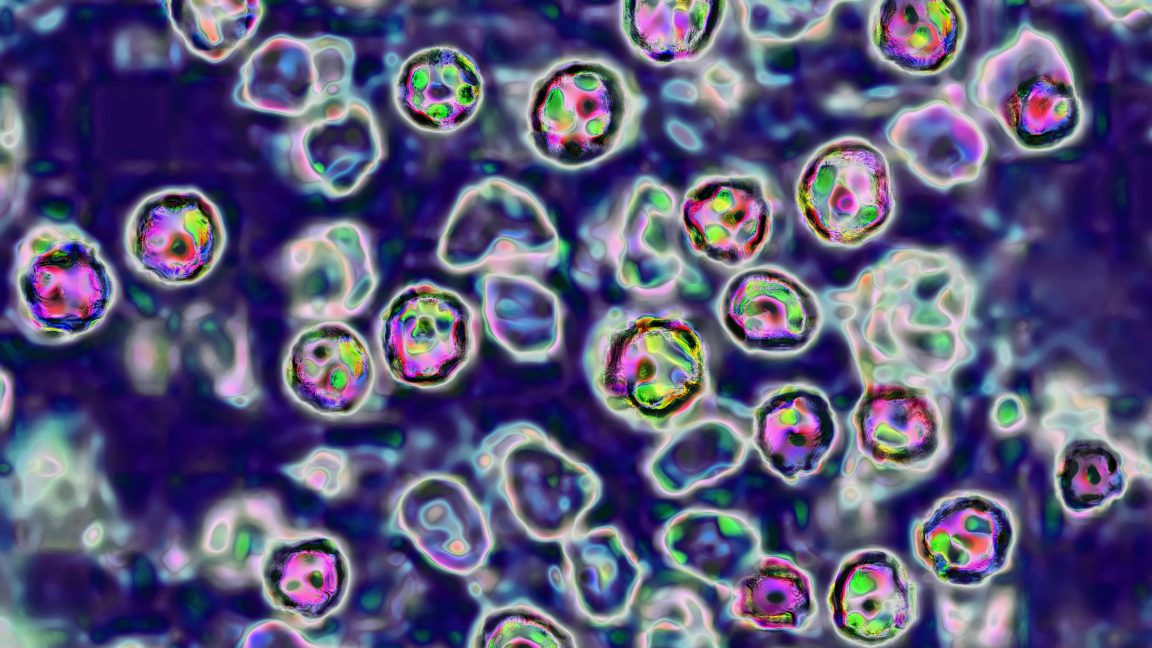
Since measles was declared eliminated in the US in 2000, the country’s occasional cases have come mainly from international travelers—visitors from far-flung places where the virus still spreads freely — or unvaccinated US residents who return from abroad with a highly infectious souvenir. But as vaccination rates have slipped nationwide in recent years and outbreaks grow bigger and more frequent, domestic travel now poses a greater risk than international incursions.
In a study published this week in NEJM Evidence, Washington state health officials highlight that risk, detailing how an explosive outbreak in South Carolina reached their distant state through five distinct importation events over two weeks in January. In all, the introductions led to 26 cases among residents before officials stamped out the spread.
South Carolina’s measles outbreak began on October 2, 2025, and was declared over on April 26, 2026. Officials confirmed 997 cases in the state during the outbreak. At the time, it was the largest measles outbreak recorded since the virus was declared eliminated, but Pennsylvania’s ongoing outbreak has since surpassed it.
The study in Washington relied heavily on epidemiological data, linking cases among contacts and exposure sites. But also key to the work was whole genome sequencing, which made clear that cases didn’t just stem from one single introduction of the virus from South Carolina that then spread among Washington residents; instead, it revealed five separate introductions.
“As public health jurisdictions prepare to respond to increased measles importations linked to domestic measles outbreaks, while remaining vigilant for international importations, timely whole-genome sequencing can supplement epidemiologic information to help differentiate distinct importations from local transmission and inform outbreak response,” the authors conclude.
Importations
In their analysis, health officials identified the first importation in a resident who fell ill with the telltale rash on January 12 after returning from a trip to South Carolina, where they were exposed to a person sick with measles. Genome sequencing found that the virus closely matched sequences from South Carolina cases. One close contact of the Washington case fell ill and was isolated. No other cases were linked to this importation.
In a second importation event, South Carolina residents visited public places while infectious. As a result, four residents with close contact with the South Carolina visitors fell ill. While infectious, the four residents visited schools, healthcare facilities, and a church. Nine of their contacts and one person exposed in a public location fell ill, leading to a total cluster of 14 cases that spanned January 15 to February 17.
In the third importation event, two state residents returned from South Carolina and fell ill on January 15 to 16. No additional cases were linked to these residents. Similarly, a fourth importation event occurred when a resident returned from travel. The person adhered to isolation and quarantine recommendations, and no cases were linked to this one.
In the fifth importation event, a Washington state resident returned from out-of-state travel where they had contact with ill contacts and fell ill themselves on January 19. While contagious, they visited a school and a healthcare facility. Six close contacts fell ill. In all, this cluster of seven cases spanned January 19 to January 29. The genome sequences from five of the cases were nearly identical to those seen in South Carolina.
Officials credit basic public health work of quarantines, isolation, and contact tracing with keeping the virus from spreading farther than it did.
Contradicting Kennedy
While the study highlights how readily this virus can spread among states amid declining vaccination, it also contradicts a common talking point from Health Secretary Robert F. Kennedy Jr. Kennedy, a prominent anti-vaccine advocate, has downplayed the current measles surge in the US and aggressively defended against suggestions that his decades of anti-vaccine misinformation and disinformation have contributed to the surge in cases and drop in vaccination.
Instead, Kennedy claims that there is a “global outbreak” and the US is “doing a better job than any country in the world at controlling the measles outbreak.” Both claims are false. Dozens of other countries have lower case rates than the US. While some countries, including neighboring Canada and Mexico, are also seeing large increases in cases, the soaring case tally in the US is not being driven by international imports, but by domestic spread in under-vaccinated communities.
According to data from the Centers for Disease Control and Prevention, only 18 of the country’s 4,588 confirmed measles cases this year were reported among international visitors. Of all the cases, 4,404 (96 percent) are linked to a domestic outbreak. The US has had 43 new outbreaks this year.
HealthNews
One simple exercise could lower blood pressure without daily workouts

NEWYou can now listen to Fox News articles!
Holding a wall squat for a few minutes might not feel like an intense workout, but a growing body of evidence suggests it could be one of the most effective ways to lower your blood pressure.
A trial published in BMJ Open Sport & Exercise Medicine found that isometric exercise training, where muscles contract without moving the joints, leads to meaningful drops in resting blood pressure within just four weeks.
Researchers also found that daily exercise may not be necessary to maintain these benefits, as exercising just once a week was enough to preserve some heart-health improvements.
ANCIENT CHINESE MOVEMENT SHOWS PROMISE FOR REDUCING BLOOD PRESSURE AT HOME, STUDY SAYS
The study followed 100 inactive adults with normal to high-normal blood pressure, defined as a systolic reading between 120 and 140 millimeters of mercury.
For the first four weeks, the participants performed lower-body isometric wall squats three times a week at home. The routine consisted of four two-minute sessions separated by two minutes of seated rest, monitored using heart-rate straps to ensure consistent effort.
After four weeks, participants’ top blood pressure number (systolic pressure) fell by about 9.5 points on average, while their bottom number (diastolic pressure) also dropped compared with the control group.
Researchers then examined the effects of reduced exercise frequency. During the following four weeks, participants were randomly assigned to train three, two, one or zero times per week.
EVERYDAY HABIT LINKED TO DRAMATICALLY LOWER RISK OF DYING FROM HEART DISEASE
Those who stopped exercising completely saw their blood pressure bounce back to baseline within four weeks, essentially wiping out their progress.
In contrast, participants who kept training just once or twice a week managed to hold onto a significant portion of their blood pressure reductions.
Only the group that continued training three times weekly retained key improvements in the following metrics.
Total peripheral resistance, which measures the resistance blood encounters as it flows through the vessels
Heart rate variability, the variation in time between heartbeats
Reflex sensitivity, which reflects how efficiently the nervous system regulates blood pressure beat by beat
CLICK HERE FOR MORE HEALTH STORIES
“This is a fascinating study revealing just a little bit of the right exercise even once a week has likely demonstrable cardiovascular benefits in terms of blood pressure reduction,” Dr. Aseem Malhotra, a cardiologist and metabolic health specialist at Ovadia Heart Health in Florida, told Fox News Digital.
“It also doesn’t cost anything to do wall squats at home.”
Malhotra, who was not involved in the study, noted that physical movement is only one piece of the puzzle.
“In my own personal clinical practice, I regularly see significant improvements in blood pressure with many patients coming off medication just from dietary change alone,” he said.
TEST YOURSELF WITH OUR LATEST LIFESTYLE QUIZ
“A low-carb Mediterranean diet is, in my view, the most substantial and effective intervention – not just for blood pressure, but for all metabolic health markers.”
The study cohort was relatively modest in size, consisting of 100 generally healthy, non-smoking adults who were not taking blood pressure medications.
CLICK HERE TO SIGN UP FOR OUR HEALTH NEWSLETTER
The findings cannot automatically be generalized to individuals with diagnosed hypertension, older populations with mobility limitations, or patients who are already on heart medications, the researchers acknowledged.
CLICK HERE TO DOWNLOAD THE FOX NEWS APP
Additionally, because the maintenance phase lasted only four weeks, the researchers noted that longer-term trials are needed to see whether a once-weekly session can sustain blood pressure reductions over months or years.
Because the study involved physical activity, participants and researchers knew each person’s assigned exercise group.


Tampa Bay comes back in the 12th inning to extend the World Series, holding off Brewers’ championship dreams
The Tampa Bay Rays gave the Milwaukee Brewers a dose of their own medicine in Game 4 to avoid getting...


Anthony Edwards Needs Knee Surgery, Could Miss Two Months
9:38 pm: Edwards will have surgery on Thursday and the club will then have a clearer timeline for his recovery,...


Jessa Duggar Says She and Husband Ben Seewald Are Expecting Baby Number 7
NEED TO KNOW Jessa Duggar Seewald is “expecting again!” The TLC star and her husband Ben Seewald appeared on Wednesday’s...


might be huge waste of money: study
Time to shelve that standing desk. New research suggests ergonomic upgrades for the office — from specialized chairs, desks and...


Who Goes Home On Halloween?
SPOILER ALERT! This post contains details from this week’s episode of Dancing with the Stars. It’s one of the buzziest...


Report: Stephanie Vaquer ‘Out Indefinitely’ – Fightful
Reported details on the absence of Stephanie Vaquer. On Saturday, Stephanie Vaquer announced that she was cleared from her ankle...


Valkyries stars tells fans to ‘call in sick’ for Game 6 as early WNBA Finals tipoff sparks fan reaction
Game 6 of the WNBA Finals between the Atlanta Dream and Golden State Valkyries has been moved up to 12:30...


Lamar Odom, girlfriend join OnlyFans in NBA first
Lamar Odom is making some NBA history. But it has nothing to do with being on the court. The two-time...


VCs will make billions on Anthropic’s IPO, but Amazon is set to make much (much) more
Many investors stand to win big when Anthropic goes public. Stakes held by firms including Menlo Ventures, Sequoia, Sound Ventures,...


Max Dowman red card: Arsenal boss Mikel Arteta explains his reaction to 16-year-old after sending off in Carabao Cup exit to Fleetwood Town
Mikel Arteta has explained his reaction to Max Dowman as the 16-year-old went down the tunnel after being sent off...
-

 HealthNews2 weeks ago
Dementia risk more than quadruples among adults with common disorder
-

 Business1 week ago
‘Black Monday’ fears intensify as prediction markets shrug off 2026 crash
-

 Business2 weeks ago
McDonald’s chicken and beverage growth faces rivals
-

 Entertainment2 weeks ago
Collin Gosselin discusses alleged abuse by mom Kate Gosselin
-

 Business2 weeks ago
Getty Images to File for Bankruptcy, Go Private In Restructuring Deal
-

 Entertainment2 weeks ago
Netflix, Derek Cianfrance Adapting Gary Paulsen’s Book
-
Business2 weeks ago
Why BlackRock is suddenly more bearish on stocks
-

 Business2 weeks ago
UnitedHealth Group (UNH) earnings Q3 2026